- Category
- Latest news
Inside Russia’s Secret Shahed Drone Factory Fueling the War on Ukraine
 Prefer U24 Media on Google
- Authors


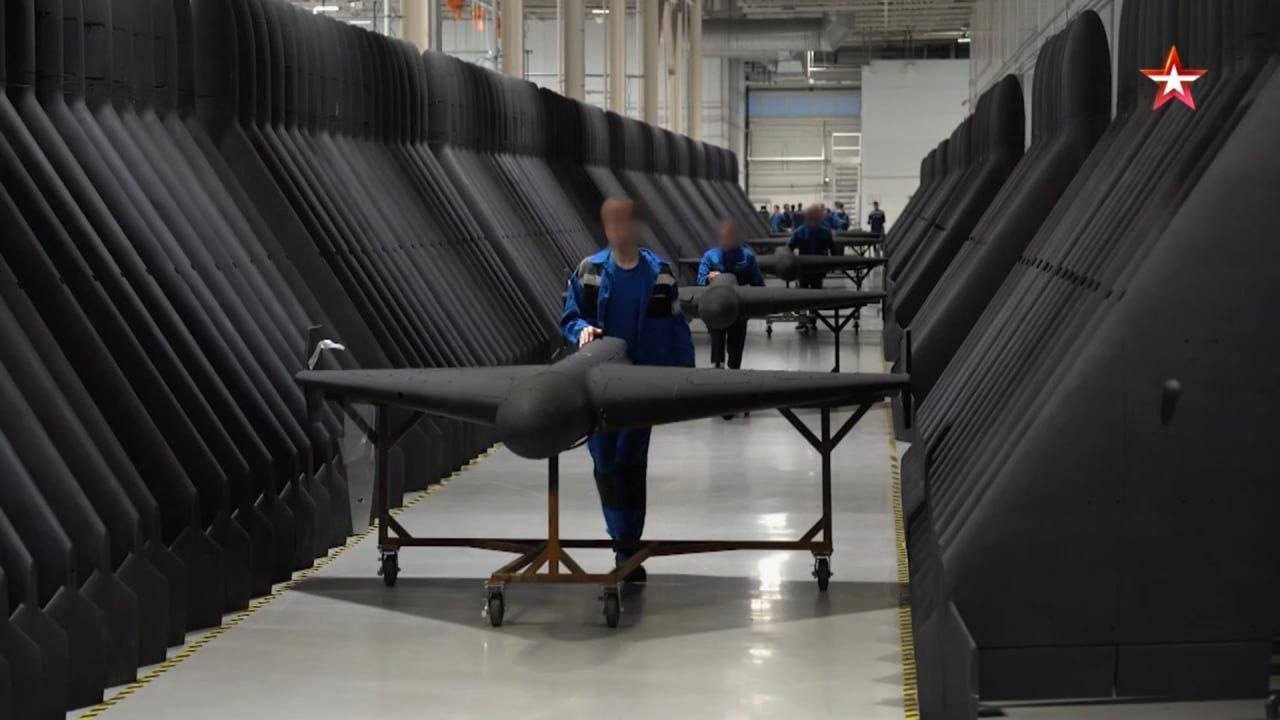
On July 20, Russian state media aired new footage of a large-scale drone production facility in Yelabuga, Tatarstan, which manufactures Iranian-designed Shahed-136 drones under the Russian designation “Geran-2.”
The video, released by the Ministry of Defense’s “Zvezda” TV channel offers a rare inside look at one of Russia’s key drone assembly centers used to supply its ongoing attacks on Ukraine.
🔴 This is how the Russian forces launch Shahed drones to attack Ukraine, using American Dodge pickup trucks, as seen in videos released by Russian state media. pic.twitter.com/Qhr04xzVBM
— UNITED24 Media (@United24media) July 20, 2025
According to Timur Shagivaleev, CEO of the Alabuga Special Economic Zone, the facility is the largest drone factory in the world. Located approximately 1,700 kilometers from Ukraine’s border, the site reportedly houses dozens of assembly lines and hundreds of drones prepared for deployment.
The footage shows rows of drones being painted in matte black, a tactic allegedly intended to reduce visibility during night-time operations and hinder interception by Ukrainian mobile air defense units. Russian forces have increasingly used these drones in nocturnal attacks, leveraging their reduced reflectivity under searchlights.
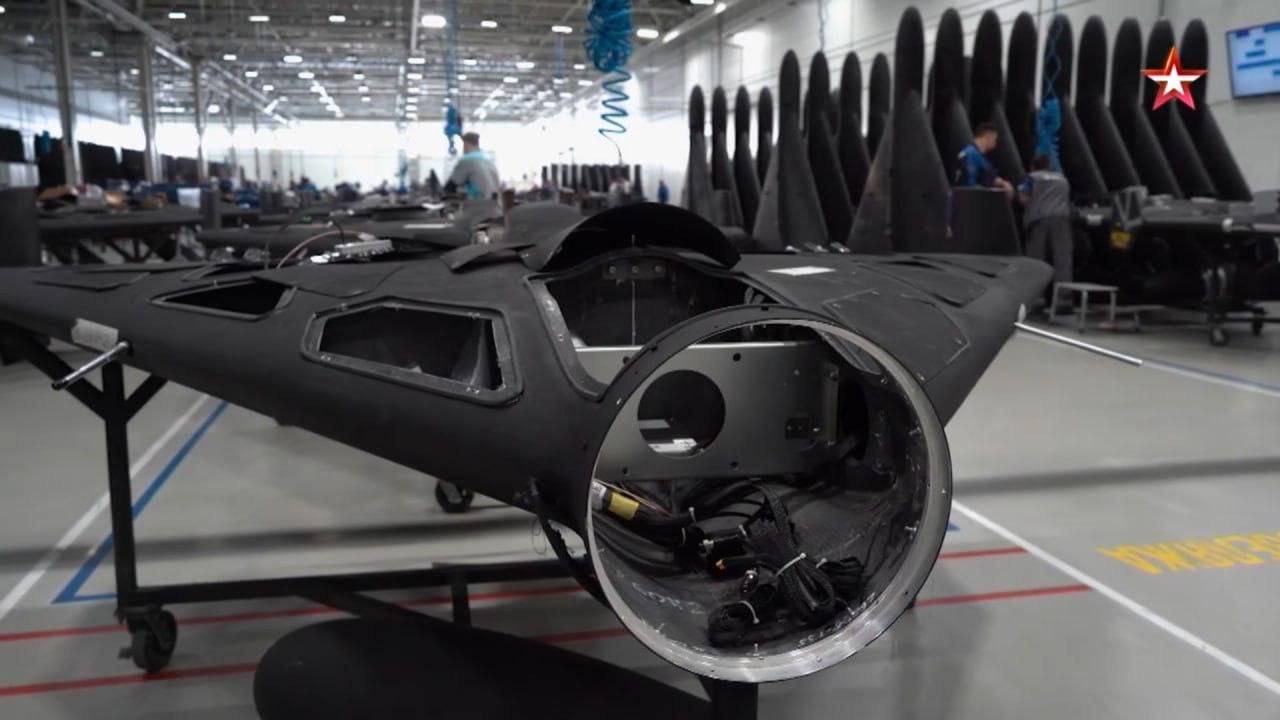
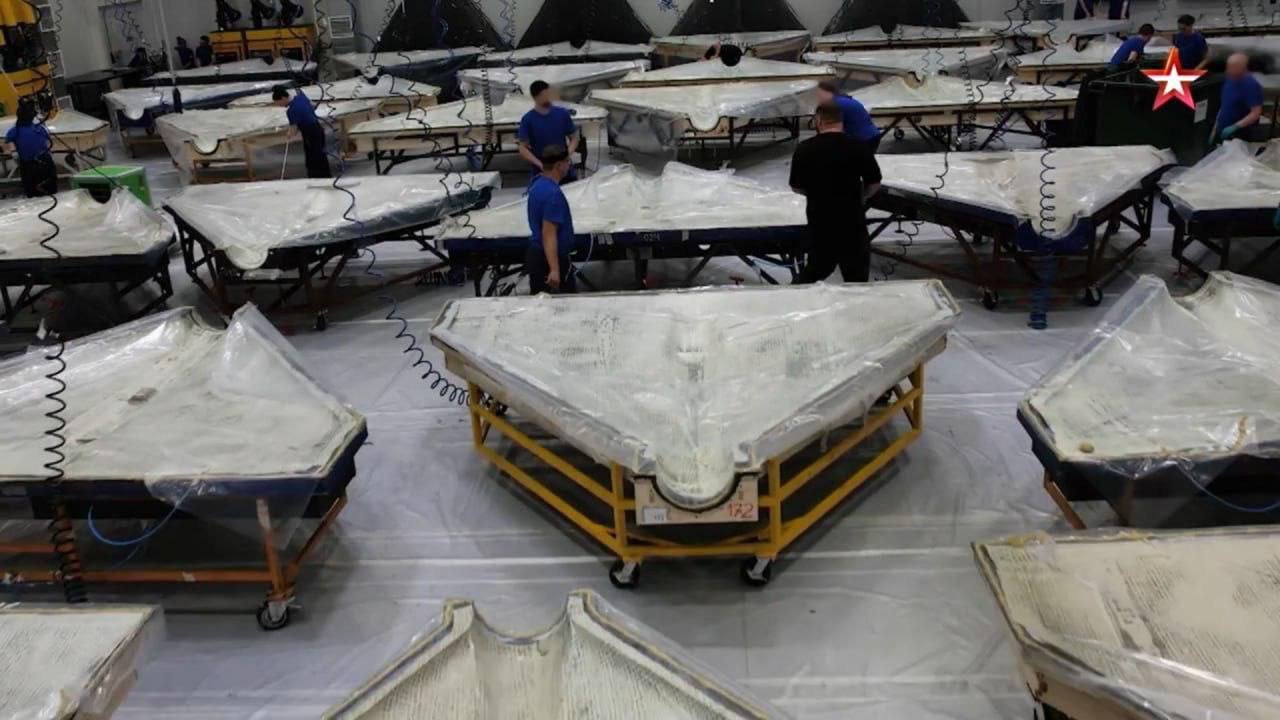
One notable element of the report is the use of underage labor. According to the broadcast, the production line includes teenage students recruited from the nearby Alabuga Polytechnic College, which operates within the same industrial zone.
The institution offers specialized training in UAV manufacturing for students starting as early as the ninth grade. After graduation, students are reportedly offered employment directly at the plant.
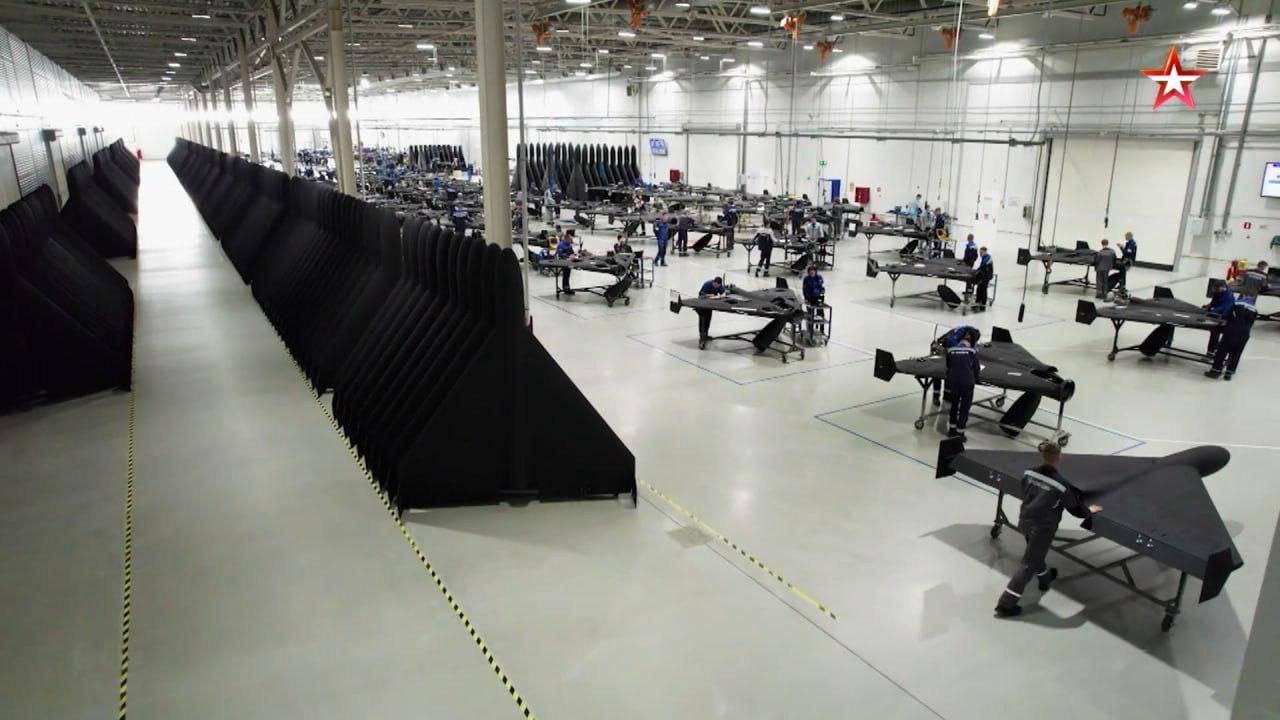
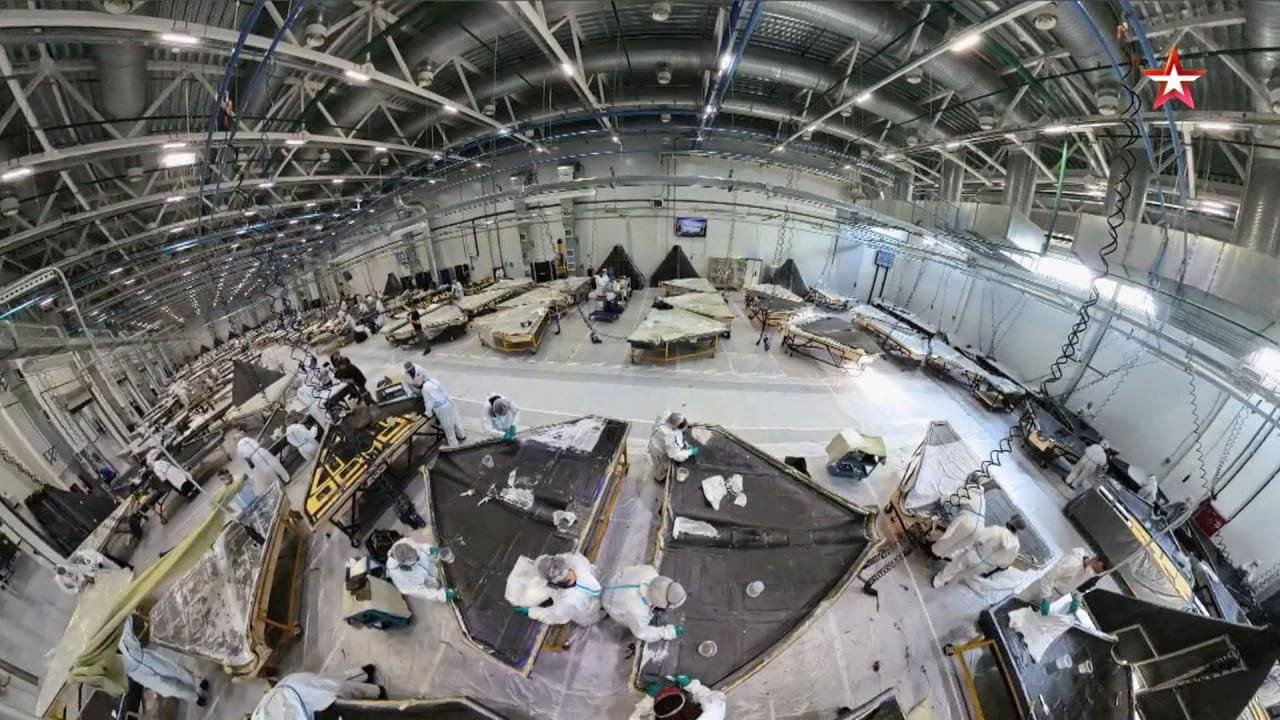
Reports from Russian media cite testimonies that students work long shifts—sometimes without breaks—and are paid between 30,000 and 40,000 rubles per month (approximately $335–$445).
Their contracts prohibit the disclosure of any information related to drone production, with violations punishable by fines ranging from 1.5 to 2 million rubles ($16,800–$22,400).
Additional reports suggest that students are monitored through surveillance and face expulsion—and substantial reimbursement penalties for their parents—if they refuse to participate. In such cases, families may be required to repay 170,000 to 420,000 rubles ($1,900–$4,700) in educational costs.
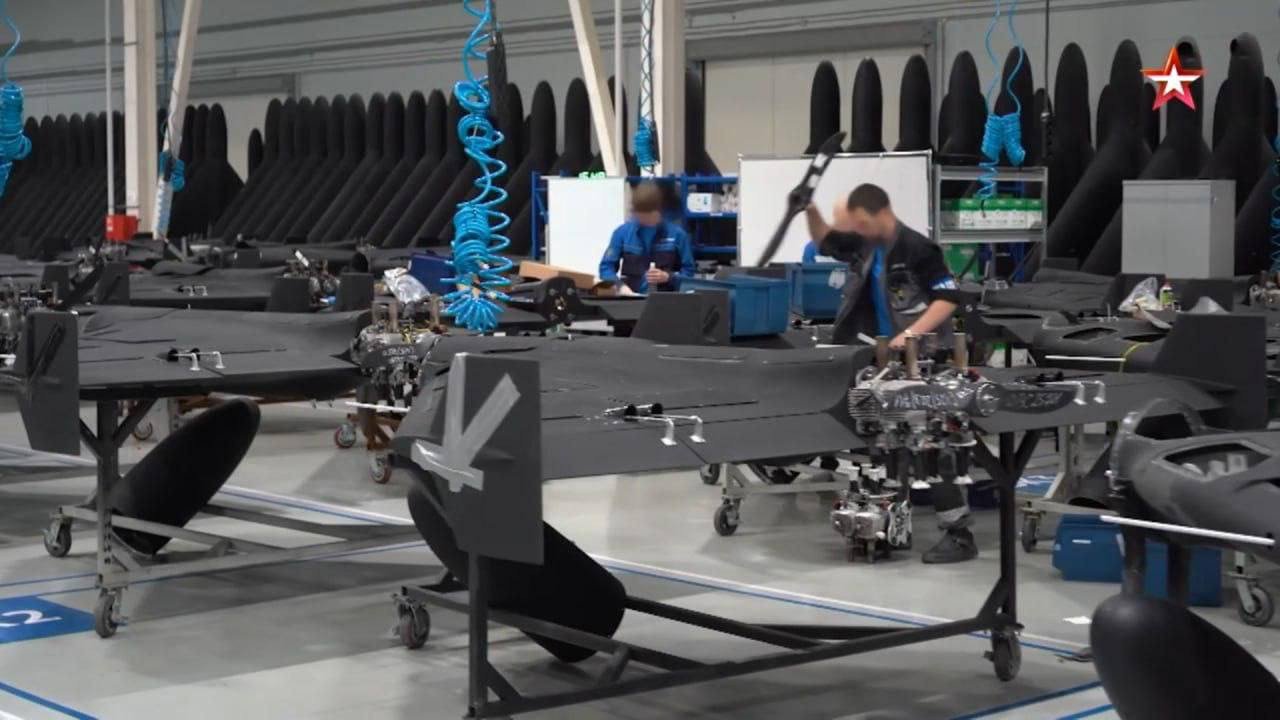
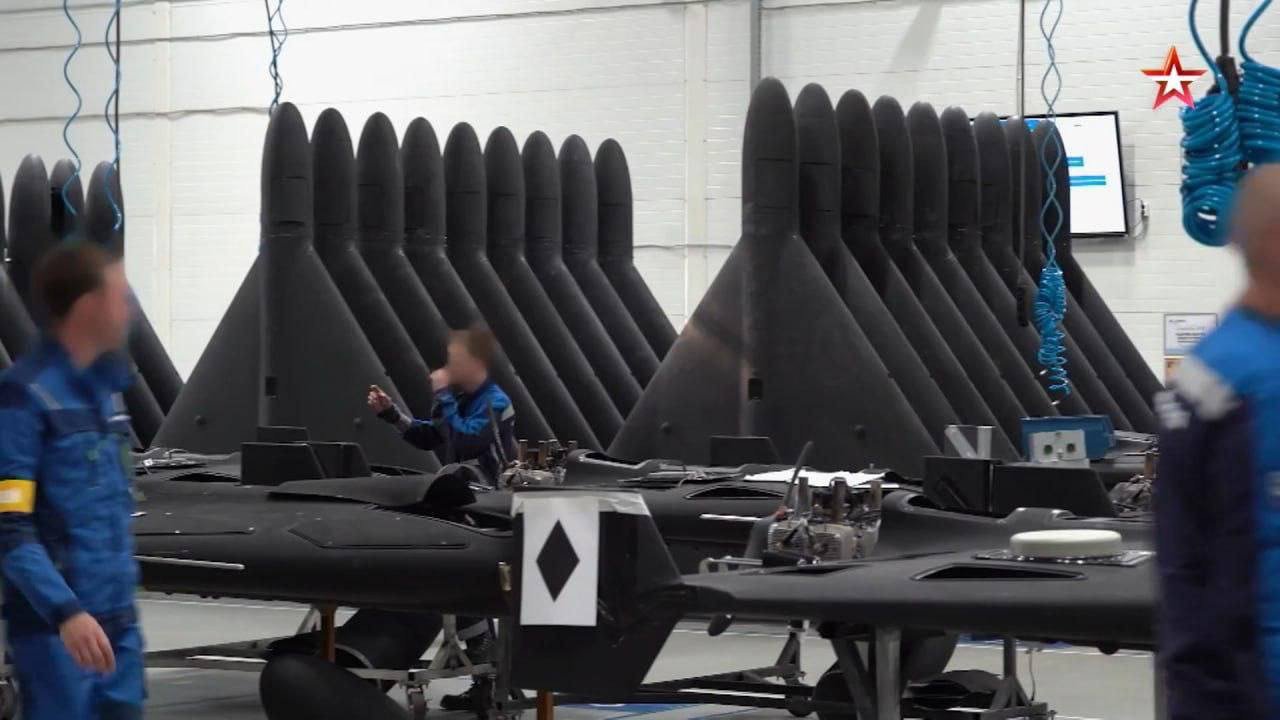
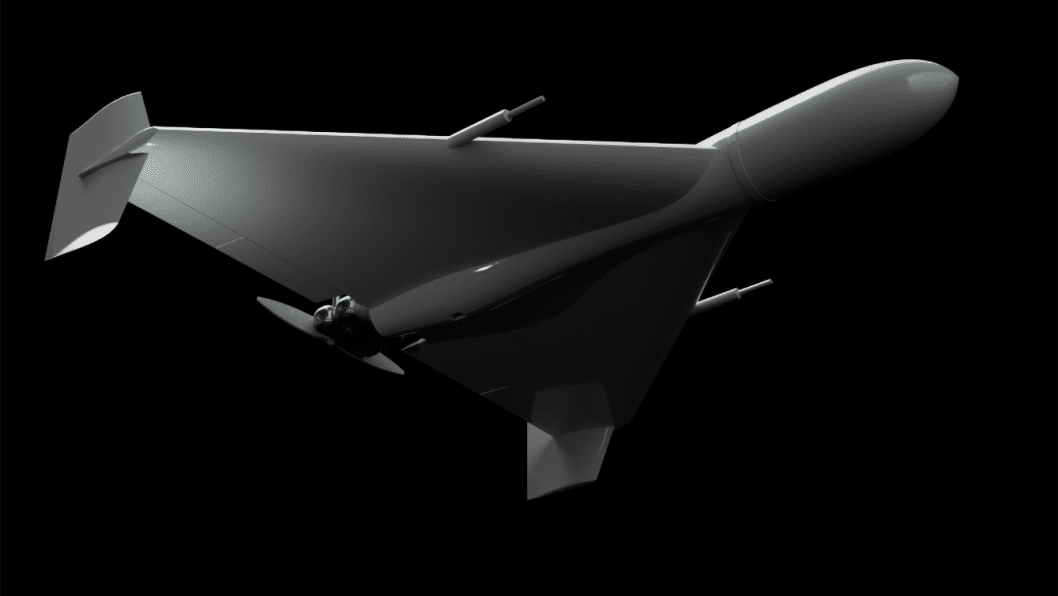
The Alabuga facility became operational in 2023 and was specifically constructed for the mass production of the Geran-2. Since acquiring the Shahed-136 drones from Iran, Russia has rebranded and integrated them into its long-range strike arsenal. The UAVs are pre-programmed to follow fixed routes and attack predesignated targets.
Technical specifications for the Geran-2 include:
Length: 3.5 meters
Wingspan: 2.5 meters
Weight: approximately 200 kilograms
Warhead: up to 50 kilograms
Engine: 50 horsepower two-stroke gasoline
Range: up to 1,800 kilometers
Cruising speed: 180–200 km/h (up to 300 km/h in descent)
Maximum altitude: 4,000 meters
Loiter time: 10–12 hours
The drone uses CRPA satellite navigation and inertial systems, offering some resistance to electronic warfare. However, the aircraft is notably loud due to its unmuffled engine—reportedly comparable to the sound of a moped—which often reveals its position during flight.
Additional imagery from Russian state outlets shows the drones being launched from vehicles including US-made Dodge Ram trucks.
Russia’s open demonstration of the facility marks a significant moment in its messaging strategy, showcasing both the scale of its drone production and its integration of education and labor systems into the military-industrial complex.
Earlier, Ukraine reported the downing of Russia’s 30,000th Shahed drone, marked with serial number “Ы30000” and linked to the Alabuga plant in Tatarstan. The milestone highlighted the scale of Russia’s drone production, with up to 18,000 units reportedly built at Alabuga in the first half of 2025 alone.
Discuss this article:


-111f0e5095e02c02446ffed57bfb0ab1.jpeg "Photo of Roman Kohanets")


-72b63a4e0c8c475ad81fe3eed3f63729.jpeg "Photo of Cyril Barabaltchouk")