- Category
- War in Ukraine
Everything We Know About the Iranian Shahed Drones and How to Stop Them
Iran is attacking Israel with ballistic and cruise missiles, as well as deploying Shahed UAVs—drones Russia has used to strike Ukrainian cities since 2022, with near-daily attacks in the past year.
 Prefer U24 Media on Google
- Authors

-29a1a43aba23f9bb779a1ac8b98d2121.jpeg "Photo of Illia Kabachynskyi")
Following one of Iran’s recent attacks on Israel, a video surfaced online showing a fighter jet shooting down an Iranian Shahed-136 drone with a machine gun. It’s just one of many ways militaries are learning to intercept these drones. In Ukraine, ground-based mobile units with mounted machine guns, interceptor drones, anti-aircraft systems, air defense forces, and even new AI-powered weapons are being used to combat them.
Iran supplied Shahed drones to Russia in 2022 and later helped localize their production. The scale of current drone attacks is unprecedented. In a single night, the Kremlin can launch over 400 Shaheds simultaneously against Ukrainian cities, combining them with cruise and ballistic missile strikes.
In the first half of June alone, Russia deployed over 2,000 Shahed drones in attacks against Ukraine. Throughout the spring of 2025, the number surpassed 10,000, and by mid-year, drone strikes are expected to total 20,000—an extraordinary volume of aerial assault not seen in modern warfare. Ukraine knows all too well what Shahed UAVs are capable of.
What is a Shahed UAV?
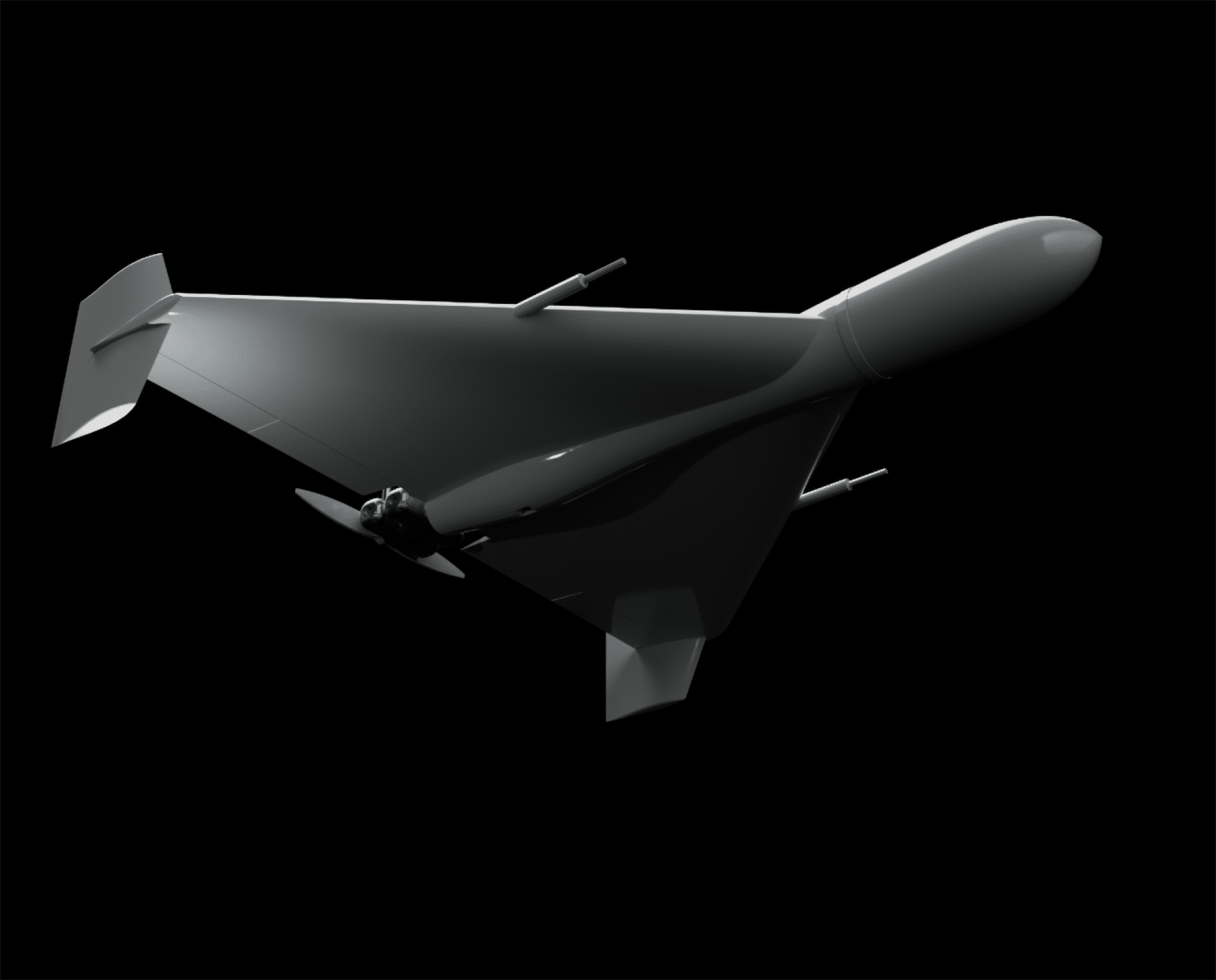
Shaheds have two defining characteristics that make them deadly weapons. The first is their low cost. Producing a single drone costs approximately $50,000. In contrast, the missiles used to shoot them down can cost hundreds of thousands of dollars. Even a fighter jet sortie to intercept a Shahed runs into tens of thousands. In short, these drones are extremely cost-effective—cheap to use, but expensive to counter. This affordability allows Russia to launch them en masse, testing even the most advanced air defense systems, like those of Israel.
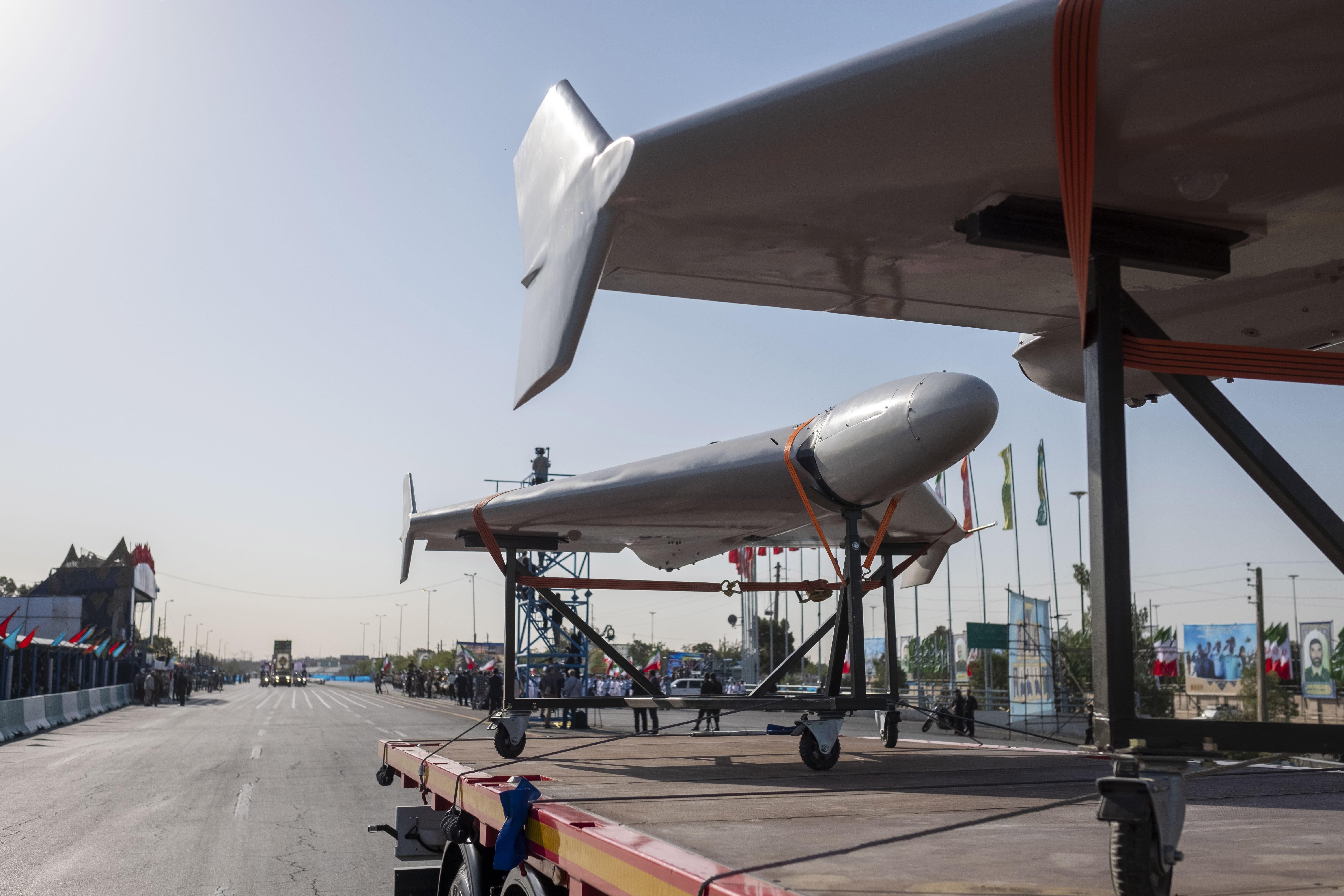
The second key feature is effectiveness. Modern versions used by Russia can carry a 90 kg warhead, with the explosive payload itself reaching 62 kg. While that’s significantly less than what ballistic or cruise missiles carry, it’s more than enough to inflict serious damage on civilian areas and critical infrastructure, particularly in the energy sector, where even minor shrapnel damage can halt operations.
Another underdiscussed advantage of the Shahed—visible through Russia’s war in Ukraine—is the rapid adaptability of its deployment tactics. Over the past three years, Russia has repeatedly altered its launch strategies: from sporadic single launches to large-scale coordinated attacks, from high-altitude approaches to low-level flight paths, with and without accompanying missiles. This tactical flexibility allows adaptation to countermeasures. The drones themselves have also been modified several times—Russia has released multiple upgraded versions of the weapon originally supplied by Iran.
Shaheds have a maximum range of up to 2,500 kilometers and can stay airborne for over 10 hours, allowing them to loiter and wait for the optimal moment to strike.
There is little doubt that all of this expertise will now be turned against Israel. Iranian instructors were previously reported in Russia, assisting with training and gathering operational data on the drones’ usage. Tehran is deeply familiar with the weapon and its deployment strategies.
How to stop Shahed drones
Ukraine continues to invest heavily in systems designed to shoot these drones down. Current efforts include:
Interceptor drones capable of chasing down and destroying Shaheds mid-air. These are relatively new and only recently entered active service.
Electronic warfare (EW) systems, which have proven quite effective, disrupting a significant share of the drones launched nightly. Though effective, these systems require constant updates—a priority for Ukrainian engineers.
Advanced systems like Sky Sentinel, which use artificial intelligence to detect and neutralize Shaheds even with conventional weapons like machine guns.
Laser weapons, which Ukraine is developing to offer an efficient and, crucially, low-cost method of drone interception.
Shahed drones are weapons of urban terror and civilian destruction. They are not designed to eliminate factories or airfields but are highly effective in maintaining a constant state of fear and pressure among civilian populations. Russia has been using them to bombard Ukrainian cities for three years. Other nations with access to Shaheds are likely to follow suit.
Discuss this article: