- Category
- Defense Tech
Inside the Launch of Ukraine’s FP-5 Flamingo Cruise Missile Strike Into Russia
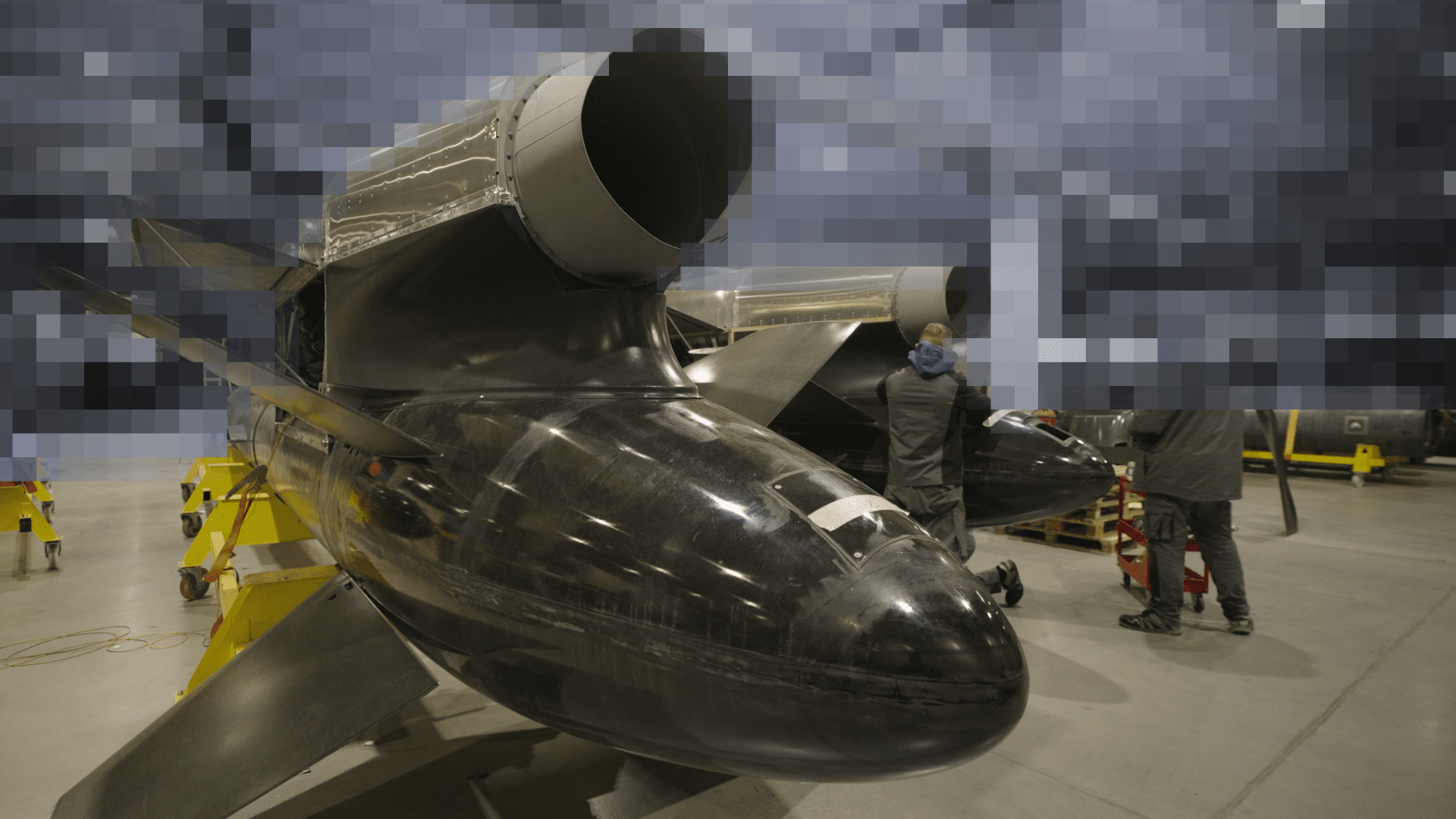
Missile launches are fast, secretive operations where an extra person with a camera is usually the last thing anyone wants. Which is why we were surprised to receive exclusive access to witness the firing of Ukraine’s FP-5 Flamingo cruise missile.
 Prefer U24 Media on Google
- Authors


I didn’t expect to end up at a missile launch. Access to something like that is difficult for journalists to get, and for obvious reasons. In operations like these, reporters are usually more of a burden than any kind of help.
When Yehor Skalyha, Fire Point’s technical director, asked if I had time to go, I was already working on follow-up interviews for a report about Fire Point’s production of the FP-5 Flamingo cruise missile, which some journalists had been granted access to on the manufacturing side. What I didn’t expect was to see the other end of that process, even as I had been shamelessly inquiring about it for months.
I dropped everything I was doing and agreed to go. Only later did the part of my brain responsible for self-preservation start firing synapses. Being part of a mission of that magnitude meant that somewhere on the other side, Russian military intelligence would be doing everything it could to detect and stop it, and if the launch position were discovered, the response could come quickly and with serious force.
Riding to the launch
It was a long drive—or maybe it wasn’t. That’s not something that should be divulged. What the drive did provide, however, was ample time to speak with Skalyha and understand why someone in his executive role would personally travel to launch his company’s missiles instead of deferring it to others.

Skalyha’s role involves coordinating closely with the military units that operate the system, and at times that means personally overseeing launches. The FP-5 is still a relatively new platform, and like most new wartime technologies, many of the problems only appear once it is used in real conditions. Being present during deployments allows engineers to see how the system performs, how crews interact with it, and what needs to be adjusted before the next launch.
“We have to fight, we have to hold the front line, we have to defeat the enemy on their territory,” Skalyha said during the drive. “So we simply don’t have time to train crews the way you normally would. From the very beginning, both myself and the chief designer have been traveling and launching the system ourselves while training the military at the same time.”
Earlier, he had talked about the recent Russian strikes on Kyiv, about heating systems knocked out in the middle of winter, and families sitting in freezing apartments. The FP-5 Flamingo was designed as part of the response, targeting the Russian infrastructure that supplies and funds those attacks, and ideally serving as a deterrent against future strikes on Ukraine.
“This weapon is designed to destroy factory facilities and military infrastructure,” he explained. “Factories that produce weapons, factories that produce components for weapons, training grounds, concentrations of equipment. The most important thing is that we can strike very deep—far beyond the frontline.”
Setting the stage
We arrived at the launch site before the missiles and their crews, meeting a reconnaissance team tasked with preparing the field. Under the cover of darkness, they worked to turn an icy patch of farmland into something suitable for massive launchers to quickly enter, fire, and disappear.
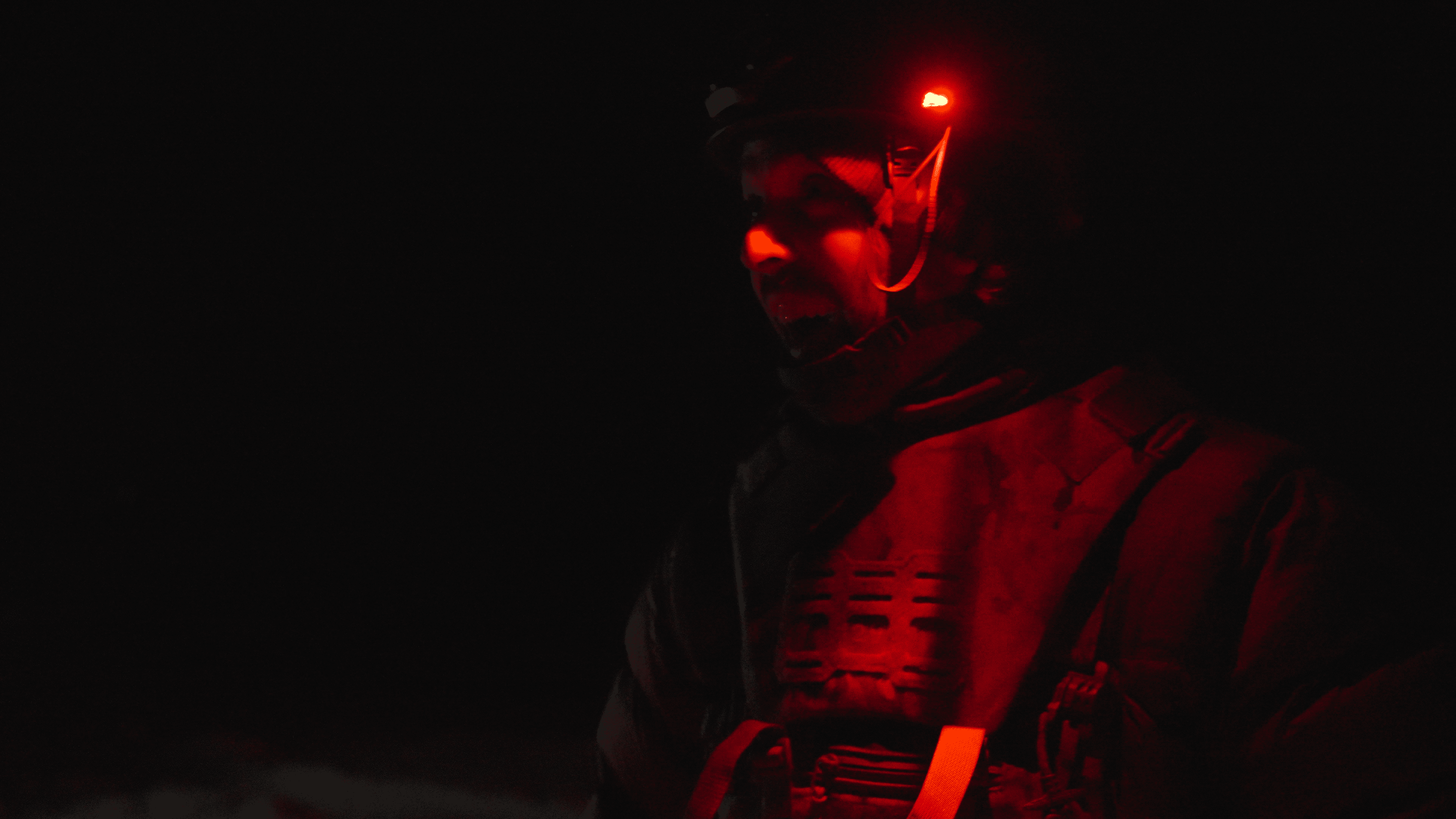
The sky was carefully watched and patrolled; any Russian surveillance drone within a 20-kilometer radius was to be shot down. Even the threat of detection could jeopardize the entire mission. As one of the recon team members explained, the danger was not hypothetical.
“We saw the arrival of Shaheds not far from us on the Mavic,” one sapper said while scanning the horizon. “Even with the naked eye, you can see air defense working along the horizon. The risks are one hundred percent—you’re not just under fire, you’re under guided fire.”
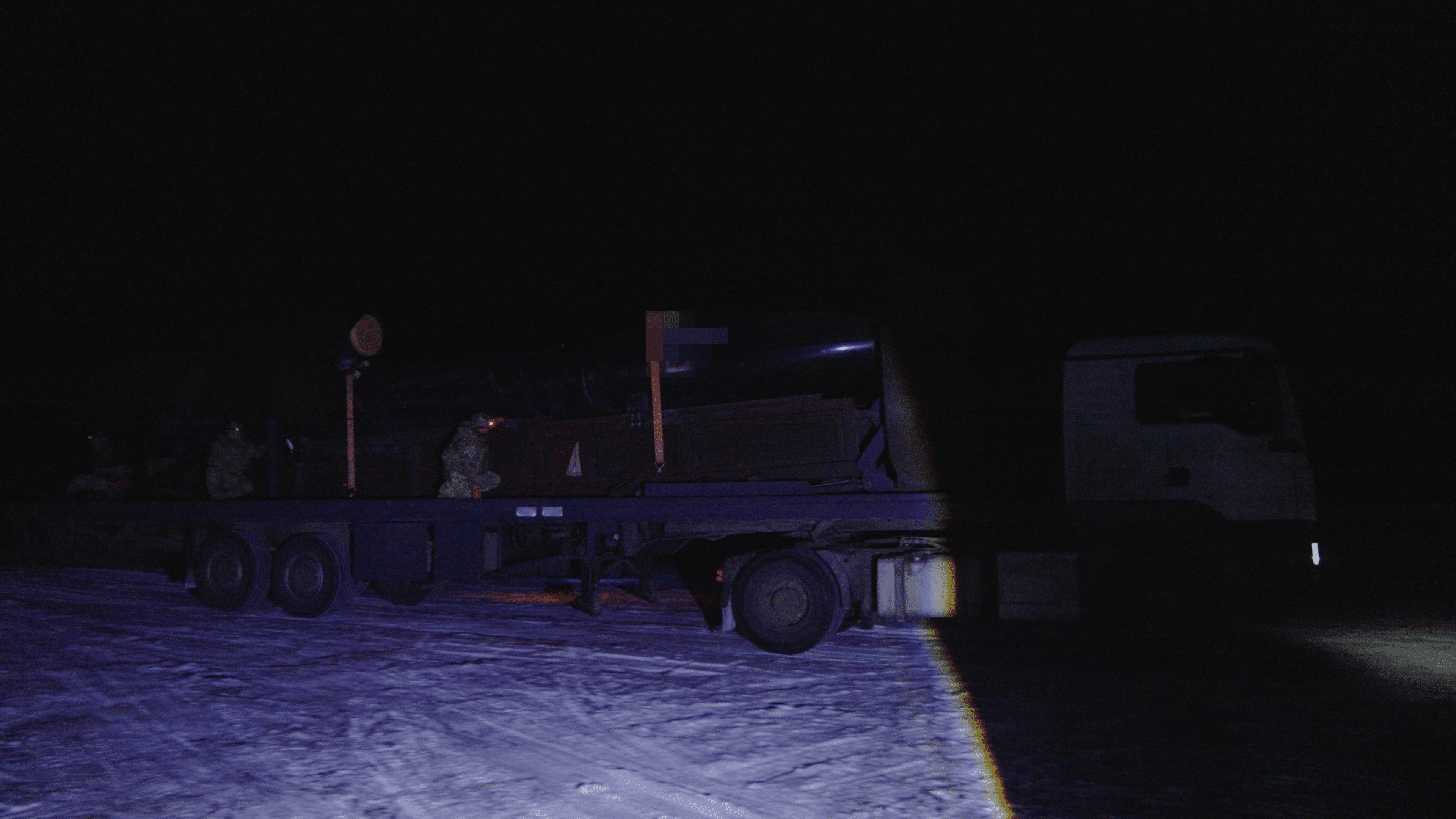
When the reconnaissance team finished preparing the ground, and the sky was clear enough to proceed, the convoy finally arrived. Massive launchers and a column of military vehicles rolled quietly into position across the field, engines cutting one by one as crews moved quickly to begin their work.
It felt almost like being at a wedding: large crews of military engineers moving through careful preparations for each of the six missiles. One by one, they completed their tasks, checked their work, and moved off the site until the busy staging area gradually thinned out, leaving only a small skeleton crew.
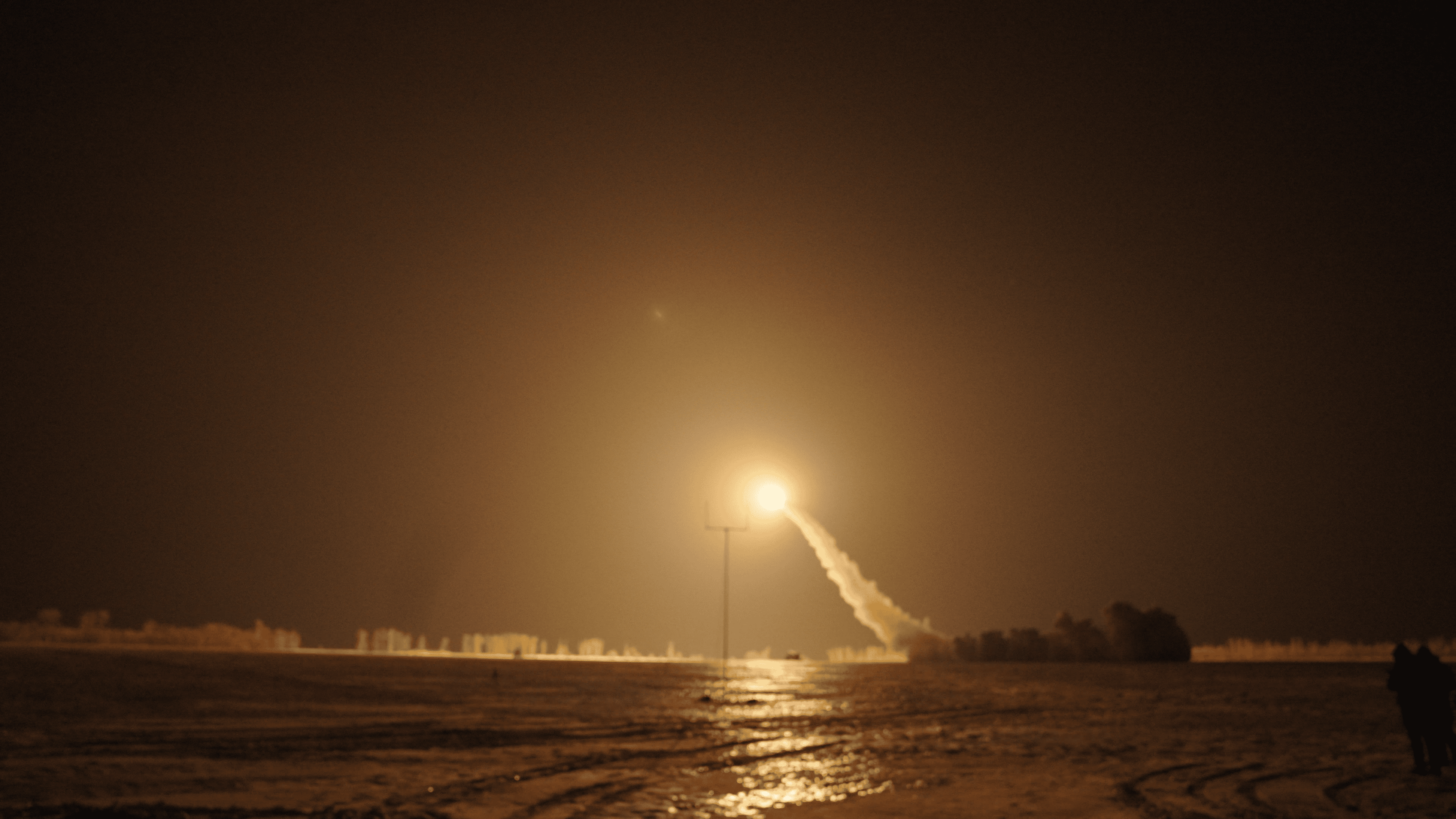
The launchers were fixed to the ground, their azimuth calibrated, engines were prefired, and the payloads armed. At that point, we were moved back to a very safe distance to watch the launch take place.
Six missiles into the night
The FP-5 Flamingo is a long-range cruise missile capable of flying up to roughly 3,000 kilometers while carrying a combat payload of about 1,150 kilograms. On this mission, the missiles were aimed at a major ammunition depot in Russia’s Volgograd region, a logistical hub used to store and distribute artillery and missile stocks for the Russian military.
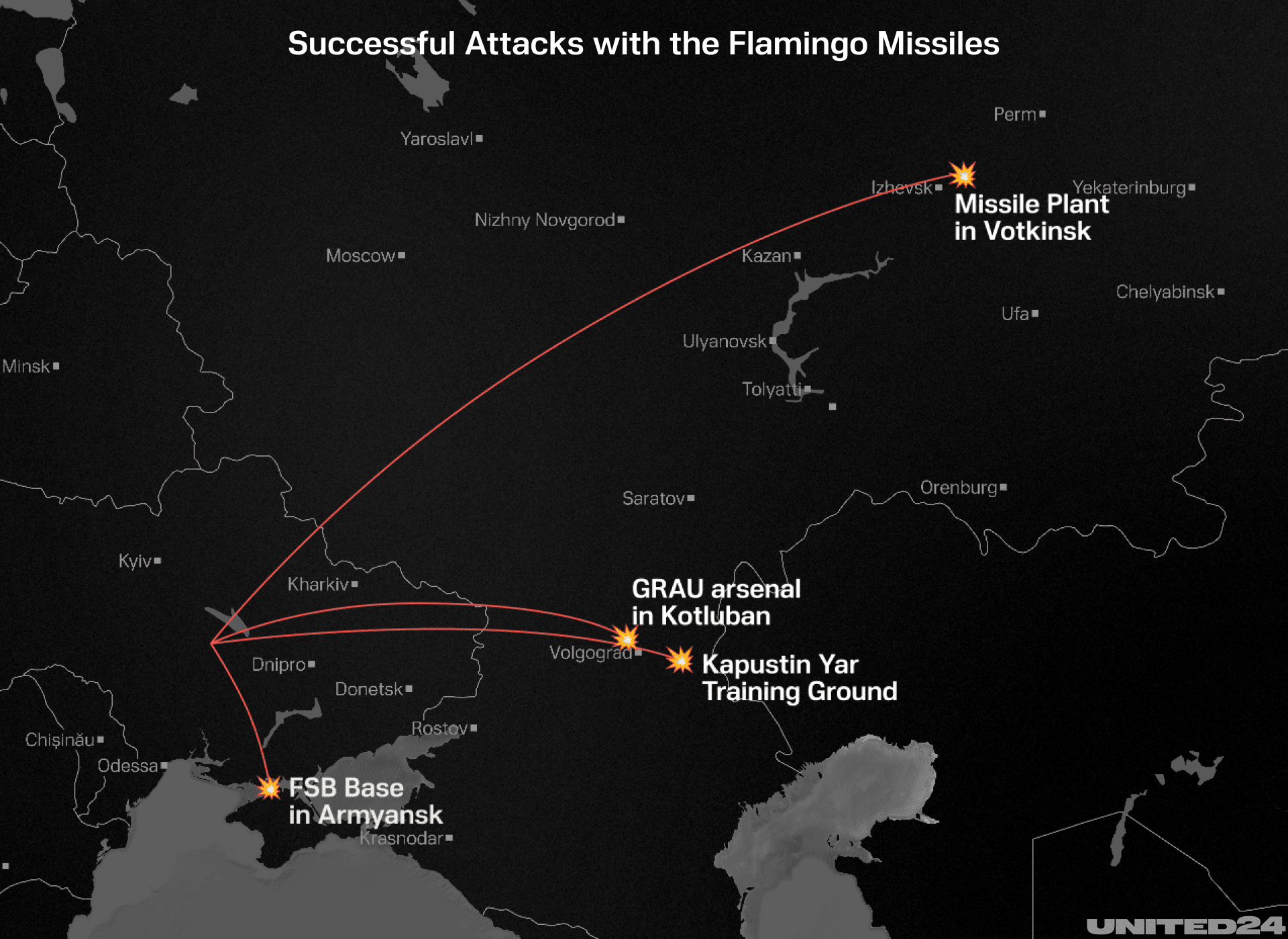
Fire Point began with long-range strike drones before expanding into cruise missiles. As of writing this, confirmed FP-5 Flamingo strikes include the Votkinsk Machine Building Plant in Udmurtia, the Kapustin Yar test range in the Astrakhan region, and an FSB facility in Armyansk, temporarily occupied Crimea.
From the command post, we watched as the six missiles launched and detached from their boosters, illuminating the entire launch site with light and sound before disappearing into the darkness. Just as quickly as the missiles vanished into the night sky, the crews on the ground began doing the same.
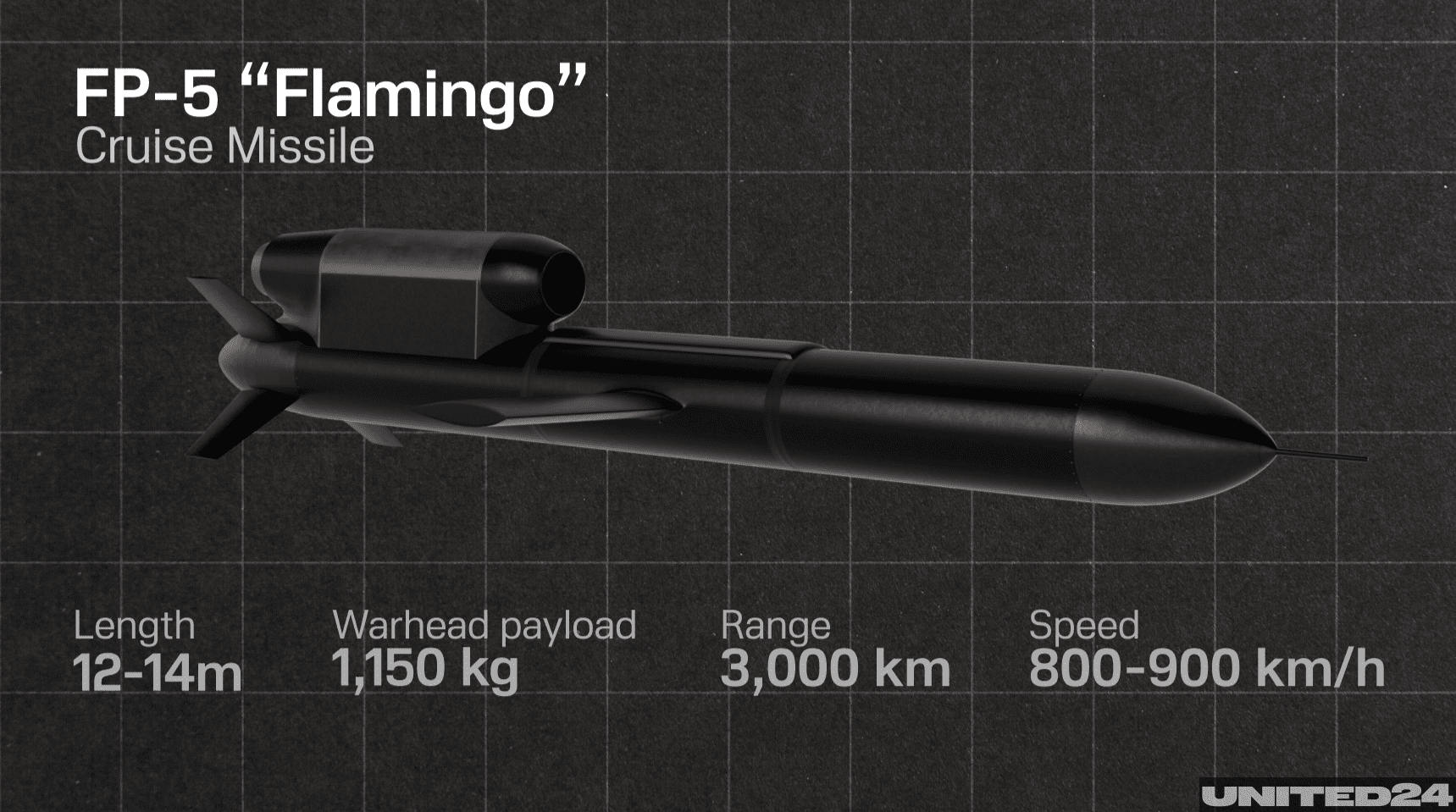
The launch site had to disappear almost immediately. Equipment was packed up, engines restarted, and vehicles moved off the field within minutes. If Russian forces had detected the launch, the response could come quickly.
Later that day, Ukraine’s General Staff confirmed that a GRAU arsenal near the village of Kotluban in Russia’s Volgograd region had been successfully struck. The missiles struck an ammunition bunker with an external area of roughly 3,600 square meters and an internal storage area of about 1,200 square meters on the facility's northern side, open-source analysis suggests.
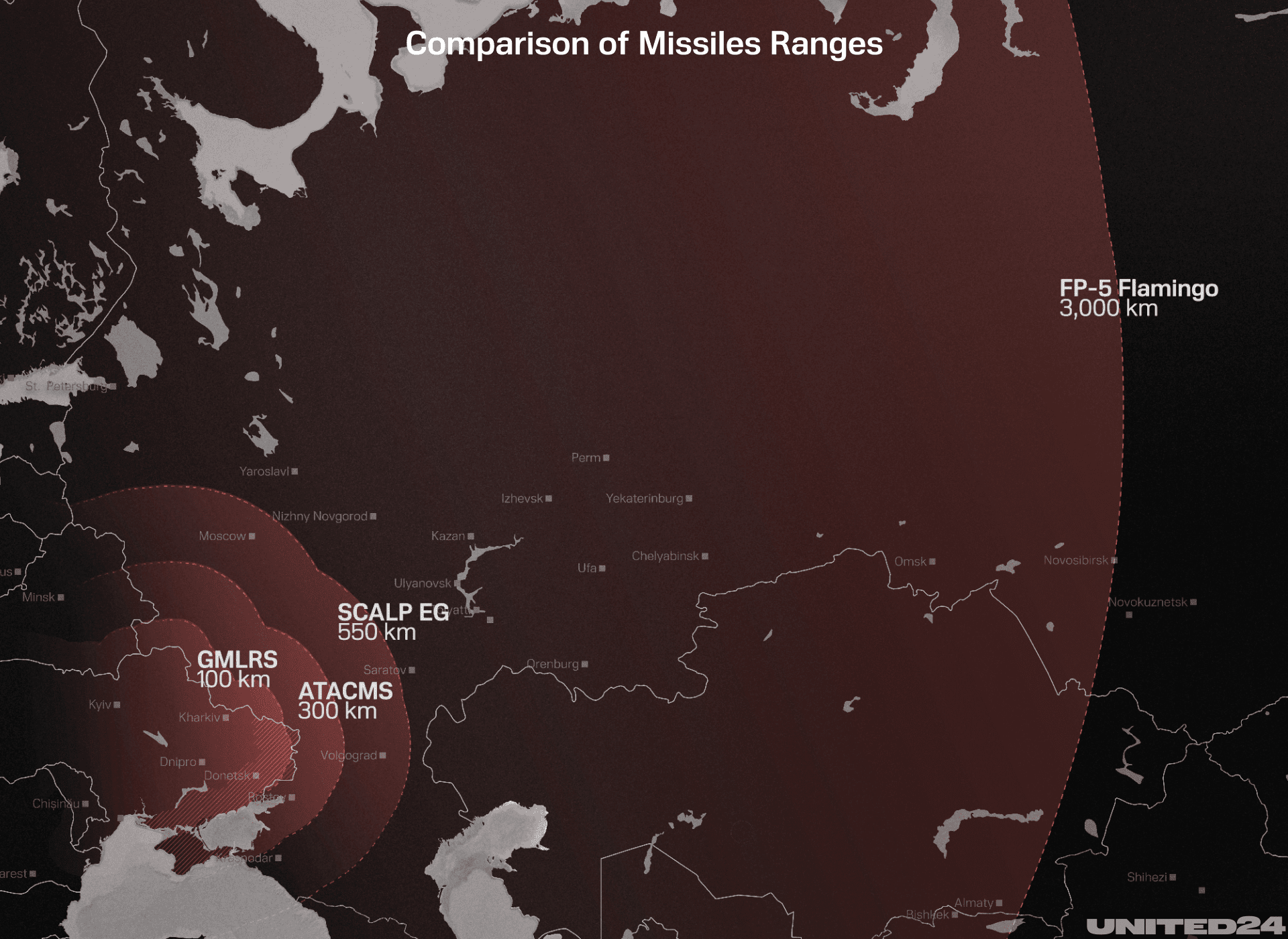
The missiles had traveled hundreds of kilometers through layers of Russian air defense. How many ultimately hit their target is a trade secret, but the results speak for themselves—and so does the weapon’s potential, even in its infancy.
Back at the rendezvous point, one of the sappers who had been working with the system for over a year tried to describe the experience of standing next to it when it fires. “When you have something like that next to you,” he said with a grin, “the only approach to life is humor.”
He had seen both testing and combat launches, and the moment still had not lost its effect. “I’ve been here for over a year—testing and combat operations,” he said. “And every time you think, ‘Damn, this is awesome.’ When that booster roars, the ground disappears from under your feet.”
Discuss this article:
-9a7b3a98ed5c506e0b77a6663f5727c5.png)

-f88628fa403b11af0b72ec7b062ce954.jpeg "Photo of Amira Barkhush")

-c439b7bd9030ecf9d5a4287dc361ba31.jpg "Photo of Katherina Popilnichenko")