- Category
- War in Ukraine
“They Want Us to Surrender”: Kyiv Residents Without Heat and Electricity After Russian Strikes
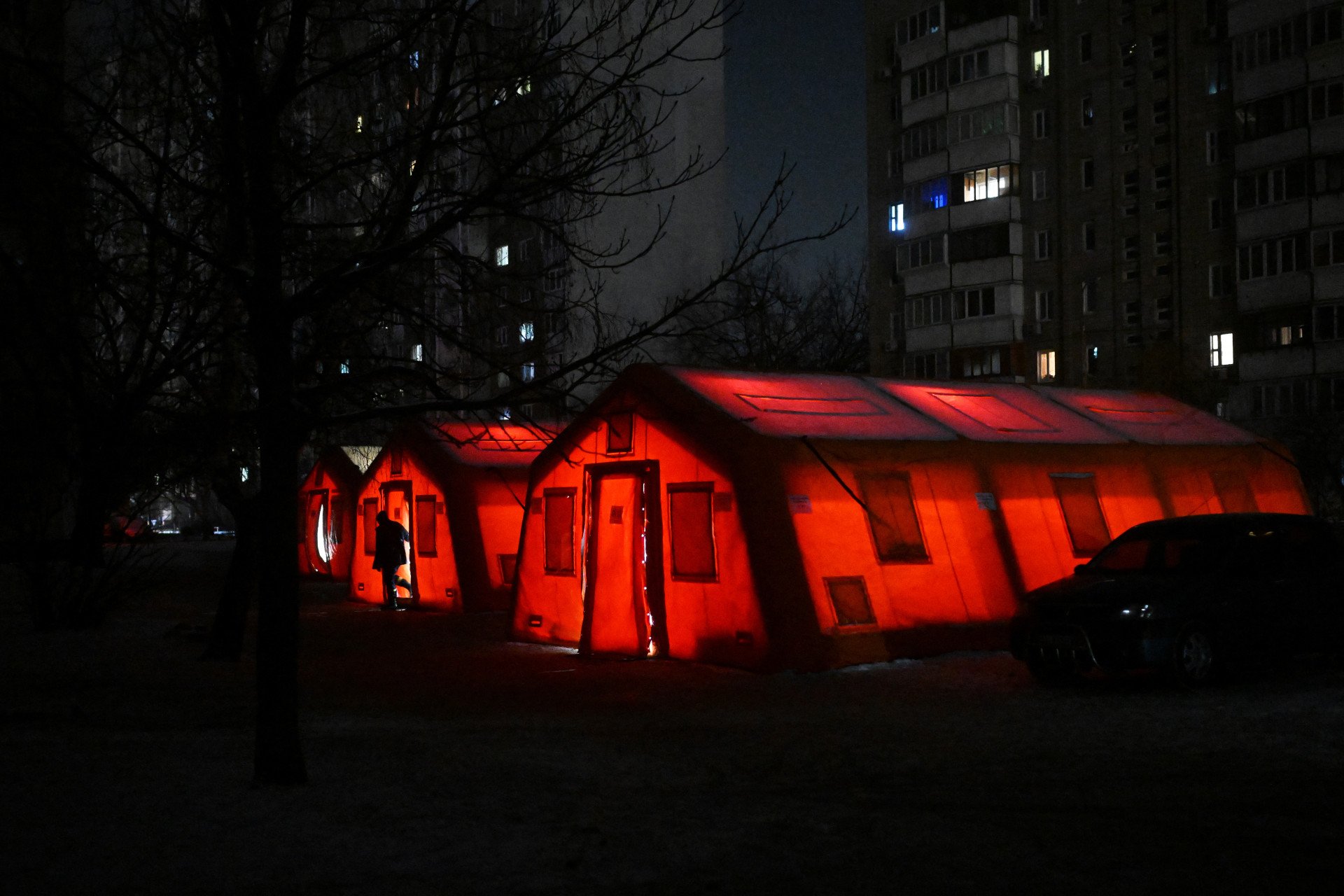
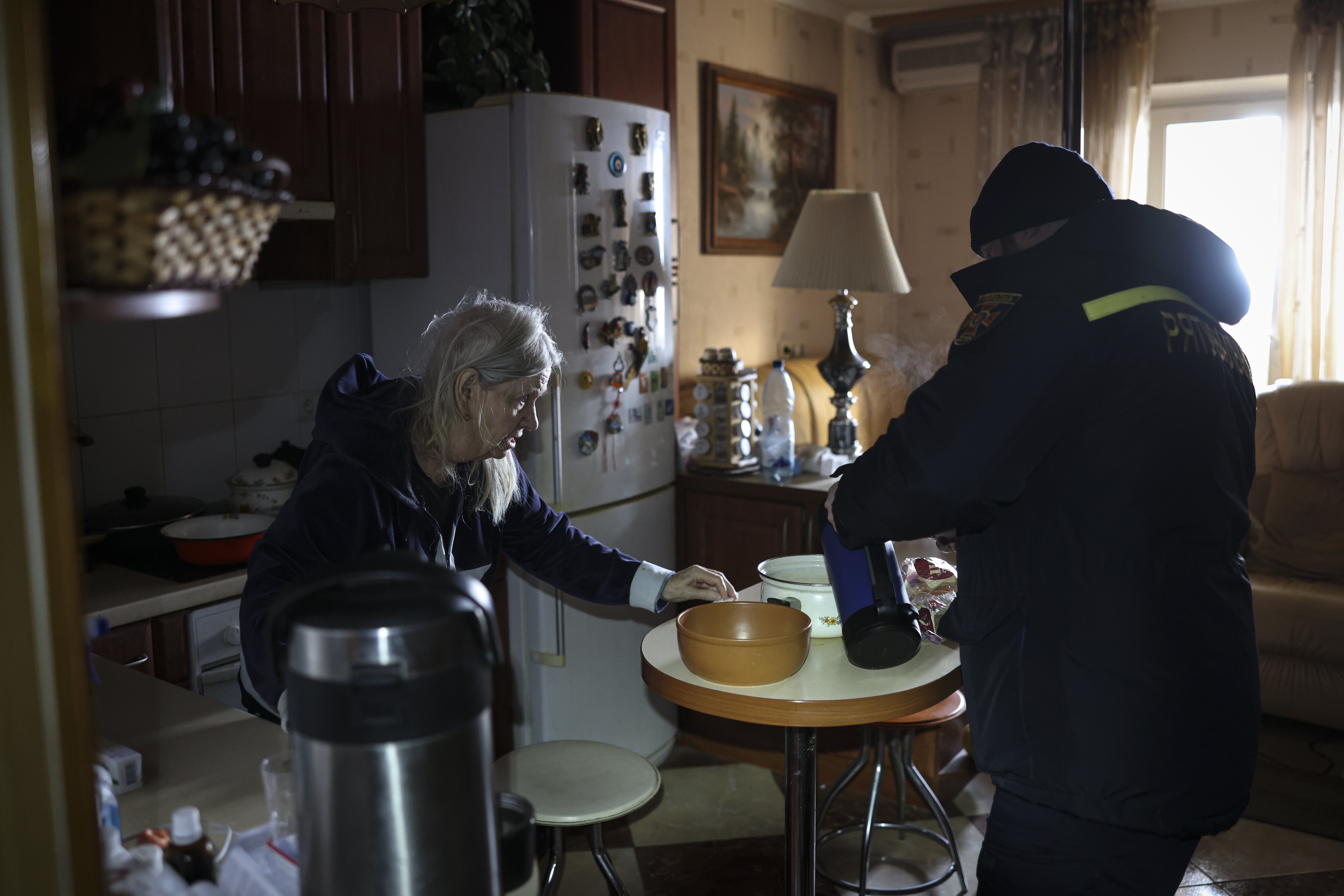
As Russian missile and drone strikes plunged large parts of Kyiv into darkness and cold on the night of January 15, residents sheltering in municipal “Points of Invincibility” and inside unheated apartments, which they described as having gone days without electricity, water, or heating, rejected the idea that the pressure would force them to give in.
 Prefer U24 Media on Google
- Authors

-554f0711f15a880af68b2550a739eee4.jpg "Photo of Lucile Brizard")
Russia’s latest missile and drone attacks have left large parts of Kyiv without electricity, heating, and water during subzero temperatures, forcing residents to improvise daily survival as emergency power outages stretch into days.
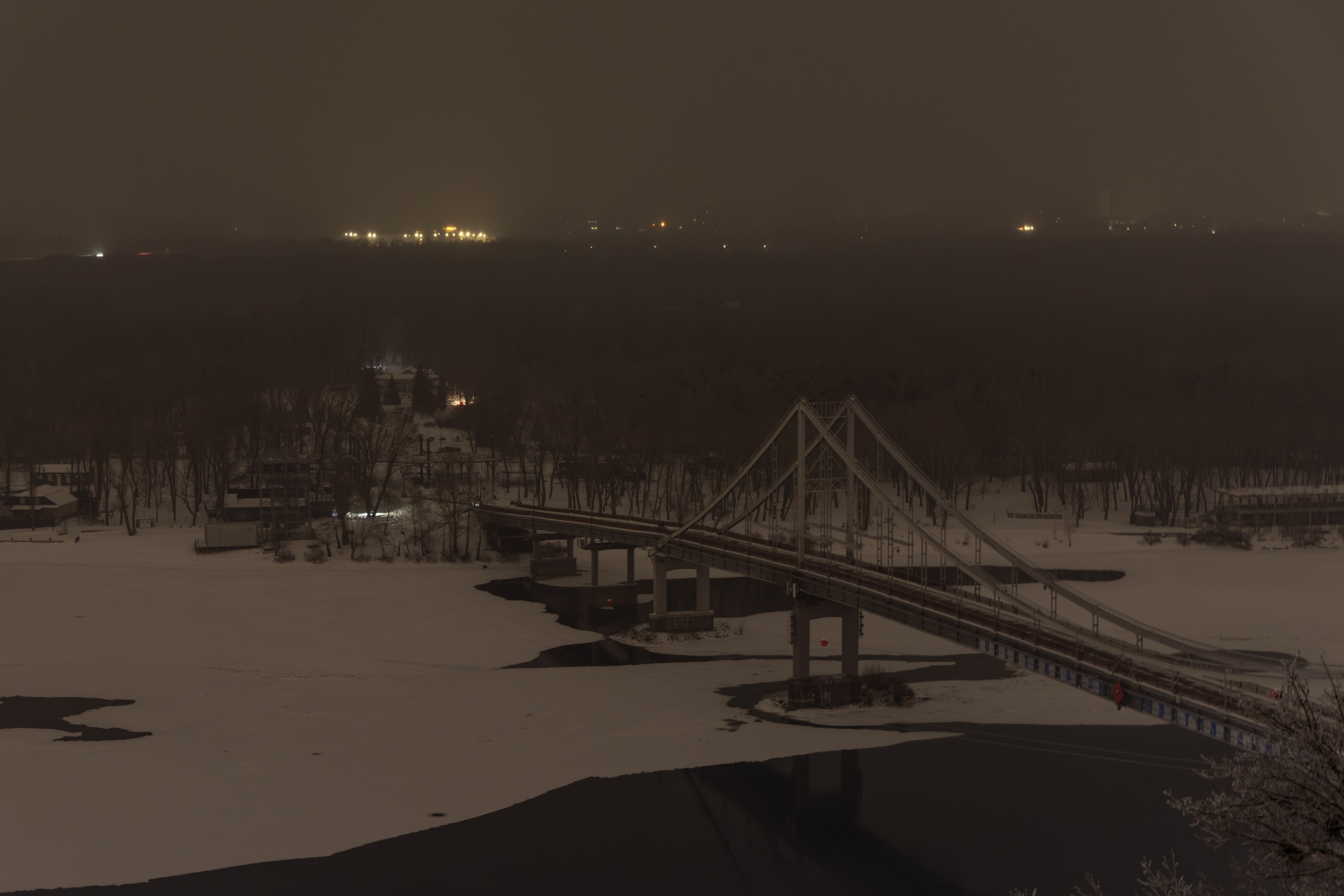
Sleeping fully dressed in Kyiv’s sub-zero cold
Eline is a logistics manager living in central Kyiv, sitting in her dark kitchen, lit only by candles and the blue gas flames of the stove. “My flat is freezing,” she says, describing her old apartment with four-meter-high ceilings and no functioning heating. The apartment became uninhabitable after electricity failed to return on January 14. On that day, President Volodymyr Zelenskyy declared a state of emergency in the energy sector, with particular focus on Kyiv.
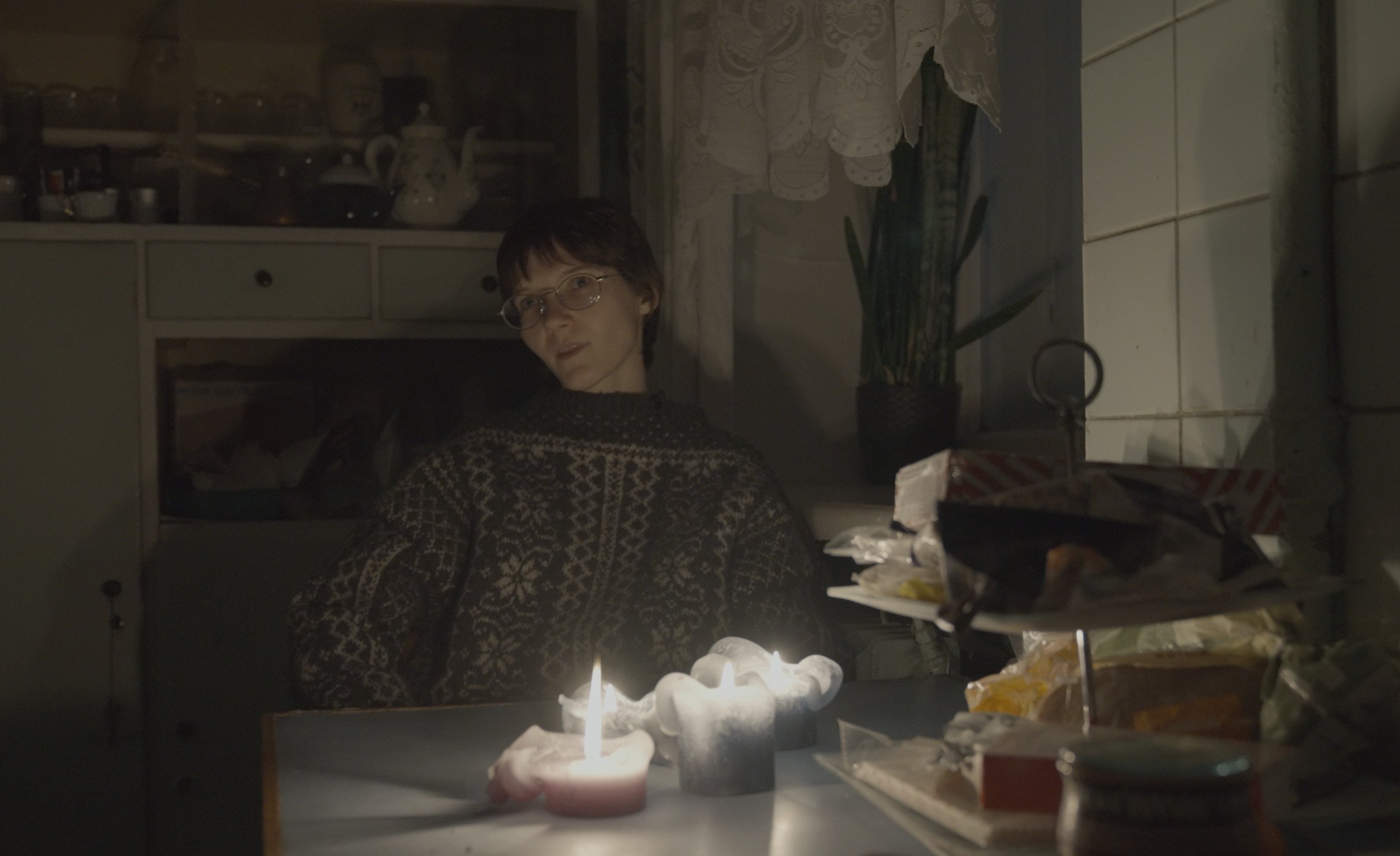
Without electricity, Eline’s boiler stopped working. “I do not have proper water—only cold water that I cannot use because it’s already freezing in my apartment,” she says. “You cannot wash yourself with cold water if it’s already cold. You cannot warm up.”
Looking at a thermometer on the wall, she said the warmest room in her apartment was now 14 degrees Celsius (57,2°F) because it still had access to gas. Eline said she has not showered in two days and has slept fully dressed.
“I haven’t taken off this clothing since yesterday,” she says. “It was so freezing that I realized I could not undress and change into pajamas. It’s easier to sleep in all the clothing I have.”
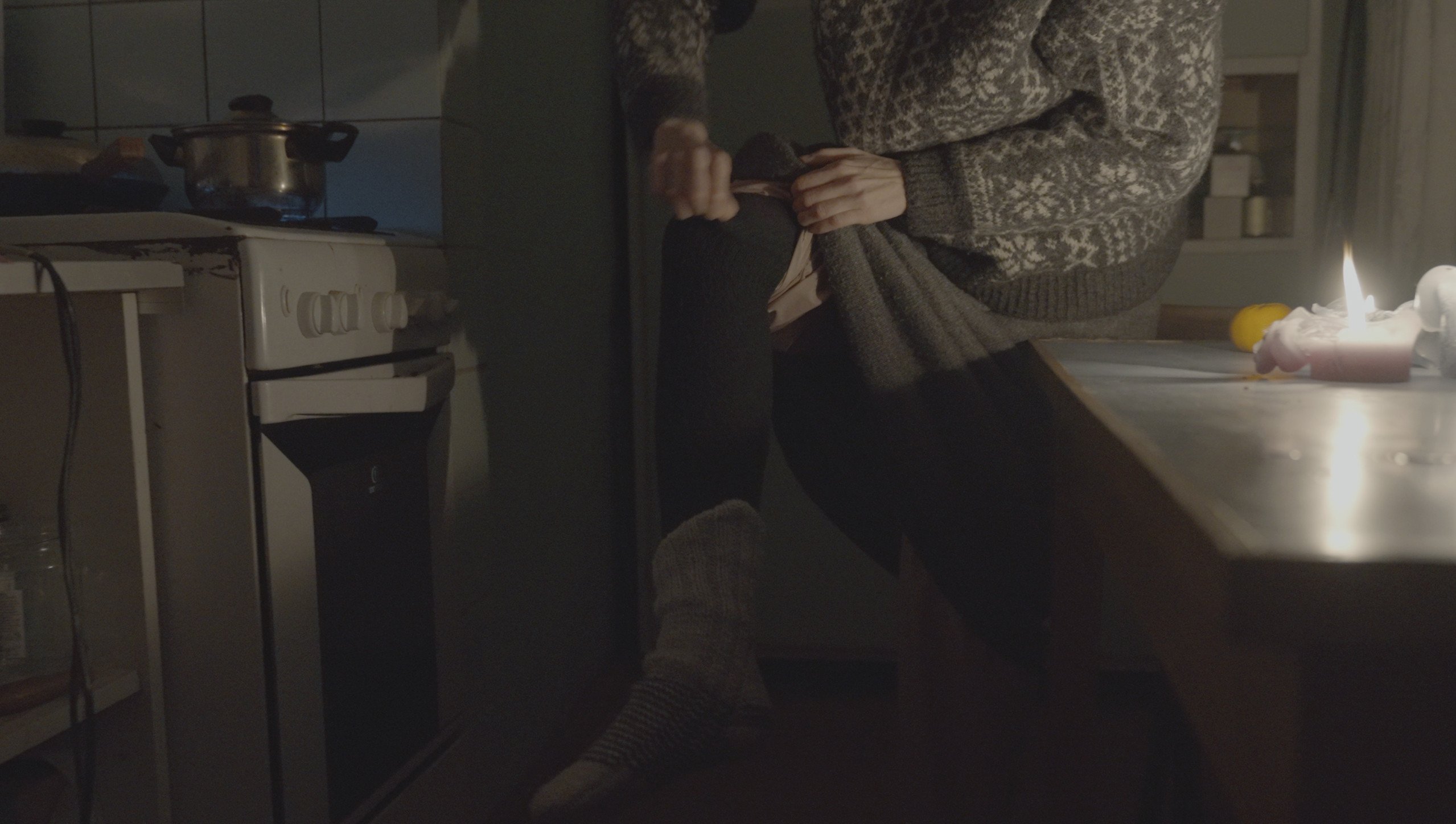
Eline described layering wool socks, tights, specialized trousers, sweaters, and additional clothing to stay warm indoors. “Basically, that’s what I wear when I’m at home,” she said. At one point, she considered moving her bedding into the kitchen, the warmest space, to sleep there.
“Welcome to the medieval ages,” she says.
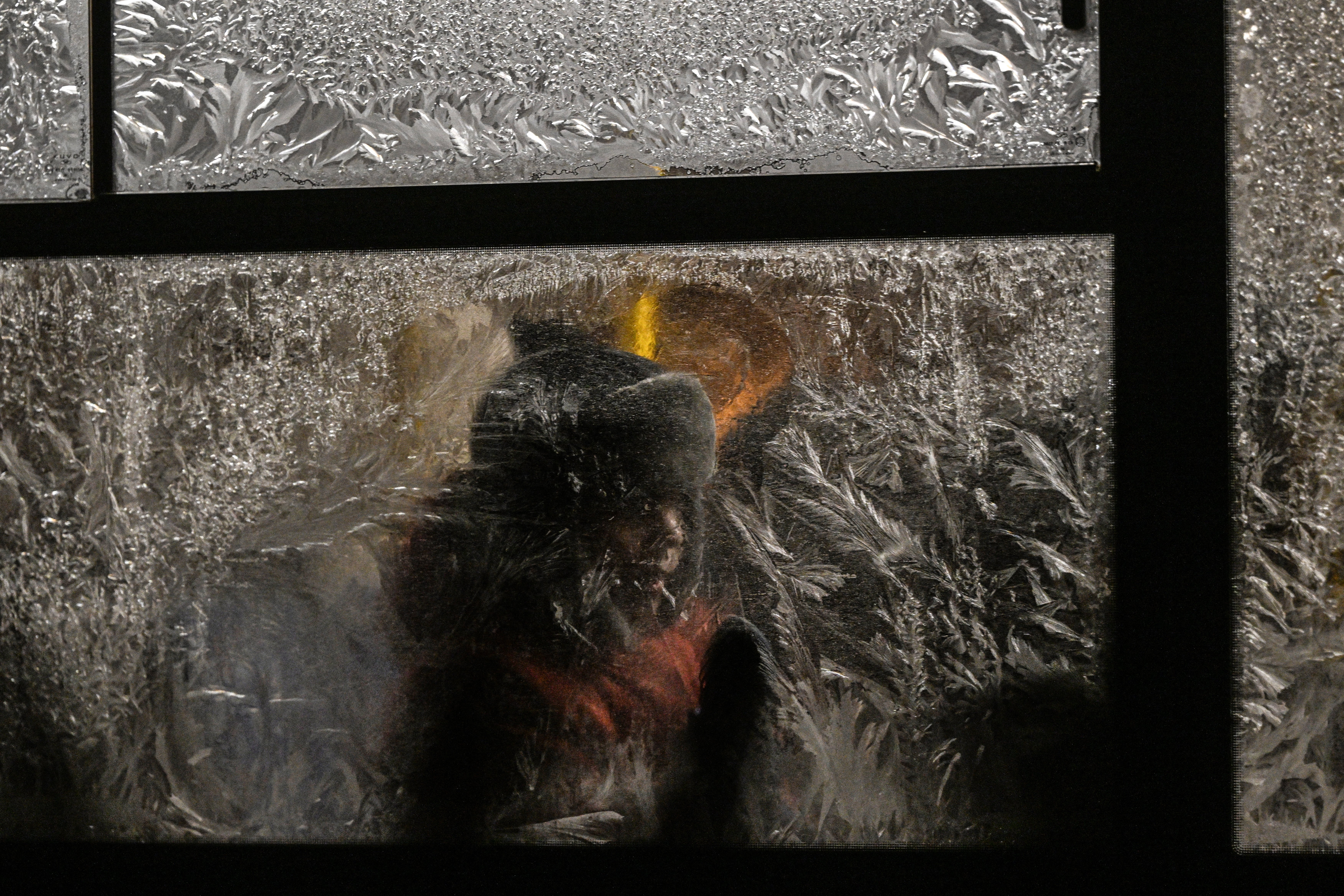
Kyiv Mayor Klitschko urged residents to temporarily leave the capital after the repeated targeting of critical infrastructure, which began on January 9, and relocate to areas with independent heating systems. Eline said that many had no such option. “Some need work, and some need to stay here,” she says, adding she worried about families with small children. “I cannot imagine how I would cope if I had a one-month-old baby in these circumstances.
Despite the conditions, she rejected the idea that the pressure would force Ukrainians to give up. “They want us to surrender,” she said. “But I believe that still most people know that if we surrender, it won’t become better.”
Sheltering in “Points of Invincibility” as outages stretch into days
Elsewhere in the city, residents gathered inside municipal warming tents powered by generators, these are named “Points of Invincibility,” where you can come drink tea, charge your phone and heat up.
Oksana, a manager sitting inside one such tent in Kyiv’s Troieshchyna district with her eight-year-old son, says repeated attacks caused prolonged outages.
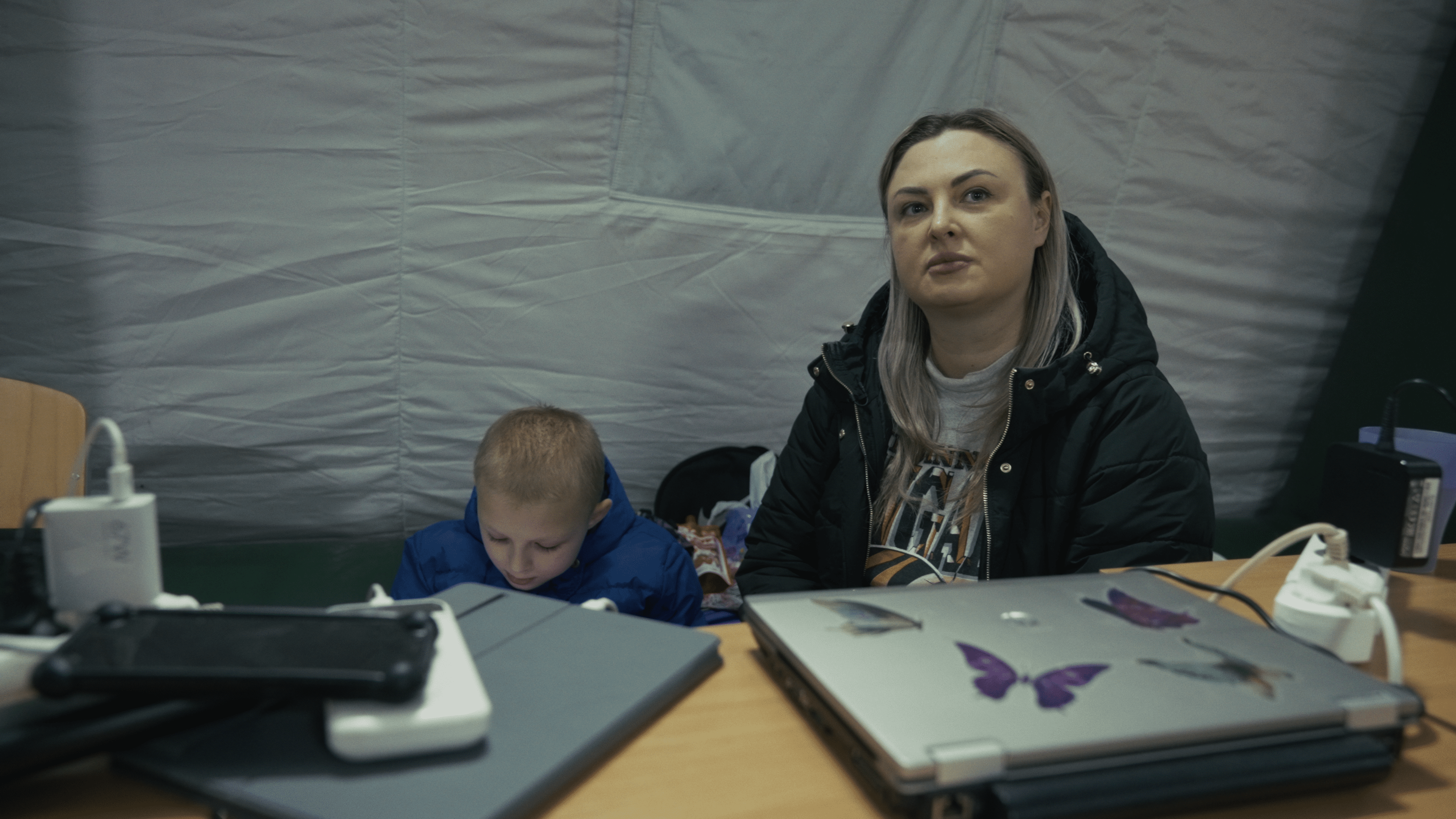
“They were giving us electricity little by little,” she says. “Then, after another attack about a day and a half later, the power went out again for a long time. Over the past thirty hours, we had electricity for only about two hours at night.”
Her son played on a tablet as generators roared outside. “He’s kind of gotten used to it,” she says. “He’s eight years old now. This is the life he’s living. For him, it’s normal—well, he understands everything, but it feels normal to him.”
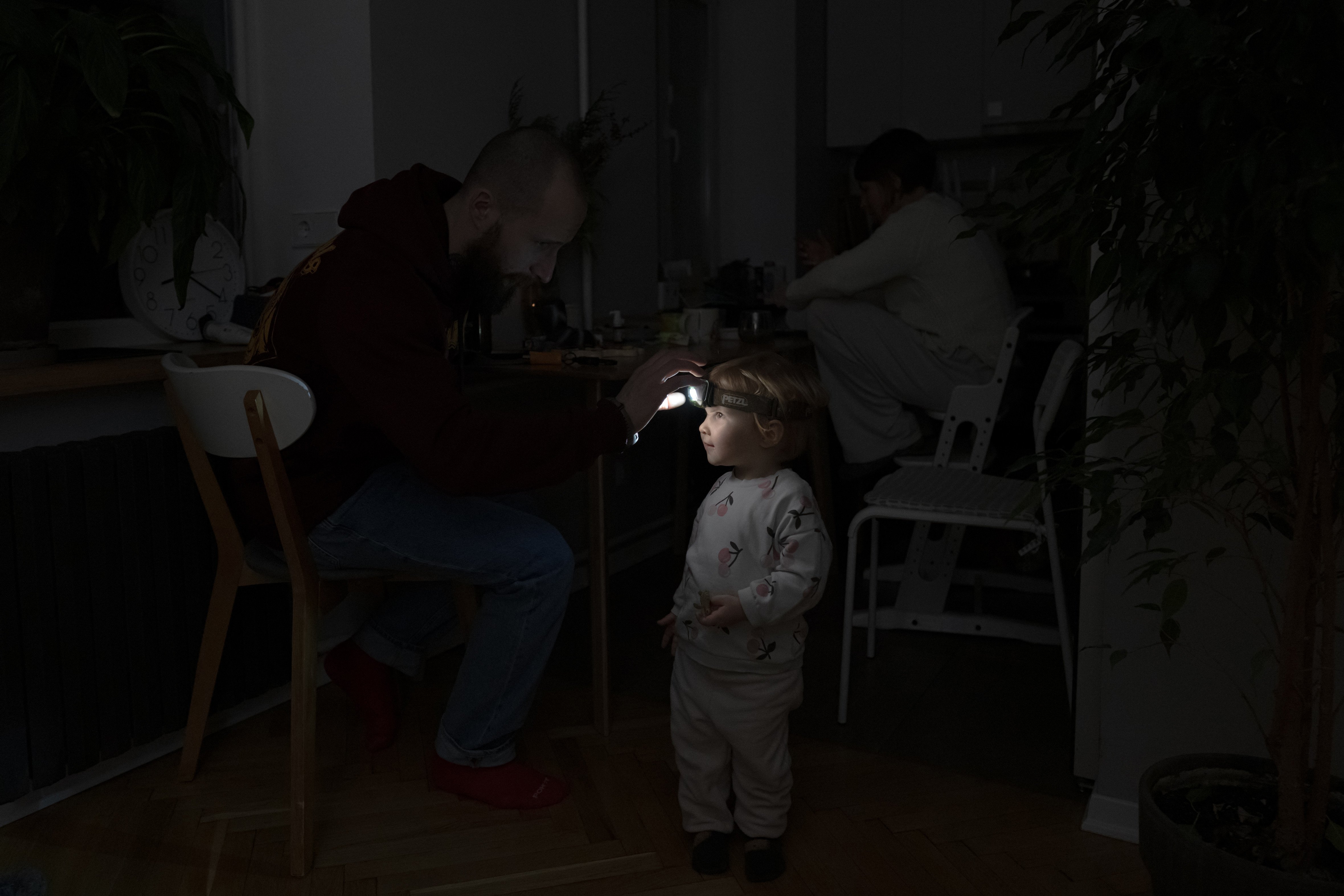
“It’s very hard,” she adds. “Both mentally and physically. You don’t know whether to plan for the future or not, or how to go on.”
Russian attacks on energy infrastructure—crimes against humanity
Inside another Points of Invincibility tent, a young girl named Mia, around 7, sat drawing and playing with modeling clay alongside her sister. “It’s cold at home,” she says. “We put on warm pajamas so we don’t freeze, or we come here to eat and have something to drink.” Recalling the recent Russian attack, she said, “It was a bit scary. It was very loud, like bang-bang-bang.”
The outages followed several days of Russian missile and drone strikes across the country. Ukraine’s Air Force said Russia launched at least 82 Shahed-type drones in the past 24 hours, including more advanced, rocket-powered versions. Local monitoring channels reported some drones targeting a thermal power plant in Kyiv.
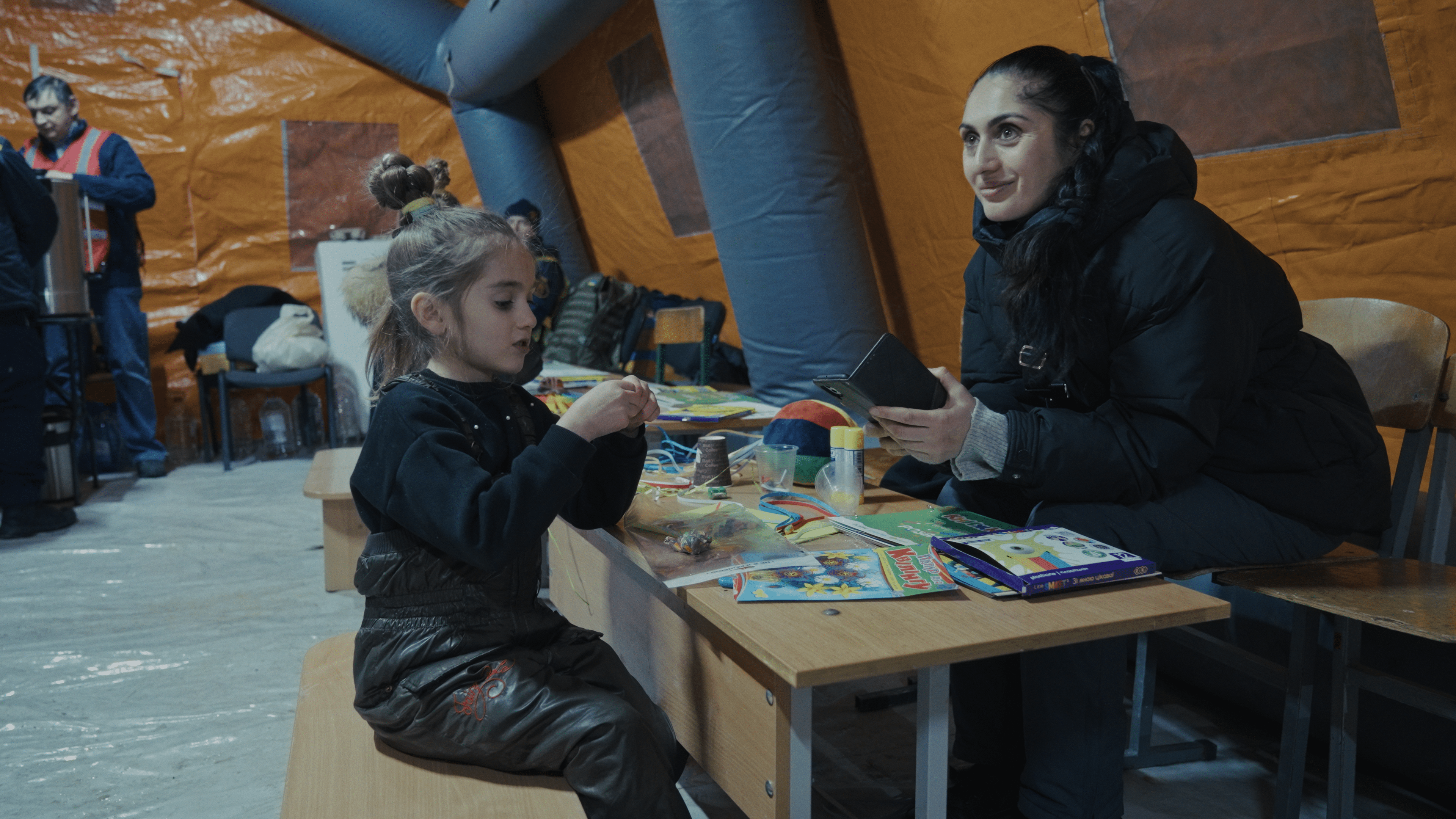
Mayor Vitali Klitschko said about 300 apartment buildings in the capital remained without heating as of Jan. 15, with emergency blackout schedules still in effect and no stable power timetable.
Denys Shmyhal, Ukraine’s newly appointed Energy Minister, said a special headquarters had been set up to coordinate responses to Russian strikes on energy infrastructure. “Our task is to respond quickly and effectively to current challenges in order to stabilize the situation with energy and heat supply,” he said.
Ukraine’s Security Service (SBU) said on January 15 it had gathered evidence indicating Russia’s strikes on Ukraine’s energy infrastructure form part of a systematic campaign targeting civilians, which it said amounts to “crimes against humanity.”
Temperatures in Kyiv fell to minus 11 degrees Celsius (12,2°F) on January 15, compounding repair efforts as energy workers struggled to restore damaged systems amid continued attacks.
Discuss this article:


-c439b7bd9030ecf9d5a4287dc361ba31.jpg "Photo of Katherina Popilnichenko")

-29a1a43aba23f9bb779a1ac8b98d2121.jpeg "Photo of Illia Kabachynskyi")
-111f0e5095e02c02446ffed57bfb0ab1.jpeg "Photo of Roman Kohanets")