- Category
- Photoreports
Inside Ukraine’s Secret Special Forces Initiation Ceremony
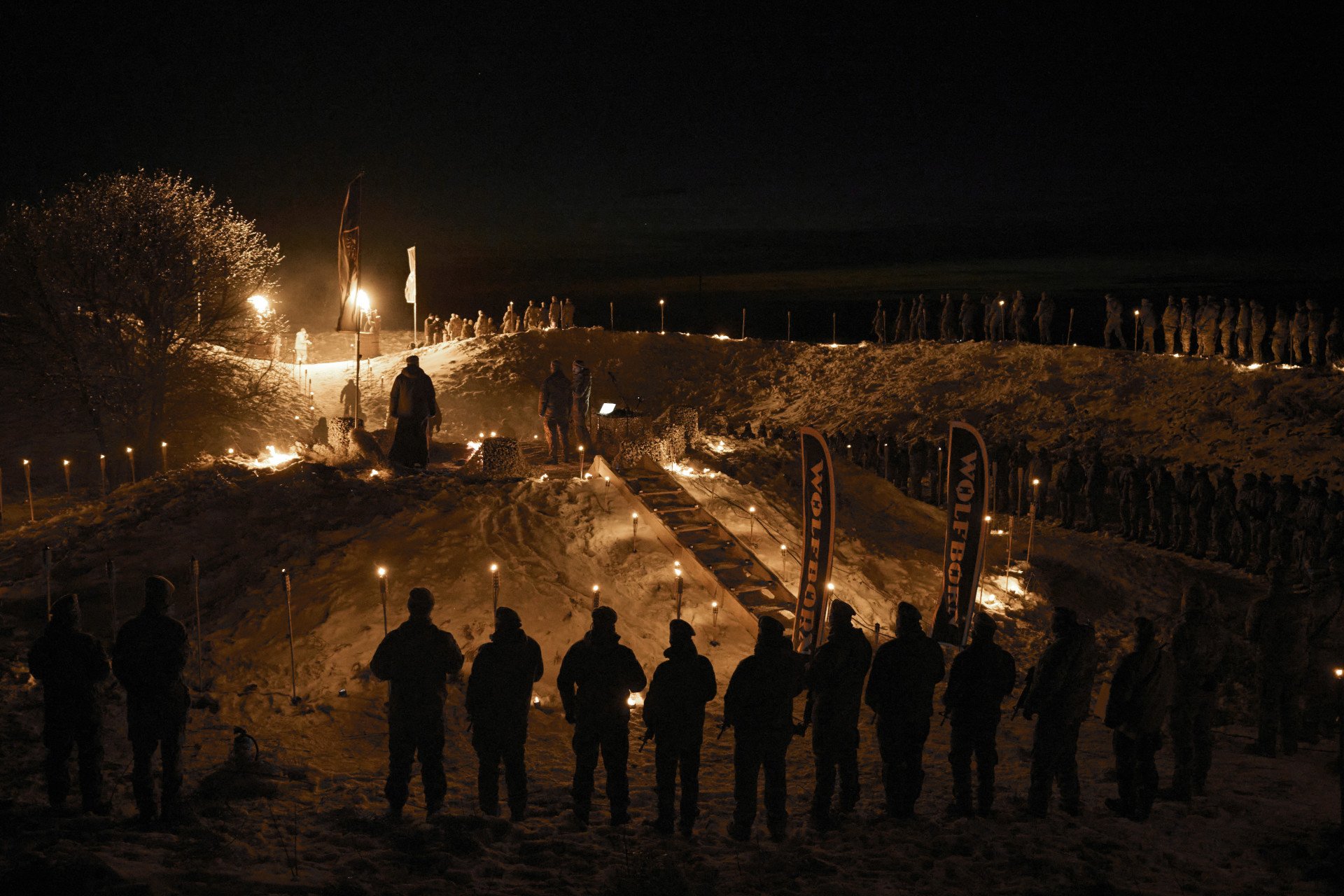
Elite Ukrainian Special Operations soldiers gather in secret ceremonies during wartime to strengthen unity among troops fighting near and behind Russian lines.
 Prefer U24 Media on Google
- Authors

-0666d38c3abb51dc66be9ab82b971e20.jpg "Photo of Josh Olley")
Regrouping soldiers during a time of war can be extremely dangerous, and ceremonies such as these are veiled in secrecy, their location undisclosed until the last moment. Many such regroupings have been targeted by Russian forces.
Unity is worth the risk. On a snow-covered hill, under a sky streaked orange and blue, 200 soldiers from Ukraine’s 144th Special Operations Forces Center 1st Battalion “Wolfborn” gathered at a secret location for an initiation ceremony, the second held in the past two years. The afternoon was cool, with the sun setting and casting a pink and blue hue across the landscape. Around 150-200 Wolfborn soldiers began to converge from all directions, rifles in hand and balaclavas obscuring everything but their eyes.
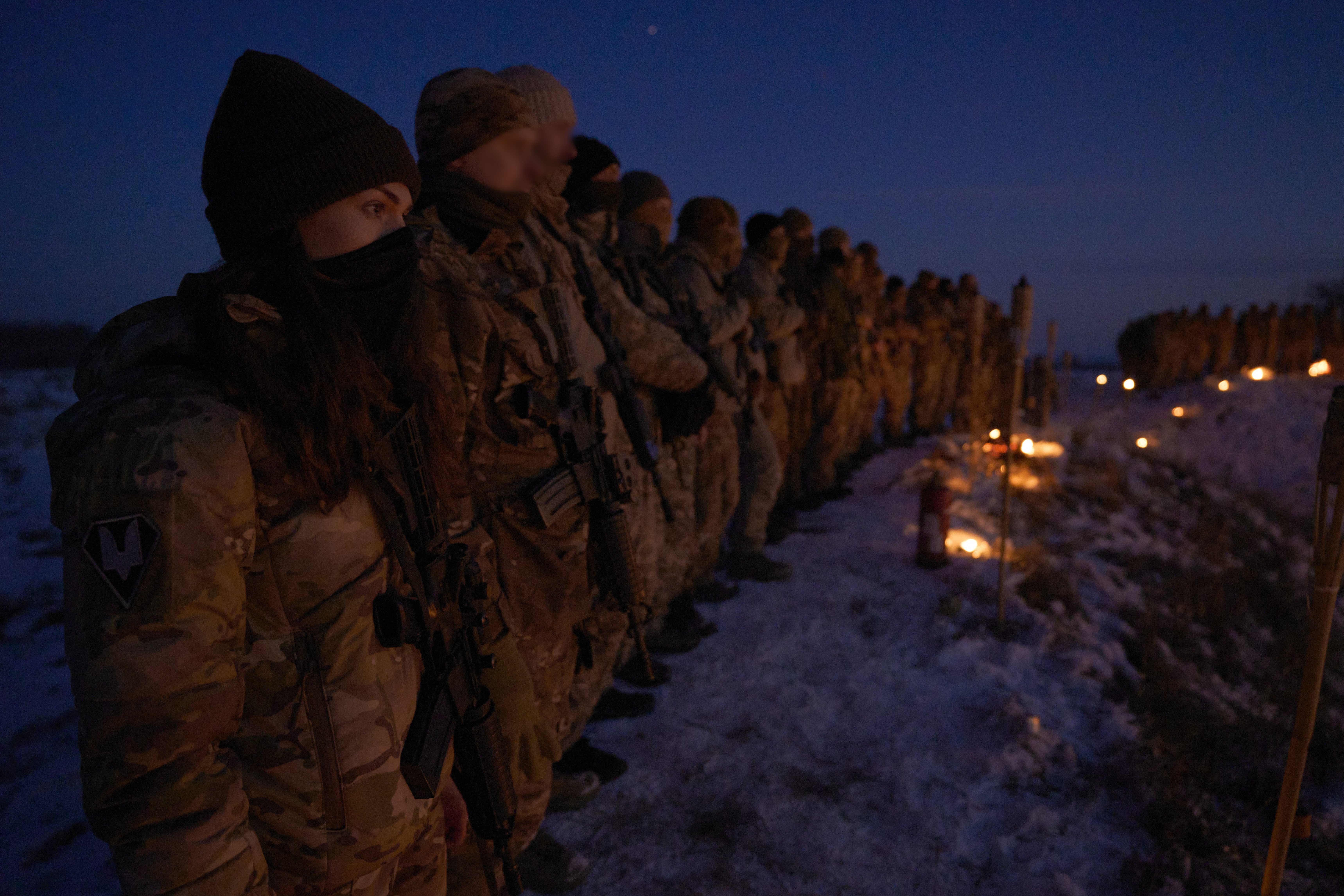
The ceremony took place in a vast dirt semi-circle, centered around a mound. As the sun dipped below the horizon, all the torches were lit.
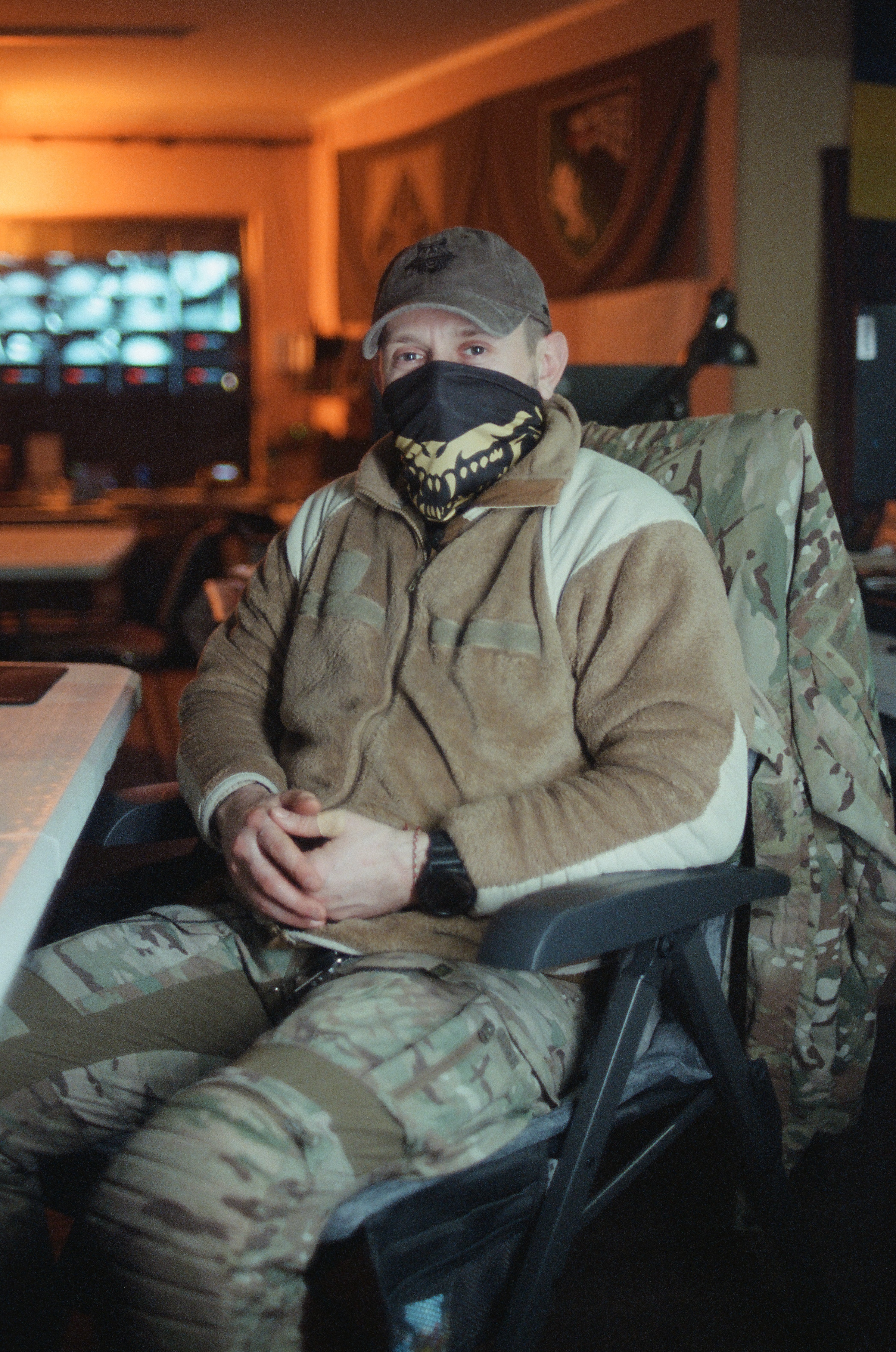
“We spend most of our lives deployed, scattered in small groups,” told us Wolfborn Battalion commander, a soft-spoken, articulate thirty-year-old. “When we finally gather together, even for a short time, it reminds us that we are not just soldiers—we are one unit.”
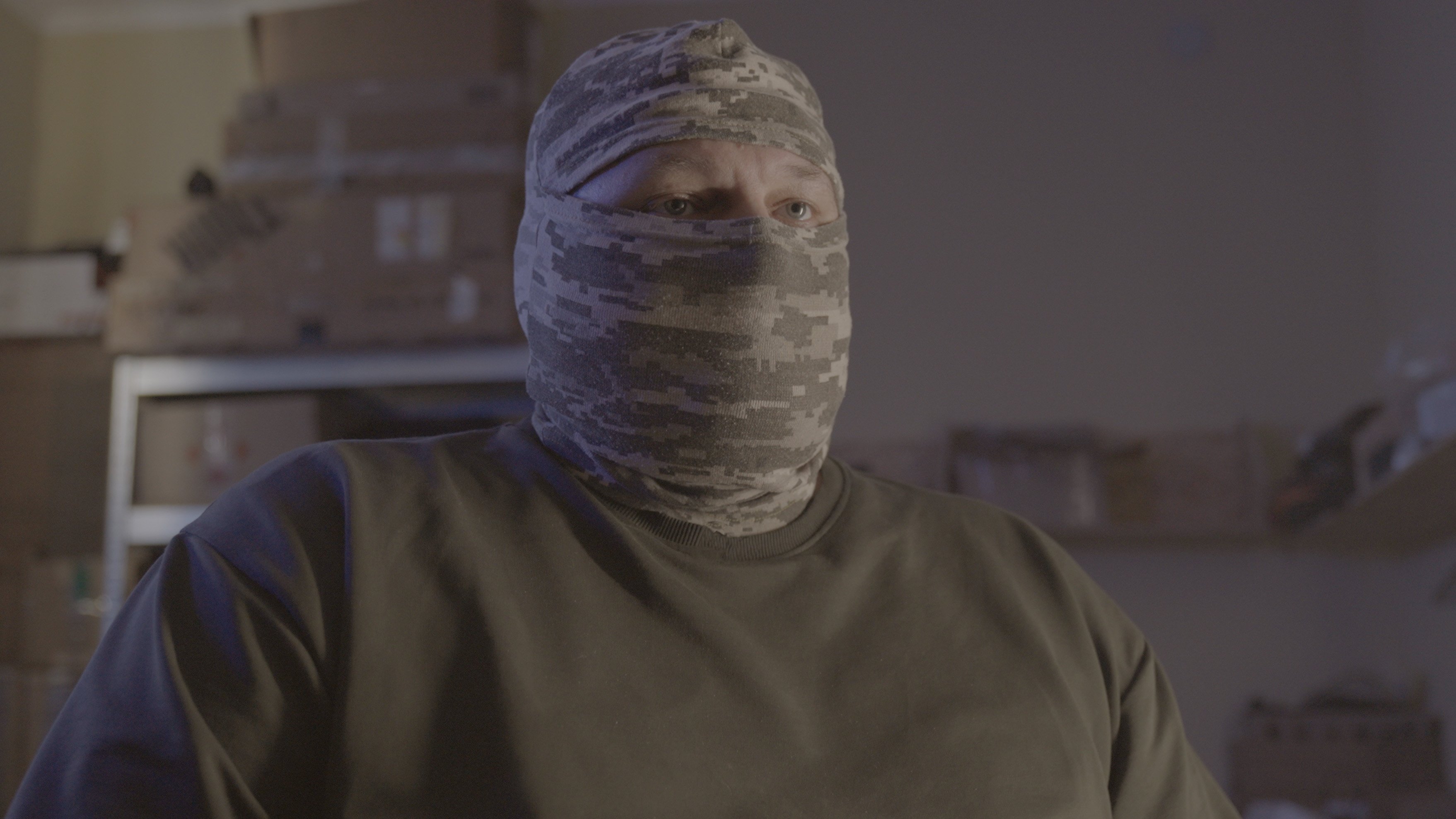
The Wolfborn battalion runs deep, rooted in a tradition of Ukrainian warrior-elite mythology and historical symbolism. “Each new member who takes the oath binds himself not only to the unit, but to a history that has shaped us.” A towering man, playfully nicknamed “Mr. Historian” for his role as the head of historical and ideological work within the Special Operations Command.
In ancient Sparta, initiation into the warrior class came through suffering. At the sanctuary of Artemis Orthia, a temple where Spartan youths underwent endurance rituals, young men finishing the agōgē—the state training system for soldiers—were whipped in public, expected to endure the pain without protest before earning the right to fight.
Such rituals have long been used to bind soldiers to one another and to the state. Though their form has changed, their purpose remains the same: to create a sense of belonging, honor, and shared identity within a unit.
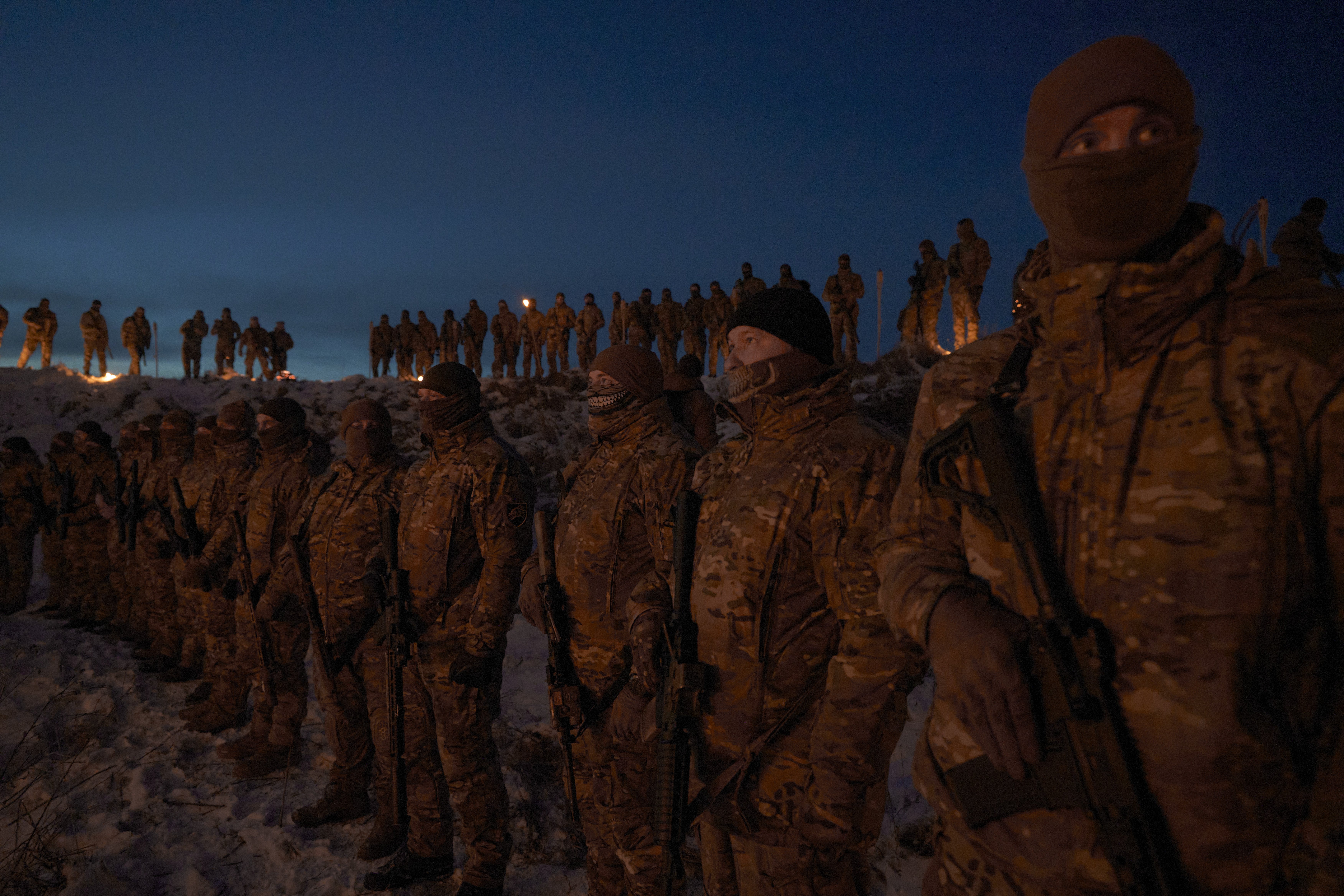
This SOF unit’s mythology centers on the image of the wolf-warrior, a symbol deeply rooted in Ukrainian history. For centuries, warrior societies on these lands associated the wolf with strength, discipline, and the ability to fight as part of a “pack.”
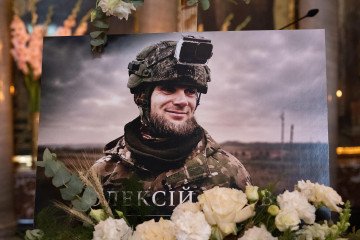
SOF ceremonies in today’s Ukraine follow the same logic. They include three elements: honoring fallen comrades, presenting berets to those who have seen combat in the past six months, and a formal oath of loyalty to the unit.
The Ulfhednar warriors
This unit’s core mythology is linked to the image of the wolf, its red eyes depicted on the flags flying that night, illuminated only by the impressive string of torchlights, plunged into the ground.
The wolf has deep historical roots in Ukrainian culture, dating back thousands of years. This image draws on the ancient cult of the wolf, with warrior societies that revered its attributes of strength, agility, and the ability to fight in close-knit teams.
“The wolf symbolizes the strength of the individual and the power of the collective,” Mr. Historian explains. “It’s not just a metaphor, it’s our identity.”
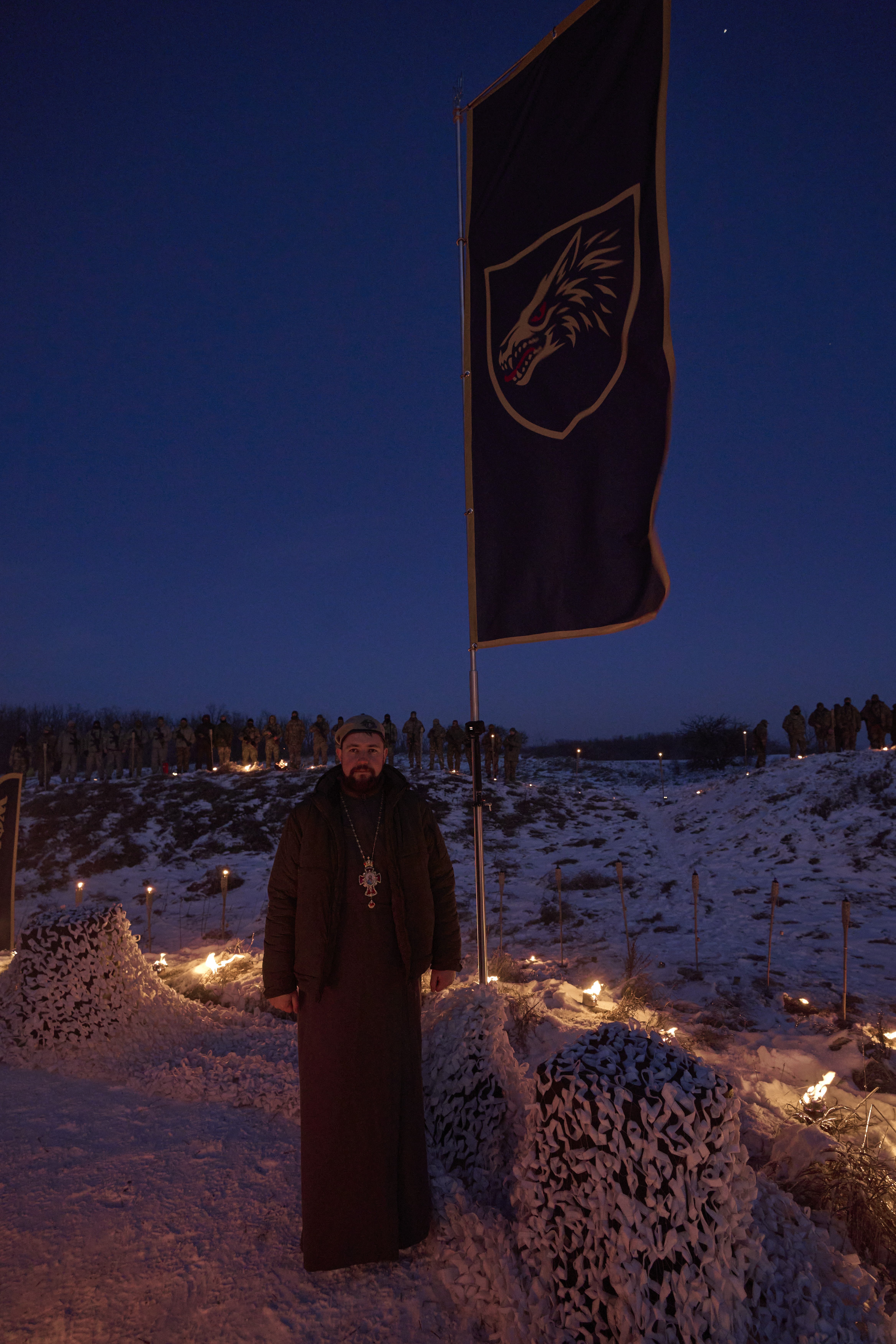
This SOF unit traces its lineage back to the Ulfhednar warriors of Ukraine-Rus, clad in wolf skins and heads; they conducted covert operations much like modern special forces, carrying out ambushes, reconnaissance, and high-value strikes. Unlike other fighters of the time, who fought in unorganised chaos, the Ulfhednar were known for strategy and stealth, qualities that set them apart as an elite.
The tradition of wearing wolf skins and wolf heads was also seen during the Cossack era, one of the most mythologized periods in Ukrainian history.
“We take inspiration from the Cossacks, whose warriors were often depicted as wearing wolf pelts to embody their fierce, untamed spirit,” Mr. Historian noted.
This imagery carried forward into the Ukrainian National Revolution of 1917-1921, with some Ukrainian People’s Republic (UNR) Army soldiers also wearing wolf-skin and wolf hats. Wolf was also one of the symbols of Ukrainian Insurgent Army (UPA) fight during the Second World War. One of the special forces units of UPA was named Grey Wolves (Siromantsi)
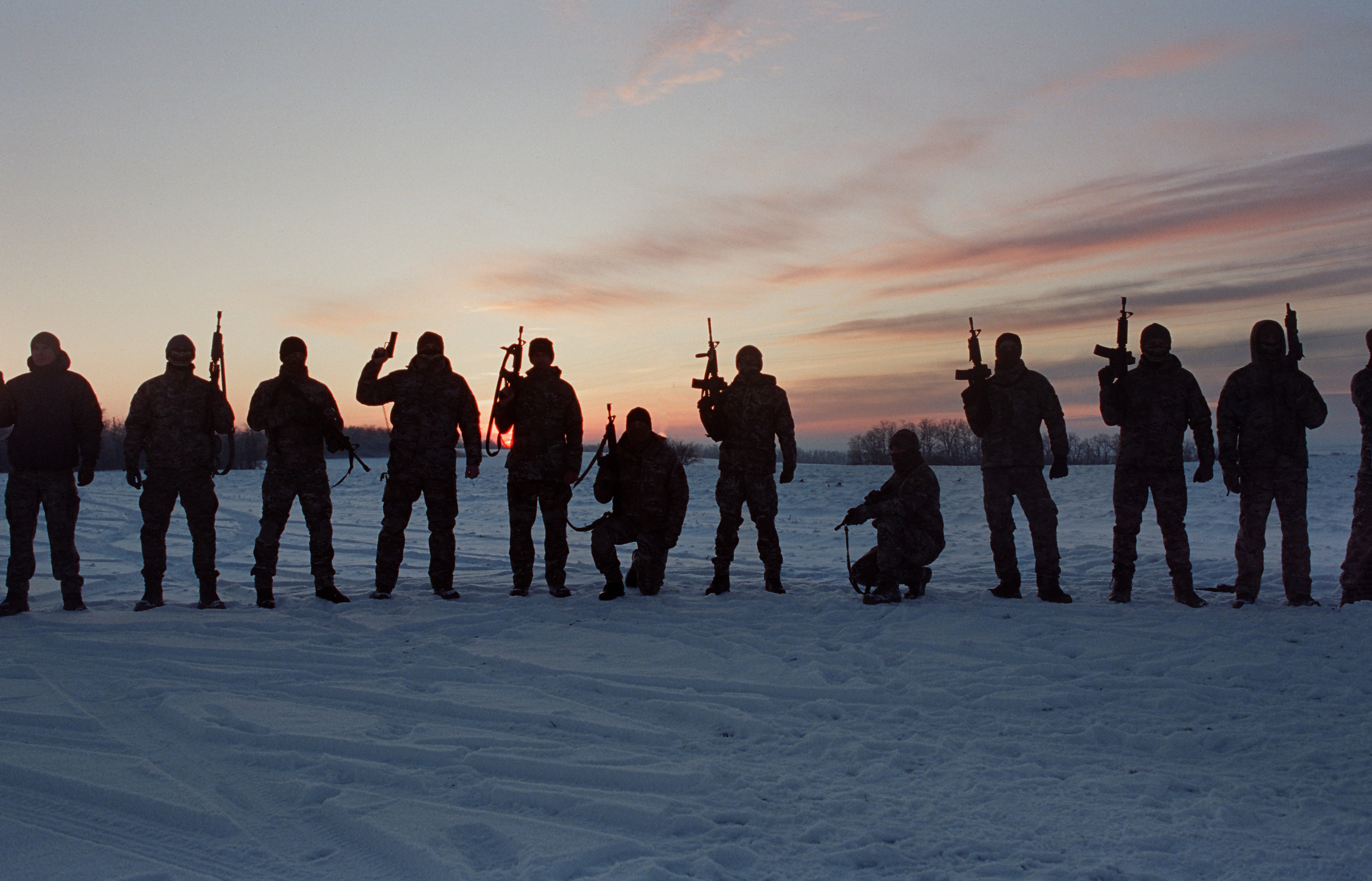
“When we fight, we know that we’re not just carrying a weapon, we’re carrying the spirit of the warriors before us,” saidLinguist, an energetic, spirited 30-year-old who rejoined his unit even after a severe disease diagnosis.
Linguist’s personal journey
Linguist describes Ukraine’s Revolution of Dignity as “a turning point in my life.” When Russia’s full-scale invasion began, he mobilized. Taking inspiration from US Army Special Operations Forces and the SAS, he lives by their motto, “Who dares wins.”
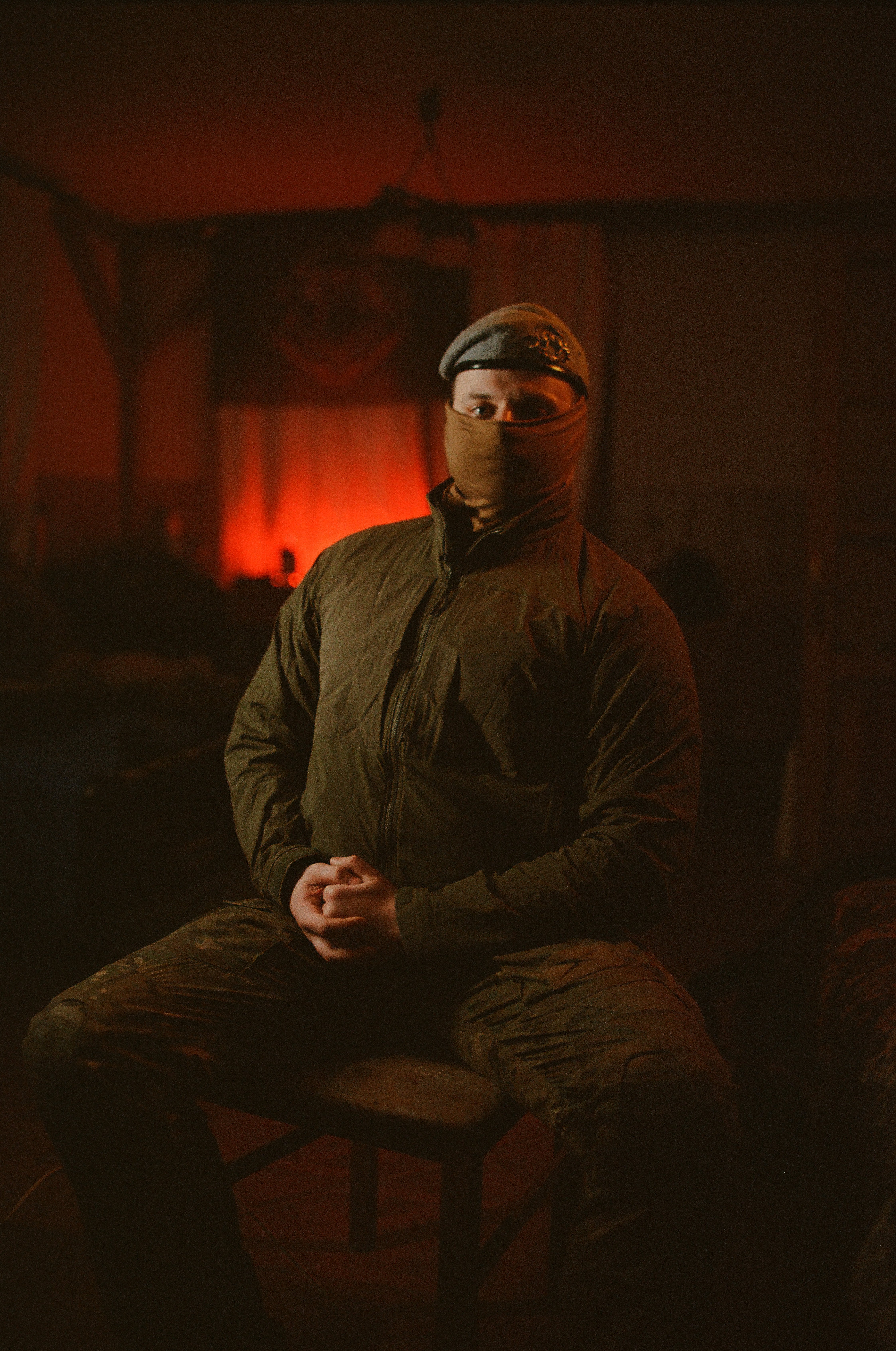
“It’s very close to how I try to live and fight in this war,” he says.
At the end of 2022, at the age of 27, he was diagnosed with severe disease and underwent several rounds of chemotherapy. A doctor at the Central Military Hospital told him he should leave the military as his cancer was too serious and physically draining. “I said I would complete the chemotherapy, but I wouldn’t leave the military,” he told us. His regimental commander reassured him, saying, “The regiment never leaves its men.”
In Special Operations Forces, rank is secondary, Linguist says. Whether you are a sergeant, officer, or general, first, you are an operator: “A fighter. A human being. Only after that comes your formal role,” he says.
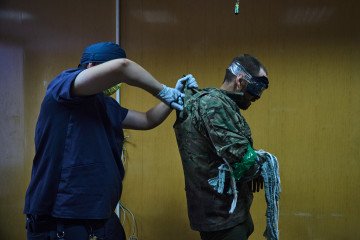
That night, he was being initiated. “For me, this is important. Honestly, I feel excited—almost trembling. I’m energized. It feels like something I’ve been building toward for a long time,” he said before the ceremony had begun.
Historical symbols in ceremonies
One of the most powerful symbols of this ceremony is the Sword of Sviatoslav ; on that night, a replica of a 10th-century sword was used. The sword made its appearance at SOF initiation ceremonies in 2021. Hundreds of soldiers have been initiated under its weight.
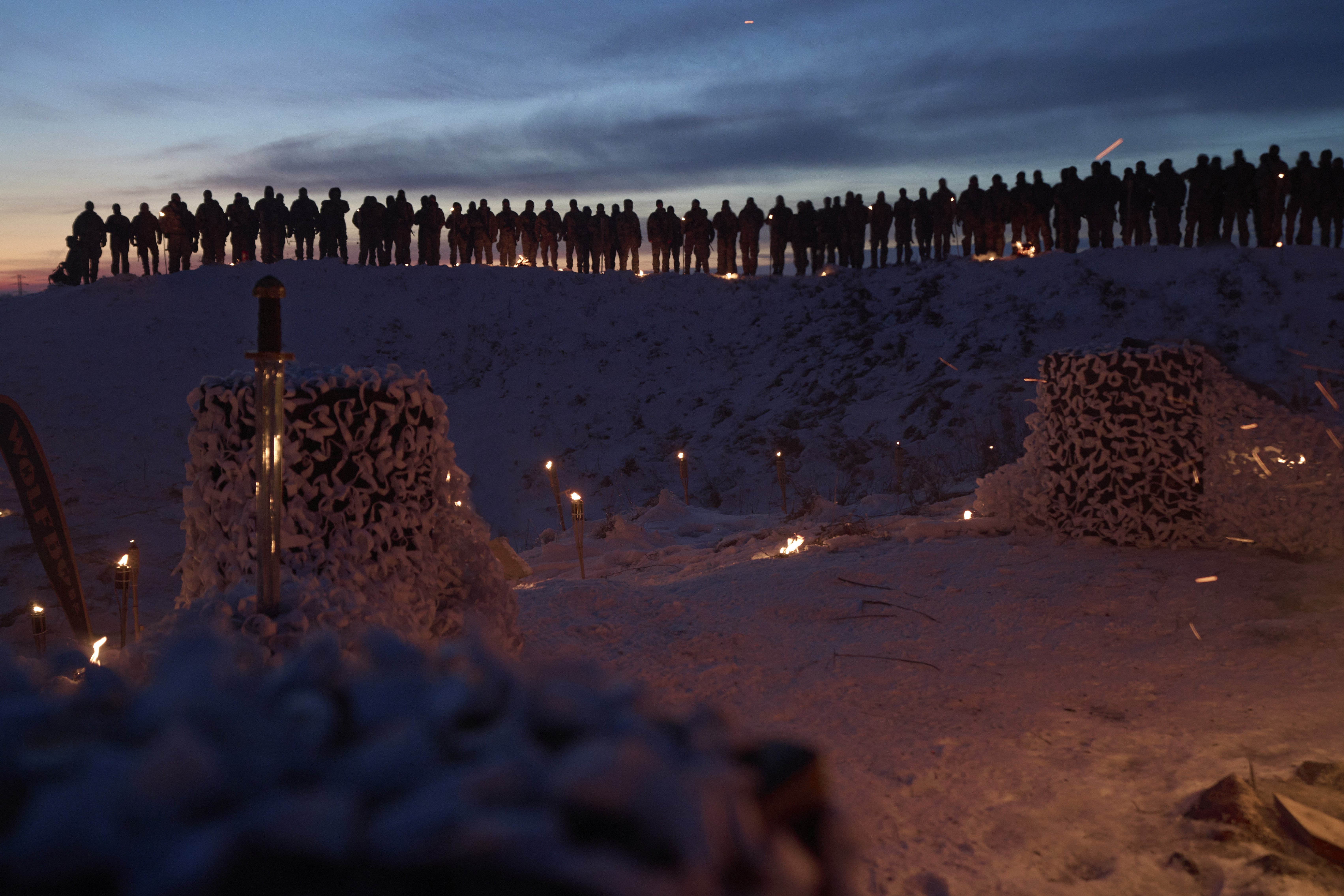
“The sword isn’t just an object,” said Oleksandr, a newly initiated operator. “Holding it in my hands felt like I was connecting with something much larger than myself.”
For Ukrainian SOF, “Our soldiers do things every day that most civilians would never dare to imagine,” says the commander. “Ceremonies like this remind them who they are.”
Mastering reconnaissance, sabotage, and precision strikes
In 2026, Ukraine’s Special Operations Forces conduct reconnaissance, sabotage, and precision strikes, often operating in small groups near or behind Russian lines. Their missions include directing artillery and drone fire, infiltrating enemy positions, and targeting command posts, supply routes, and high-value equipment.
Units have taken part in operations such as crossings of the Dnipro River, where small teams moved by boat to positions on the occupied bank to guide strikes against military targets deep into the Russian territory. Unlike regular infantry, SOF rarely hold ground, focusing instead on short, high-risk missions that depend on speed, coordination, and intelligence.
“We fight not only for our country,” says Linguist, “but for our brothers and for the legacy of those who came before us.”
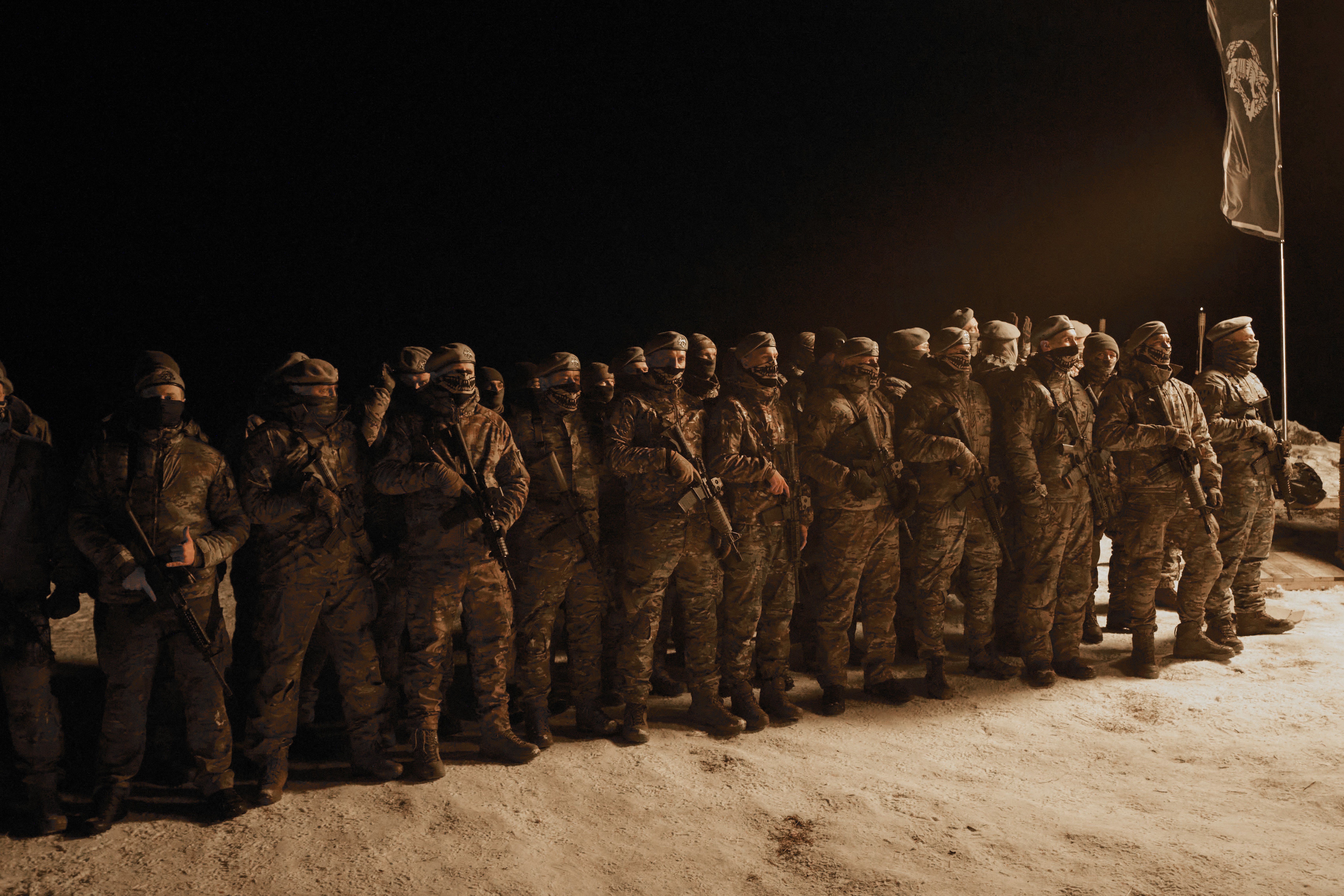
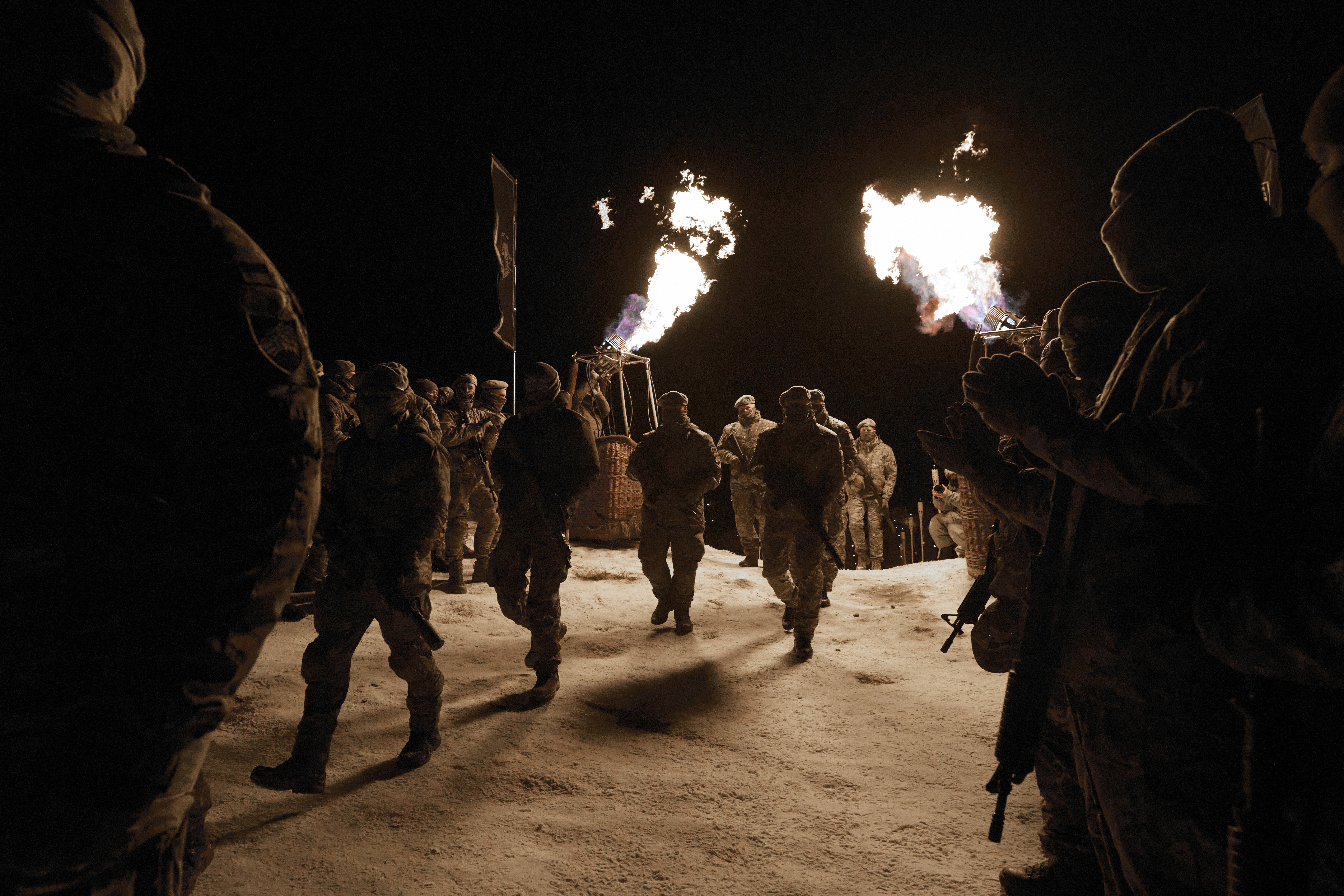
As Ukraine faces unprecedented challenges from Russian aggression, these soldiers are constantly reminded that they are part of a larger, eternal struggle for sovereignty, freedom, and honor. Every ceremony forges new traditions, passing them to the next generation of fighters who will carry forward their own version of the myth.
Ukraine’s Special Operations Forces' lasting legacy of strength, unity, and resilience lays the foundation for an elite army that could well endure for centuries. And they are aware of it. As the commander put it:
“This isn’t just about today’s battle, it’s about a legacy that will live on in the generations that follow us.”
Discuss this article:
-9a7b3a98ed5c506e0b77a6663f5727c5.png)

-24deccd511006ba79cfc4d798c6c2ef5.jpeg "Photo of Louis Beaudemont")
-42696701342093d1cdbc4069f0f07d6c.jpeg "Photo of Mykyta Shandyba")
-f88628fa403b11af0b72ec7b062ce954.jpeg "Photo of Amira Barkhush")