Category
Photoreports

Inside Chornobyl Today, 40 Years After the Explosion, in Photos
Inside Chornobyl Today, 40 Years After the Explosion, in Photos

Forty years after the explosion at the Chornobyl Nuclear Power Plant, the zone is defined by the silence that remains after. Streets disappear into the forest, homes crumble into dust, and nature quietly takes back what was left behind. This is Chornobyl today.

6 min read
Authors
Photo of Mykyta Shandyba
Photojournalist
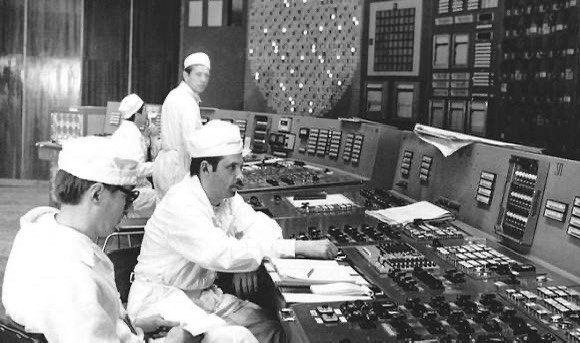
Operators inside the control room of the Chornobyl Nuclear Power Plant, mid-1980s. Photo: open source

April 26, 1986. 1:23 a.m.

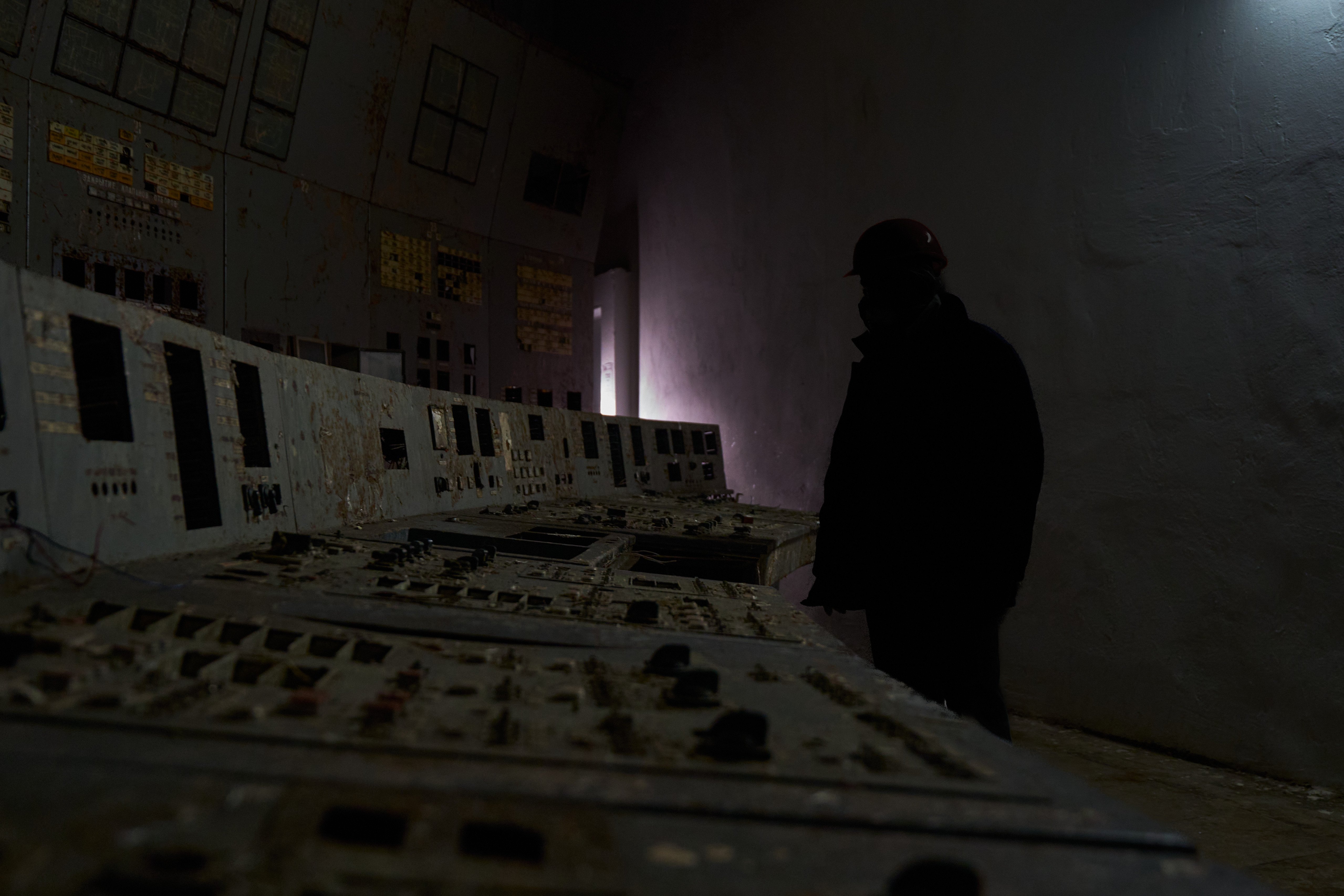
Silhouette of a Chornobyl Nuclear Power Plant worker above the control panel of Reactor No. 4.. Photo: Mykyta Shandyba/UNITED24 Media

At Reactor No. 4 of the Chornobyl Nuclear Power Plant, the explosion tore through concrete and steel. With it, the illusion of control.
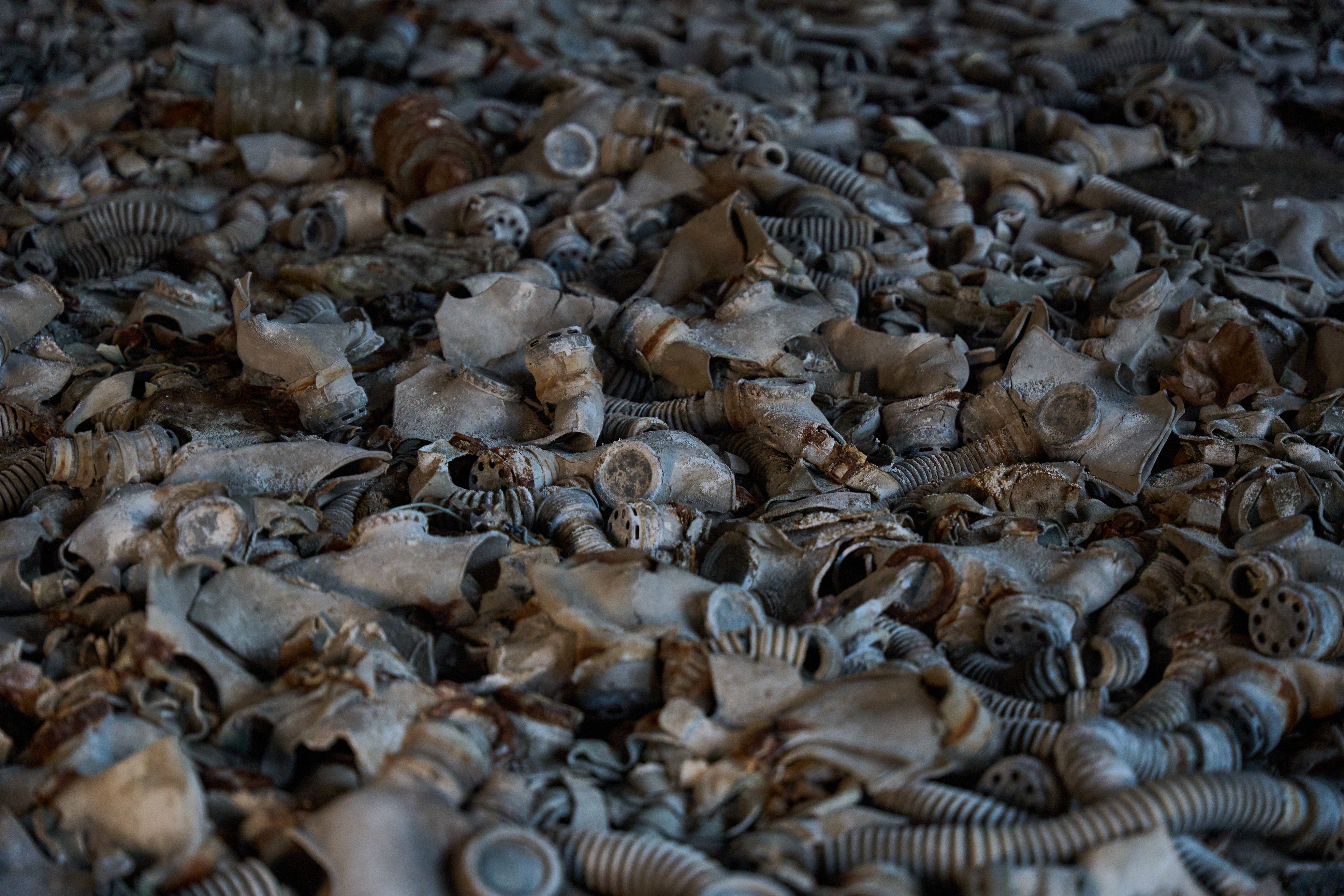
A pile of children’s gas masks in a local kindergarten. Photo: Mykyta Shandyba/UNITED24 Media

That night began like any other, with routine shift, work, and plans.
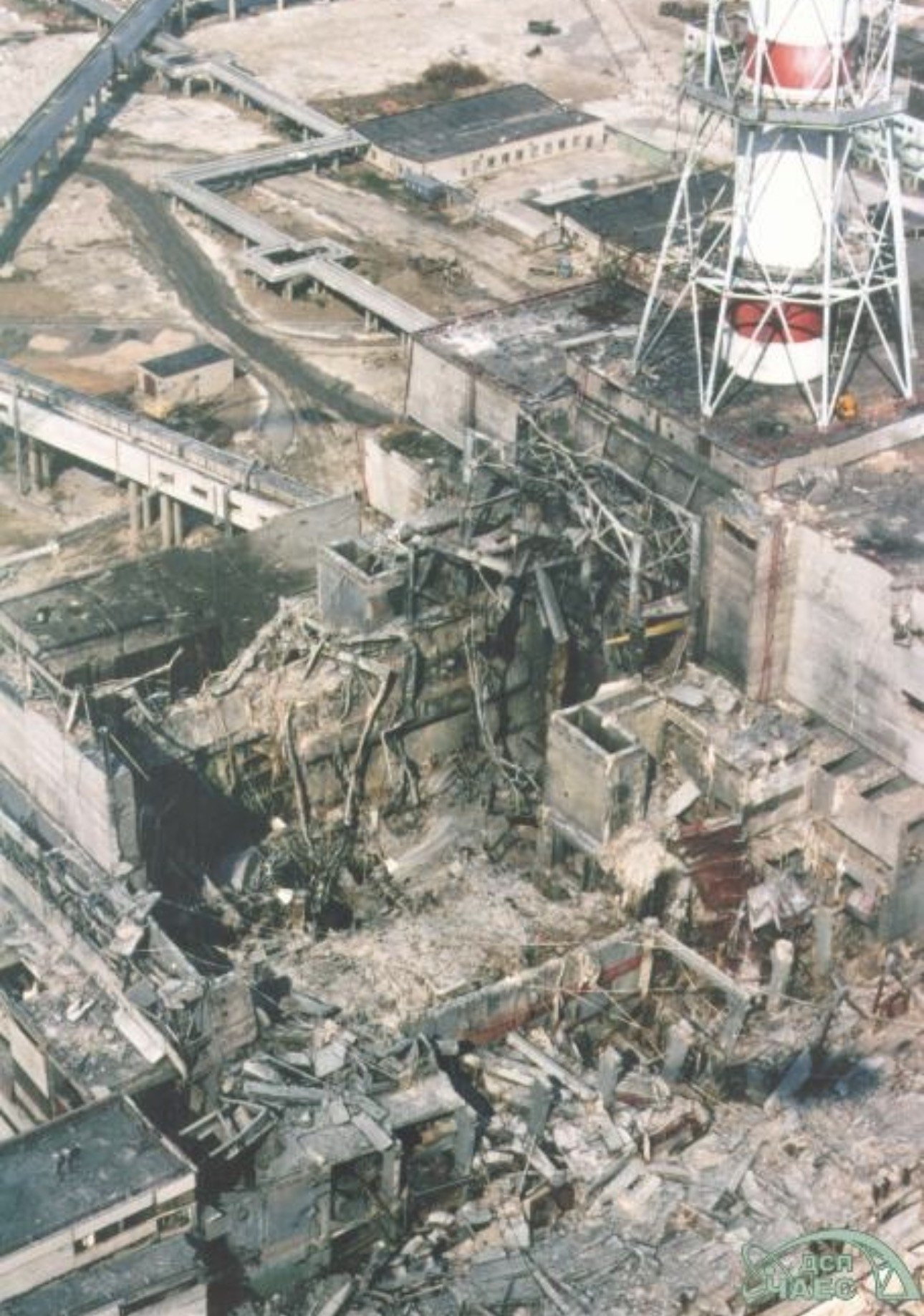
Reactor No. 4, immediate aftermath (color aerial), following the explosion, April 1986. Photo: open source

Within minutes, the reactor slipped beyond control. Soviet errors stacked like dominoes until the chain reaction could no longer be stopped.
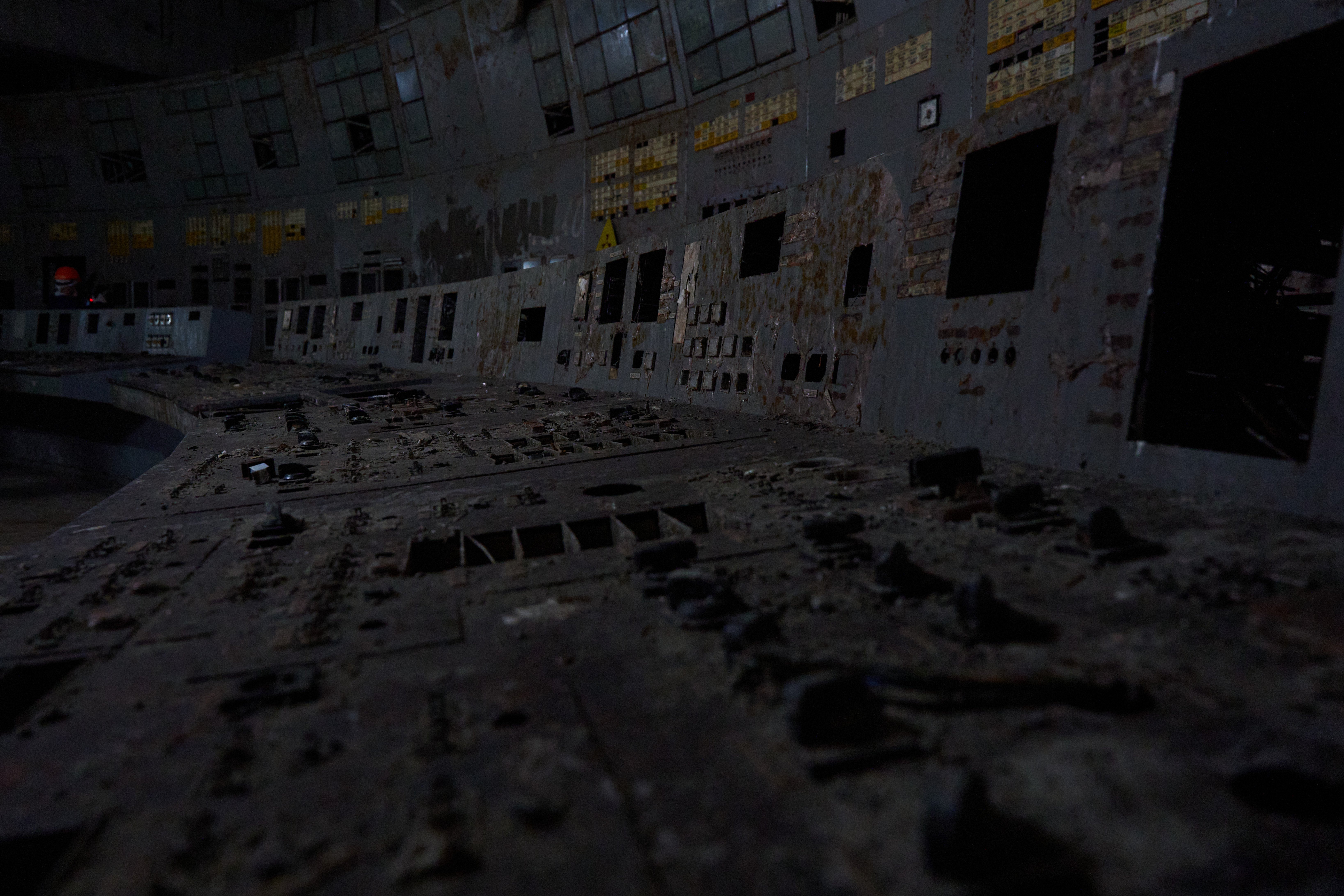
Control room of Reactor No. 4.. Photo: Mykyta Shandyba/UNITED24 Media
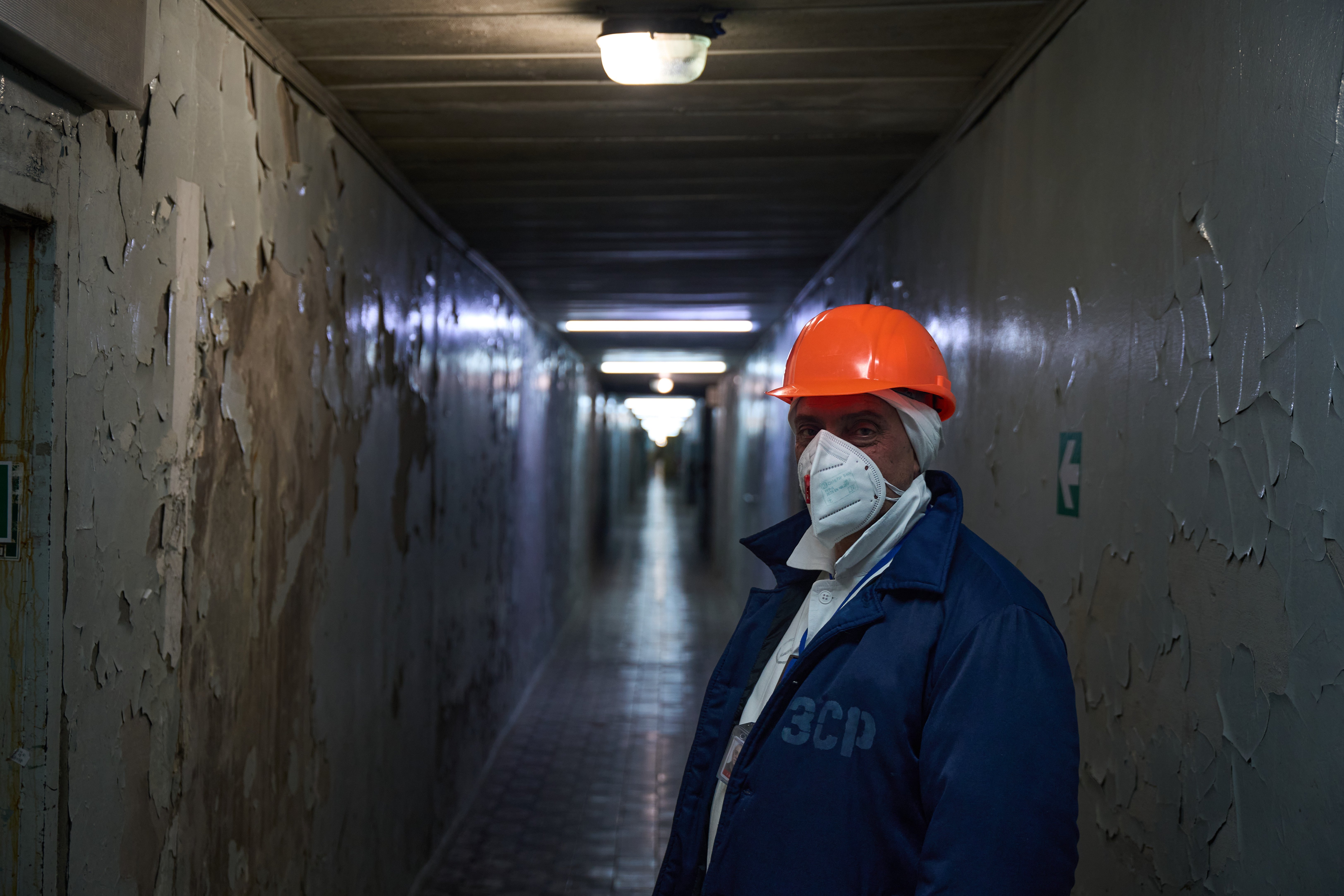
A Chornobyl Nuclear Power Plant worker in the corridor connecting all reactor units. Photo: Mykyta Shandyba/UNITED24 Media

Firefighters were the first to arrive. They did not know that besides the flames they were confronting something invisible.

Radiation was already everywhere: in the air, on the roof, in the dust, on their skin. There was no adequate protection, and no full understanding of the danger.

Some died within weeks. Others lived on, carrying the consequences for the rest of their lives. While they didn’t fully know what they were facing, they acted quickly, and in doing so, they bought time.
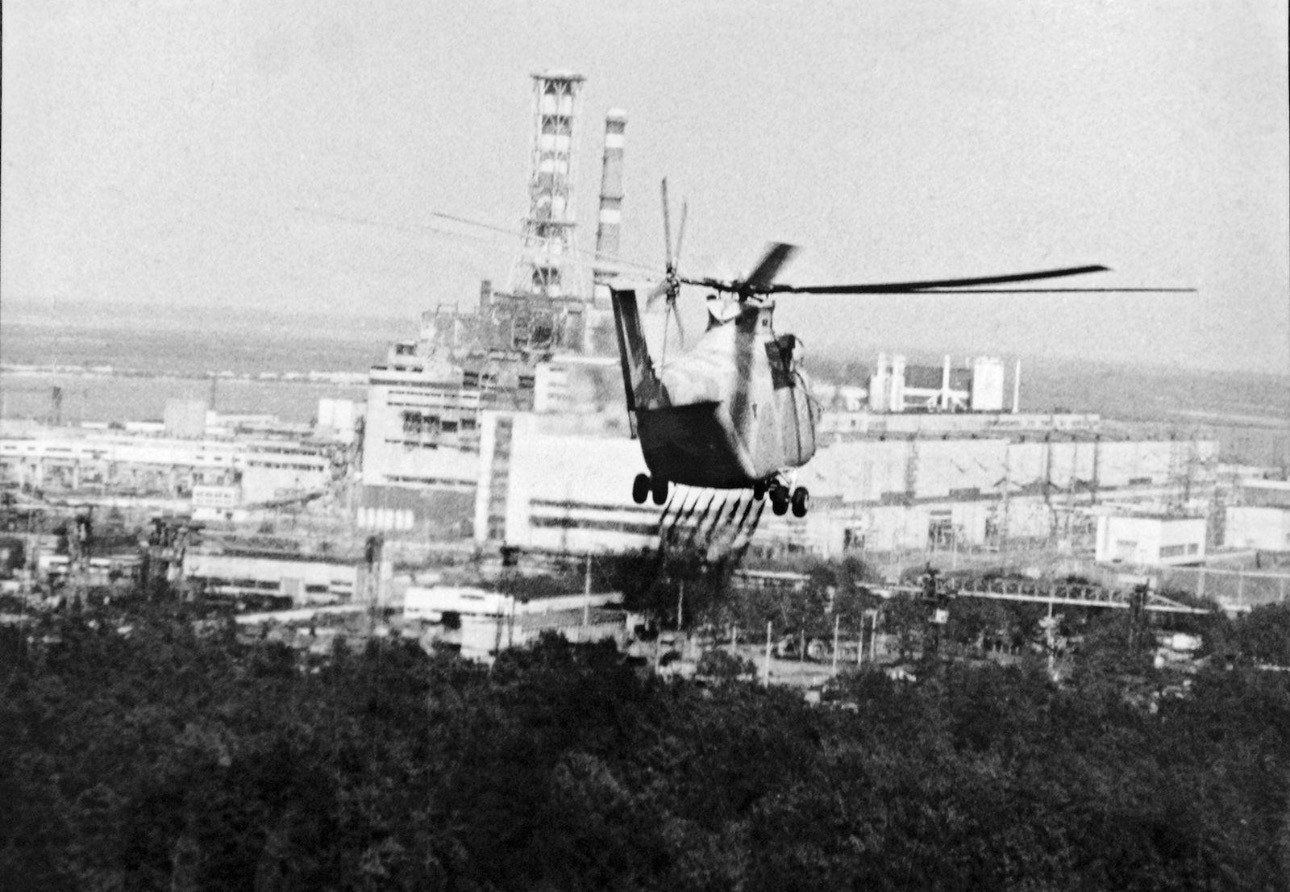
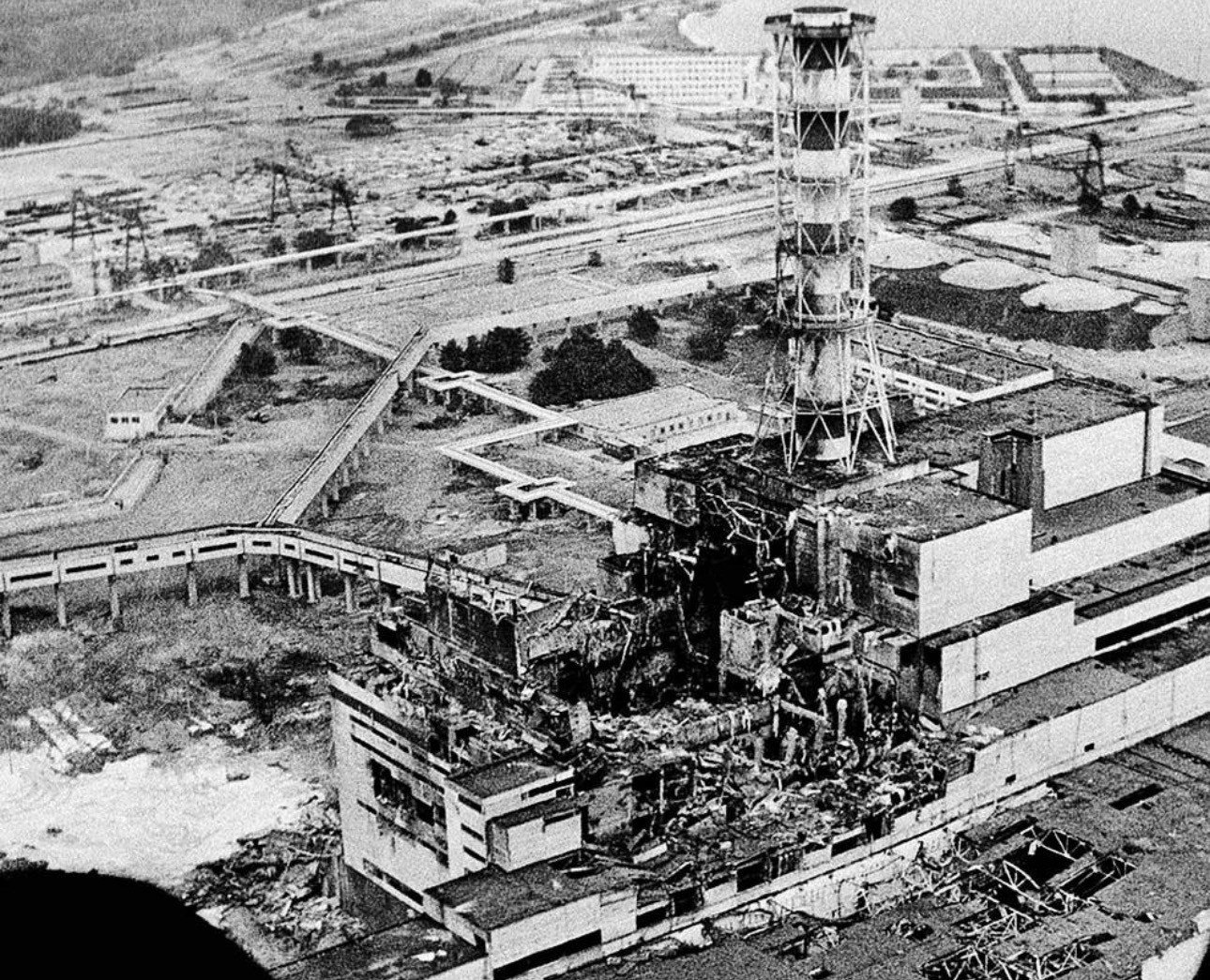
A helicopter drops sand and boron over the burning reactor, spring 1986. Photo: Open source
The destroyed fourth reactor building at Chornobyl, 1986. Photo: Open source

Then came the liquidators.

They worked where no one should have had to work: on reactor roofs, among graphite debris, inside tunnels beneath the core. Some shoveled radioactive material by hand. Others flew directly above the reactor, dropping sand and boron.

Pripyat was young, modern, and full of people. There were children, with schools an amusement park scheduled to open in days.

Evacuation came 36 hours later. They were told to take documents and essentials. just for a few days. They locked their doors and left behind everything: clothes, photographs, their entire lives.
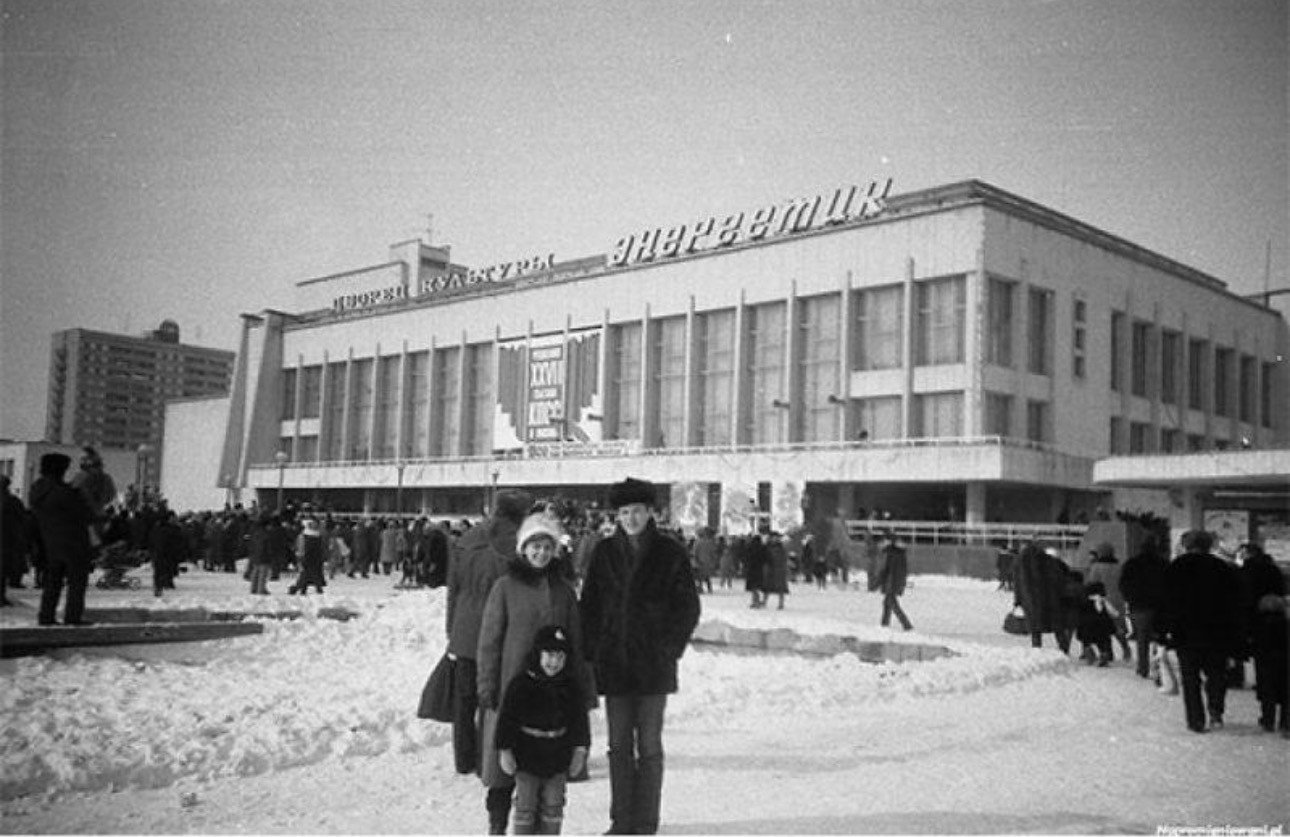
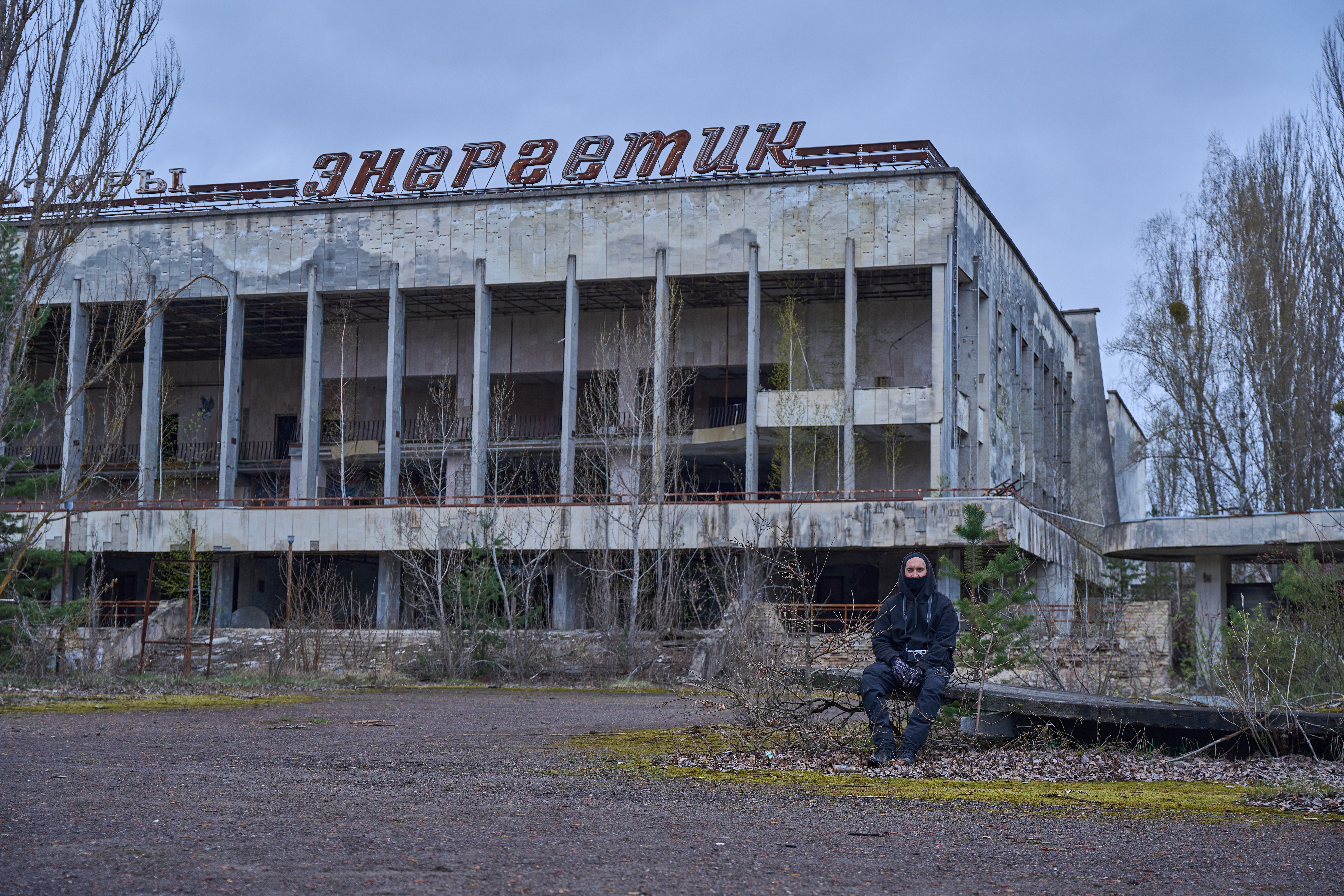
Pripyat Palace of Culture “Energetik” (before the explosion)
Pripyat Palace of Culture “Energetik” (40 years after the explosion) Photo: Mykyta Shandyba/UNITED24 Media

The Soviet system withheld the truth. The world learned about the disaster only after radiation was detected across Europe.
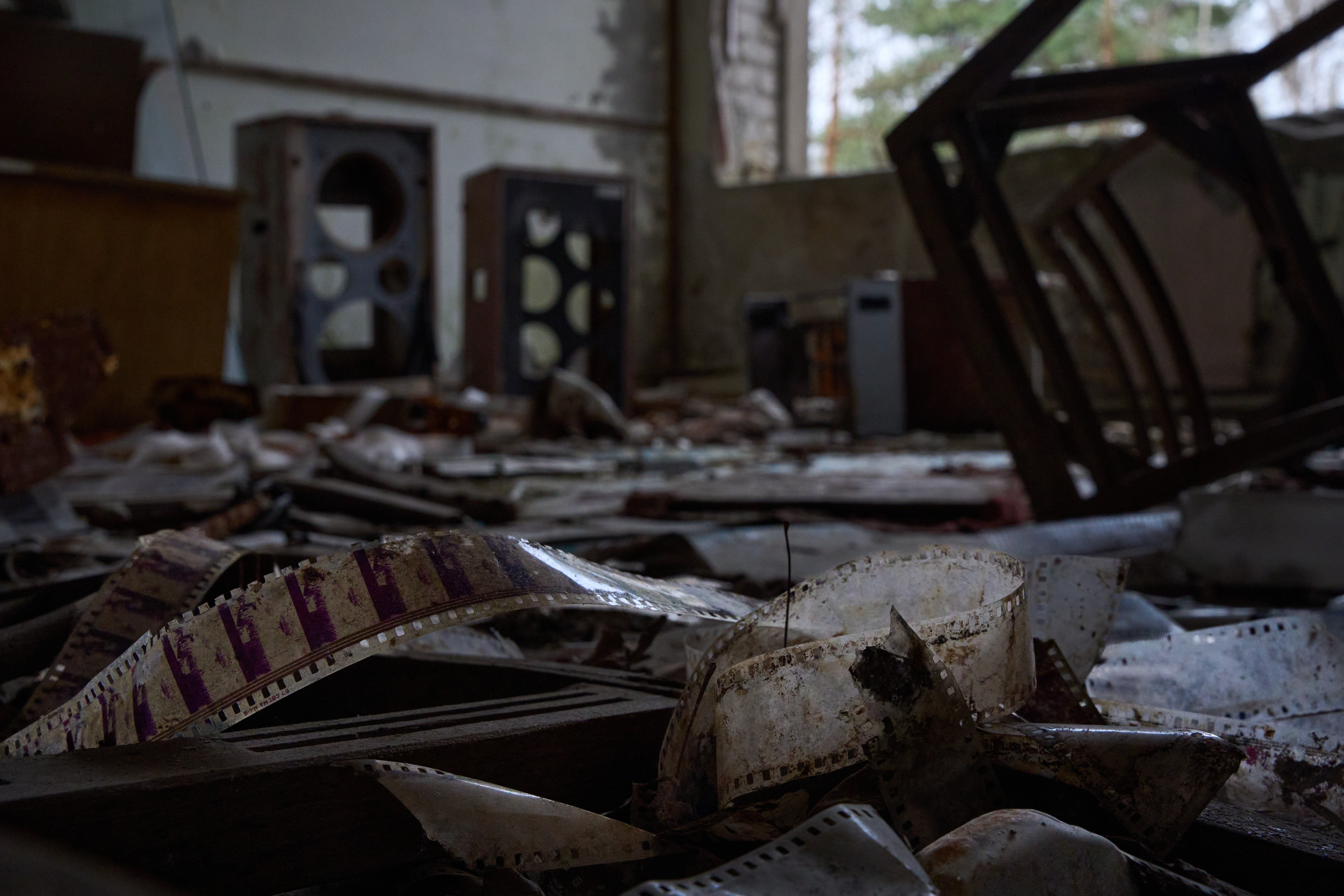
Energetik Palace of Culture. Inside, only the remnants of what was once a promising building remain. Photo: Mykyta Shandyba/UNITED24 Media

Forty years later, Chornobyl has changed its form. The exclusion zone is not empty now, but it is something else entirely.

Nature has returned—wolves, horses, elk, deer. Forests grow through roads, through buildings with such force, it feels like it could grow through memory as well, like a simple small reminder that the world can exist without us, people, not the other way around.
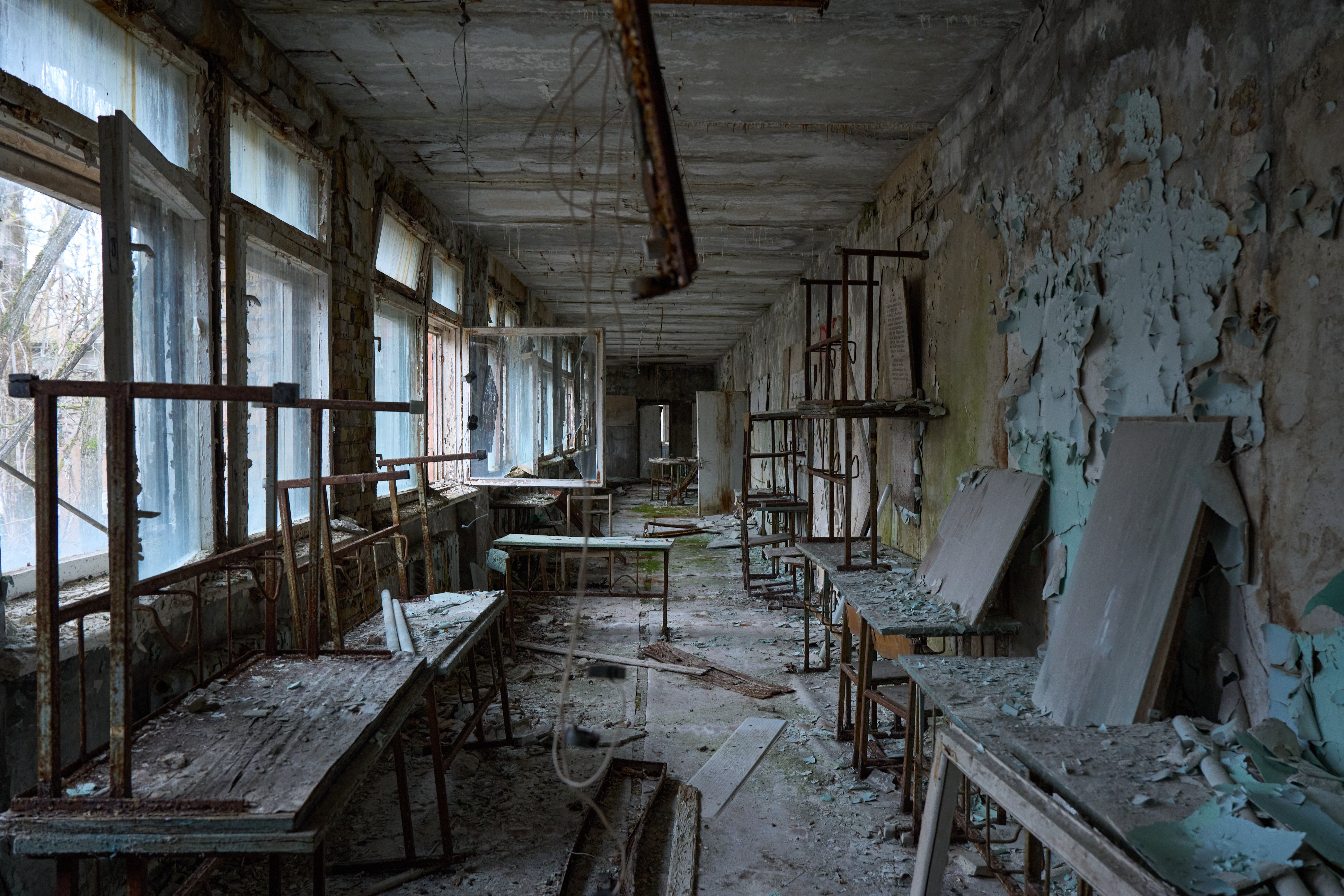
Once a large school filled with life. Now filled only with radioactive dust and old textbooks. Photo: Mykyta Shandyba/UNITED24 Media

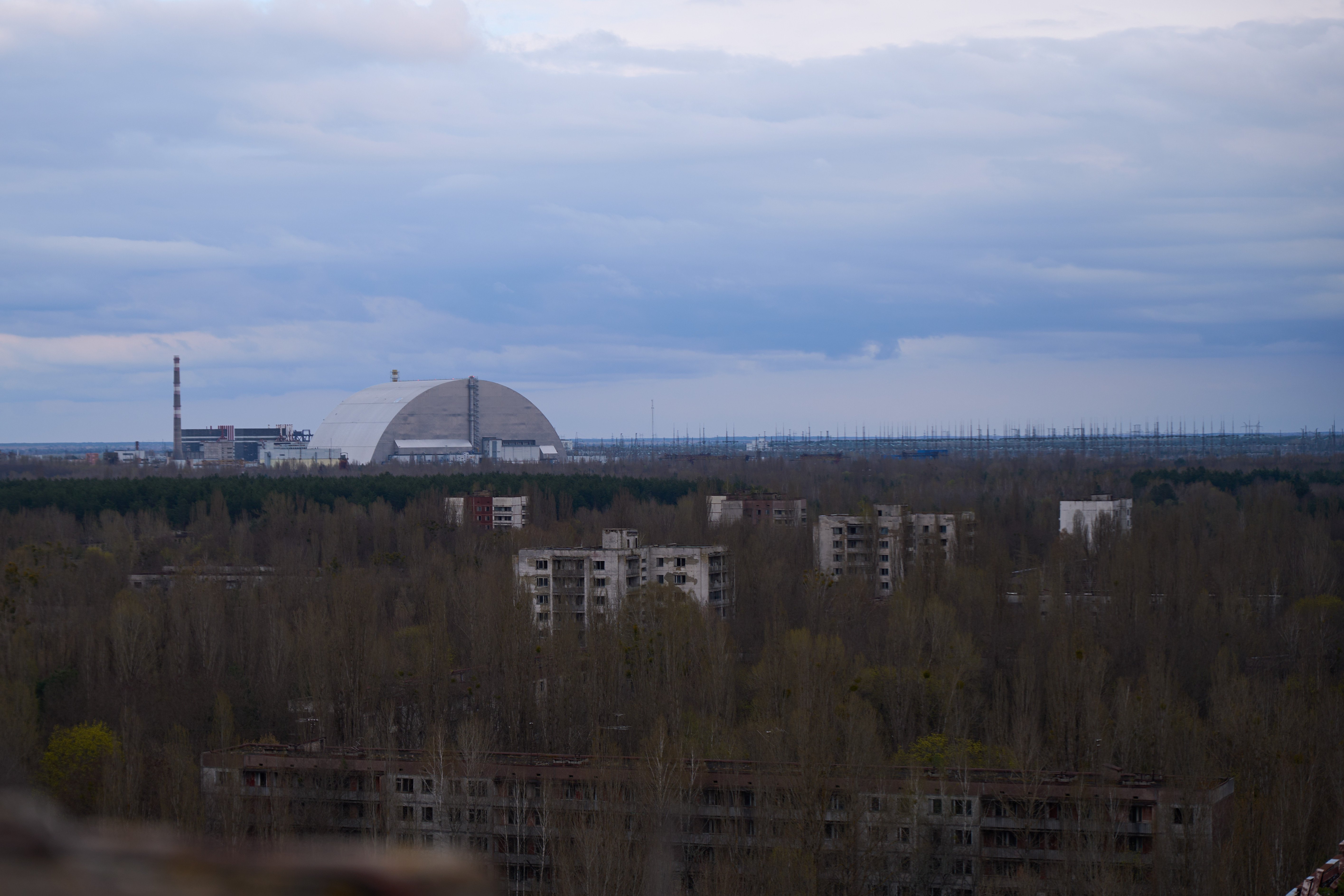
In 2016, a new structure sealed Reactor No. 4. The New Safe Confinement is quite massive, engineered to contain what remains. But even this is a temporary solution.
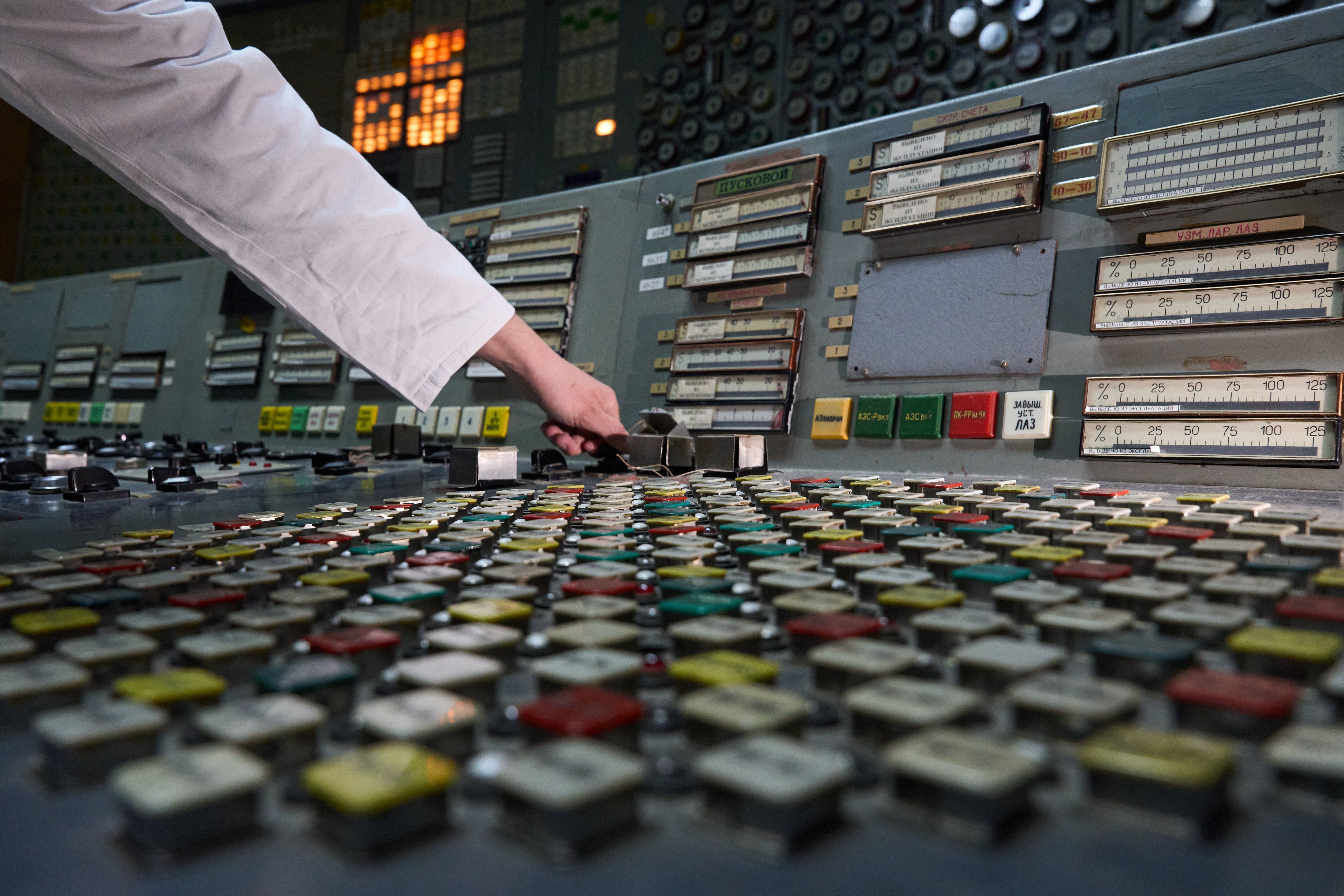
A worker’s hand reaches for the infamous AZ-5 button. Photo: Mykyta Shandyba/UNITED24 Media
Chornobyl Nuclear Power Plant. View from the city. Photo: Mykyta Shandyba/UNITED24 Media

Then the war. In 2022, Russian forces invaded Ukraine yet again and entered the zone. Well, not just entered.

They dug trenches in the Red Forest, which is one of the most contaminated places on Earth. They disturbed the soil, raised radioactive dust, moved through a landscape that still carries invisible danger. With all the equipment, soldiers, and movement—all in a place where even standing for too long is dangerous.

Chornobyl became a question: did the disaster ever teach a lesson?
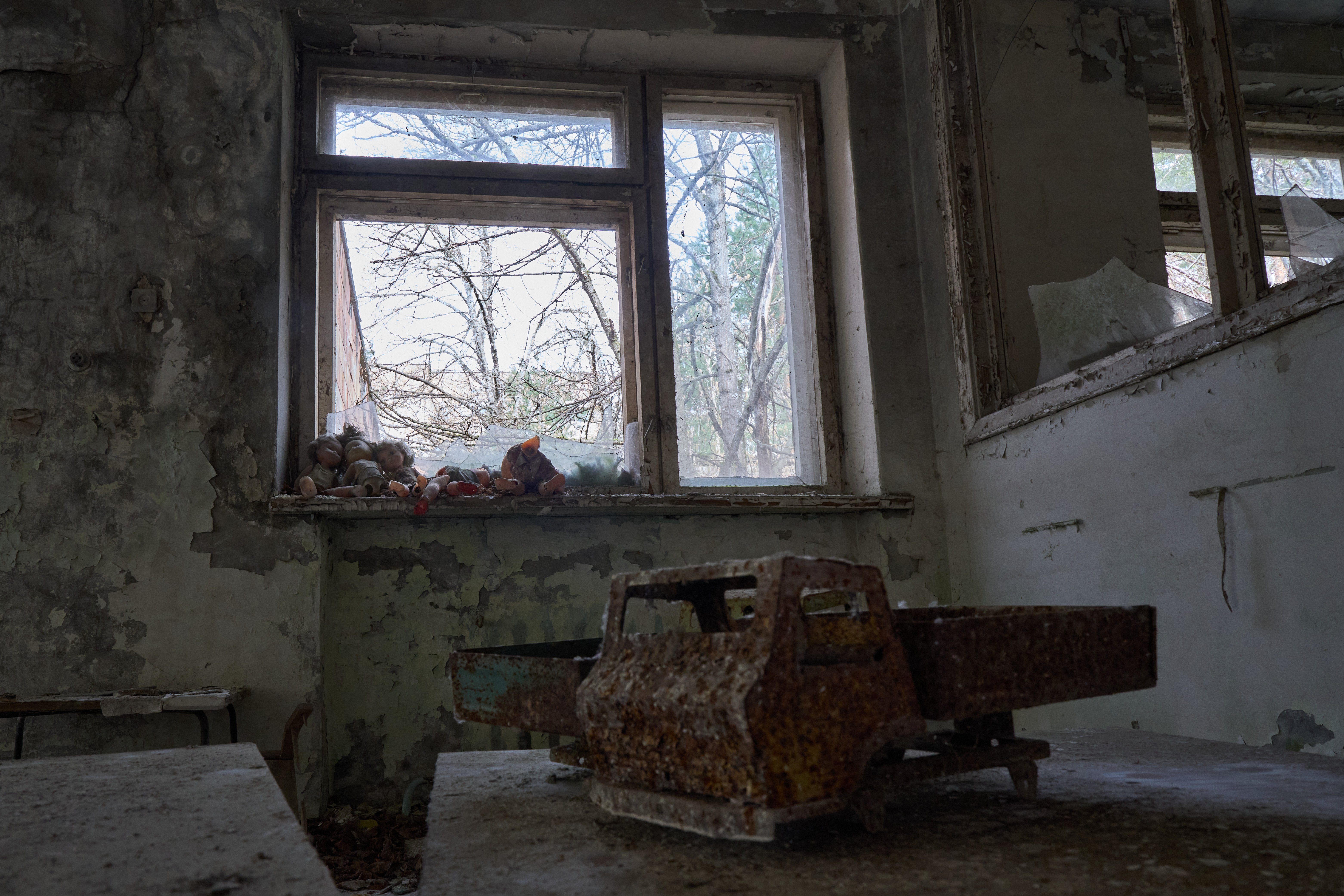
A kindergarten still filled with toys from that time. Photo: Mykyta Shandyba/UNITED24 Media
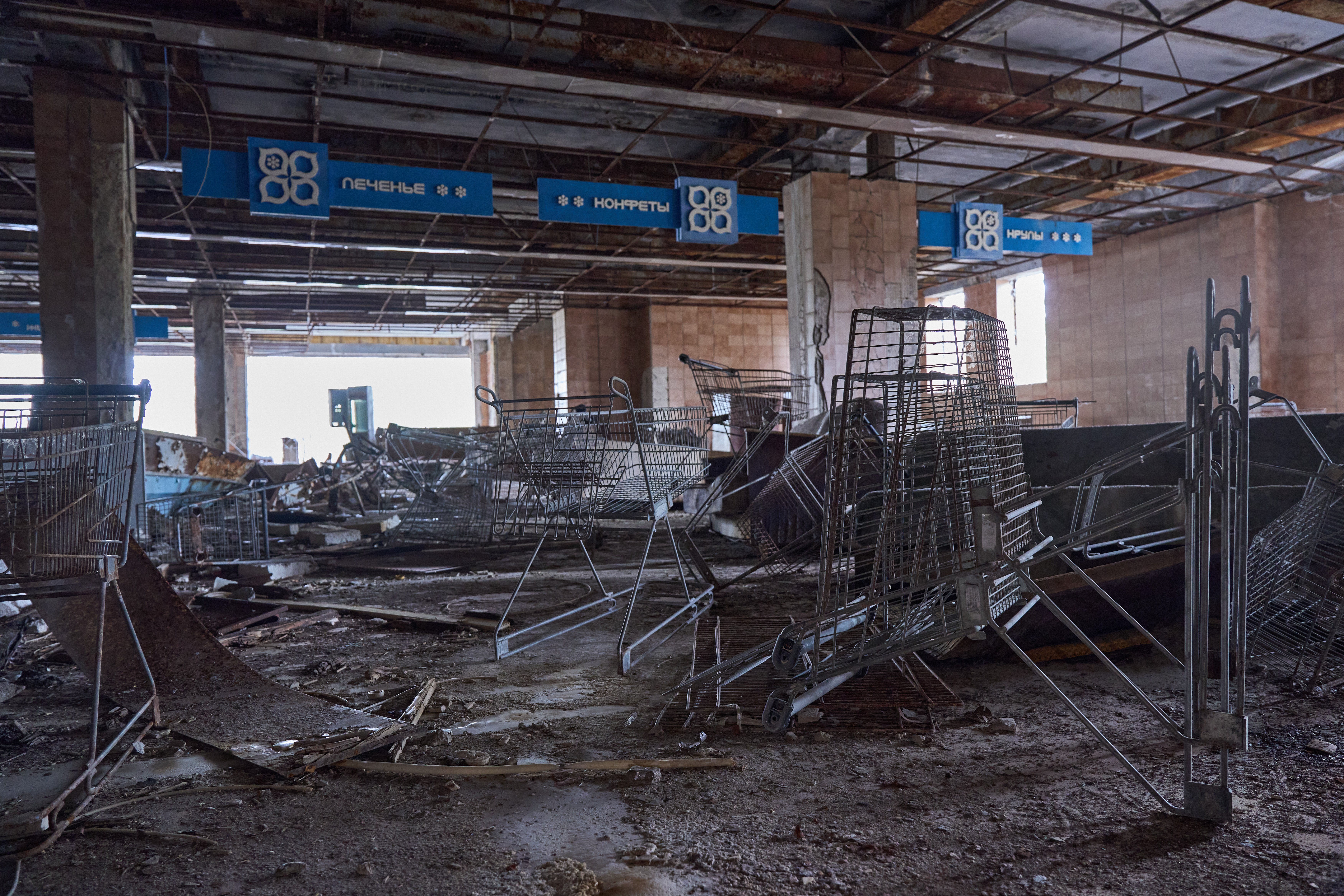
Shopping carts lie scattered across supermarkets, a sign they were never open for long. Photo: Mykyta Shandyba/UNITED24 Media

Today, the Chornobyl Nuclear Power Plant does not produce electricity. The reactors have been shut down, and everything is in maintenance and monitoring mode.
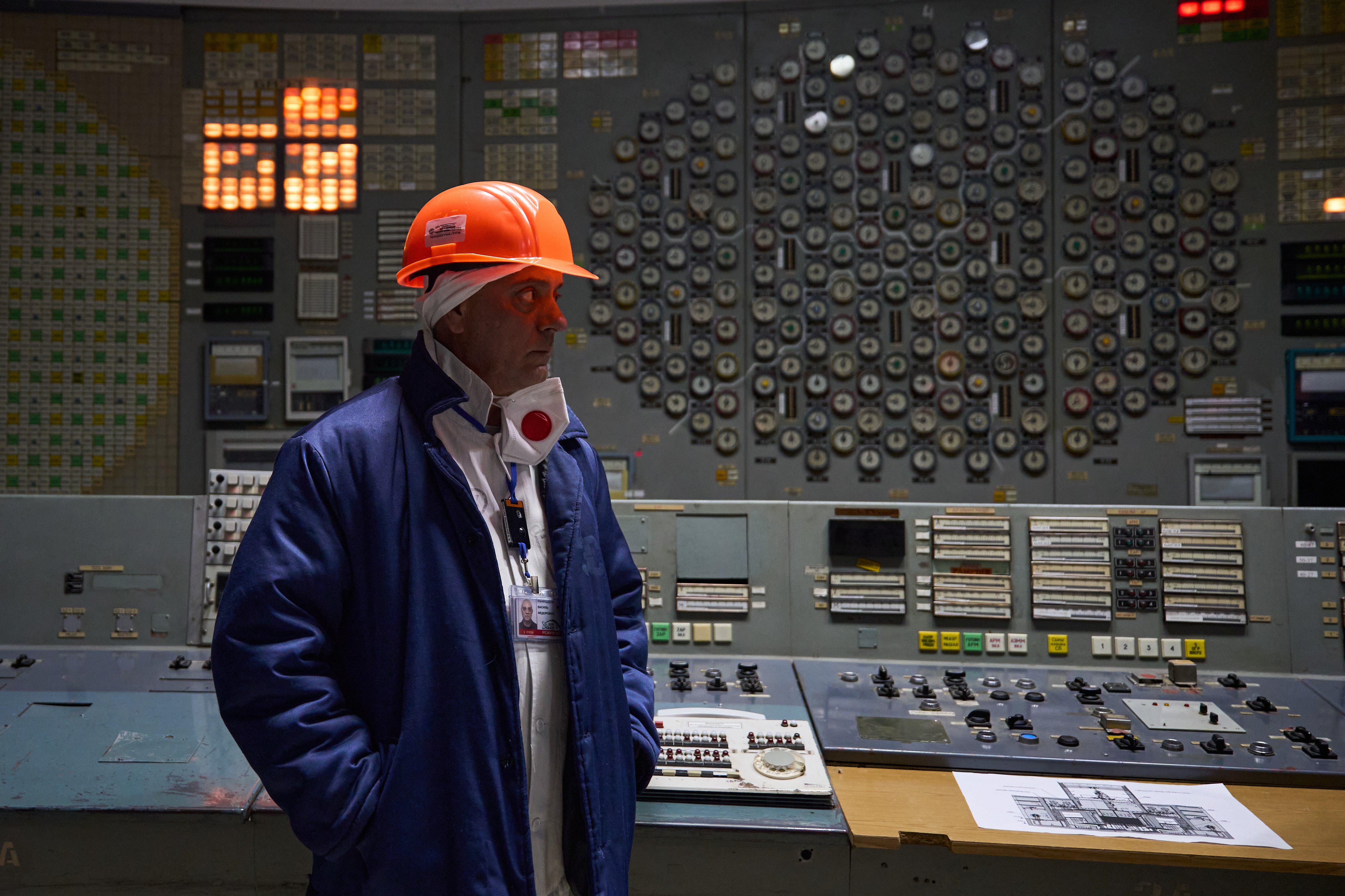
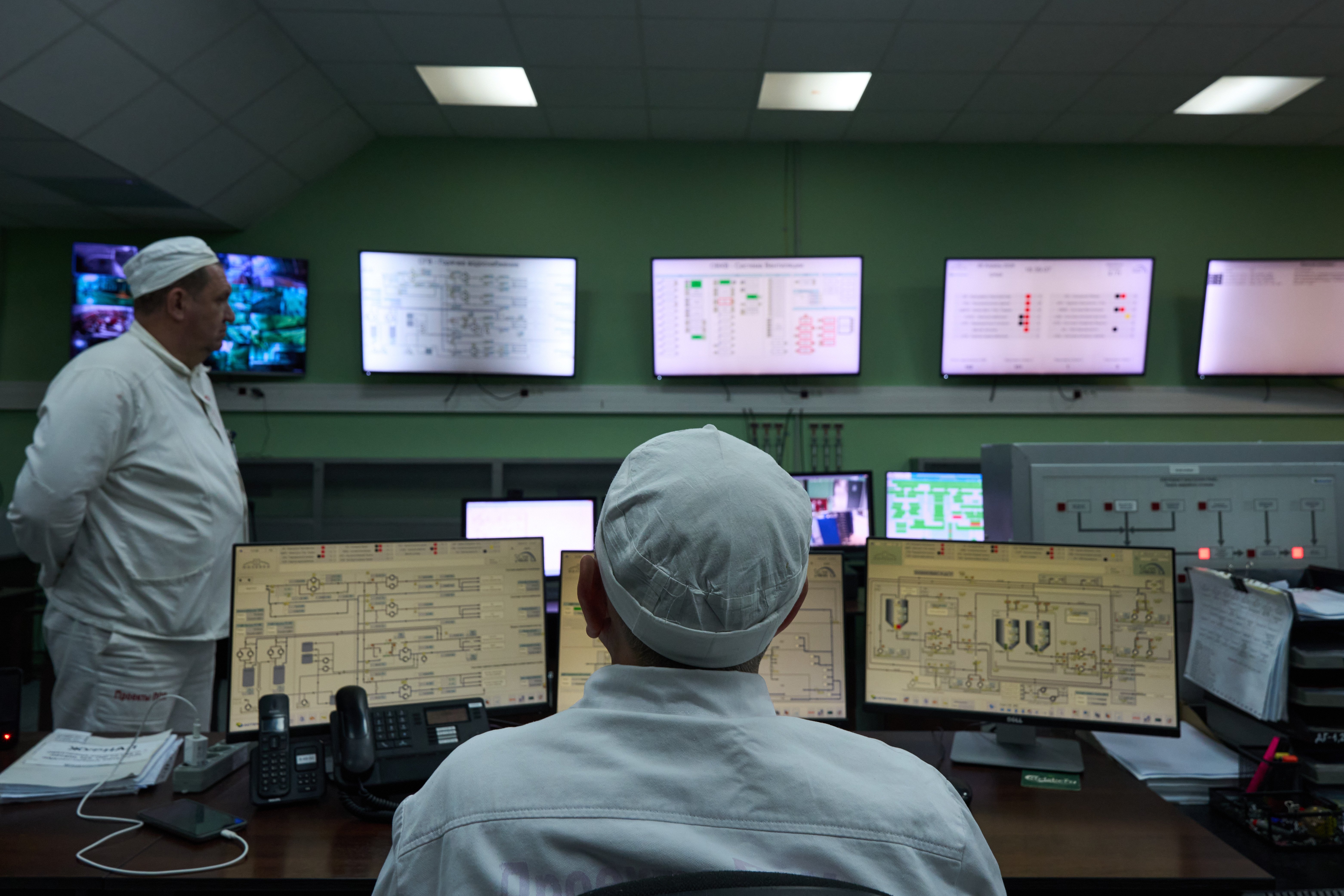
Chornobyl Nuclear Power Plant workers. Monitoring and maintaining all station operations around the clock. Photo: Mykyta Shandyba/UNITED24 Media

Reactor No. 4 is covered by the new confinement structure. Beneath it, work is ongoing, even if slow, complex one with no quick results. Dismantling, inspections, preparation for the day when all of this can eventually be taken apart without risk.
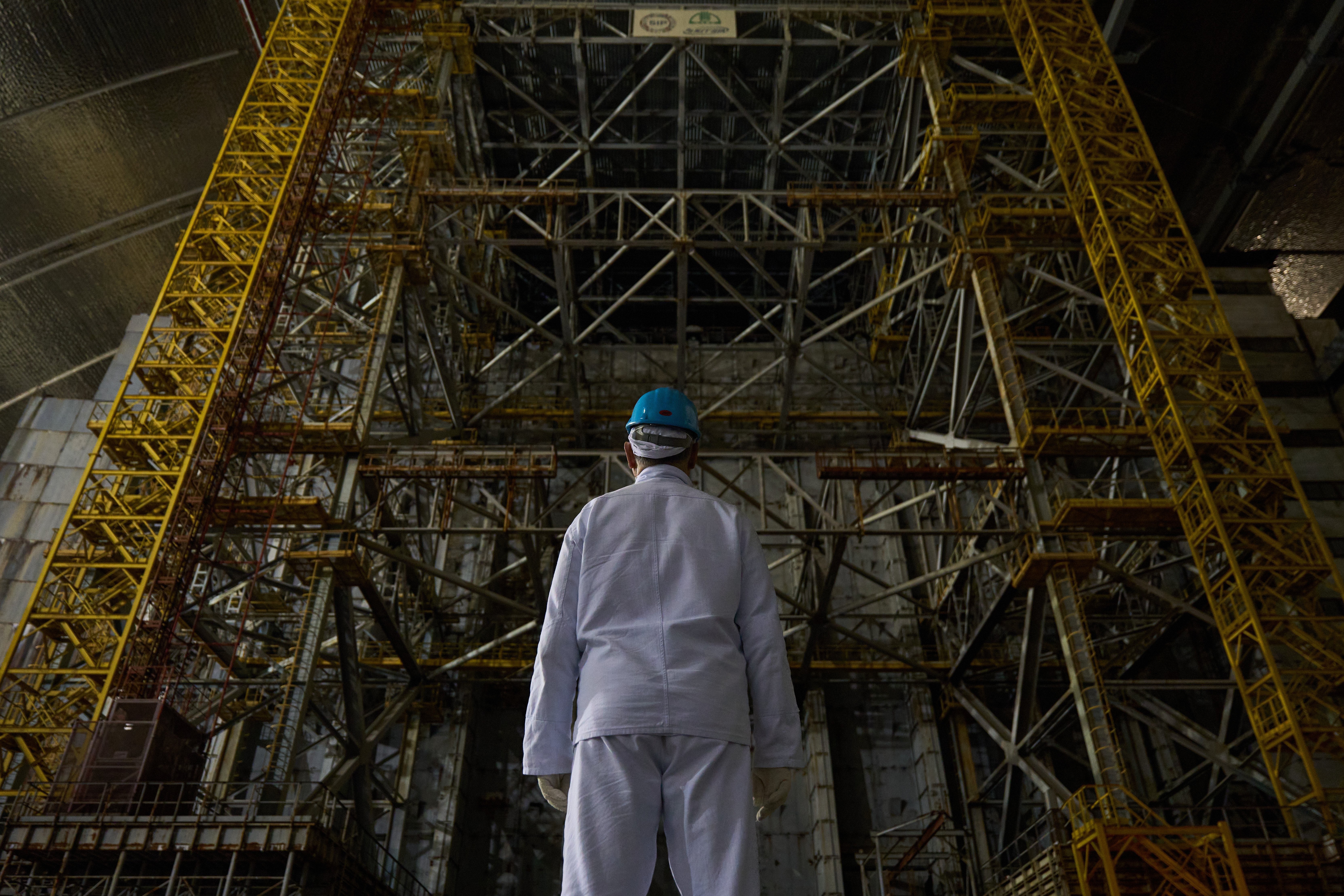
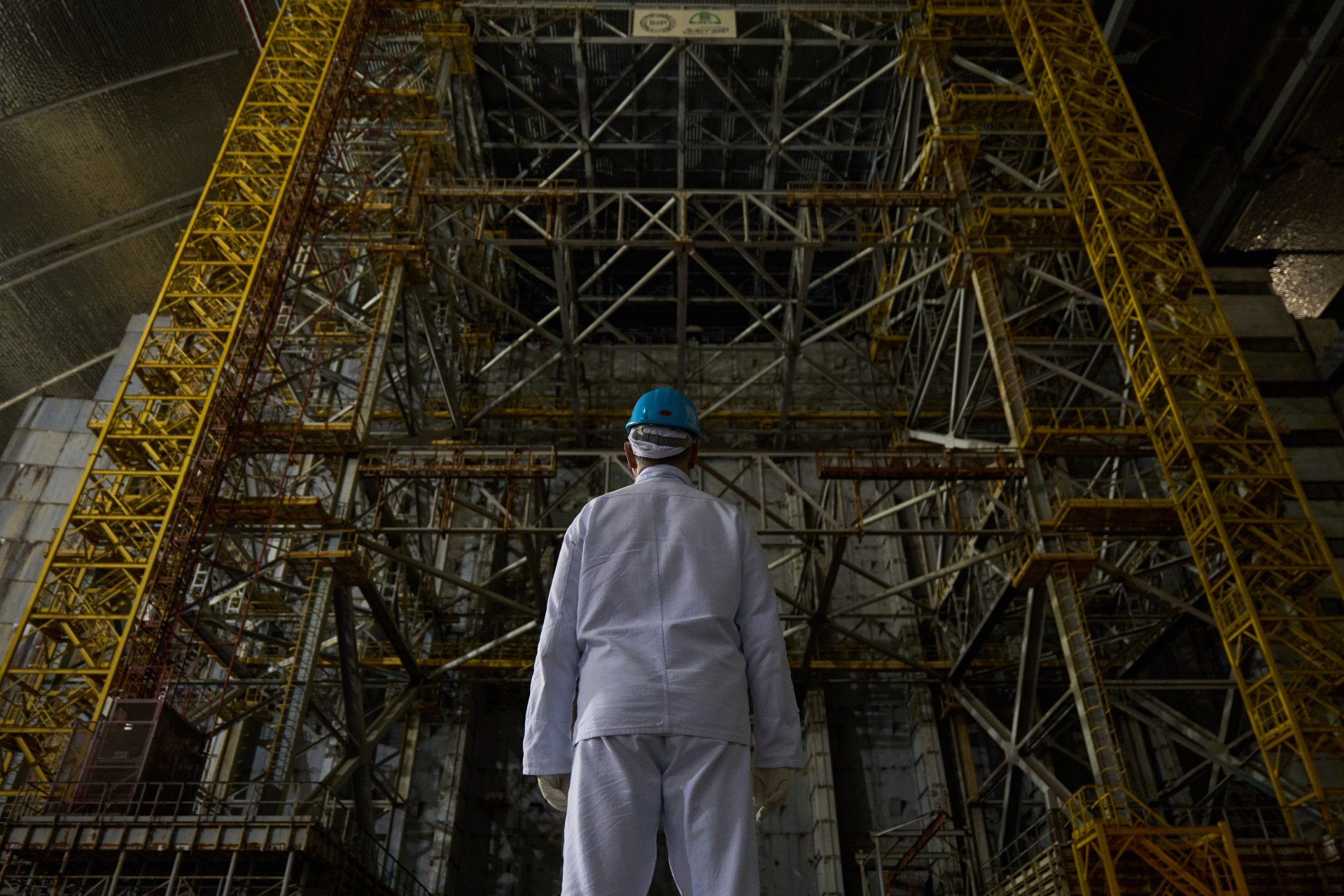
A Chornobyl Nuclear Power Plant worker looks toward the original sarcophagus over Reactor No. 4. Photo: Mykyta Shandyba/UNITED24 Media

People are constantly present at the plant. They monitor radiation levels, maintain systems and work with fuel storage facilities.
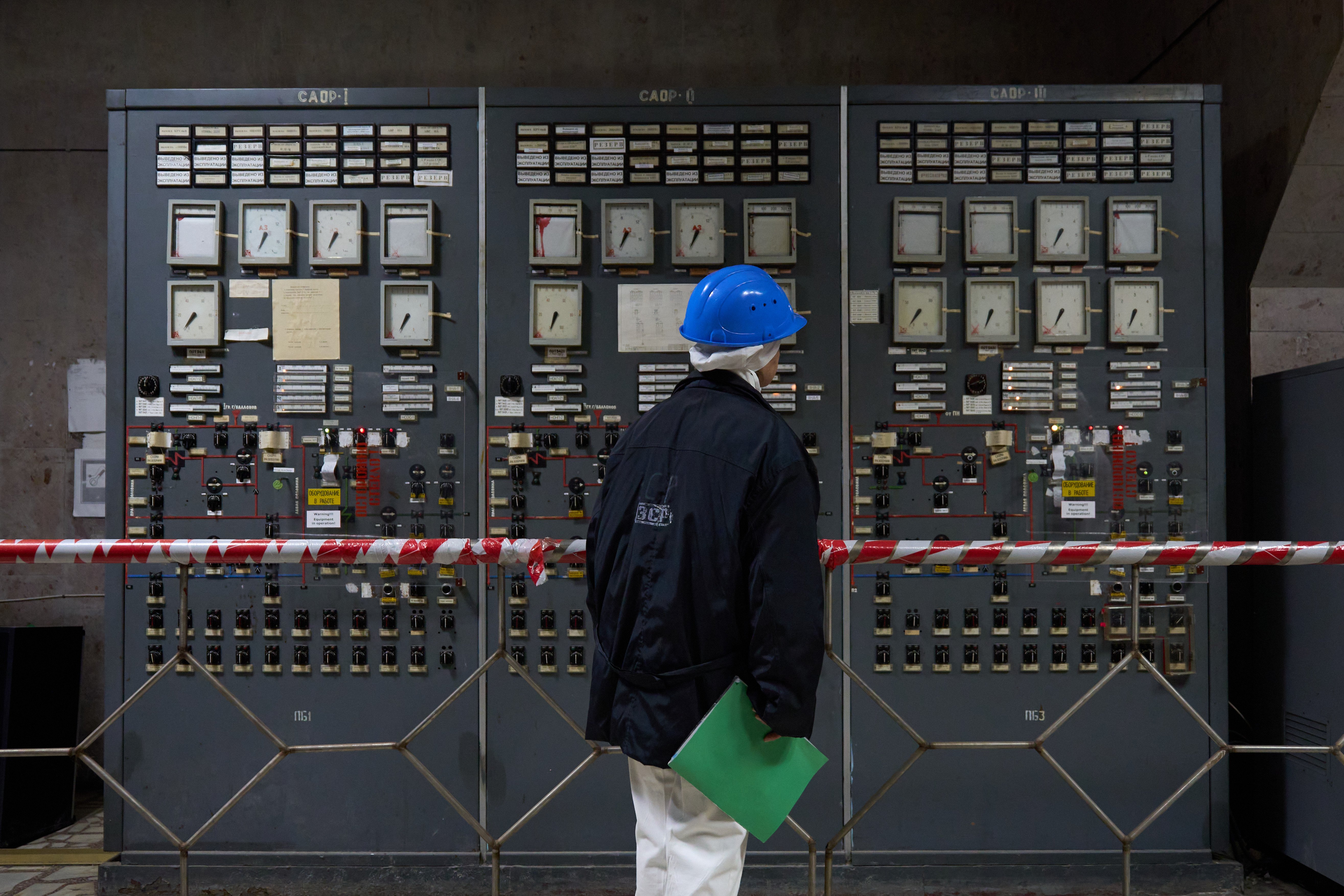
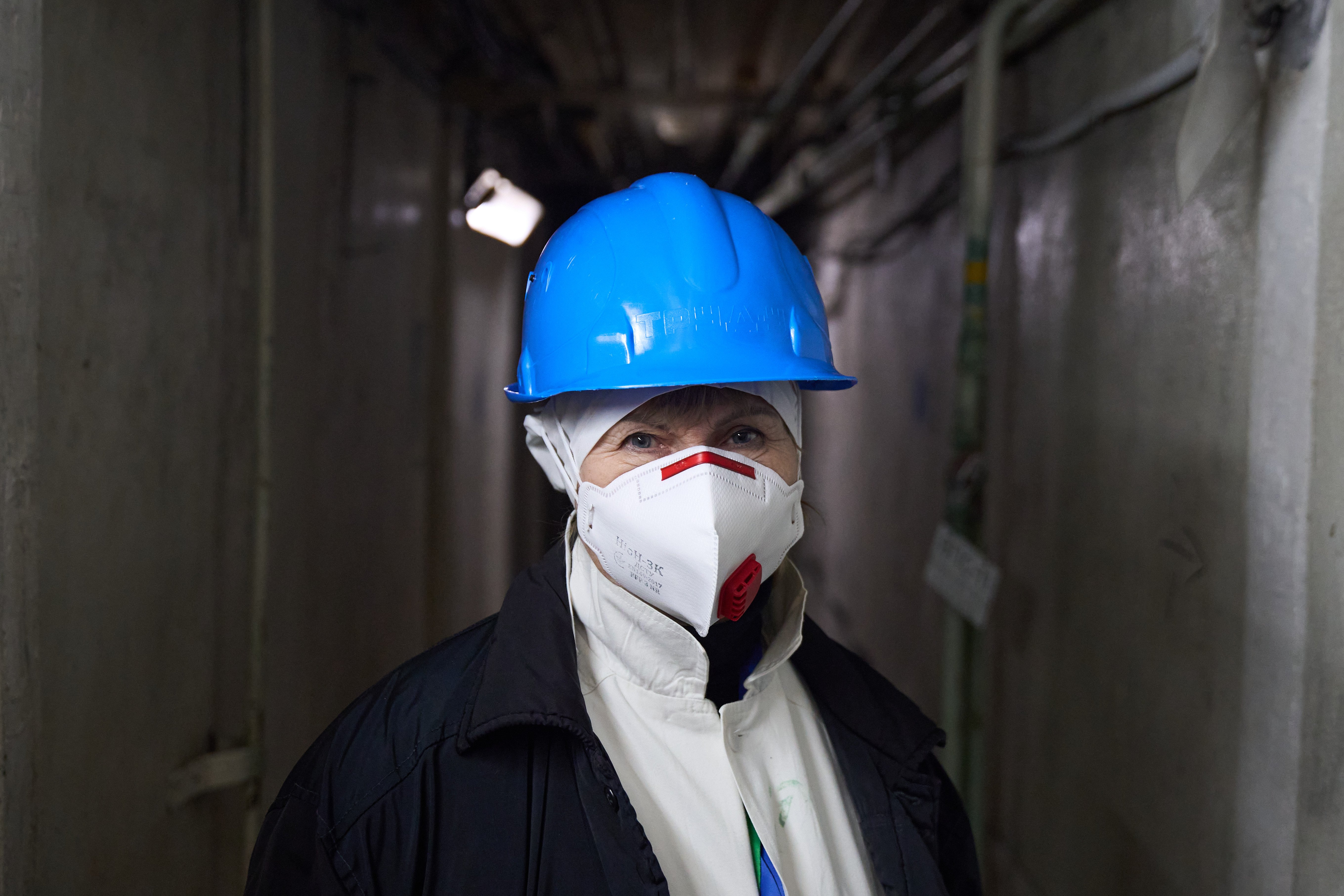
Chornobyl Nuclear Power Plant worker. Photo: Mykyta Shandyba/UNITED24 Media

Radiation has not disappeared, yet it is relatively under control. It is measured constantly, and that is the foundation of everything that happens here.
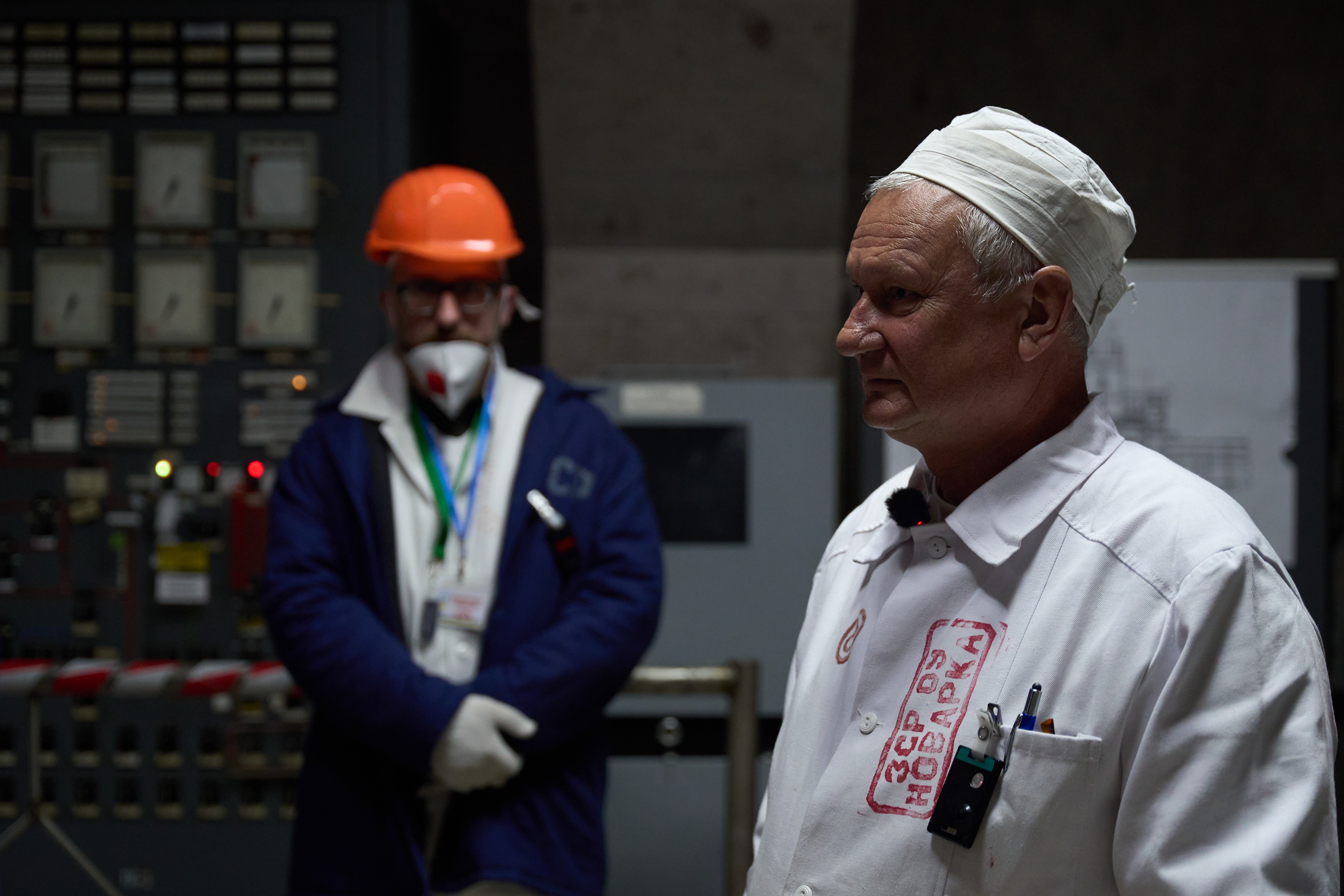
A plant worker recalls how the once-operational station was seen as one of the most promising power-generating facilities in the world. Photo: Mykyta Shandyba/UNITED24 Media

The surrounding zone is not “dead” either. There is logistics, security, routes. Fewer people, but many processes. Also, trees grow everywhere.
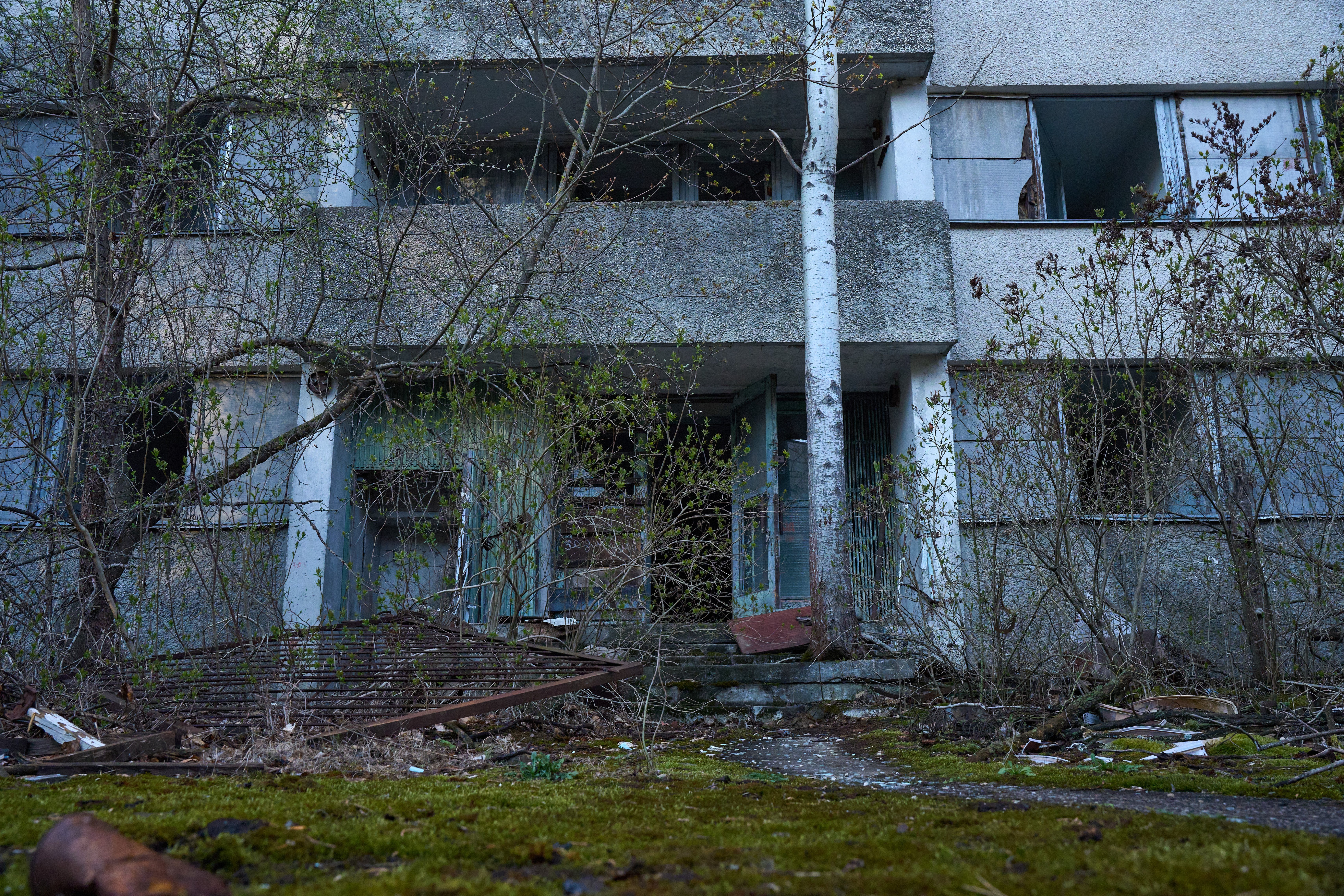
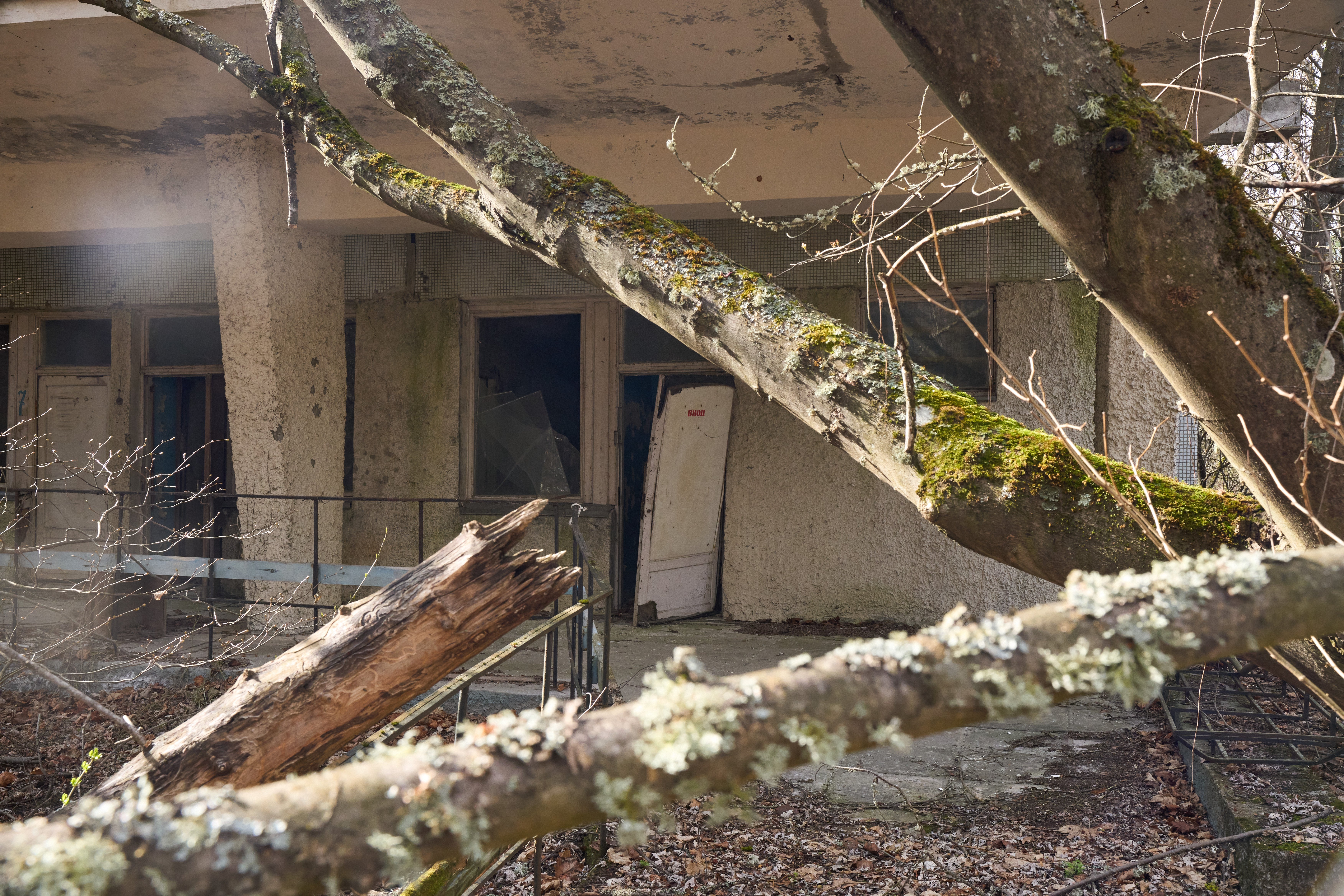
Courtyards overgrown with trees in once-inhabited neighborhoods. Photo: Mykyta Shandyba/UNITED24 Media
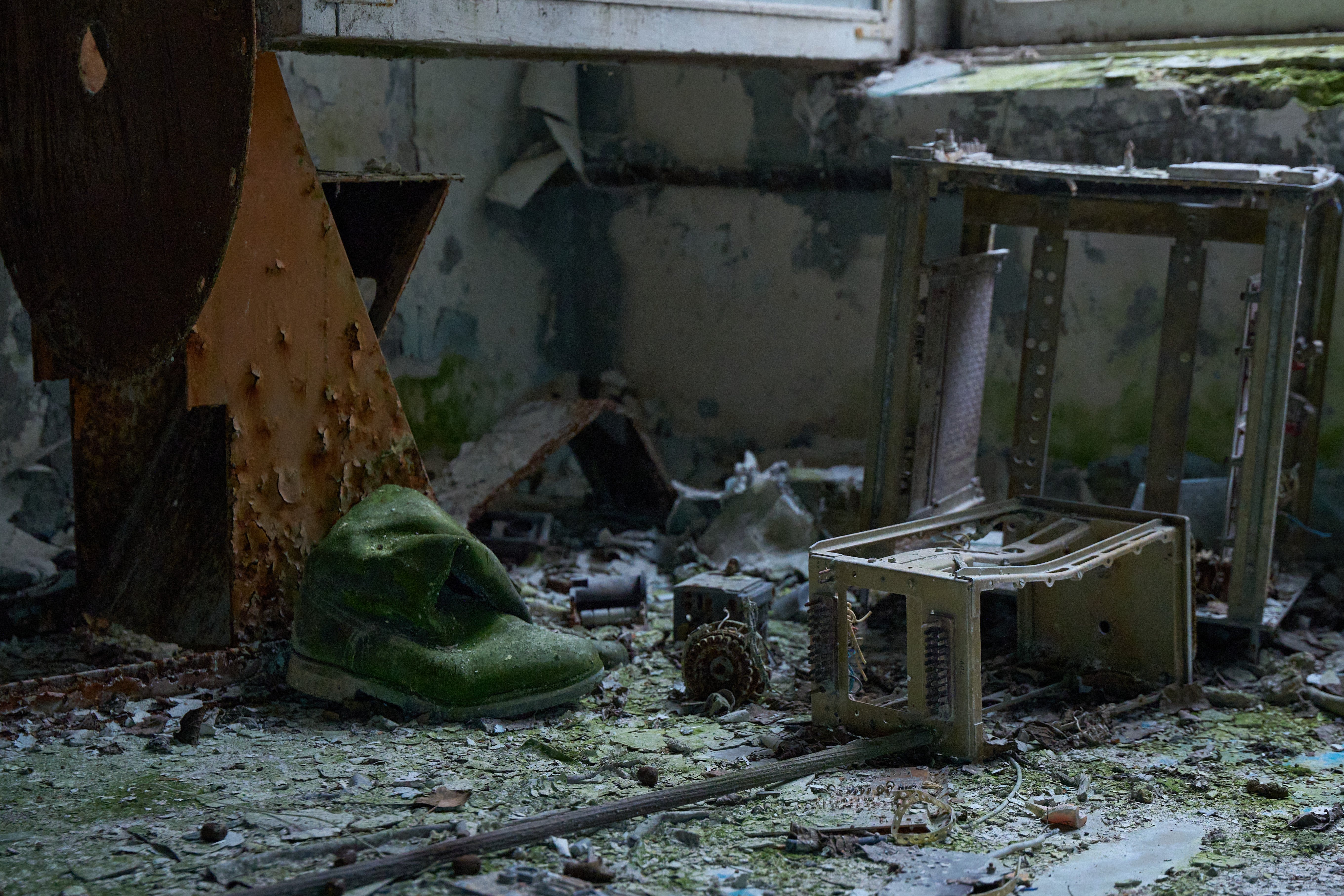
Engineers’ workspace. Remains of their equipment. Photo: Mykyta Shandyba/UNITED24 Media

Where there used to be tile and asphalt, there is now grass and roots. The buildings still stand, but no longer as a city, really, more like a framework through which the forest is growing.

It is the same inside the apartments. Moisture comes through broken windows, plaster crumbles, moss appears. In some places, bushes or small trees are already breaking through. Things are slowly falling apart not because of the explosion, but because of time and weather.
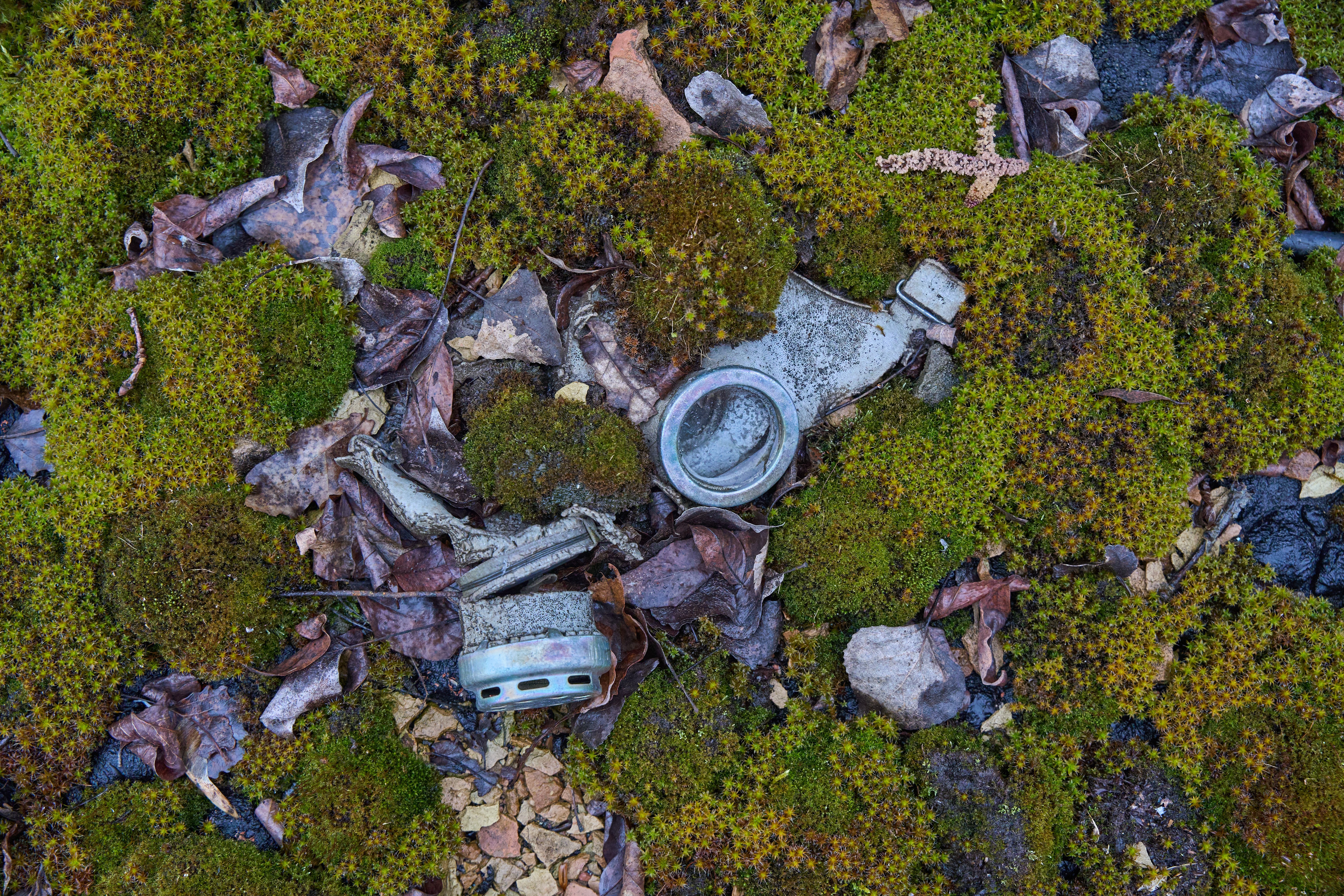
A gas mask in the middle of Pripyat, evidence of how long it has been lying there. Photo: Mykyta Shandyba/UNITED24 Media

Some roads have disappeared, well, they have simply become overgrown. Courtyards, too, have turned into dense thickets. Without context, it now looks more like a forest with concrete remnants than a city, where there are more animals than people. They definitely know that this is their territory now. Their home.

Truth is Under Attack
Logo
Truth is Under Attack
We report the war as it unfolds directly from the people and places most affected by it. Your support helps us bring these stories to the world.
See all

Be part of our reporting

When you support UNITED24 Media, you join our readers in keeping accurate war journalism alive. The stories we publish are possible because of you.