- Category
- Photoreports
What Russia's Captured Soldiers Reveal About Its War, in Photos
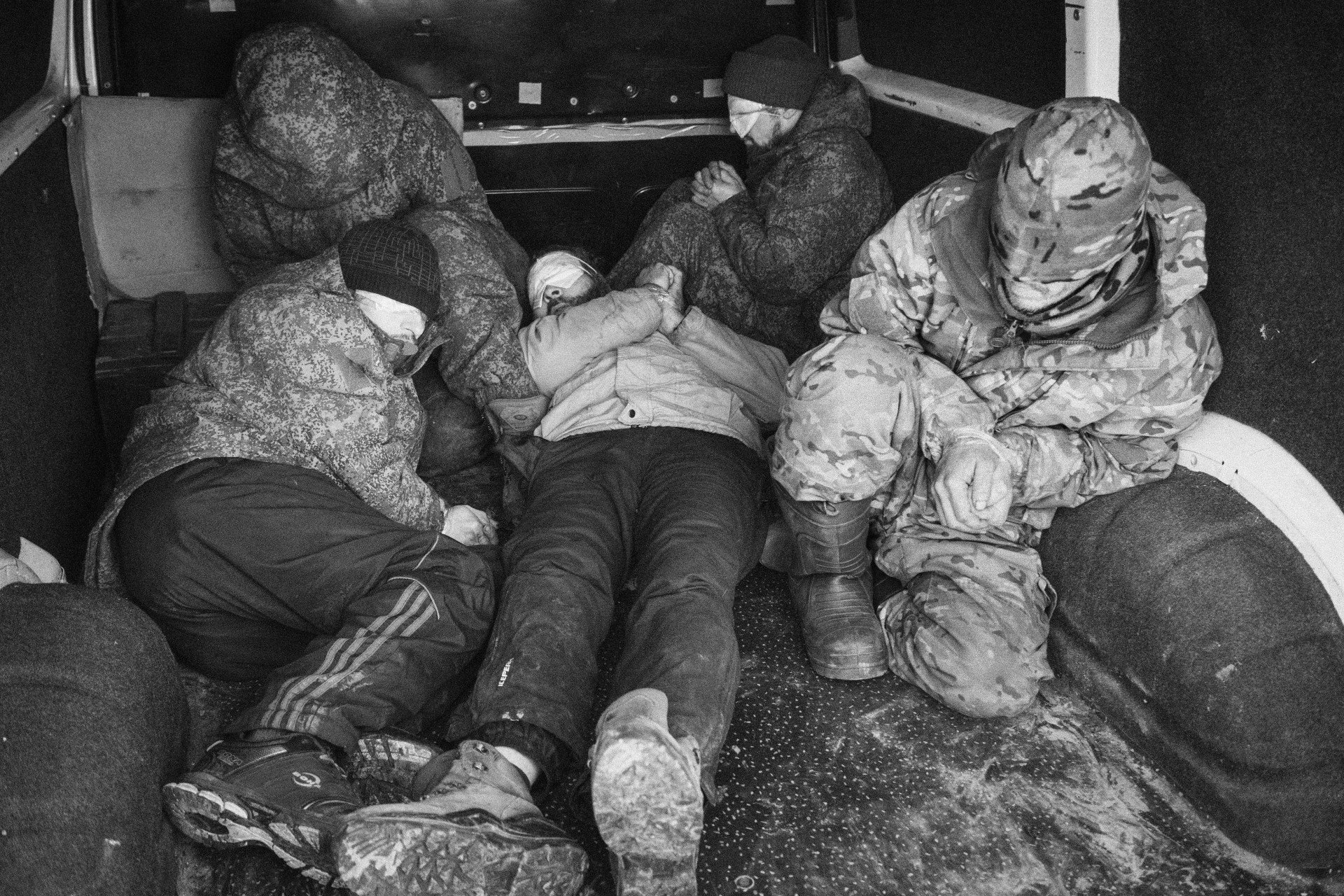
A photoreport featuring five Russian POWs captured near Kupiansk shows how their condition and testimony reflect the system sustaining Russia’s war.
 Prefer U24 Media on Google
- Authors

-0666d38c3abb51dc66be9ab82b971e20.jpg "Photo of Josh Olley")
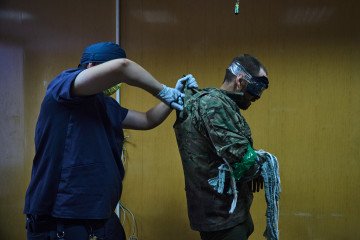
When the white van door opened, there was an immediate, unmistakable odor, the kind that speaks to long stretches without basic hygiene. Five men were piled into the back of the van, blindfolded and with their hands tightly bound, dressed in a mismatched combination of Russian uniforms and civilian clothing.
At an undisclosed location in the forest on the northeastern front of Ukraine, the Russian prisoners of war (POWs) had been captured the previous day while fighting near the front line in the Kupiansk region.
It was late February, a warm, sunny day compared to the months that had come before.
The Ukrainian soldiers calmly instructed them to step out of the van and form a line. As they appeared, one by one, the POWs bore little resemblance to the figures typically portrayed in Russian propaganda. Instead, they looked older, physically worn, and weak.
One of the POWs, a small, thin man with down-turned lips and a hungry stare, did not disclose his name. The ex-prisoner, 43, was born in Yamal, in northwest Siberia. Sitting in the middle of the sparse forest, snow lining the ground, he went on to describe in detail the moments that led up to his capture.
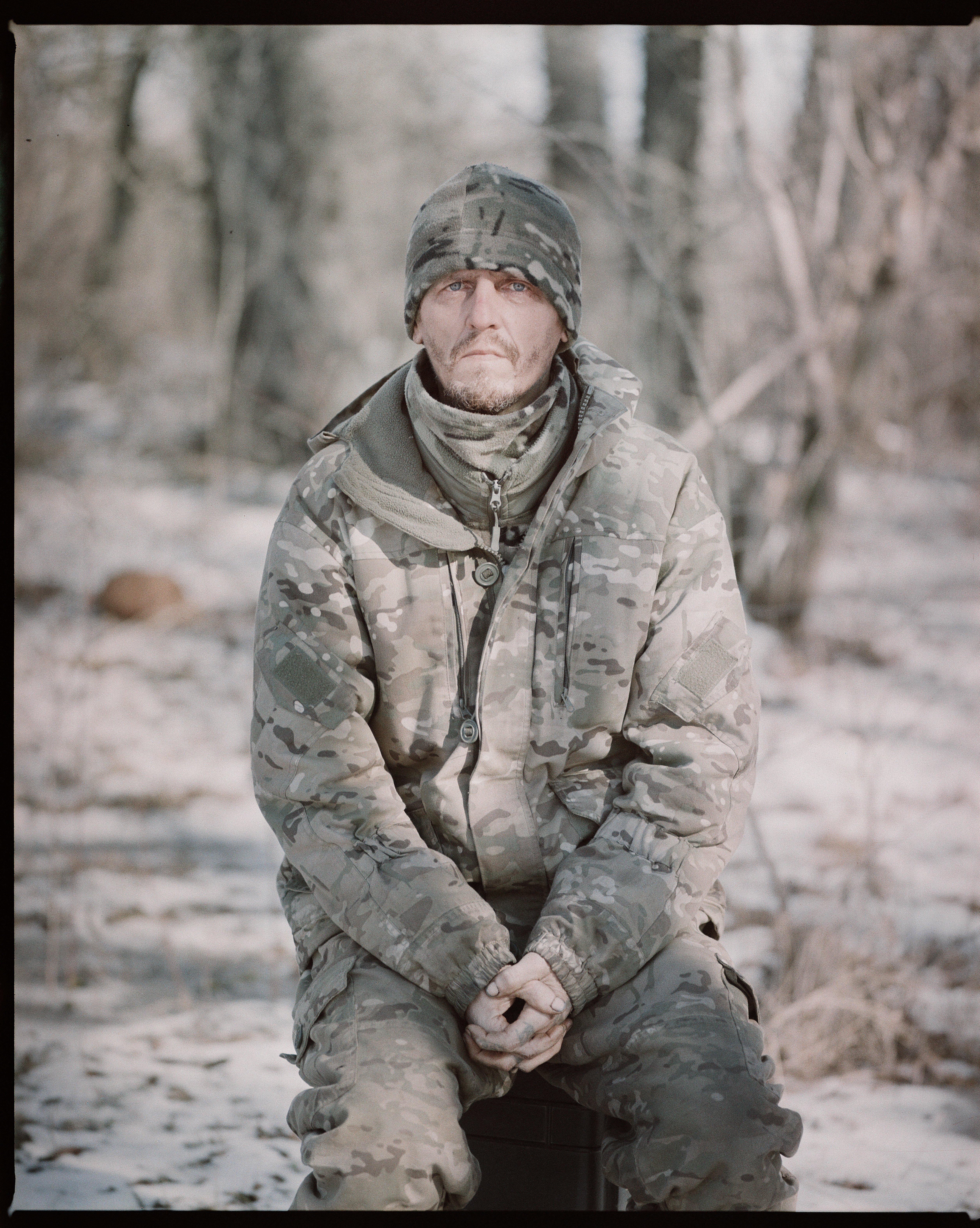
He was instructed to move through various checkpoints using Alpine Quest , occupy a building, and remain there to observe and report all movements, including those of soldiers and equipment. Operating in the Kupiansk area, they arrived on the evening of January 30. Upon arrival, they were “hungry, soaked, no cigarettes, nothing,” says the POW.
During the night, they were attacked by FPV drones, including the “Baba Yaga” drones flying overhead. In response, they immediately contacted their command by radio, who instructed them to hold their position until morning. When morning arrived, nothing had changed, and the Ukrainian attacks continued.
This was followed by an assault, says the POW. Despite the intensity, they were not found. The next day, they reached out to command again, only to receive the same directive: wait until further notice. That's when he said he started doubting his orders.
“I saw a drone,” says the Russian POW. “I asked the commander if it was ours. He said no.” He was told to send the coordinates—instead, he turned off the radio and ran. “There were many such orders I didn’t follow. Reporting required stopping, which was dangerous.”
After enduring five more days of relentless attacks, with no support or weapons, Ukrainian soldiers eventually approached them and instructed them to surrender. Faced with no food and no clear direction, they complied.
Expendability of the Russian soldiers
A common factor linking every prisoner interviewed was that Russian troops openly speak of being sent “to be slaughtered.” Russia is currently losing troops at a staggering rate.
In the first three months of 2026 alone, 89,000 Russian troops were killed or seriously wounded. So far, the Kremlin has increasingly relied on contract soldiers rather than large-scale conscription, now recruiting an estimated 400,000 contract troops annually, which makes up 70-80% of its deployed forces, The Kyiv Independent reported.
Only one of the five POWs interviewed said he had been formally mobilized. The others claim they were either detained on minor drug charges and given a choice between long prison sentences or the front line, or were burdened by significant debt.
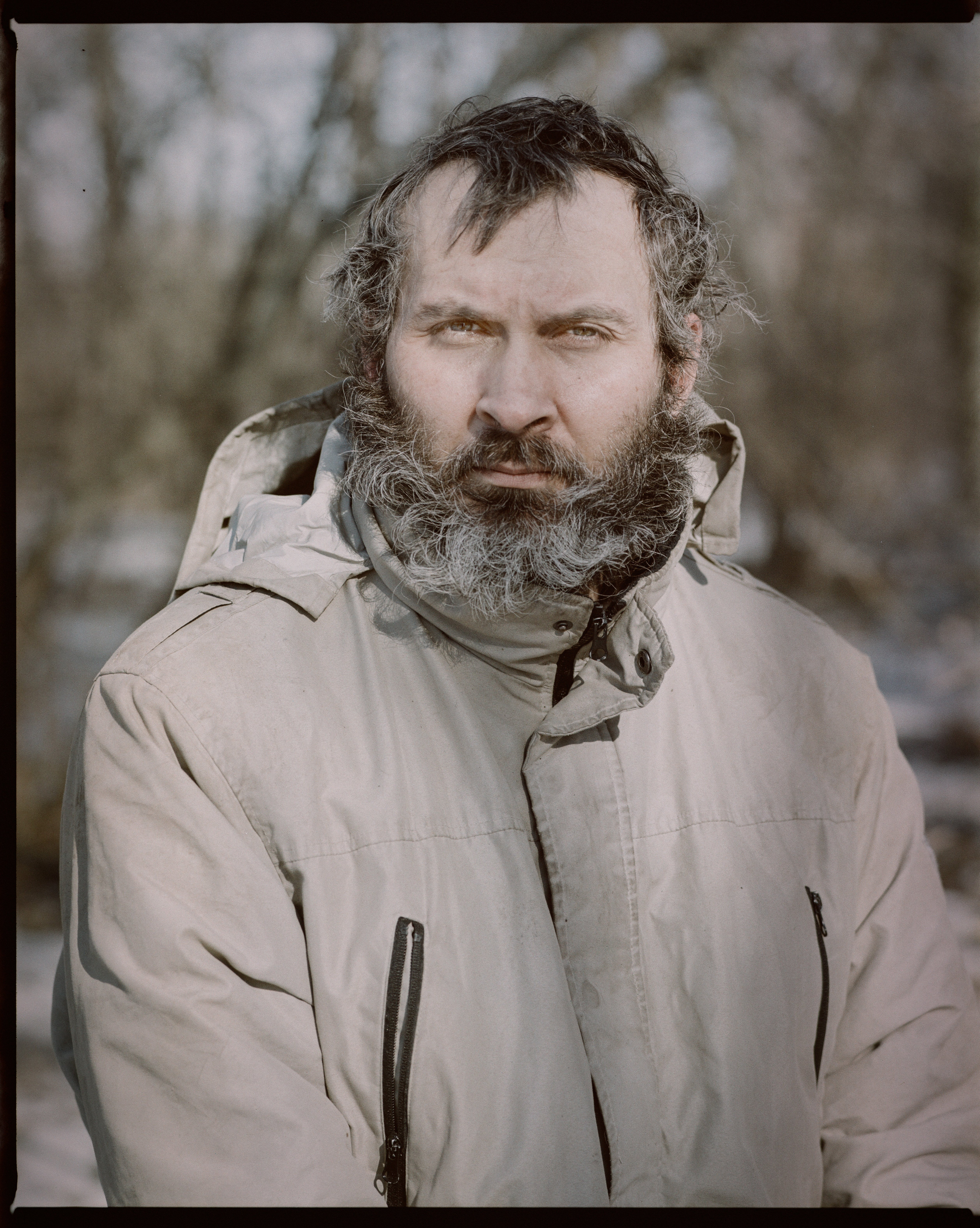
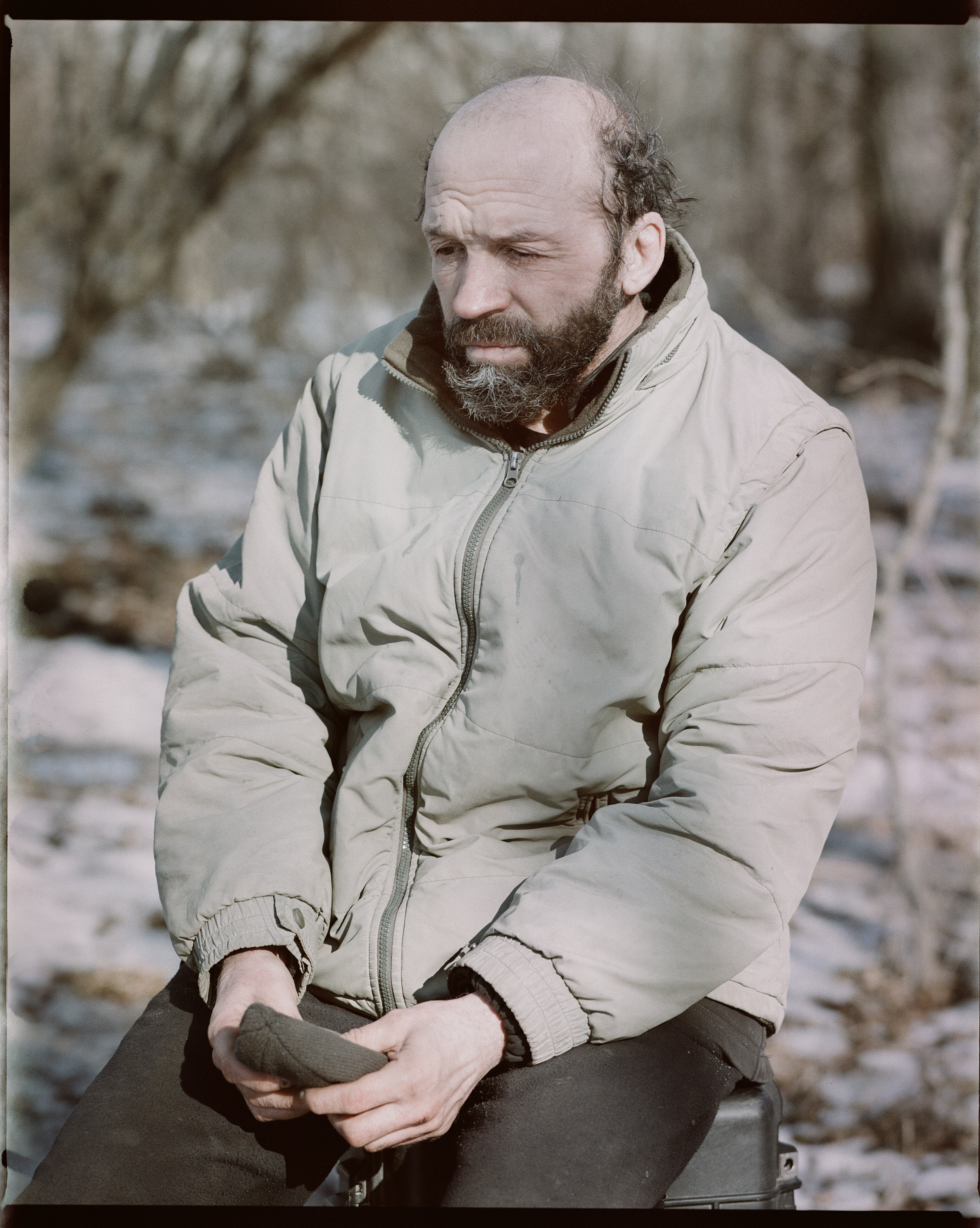
The Russian POW, Ruslan, 45, from the central Kostroma region, says that before the war he “worked with carpets.” Ruslan signed his contract on July 26, 2025. Within months was deployed to the front lines.
“I had debts,” he says. “The government was pressuring me constantly. They caught me and said—sign it.” Although Ruslan concedes that he joined for money, he claims he did not do so willingly. Yet, across Russian social media, recruitment ads flood the public space: sign up for the army, and in return, receive often over a million rubles, debt forgiveness, and lucrative incentives. “I signed the contract because I had a lot of debt,” claimed another POW who chose to remain anonymous. “That’s the only reason.”
As recruitment has shifted toward near-forced mobilization, according to Le Monde, accounts from within the ranks describe poorly trained and medically unfit men deployed with minimal preparation, some surviving only weeks at the front. Since August 2025, Russia has narrowed the list of disqualifying illnesses, clearing the way for psychiatric patients—including those with schizophrenia—to be sent to the front.
“They send us the most infirm, so they can be slaughtered,” said a Russian assault soldier, as quoted by the independent Russian outlet Verstka.
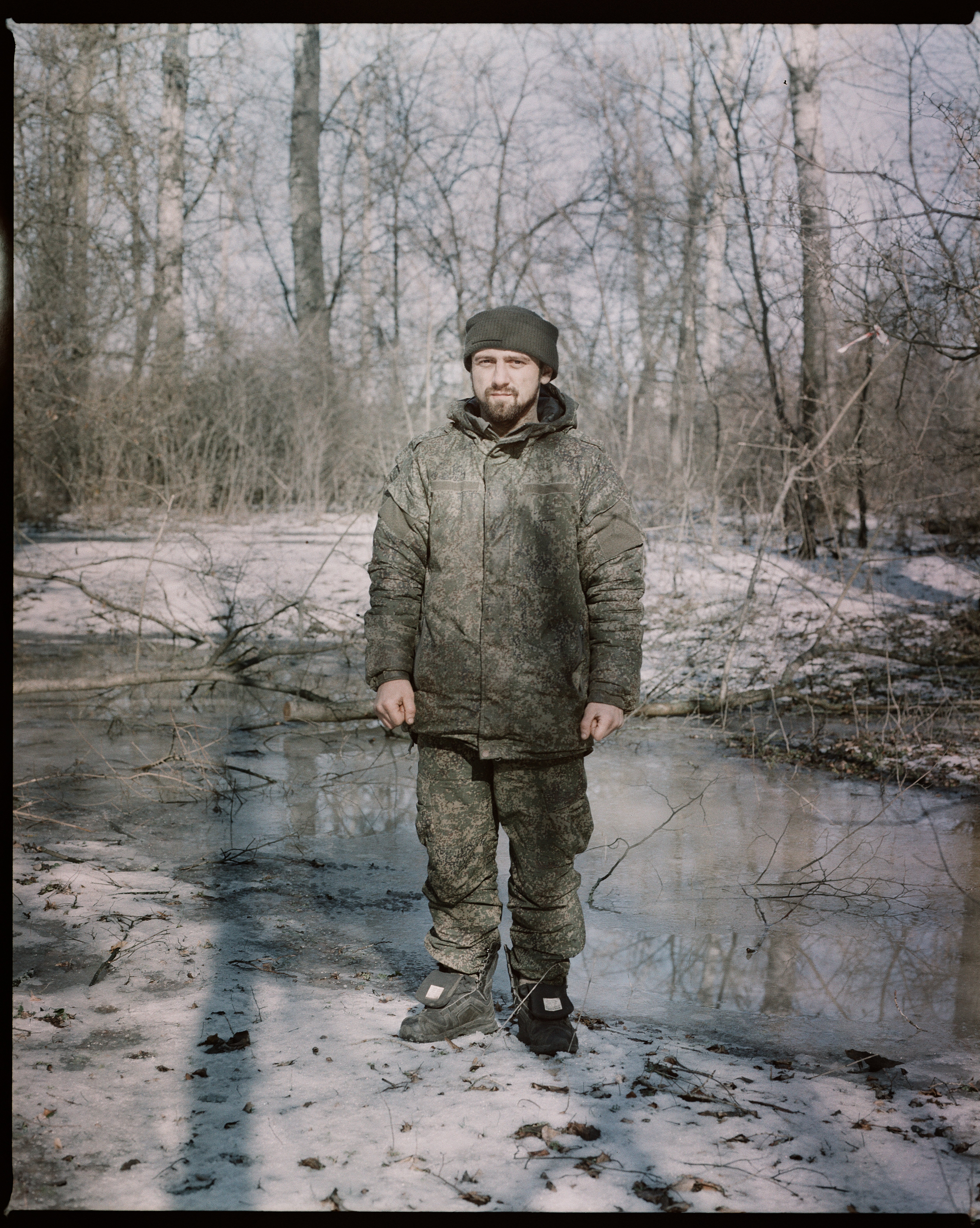
Andrey, a POW born in 1990, was the only one of the POWs who appeared to be in decent health and carried himself in a timid but otherwise normal way. Before the 2022 mobilization, he says he worked as an assistant driller at a Russian engineering geology company. Andrey told us the conditions in the army were “terrible.”
Captured by Ukrainian soldiers who addressed him through a loudspeaker mounted on a drone, he described neglect and mistreatment by his commanders before his capture, especially toward regular soldiers. It was this that motivated him to refuse orders, as well as the lack of basic concessions: “If parents get sick or need hospital care, we’re supposed to get 10 days leave. They refused me.”
Taken together, these recruitment practices point to a military scrambling to replenish Russia’s ranks at any cost. On January 16, former president Dmitry Medvedev touted 422,000 recruitment contracts signed in 2025, presenting the figure as a success. But the number had already fallen from 450,000 the year before—a 6% drop that underscores a shrinking pool of willing recruits and a growing reliance on coercion to sustain the war.
Another Russian POW, Taras—a contract soldier—said he joined the Russian army after being detained on drug charges. "I was in possession of drugs; they made me sign the contract,” Taras says. He claims he had been promised he would serve in the territory of Russia. He was then sent to Ukraine to fight on the front line as an infantryman. According to Taras, who was captured on his first battle mission, most Russian soldiers hope for a “quick peace,” adding, "No one wants to die."
What that “peace” would mean for Ukraine, he did not say.
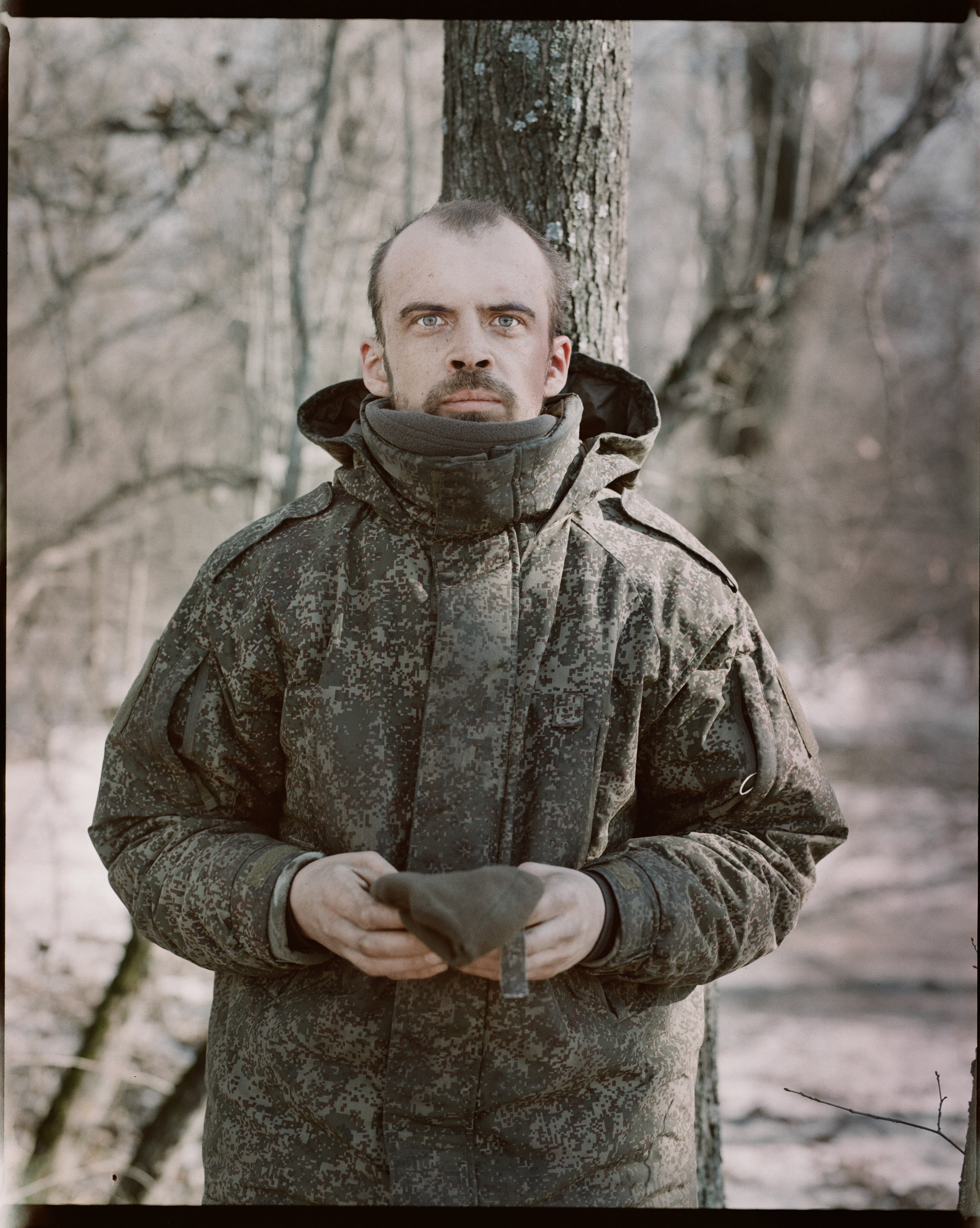
The testimonies offer a glimpse into how Russia sustains its war. The anonymous POW described his situation before joining the army, saying he had survived most of his life doing odd jobs. After prison, he worked in the timber industry from 2009 to 2025, but then the plant closed. The POW concluded the interview saying that rather than go back to Russia, he would prefer to stay imprisoned in Ukraine. With more than a million rubles ($12,000) in debt, he simply claimed, “I had to go to war.”
All prisoners of war featured in this project were asked to participate in both the photo and interview process voluntarily.
Discuss this article:


-24deccd511006ba79cfc4d798c6c2ef5.jpeg "Photo of Louis Beaudemont")
-42696701342093d1cdbc4069f0f07d6c.jpeg "Photo of Mykyta Shandyba")