- Category
- War in Ukraine
Inside the Lives of Ukraine’s Youngest Soldiers Choosing to Serve
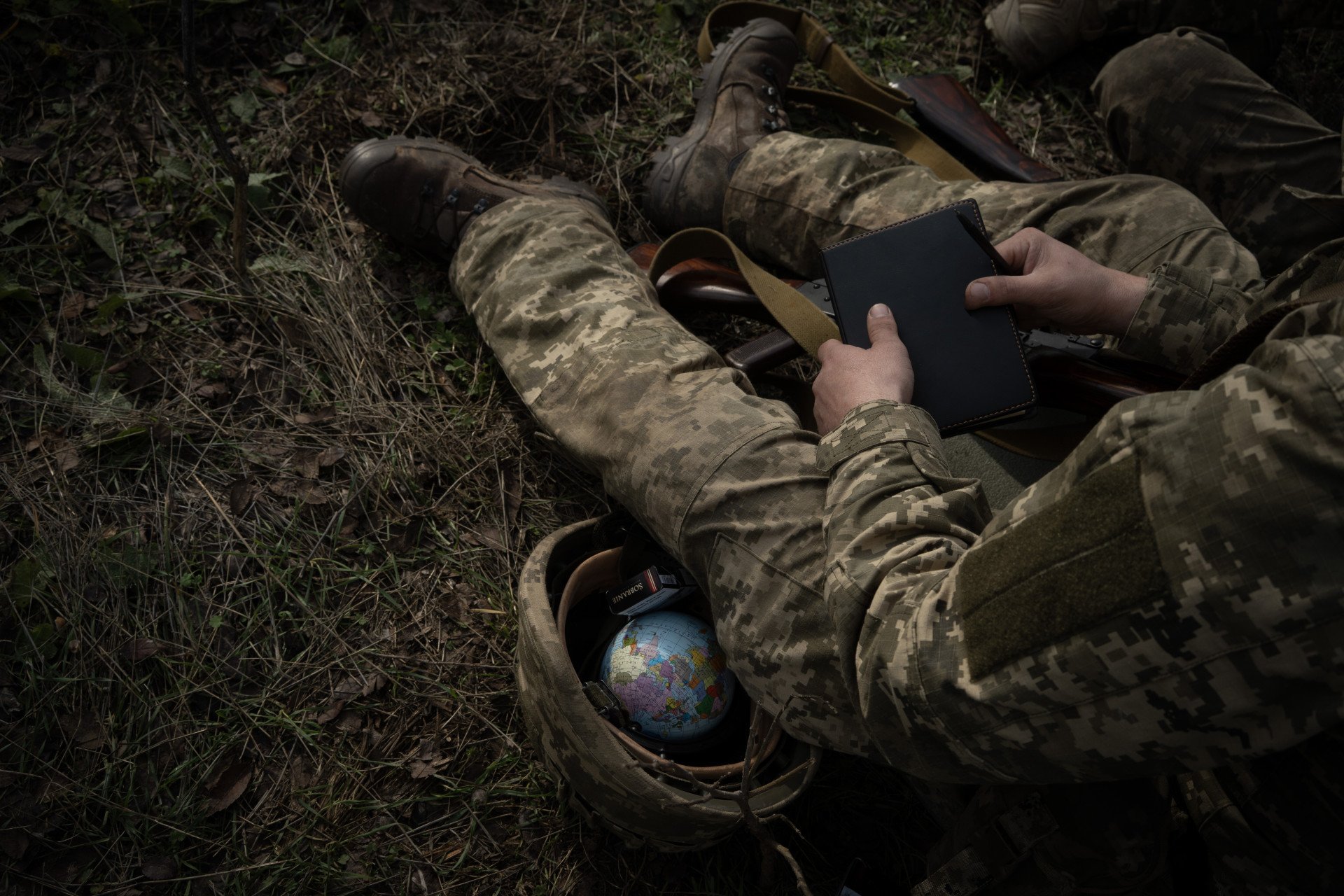
Ukrainians aged 18–24 do not have to serve, but many still walk into recruitment centers on their own. Through portraits and first-person stories, we capture what motivates them, and how a year in the army is reshaping who they are and who they hope to become.
 Prefer U24 Media on Google
- Authors

-0666d38c3abb51dc66be9ab82b971e20.jpg "Photo of Josh Olley")
When Russia invaded in 2022, recruitment centers overflowed with volunteers. At the time, Ukraine’s army relied heavily on wartime mobilization and spontaneous enlistment. Three years later, as Russia's war grinds on and the initial volunteer wave has faded, the country must build a more sustainable system to replenish its forces. The Ukrainian government’s Contract 18–24 program, launched in February 2025, was designed as a critical recruitment strategy to do exactly that.
Contract 18-24
“‘Contract 18-24’ is not about compulsion,” said Rustem Umerov, Ukraine’s Defense Minister. “It is an opportunity for people to make a conscious choice, gain combat experience, and secure financial stability in just one year. It is the volunteer's choice to either extend their service or return to civilian life, with unique prospects awaiting them.”
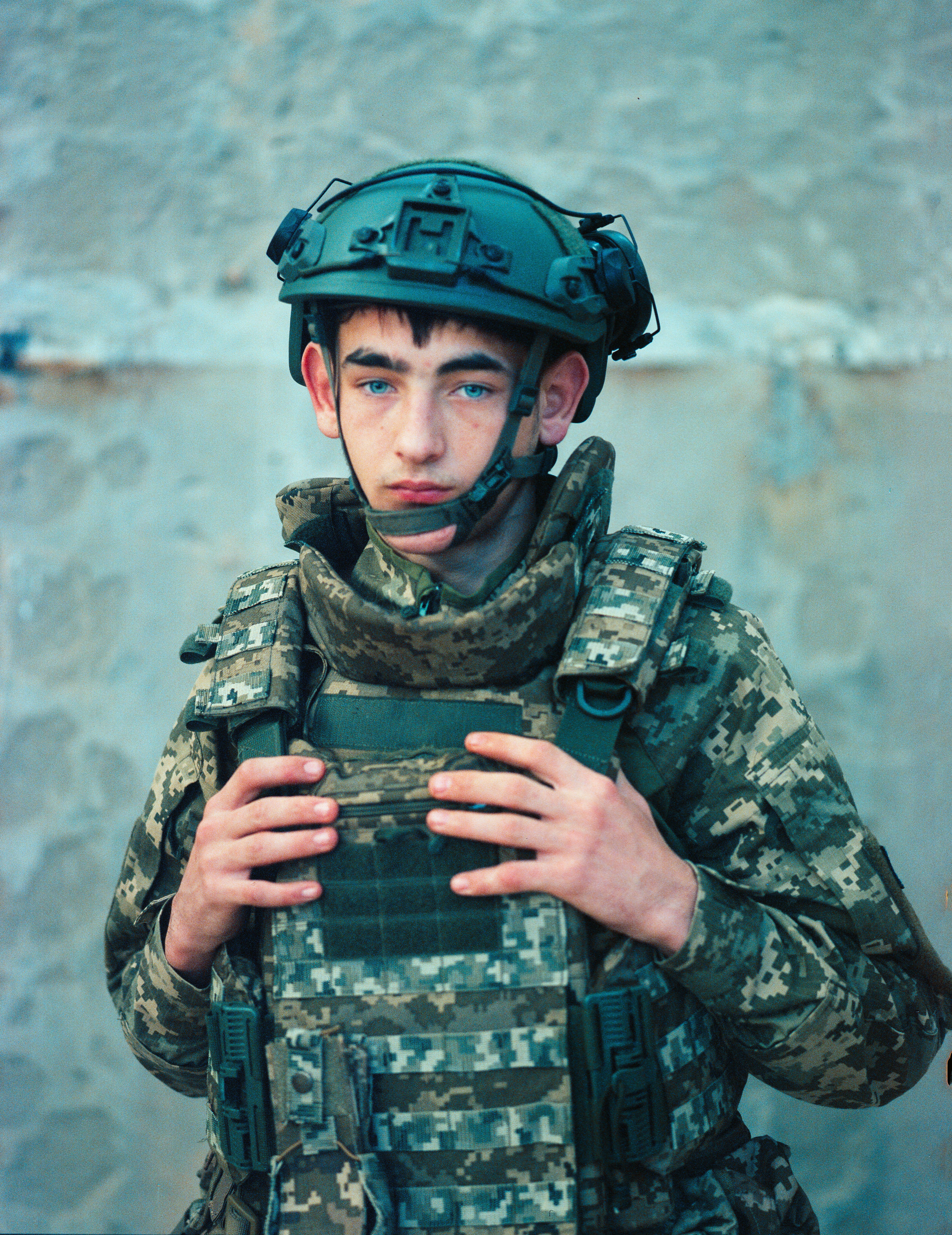
The program offers a clear financial package: a contract worth UAH 1,000,000 ($24,000), of which UAH 200,000 (about $4,800) is paid upfront and the remainder distributed across the year. Volunteers can earn up to UAH 120,000 ($2,800) monthly and receive a zero-interest mortgage, state-funded training, and free medical care, including dental prosthetics. After one year of service, recruits can travel abroad and receive a 12-month exemption from mobilization. For many, it is a rare chance to gain stability during wartime.
Yet uptake remains slow. Only around 500 recruits have joined since its inception. Military service is daunting, bureaucratic delays discourage applicants, and many parents push their children toward safer paths. Officials say it is too early to judge long-term results, but despite early challenges, Contract 18–24 could still become an important pathway for Ukraine’s next generation.
Personal motivation
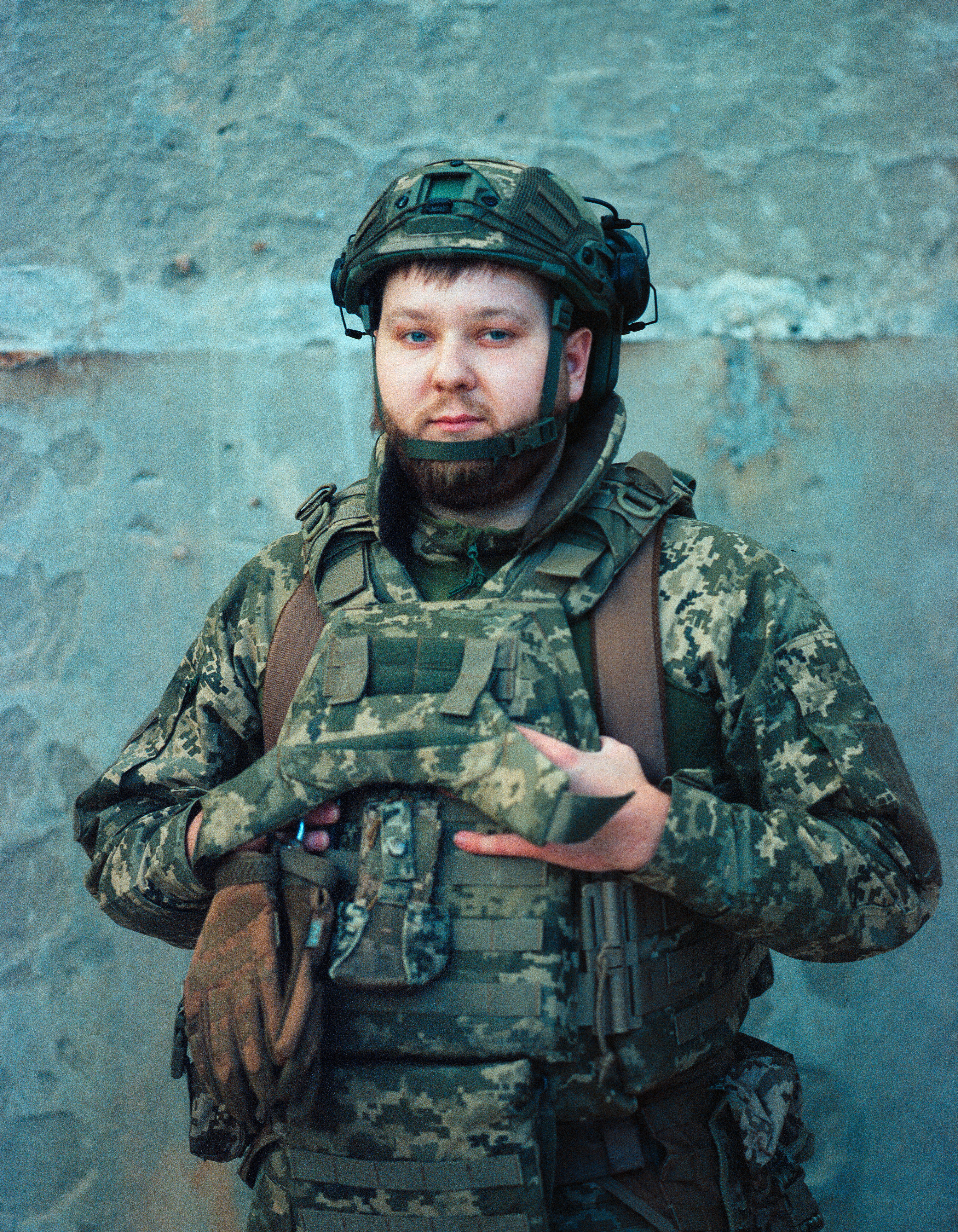
“It's a funny story,” says Mykhailo, 24, talking about his recruitment. “I opened the Reserve+ add-on, and I chose the brigade's coat of arms. Before signing the contract, I expected less than what I found here.”
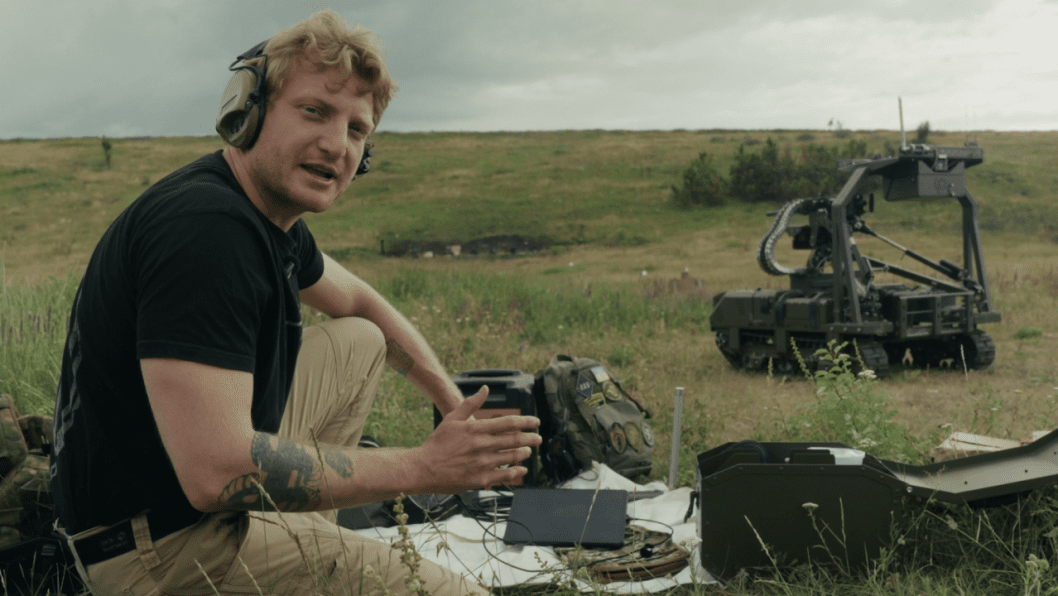
Before the full-scale invasion, Mykhailo had a life built around music—ten instruments (literally: piano, accordion, trumpet, drum kit, sopilka, piano, album, bass, tenor, guitar, with accordion being the favourite), endless hours of study, and a quiet routine between work and family. But when the war kept grinding on, he felt he couldn’t stay on the sidelines. “If you sit on your couch and wait for the war to end, nothing will change,” he says. Today, he serves with the 39th Marines, trading rehearsals for the sounds of FPVs and shelling. His role is observation on the frontline, a far cry from the life he left behind in Boryspil, but one he believes is necessary.
For many recruits, the decision to join the program represents a wider, more complex choice about their future. "The reason why I came here?” asks Yevhenii—Zhenya—a 19-year-old from Pokrovsk. “My brother was serving in the army. He died in Bakhmut in 2022. After that, I wanted to help the guys and replace them for some time because they stay in positions for months. He has two daughters left. And they are without a father and a mother.”
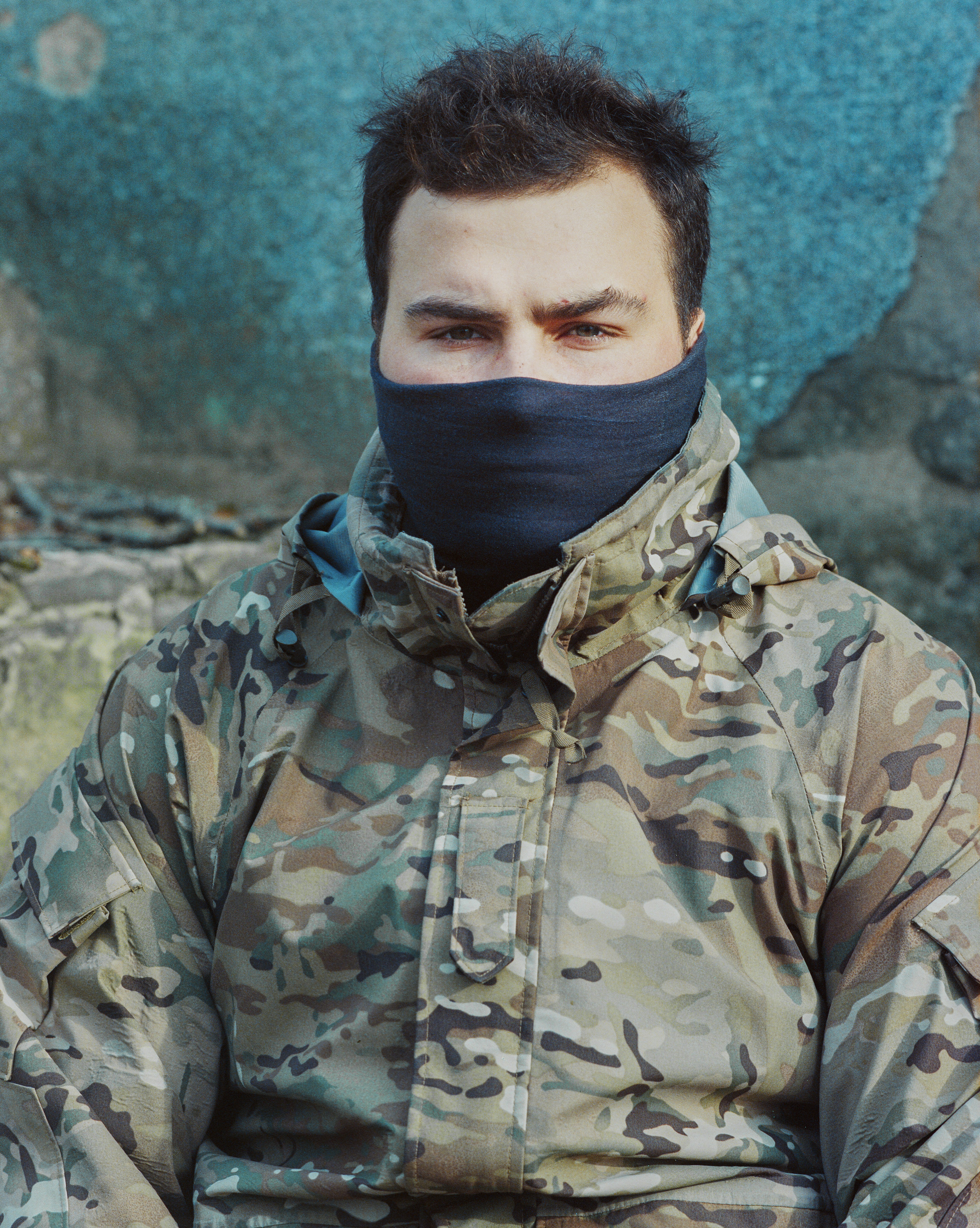
Zhenya’s motivations were clear: "I want silence. They invaded our land. And I don’t want them to be here." His personal loss and the need to defend his country pushed him to join the military. "Before I came to the responsibility zone, I had fear, and it was good. After 5 months, I don’t have the same fear as in the beginning. I’m used to it now."
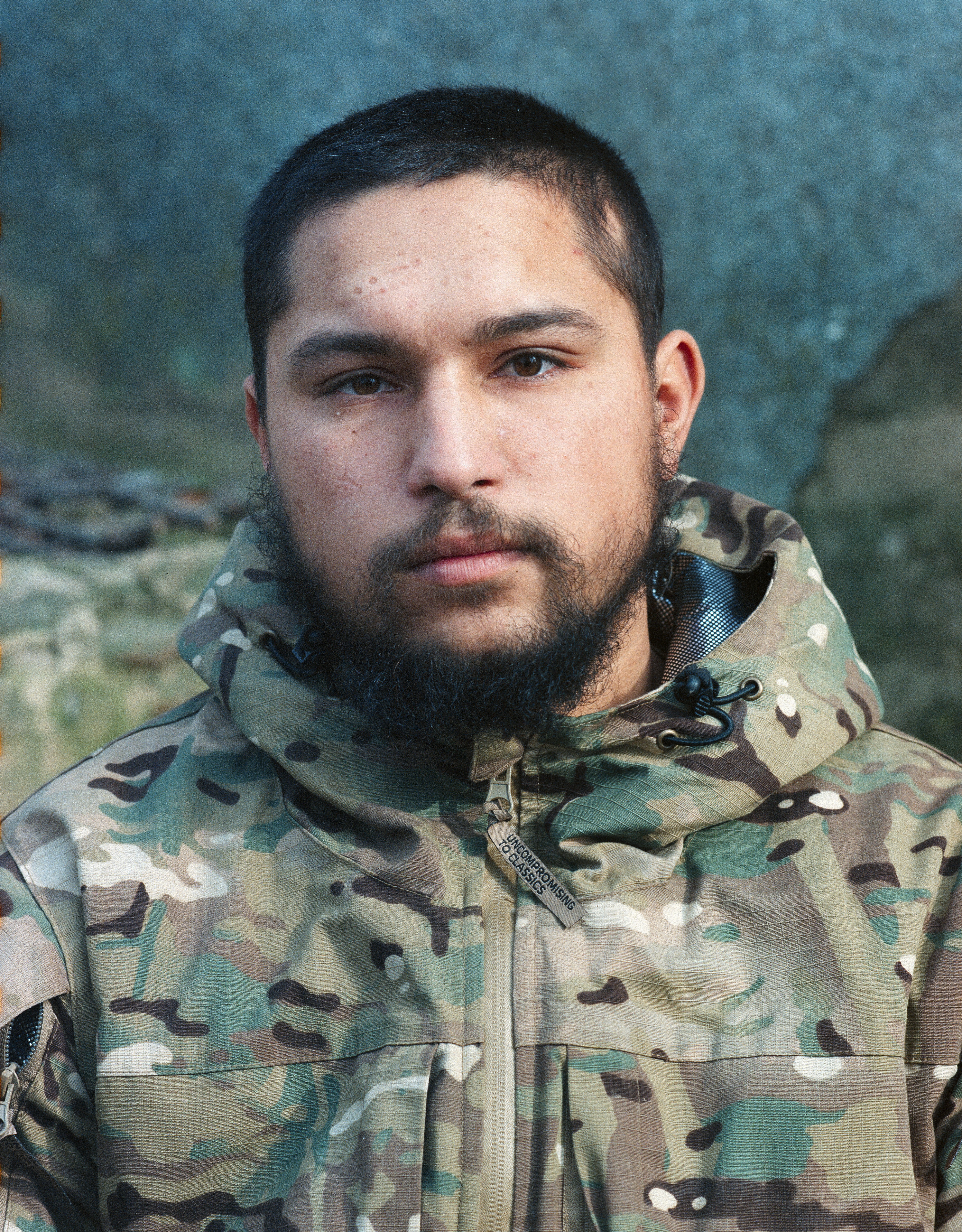
Pavlo, a 25-year-old instructor with the 39th Coastal Marine Brigade, joined the military at 21. “I went from being in the infantry of the assault units to being a UAV operator and then learning FPVs for almost a year. During one of the shellings I just jumped into a trench in a weird way and ended up having to get on my knee. My assault unit commander told me, ‘Don’t overwork yourself. You need to learn something else because you’ll be burdensome in some of the tasks.’”
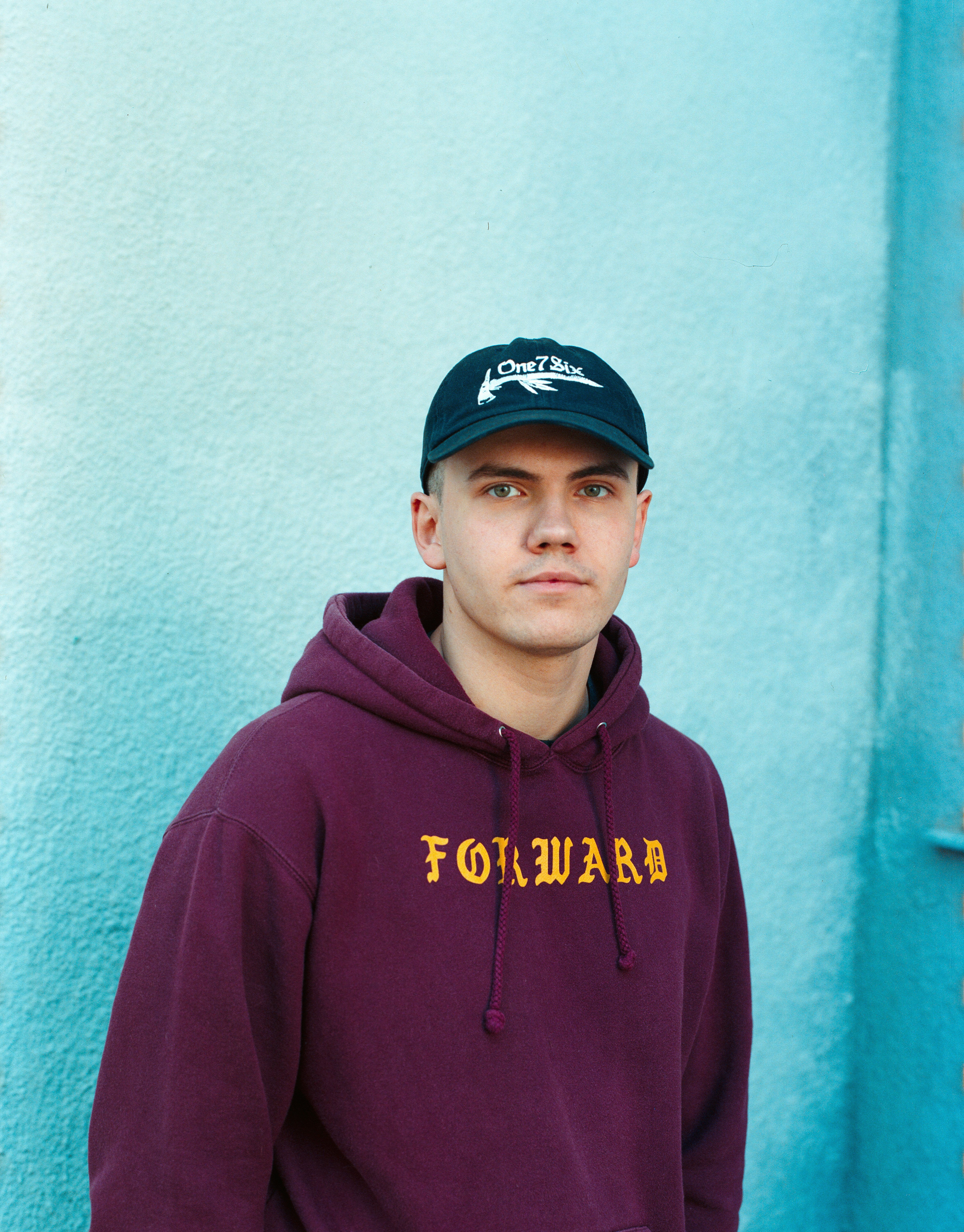
Pavlo’s motivation shifted after experiencing the horrors of war: "It’s very interesting and very intense... full of adrenaline,” he says. “Every time I heard some FPV or Mavik or some mortar starting fire, I didn’t know what to expect. Did I get hit or not? So there are a lot of emotions regarding it.”
For many recruits, including Zhenya, the financial stability offered by the program is a powerful draw. The prospect of earning up to $2,800 a month, alongside the additional benefits, makes it an attractive option. However, as the war drags on, recruits are grappling with the realization that their commitment may stretch beyond their initial one-year contract.
"I will continue my contract and will continue to serve," Zhenya says. "There are rumors that maybe our battalion will be transferred to another area of operation, but I’ll make my final decision after that."
Pavlo also recognizes that many young recruits are motivated by the financial incentives, but the appeal goes beyond just money. "Apart from being patriotic, which happens less frequently now, it’s the whole package of things that come with these contracts, like the money, free dental and medical treatment, opportunities for higher education, and the ability to leave the country after the contract ends."
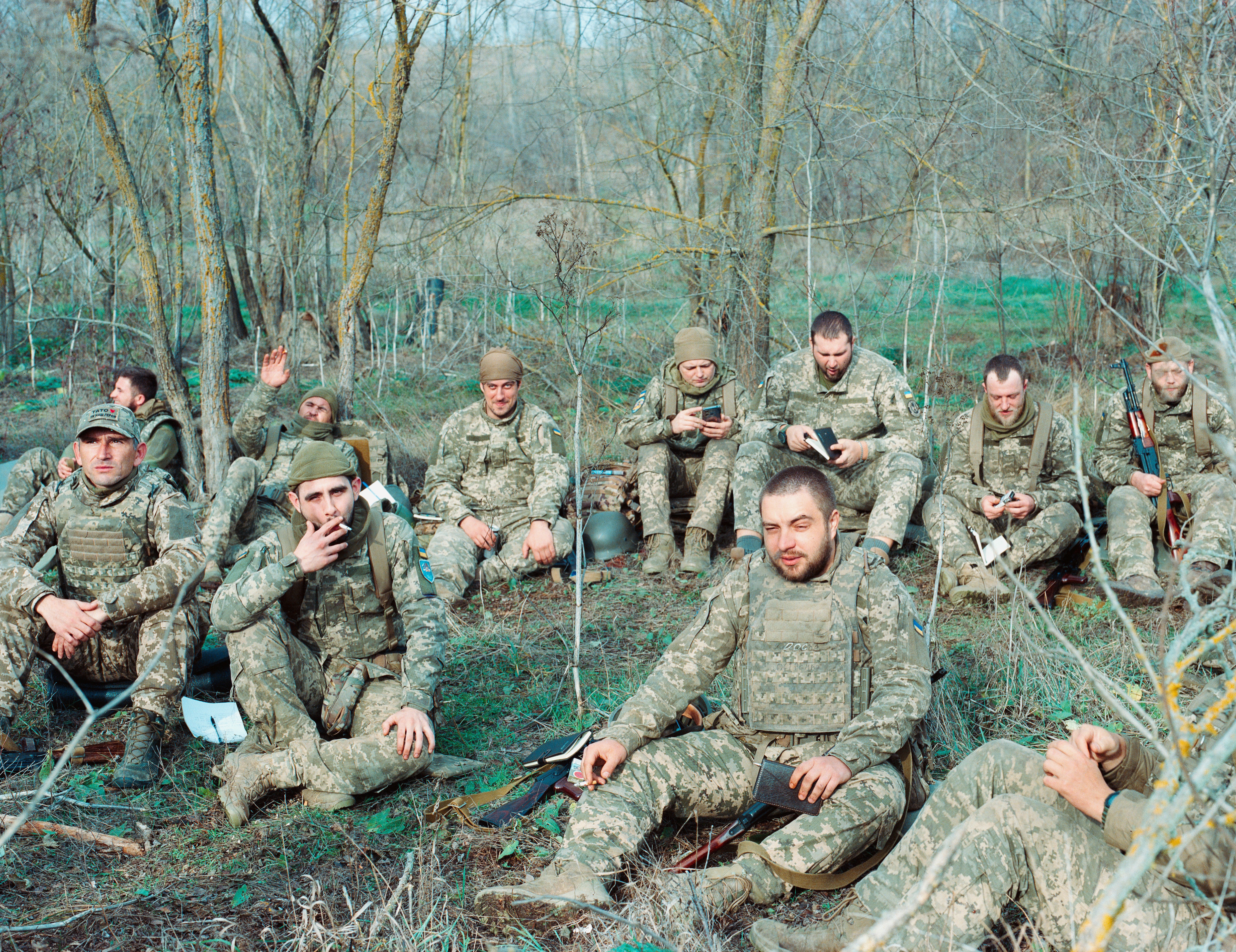
Zhenya’s life in Kyiv before the full-scale war was not centered around the military. “I worked as a receptionist in a supermarket,” he says. “I’ve been working since I was 13 years old... There wasn’t too much childhood out there.” For him, joining the military was about more than just financial gain; it was about finding purpose in a world upended by war.
Pavlo, who has been serving since he was 21, reflects on how the program has shaped his outlook: "The younger you are, the more capable you are," he says, “You need to be physically fit to take on any task in the army... if a person who is 40 or 50 goes through the same process, they will feel much worse." This physical readiness, combined with the opportunities for specialized training provided by the program, ensures that young recruits are more prepared for the challenges they will face on the frontlines.
Individual experiences
"We take great pleasure in correcting our artillery on the Russian occupiers,” Pavlo says. “We take great pleasure in slowly liberating our country." These opportunities, combined with the financial benefits, provide young recruits with a clear path forward in the face of adversity.
Mykhailo describes a different side of the experience “I can’t convey these emotions,” he says. “It’s very interesting and very intense. It’s full of adrenaline. You hear the FPV, the Mavik, the shelling, and you never know if it’s coming for you.”
While the fear of war never fully fades, recruits like these young men are adapting to the battlefield. “It’s part of the job now,” says Zhenya. Pavlo echoes this sentiment, noting the rigorous training young recruits undergo before going to boot camp: “It’s from two weeks to one and a half months before they go to boot camp... After that, they go through specialized training, and then internal training with the guys inside the brigade.”

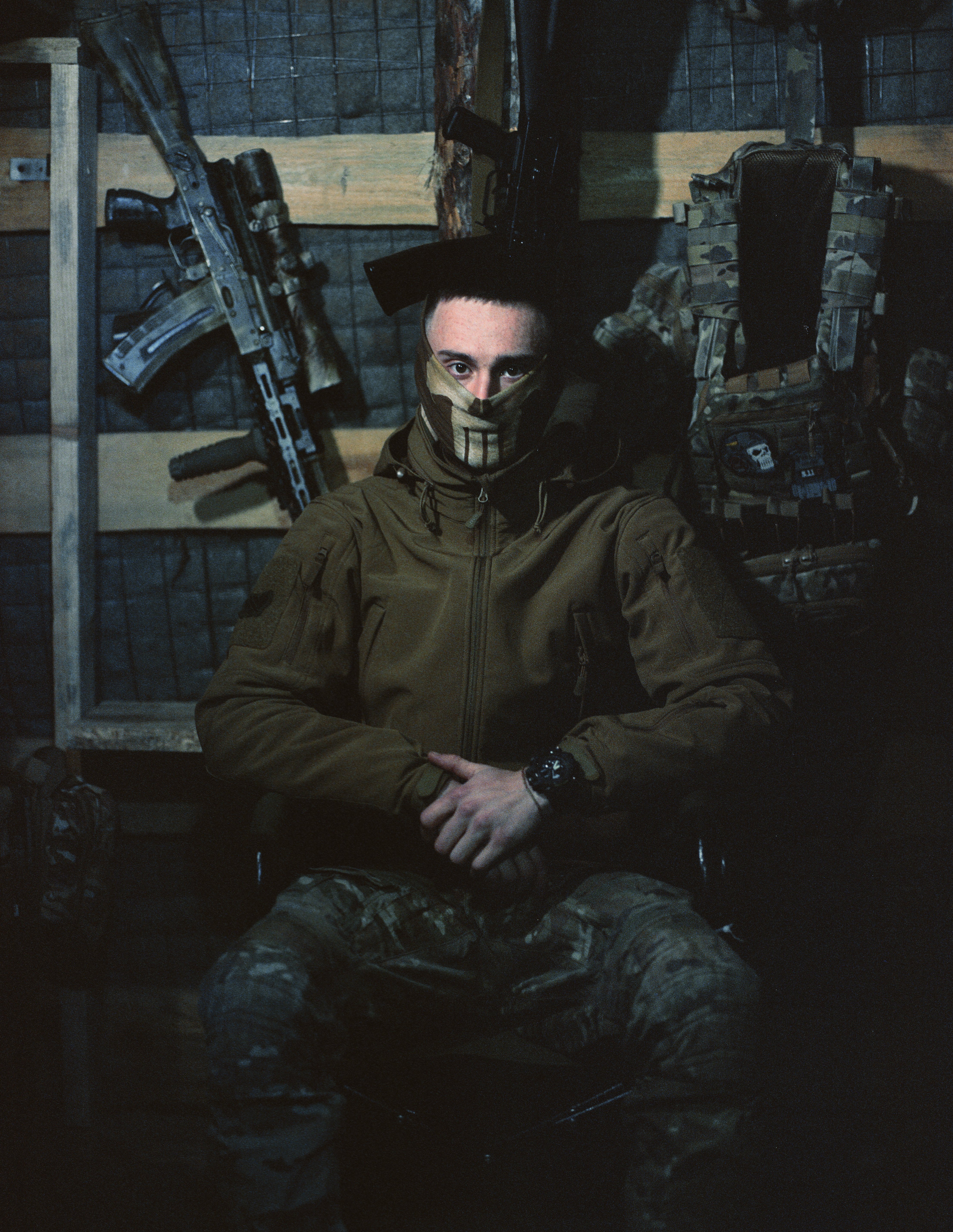
Even as the war continues, recruits like Zhenya, Pavlo, and Mykhailo remain steadfast, motivated by personal loss and the desire to protect their country. "We hope that we will still defeat our enemies... And we hope that the future generation will never see war," Zhenya says. "And I hope it will finally end in our favor."
Ultimately, Contract 18-24 may become a cornerstone of Ukraine’s military strategy, not just in terms of numbers, but in how it helps the next generation of Ukrainians navigate the complexities of war, career, and personal aspirations. It’s a tough decision, but for many, it is the right one.
Discuss this article:

-c439b7bd9030ecf9d5a4287dc361ba31.jpg "Photo of Katherina Popilnichenko")


-29a1a43aba23f9bb779a1ac8b98d2121.jpeg "Photo of Illia Kabachynskyi")