- Category
- Opinion
What the End of Russia's War in Ukraine Could Look Like: Six Scenarios
 Prefer U24 Media on Google
- Authors


-a3ff3790d4efc7182c2349c310fe7dbf.jpeg "Andrii Dligach")
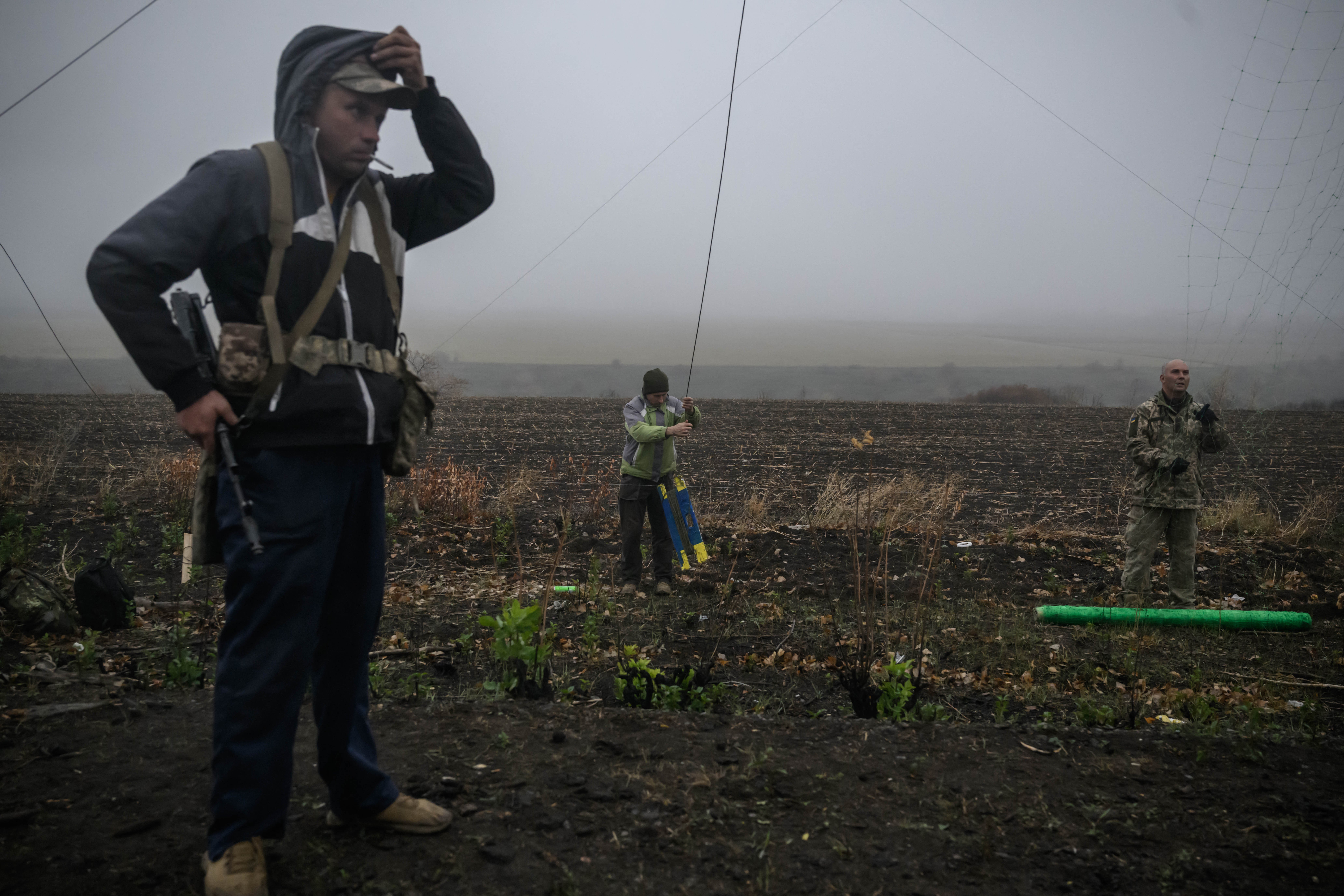
A potential peace deal in Ukraine must include serious discussion about its terms and consequences. Ukraine and all of Europe are currently faced with a range of positive and negative scenarios. Cooperation from Western allies is necessary to ensure the best possible outcome.
The intensification of peace negotiations, even though they are quite far from completion, has highlighted the importance of understanding the scenarios for ending the war in Ukraine, as well as the format of a post-war peace. The current discussion on this is clearly insufficient not only within Ukraine but also in the international arena. The terms “victory” and “defeat” are absent from both domestic and international discourse. At the same time, it is obvious that ending the war does not involve a simple decision (victory or defeat), but a wide range of options. Between the two extreme improbabilities lies a number of intermediate scenarios, among which there are quite probable outcomes. As a result, we must understand their advantages, disadvantages, and their limits of acceptability.
Similarly, a temporary cessation of the war, a truce, could occur in different options. We have approached this problem with a key futures research tool called “foresight,” which involves expert discussions, trend studies, scenario mapping, mathematical modeling, and a number of other approaches. This document contains a brief summary of the foresight conducted this summer.
Twelve years of resistance: how we got here
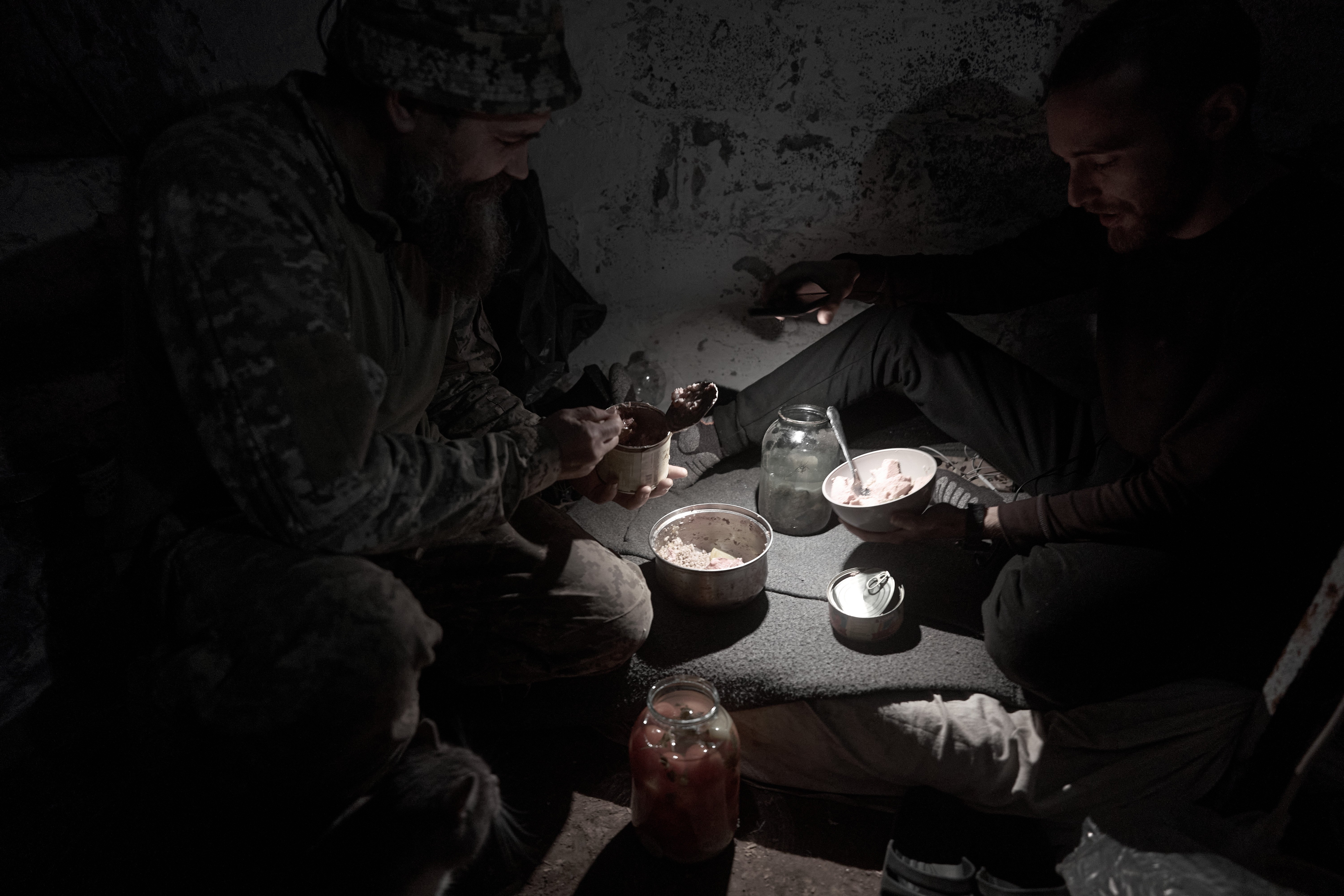
Ukraine is currently experiencing its twelfth year of war (the aggression began in 2014 with the attempted annexation of Crimea), including the fourth year of full-scale war. The basic reason for the war is the imperial nature of Russian statehood: the collapse of the USSR led to the freedom and independence of 14 former colonies, among which Ukraine is the largest and most important in terms of the antiquity of statehood and culture. Due to this, without Ukraine the empire cannot regain its former status and claims to historical heritage.
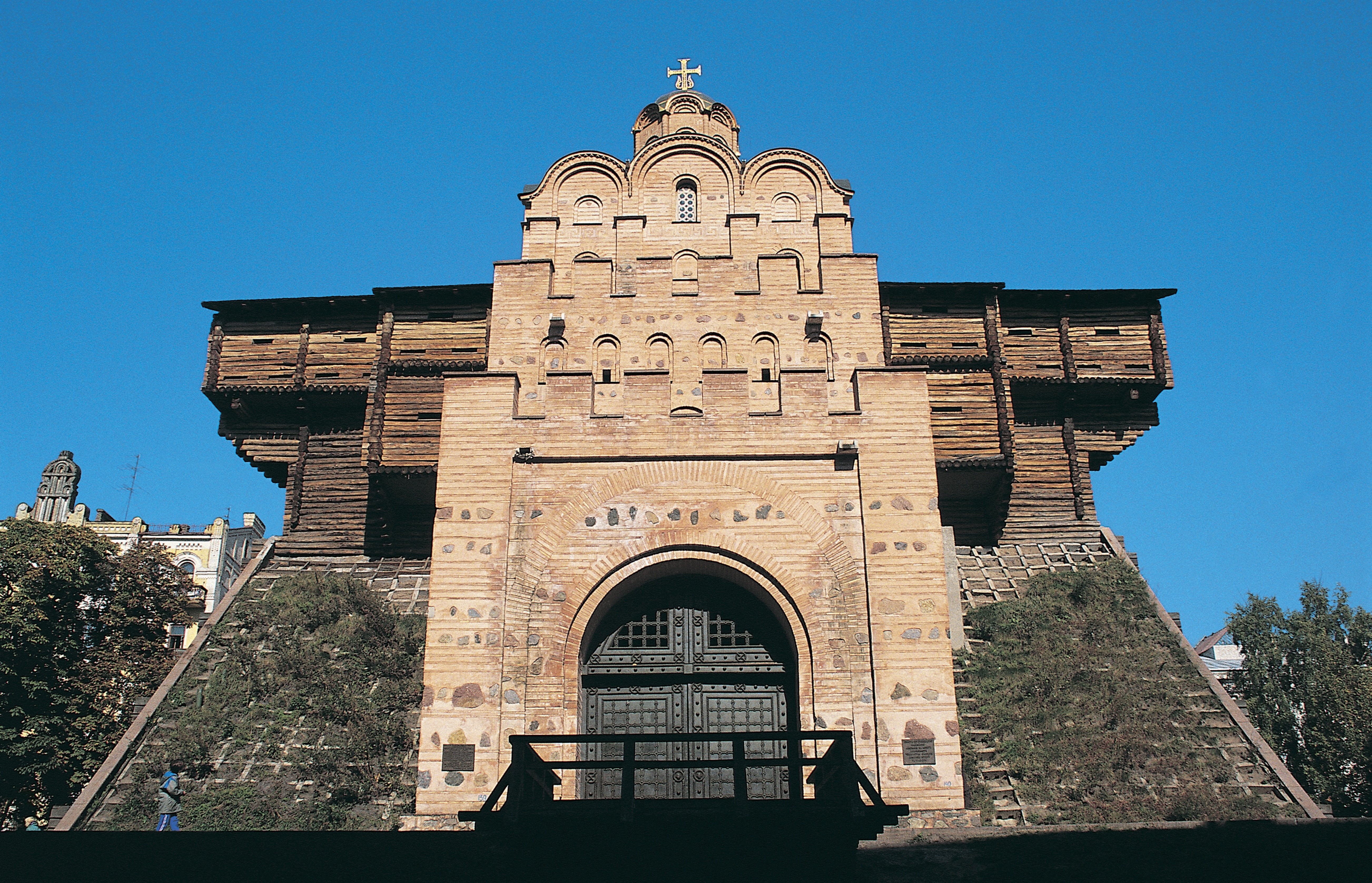
Having accumulated new resources, Russia is trying to return the former colony to the empire, declaring its people non-existent and its land just another part of Russia. Thus, the strategic goal of Russia is the elimination of Ukrainian statehood and identity. Accordingly, the strategic goal of Ukraine is to preserve its statehood and identity. This war is not about territories and resources, as Russia has its own vast territories that are neglected and underdeveloped. At the same time, the object of aggression is the identity of the Ukrainian population, which is being destroyed through the destruction of cultural objects and even the mass abduction of children, which involves a forced change of their identity. It is worth noting that this final point qualifies as genocide.
The failure of Russia’s strategy of a rapid offensive operation in 2022 led to the aggressor’s transition to a war of attrition. This was based on an idea that sooner or later the Western allies will abandon Ukraine, with Kyiv forced to capitulate due to a lack of resources. Neither side has a strategic advantage: the front line on the ground moves slowly, and over the past year and a half, Russia has been able to capture less than 1% of Ukrainian territory, all while suffering gigantic losses.
In fact, Moscow has not been able to achieve any of its strategic goals in more than three years of full-scale war: it has not captured a single regional centre (except for Kherson, which was liberated by Ukraine in the same year); has not ensured sustainable logistics for Crimea; has not destroyed the Ukrainian energy sector; has not collapsed the Ukrainian economy; has not secured (but actually lost) dominance in the air or at sea; and has not divided Ukrainian society and forced it to surrender. At the same time, NATO expanded and moved closer to Russia’s borders. In fact, today the Kremlin is further from its strategic goals than three years ago. At the same time, Ukraine has effectively displaced the Russian fleet from the Black Sea and is inflicting deep strikes on Russian military infrastructure, logistics, oil refineries, and military production using recently designed weapons.
The civilian population is under daily attack by Russia, as its strategy is to create extreme pressure on society to force it to surrender. Around 4.5 million people are internally displaced, while 5.5 million are abroad.
At the same time, we see that there is no magic solution. The peace agreement proposed by the United States has been repeatedly rejected by Russia, which has emphasized the need to “eliminate the root cause of the war.” In the eyes of Moscow, this is namely the existence of an independent Ukrainian state. We also see the US’s reluctance to support international law, but also the unprecedented consolidation of Europe.
It should be noted that rapid innovations have radically changed the battlefield, making armoured vehicles; high-precision weapons; manned aircraft domination in the air; large warships; and the covert preparation of operations obsolete strategic concepts. In three years, almost all the military experience of the 20th century became irrelevant. Ukraine as a horizontal democratic society can achieve a higher pace of innovations and enjoy partnership with western countries, while Russia as a vertical autocracy can ensure ease of scaling. It is not clear who will win this race.
Scenario space
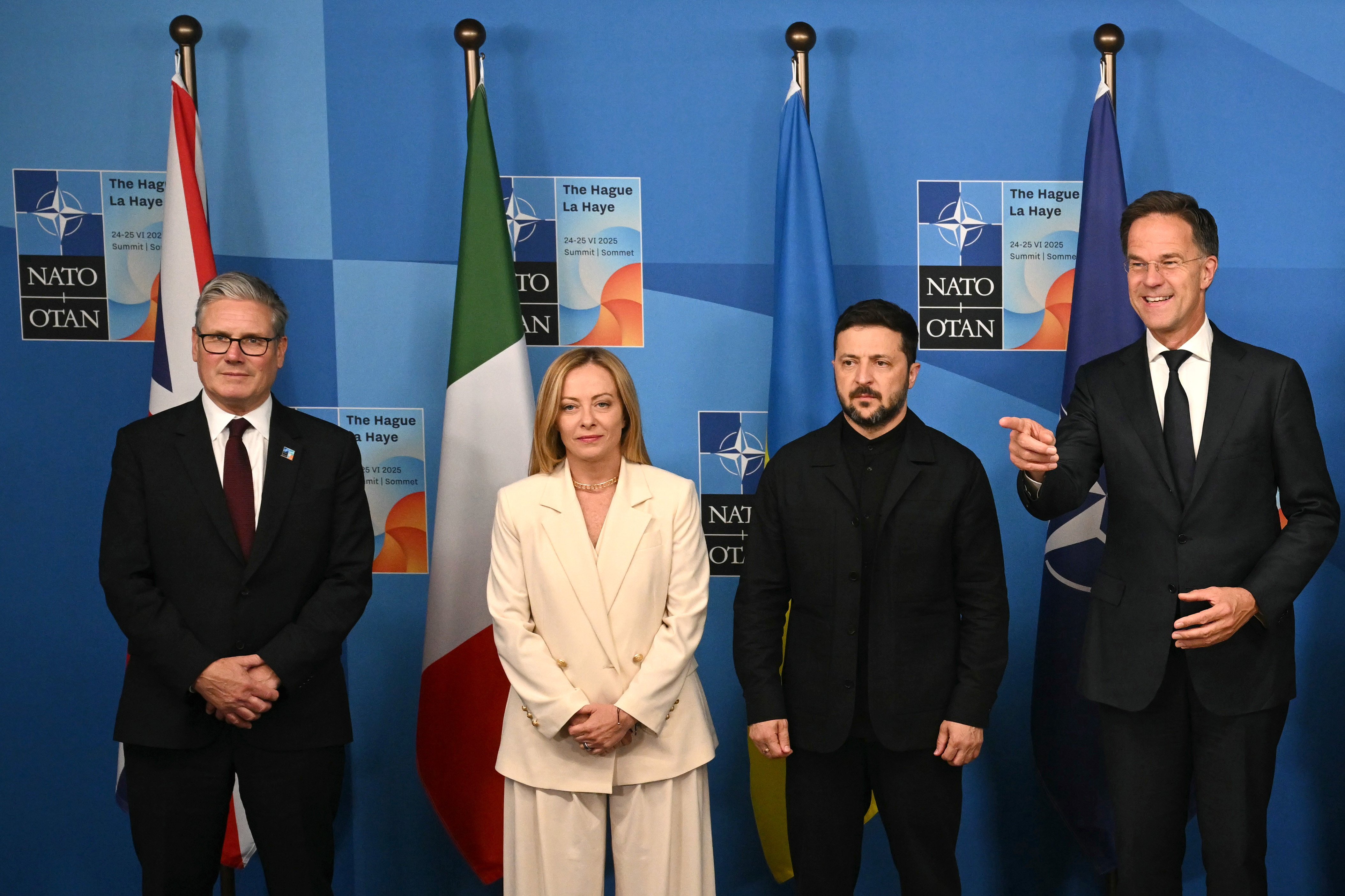
The foresight tool assumes that to form a scenario space, trends from different segments have to be subject to scrutiny. From these then two or three of the most important variable factors are then selected — the so-called “key stretches” that outline the scenario space. Two key stretches identified through foresight are described below. One of them has two options, while the other has three. This forms a space ultimately made up of six scenarios when laid out in a chart. It is important that one of the key stretches concerns the global environment, while the second reflects the most important options for national development. Thus, scenarios are formed at the intersection of global and local circumstances or “forks”. These reflect, on the one hand, the internal locus of control, and on the other hand, radical changes in the global environment.
The key stretches of the scenario space are:
The rule of law or the rule of force in global politics — This involves the question of whether global politics is based on alliances, principles and rules, with the democratic world acting together and supporting international institutions and law. In the absence of this force, global politics may be dominated by the right of large powers to make claims to “zones of exclusive interests” and limit the sovereignty of smaller states. This essentially amounts to their right to conduct independent domestic and foreign policies while global institutions are weak, with large players acting pragmatically and concluding situational alliances. In reality, both options are present in international affairs but it is important to work out which of them dominates.
A number of other important global trends are consequences of this key stretch, such as the escalation or de-escalation of conflicts on a global scale; the presence or absence of security alliances and new international institutions for deterring threats; liberalization or re-imperialization; global trade wars; and the opening of new theaters of war.
Sovereignty of Ukraine: unrestricted/forcibly limited/lost — This issue relates to the presence, or partial or complete absence, of the ability to conduct independent domestic and foreign policies aimed at implementing national interests and the rights of citizens. In reality, there is no such thing as unlimited sovereignty, so unrestricted sovereignty here means the absence of external coercive restrictions.
A number of other important local trends in Ukraine depend on this, such as the emigration of Ukrainians and immigration to the country; the polarization or consolidation of society; the democratic or authoritarian vector of political development, etc.
Thus, the scenario space ultimately looks like this table below. The table includes indicators of the level of desirability, the level of probability, and the level of sustainability (long-term, medium-term, unstable, i.e. how long can the specific scenario last). It also makes clear how the scenarios can transition from one to another.
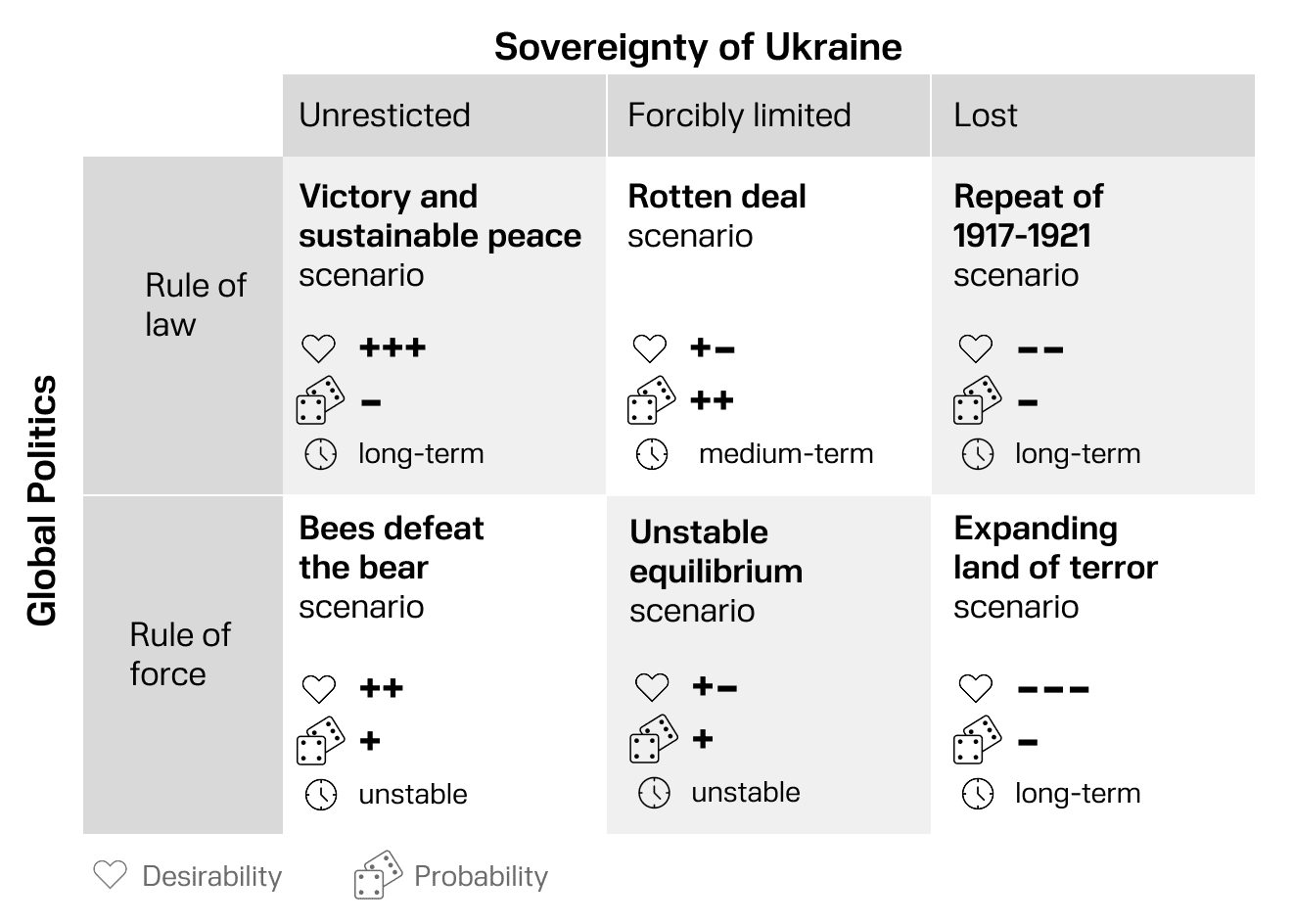
“Victory and sustainable peace” scenario
Global rule of law, unrestricted sovereignty of Ukraine. Most desirable, unlikely, long-term scenario.
This scenario describes the future desired by Ukrainians, with the aggressor punished, normal life in Ukraine restored, and the continuation of the processes of European integration and economic recovery. This is possible in the case of consolidated political leadership by the West, with the level of support currently shown by China for the Russian Federation not increasing. In this case, the main Russian strategic goal fails and its imperial behaviour is condemned. Western sanctions against Moscow make it impossible to continue the war, and deep political transformations begin in Russia. Security guarantees and the power of the Ukrainian armed forces ensure that the war cannot be resumed. Kyiv would also play an important role in European security.
In this scenario, Ukrainian territories would be liberated and begin to gradually recover under a transitional legal regime. Their native populations would begin to come back in these circumstances. Crimea would be liberated as well, and the Crimean Tatars given national-territorial autonomy. There will also be unhindered shipping in the Black Sea. Real GDP would grow at a rate of 5% to 7% per year, with more than $10 billion annually in foreign direct investment. The main drivers of development would be technology; the defense industry; renewable energy; IT and the digitalization of traditional industries; agro- and food exports; and the hospitality industry. European integration would open access to EU markets, reduce non-tariff barriers, and assist small and medium-sized businesses.
Between 1.5 and 2 million Ukrainians will return from abroad, with population growth driven by an increased birth rate and a positive migration balance. Optimism, drive and self-motivation would become a prerequisite for economic growth. Social cohesion is also high, with veterans returning home and integrating into a new, peaceful life.
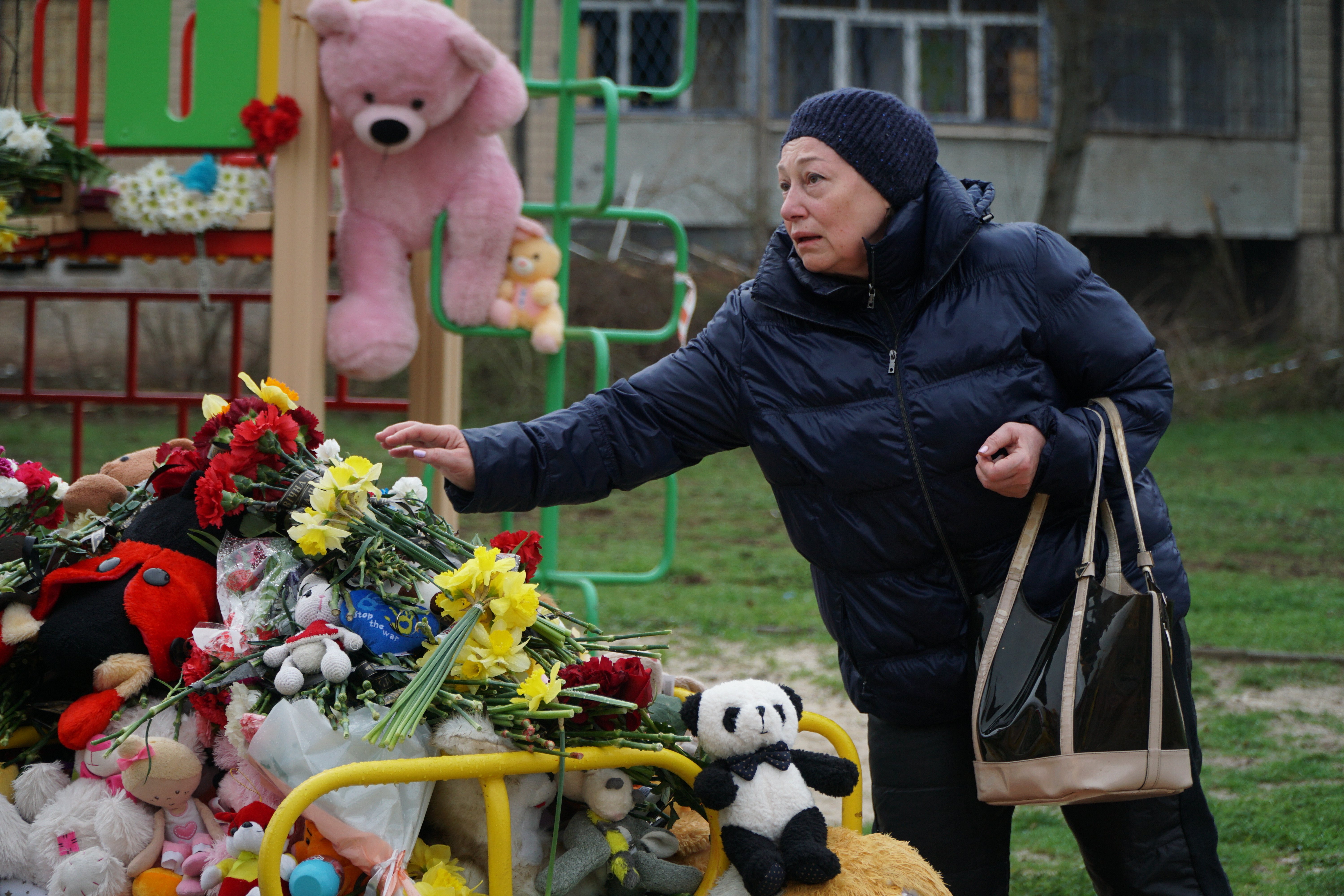
“Rotten Deal” scenario
Global rule of law, forcibly limited sovereignty of Ukraine. Most likely, medium-term scenario.
This scenario describes a future in which partial concessions to the aggressor increase the likelihood of the world sliding into a global war. However, Ukraine would retain its agency and ability to prevent further aggression overall. Finland after the Winter War of 1939-1940 can serve as a very approximate analogue for this possible outcome.
The “Rotten Deal” here denotes a strategic agreement that allows for the maintenance of the formal statehood of Ukraine yet with limits on its sovereignty from the outside. The “deal” could come in several different versions, each with different consequences.
1. “Hard” Rotten Deal: Imposed capitulation
A formal peace treaty induced by the US acknowledges the battle line as a new state border and accepts Russian demands for the withdrawal of NATO, as well as the return of Russian political, cultural, and religious organizations and media to Ukraine.
This outcome would be considered a betrayal by civil society, the military, veterans and patriotic forces. It could possibly trigger anti-government protests, as well as calls for impeachment or snap elections. The potential emergence of an opposition fuelled by national-populist or militarist sentiment, against the wishes of pro-western moderates, is also probable. EU accession would become frozen in the long term and erosion of public trust in the West and international institutions would be observed. International impact is possible in the form of the collapse of EU/NATO credibility in Eastern Europe, while Russia would become emboldened regarding future aggression in the region.
2. “Soft” Rotten Deal: Frozen conflict
A ceasefire could freeze hostilities, with the de facto line of control kept without formal recognition. Ukraine would promise not to try to militarily retake its territories but would not surrender sovereignty (no restrictions on the state’s armed forces, and no Russian organizations coming back to Ukraine) while western actors turn their focus elsewhere.
There would be a tense form of political stability under slogans like “strategic patience” or “break for re-arming”. Still, there would be deep resentment, particularly among refugees, veterans and those who live on the front line. Reform fatigue and Euroscepticism would grow slowly in these circumstances. However, external funding to resume rebuilding in the unoccupied areas remains an opportunity.
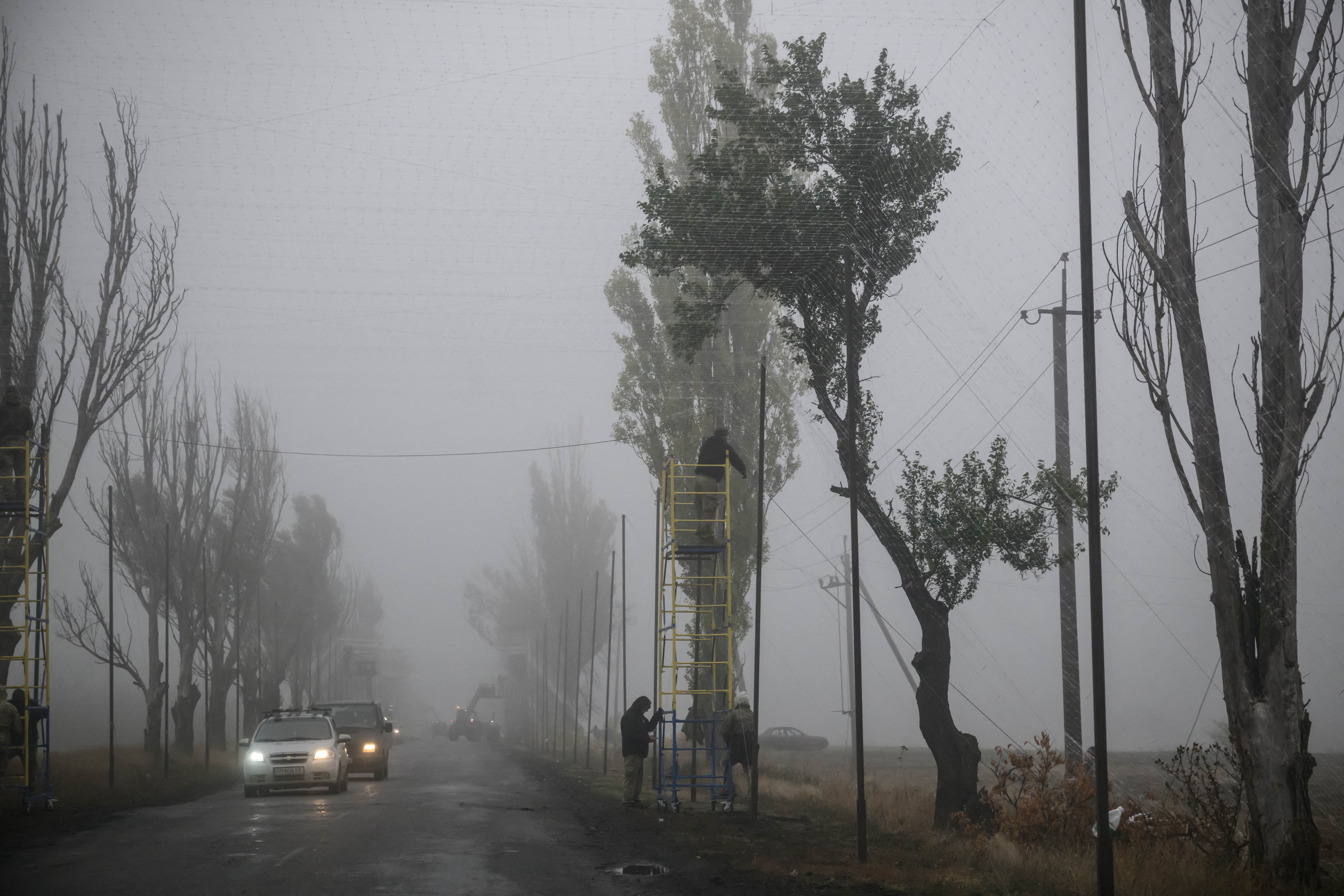
3. Managed Rotten Deal: decentralized peace
This would involve a phased integration plan for the temporally occupied territories of eastern and southern Ukraine (except Crimea) along with security assurances and international monitoring. Crimea would be left “temporarily unresolved”. There would be no clear path to NATO, but stronger bilateral ties.
A fragile but functional continuity would dominate this outcome. Most of society would accept a deal if it includes credible economic recovery, reconstruction, and social reintegration plans. Veterans and IDPs would be partially content if transitional justice mechanisms are constituted in this scenario. There is a danger of right-wing retribution but this could be constrained by social solidarity and truth-telling mechanisms. European integration and investment processes would still be in progress.
The following description applies primarily to the average “soft” variant, but with certain reservations ultimately describes all variants of this scenario.
Pressure from international partners (primarily the US) could force Ukraine to partially recognize Russia’s demands as far as their own lack of capabilities leaves the country no room for resistance. Moscow would achieve limited gains, forcing a partial recognition of occupation and bringing about certain limitations for Ukraine’s right to define its internal and foreign policy. Kyiv’s technological momentum would decline amid stagnating reform and reduced funding. The new international order could well marginalize the provisions of international law on non-interference in internal affairs and waging aggressive wars. Thus, it actually recognizes the right of the strong to aggression. The European integration of Ukraine would slow down, while Euroscepticism spreads in society. As a result, Ukraine remains a weak over-centralized democracy under external influence. The demarcation line would be defined by compromise and occupation continues. Therefore, the population in the occupied territories loses hope. Crimea would remain under occupation, while people are completely integrated into the Russian state. Shipping in the Black Sea would still take place but be under threat.
Real GDP would grow by 1% to 3% per year due to primarily raw material export and low-tech industries, while investments are mostly short-term and cautious. Disproportionally high spending on defense (due to the threat of resuming the war) and social protection (due to political populism) effectively eat into GDP growth. Financial stability would be fragile, while the shadow economy would grow significantly. Innovation capacity would fall in these circumstances.
Depopulation would continue (minus 0.5 million annually). The birth rate would subsequently decrease as uncertainty is growing, and young people postpone or refuse to have children. Faith in a good future is partially preserved, but public anxiety and depression would remain at a high level. Veterans are disoriented, returning to a poorly adapted system, and ultimately go to live with their families abroad. Resentment is converted into total anti-Americanism and the spread of anti-western sentiments, which can be used (provoked and financed) by Russia and China. There would probably be a spread of linguistic, religious, cultural and social divisions instrumentalized by Russia.
“Repeat of 1917-1921” scenario
Global rule of law, lost sovereignty of Ukraine. Unlikely, long-term scenario.
This scenario describes the undesirable scenario for most Ukrainians, in which the country is sacrificed to restore the world order just as it was in 1917-1921. In reality, however, this becomes another step towards the outbreak of a world war as the empire grows stronger and gains a sense of impunity. Pressure from international partners and a lack of international assistance would lead to the recognition of Russia’s demands. The military and political defeat of Ukraine would be recognized by international partners as an acceptable way to end the war. A puppet government controlled from Moscow would be established, with Ukrainian activists repressed. A total Russification of the country would now be in progress. Ukrainians would be forcibly mobilized into the Russian army for further conquests. There would also be a government in exile, as well as guerilla and underground movements. Ukrainian protests would destabilize European countries, while the threat of Ukrainian terrorism as a retaliation for betrayal is possible. Crimea would finally become part of the Russian Empire, with shipping in the Black Sea under Russian control.
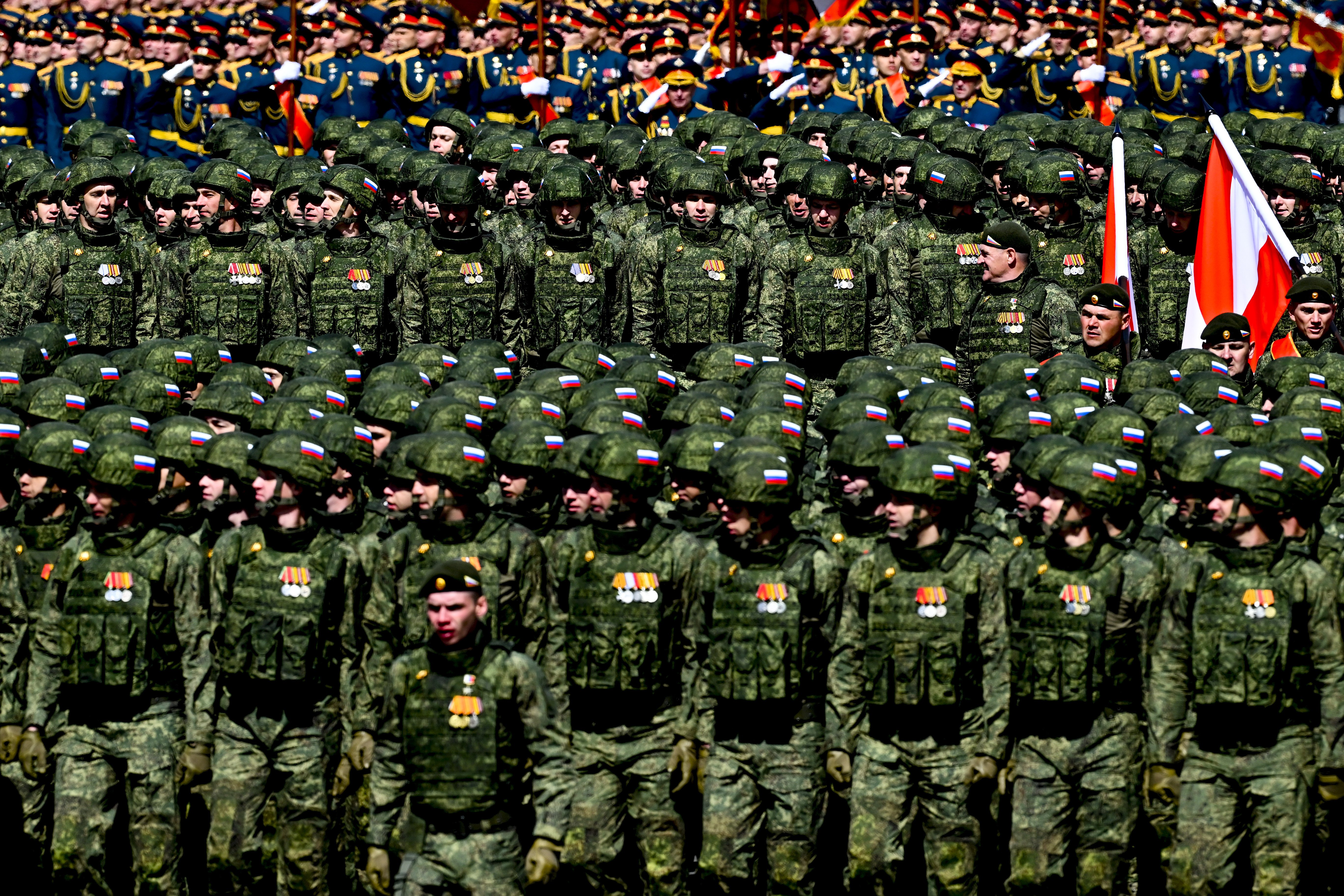
GDP would fall by 40% to 50% during the first two years. There would be a significant devaluation of the hryvnia , alongside hyperinflation and the collapse of the financial and banking system. Factories would be dismantled, with resources exported and infrastructure in decline. Russian elites would subsequently absorb attractive assets. Shadow trade and barter would become the norm in the country.
Up to 5 to 7 million Ukrainians would emigrate over three years. Abandoned lands would be depopulated and re-populated by mass resettlement from Russia. The birth rate would fall catastrophically due to the loss of prospects and fear for the future.
“Bees defeat the bear” scenario
Global rule of force, unrestricted sovereignty of Ukraine. Second most desirable, medium-probable, unstable scenario.
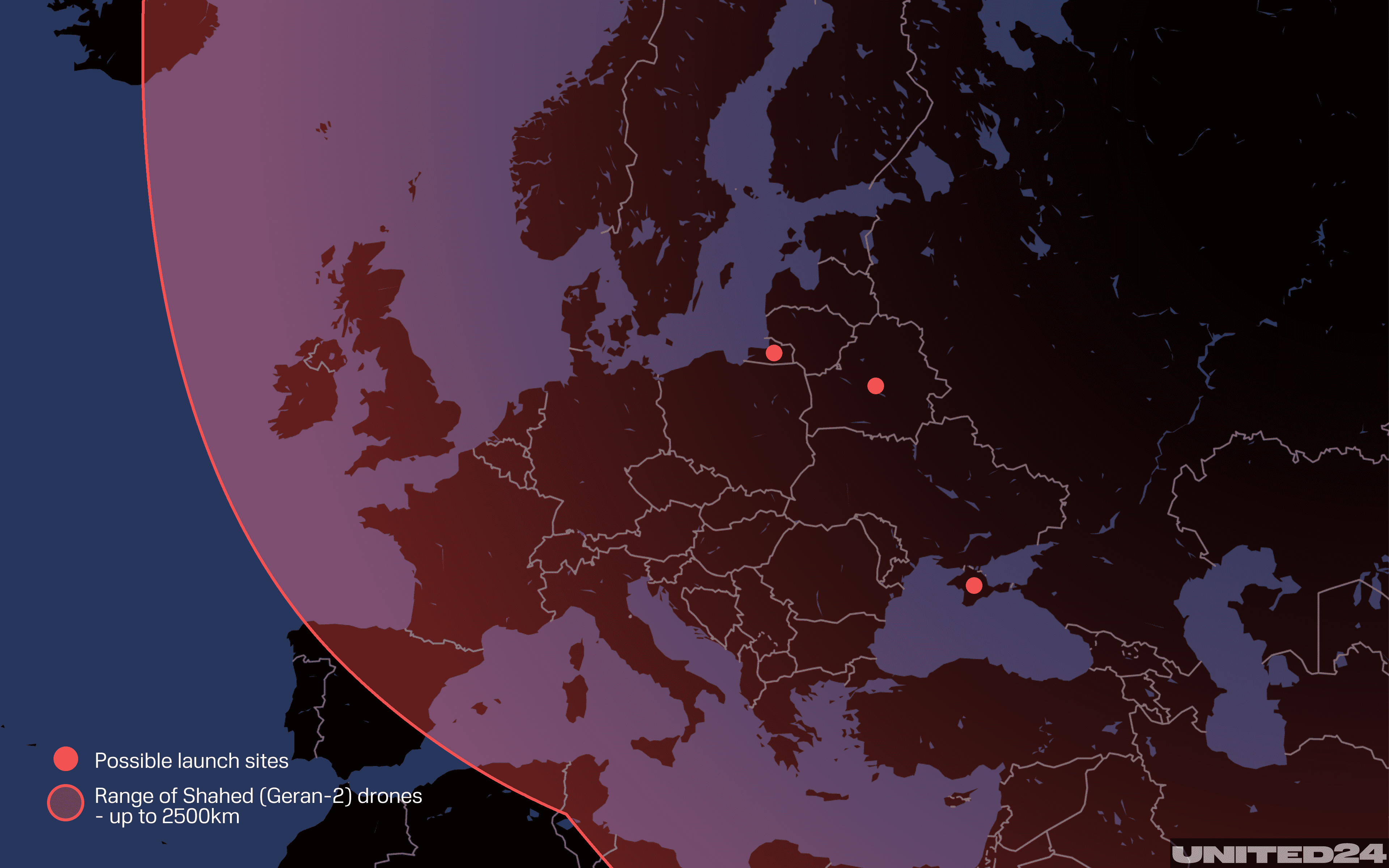
This scenario describes the development of events in which global threats grow, but Ukraine manages to capitalize on its own capabilities (including the innovative potential of a democratic society) and European partnerships (“coalition of the willing”), along with Russia’s weaknesses (primarily in economics and the imperial nature of the state). Israel can serve as a very approximate analogue in this regard.
In a world without rules, the direct threat from Russia would force Europe to consolidate. Kyiv would become a critically important actor within the European security framework. The gap between the US and the EU would grow as a result of these developments. The occupied territories would become a temporary “grey zone”, with some parts liberated by military means or due to Russia’s retreat. A transitional legal regime would consequently be imposed in these circumstances. Black Sea shipping would be restored but would still face threats.
GDP would grow unstably at an average of 5%, but in a wide range with peaks of up to 10%. Investments of $3 to $5 billion per year would inflow mainly to infrastructure, the defense industry and venture industries where some high-tech niches are the basis of growth. Up to 10% of GDP would come from defense and technology exports.
Both democratic and autocratic developments in Ukraine are possible. Military populism would grow, while social tension and polarization are possible. Young people are mobile: some work in the EU, and some return. The birth rate stabilizes and would partially be compensated by immigration. Migration mobility would reduce the birth rates in cities. People would return to an older lifestyle where several generations live together and help each other: children support their parents because of a lack of pensions, while grandparents look after their grandchildren during working hours.
“Unstable equilibrium” scenario
Global rule of force, forcibly limited sovereignty of Ukraine. Medium-probable, unstable scenario.
This scenario describes an unstable situation that could change in one direction or another, depending on the development of world events. An approximate analogue could be the early modern Ukrainian Cossack state. This is possible in the case of Ukraine being forced to recognize Russia’s demands, including abandoning the occupied territories, NATO membership, etc. There would also be limits on the military and foreign aid, with Russian organizations returning to the political, cultural, religious and media space.
At the same time, Ukraine would manage to maintain limited sovereignty. There would be probable authoritarian rule in the form of a Ukrainian junta, which fuels national resentment. International partners would change their focus from helping Ukraine to other problems (in fact, only humanitarian aid remains). In general, the spread of authoritarianism in the world and growing threats to democracies would be observed alongside the widespread disregard for personal freedoms. The demarcation line would be determined as the de facto battle line. While the occupied territories remain destroyed, a totally militarized Crimea serves as Russia’s “unsinkable aircraft carrier”. Black Sea shipping is de facto under the control of the Russian Federation.
The economy would start to disintegrate and stagnate the further from the political centre in Kyiv. Corruption would be deep, as there is no investment. Infrastructure would not be repaired so it loses its capacity.
The most active citizens, including entrepreneurs, veterans, intellectuals and civic activists would start to leave in this scenario. Depopulation would also continue. Young people do not decide to create families, postponing births due to fear and uncertainty. The nation would age rapidly: by 2030, the share of people 65+ would exceed 35%.
“Expanding land of terror” scenario
Global rule of force, lost sovereignty of Ukraine. The worst, unlikely, long-term scenario.
This scenario describes a future in which Ukraine would have been defeated. However, there is still hope for revival. A very approximate analogue could be the Baltic countries after the Second World War. Ukraine would be fully absorbed into the Russian Empire, but this is not recognized by the international community. The complete occupation of Ukraine would mean the arrival of Russian totalitarian policy, colonization, absorption, Russification, militarization, repression, and surveillance. The Ukrainian government would work in exile, while guerrilla movements continue the fight and national culture is preserved in diaspora. Ukrainians en masse would serve in private military companies around the world.
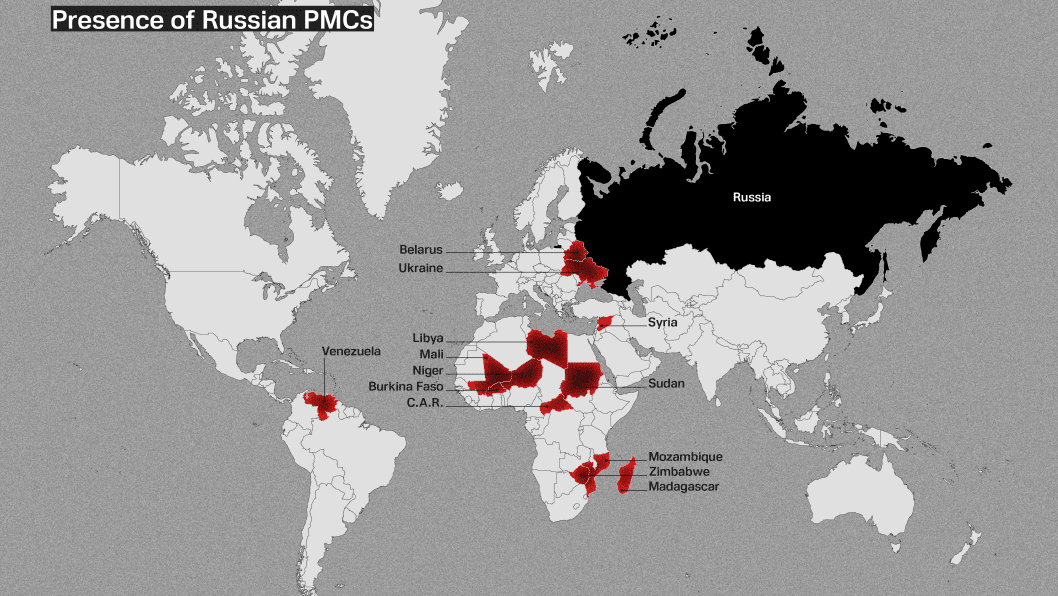
Ukraine becomes an “economic black hole”: the economy would effectively cease to exist as a national system. Between 80% to 90% of GDP would now be located in the shadow economy or military-criminal circles.
Complete depopulation would mean a demographic catastrophe: minus ten to 15 million people over a decade. The birth rate would decrease dramatically as giving birth would be dangerous, as well as morally and materially unjustified. Social processes could be described using the words criminalization, atomization, internal emigration, denunciations, distrust, and conflicts.
What Ukraine’s allies should do to ensure positive scenarios
Provide long-term security guarantees: legally binding commitments to Ukraine’s defense and deterrence, regardless of political cycles in partner countries.
Ensure sustainable defense and reconstruction funding: move from ad hoc assistance to multi-year support programs.
Strengthen technological cooperation: joint programs in the defense industry, cyber defense, the use of artificial intelligence, air defense, etc.
Increase sanctions pressure on the Russian Federation until the full restoration of Ukraine’s territorial integrity and the achievement of a sustainable and acceptable peace.
Counter Russian and Chinese propaganda in global institutions and media. Promote the spread of the Ukrainian anti-colonial narrative in Asia, Africa and Latin America.
This text is based on an article originally published in New Eastern Europe.
Discuss this article:
-331a1b401e9a9c0419b8a2db83317979.png)


-f3430f0449615e9897dff835086ac204.jpg "Ukraine Broke With a Soviet-Era Military System and Rebuilt It Around the Soldier")
-e126c16a85d580738cf2d57e760b80a3.jpeg "Photo of Vladyslav Greziev")