- Category
- Interview
What Russia Turned Crimea Into After Twelve Years of Occupation
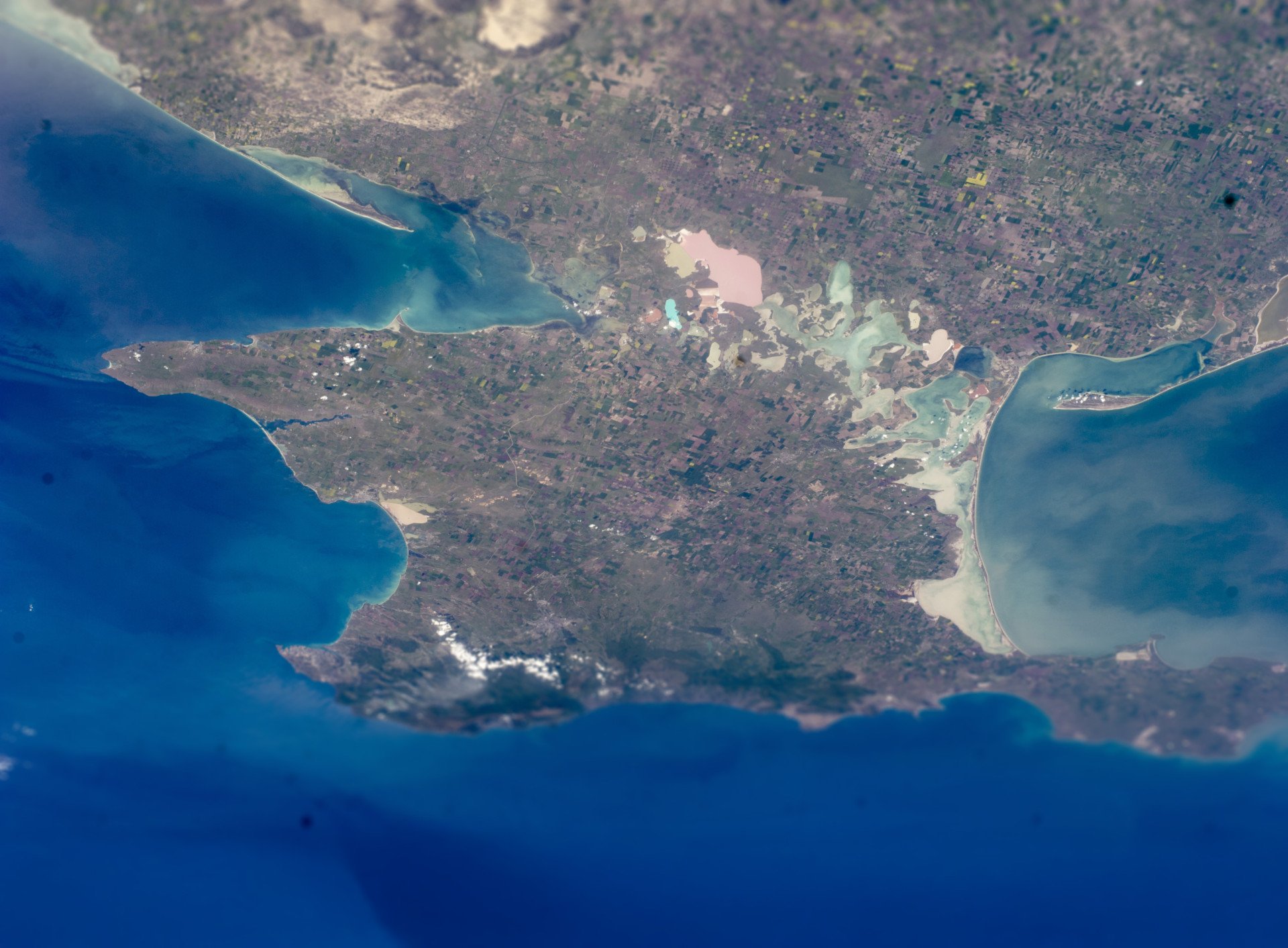
After Russia seized Crimea, the peninsula has been transformed from a tourist haven into a tightly controlled military zone. Repression has deepened, dissent is criminalized, and daily life unfolds under surveillance.
 Prefer U24 Media on Google
- Authors


Crimea today is a militarized space of fear, where hospitals function as military facilities, children are prepared for war from their earliest school years, and a word, a repost, or even a drawing with Ukrainian symbols can lead to detention.
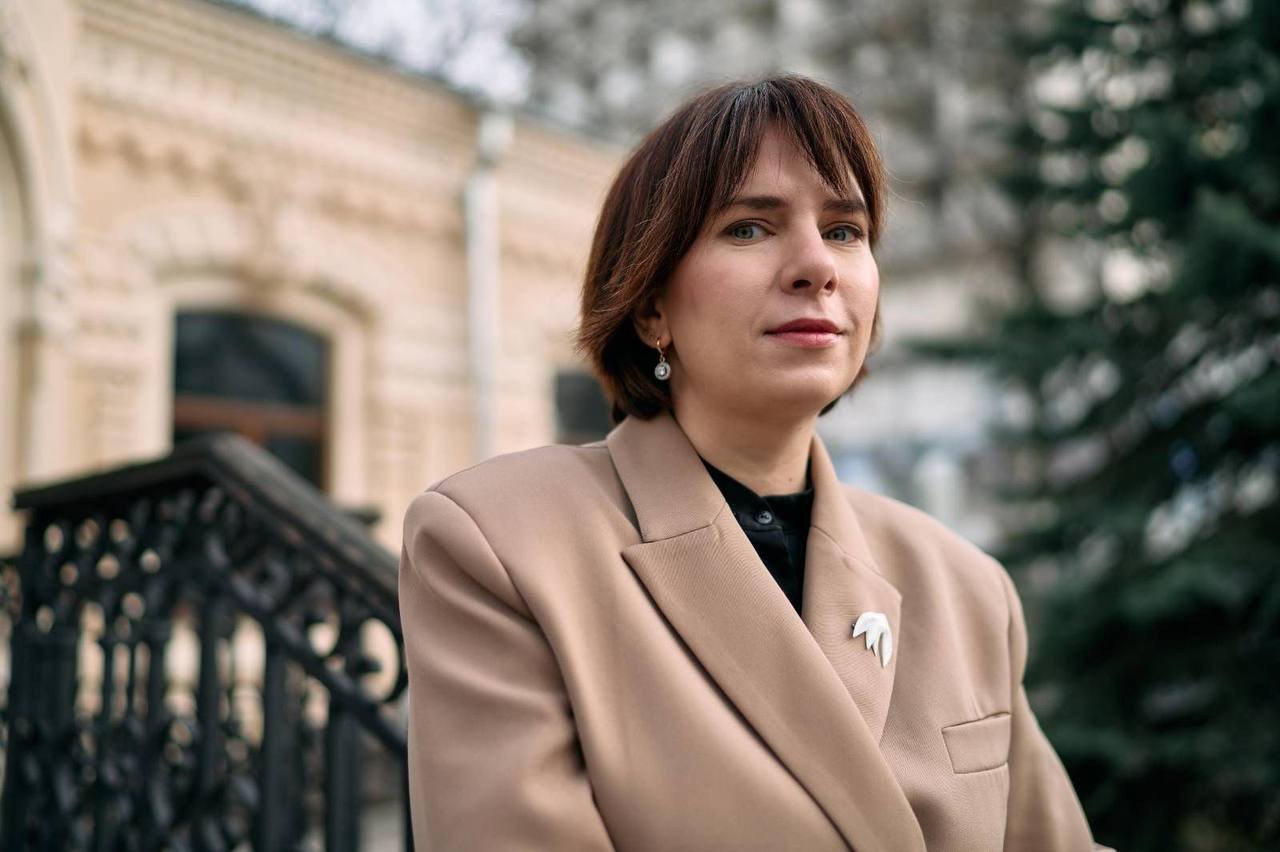
On the anniversary of Russia’s occupation of the peninsula, the Permanent Representative of the President of Ukraine in Crimea, Olha Kuryshko, speaks about a land transformed into a military base and a zone of total control, about intensifying repression, and about those who continue to resist even under such conditions.
How would you describe Crimea today? What changes are the most striking compared to 2014, when the occupation took place?
We can certainly speak about serious problems in the healthcare system, as it has been fully placed on a military footing, especially after the full-scale invasion. Civilian hospitals and regular clinics have been repurposed into military hospitals.
There was also a significant fuel shortage, particularly last year. At one point, the Russian occupation “authorities” even introduced limits at gas stations.
Private business has almost entirely disappeared, with most projects now financed from the federal budget.
Persecution has not stopped since 2014, and the number of political prisoners continues to grow gradually. New articles of the administrative and criminal codes are being applied. There are no free media outlets; everything is under the control of the Russian administration. Broadly speaking, this is the context of life in the occupied territory.
What are the most striking consequences of Crimea’s militarization?
Mass construction on protected natural sites. Russian occupation administrations, for example, have downgraded the status of nature reserves—reclassifying them as regional or local sites—and then allocated those lands for the use or construction of military units and other military facilities.
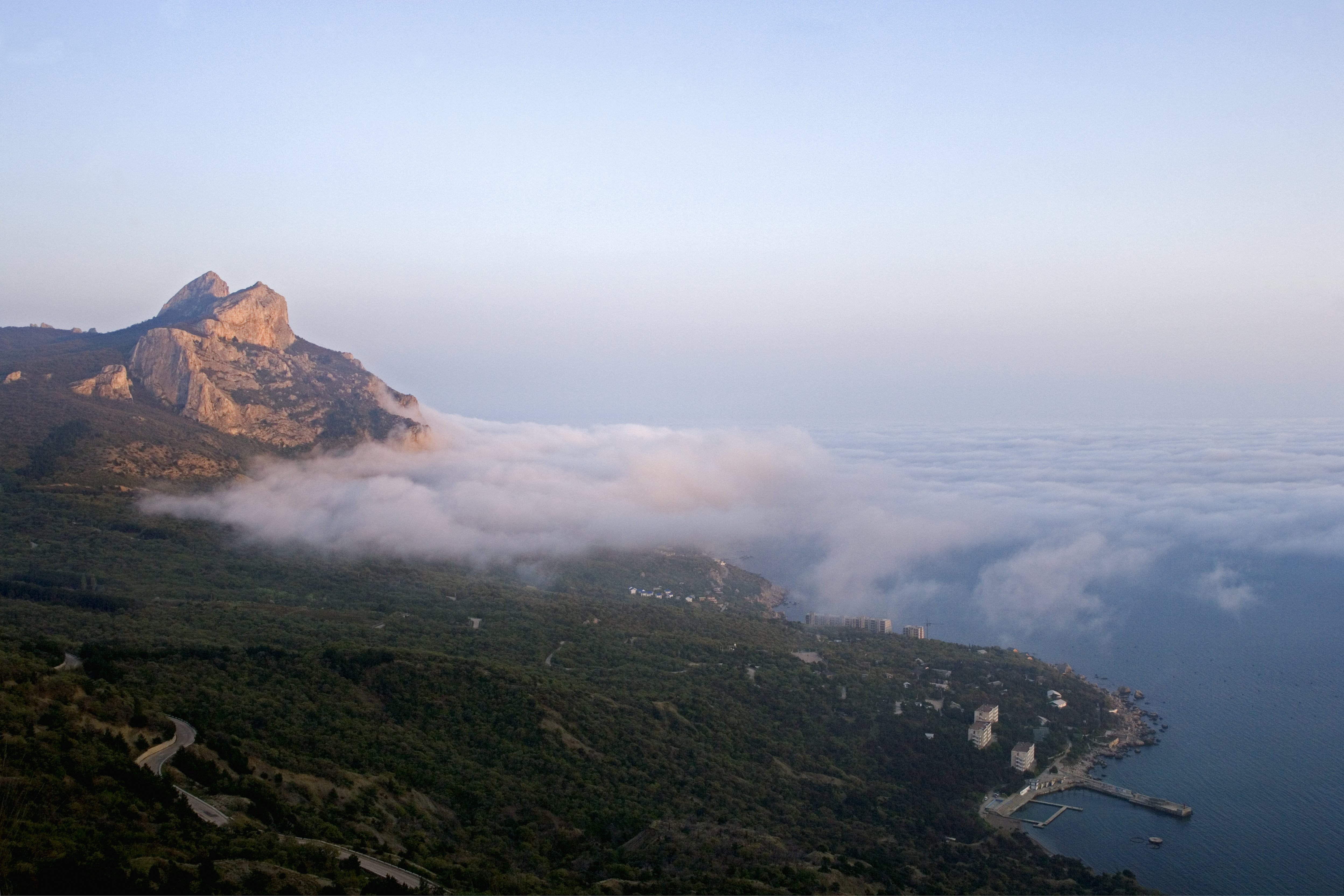
In effect, the entire peninsula has become a vast military installation. The movement of equipment and troops takes place via the infamous Crimean Bridge. The coastal zone has also been heavily militarized. Access to the sea is increasingly restricted, and fortifications are being built along the shoreline.
Who is the primary target of repression today?
We are currently analyzing the number of individuals whom Russia has unlawfully detained. After 2022, the Kremlin began applying new articles of its criminal legislation and concealing information about those being persecuted. These are incommunicado cases—it is known only that someone has been detained, without a first or last name, and the charge is listed as espionage or treason. Nothing more is known about the individual. Court registries are now closed. Previously, it was at least possible to monitor cases and gather information about those repressed; now, even that is no longer possible.
The targets are people who hold pro-Ukrainian positions and express dissatisfaction with the Russian occupation authorities. Russia adopted a new article in 2022 establishing liability for the so-called “discrediting of the armed forces of the Russian Federation.” It threatens even those who simply write or repost something on social media, or say something critical of the authorities in a private conversation.
In one case, the mother of a 10-year-old child was held administratively liable after the child drew something during an art lesson at school that displeased the teacher. The teacher filed a complaint, and the mother was charged with discreditation. Since 2022, there have been more than 1,600 such cases.
As for criminal proceedings, there are now more than 300 cases under articles that Russia has applied since 2014—espionage, treason, terrorism, and sabotage.
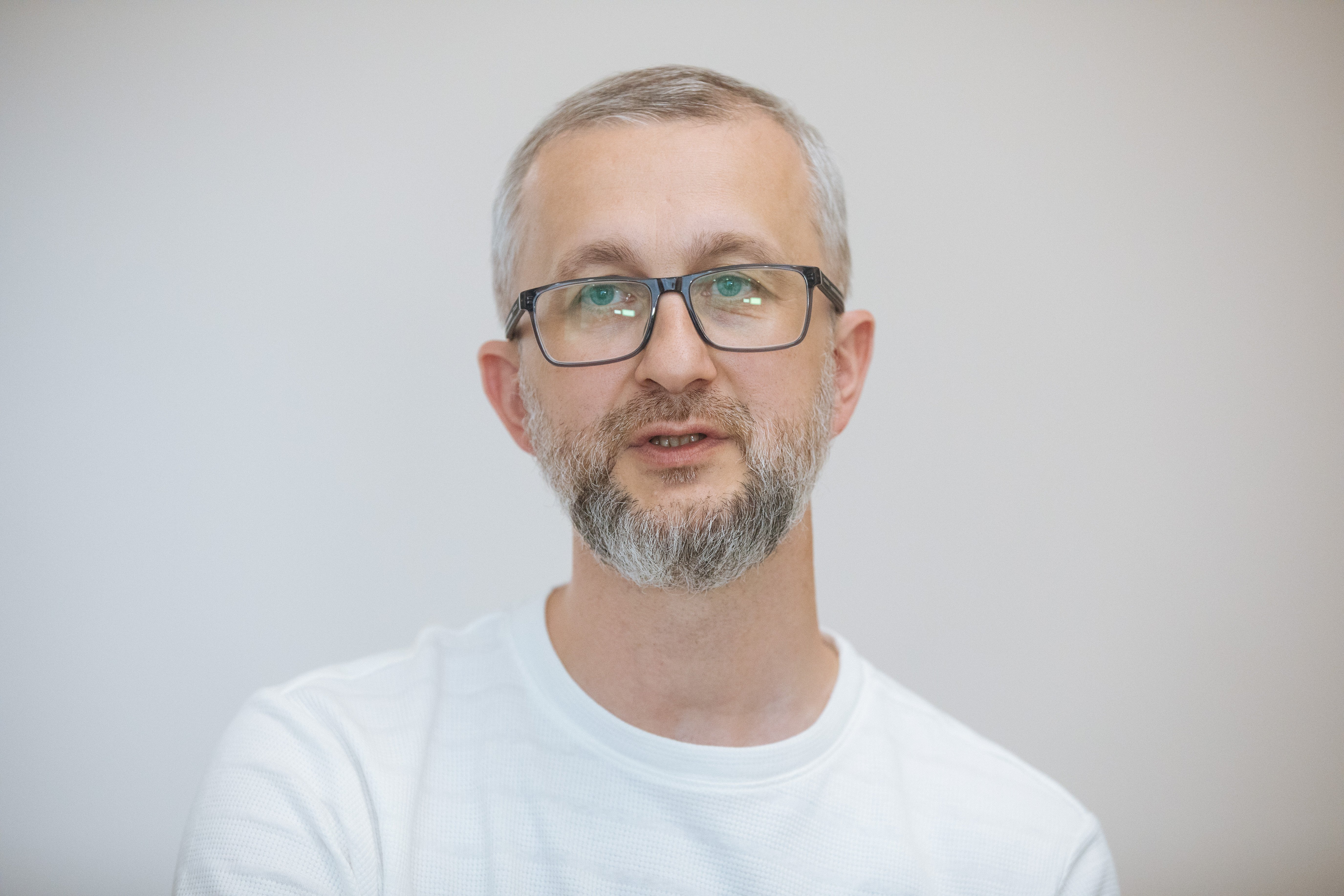
Approximately half of those persecuted are Crimean Tatars. This was confirmed by a ruling of the European Court of Human Rights in the case Ukraine v. Russia (regarding Crimea), which recognized that Crimean Tatars are the most persecuted group in the temporarily occupied territory of the peninsula.
We are seeing pressure intensify. Before Russia’s full-scale invasion, we recorded only a handful of cases involving espionage or treason; in 2022 alone, there were already 60.
There are known cases in which a person was detained, for example, for discrediting the army and taken to court for an administrative hearing, but never left. Their case was suddenly reclassified as criminal under a more serious article.
What does control over everyday life look like — over conversations and social media?
The Russians are actively promoting their new messaging app, Max, which gives authorities a convenient way to track content and communications. People are also afraid to write what they truly think on Telegram, as it is monitored by Russian law enforcement agencies.
Offline, there is an entire system of filtration centers—checkpoints where personal belongings and the contents of gadgets are inspected. People are aware of this and often carry two phones—one of them “clean,” taken along for travel. At filtration centers, devices are confiscated, applications are examined, and social media posts are reviewed. If something appears suspicious to security officers, serious interrogations follow.
How has the education system changed under occupation? What messages are children being taught?
The educational process has become highly militarized. Almost every school now has a cadet class. The movements “Yunarmiya” and “Movement of the First” are being actively promoted. As of 2021, Russian authorities had formed 380 Yunarmiya units in occupied Crimea, with total membership on the peninsula reaching 6,500 children and teenagers.
A Russian video report on the Yunarmia program.
Overall, approximately 16,000 children are involved in this system of militarized organizations. Whereas propaganda previously targeted mostly teenagers, the entire education system is now engaged in it, starting from first grade.
Since last year, the subject “Conversations About Important Things” has been significantly expanded, featuring meetings with participants in Russia’s aggression against Ukraine. These individuals speak to children about how they fought—in their own interpretation, of course.
Even children’s camps, for which Crimea was once famous, are now being actively used for militarization. Various cultural and entertainment events are organized, war participants are invited, and competitions in weapons handling are held.
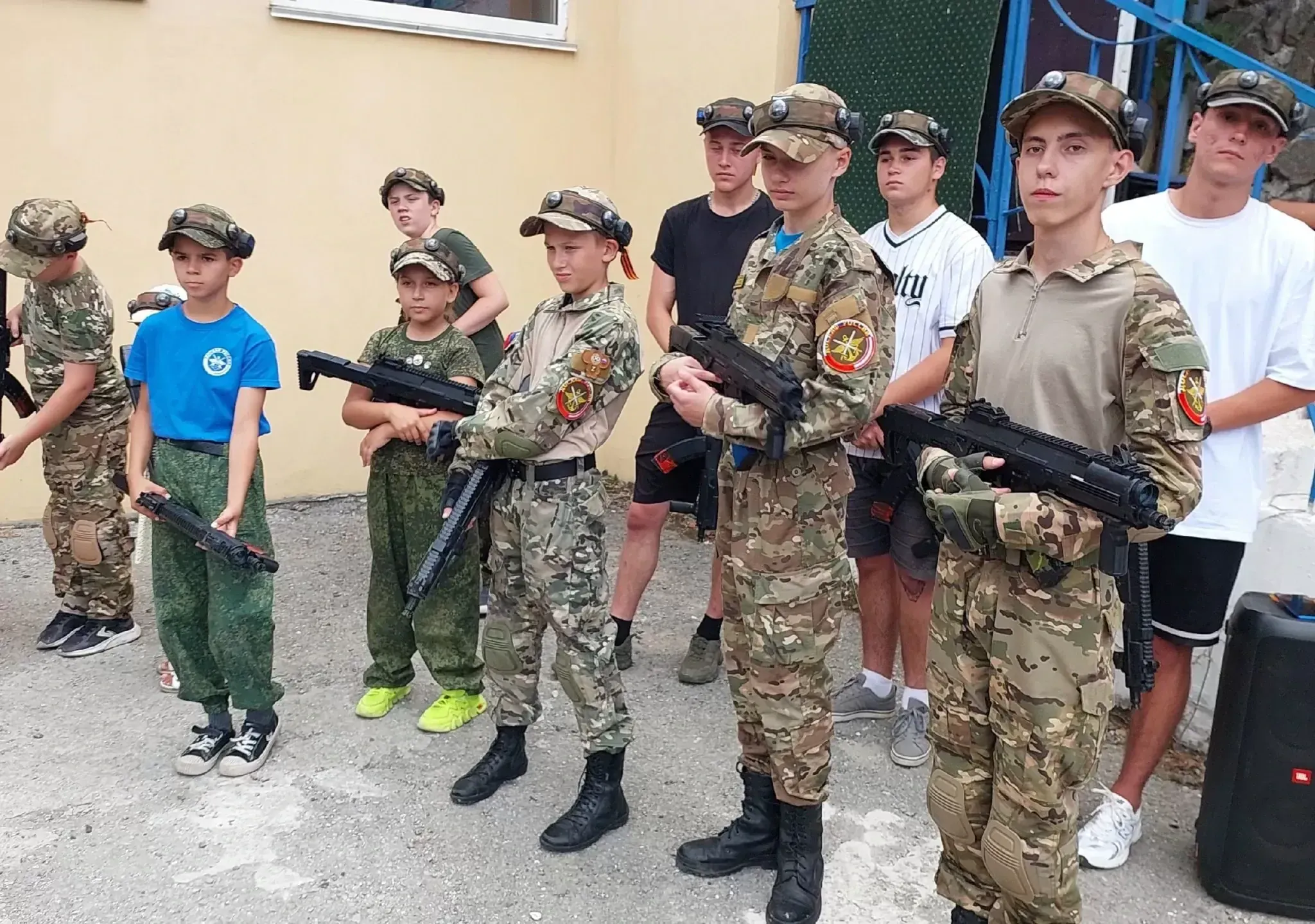
We are trying to document all of this. For example, at the Satera children’s camp in June–July 2025, children were shooting air rifles, participating in military-sports games simulating combat situations, and meeting with war participants.
At the Fortuna children’s camp in April–May 2025, more than 300 children underwent firearms, tactical, drill, and military medical training.
There are many such cases.
Do you know of any examples of resistance?
There is a direct link: the clearer the international community's position on occupied Crimea, the more resistance we see. But it is important to understand how difficult the situation is and how severe the consequences of disobedience can be.
It is worth mentioning the case of Bohdan Ziza, an artist who, in 2022, threw blue and yellow paint on the building of the Russian occupation administration in the city of Yevpatoria. When Russia seized Crimea, he was still a minor, but he already understood who was right. The full-scale invasion angered him deeply, and he carried out this act. Initially detained for vandalism, he was later charged under four articles—committing a terrorist act, threatening a terrorist act, incitement to terrorism, and politically motivated vandalism. For a bucket of paint, he received a 15-year prison sentence.
We have a project called “Letters to a Free Crimea,” and we regularly write to Bohdan. He responds.
There is the underground resistance movement “Yellow Ribbon,” which constantly carries out various actions. There are ordinary people who support Ukraine. This is mostly not public, but it inspires me because it gives hope for the future.
There is also the movement “Zla Mavka .” It originated among women in other temporarily occupied territories but has spread to Crimea. They secretly document the occupiers’ crimes and, on significant dates, risk their safety to post leaflets so that resistance is visible and people can see that others like them are nearby.
What should be the first steps after the liberation of Crimea?
We have prepared 10 priority steps for after Crimea’s liberation. For example, it will be necessary to restore the functioning of state institutions and legislative regulation, which have effectively been on pause since 2014. Government authorities must be reinstated in Crimea. We have also analyzed the experience of restoring processes following Russia's 2022 occupation of territories.
There is the security aspect—demining and physical reconstruction of certain facilities, because, as practice shows, Russia leaves ruins behind. There is also the issue of accountability for collaboration. Naturally, people who have been forced to live under occupation since 2014 ask what exactly will be considered collaboration. A serious discussion about responsibility will be necessary.
Many people lack Ukrainian birth certificates or passports, so documentation will also require significant work.
Some skeptics might say: Crimea has undergone 12 years of maximum indoctrination—why does Ukraine even need the peninsula back?
I would like to hear that face-to-face at least once.
Everything began with Crimea, and it must end with Crimea’s liberation. The peninsula holds a kind of distorted, quasi-sacred significance for Russia. This is far from the first occupation of Crimea; it dates back to imperial times.
Russia is turning Crimea into a total military base. This poses a threat not only to Ukraine but also to all Black Sea states and even to more distant countries.
Returning to the topic of children and their militarization, if they are saturated with propaganda from first grade, what attitudes will they have by the time they graduate? This is a direct pipeline into the Russian army, which continues to threaten Europe.
Those hypothetical skeptics might recall the so-called 2014 “referendum.” But the European Court of Human Rights recognized that Russia had seized Crimea as of February 26 of that year. This means that all subsequent events were unlawful, as they occurred under the Kremlin's control and pressure.
If we put your official position aside for a moment, what do you miss most about Crimea?
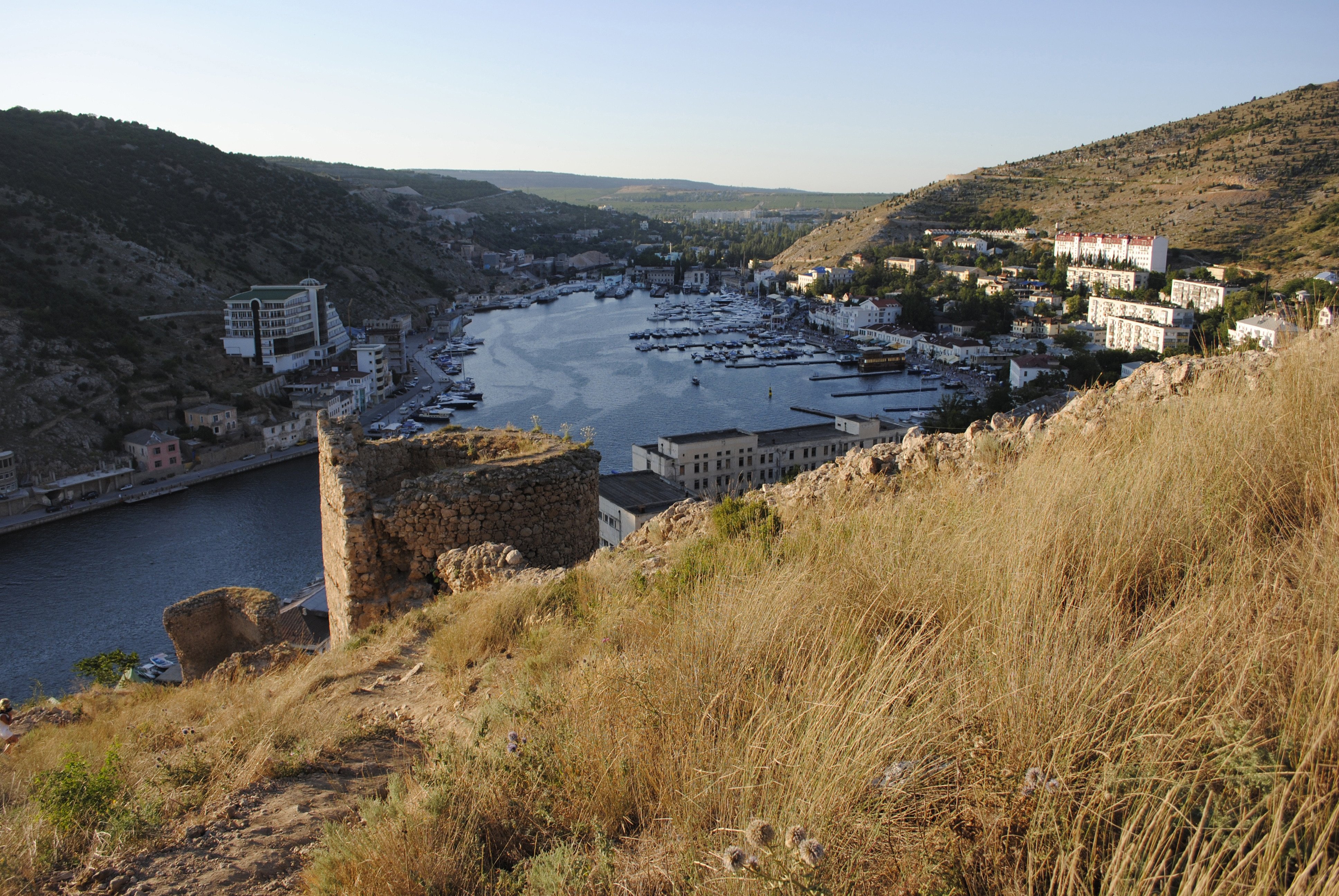
I think it is Cape Fiolent. That was the last place I visited on the peninsula before the Russian occupation. As banal as it may sound, I miss that extraordinary combination of mountains and sea.
Discuss this article:
-9a7b3a98ed5c506e0b77a6663f5727c5.png)

-f3430f0449615e9897dff835086ac204.jpg "Ukraine Broke With a Soviet-Era Military System and Rebuilt It Around the Soldier")
-e126c16a85d580738cf2d57e760b80a3.jpeg "Photo of Vladyslav Greziev")


-930ed56b9d4c7f0232c62eddea7edc08.jpg "Ukraine’s Mindset Has Changed Faster Than Most of Europe—What 35 Years of Data Show")
-d6c21a19c8fd931d512b5818298453c4.jpeg "Maryna Starodubska")