- Category
- Anti-Fake
Digital Gulag: Russia Forces Its Spy App on Every New Phone
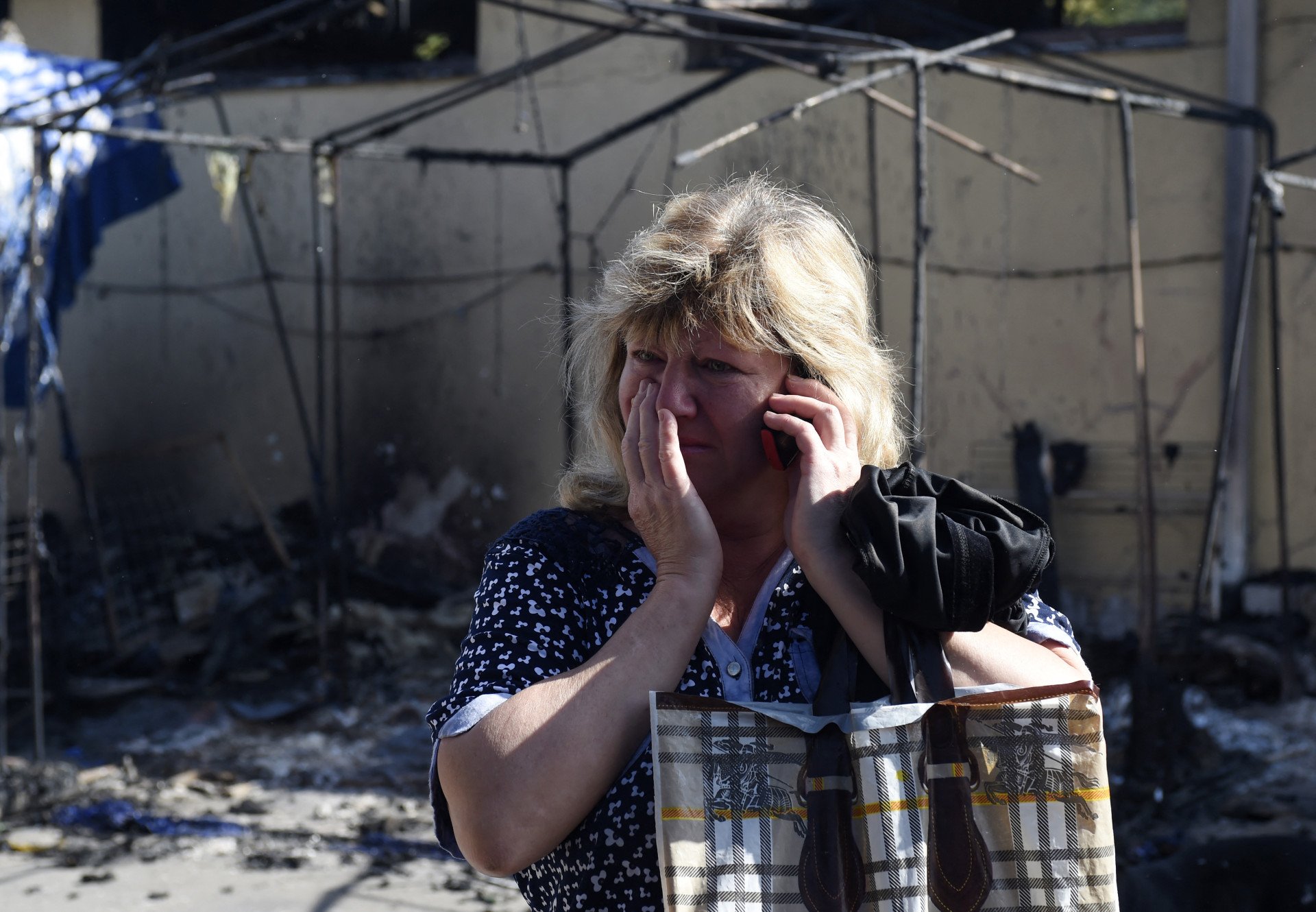
If you’re in Russia or occupied Ukraine, you’re about to get a spy in your pocket. Starting September 1, every new phone will come with Max Messenger—a Russian app that can watch, track, and control its users.
 Prefer U24 Media on Google
- Authors

-46f6afa2f66d31ff3df8ea1a8f5524ec.jpg "Photo of Jess Daly")
Russia’s internet shutdowns have gone into overdrive throughout 2025. July alone saw a record 2,099 shutdowns, according to “Na Svyazi,” a group tracking and verifying the Kremlin’s digital shutdowns.
Russian authorities insist the outages are “for security,” urging people to “stock up on cash,” brace for long-term disruptions, and even embrace them as a “treat internet shutdowns as a digital detox.”
In reality, they’re part of a sweeping campaign to seize total control over what people in Russia and temporarily occupied Ukrainian territory see, say, and search online.
WhatsApp out, Max in
After criminalising certain web searches, the Kremlin banned WhatsApp. By August 1, 2025, WhatsApp outages began spreading across the country. On August 13, Roskomnadzor announced partial restrictions on calls made via Telegram and WhatsApp.
WhatsApp responded to Russia’s crackdown, saying the app “defies government attempts to violate secure communication” and pledging to keep end-to-end encryption available worldwide, including in Russia.
Now, MAX is to replace WhatsApp. WhatsApp “belongs to the extremist organization Meta,” said Anton Gorelkin, co-author of MAX and one of the Russian State Duma’s loudest champions of online censorship.
In Russia, calls via WhatsApp and Telegram will be banned, Russian media report. They claim it’s to "fight terrorism". pic.twitter.com/WPwAFlUpZg
— WarTranslated (@wartranslated) August 13, 2025
What is Russia’s new digital spy app?
Putin signed off on the new digital platform on 24 June 2025, hardwiring it into state services, built to give the FSB sweeping surveillance powers.
From September 1, every new smartphone sold in Russia—including in Ukraine’s occupied territories—will come with MAX preinstalled. Critics call MAX the “digital gulag.”
Launched by Kremlin-controlled social network platform VKontakte in March 2025, Max is set to replace messaging apps from so-called “unfriendly” countries and crown itself the national state messenger.
A blacklist of targeted platforms is already in the works, after Putin’s vow in May 2025, to “strangle” foreign services.
Authorities plan to integrate Gosuslugi, Russia’s public services portal, into the app and its remote e-voting system—neatly timed for regional and local elections on September 14, 2025.
Some Russian schools began piloting Max in July, with teachers, students, and parents pushed onto the platform. Next, all state employees and officials will transition to Max.
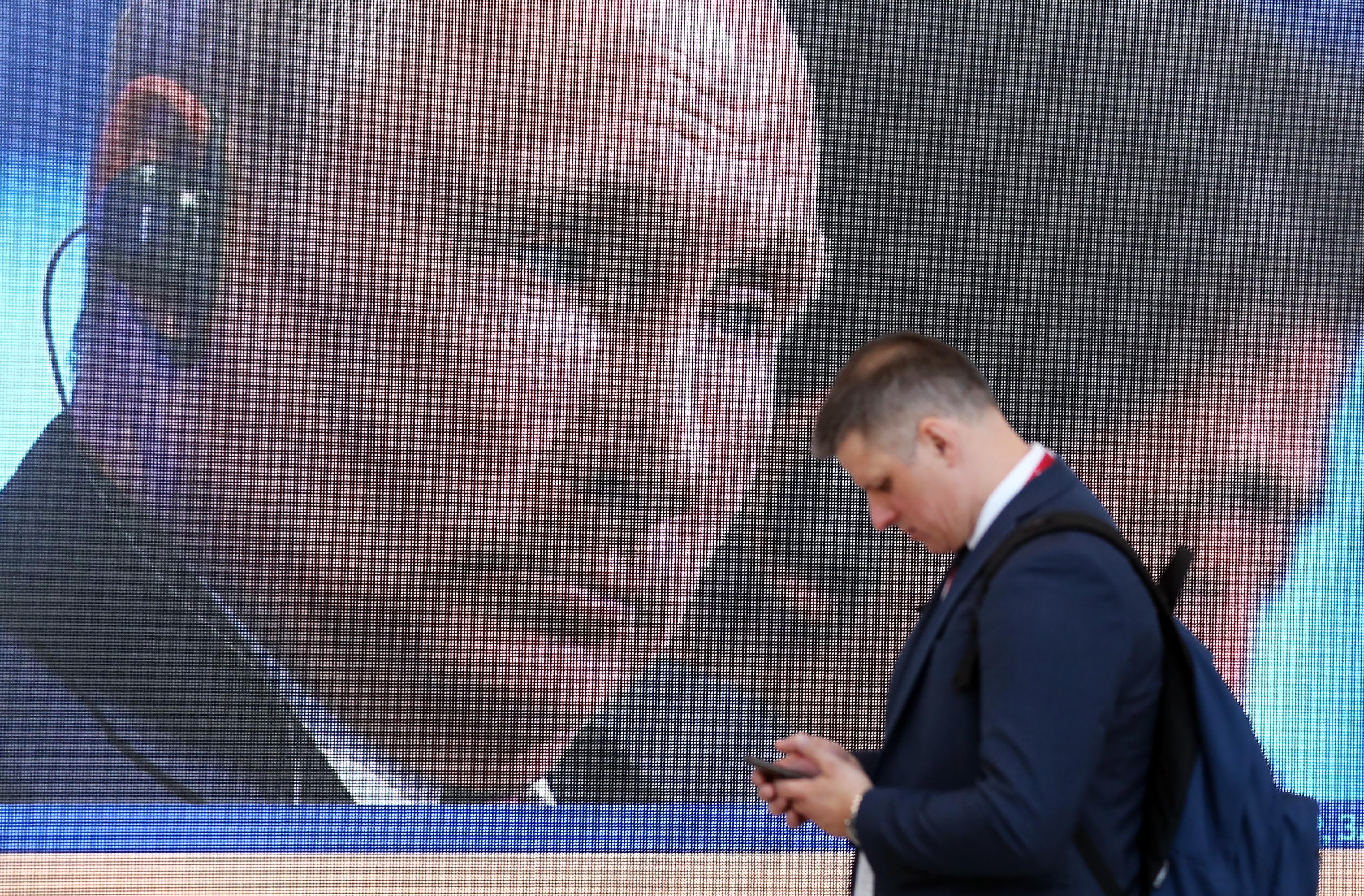
However, Russia’s FSB has voiced some concerns that the app itself could be hacked or leaked, according to Russian media reports. In short, while they want to spy on everyone else, they are worried that someone could spy on them through the very same tool.
Introducing such a centralized, all-access system could actually create a massive vulnerability—any leak or breach could expose government secrets, intelligence methods, or sensitive communications.
The app is more than chat and video calls. It’s a state-run information hub with built-in access to government services and mobile payments. A Belarusian or Russian SIM is required to register, and foreigners can’t get one without handing over biometric data.
Max collects data on users’ activity, location, IP address, contacts, camera, mic, files, and its privacy policy explicitly states that it may share this data with the “company's partners” as well as with “any government or local authority.”
Russia’s digital gulag
The head of the Russian Internet Protection Society, Mikhail Klimarev, calls Max a potential surveillance tool, Russia’s Moscow Times reported.
User data can be transferred to government agencies such as the security services, police, the Ministry of Internal Affairs, and more.
This will be a sterile space in which the authorities have complete control over the leisure time, motives, and thoughts of citizens.
Russian opposition journalist
“Snooping” software is installed on the smartphone even when the app is deleted, The Times reported, citing the app's critics. Adding that the FSB and Kremlin might even be able to monitor online conversations in real time.
Max is the perfect tool for Russian authorities to increase already tightened state control and surveillance over Ukrainians in occupied territories, Russian dissidents, and even hinder evacuation efforts for stolen Ukrainian children.
Following in Belarus’ footsteps
Belarus runs one of the most suffocating surveillance states in the world—a system Amnesty International says operates with little to no legal justification, making it “nearly impossible” to know if you’re being watched.
Former law enforcement insiders told the Belarusian Investigation Centre (BIC) that the Ministry of Internal Affairs, the KGB, Belarus’ security services, and the presidential Operative Analytical Centre are all tracking both civilians and officials alike.
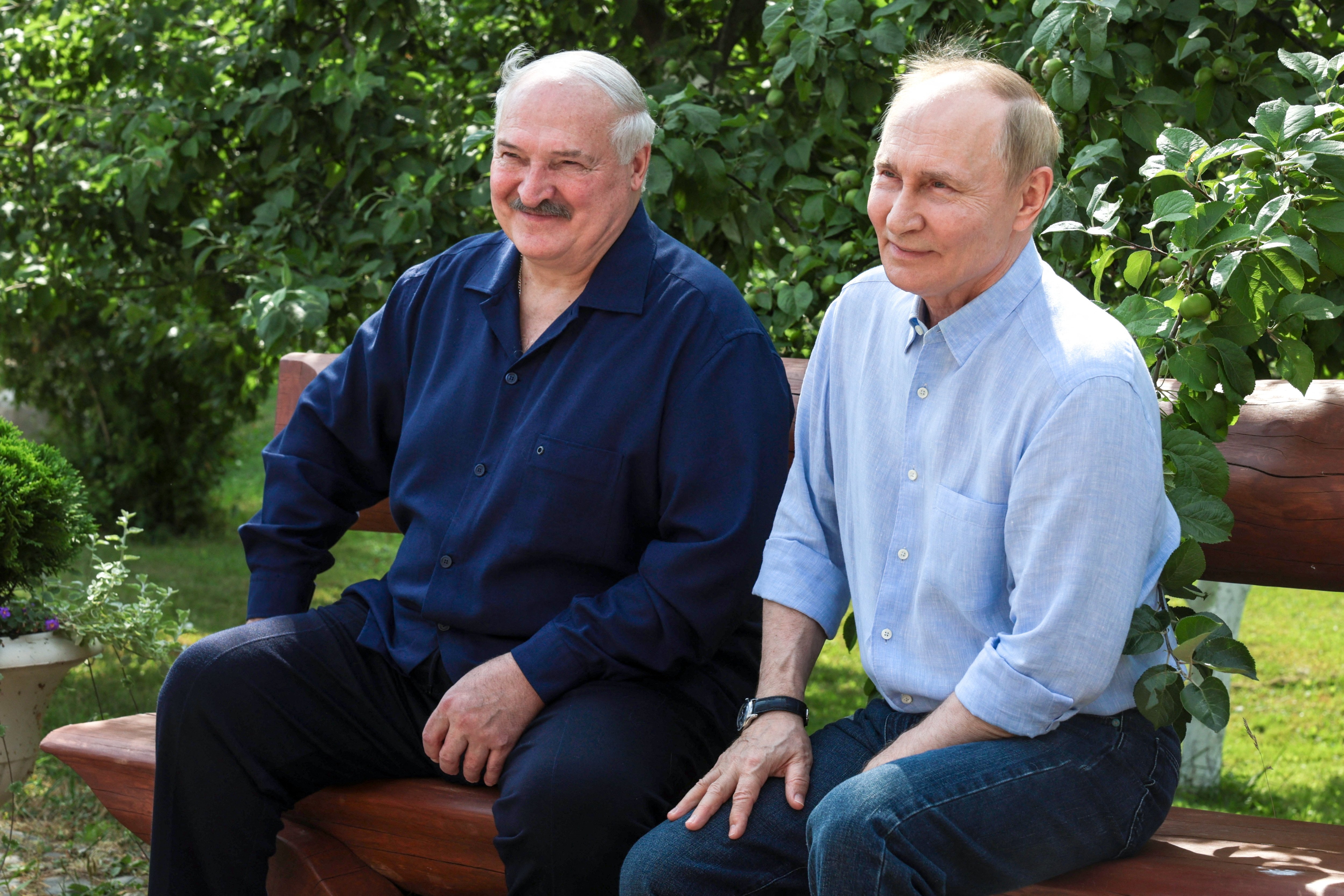
A former official told BIC investigators that private conversations—in cars, hotels, even with his daughter and future wife—were recorded and handed straight to Aleksandr Lukashenko, the de facto Belarus President, who just a day later referenced them to the official, word for word.
Trigger words can activate call and text recording, while all telecom providers must plug into SORM, the Russian-built wiretap system that intercepts communications and metadata in real time.
Russia pairs SORM with deep packet inspection (DPI) to identify when blacklisted sites have been accessed and harvest detailed browsing data.
Belarus created a censorship and surveillance machine that earned the country a place in the Committee to Protect Journalists’ list of the world’s top ten most censored states, and a low 7/100 freedom score in 2025, due to its sophisticated digital censorship and surveillance.
Now, Russia’s new Max messenger—accessible to anyone with a Belarusian SIM—risks mirroring the digital chokehold Belarus has perfected.
How will Max impact Ukrainians in occupied territories?
Ukraine has managed to bring home 1,509 children who were forcibly taken to Russia from its temporarily Russian-occupied territories. Yet nearly 19,546 children remain trapped in Russia’s system.
Some, like Denys Kostev, are contacted through phones and social media by NGOs such as Save Ukraine, which organize rescue missions to bring abducted children back.
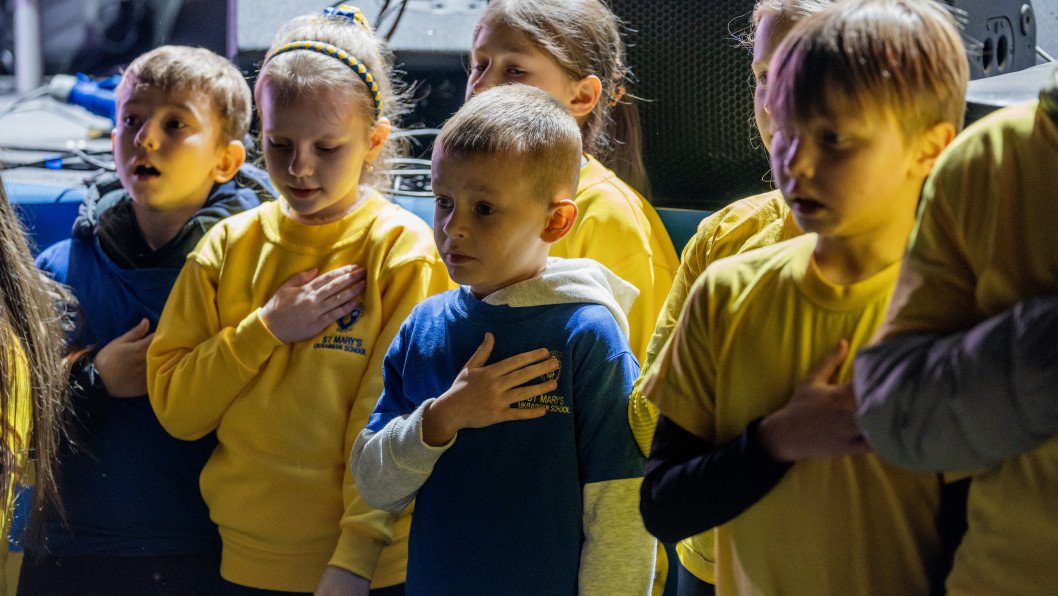
The rollout of Max on smartphones threatens to sever yet another lifeline for these children, cutting off their digital avenues of contact and escape.
In the temporarily occupied territories of Ukraine, there are at least 901 schools. Many have closed, but over 500 are still operating under Russian control, enforcing Moscow’s version of history and banning Ukrainian culture, language, or any lessons that contradict Russia’s narrative.
Despite immense risks, many students continue attending Ukrainian classes online, in secret. Max could make these covert lessons even harder, further isolating children from their heritage and country.
Families in occupied territories rely on phones to stay in touch with relatives in Ukraine, providing reassurance that they’re safe.
With Russia’s new search engine laws and the Max surveillance system, communicating beyond its digital walls has become dangerous—carrying severe consequences for those reaching loved ones.
Discuss this article:

-c439b7bd9030ecf9d5a4287dc361ba31.jpg "Photo of Katherina Popilnichenko")


-206008aed5f329e86c52788e3e423f23.jpg "Photo of Oleksandr Moiseienko")

-72b63a4e0c8c475ad81fe3eed3f63729.jpeg "Photo of Cyril Barabaltchouk")