- Category
- Latest news
What’s Inside the EU Membership Report: Ukraine’s Progress Amid War
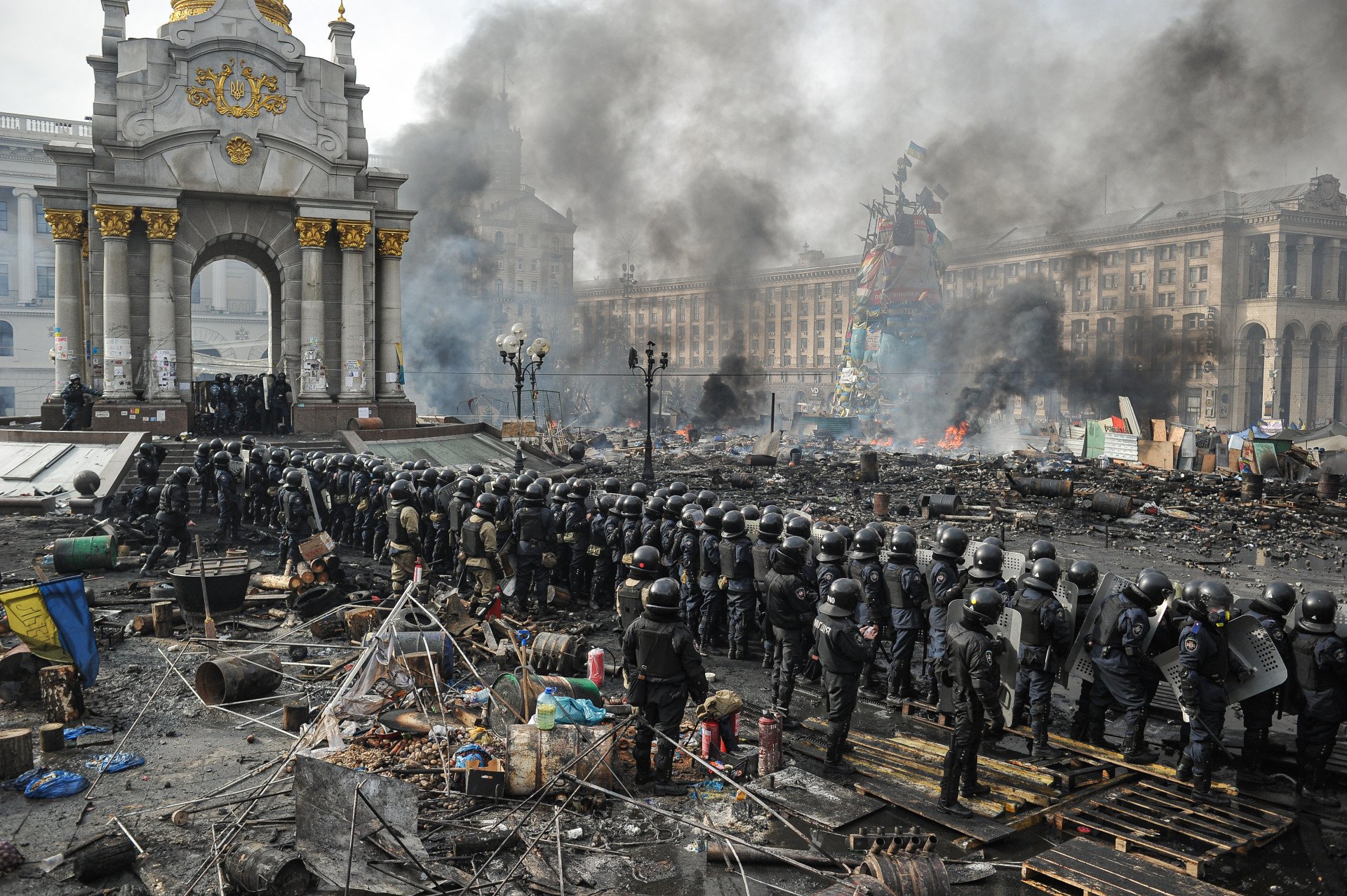
Despite the ongoing full-scale war with Russia, Ukraine continues to make significant strides toward EU membership. The European Commission’s 2025 Enlargement Package highlights both remarkable progress and ongoing challenges the country faces in its pursuit of European integration. From judicial reforms to tackling corruption, Ukraine is working to meet the stringent criteria set by the EU, though there is still much to be done.
 Prefer U24 Media on Google
- Authors


What is the EU enlargement package?
Each autumn, the European Commission releases an annual set of documents evaluating the readiness of candidate and potential candidate countries for EU membership. This so-called Enlargement Package includes a general communication and individual reports assessing progress in political, economic, and legal alignment with EU standards.
The goal is not to rank countries but to diagnose their progress and set reform priorities for the coming year. A good evaluation does not automatically open a new negotiation chapter—each decision depends on meeting specific benchmarks and approval from EU Member States.
The report for Ukraine, issued on November 4, 2025, covers the period from September 2024 to September 2025 and forms part of the broader communication COM(2025) 690 final on EU enlargement policy.
Ukraine’s path to the EU
Ukraine applied for EU membership on February 28, 2022, and officially opened accession negotiations on June 25, 2024. By September 2025, bilateral screening meetings had been completed, marking a key procedural step toward full accession talks.
Despite the war, Ukraine adopted several roadmaps in May 2025—on the rule of law, democratic institutions, public administration reform, and national minorities—defining its priorities under the first negotiation cluster.
According to the European Commission, this progress “signals Ukraine’s strong commitment to its European future,” though it also warns about “elements of notable concern,” particularly regarding the independence of anti-corruption institutions.

Democracy, rule of law, and governance
The Commission notes that Ukraine’s democratic framework remains functional even under martial law, which has been extended until February 2026. Parliament continues to legislate effectively, and the government maintains essential governance functions—especially in security, defense, and EU integration.
However, the judiciary remains understaffed, and the appointment of Constitutional Court judges has been delayed. The report calls for stronger integrity checks for judges, transparent selection of prosecutors, and the removal of provisions that allow politically motivated influence within the Prosecutor General’s Office.
In the fight against corruption, Ukraine made “limited progress.” While NABU, SAPO, and HACC continue to perform effectively, several legislative attempts in mid-2025 threatened their independence. Following public and international pressure, those measures were reversed, but the Commission warns of “growing pressure on anti-corruption activists and civil society.”
On fundamental rights, Ukraine is praised for its legislative work on victims’ protection, children’s rights, and the implementation of the Istanbul Convention. Yet Brussels highlights the lack of progress on hate-crime laws, data protection, and civil partnerships.
Freedom of expression remains under wartime constraints but has seen “some progress,” particularly in transparency of media ownership and the financial independence of the public broadcaster Suspilne.
-cc28d7cf8ad64670c66224538fb4770c.jpg)
Internal market integration
Ukraine continues to align its legislation with EU standards across multiple sectors—from public procurement and financial control to intellectual property and competition policy.
The report welcomes the digitalization of Ukraine’s customs administration, progress toward adopting a new Customs Code aligned with EU law, and improvements in tax and financial transparency. However, key legislative gaps remain in public procurement and state aid control.
The Commission also calls for deeper alignment in financial services, company law, and consumer protection, urging Kyiv to maintain momentum in modernizing its business environment.
Competitiveness and inclusive growth
Ukraine is described as “between moderate and good level of preparation” in digital transformation and economic modernization.
The Digital Transformation Ministry is praised for advancing 5G security alignment and digital identity systems. Progress is also noted in education reform, participation in Horizon Europe, and vocational training initiatives that link education with labor market needs.
In taxation, Ukraine made “good progress” on VAT and excise duty reform, but Brussels emphasizes the need to reduce informality, enhance tax administration, and strengthen the pension system’s sustainability.
The green agenda and sustainable connectivity
The report highlights notable progress in environmental and energy sectors, despite ongoing Russian attacks on critical infrastructure. Ukraine advanced its National Energy and Climate Plan, promoted renewable generation, and adopted a framework law aligning with the EU’s 2050 climate-neutrality target.
Still, the Commission urges Kyiv to liberalize gas and electricity markets, strengthen energy regulator independence, and modernize district heating.
In transport, Ukraine adopted strategies for border infrastructure and road safety but must continue aligning rail and maritime laws with EU standards.
Agriculture, food safety, and regional development
Ukraine’s agricultural and rural development strategy to 2030 is fully in place, and progress continues on digital land management and the State Agrarian Register. The EU notes strong administrative development but calls for a framework law on paying agencies and farm sustainability networks.
Food safety reform, meanwhile, has advanced through the new plant health law and integration into the EU’s TRACES control system. Ukraine’s participation in Interreg cross-border cooperation programs is seen as a model for regional development alignment.
External relations and security
Ukraine maintains a high level of alignment with the EU’s Common Foreign and Security Policy, including sanctions implementation and coordination on defense.
The report notes “significantly improved military and political dialogue” and welcomes Ukraine’s ratification of the Rome Statute of the International Criminal Court.
The Commission recommends continued progress in foreign investment screening and trade policy alignment with both the WTO and the EU–Ukraine Association Agreement.
Economic resilience amid war
The EU describes Ukraine’s economy as “functioning and resilient.” Despite wartime disruption, GDP growth resumed, inflation stabilized, and fiscal discipline improved.
Kyiv successfully implemented medium-term budget planning, advanced pension reform, and maintained a flexible exchange-rate policy. The Commission attributes this stability to “sound policymaking, strong international support, and the adaptability of the private sector.”
Challenges ahead
While acknowledging Ukraine’s extraordinary progress, Brussels points to several critical vulnerabilities:
Political interference in the judiciary and prosecution system.
Pressure on anti-corruption institutions and civil society.
Legislative backlog in public administration and decentralization reform.
Need for better coordination and transparency in local governance.
The EU also stresses that reconstruction must integrate the rule of law and anti-corruption safeguards, ensuring accountability for the massive inflow of European financial assistance.
Earlier, it was reported that the European Union will provide Ukraine with almost $2.3 billion, which includes a $1.5 billion fifth tranche under the Ukraine Facility and an additional $692 million related to the postponed reform of the Asset Recovery and Management Agency.
Discuss this article:
-4a56a6b482ec132402c16ef6fcabf9a2.png)



-111f0e5095e02c02446ffed57bfb0ab1.jpeg "Photo of Roman Kohanets")