- Category
- War in Ukraine
Does Ukraine Have a Plan? Turning the War Against Russia

At the start of Russia’s full-scale invasion, few believed Ukraine could hold out—the imbalance of forces seemed too great. Yet the war has now lasted three and a half years, and Russian losses have long since topped one million. But does Ukraine have an overarching plan not only to defend itself, but to prevail?
 Prefer U24 Media on Google
- Authors


Blending diplomacy, sanctions, strikes on refineries, and swift innovation, Ukraine wears down Russia’s war machine and sustains its economy with allied support.
To understand the bigger picture, we spoke with several military and economic experts.
International politics
While Ukraine is ready to talk peace, despite all of US President Donald Trump’s efforts, the Russians still refuse to attend a proposed meeting between Ukrainian President Volodymyr Zelenskyy and Russian President Vladimir Putin, as the Kremlin now states openly.
Meanwhile, Ukraine has become the core of the largest international coalition in decades. When Zelenskyy recently visited Washington, dozens of European and NATO leaders stood alongside him.
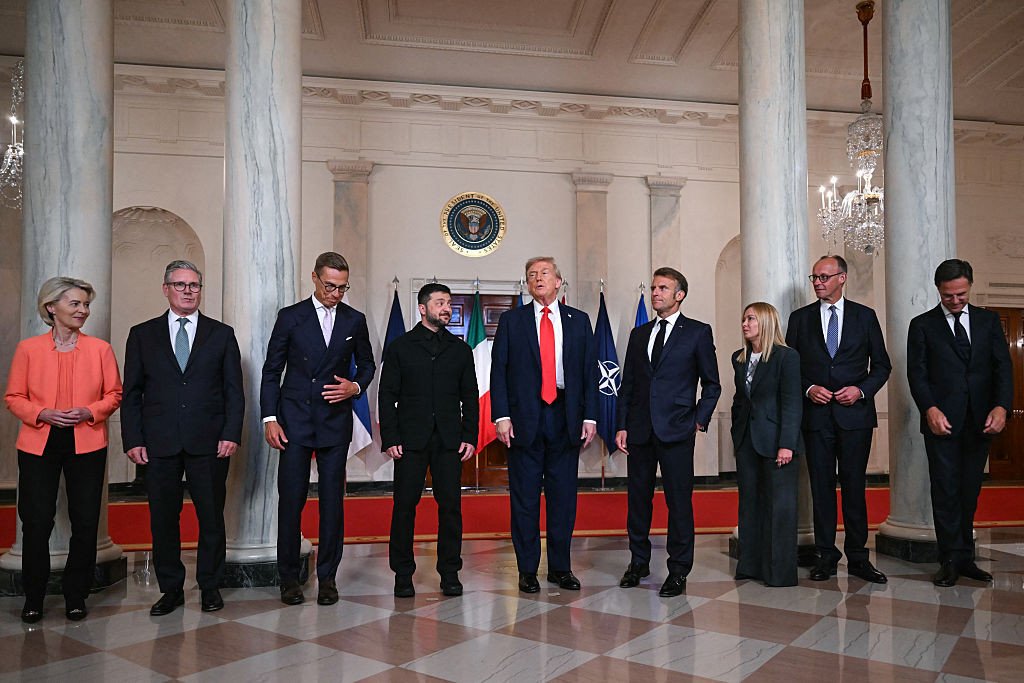
Furthermore, Ukraine is actively campaigning for ever-tighter sanctions against Russia. The next package of EU restrictions will be the 19th.
“Sanctions policy is very similar to a game of chess,” economist and former member of Ukraine’s National Bank Council Vitalii Shapran told us. “Every move produces a countermove. We see this across all 18 EU sanctions packages. After each one, the Russian economy experiences minor stress, then in a month or two, recovers and finds ways around them. But yes, there are situations where evasion is impossible, as we saw with coal or civil aviation.”
Shapran says that pressure must continue—combining sanctions with strikes on infrastructure critical to Russia’s economy, as well as market pressure. At least when it comes to infrastructure strikes, Ukrainians are doing superbly—more on that below.
Against this backdrop, Russia’s allies look increasingly marginal: Iran, North Korea, and a handful of other dictatorships. China—on which Moscow is growing ever more dependent—keeps its distance and is unwilling to move beyond cautious economic cooperation. During a Shanghai Cooperation Organization summit, India’s Prime Minister Narendra Modi directly urged Putin to end the war in Ukraine as soon as possible.
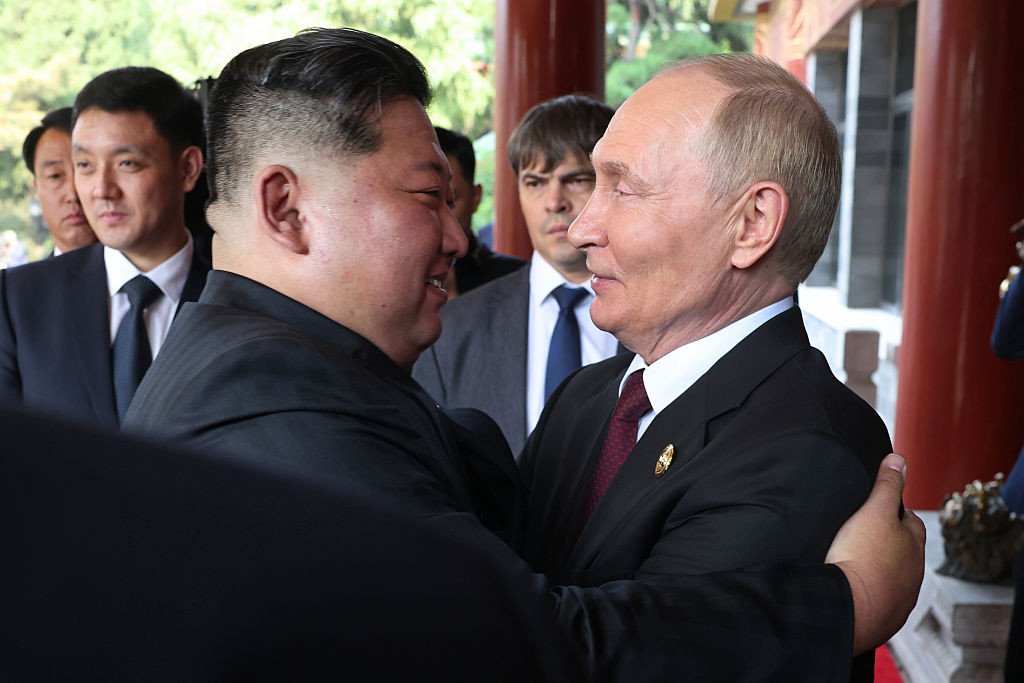
“Russia is no longer the colossus it was at the start of 2022,” told us Volodymyr Havrylov, a retired major general and former deputy defense minister of Ukraine. “It has lost most of its equipment as well as its contract army that was built up over many years. Part of our strategy is to show Russia that there is no military solution to this war. It is now a test of endurance, and the side with the stronger economy will win. Ukraine’s economy is backed by the entire civilized world. Russia is doomed to decline because of authoritarianism and sanctions. We’ll see that soon.”
Target: infrastructure
Twice during the full-scale war, Russia has mounted prolonged, massive campaigns to destroy Ukraine’s energy sector. But it turns out this is a game two can play.
In the summer and fall of 2025, unidentified drones have been striking oil refineries across Russia almost daily. The Syzran, Krasnodar, Volgograd, Saratov, and Novokuibyshevsk refineries; the Sochi oil depot; the Ust-Luga oil and gas terminal on the Baltic; and a pumping station on the Druzhba pipeline—all went up in flames under drone attacks.
Over the summer, drone strikes halted operations at facilities processing at least 17% of Russia’s refining capacity, or 1.1 million barrels a day. By early fall, Ukraine’s Unmanned Systems Forces were citing a figure of 24.2%. The result: rising fuel prices (including for the army) and gasoline shortages in some regions.
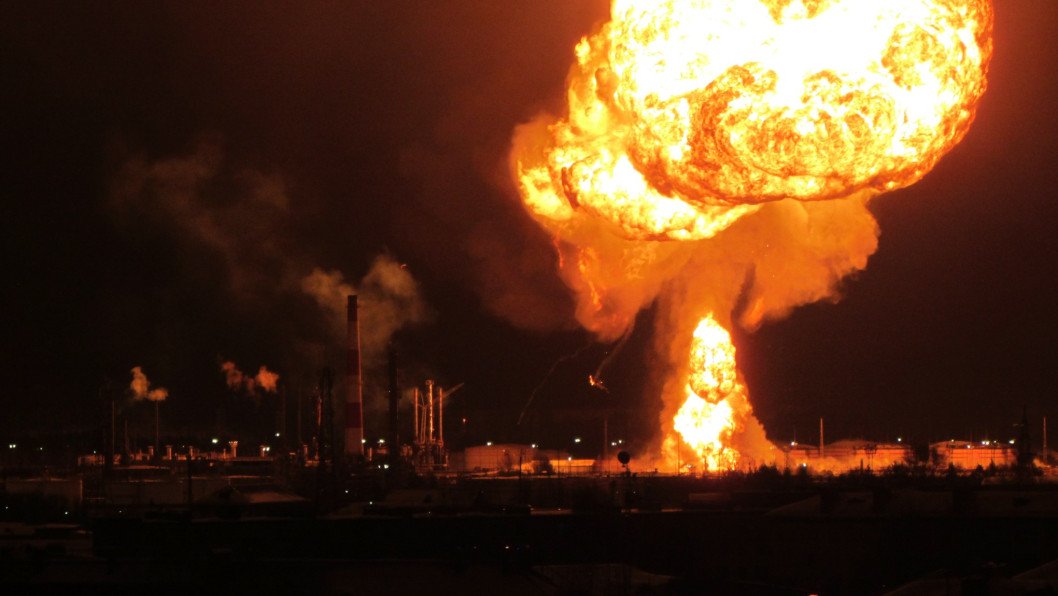
“Without striking targets inside Russia, the war would be purely Ukrainian, and people in Russia wouldn’t feel what’s happening,” Havrylov says. “Because allies did not support us at the outset, and that support has been uneven since, Ukraine had to get creative to survive. Thanks to that, we shifted to a war where what matters isn’t sheer numbers of men and machines but technology, ingenuity, and the speed of implementing new solutions.”
Ukrainian missiles and drones have also hit plants producing critical components for Russia’s defense industry. The Kremlin is trying to bolster air defenses, but the reality is that Russia cannot physically protect every asset across its vast territory.
Symbolically, while the country’s oil and industrial infrastructure remains vulnerable, a full dozen air-defense systems are clustered around Valdai. Why? That’s where Putin’s favorite dacha is.
And, according to insiders, to protect oil refineries vital to Russia’s economy, the Kremlin even planned to stage religious processions around them.
Russia’s army is accumulating problems
Ukraine’s General Staff estimates Russia’s total military losses at nearly 1.1 million soldiers. Three and a half years on, Russia’s army is nothing like it appeared in February 2022.
Researchers calculate that from 2022 to 2025, Russia reactivated more than 4,000 tanks of various types—54% of its reserves, or nearly all equipment in good enough condition to restore. The same analysis finds Russia has only about 1,200 tanks left that can be brought back faster than building new ones from scratch. And despite defense plants working at full tilt, the rate at which armored vehicles are destroyed at the front far outpaces production.
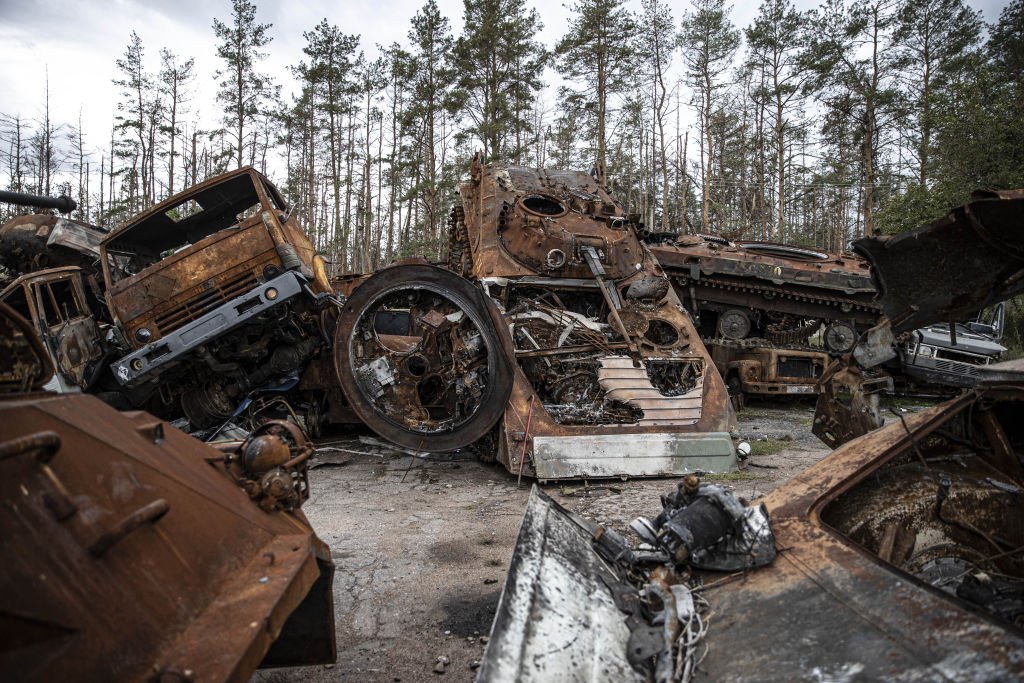
“The main problem with financing the war for Russia is that Soviet stockpiles are almost exhausted,” Shapran said. “Of the 17–19 trillion rubles that make up the real war budget, only about 20% goes to personnel; the rest is weapons production. Not only are war expenditures now around 40% of federal revenues, but some 80% of those outlays are non-productive. In other words, what Putin spends ends up doing Russia no good—it disappears into Ukraine and comes back as strikes on those same refineries, as war invalids, and as payouts to the families of dead soldiers. I’d compare Russia’s economy to a person whose arm has been cut off and who is bleeding (resources). That cannot go on for long.”
There are also manpower issues. In the second quarter of 2025, 37,900 people received signing bonuses for contracting with Russia’s Defense Ministry. In the same period of 2024, 92,800 did, meaning the number willing to join the army has fallen 2.5 times.
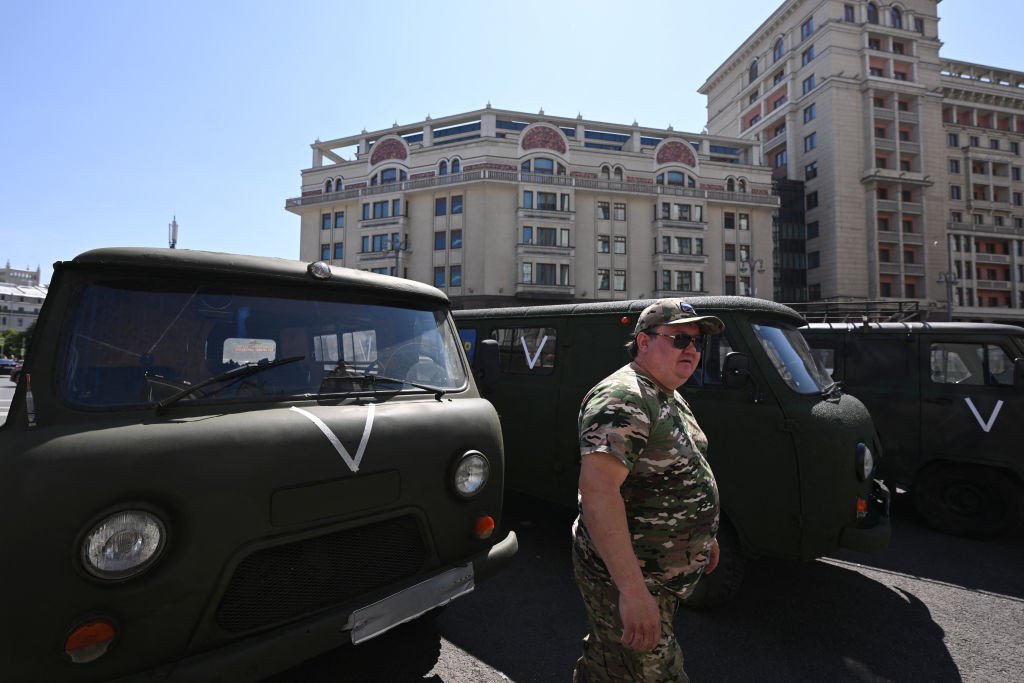
Poorly trained and ill-equipped recruits are often thrown into meatgrinder assaults with little chance of survival. The experienced officers and NCOs killed in the first years of the war cannot be replaced with “cannon fodder.” As a result, even localized offensives cost Russia enormous losses.
Ukraine’s army is retreating on several sectors of the front, yet continues to inflict painful blows on the Russian forces. Moreover, The Economist calculated that at the current pace it would take Russia 89 years to conquer Ukraine. Given the trend, it’s doubtful a single Russian soldier would still be alive by then.
Innovation
Ukrainians have turned the war into a laboratory of innovation.
Unprecedented suicide sea drones have made the Black Sea deadly for Russia. They have destroyed dozens of enemy ships, forced the remnants of the Russian fleet to flee Crimea, and opened the way for the “grain corridor.”
In the air, drones developed at record speed strike targets on Russian territory almost daily—even in the Komi Republic, some 2,000 kilometers from Ukraine. The Moscow Kremlin is closer, but the strike there was no less symbolic.
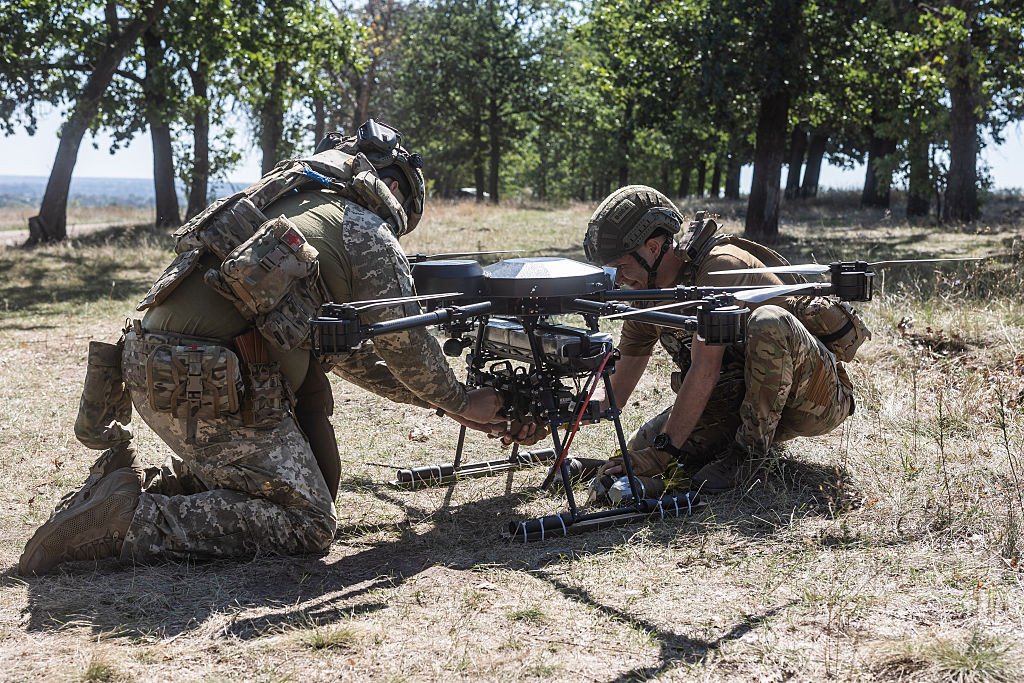
A separate line of effort is defensive drones. The president’s “Drone Line” initiative scales the army’s most effective solutions—creating a 10–15 km “killzone” that makes Russian advances impossible without losses. With other means in short supply, Ukrainians are leaning on what’s available and effective: unmanned systems.
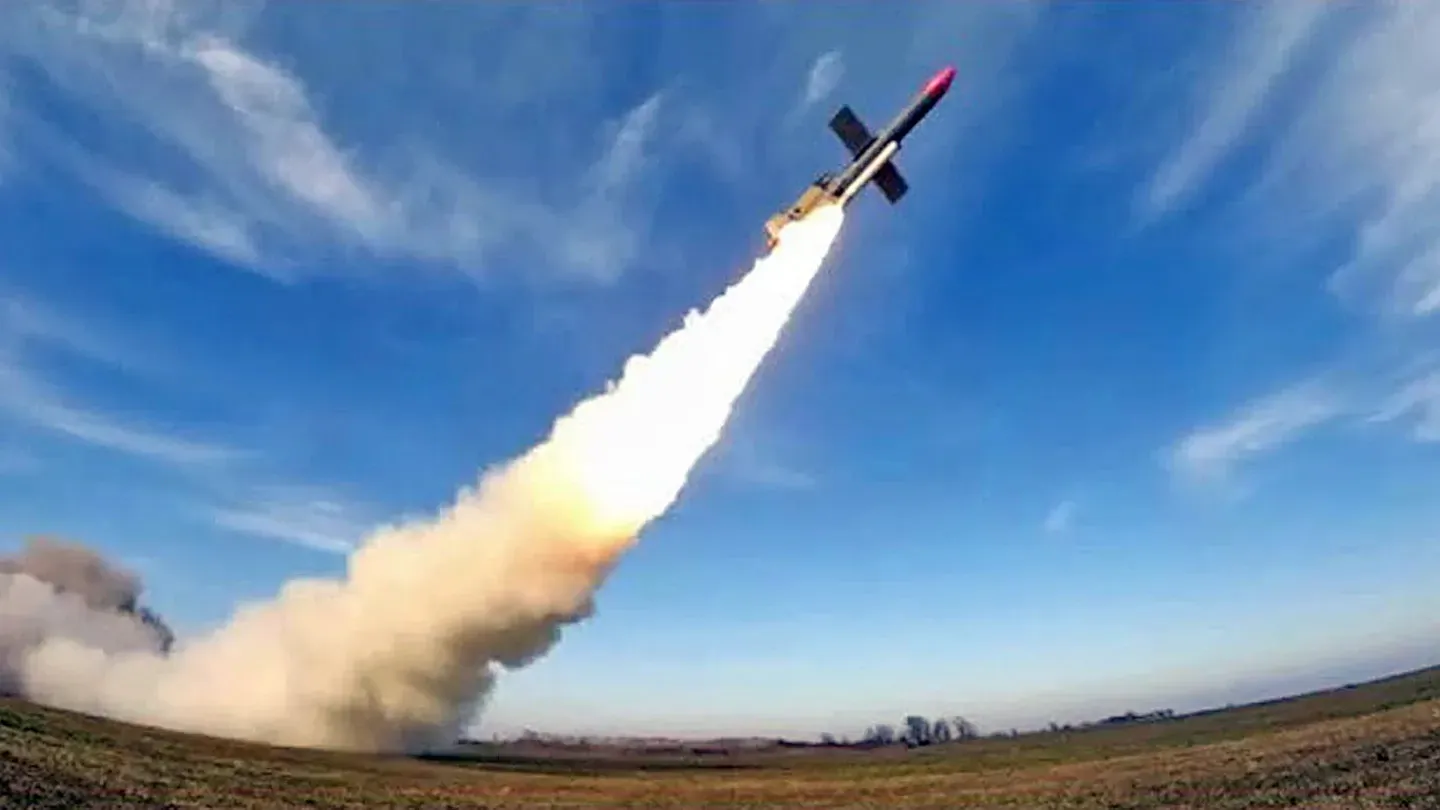
They recently announced another development—the heavy “Flamingo” missiles capable of hitting military targets deep inside Russian territory at distances of up to 3,000 km.
“A heavy missile with a 6-ton takeoff weight to deliver a 1-ton warhead against hardened, well-protected targets—industrial shops, distillation columns, sorting stations. As low-cost as possible: an inertial navigation system brings the Flamingo to the target area, and GPS puts it within a 20-meter circle,” said military expert Kyrylo Danylchenko. “We’ll feel out the route with long-range drones, check with partners on radar schedules and locations, and bypass short-range air defenses at a 5,000-meter altitude. Our strength isn’t saturating a sector, but finding routes with no air defenses at all. Only now it won’t be 50 kilograms of explosives—it will be a ton.”
Speaking of air defense: at the end of August, Ukraine’s Security Service (SBU) said that in just four days it struck 17 Russian air-defense, electronic warfare, and radar systems. “Without effective air defense and EW, new, spectacular strikes await the occupiers deep in their rear,” the SBU hinted. President Volodymyr Zelenskyy likewise promised an increase in such attacks.
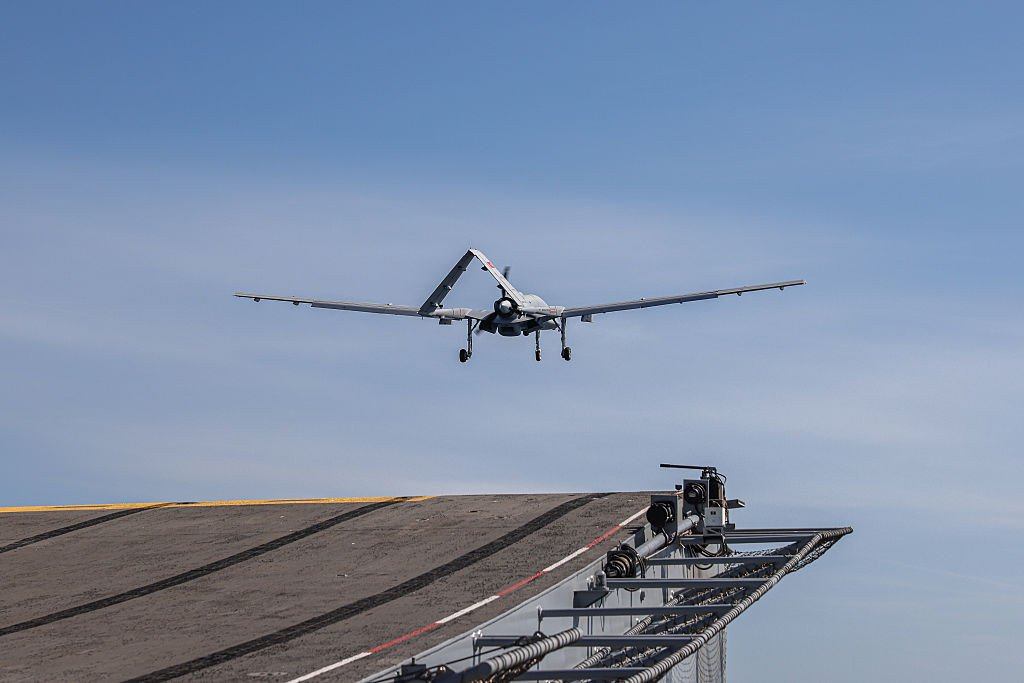
Ukrainians adapt quickly. As soon as Russia finds a way to counter one type of weapon, Ukrainian engineers and military tinkerers roll out another. This ability to pivot and find new solutions makes them so dangerous to their adversary. In the early months of the full-scale war, the world marveled at the effectiveness of Türkiye’s Bayraktar drones. Eventually, however, Russian air defenses found a counter. Those heavy drones are seldom heard from now, while other systems keep getting through.
“Classical ways of warfare are irrelevant,” says Havrylov. “Large armored formations have left the battlefield, and tactical aviation has nearly done so. In their place are a range of robotic platforms. But the key thing Ukraine has now is a mechanism for rapidly fielding innovations. No other army has this—many small companies invent something, quickly hand it to the front, it’s tested, adapted, and deployed. For robotic systems, that cycle is literally a couple of months. Instead of colossal stockpiles of weapons aging in depots, what’s needed now are mechanisms for innovation and response. Ukraine has learned this superbly, though passing this experience on will be hard. That’s why we will remain the outpost of the civilized world—of course, with its support.”
Dream operations
Before 2022, few around the world could name a single Ukrainian special operation. Now they speak of them with admiration.
In the summer of 2022, the SBU and the Main Directorate of Intelligence (HUR) liberated Snake Island—a symbolic and strategically important outpost. Twice, Ukrainians struck the Crimean Bridge—Putin’s pride and the main supply artery for the southern front. They acted inventively and varied their methods: the first time with a truck packed with concealed explosives, the second with sea drones.
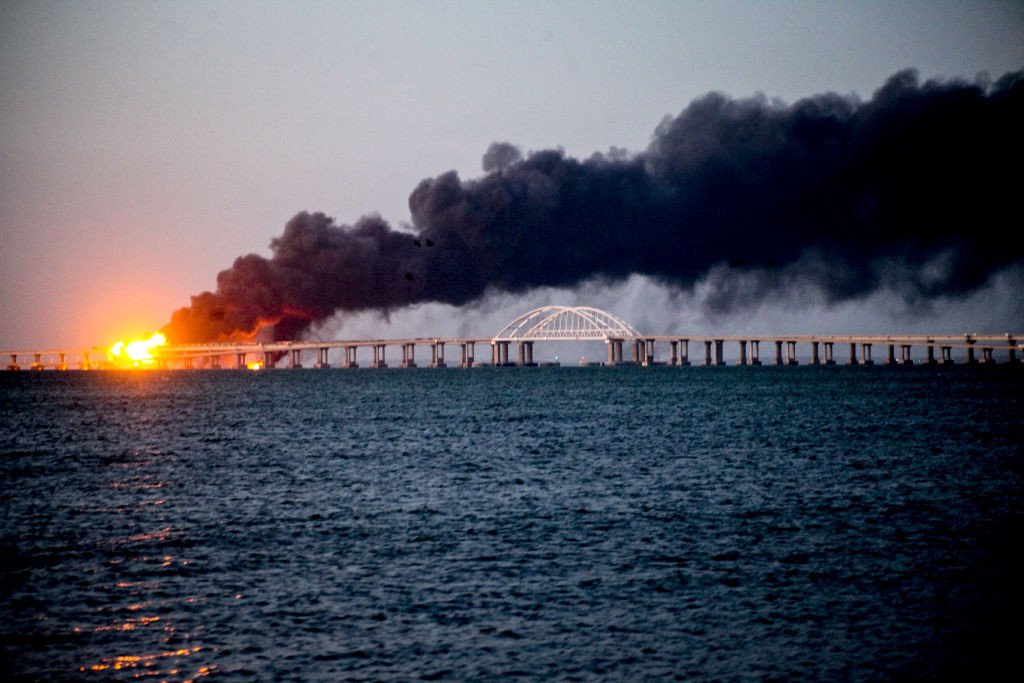
Deep inside Russia, depots regularly explode, planes and helicopters burn, and headquarters crumble. Sometimes this happens hundreds of kilometers from the front—proof that even distant “safe” cities are no longer out of reach for Ukrainian special services.
Operation “Pavutyna” (“Spiderweb”) could be the plot of a Hollywood blockbuster. On June 1, 2025, FPV drones suddenly launched from trucks near five Russian air bases, raced toward the airfields, and detonated against aircraft. The SBU reported that 41 aircraft were damaged, including 34% of Russia’s strategic aviation, with total Russian losses estimated at $7 billion.
“Ukraine has no ballistic missiles and no strategic aviation,” Havrylov says. “But we found an unconventional hybrid way to strike deep. We managed to conceive it, think it through, and coordinate it all to execute on the same day with great success. As a result, Russia simply cannot put up as many strategic aircraft as before Operation Pavutyna. The number of missiles they launch has dropped as well. Their planes are also wearing out faster because they have to fly more—especially after relocating farther from Ukraine.”
Economy
In August, Russia’s Minister of Economic Development Maksim Reshetnikov conceded that economic “development” is not going well: “The country is on the verge of recession. Structural problems are mounting.”
The main problem with Russia’s economic statistics is data manipulation and distortion. But the situation is now so troubled it can no longer be hidden behind creative accounting. The Financial Times warns the Kremlin is being forced to choose between military spending and social programs.
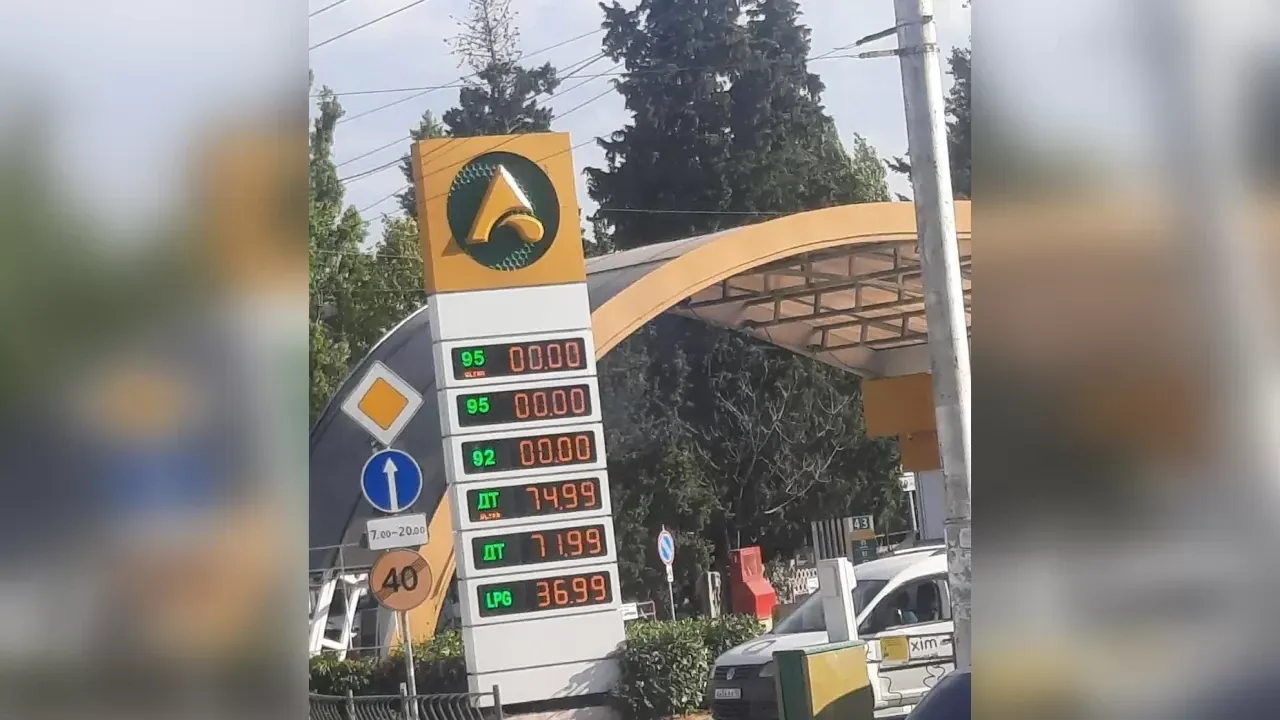
“Russia’s Finance Ministry has already revised this year’s planned budget deficit twice and announced a third revision in September,” Shapran noted. “At the same time, the increase in the official deficit is being accompanied by repo auctions that feed budget liquidity by 1–1.5 trillion rubles each month, primarily through state banks.”
He adds that Russia is facing an acute crisis in local public finances. Problems in the coal, metallurgy, and construction sectors have brought entire regions to their knees, sending them to Moscow for budget loans. In response, they were redirected to state banks to borrow for social payments at interest rates of 20–23.5% a year. This virus of fiscal crisis has now spread to roughly 50 regions, whose old federal debts the government wrote off so they could take on new bank loans. All of this points to a hidden budget deficit; the latest Finance Ministry number—3.9 trillion rubles—is actually higher.
“Russian statistics must be read correctly,” Shapran explained. “For example, Rosstat recently revised the consumer inflation basket yet again—removing goods that are getting more expensive (like air tickets) and adding items with little price-growth potential. This distorts GDP calculations. They also pad growth statistics through the defense sector. When a drop in industrial output is expected, they launch a submarine that’s been under construction for five years and use it to smooth the numbers. It’s done for one reason: to show the world Russia can fight forever, so that the weakness of Russia’s economy can’t be used as a trump card in peace talks. And it really is a trump card.”
Ukraine, by contrast, can count on its allies. In 2024 alone, Kyiv received more than $41 billion in budgetary support, a third of it grants that don’t add to the debt burden.
Despite a major war, Ukraine has also preserved key sectors of its economy, including agriculture and IT. Its defense industry, meanwhile, has received a massive boost.
Thus, stabilizing the domestic economy through external support, squeezing Russia diplomatically alongside dozens of partners, and methodically striking the aggressor’s softest spots—where it is least protected. Small blows that, in the dozens, bleed a mighty adversary. This plan rests on a clear-eyed assessment of Ukraine’s own strengths. And it is steadily reshaping not only the war’s dynamics but the global balance of power.
Discuss this article:
-6c7b568bf1f65853b7afd9dc1c3ca1fe.jpeg)

-c439b7bd9030ecf9d5a4287dc361ba31.jpg "Photo of Katherina Popilnichenko")



-29a1a43aba23f9bb779a1ac8b98d2121.jpeg "Photo of Illia Kabachynskyi")