- Category
- Latest news
Drunk Drivers, Near Exposure, and a Massive Strike: The Untold Story of Operation Spiderweb
 Prefer U24 Media on Google
- Authors


Ukraine’s Security Service (SBU) faced a series of unusual and high-risk challenges while planning Operation “Spiderweb”, a covert drone strike on multiple Russian military airfields, SBU head Vasyl Malyuk disclosed in an interview with the “We Are Ukraine” channel on August 12.
Maliuk explained that the SBU leveraged its prior experience combating transnational organized crime, including drug cartels, to move prohibited equipment across borders undetected.
“We studied in detail how international drug cartels covertly deliver prohibited goods to various corners of the world without alerting customs or border authorities…”
“If you read between the lines, I think many noticed certain parallels between the first strike on the Crimean Bridge—when a truck carried 21 tons of explosives—and Operation Spiderweb,” Malyuk said.
Obstacles in enemy territory
The SBU chief acknowledged that getting the necessary equipment into Russia—already under strict sanctions—was a logistical ordeal. Corruption within Russian customs, however, proved advantageous. He described enduring “seven circles of hell” to execute the plan.
The operation was delayed by a month due to disruptions in Russia’s transport network, in part caused by drivers’ extended alcohol binges during spring holidays.
“We planned to act before May 9, but over Easter, they drank so much… we couldn’t reach our sources. One driver disappeared, then another. Then came May 1 celebrations, and they were gone for a week. Then May 9. We effectively lost a month because of this,” Maliuk recounted.
Near-exposure and improvised cover story
Another complication arose when an undercover associate accidentally triggered the roof mechanism of one of the mobile wooden cabins used to conceal drones, exposing the hardware to a driver.
The quick-thinking team fabricated a cover story, claiming the drones were specialized devices for monitoring wildlife populations and detecting poachers.
“The driver was 63 years old, not exactly tech-savvy, and he believed it. We reinforced the story with a suitable bonus payment,” Malyuk said.
-89a6b63248b068b6cc91cf0a32c051b9.jpg)
Execution and results
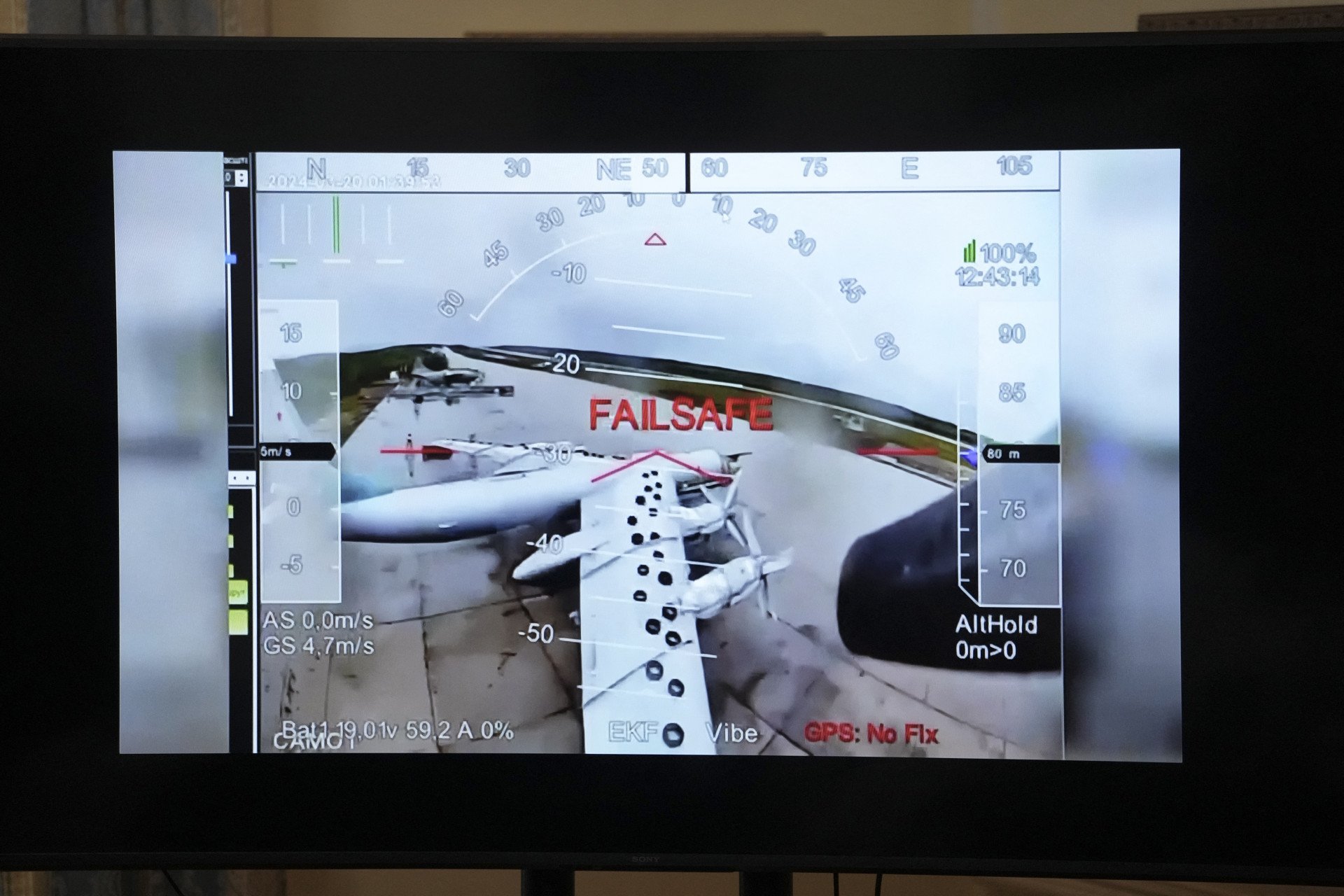
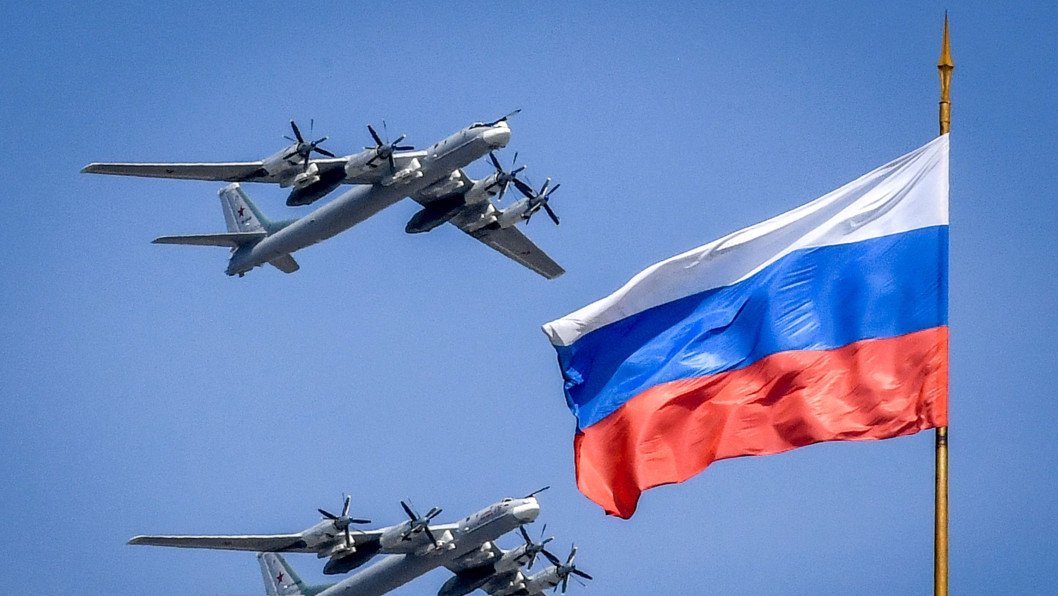
Operation Spiderweb, launched on June 1, targeted the Olenya, Belaya, Dyagilevo, and Ivanovo airfields, striking Russian A-50, Tu-95, and Tu-22M3 aircraft.
According to an SBU source, the operation damaged or destroyed 41 Russian aircraft—approximately 34% of the strategic missile carriers at those bases.
Planning took more than 18 months. The SBU first smuggled FPV drones into Russia, followed later by mobile wooden cabins under whose roofs the drones were hidden.
-c1dc0e9d3274ed753ed6eac604ccf8e4.png)
At the start of the operation, the roofs were remotely opened, allowing the drones to launch.
Ukrainian President Volodymyr Zelenskyy later confirmed that all individuals who assisted in organizing the operation had been evacuated from Russia. Moscow has nevertheless placed 37-year-old Ukrainian national Artem Tymofeyev—allegedly the owner of the trucks used in the attack—on its wanted list.
Earlier, reports emerged that after the Operation Spiderweb, Russia was forced to use Tu-160 strategic bombers to launch a wave of Kh-101 cruise missiles against targets across Ukraine—a move that points to an increasingly acute shortage of the Tu-95MSM aircraft typically used for such operations.
Discuss this article: