- Category
- Latest news
Is Russia’s Strategic Air Force Dying—Or Just Playing Dead? Analysts Explain
 Prefer U24 Media on Google
- Authors


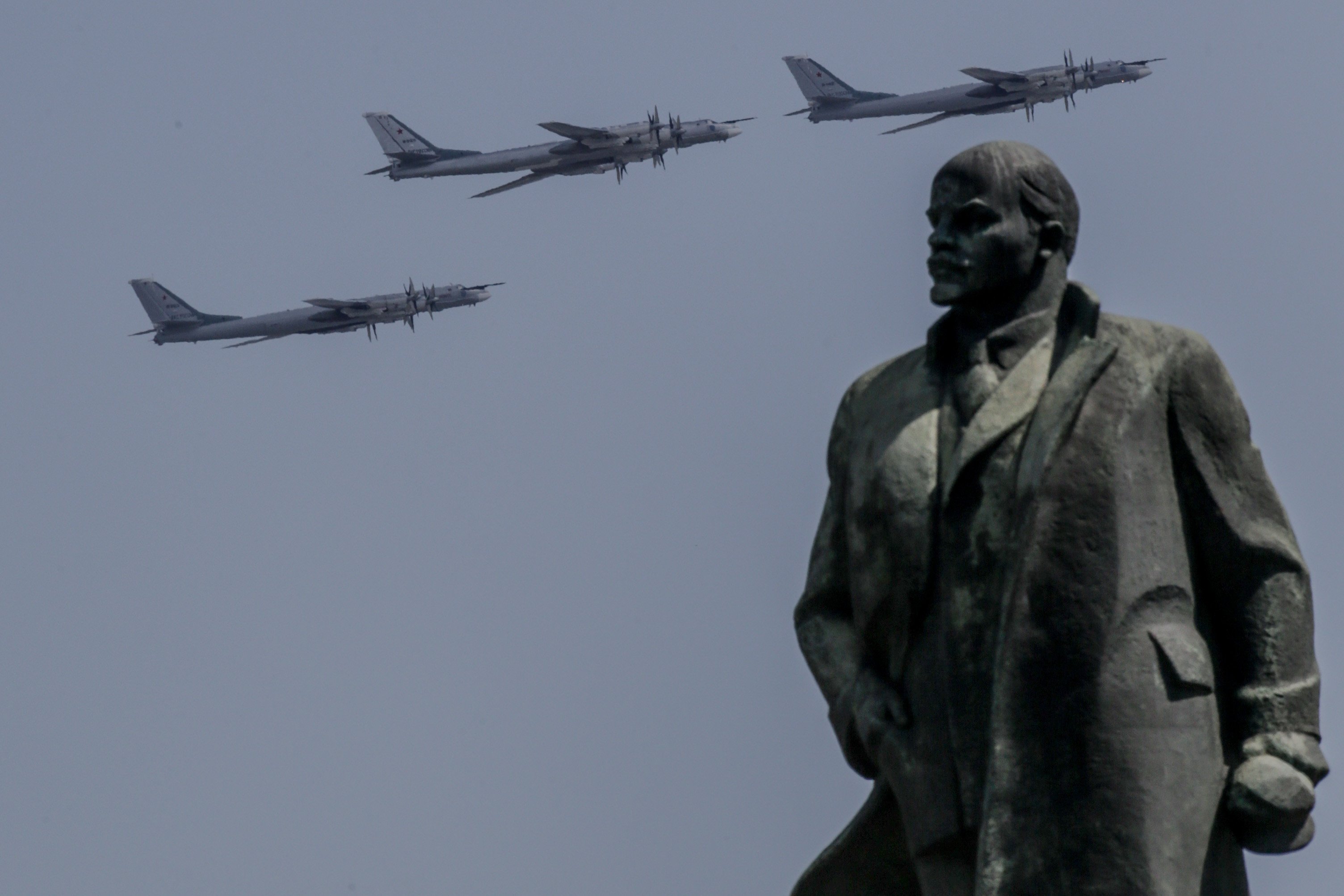
Is Russia’s bomber fleet on the brink of collapse—or is that just wishful thinking? Despite heavy losses, analysts say the Kremlin’s long-range aviation is still in the fight.
Social media reports suggesting that Russia may soon be forced to abandon its strategic bomber fleet, including the Tu-95MS, appear to be overstated and not supported by current intelligence assessments.
According to Defense Express on August 4, claims that Russia could lose its long-range aviation capabilities by 2027—following the June 1 Spiderweb operation—are based on questionable sources and lack empirical backing.
The origin of this narrative appears to be a Telegram post by the “Krymskyi Veter” channel, which cited unnamed Western think tanks. However, there are no verifiable statements from prominent institutions such as CSIS or RUSI supporting these conclusions.
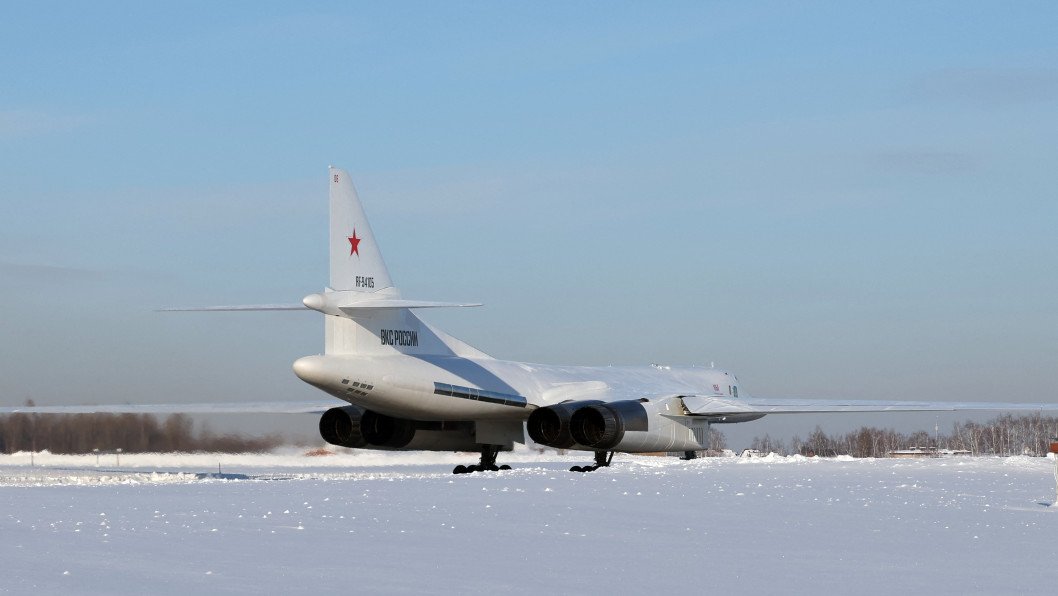
While the Security Service of Ukraine (SBU) officially reported that 40 Russian long-range aircraft were damaged during the Spiderweb operation—approximately 34% of the strategic fleet—not all were Tu-95MS or Tu-22M3 bombers. The figure includes aircraft like the A-50 early warning planes and others.
Western sources offer more conservative estimates. The International Institute for Strategic Studies (IISS) confirmed 14 strategic bombers damaged and listed an additional seven as possibly affected. These numbers challenge claims that only 16 Tu-95MS remain operational.
Despite limitations in resources, Russian strategic aviation has continued operations. Ukraine’s Air Force has reported four confirmed Tu-95MS launches since June 1, 2025—on June 6, 17, 28, and July 20.
All but the first originated from Olenya airbase. Independent monitoring sources reported additional launches on July 9, 11, 12, 21, and 27, some from Engels airbase, suggesting Russia retains the ability to conduct missions from its European bases, not solely from the Far East.
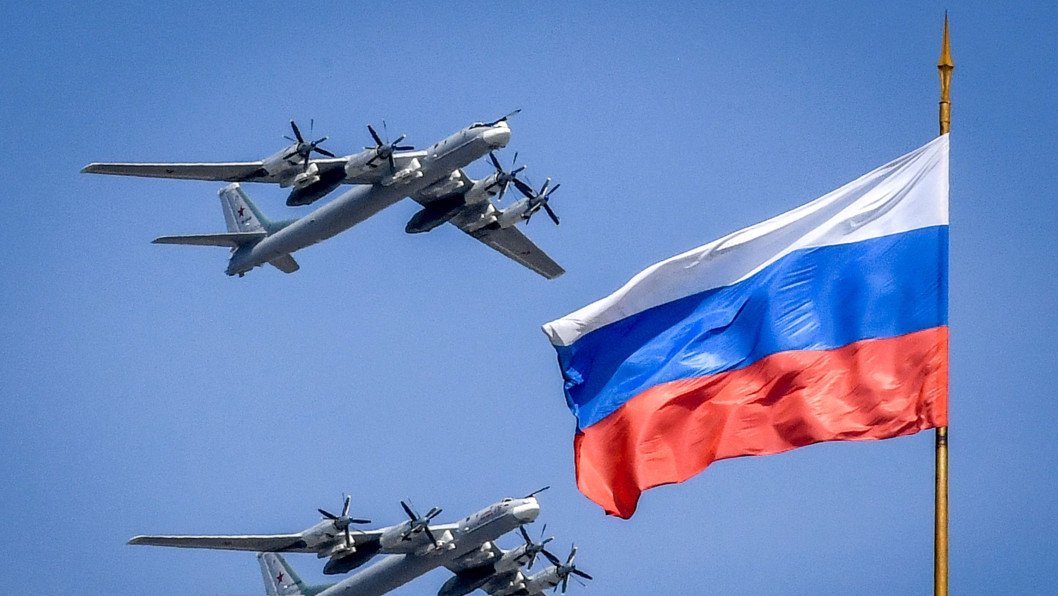
The continued use of Tu-95MS and Tu-22M3 aircraft in recent strikes, including an August 3 attack on Mykolaiv, underscores that the Russian strategic aviation fleet, while under pressure, remains functional.
Though the long-term sustainability of Russia’s bomber fleet is in question, current data does not support the prediction that the Kremlin will abandon strategic aviation within the next 18 months. Instead, analysts urge caution in interpreting fragmentary information and emphasize the need for verified sources when assessing the state of Russia’s military capabilities.
Earlier, Russia began constructing hardened aircraft shelters at key airfields near the Ukrainian border, including Millerovo and Kursk, in response to Ukraine’s drone strikes that damaged several warplanes. The UK Ministry of Defense reported the shelters are reinforced with domes and earth to protect aircraft from aerial attacks.
Discuss this article:


-c439b7bd9030ecf9d5a4287dc361ba31.jpg "Photo of Katherina Popilnichenko")