- Category
- Latest news
Inside Operation Spiderweb: SBU Head Malyuk on Drone Strike That Shook Russian Airbases
 Prefer U24 Media on Google
- Authors

-72b63a4e0c8c475ad81fe3eed3f63729.jpeg "Photo of Cyril Barabaltchouk")
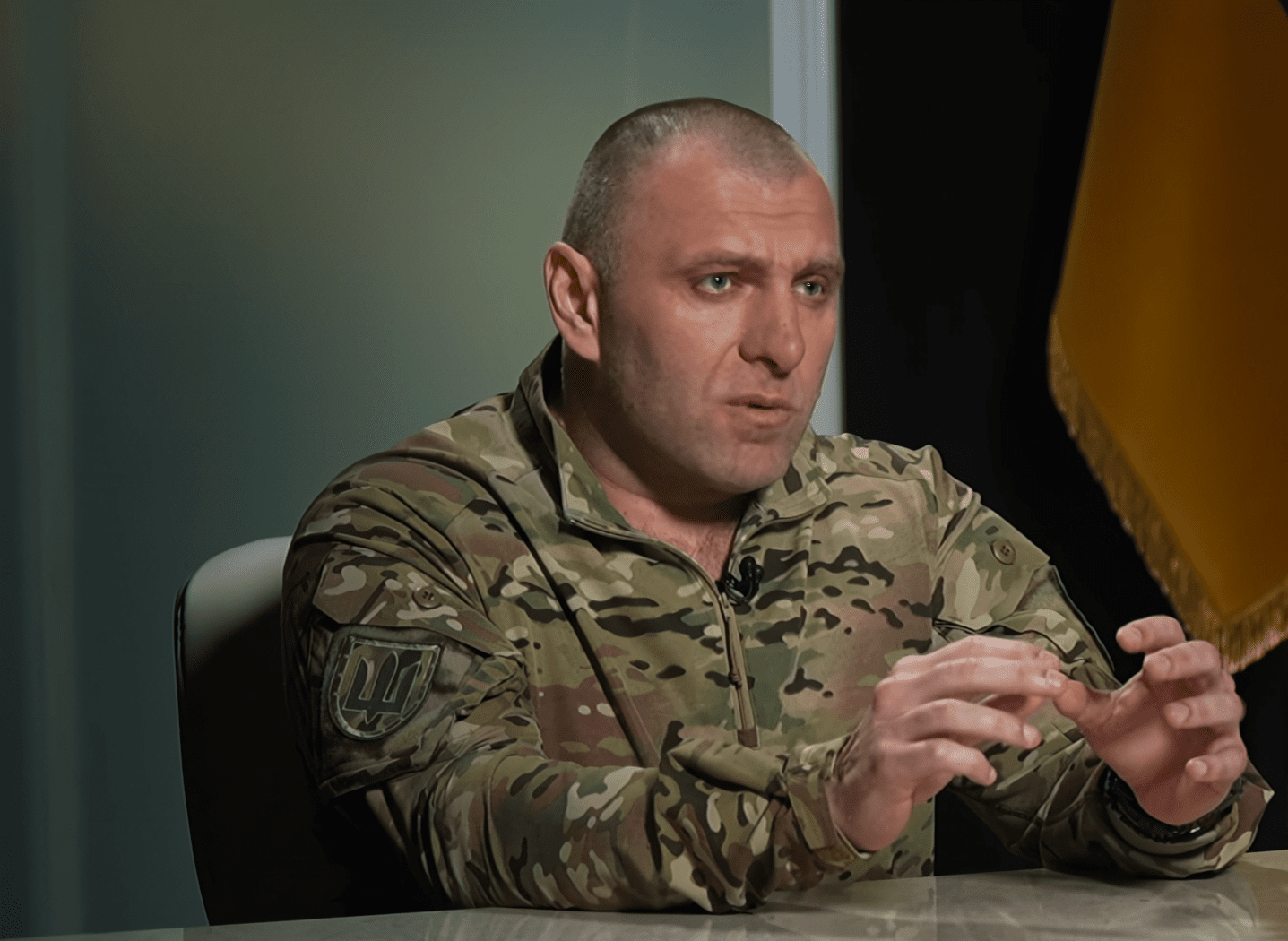
The success of Operation Spiderweb can be credited to a unique combination of intelligence work and technical expertise employed by Ukraine’s Security Service (SBU), according to Vasyl Malyuk, the head of the SBU. In an interview with We-Ukraine channel on August 12, Malyuk highlighted the significance of the operation and its impact.
“‘Spiderweb’ is a unique, multi-stage operation that incorporates a range of critical elements. First, there’s logistics, which includes the delivery of essential equipment into enemy territory, in this case, 150 combat FPV drones. Then there’s the delivery of small houses, which contained supplies delivered to airfields,” Malyuk explained.
“There’s also the intelligence work, communication, and much more. If we look at Spiderweb as a whole, we see a comprehensive approach: intelligence and technical, and our work is most effective when these elements combine,” he continued.
To execute the operation, the SBU set up a cover company in Russia, a logistics firm based in Chelyabinsk. Ukrainian agents rented office space and warehouses close to the local FSB headquarters. They also purchased five trucks, which were used to transport hunting cabins with various goods in them to maintain their cover.
As Malyuk emphasized, the operation was full of challenges, including organizing the transport of sanctioned goods like battery stations into Russia. This, however, played into the SBU’s expertise in tackling transnational crime.
“Each of the hunting cabins we used was fully autonomous. They contained EcoFlow batteries, solar panels, and other equipment that allowed us to continuously charge the drones. The operation had to happen even during the cold months when temperatures sometimes drop below minus 40 degrees Celsius. So, it was essential that the drones stayed fully charged,” SBU leader said.
“But it also posed additional challenges to get these cabins into Russia. We went through ‘seven circles of hell’ to achieve this result,” Malyuk recounted.
Malyuk also discussed the drones used to target Russian aircraft.
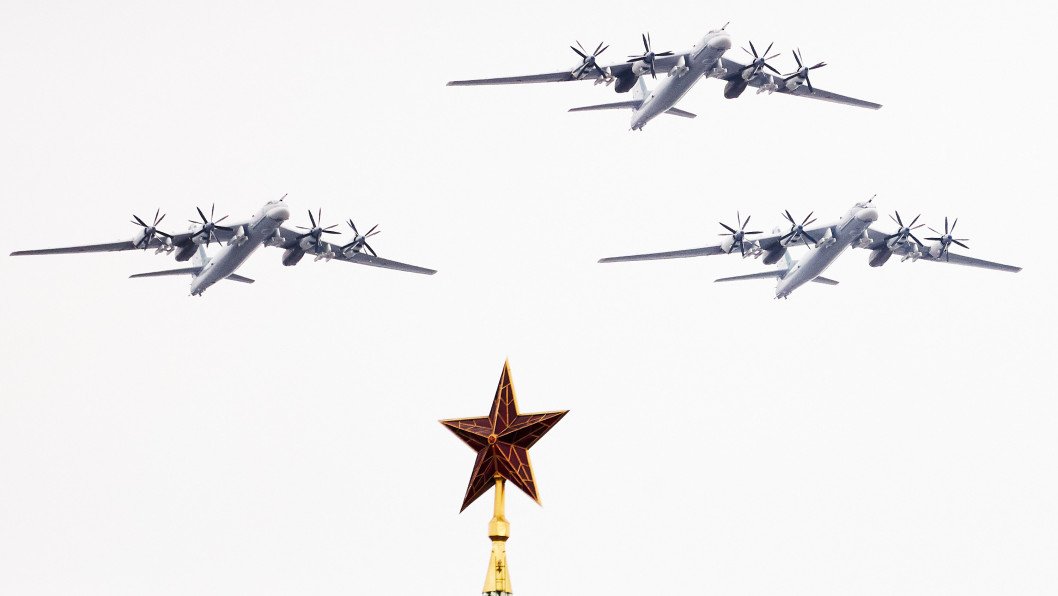
“At first glance, they appear to be regular FPV drones, but they are unique. They have multiple types of communication. The combat component of each drone consisted of two parts, each weighing 800 grams, totaling 1.6 kg of a special mixture that we developed for this operation. It has a cumulative-explosive effect to burn through the aircraft’s body and cause an explosion inside,” he explained.
Another key aspect of the operation was ensuring the safe return of Ukrainian agents from Russia. Once the truck drivers reached the designated airfields, the Ukrainian agents had already left the Russian territory.
“They came to one of the combat control points, and I had the honor of personally thanking them,” said Malyuk.
It was previously reported that international leaders have praised Ukraine’s drone strike targeting multiple Russian strategic airbases, describing the operation Spiderweb as a sophisticated and legitimate act of self-defense. The coordinated strike, led by SBU, inflicted significant damage on key Russian military assets and marked a major escalation in Kyiv’s asymmetric warfare strategy.
Discuss this article:


-c439b7bd9030ecf9d5a4287dc361ba31.jpg "Photo of Katherina Popilnichenko")