- Category
- War in Ukraine
Seven Scenarios for Ukraine’s Future and the Hard Lessons Facing the World
Multiple scenarios outline how Russia’s war in Ukraine could unfold, with none offering easy answers. Each path tests not only Ukraine’s resilience, but the unity, strategy, and resolve of the democratic world.
 Prefer U24 Media on Google
- Authors

-29a1a43aba23f9bb779a1ac8b98d2121.jpeg "Photo of Illia Kabachynskyi")
The global think tank GLOBSEC has released a new analytical report, Seven Security Scenarios on Russian War in Ukraine for 2025 - 2026: Implications and Policy Recommendations to Western Partners, outlining seven potential scenarios for how Russia’s full-scale war against Ukraine could evolve. In its previous report, which covered 2024–2025, analysts identified the continuation of the war as the primary scenario.
The latest analysis is no less pessimistic: the main scenario suggests there is more than a 30% likelihood that the war will continue. With its available resources, Russia is expected to pursue a war of attrition, prolonging the fighting and testing the endurance of Ukraine’s partners. The scenarios listed are:
Hybrid type World War III: Acute regional conflicts and wars across the globe with “blurring” of the war in Ukraine into wars in the Middle East, Asia-Pacific, Balkans, Caucasus, etc.
The Russian war in Ukraine: War of attrition with maintaining the current level of intensity of hostilities; Europe and the US providing the optimal level of military and financial assistance.
The Russian war in Ukraine: War of attrition, with Russia making breakthroughs along the frontline amid the mobilisation of Russian resources and withdrawal of US military support.
The Russian war in Ukraine: War of attrition with lowered intensity of hostilities due to draining out of resources on both sides.
The Russian war in Ukraine: Ceasefire and transition to peace process under conditions unacceptable for Ukraine.
The Russian war in Ukraine: Ceasefire on reasonably acceptable terms for both Ukraine and Russia, with patchy peace process and no sustainable peace.
The Russian war in Ukraine: Ceasefire and transition to peace process which addresses Ukraine’s interests and security.
The world now clearly understands how heavily the war depends on financial resources and has mobilized accordingly. Europe, Japan, Australia, the United States, and Canada are actively contributing to arms purchases and financial aid. However, human resources also matter, and Ukraine has fewer of them than Russia.
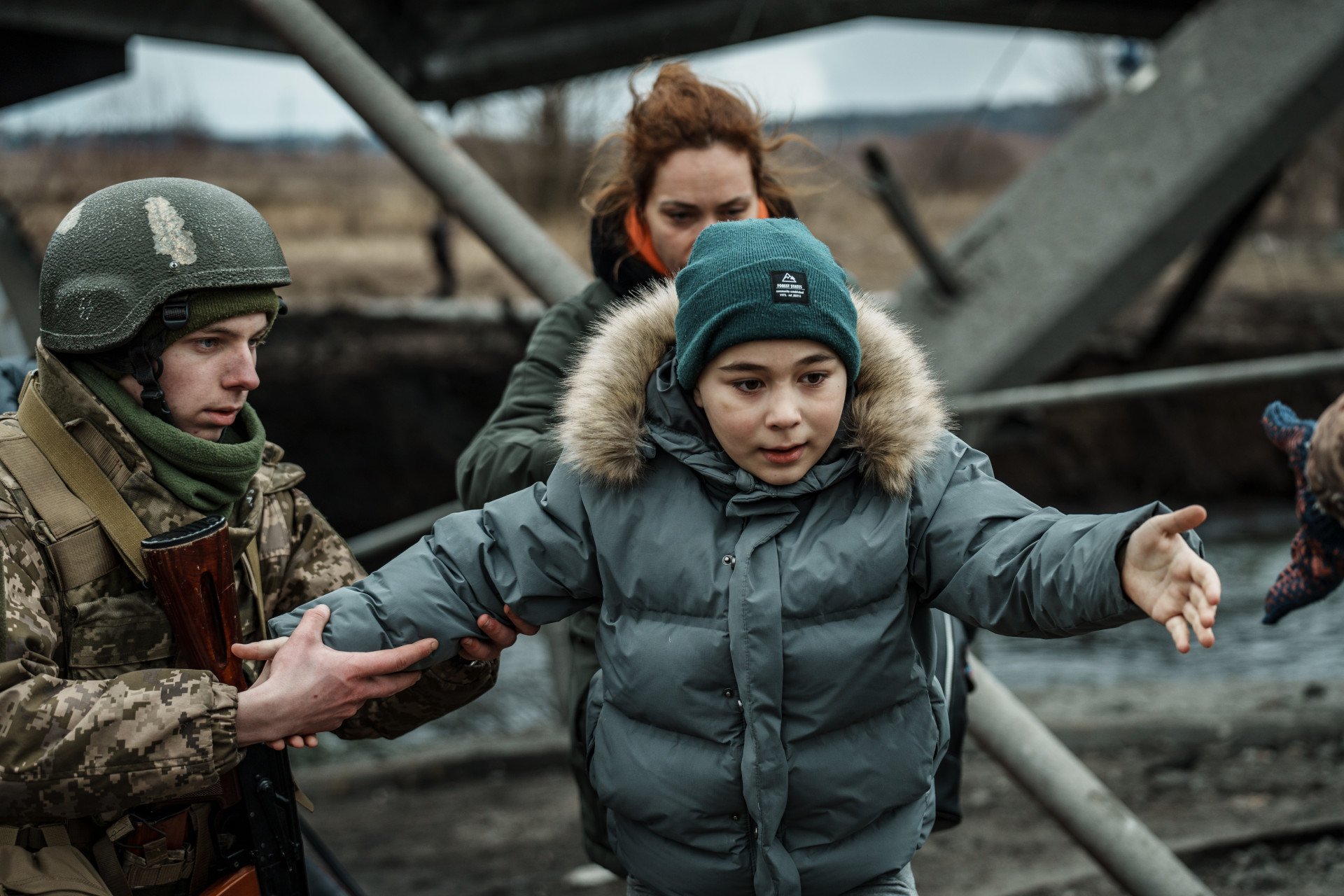
Most of the projected scenarios are difficult for Ukraine. Even the idea of peace presents a challenge for one simple reason: while many speak of a ceasefire, few discuss the actual terms of peace. The report’s authors highlight the need for a clear understanding of what peace would look like, how the two countries would coexist afterward, and what role Europe, the US, and Russia would play. A return to business as usual is not a viable long-term solution.
The report reiterates that Russia’s concrete goal in this war is the destruction of Ukrainian statehood. The key question: can a ceasefire be more than a temporary pause for Russia to regroup, and actually lead to something effective?
-c98d1f1e3d640641bd535d2a6944dee4.jpg)
Across all scenarios, Ukraine is expected to build up its military potential, with a focus on technology. This is now a war of technology, with new rules. While past conflicts since World War II largely centered on raw power, today’s battlefield has shifted.
Drones, robotics, and artificial intelligence are now decisive factors, enabling a nation to hold out longer in war or, in their absence, to lose battlefield superiority even with heavy armored equipment. Ukraine has repeatedly shown that technology can help contain a much larger adversary, even one labeled “the second army in the world.” Continued investment of funds, energy, and human capital into this sector—and the engagement of engineers and developers—is essential. This applies not only to Ukraine.
What about the rest of the world?
Although the report focuses on Russia’s full-scale invasion of Ukraine, every scenario underscores the importance of support from Europe and the democratic world.
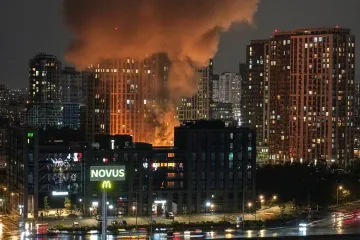
Russia has already brought the war to Europe, albeit without direct military involvement. The hybrid war is well underway: sabotage, espionage, localized interference, intelligence operations, and especially cyberwarfare have become standard Russian tools for meddling in European affairs. The Kremlin is also funding pro-Russian forces that aim to insert themselves into European political life.
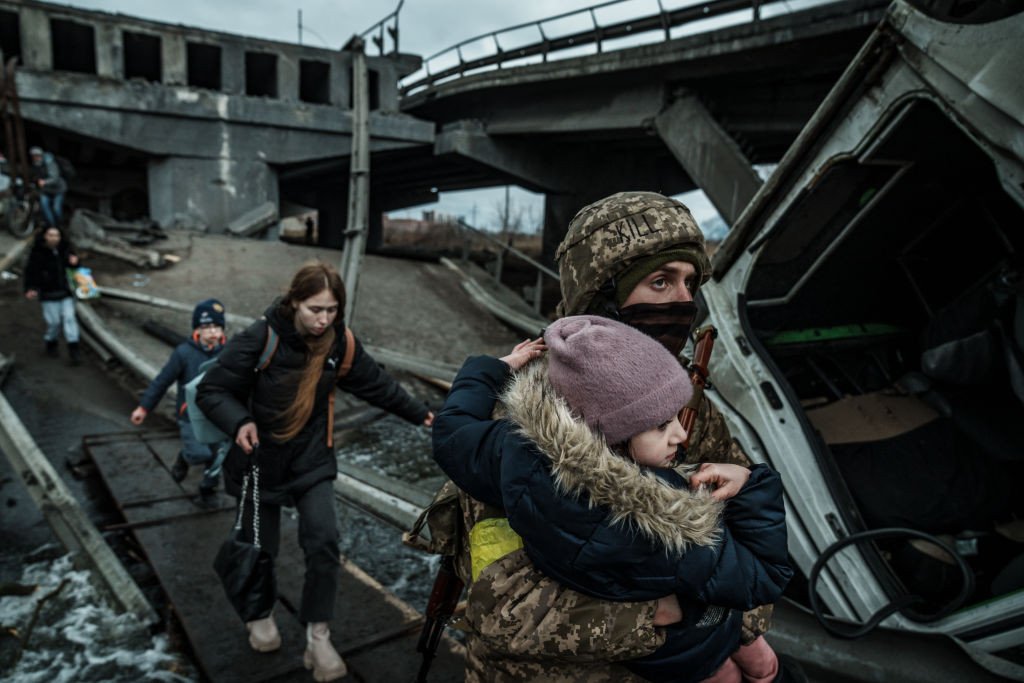
Looking ahead, there’s also the risk of deepening conflict. Should Washington further distance itself from Europe, Moscow would interpret this as a signal that, in the event of a broader escalation on the continent, international support might falter. Europe must, therefore, prepare for hybrid warfare with Russia, ranging from military provocations on EU/NATO borders and migrant influx, to complex attacks on critical infrastructure and terrorist incidents targeting the civilian population.
For the democratic world, unity is paramount—both internally and in its support for Ukraine. Even the smallest rift between the US and Europe gives authoritarian regimes ammunition: if allies can’t agree among themselves, how can they protect anyone else?
Moreover, if Russia is allowed to continue with its audacious arbitrariness in Ukraine and Europe, it will send a clear signal to authoritarian powers: crimes can go unpunished; therefore, it is possible to go ahead with unilateral forceful imposition of selfish geopolitical ambitions at the expense of others, thus undermining the principles of civilized co-existence. This could catalyze conflicts in other parts of the globe. The world is watching Ukraine closely—its outcome and consequences are not just a matter for Russia and Ukraine, but a question of eroding global confidence in the international order.
Discuss this article:

What should Europe and the world learn?
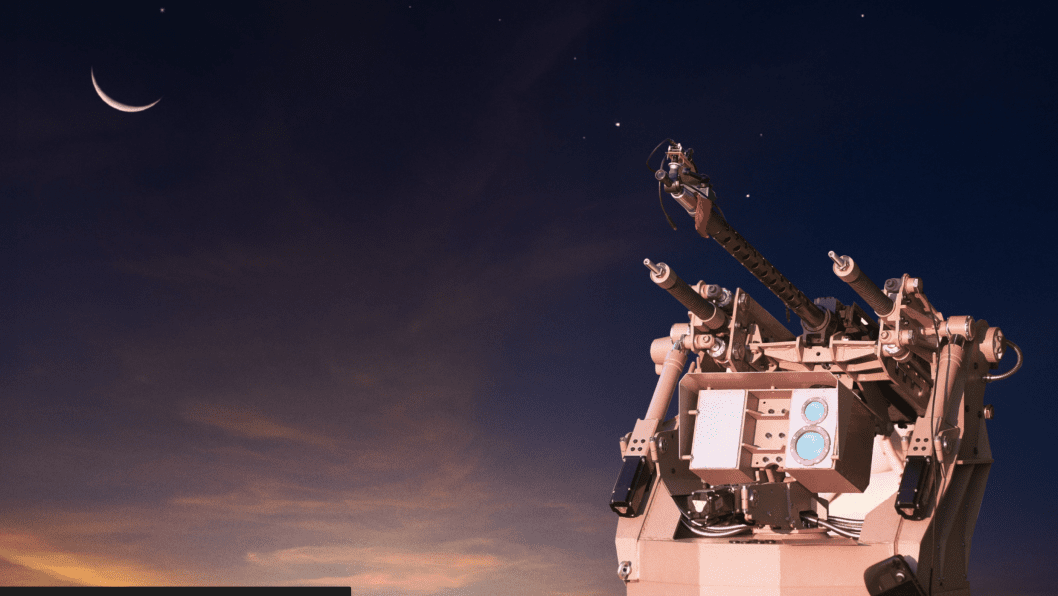
First, as the report stresses: technological superiority. This isn’t just about national defense capabilities or the number of tanks and aircraft. In today’s warfare, a hundred drones can destroy a dozen aircraft in 30 minutes. Long-range drones can demolish ammunition depots.
The current priorities: drones, robotics, artificial intelligence, cyber defense, autonomous communications, electronic warfare systems, and air defense—all of which are already being used extensively on the Ukrainian battlefield. Frontline reports show that armored convoys are rarely deployed anymore. The war is being fought with drones. Ukraine has already seen instances of ground robots capturing Russian soldiers, and sea drones neutralizing Russia’s naval dominance in the Black Sea. This makes investment in defense technology not optional, but imperative.
Second: unity in the vision for the future. Europe must function as a single mechanism, developing a collective defense doctrine and presenting a unified front to ensure its own security. Western support for Ukraine remains essential, even if it still falls short of Ukraine’s actual needs. Scenarios two and three contrast because steady Western aid leads to resilience (2), while reduced support invites Russian gains (3).
A strong Europe is exactly what Russia fears—and what it is determined to prevent. Russia is prepared to play a long game, but it’s also betting that Western democracies have little tolerance for discomfort with sustained wartime pressure. That’s why hybrid warfare remains a key part of Russia’s strategy: to undermine solidarity, weaken commitment to shared values, and fracture both the EU and NATO blocs.
Finally, a sustainable and clearly defined peace framework is critical. Ceasefires alone are not peace. Scenarios 5 and 6 show that a ceasefire, not accompanied by structural guarantees and political will, may be worse than war for the victimized nation.
The post-2014 negotiations, after Russia’s attempted annexation of Crimea and invasion of two Ukrainian regions, demonstrated one thing clearly: a ceasefire does not equal peace. Negotiating with Russia often comes at a high price—it is a state that acts on its own terms. Any new negotiations must avoid repeating past mistakes. Talking merely about a ceasefire is insufficient. The goal must be a durable, clearly articulated peace with concrete guarantees—that’s what the world must work toward.

-c439b7bd9030ecf9d5a4287dc361ba31.jpg "Photo of Katherina Popilnichenko")