- Category
- Opinion
The Future of Europe’s Defense and Security Alliances
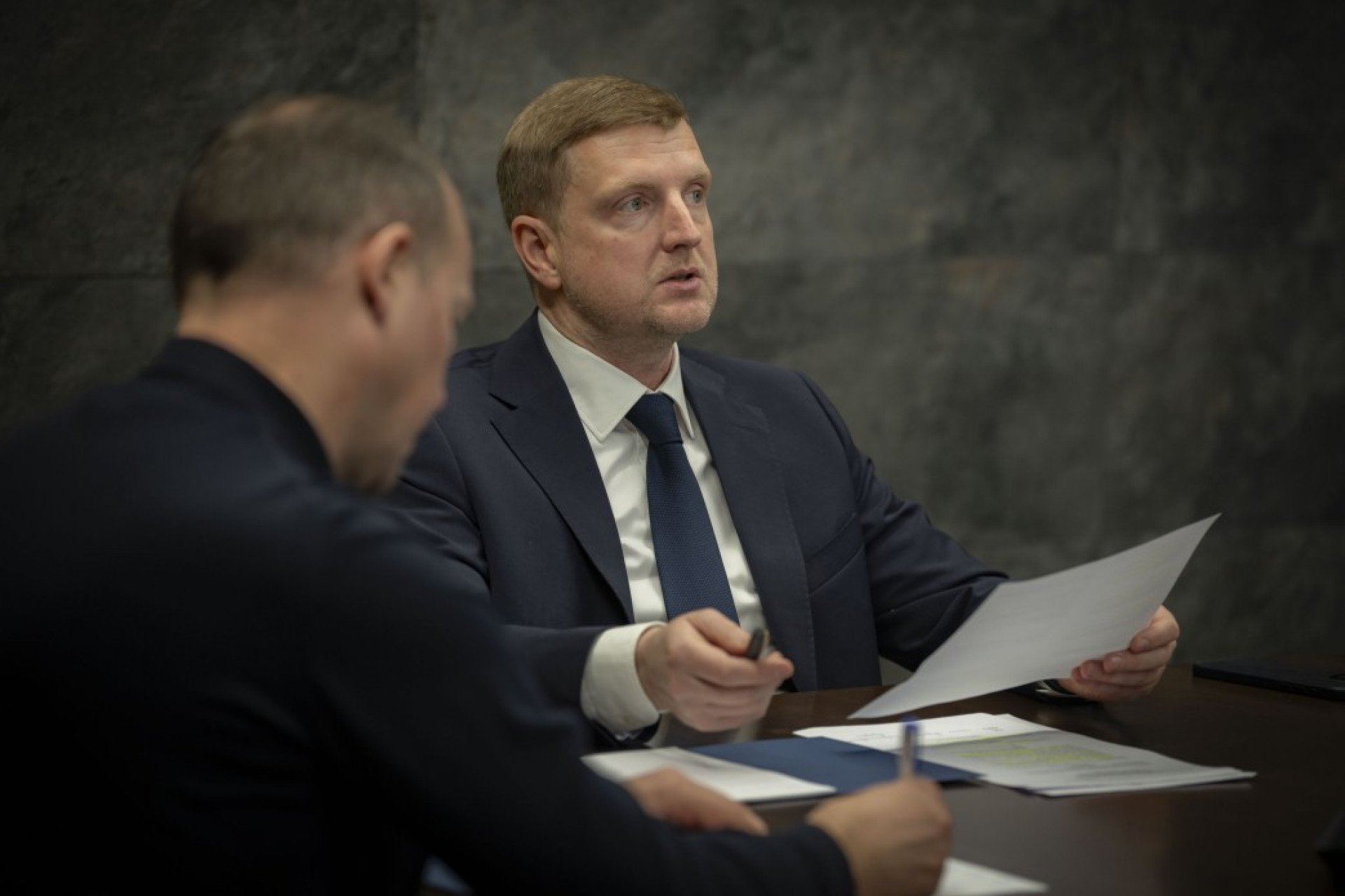
The Russian war against Ukraine upended the world order, depreciated international law, and shifted many people’s views on what forms security should take to contain the spread of destruction and killings across the European continent. The reverberations have rippled globally — most notably in Africa and the Indo-Pacific — due to the allies Russia has acquired to help export the war worldwide.
Putin’s brutality, and the grave threat it poses to basic values of life, has made many stop treating war as a faraway concept.
 Prefer U24 Media on Google
- Authors


Collective security is always better than bilateral pacts on defense especially when it is about someone who is bigger and seems allegedly much stronger even if in hindsight this is not the case. NATO still remains the best security guarantee for its 32 members in both political and military terms. But NATO mechanisms require consensus to make decisions and it requires time – a luxury you can rarely allow when the enemy is at the gate.
Joint Expeditionary Forces
To keep the security momentum and ramp up military operational capability, in 2012 the UK came up with the idea of launching Joint Expeditionary Forces which were institutionalized in 2014 with 10 nations now being the alliance of like-minded partners – the UK, Denmark, Estonia, Latvia, Lithuania, Netherlands, Norway, Finland, Sweden and Iceland.
They have been at full operating capability and interoperability since 2018 and can deploy on 24 hours’ notice. This ‘coming-together’ of allies are bound by common vision to react militarily to the threat rapidly with much flexibility and available resources.
All of them perceive Russia as an imminent danger on their borders and such understanding is far from being theoretical. The Nordic and Baltic states have their own experiences of dealing with Russia in the region either in historic retrospective or in present-day realities. And the scope of their operational reach will have to go beyond the Arctic, Nordic region or the Baltic Sea.
Geography speaks in many ways — and it speaks volumes when the security of your societies is at stake. The Baltic and the Black Sea have always been a trade route for many a century connecting North and South of Europe, creating prosperity for the territories and opening up to a wider world through the Black Sea. Today, this route serves as a joint line of defense against the Russian aggressor — and to adapt the old idiom, it will remain only as strong as its strongest link.
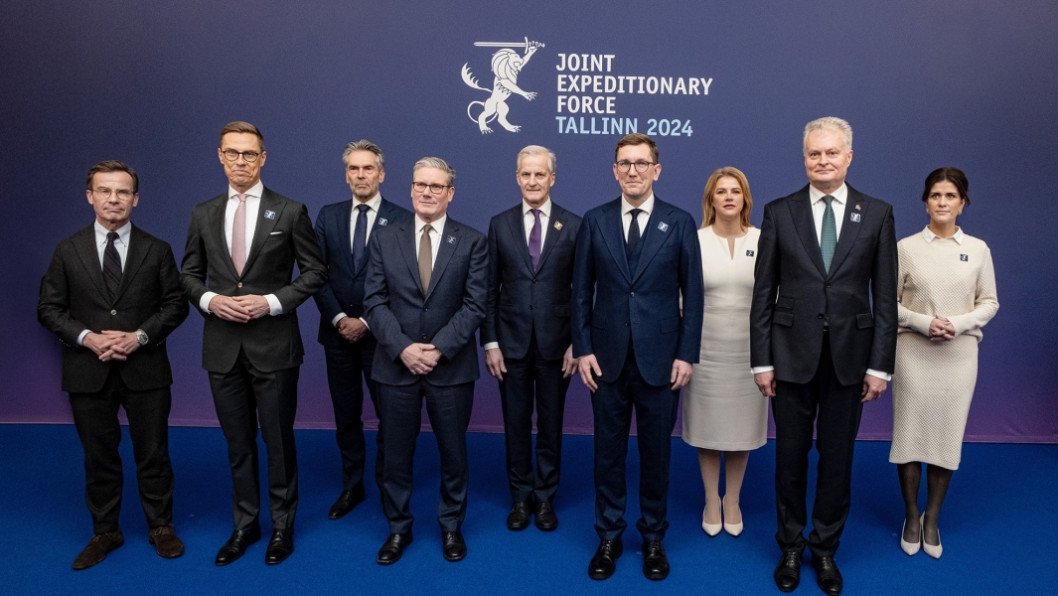
Ukraine has become an indispensable part of the European Security Architecture. We are interconnected and interdependent as regards protection of peace and efforts to prevent the war of aggression from recurring.
JEF members have become one of the biggest contributors to strengthening defense capabilities of Ukraine with no exception among their ranks. They were the first to recognize that this war has thrust technology to the forefront, creating drone-versus-drone kill zones where the competitive edge will go to those with more advanced systems. This is an inflection point — a moment when a new security and defense doctrine is emerging, unfolding daily in real time.
President of Ukraine Volodymyr Zelenskyy first addressed the JEF Summit in 2023 and all JEF members reiterated that Ukraine’s victory was vital to all their security.
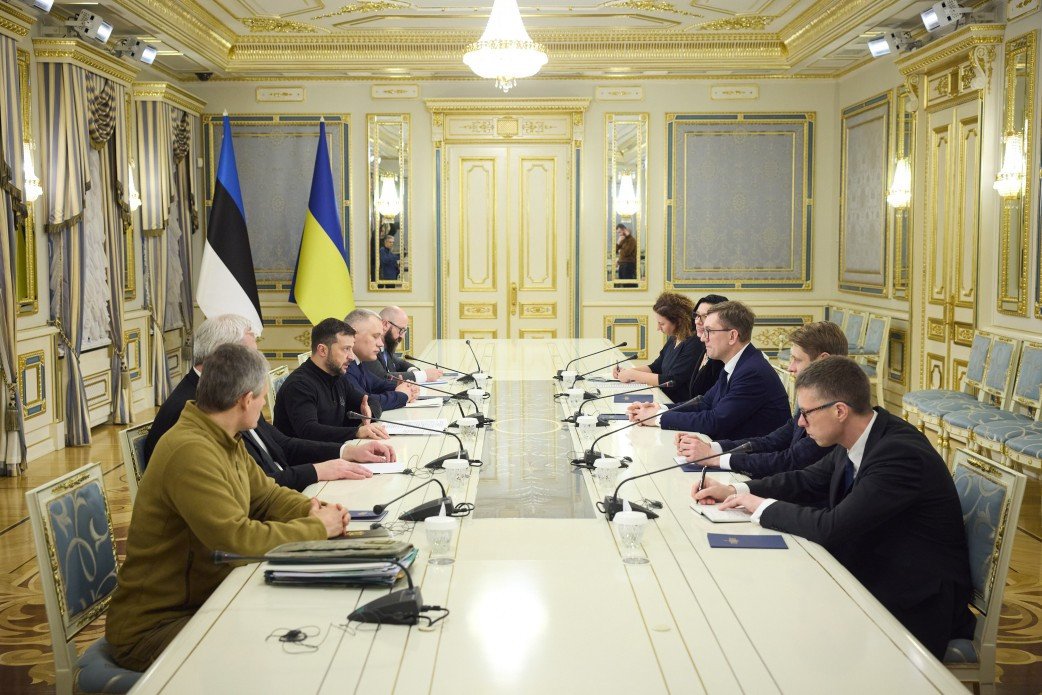
Nowadays JEF members are learning from us the hands-on art of modern warfare, including the use of UAVs on the battlefield, and we are ready to support that. On 9 May 2025, Ukraine was granted the status of an “Enhanced Partnership” in JEF, so we should make the most of it to strengthen the defense capabilities of Ukraine’s Armed Forces and to integrate into the European security architecture.
Ukraine will be instrumental to JEF partners by sharing experience in the protection of CNI from UAVs, military medicine, countering disinformation, cyber and hybrid threats. We can complement each other in the use of AI and strategic communications.
Coalition of the Willing
On March 2, 2025, the Prime Minister of the United Kingdom gathered the leaders of 16 countries of what was to become the Coalition of the Willing.
The concept of the new political format was born out of discussions initiated by President Macron in Paris in November 2024, following many hours of prior talks with President Volodymyr Zelenskyy. It was about how to ensure more security guarantees to Ukraine in case the ceasefire talks with Russia stalled and the US disengagement became more real.
Alongside the political leaders’ track, chiefs of defense staff from the participating countries convened to plan future actions for a potential coalition contingent to be deployed to Ukraine.
The main objective of the new alliance was strengthening security across the European continent in view of the looming Russian war of aggression and backing up the Armed Forces of Ukraine by deploying willing troops in some parts of Ukraine.
The biggest proponents of the deployment were UK and France – the countries whose Armed Forces were ready to support the Ukrainian military. This idea later evolved in the “reassurance forces” after the stable ceasefire would be achieved.
The military commanders of defense staff continued meeting in five military sub-planning groups with land, sea, air, regeneration and reconstruction components being devised.
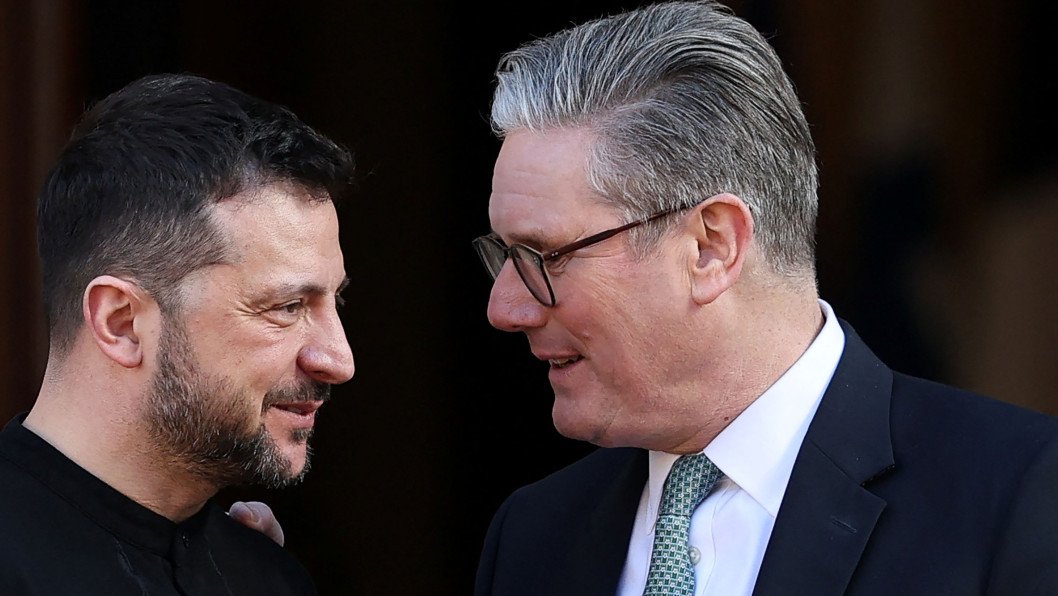
Meanwhile, leaders gathered for summits in Paris (March, 27), Kyiv (May, 10), Rome and London both offline and virtually (July, 10). US Special Envoy on Ukraine Kellogg and senators Graham and Blumental attended the meeting in Rome – the first time the US joined in the Coalition meeting.
The Rome Summit, convened at the initiative of President Zelenskyy, resulted in a joint statement by the leaders of Ukraine, the United Kingdom, and France, reaffirming their determination to further develop restrictive measures against Russia’s energy and financial sectors — including Russian oil and gas exports, the ‘shadow fleet’, and third-country supplies fueling Russia’s war machine. Additional €40 billion in military support was pledged to Ukraine in 2025 to bolster the Security and Defense Forces of Ukraine.
A primary support priority was given to the strengthening of Ukraine’s integrated air-defence capabilities, to detering Russian massive drone attacks, and to increasing financing for the production of drone interceptors. The operational plans to deploy a reassurance force – the ‘Multinational Force Ukraine’ – once hostilities have ceased, were reconfirmed.
In the meantime, in London, Prime Minister Starmer and President Macron announced the establishment of a UK/French led operational headquarters to support planning activity which would be done in London and Paris on a 12-month rotation basis. Coordination HQ is to be set up in Kyiv.
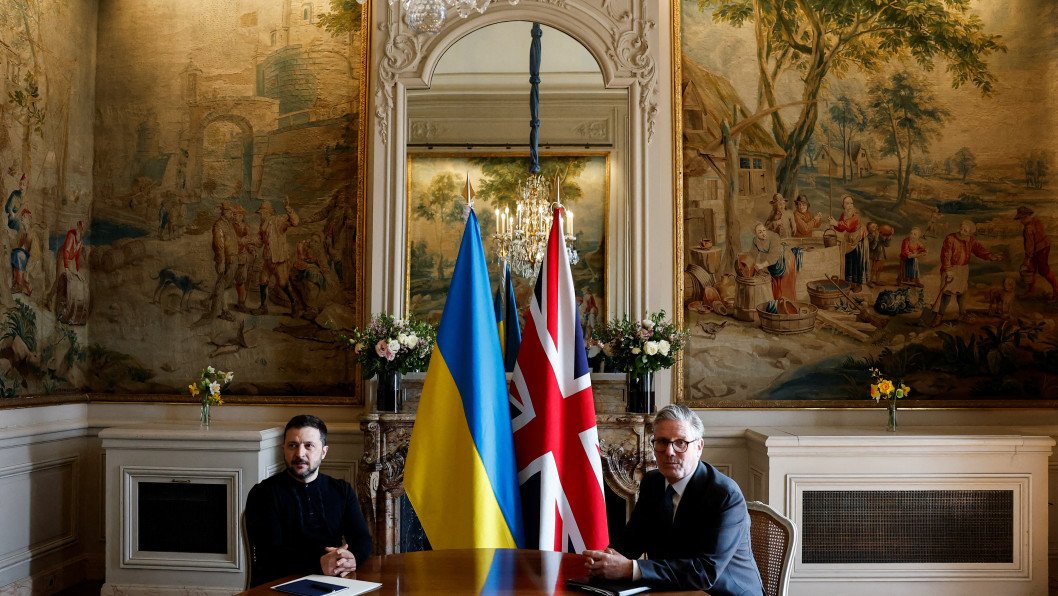
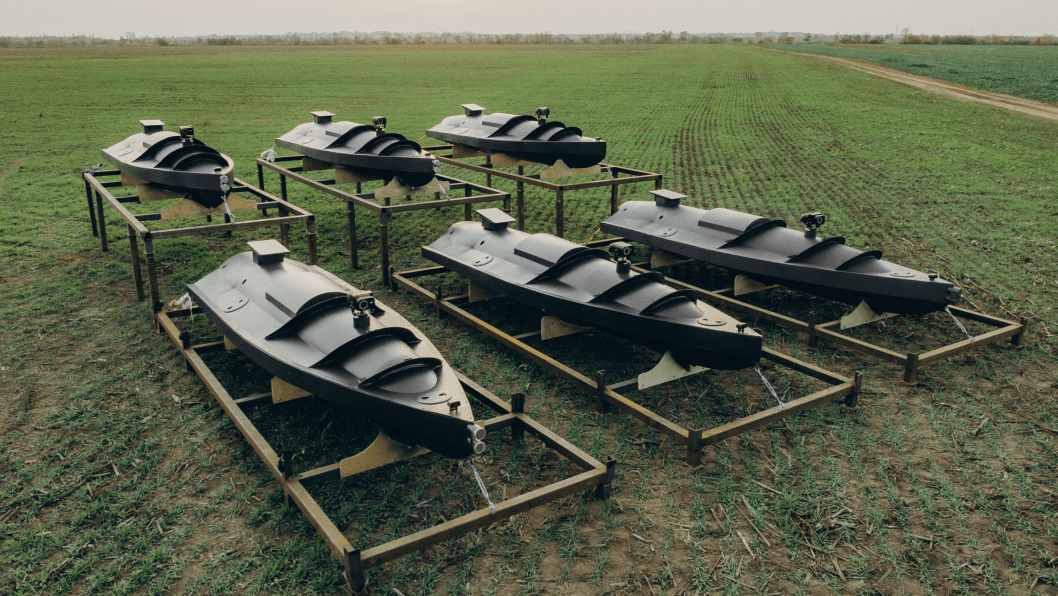
Ensuring free and safe navigation in the Black Sea was also among the key priorities discussed, as part of efforts to strengthen Ukraine’s economy and restore global food security. The leaders also emphasized the importance of demining efforts in the Black Sea.
Fiscal and economic support for Ukraine was no less significant, with a confirmed collective plan to bolster Ukrainian public finances in 2026.
What the Coalition of the Willing can do now is patrol Ukraine’s airspace with their aircraft and assist in intercepting drones and missiles launched by Russia.
It is in Europe’s interest that, while Ukraine develops and scales up its own production of missiles and drone interceptors — and builds its air defense capacity with American support — the Coalition of the Willing plays an instrumental role.
Beyond its military value, the Coalition of the Willing represents a reliable political format grounded in a forward-looking security agenda. European leaders now understand clearly that the economic prosperity of their societies cannot be secured without strong, technologically advanced armed forces.
All eyes in the security and defense community are now on Ukraine. The hard-earned experience of the Russian-Ukrainian war positions the Armed Forces of Ukraine as the cornerstone of any future high-tech European army.
Our ultimate goal remains unchanged: full-fledged NATO membership. Many once feared that Finland’s and Sweden’s accession to the Alliance would make war with Russia inevitable. In reality, it has brought more peace and security.
Ukraine’s membership in NATO is the strongest possible security guarantee — for us, for Europe, and for the entire Euro-Atlantic space. We have proven that Ukraine not only deserves to be a member; it is the Alliance that needs Ukraine. And until that day comes, help us to help you defend yourselves.
Discuss this article:


-206008aed5f329e86c52788e3e423f23.jpg "Photo of Oleksandr Moiseienko")

-f3430f0449615e9897dff835086ac204.jpg "Ukraine Broke With a Soviet-Era Military System and Rebuilt It Around the Soldier")
-e126c16a85d580738cf2d57e760b80a3.jpeg "Photo of Vladyslav Greziev")