- Category
- War in Ukraine
30 Kilometers From Ukraine’s Front, Nets Go Up Before Russian Drones Arrive
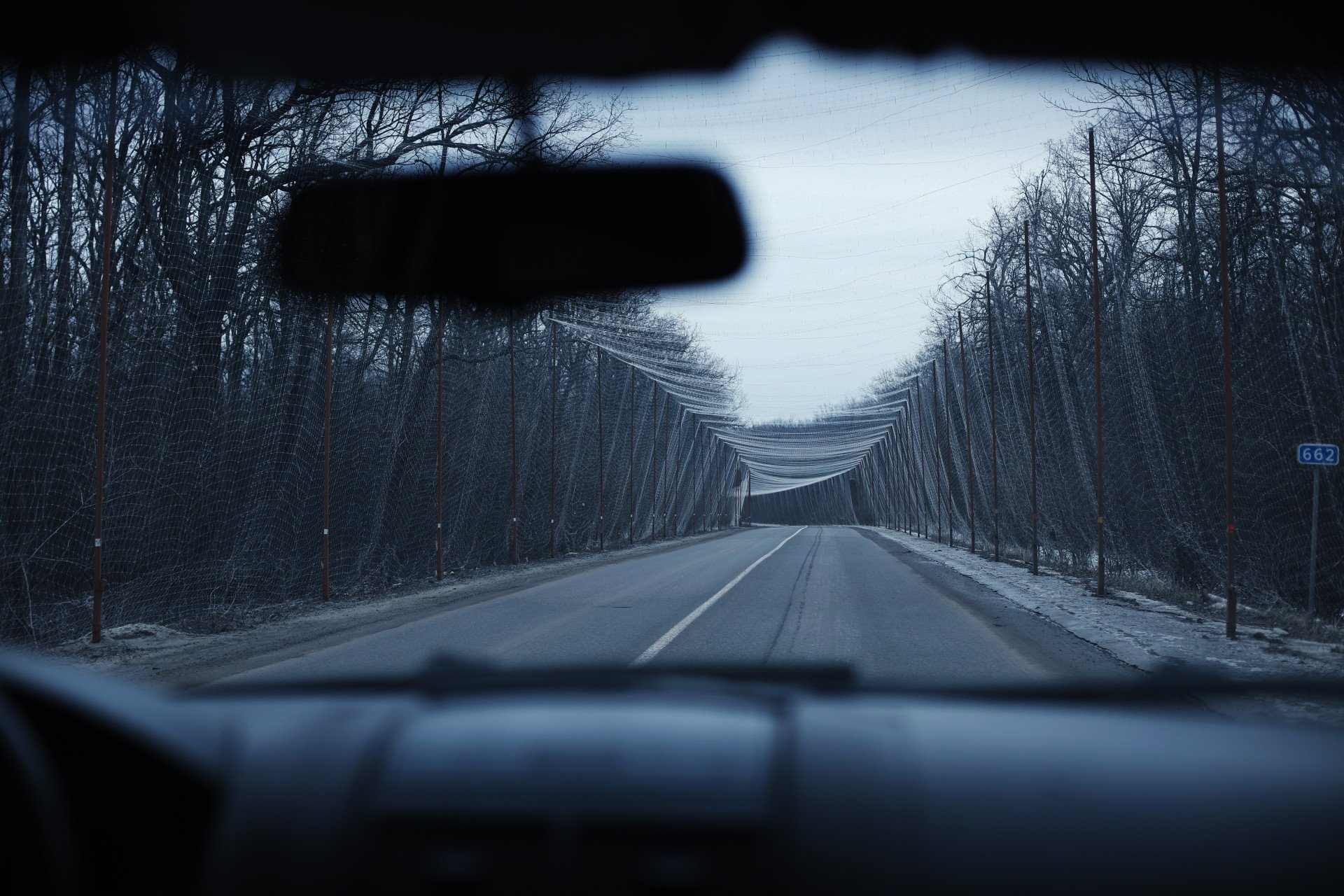
Long strips of white netting now cover nearly every road leading into Izium in Ukraine’s Kharkiv region. Thrown up in anticipation rather than as a reaction, Ukraine is preparing for Russia’s FPV drones, which are reaching deeper into territory once considered relatively safe behind the front.
 Prefer U24 Media on Google
- Authors

-554f0711f15a880af68b2550a739eee4.jpg "Photo of Lucile Brizard")
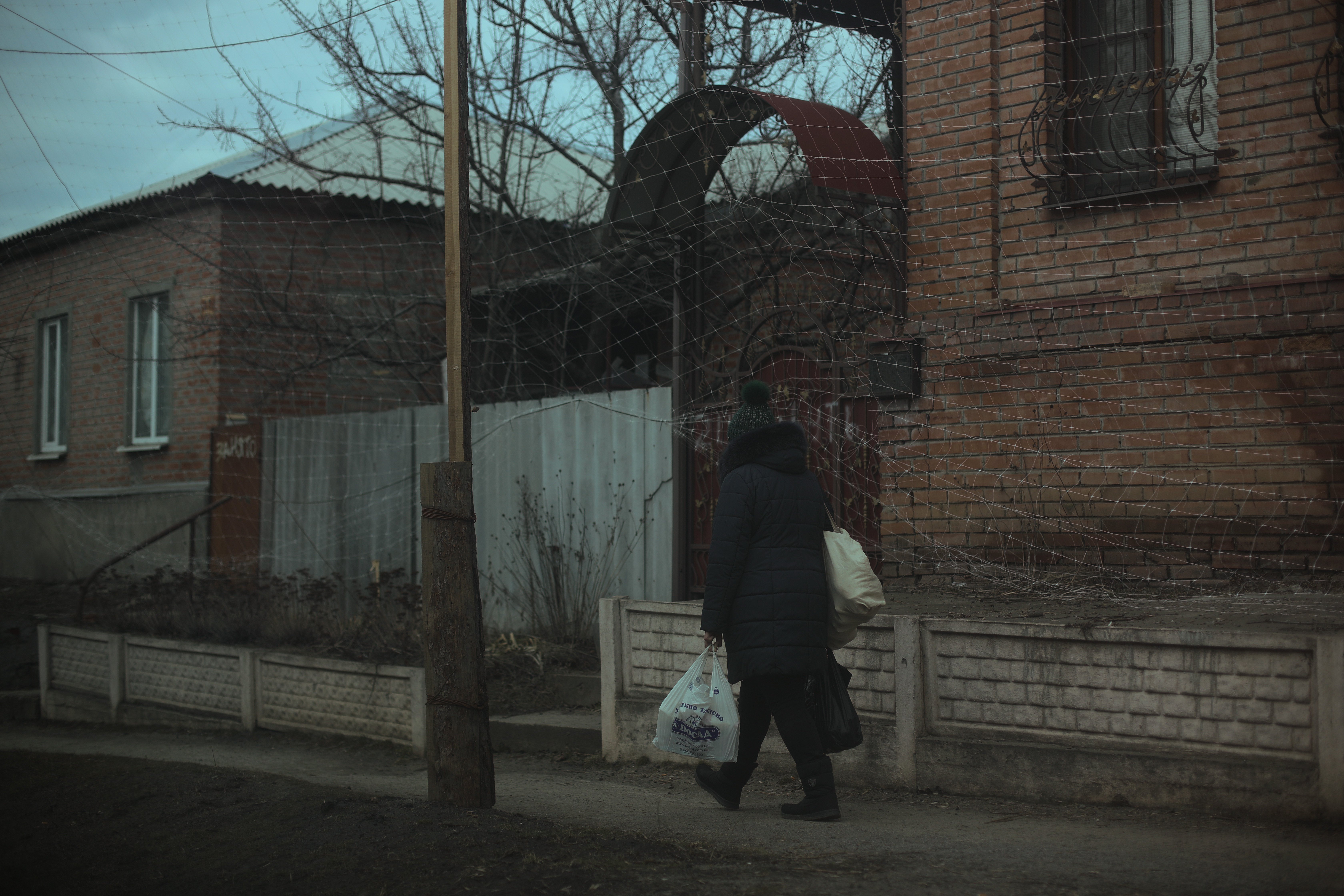
The clearest sign the war has crept closer to Izium, still roughly 30 kilometers from the front, is the white anti-drone netting now draped over roads throughout the city in Ukraine’s Kharkiv region. After passing a roadside sign warning: “Danger: FPV Threat,” the nets began and did not stop. They stretched over roads and down their sides, fixed to wooden poles, a low-tech answer to one of the war’s most adaptable weapons: FPVs.
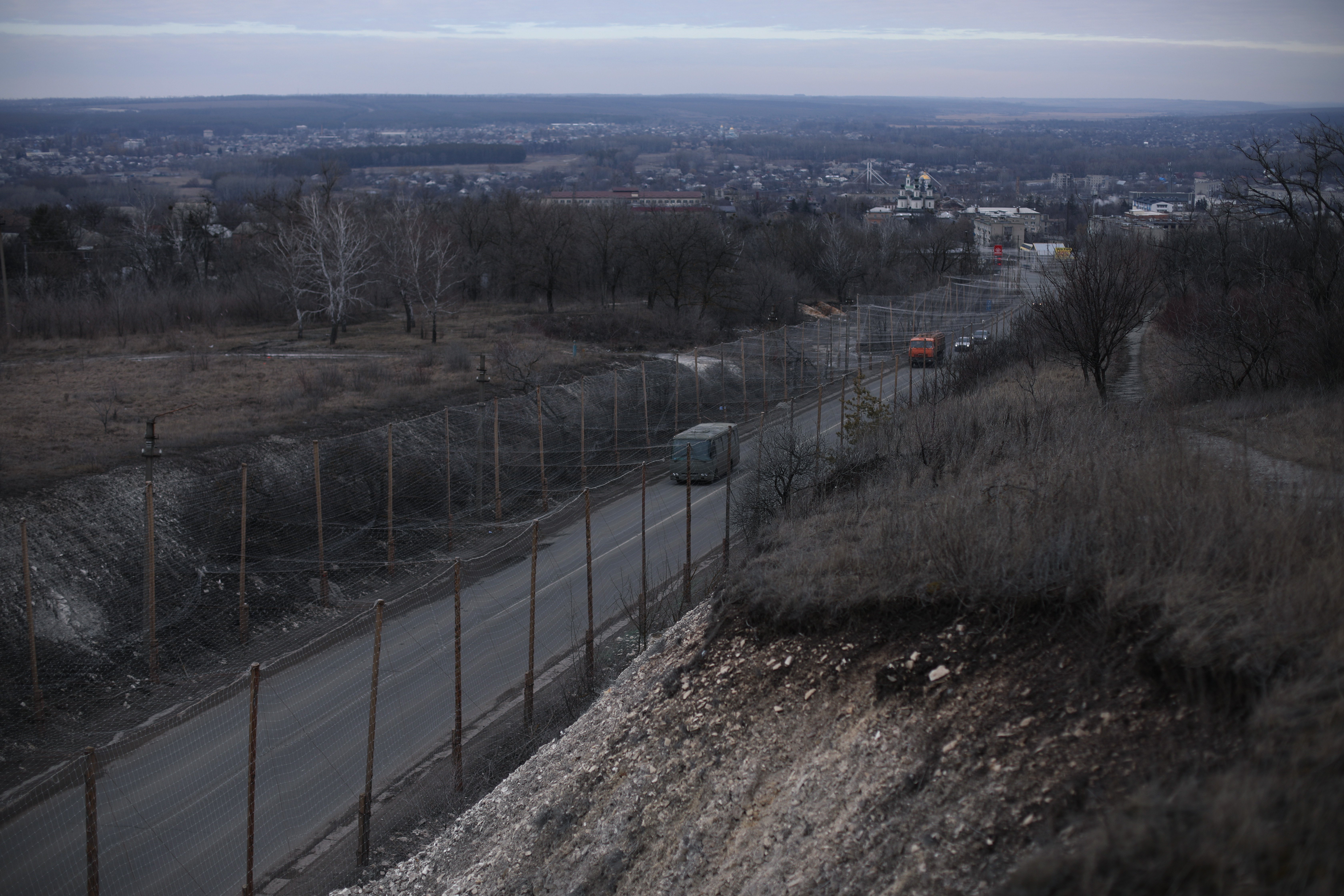
The front line has morphed into a kill zone. With Russian FPV and fiber-optic drones, you can now be killed 30 kilometers from the fighting, far beyond what used to be considered the rear.
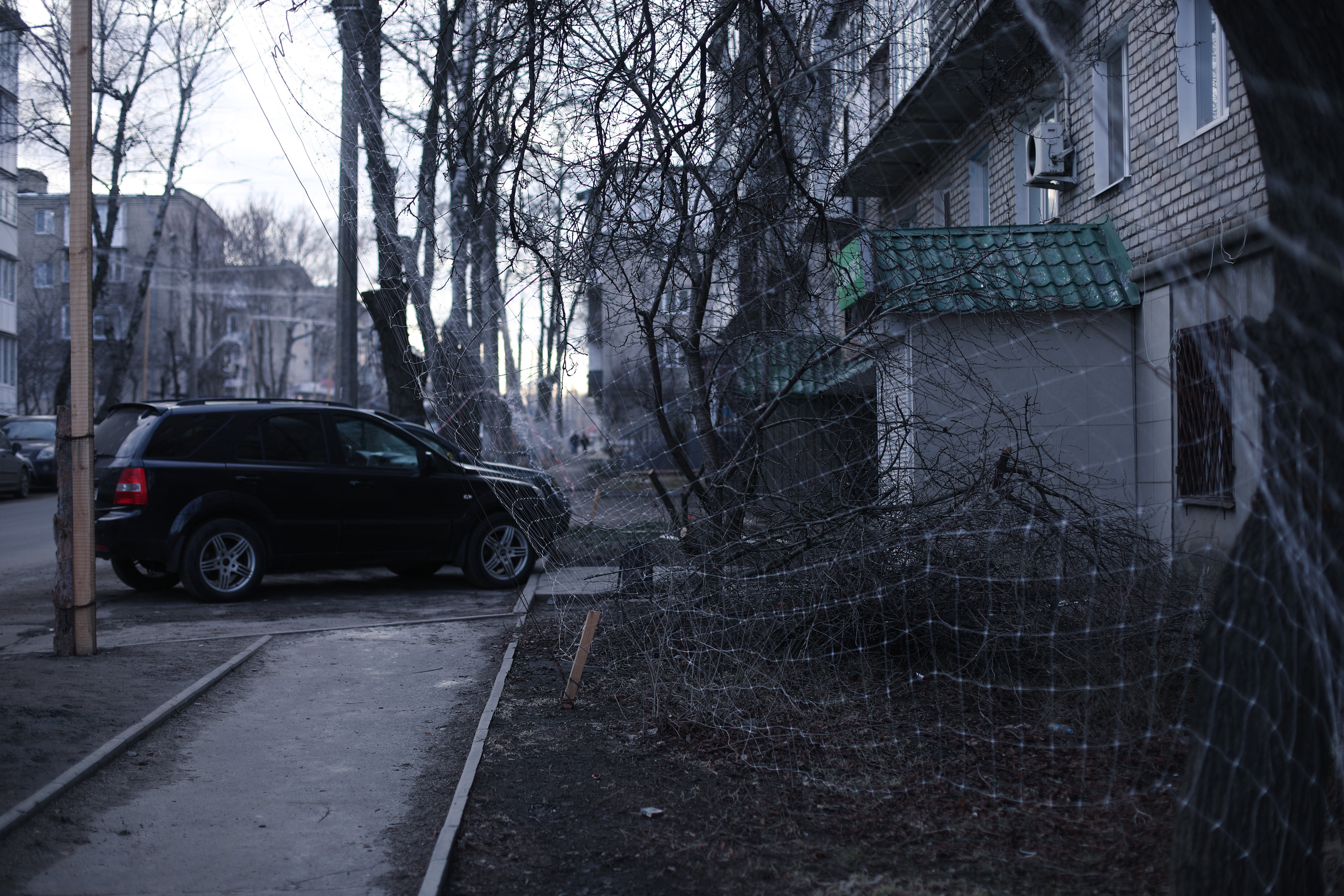
In response, Ukraine plans to install 4,000 kilometers of anti-drone nets by the end of 2026, as army engineers race to shield roads, logistics routes, and cities. In Izium, they now cover main roads, side streets, supermarkets, and coffee shops.
After six months under Russian occupation in 2022, Izium recorded 449 dead in a mass grave outside the city, including children. Today, the nets overhead feel less like protection than a warning that Russia is closing in again.
The Kherson region, for example, knows all too well what Russian FPV drones can do to civilians. There, Russian troops have turned parts of the area into what residents describe as a “human safari,” using explosive-laden drones to hunt civilians moving through the city. Attacks can reportedly reach hundreds per day, with drones flying in groups where they “track, hunt, and terrorize people,” residents say. Sometimes, nets are the last thing standing between civilians and death.
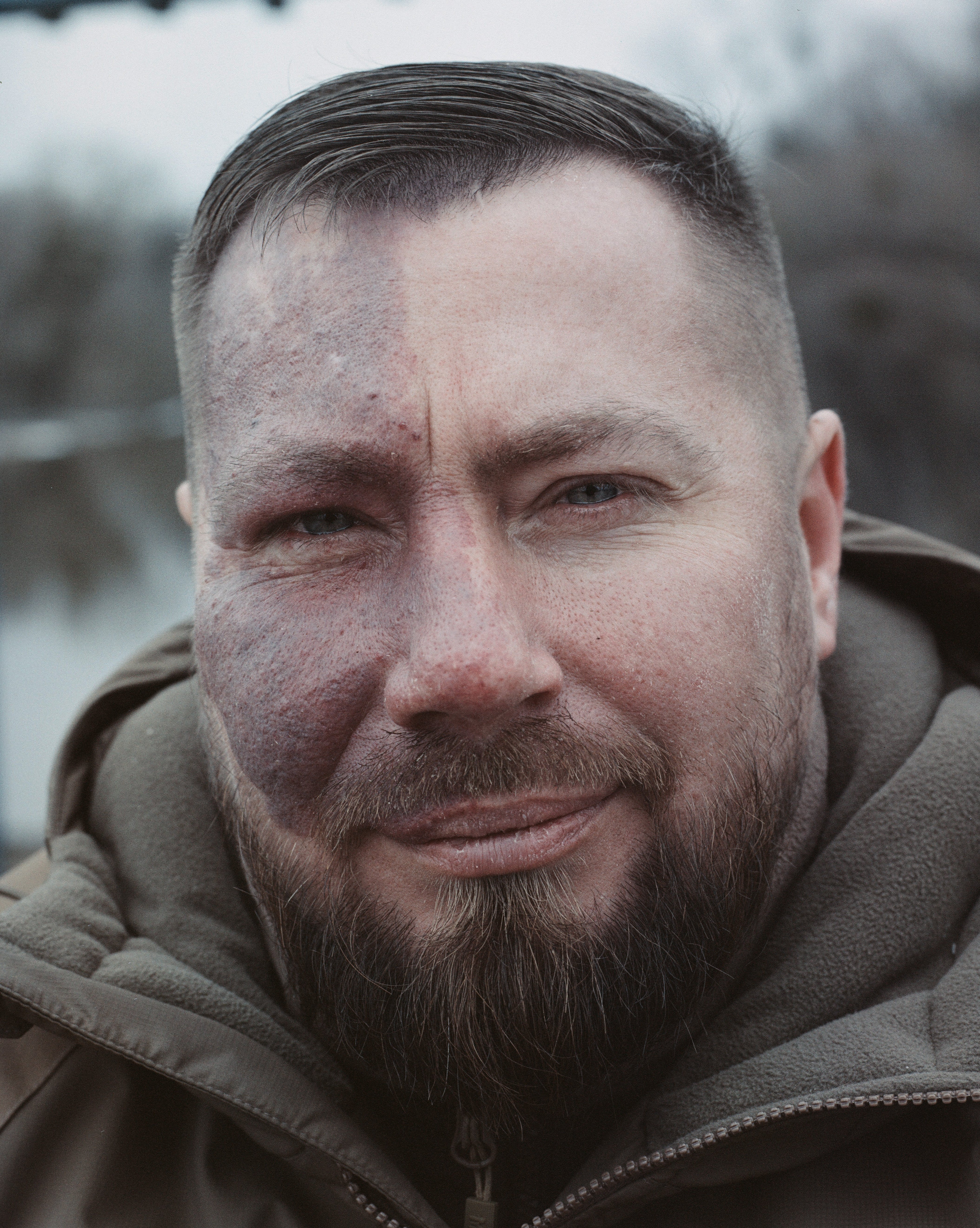
“There is a threat. And that threat keeps growing," says Trener, battalion commander of the 96th Separate Support Battalion, Third Army Corps. With his hands in his pockets, Trener is a broad man with a birthmark across the right side of his face, a detail that adds to his natural authority.
The need emerged when drones began reaching the Izium-Sloviansk highway. “In Izium, we started working even before enemy drones began flying there,” he says. “The danger is not yet extremely acute, but we are working ahead of time, so we don’t have to catch up later.”
At first, netting covered only small sections of road or specific military sites. “Large-scale installation of nets probably really started in 2025,” Trener says. Now, each trip is accompanied by a drone detector. “Every time I go out, we detect FPVs,” he says.
Standing on a bridge over the Siverskyi Donets River, Anton, an engineer in the same battalion, threads the netting together with zip ties. With the water below and the quiet repetition of his hands, he could almost be mistaken for a fisherman. Before his injuries, he fought as a volunteer. Now, deemed fit for limited duty, he installs the nets that others drive under.
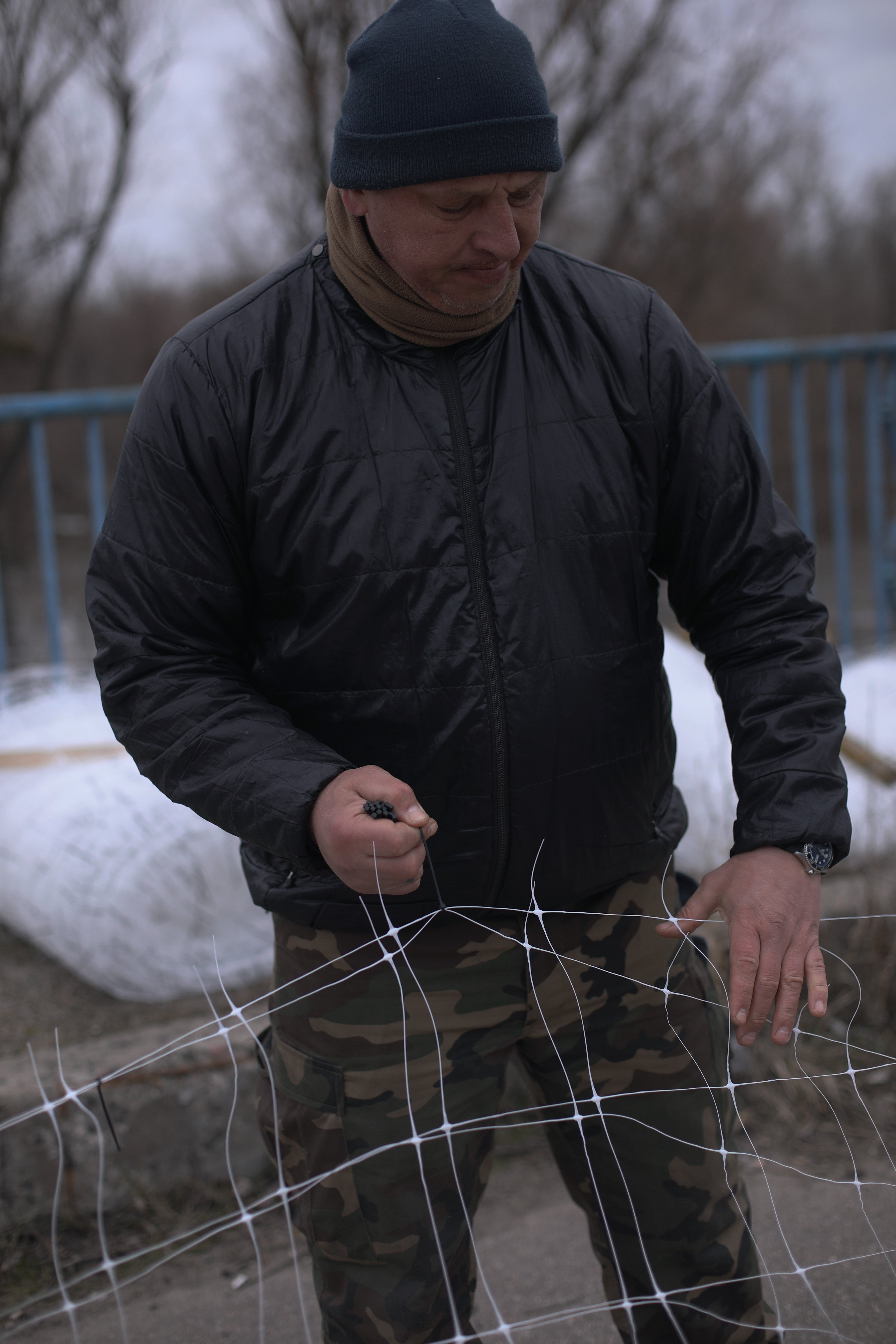
“So that FPV drones don’t hit cars,” he says, when asked why the nets matter. “Look how much movement there is here. This is their target,” he says, gesturing to the highway below.
Asked whether installing nets here feels like a bad sign, he shrugs it off. “In war, I already stopped believing in signs,” he says. “I think this is appropriate and correct.” When pressed on whether it means the Russians are getting closer, he answers simply: “Better to do it in advance, then we feel calmer.”
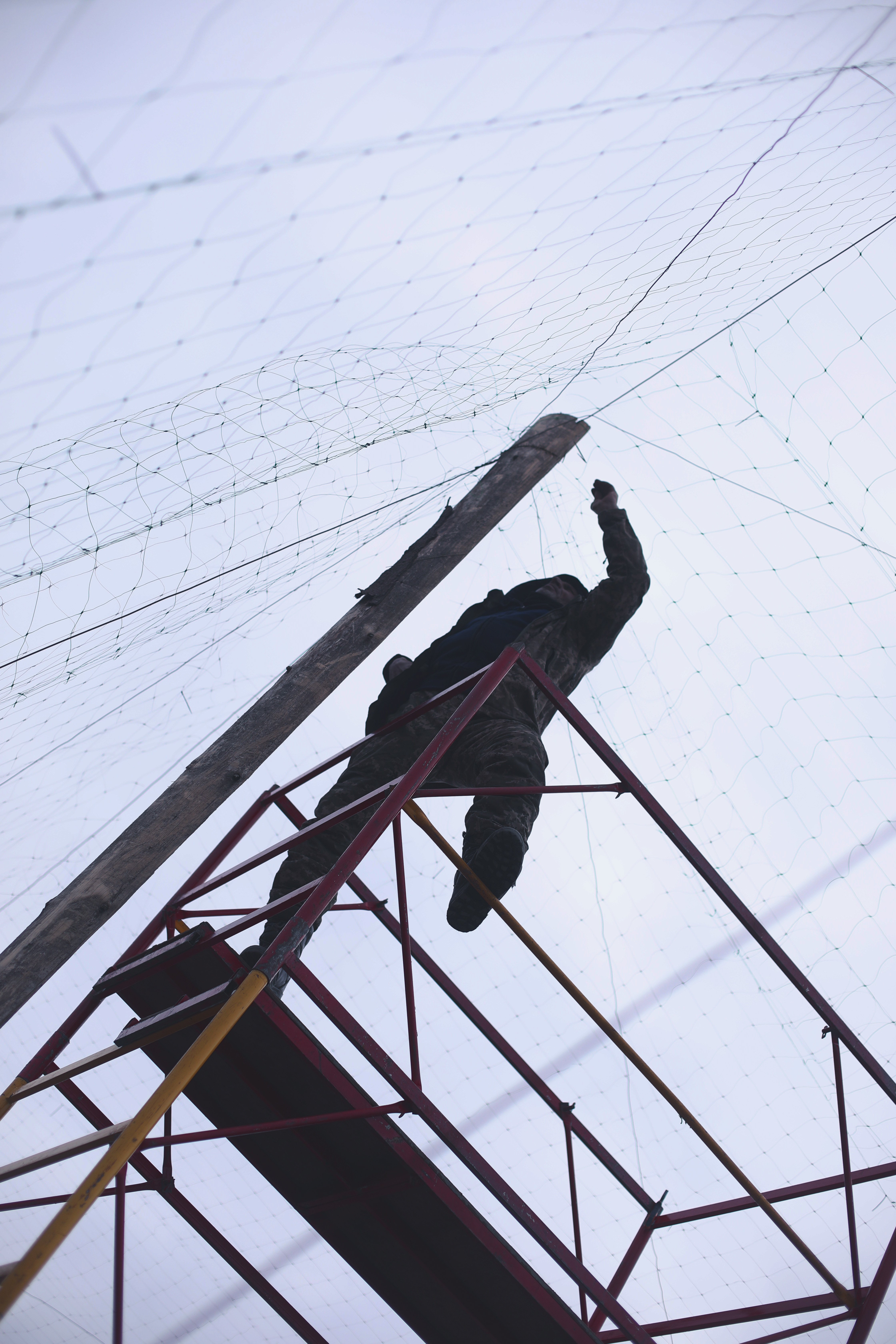
They only started working with nets recently, said another engineer, who prefers not to be named. Many of the men now carrying out this work do so after sustaining injuries, moving from direct combat to engineering tasks farther back in the rear.
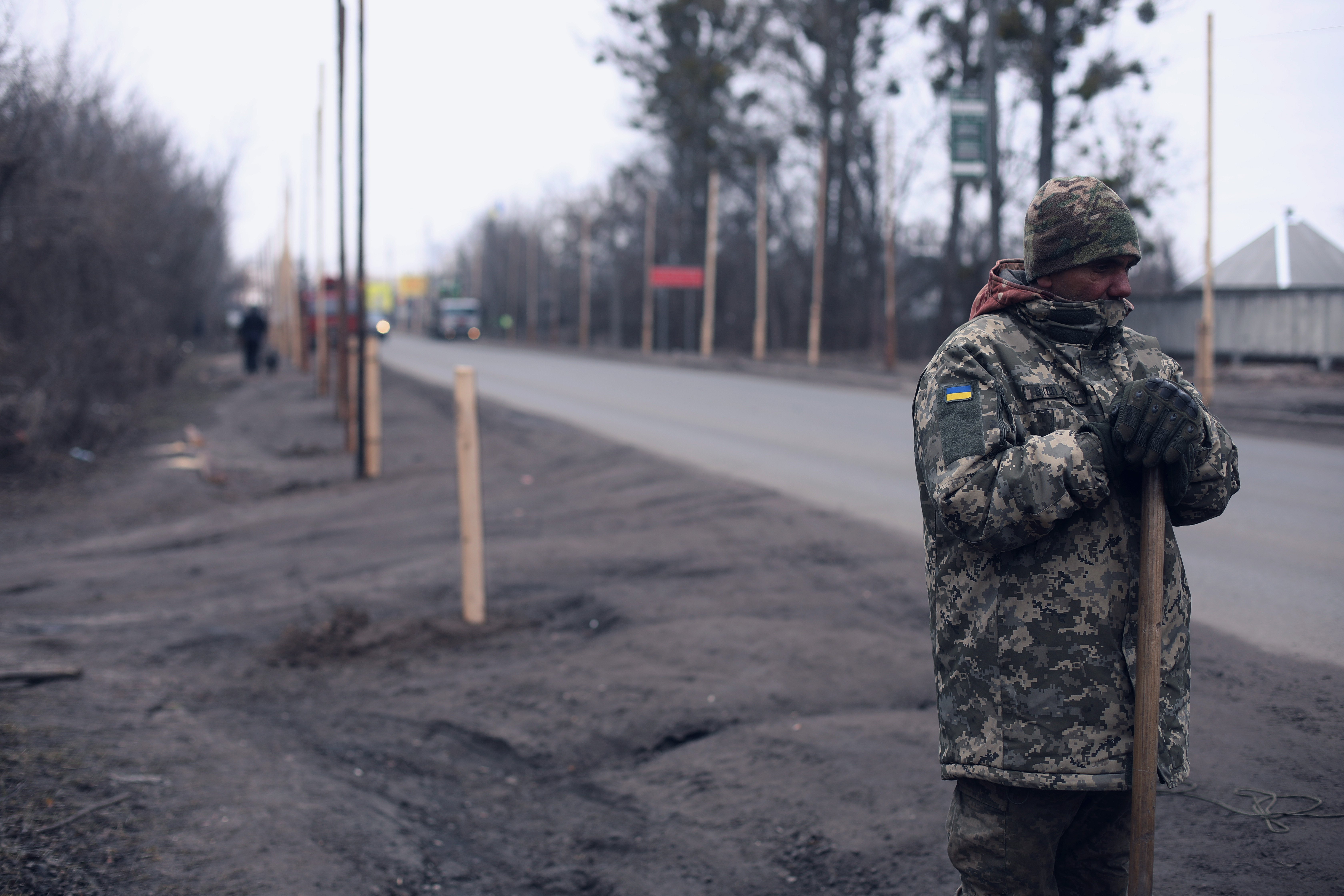
Trener is blunt about the labor involved. “Many think that service in the Armed Forces of Ukraine means only work on the front line. That’s not true,” he says. “There are also many tasks in the rear that someone has to do.”
Residents, too, read the nets in different ways. Olena, who lost her apartment after a Russian guided bomb hit her building, says that even if the nets are imperfect, “if someone’s life is saved, that’s already good.” Another resident, Liliia, who has lived in Izium all her life and stayed through the Russian occupation, says they simply “do what they need to do.” Yet even she concedes that maybe “something even bigger will happen.”
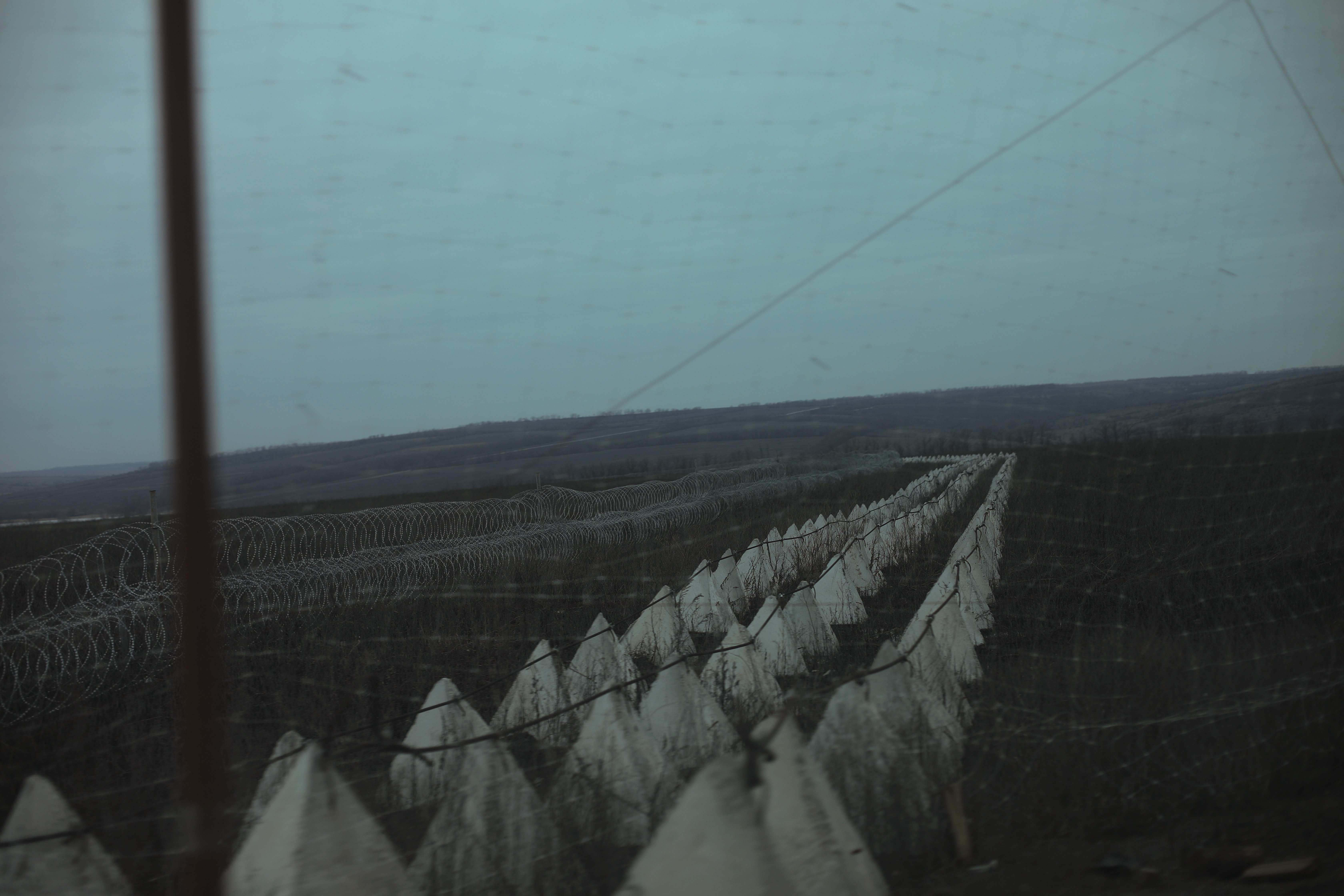
That is the contradiction now hanging over Izium. People continue living, shopping, working, and waiting. The city is not being emptied. The shops are open. Cars still move under the white canopies. But the nets say something many here seem reluctant to say aloud. The front is moving. And in Izium, the roads now say what few are ready to admit.
Discuss this article:
-4a56a6b482ec132402c16ef6fcabf9a2.png)

-c439b7bd9030ecf9d5a4287dc361ba31.jpg "Photo of Katherina Popilnichenko")
-113f4f5be3c4077a325f1385448e5e5e.jpg "Memorial in Chertkovo, Rostov region, listing Yakov Maiboroda, who left prison to join Russia’s war against Ukraine. (Source: Social media)")
-72b63a4e0c8c475ad81fe3eed3f63729.jpeg "Photo of Cyril Barabaltchouk")