- Category
- War in Ukraine
“Human Safari”: Russian Drone Pilots Intentionally Hunt Civilians on Ukraine’s Streets
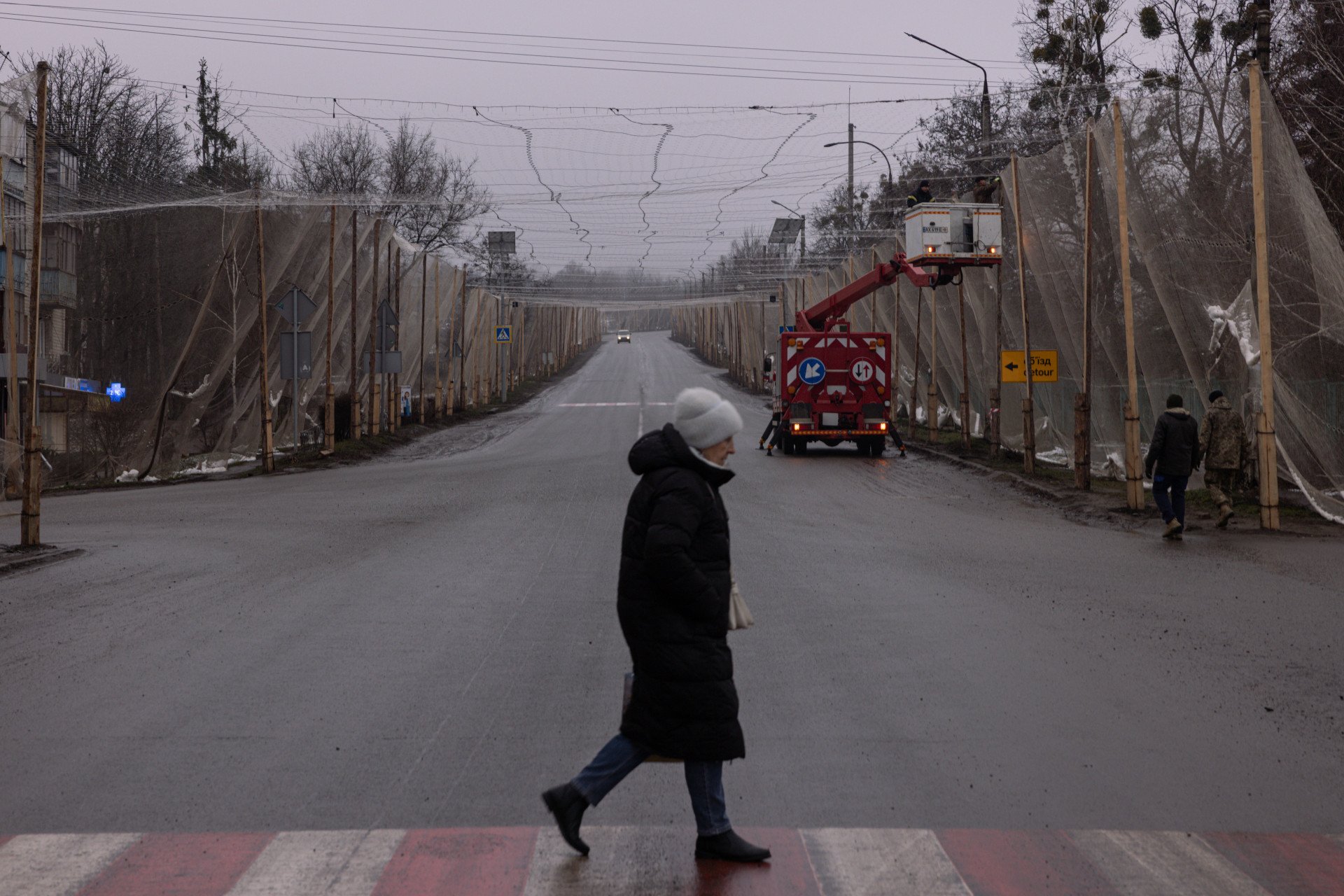
The term “Human Safari” sounds like a premise from a dystopian fictional novel, but for those living along the Dnipro River, it isn’t the case. It’s the name Ukrainian locals and journalists have given to Russia’s campaign of drone terror, where FPV drones are deployed not for military objectives but to hunt down civilians.
 Prefer U24 Media on Google
- Authors

-f88628fa403b11af0b72ec7b062ce954.jpeg "Photo of Amira Barkhush")
When American actress and UN Goodwill Ambassador Angelina Jolie visited southern Ukraine in November 2025, her movements in Mykolaiv and Kherson were repeatedly interrupted by Russian drones flying overhead. At one point, her group was forced to halt as a drone passed directly above them.
Local residents described to Jolie the heavy psychological burden of living under constant drone threat—and the fear of being forgotten. She quoted locals calling the terror a “human safari,” in which drones are used to “track, hunt, and terrorize people.” For many outside Ukraine, her visit brought rare global attention to a reality Ukrainians have lived with for years.
The Ukrainian human rights organization Truth Hounds diligently documented this Russian campaign, which spans 400-kilometer riverbank territory across four regions: Mykolaiv, Kherson, Dnipropetrovsk, and Zaporizhzhia. Russian drone pilots turned these territories into a literal hunting ground since early 2023.
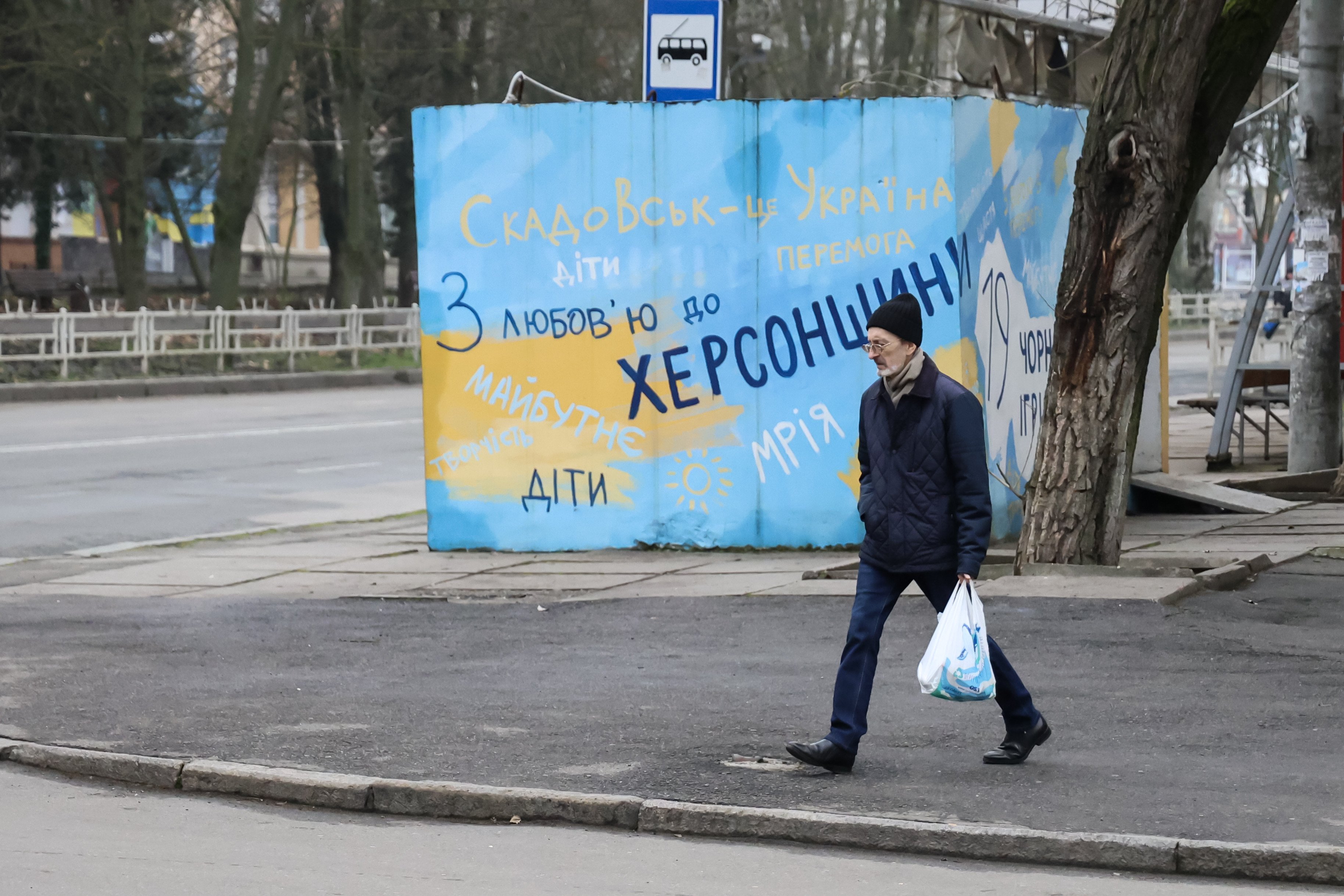
Civilian hunting ground
In its attacks, Russia targets pedestrians, civilian vehicles, residential buildings, medical facilities, rescuers, and public transport, Human Rights Watch reported. In March 2025 alone, Kherson came under 600-700 drone attacks per week.
Doctor Evgen Hnilitsky, the director of a local maternity hospital in Kherson, shared how risky it is to simply commute to work from home.
“Five drones buzzed over me. I waited until they flew off, then jumped in the car and drove away.”
Between March and May of 2025, at least 313 civilians, 135 vehicles (including emergency services vehicles), and 106 residential buildings in the city were affected by drone attacks.
Eyewitnesses point out that these drones aren’t just random drones flying over; often, their flying plan demonstrates a clear intentional targeting.
October 27, 2024—a Russian suicide drone locks onto Oleh Melnyk, a civilian from Dmytrivka. It follows him from a village shop, hovering over the road for 200 meters, until it strikes—killing him just steps from home.
November 30, 2024—a munitions-drop drone descends over a woman walking to work in Kherson. She runs for cover at a public transport stop, where three others are waiting. The drone hovers, drops its payload, and detonates. She is wounded in the arm. The maneuver—hovering, then descending—indicates the operator maintained control until the strike.
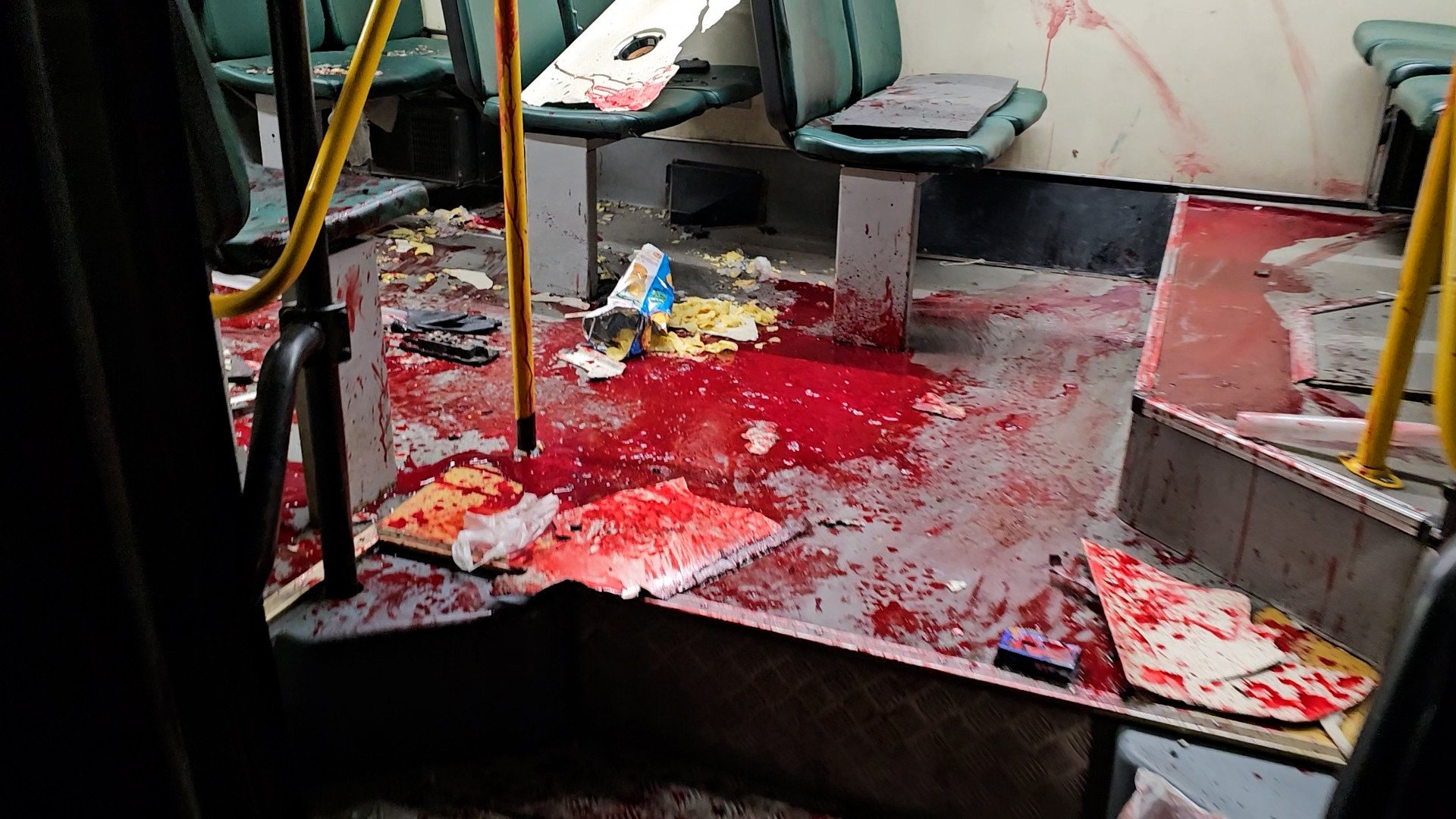
Another city that consistently suffers from Russian-targeted drone attacks is Nikopol in the Dnipropetrovsk region, located only a few kilometers from the frontline. An average of 459 drone attacks per month were recorded in the Nikopol district of Dnipropetrovsk region during the year. Approximately 40% of all strikes within the district fell directly on the city of Nikopol, 188 per month.
February 14, 2025—a Russian suicide drone approaches a parked bus in Vyshchetarasivka (Nikopol district), then turns away. Seconds later, it accelerates toward a civilian’s car. The man runs as the drone descends, buzzing loudly, and strikes the vehicle’s gas tank. He survives with blast injuries; the damage shows the drone remained under direct control until impact.
The Russian soldiers launch FPV drones from the left bank of the Dnipro River—from the Zaporizhzhia Nuclear Power Plant site—Nikopol police say, cited by Ukrainian Witness in July 2025. Several Russian “schools” for training drone pilots are reportedly located there: “They train on live targets—on people,” said Ukrainian police officer Vitalii Yaryomenko.
Police officers reported cases when drones flew after children, media reports.
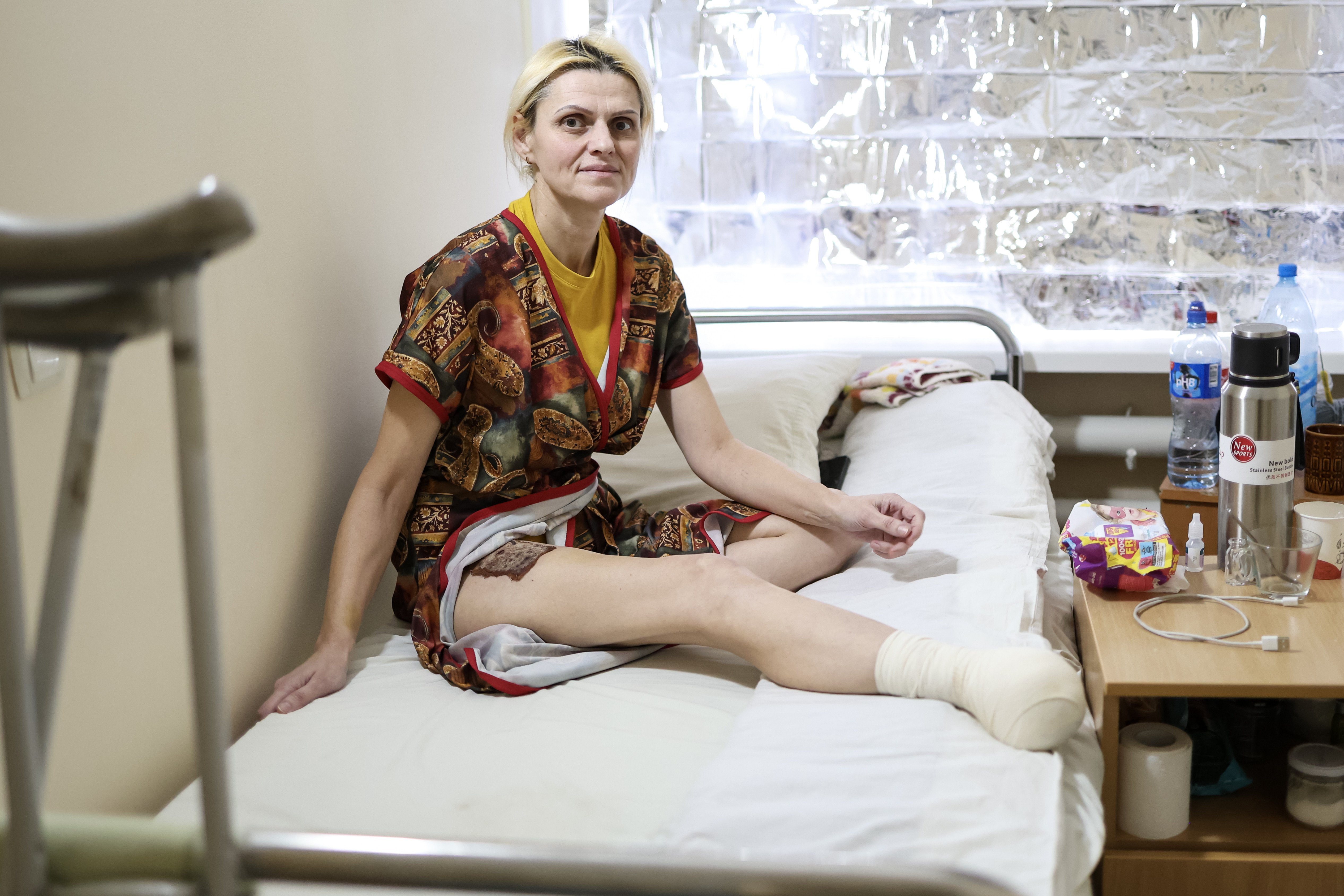
The “Red Zone”: everything that moves is a target
The Truth Hounds report covers several Russian Telegram channels affiliated with drone units that regularly publish videos of strikes with accompanying narratives that contradict claims of “selective work.”
These channels actively use the term “Red Zone” to designate a 2.5 km strip inland along the Dnipro River. Russian sources repeatedly emphasize that any transport and individuals spotted in this area will be attacked, regardless of military status.
On November 18, 2024, the pro-Russian “From Mariupol to the Carpathians” channel published a video of a drone striking two men in the Antonivka village, Kherson region. The caption to the video claimed the men to be Ukrainian soldiers: “Kherson. Red zone. The AFU fags are very surprised it was our drone. As soon as they saw the drone, they immediately took off. There is only one conclusion. Don’t run, you’ll die tired. One was able to escape, but not too far… We will find everyone.”
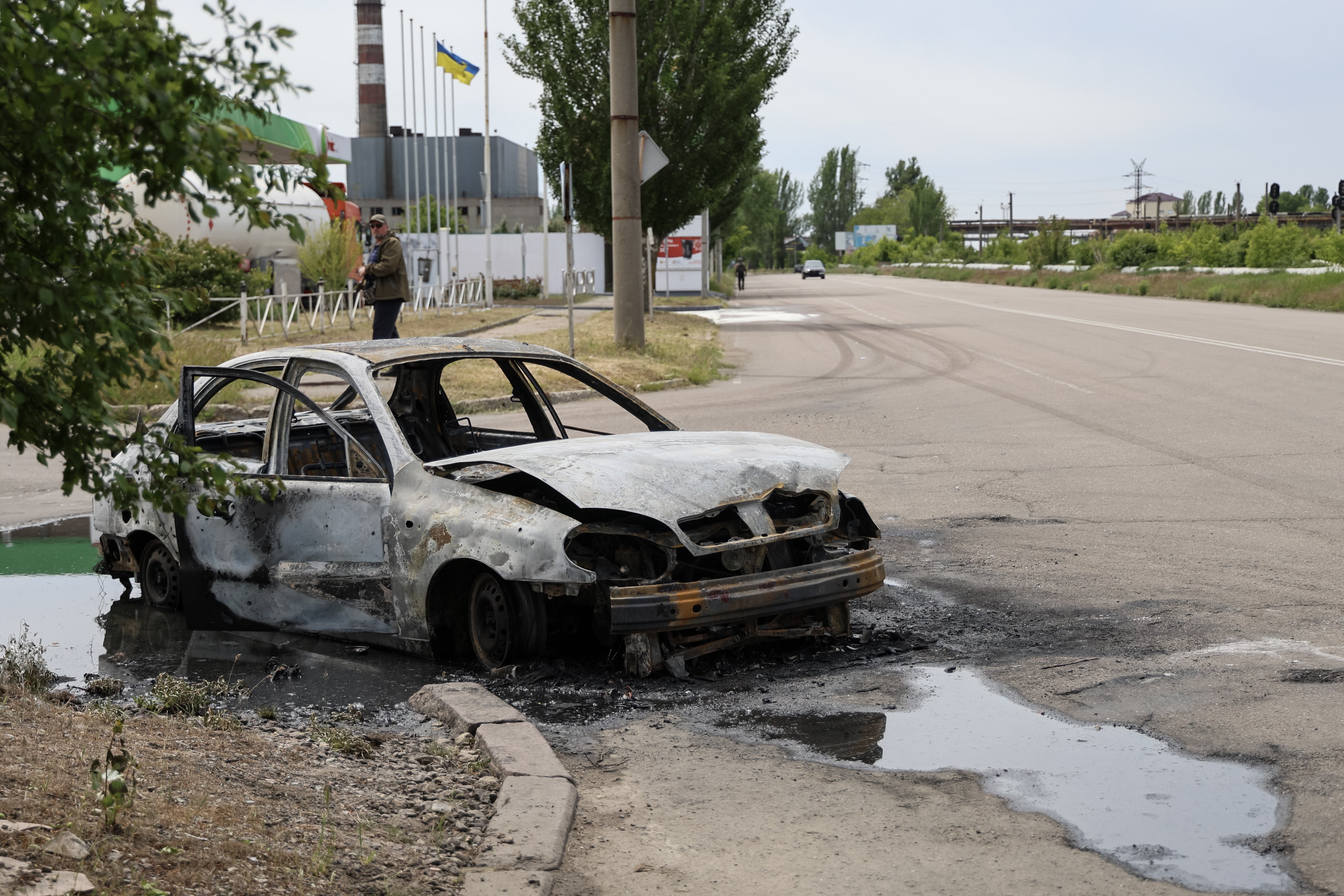
However, a Kherson local interviewed by Truth Hounds, identified the victims to be his father, a civilian energy engineer, and his neighbour, Vasyl, who died on the spot.
The Russian occupier is acting cruelly regardless of whether it’s a child or an elderly person, said Kherson resident Tetiana Vinichenko to the Ukrainian media the Telegraf.
“We can determine by the sound what is flying, a Mavic, an FPV drone, a reconnaissance aircraft, or a shell: a ‘Grad,’ tank, or artillery,” Tetiana said. “Kherson residents have become like one big family—we support each other in the most difficult moments.”
Rescuers, doctors, journalists, and volunteers working there all regularly become targets of Russian drones.
The state response
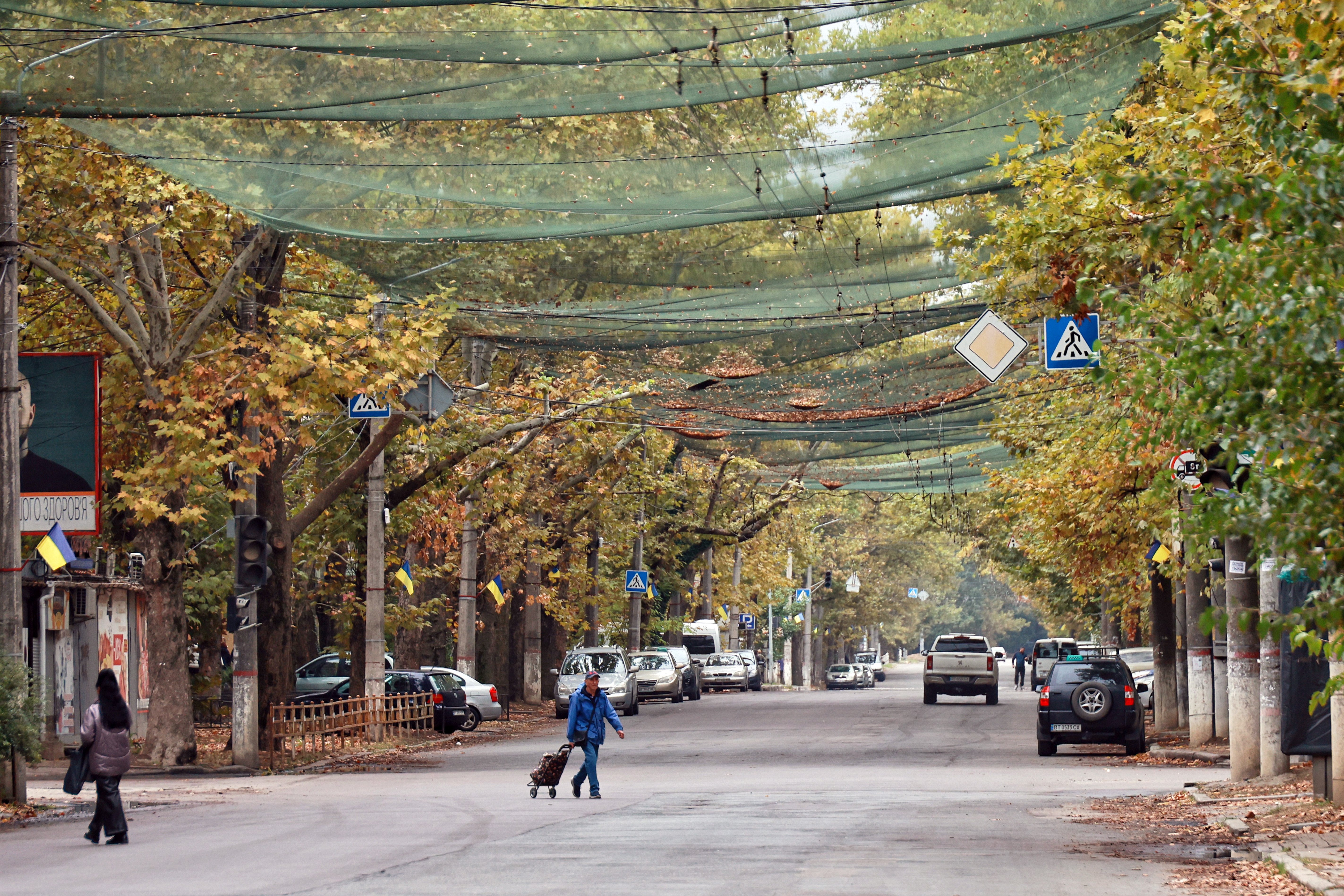
Cities close to the frontline are now being wrapped in nets as a low-tech but quite effective defense against Russian FPV-drones. These “nets of life” get stretched across roads and between buildings to create a shield above open areas. The way it works is simple: when an FPV hits the net, it crashes or explodes at a safe distance from the target.
President Zelenskyy publicly acknowledged this Russian tactic in November 2025, vowing to improve defenses against the units conducting these strikes, particularly in regions bordering Russia: Chernihiv, Sumy, Kharkiv, Donetsk, Zaporizhzhia, Dnipro, and Kherson regions.
“Especially on those Russian units that are tormenting our cities, tormenting our people in Nikopol, in Kherson, and in other cities within their easy reach,” Zelenskyy said. “They are essentially conducting a ‘human safari’ and training drone operators through the killing of Ukrainians on the streets, on the roads.”
The overwhelming evidence from eyewitnesses, open-source intelligence, and the rhetoric of Russian military channels confirms that the “Human Safari” is not accidental collateral damage—it is a systematic, intentional practice.
And while civilians adapt to survive the hunt, the world must recognize that the failure to condemn and prevent the deliberate targeting of non-combatants decisively is a moral failure that extends far beyond Ukraine’s borders.
“How do we manage to live?” asks Tetiana. “This is more of a rhetorical question. Each Kherson resident has their own reasons to stay here. We survived the occupation. We did not call anyone and did not wait for any ‘liberators.’ Kherson is our native city. If there are no people, there will be no city.”
Discuss this article:
-4a56a6b482ec132402c16ef6fcabf9a2.png)


-c439b7bd9030ecf9d5a4287dc361ba31.jpg "Photo of Katherina Popilnichenko")