- Category
- War in Ukraine
“A True Hell”: Ukrainian Village Recalls 27 Days of Russian Captivity in a New Audio Documentary
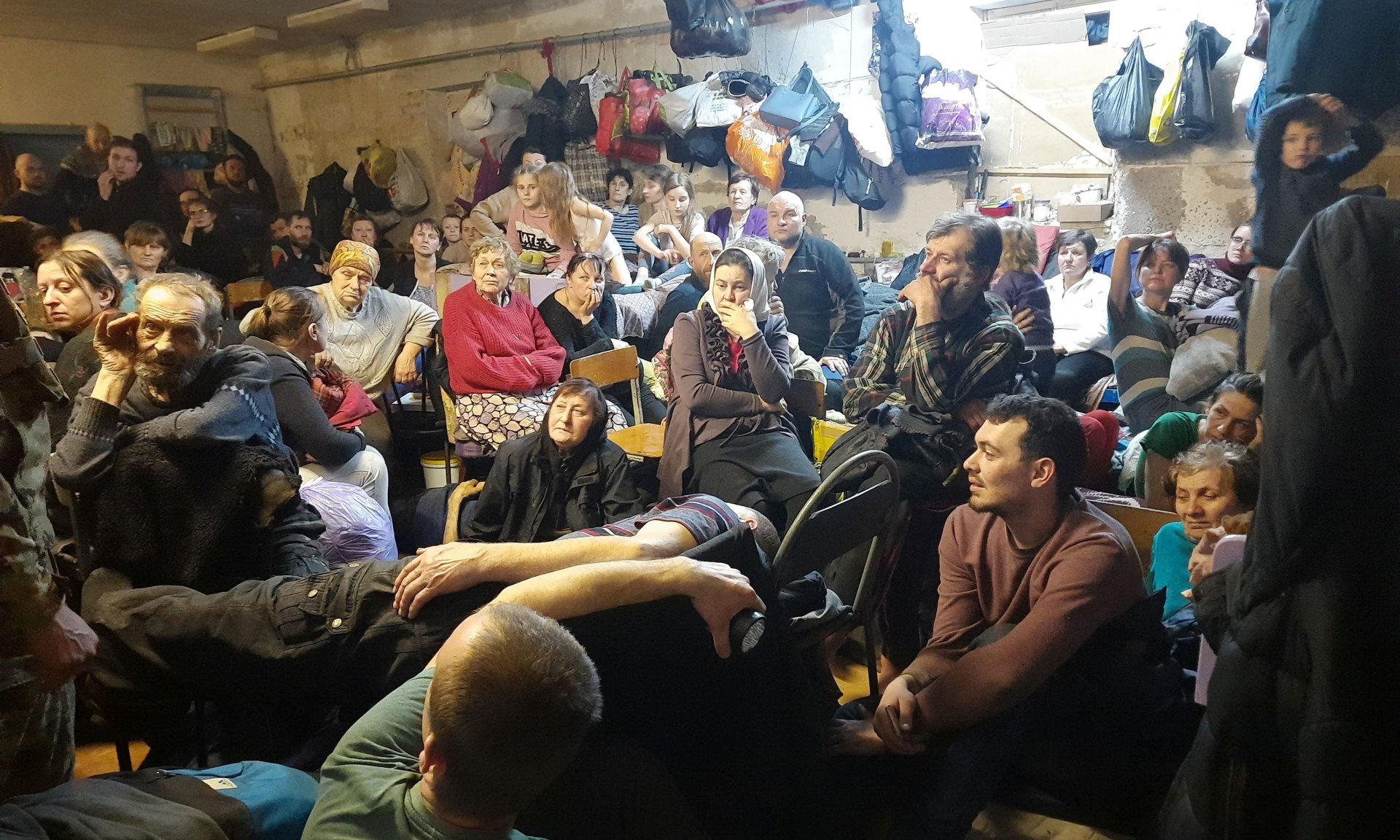
For almost the entire month of March 2022, Russian forces held 368 people from Yahidne in a cramped basement as human shields. On March 30, they were freed. Four years later, as we visit the liberated village, they continue to tell their stories.
 Prefer U24 Media on Google
- Authors

-554f0711f15a880af68b2550a739eee4.jpg "Photo of Lucile Brizard")
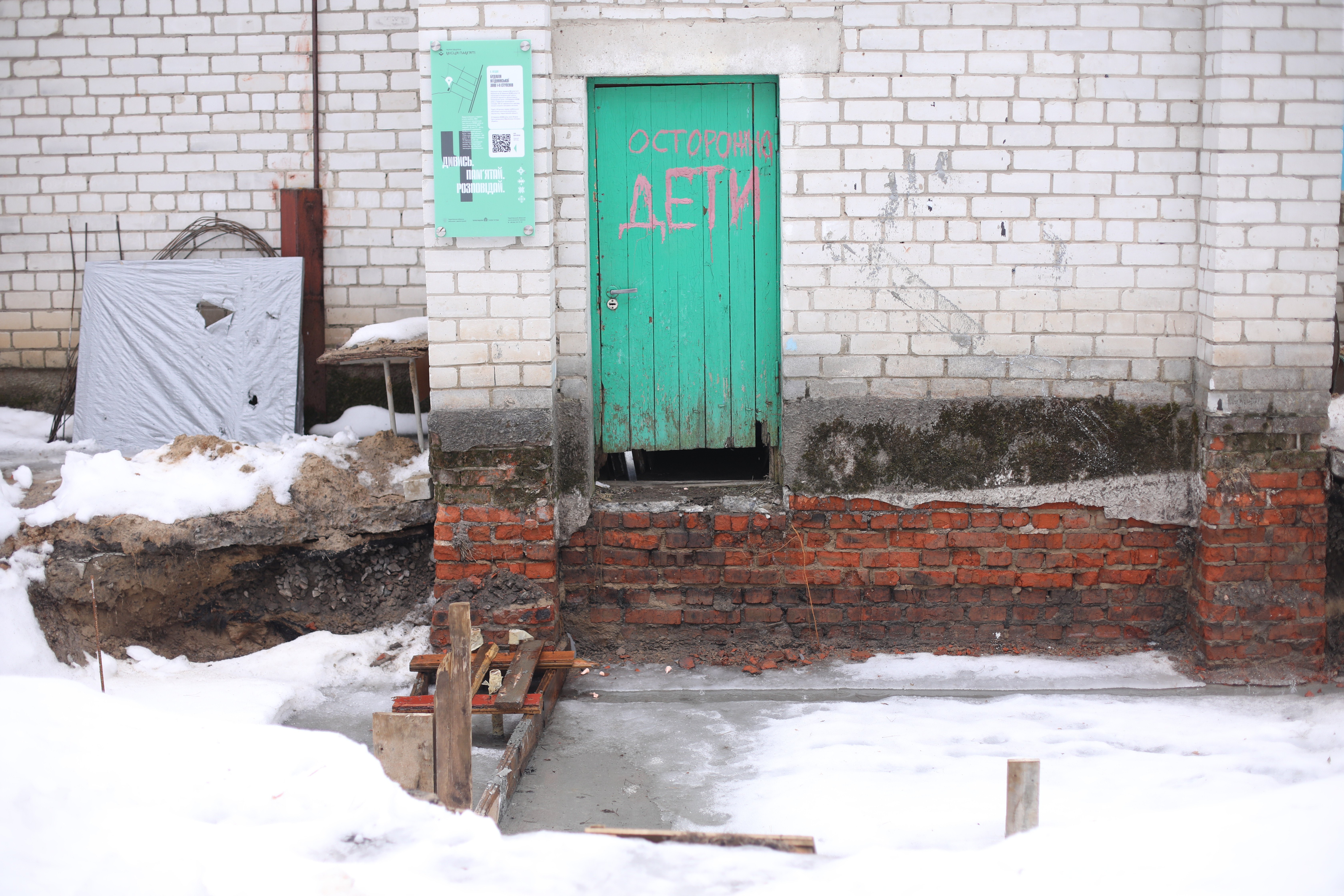
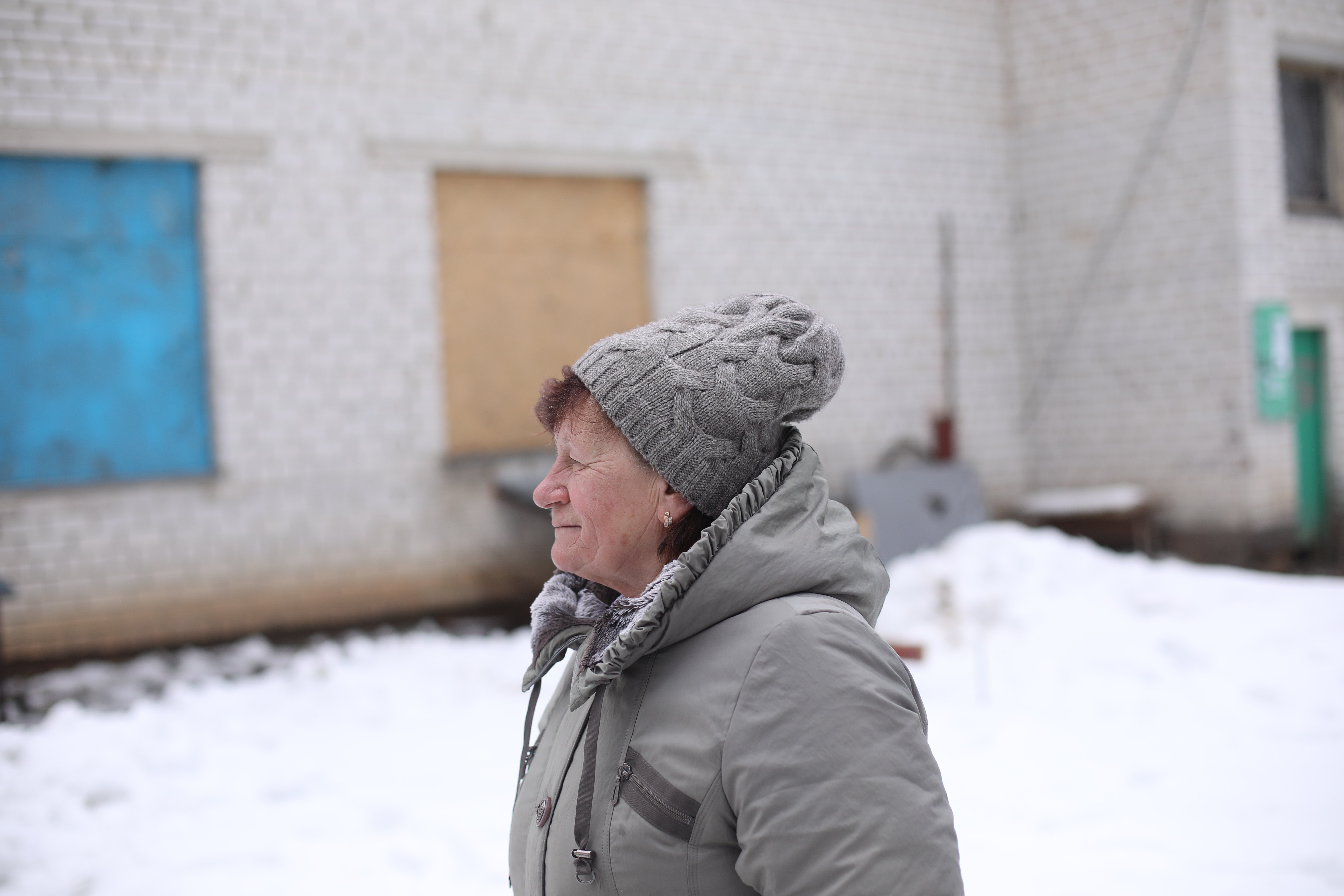
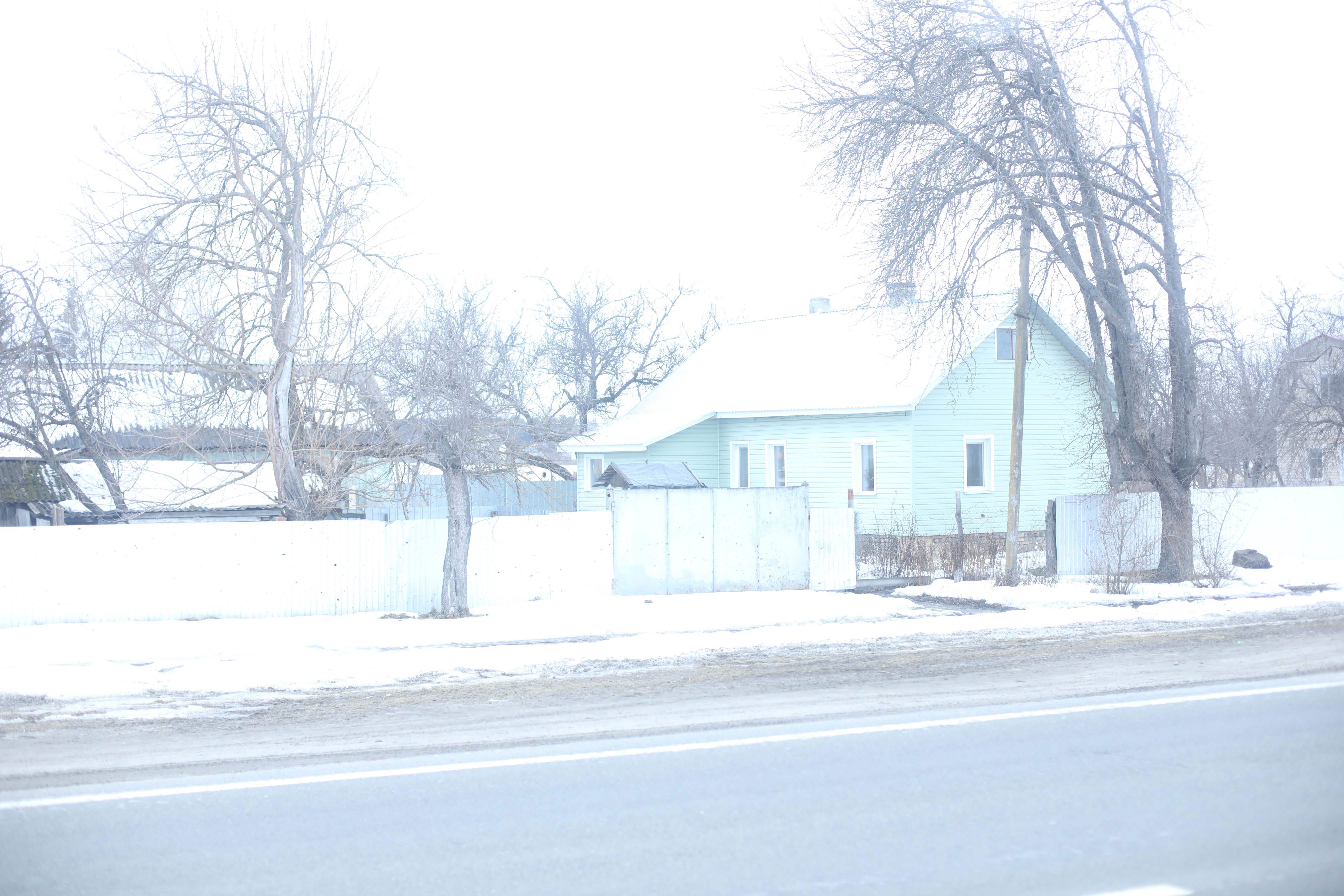
“For our village, that was the end of the war, when we were freed,” says Tamara Klymchuk. Standing in front of a door painted a milky, neon green, she added almost out of necessity, “Of course, we know the war is still ongoing. So, we celebrate internally.”
Klymchuk, a retired kindergarten teacher and resident of Yahidne, a small village in Ukraine’s Chernihiv region, was 64 when, along with 368 others, the Russian Armed Forces held her in the 100-square-meter (approximately 1,076-square-foot) basement of her local school for 27 days. Nearly 80 children were imprisoned in the basement, the youngest only six weeks old.
From March 3 to March 30, 2022, she and her neighbours were held as human shields by Russian soldiers, who established a makeshift military position directly above the cramped basement.
Audio testimonies of captivity
Now, the voices of the residents of Yahidne can be heard.
The Public Interest Journalism Lab developed the audio guide “Yahidne: A Village in Captivity” based on testimonies recorded by the Reckoning Project, a global initiative documenting war crimes. Released on March 2, 2026, the guide allows listeners to hear the memories of Yahidne’s residents narrated by figures such as American journalist Anne Applebaum or historian Timothy Snyder.
Lyuba Knorozok, a film and media producer at the Reckoning Project, explains that the audioguide helps survivors of the basement avoid constantly rehashing their stories, as Yahidne has become a destination for foreign delegations and international organizations.
In the collected testimonies, inhabitants relate the moment they cautiously peered out of their homes at the incoming Russian soldiers. “There were so many of them,” remembers one resident, who recalls them standing in rows, armed with machine guns.
Then, the soldiers began looting, kicking down locked doors, and rummaging through documents to identify men who had previously served. After that, the soldiers started going from door to door.
Herded “like cattle,” as described by another resident of Yahidne, the entire town was forced to march to the local school and down into its basement over a three-day period, all under Russian guard.
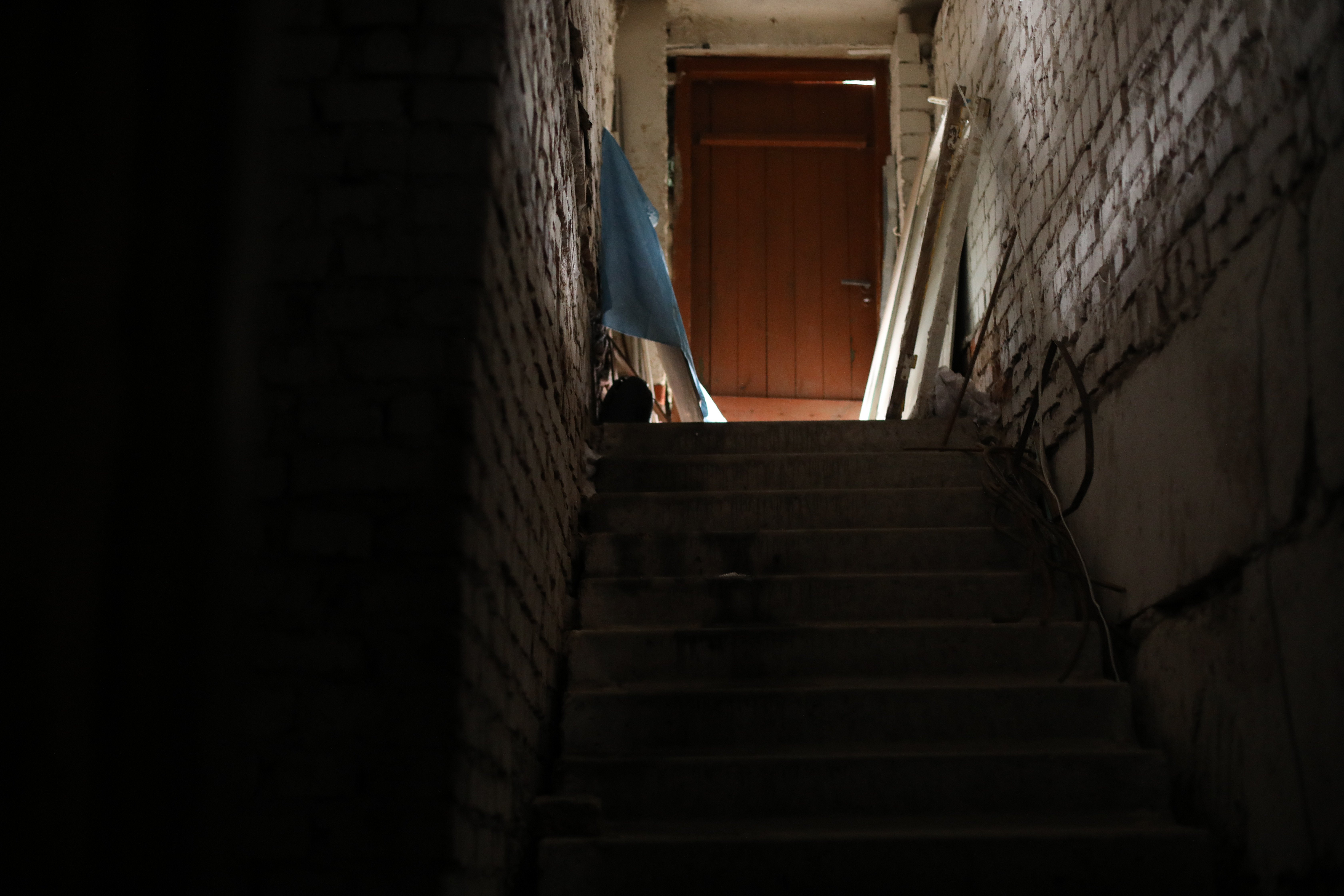
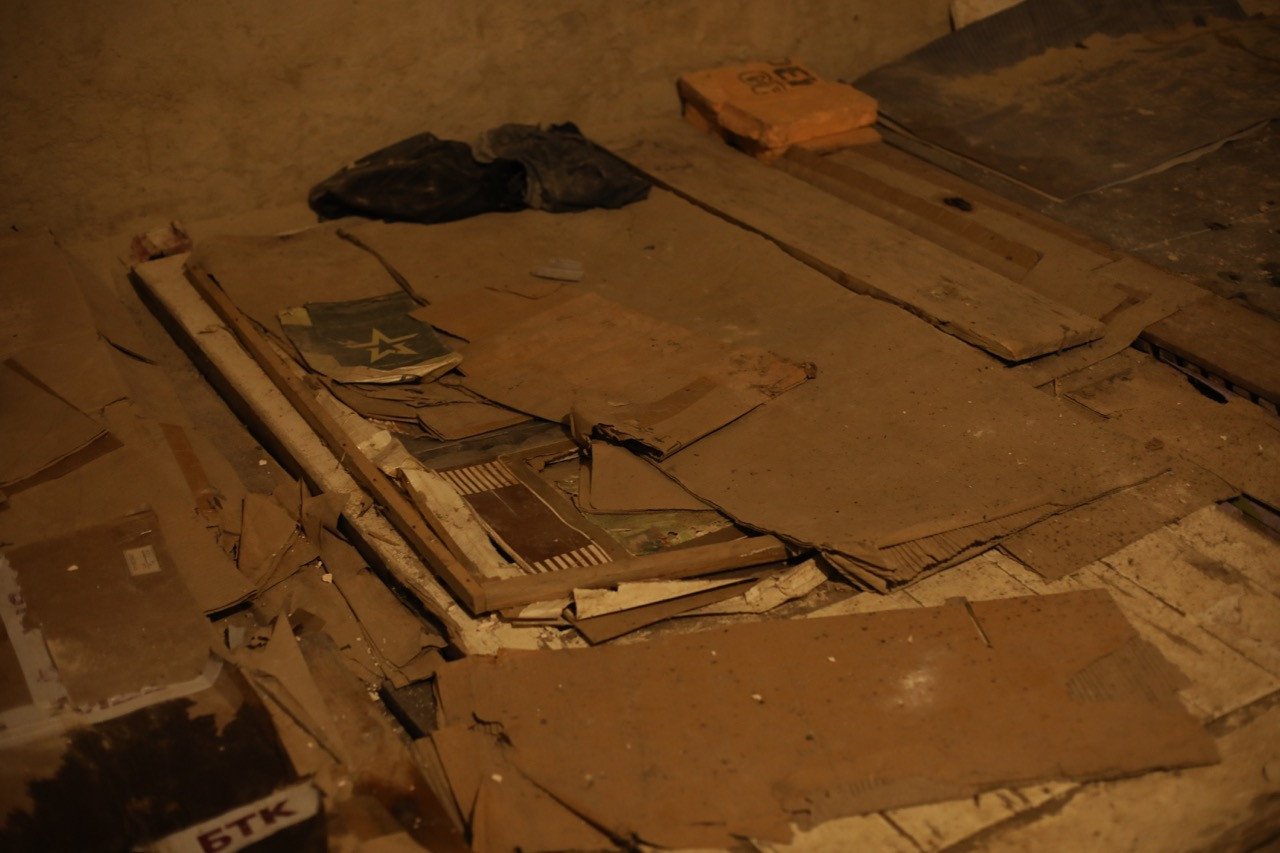
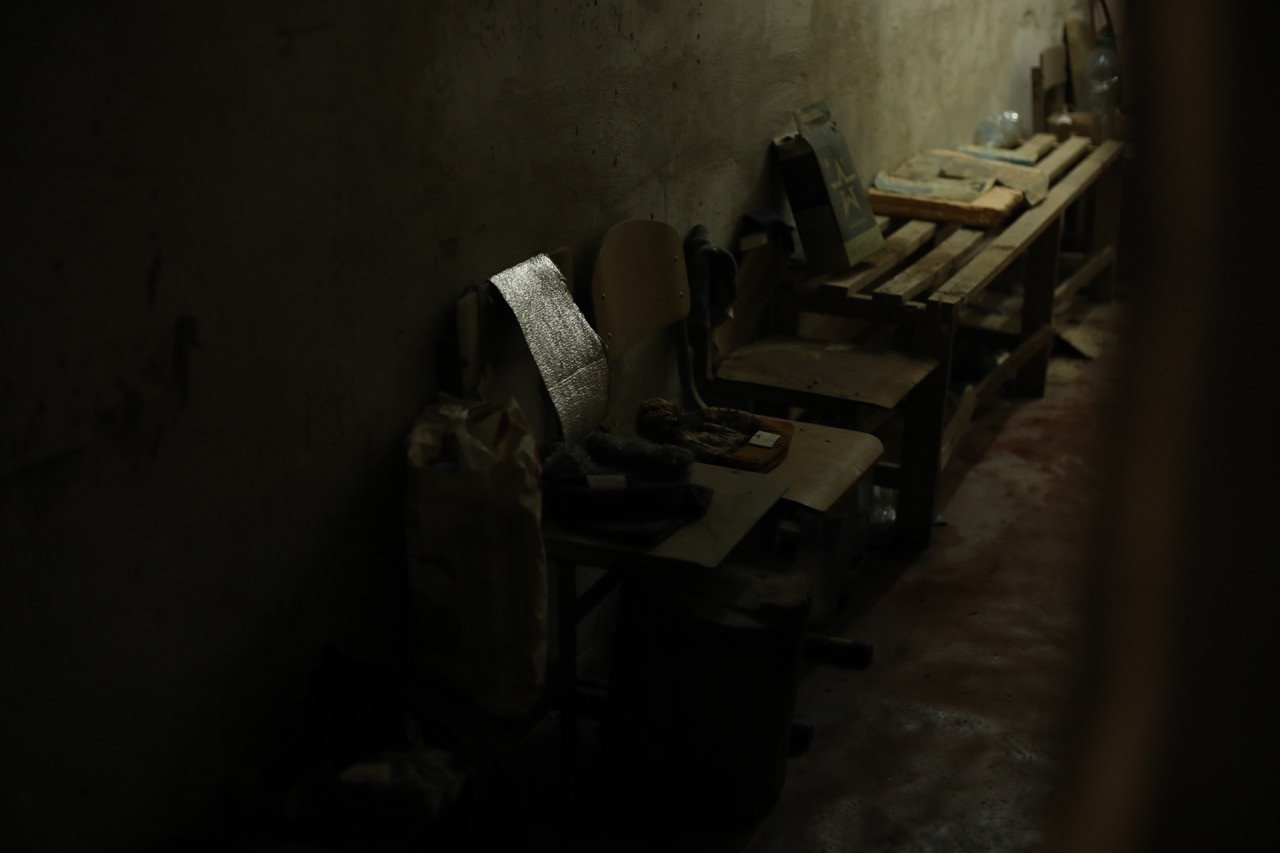
As they passed the green door, and walked down the 15 or so steps that led to captivity, Olha Minyailo, a 50-year-old resident, remembers what she saw: “I peered into one of the rooms, the largest one, and the sight I saw was a true hell, the kind of hell you see painted on ancient icons (IOrthodox Ukrainian icons are sacred images of Christ, the Virgin Mary, saints, and biblical scenes. Painted on wood with vibrant colors and gold leaf, they play a key role in worship, symbolizing spiritual beliefs and connecting worshippers to the divine.).” One hundred and fifty people were in one room, each occupying an area no larger than a chair; the rest were divided into smaller adjacent rooms and a hallway.
In the cramped basement, it was pitch-black, Olha remembers. “Here and there, someone would strike a candle or turn on a flashlight.”
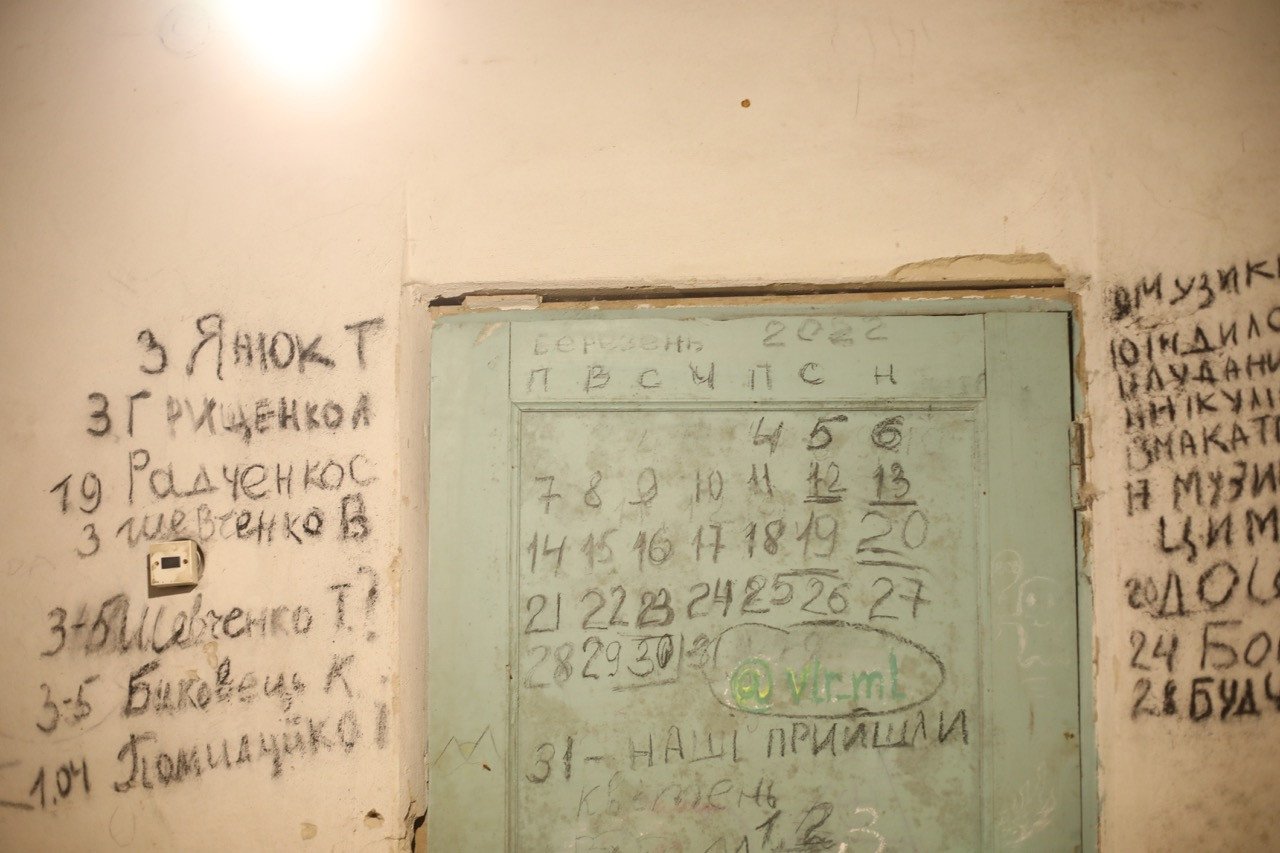
The residents grappled with their situation. “All of us were in a stupor, in a state of shock,” says Olha. Many of the residents were processing, or not processing, the deaths of three male residents: the Russians executed two middle-aged men, Viktor Shevchenko and Leonid Hrishchenko, as well as a 30-year-old Anatolii Yaniuk. The Russian soldiers shot Anatolii when he refused to obey them when they ordered him to his knees.
Makeshift calendars mark deaths and the passage of time
With hundreds of people from Yahidne packed into the cramped underground space, people began to suffocate. They pounded on the doors, begging for help, but the Russian soldiers stayed indifferent.
“They locked us in, and a little one wasn’t doing well,” Tamara recalls one episode. “I could see he was struggling to breathe. The boy started running, screaming, 'Let me through, let me through.' He ran to the stairs, where there were cracks in the door, and stood there, just trying to catch some air.”
The first person died in the basement on March 9. Dmytro Ulzika, a 91-year-old man. By March 30, ten people died, all elderly residents of Yahidne.
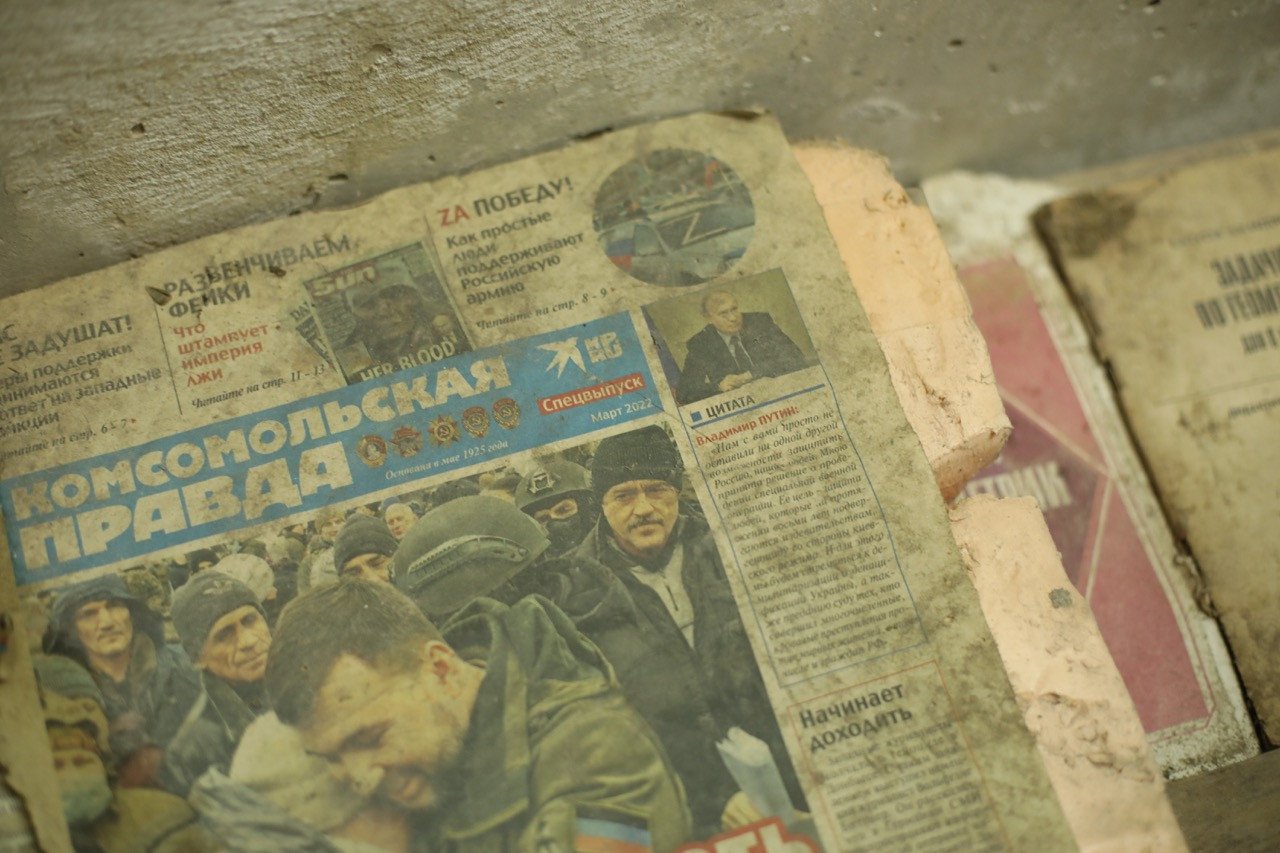
A few days before, Valentyna Danylova, a senior woman who moved to Yahidne after Russia first invaded her hometown in eastern Ukraine in 2014, decided to start a calendar. in case people were to find them dead, they would see “how many days we were stuck here.” She scratched it onto the door with charcoal, recording the deaths with the date and the person’s name written in a column to the right of the door.
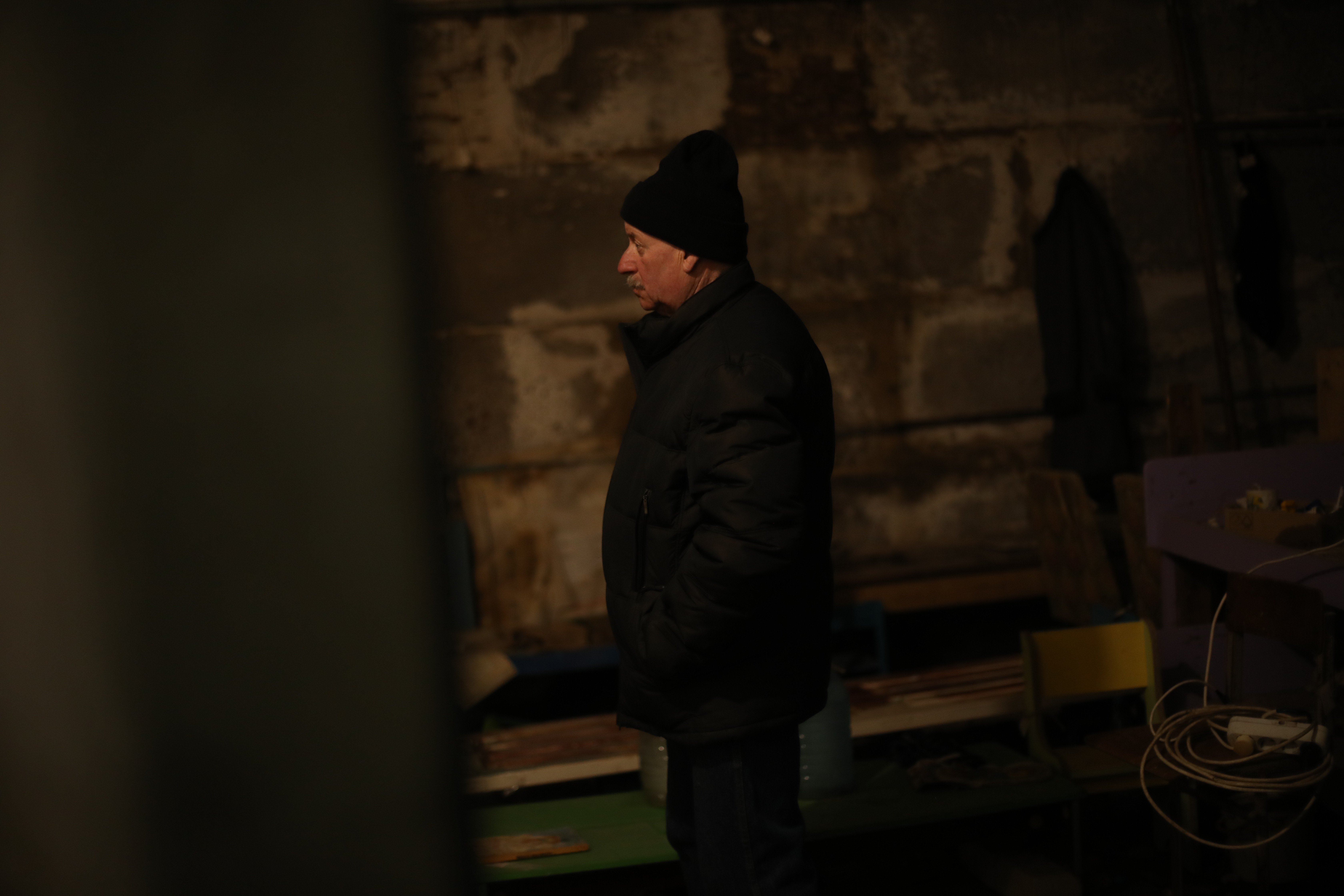
As we toured the basement, preserved intact for four years, Ivan Polhui, 65, stood watchfully, hands in his pockets. He had worked at the Yahidne school before Russia’s full-scale invasion of Ukraine, as responsible for maintenance and security. Now, he guides people down to the basement, offering them insight, pointing at different spots where people passed away.
On March 30, in the morning, no one believed the Russians would simply pack up and leave. Even if these soldiers withdrew, more could arrive at any moment. Then, unexpectedly, a sharp volley of gunfire echoed around the basement walls. When the shooting fell quiet, a few men eventually ventured outside, breaking open the basement door and cautiously surveying the area. It was empty; the Russian soldiers had vanished.
Still, many people didn’t dare return home.
As we silently made our way above ground, standing meters from where they were held captive, where Klymchuk, Danylova, and Polhui gathered, talking.
Polhui remembers the day of his liberation and tells us: “My feet were very swollen, my skin was cracked,” he told us. Then, he went home. The windows of his house had been smashed, the inside was ransacked, and all the doors had been ripped off the hinges.
“I found some old rags in my backyard,” he says. “I took one and went over to where I kept my cows, and I just fell asleep on the hay.” His dim blue eyes misted with tears, “On the second day, my wife woke me up, she told me our guys were in our village.”
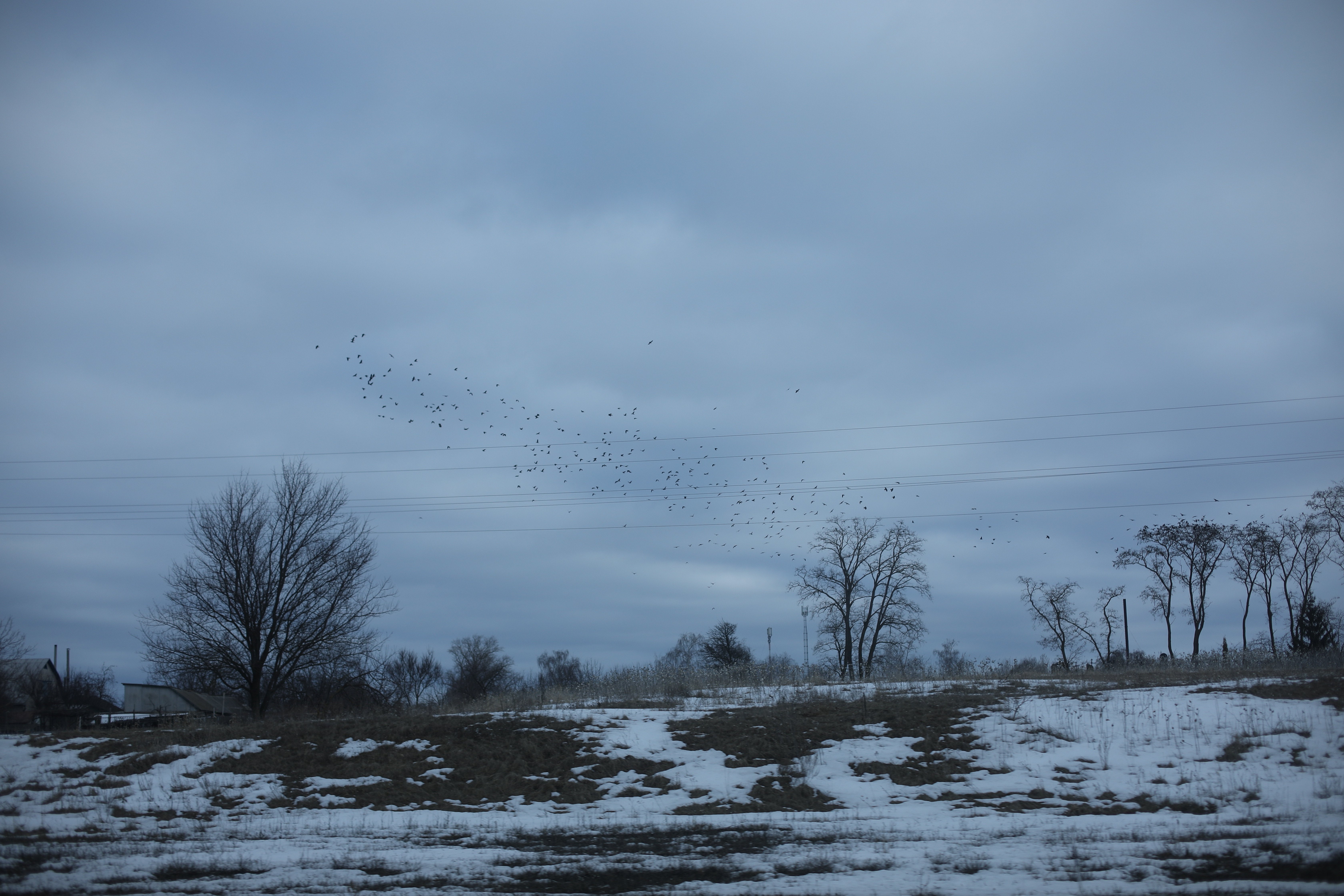
One resident, who prefers to remain anonymous, remembers the next day—Ukrainian soldiers walking out of the forest. “As they walked, three storks were flying right over them, gliding low, just above their heads,” they remember. “I’ll never forget that sight.”
War crime museum: Yahidne’s basement preserved
In the aftermath, the etchings, charcoal-inscribed calendars, and children’s drawings emerged, serving as proof: archives of Russia’s war crime.
After the village’s liberation, it was announced that the school in Yahidne would be transformed into a memorial complex. Ukrainian authorities began work on one of the country’s first museums dedicated to crimes against humanity.
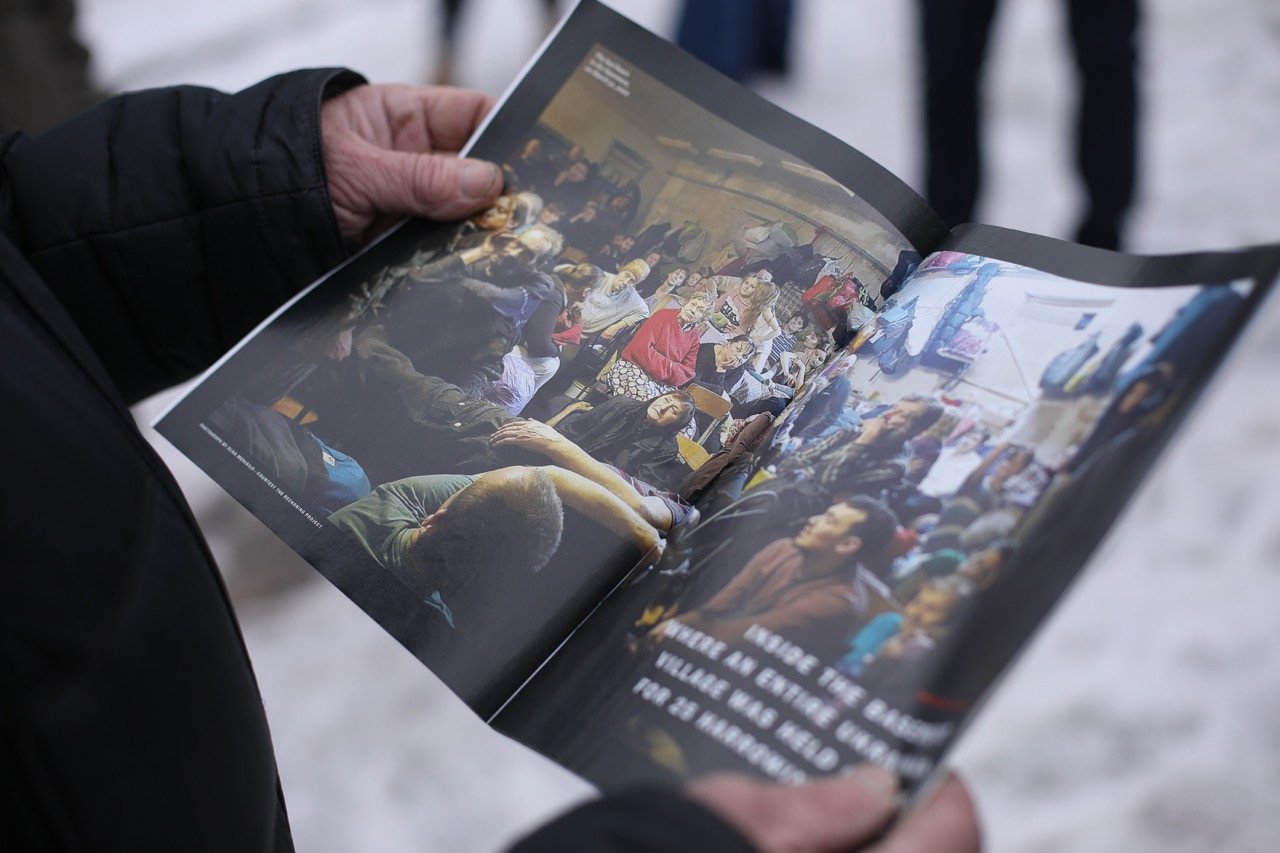
In the summer of 2024, journalists from the Public Interest Journalism Lab, a Ukrainian NGO co-founding the Reckoning Project, who have been documenting war crimes since early 2022, organized a town-hall meeting with village residents, guided by a moderator, to understand how survivors wanted to preserve the memory of the darkest days of their lives.
“We couldn’t let our children study there,” says Olena Shvydka, another resident of the village. So it was decided that the school would become a museum. For the residents of Yahidne, the preservation of the basement was non-negotiable, and Knorozok of The Reckoning Project tells us that a community meeting was held to discuss the basement’s future.
Polhui says he will continue to care for the basement, even as time erodes the archive. He does this at the cost of his own health, reporting that sometimes after a tour, he can’t sleep.
As the last snow melts and drips down the corrugated steel roof, Polhui says, “It’s very hard for us to remember all this, but we must. To show how ruthless the Russian world is, how they treat people.”
Discuss this article:


-c439b7bd9030ecf9d5a4287dc361ba31.jpg "Photo of Katherina Popilnichenko")


-29a1a43aba23f9bb779a1ac8b98d2121.jpeg "Photo of Illia Kabachynskyi")