- Category
- War in Ukraine
My Father Survived Russian Captivity, but His Heart Gave Out: The Story of Oleksandr Savov
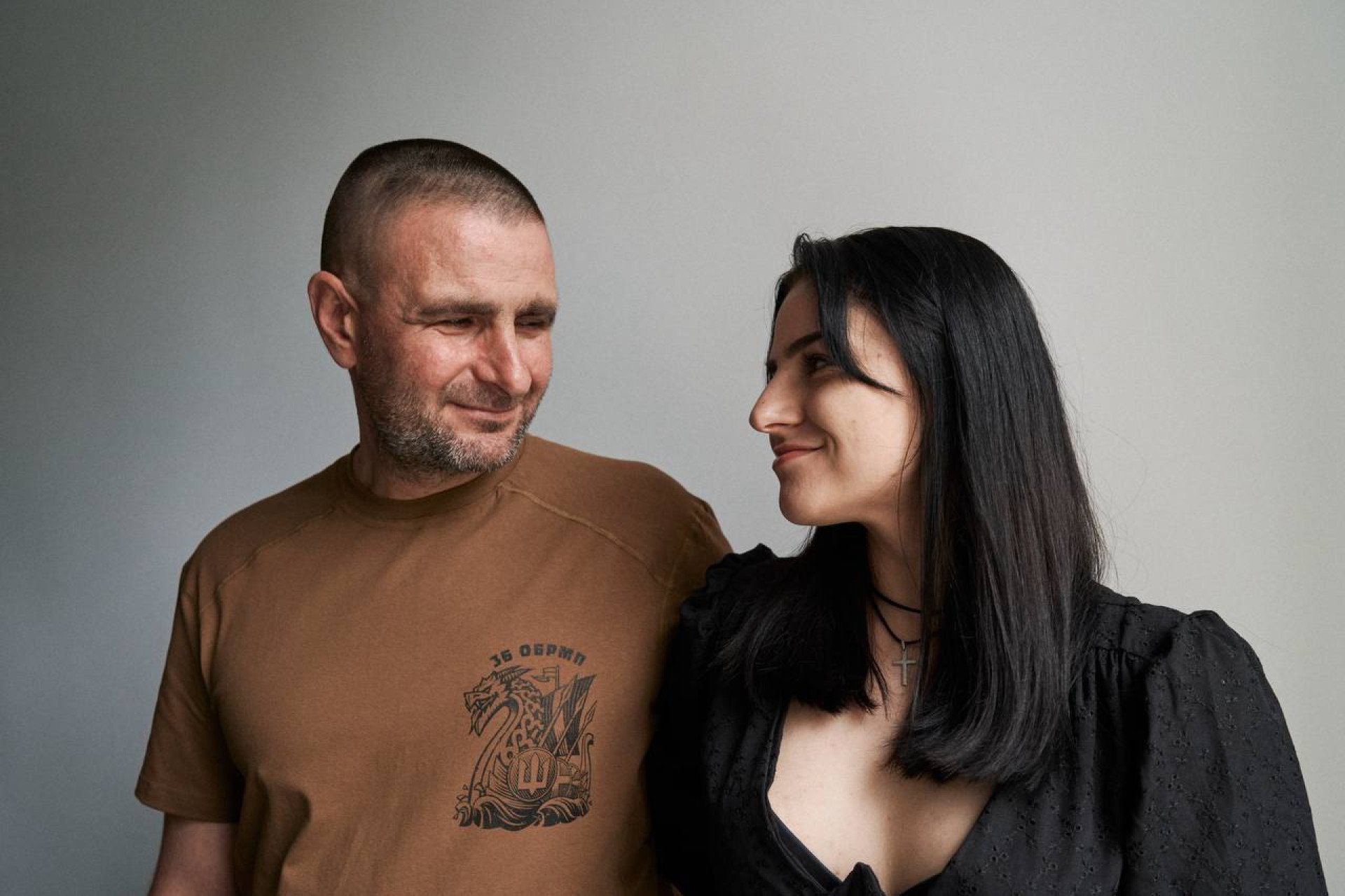
Returning from Russian captivity is a moment thousands of Ukrainian families wait for, longing to see their loved ones again. But captivity continues to take its toll even after freedom. The body and mind return scarred, and sometimes, the heart stops beating.
 Prefer U24 Media on Google
- Authors

-f88628fa403b11af0b72ec7b062ce954.jpeg "Photo of Amira Barkhush")
Another long-anticipated exchange. A crowd gathers behind the barriers, clutching photographs worn soft at the edges. Mothers and fathers stare down the road, searching the horizon for the next bus, the one that might finally bring good news.
On March 19, 2025, Anastasiia Savova receives the call she has waited nearly three years for: her father, Ukrainian marine Oleksandr Savov, is on the exchange list. The waiting is over.
Savov joined the Ukrainian army in 2015 after the Russian occupation of Crimea. At the start of the full-scale invasion in 2022, his 36th Separate Marine Brigade was stationed in Mariupol, where Ukrainians held the city for nearly three months .
In May, the Ukrainian defenders of Mariupol, who were holding the Azovstal steel plant, were ordered to end the resistance and withdraw in order to preserve their lives. Oleksandr was taken into Russian captivity, where he spent two years, ten months, and three days.
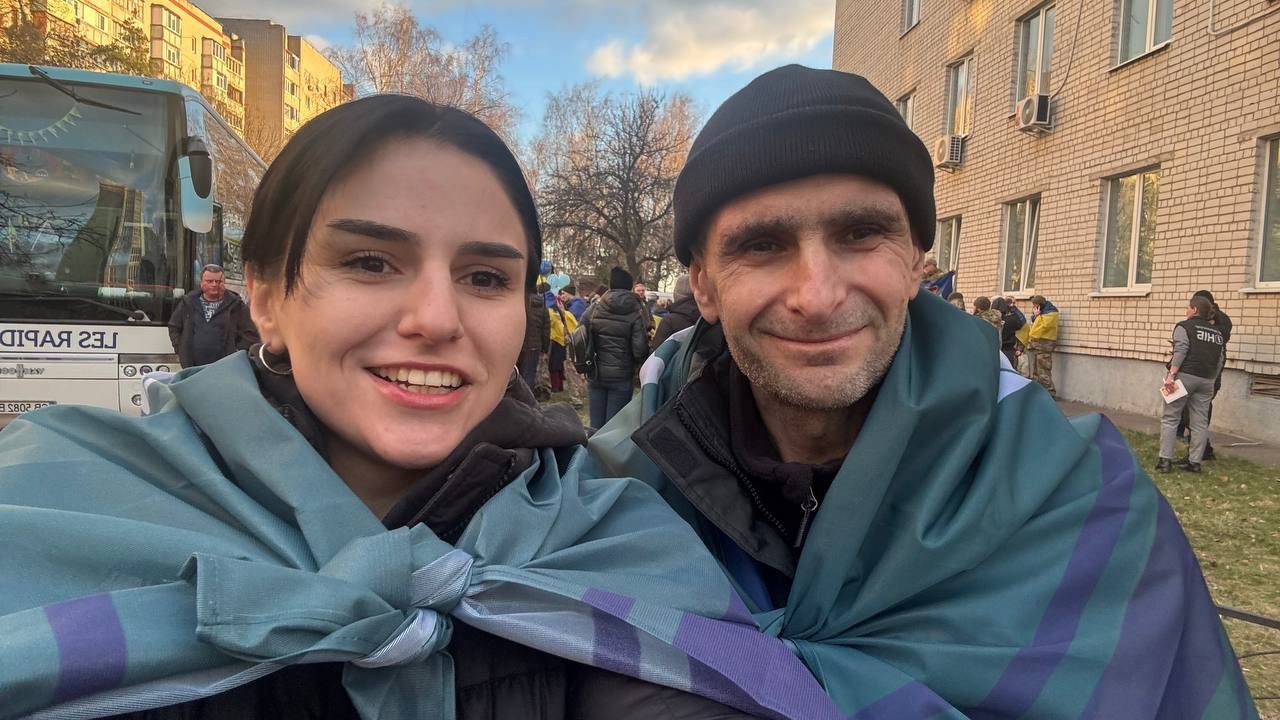
He survived the prisons and came home. Eight months later, on November 16, 2025, he died. The medical examiner concluded that total bodily exhaustion, caused by torture and abuse, ultimately led to his death.
“He wanted to speak and spread the truth as it really is,” Anastasiia says. “What really stops me is the fear that someone might think I’m trying to profit from this or something like that. I want to preserve my father’s testimony. To document it.”
Anastasiia shared her father’s story with us, including details he had never spoken of publicly. By continuing to speak about his experience, she is fulfilling his wish: to expose the atrocities that took place, and continue to take place, behind the cold walls of Russian prisons.
Through Russian colonies
Over almost three years, Oleksandr was held in four Russian colonies. Any contact with the outside world was prohibited, except for one letter Anastasiia received in 2024. It was very short and written under dictation, which her father confirmed after his release.
“In 2022, I wrote letters every week through the International Committee of the Red Cross,” Anastasiia says. “In the following years, I wrote once a month. But when my father was released, he told me he hadn’t received a single letter. I asked him whether he had written to me. He said yes, several times—six or seven, to be exact. But I received only one letter.”
Olenivka prison, Donetsk region, Ukraine
The Olenivka prison, known as Volnovakha Correctional Colony №120, in the occupied Donetsk region, is the infamous colony where the Olenivka massacre occurred.
Although there was little food, poor hygiene, and no communication, Olenivka was, comparatively, less violent, Anastasiia says. Prisoners were not subjected to beatings there.
But he was soon moved to Taganrog, and systematic beatings and torture began. That was the first penal colony in Russia where he was taken.
SIZO-2 in Taganrog, Rostov region, Russia
Upon arrival, during the intake process, the guards stripped the prisoners naked. Oleksandr and one of his comrades were forced to imitate sexual intercourse that Russian prison guards, both men and women, filmed on camera.
“Dad said that in that moment, he just focused on the thought, ‘I know this person,’ and hoped that they could somehow silently agree to just do it,” Anastasiia says. “They were completely naked. They were beaten for many hours. This is the place where he first learned that a person, a man, could be raped.”
After going through the intake process, Savov was thinking of committing suicide, not understanding how to endure all this abuse. His cellmate, a sea border guard, supported him a lot, helping Oleksandr think more about how he could survive and return home as soon as possible.
“Staying in Taganrog was very difficult for him,” Anastasiia says. “I saw a lot of scars that were caused there.”
Savov shared that a person with whom he would later be held in other places of detention was raped simply because the guards had mixed up his last name with someone else they were looking for: “When they found out, they said, ‘Sorry, happens. Here is a cigarette.’”
During Oleksandr’s imprisonment in Tanganrog, the “tapik ” was systematically used for torture.
“Next to my father’s cell, there was an interrogation room, where he heard others being tortured,” Anastasiia says. “He was very afraid that they would use the ‘tapik’ on him, too. At that time, he was only beaten with a stun gun.”
The screams of the tortured were still heard after moving the interrogation room to the basement, she says.
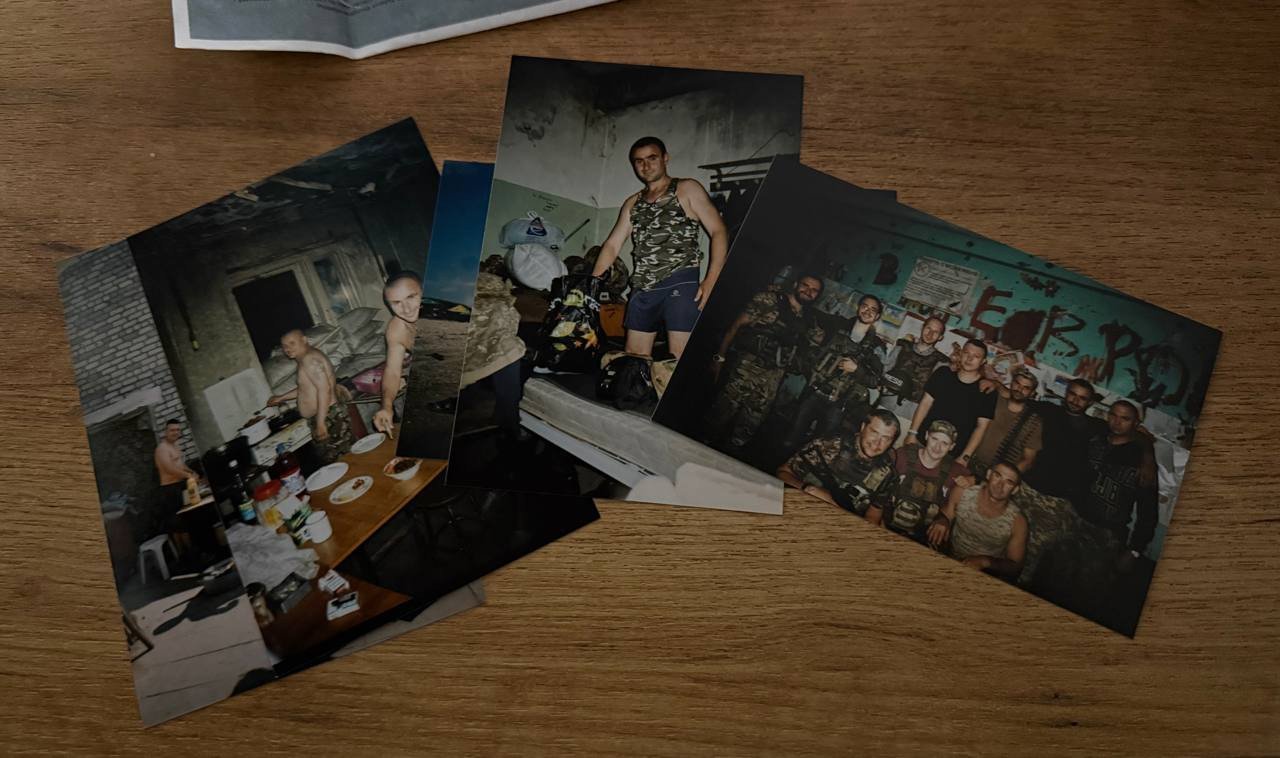
In Taganrog’s colony, the Russian guards forced Ukrainian prisoners to sing Russian songs: “The Russian National Anthem, Victory Day , Katyusha , Gazmanov , and many other such patriotic songs.”
This is a transcript of an audio recording made by Oleksandr to document what POWs were forced to memorize in a later colony.
It goes without saying that we had to learn the Russian anthem. But we also had to know that it consists of 115 words, 649 letters, 370 consonants, 279 vowels, 24 lines, 33 capital letters, 4 periods, 4 dashes, 15 commas, and 13 exclamation marks.
Oleksandr Savov
SIZO-1 in Kursk, Russia
In Kursk, the horrors persisted. After the beginning of Ukraine’s incursion into Kursk, the Russian guards began to actively discuss what was happening among themselves. Oleksandr and his cellmates overheard some good news: Ukrainian forces had shot down a Russian helicopter. They began rejoicing. One of the guards recognized Oleksandr’s voice.
“They stripped him naked and used physical violence; they beat him. After that, they placed him in the rubber room . Only later I found out that, legally or according to regulations, a rubber cell is intended for the most violent or emotionally unstable inmates,” Anastasiia says.
“Rubber room” is a room about two by three meters, completely lined with rubber. “It has no windows,” says Anastasiia. “It has absolutely nothing in it. No bed, no water, no toilet, and no light. The temperature is around 18°C (64 °F). It’s cold.”
The guards held Oleksandr there for a little over a week, completely naked, exposed to routine beatings, without any food, apart from an occasional single glass of water a day. When asked where he was supposed to go to the toilet, the guards told him: “You sleep in one corner, you go to the toilet in another, and you eat in the third.”
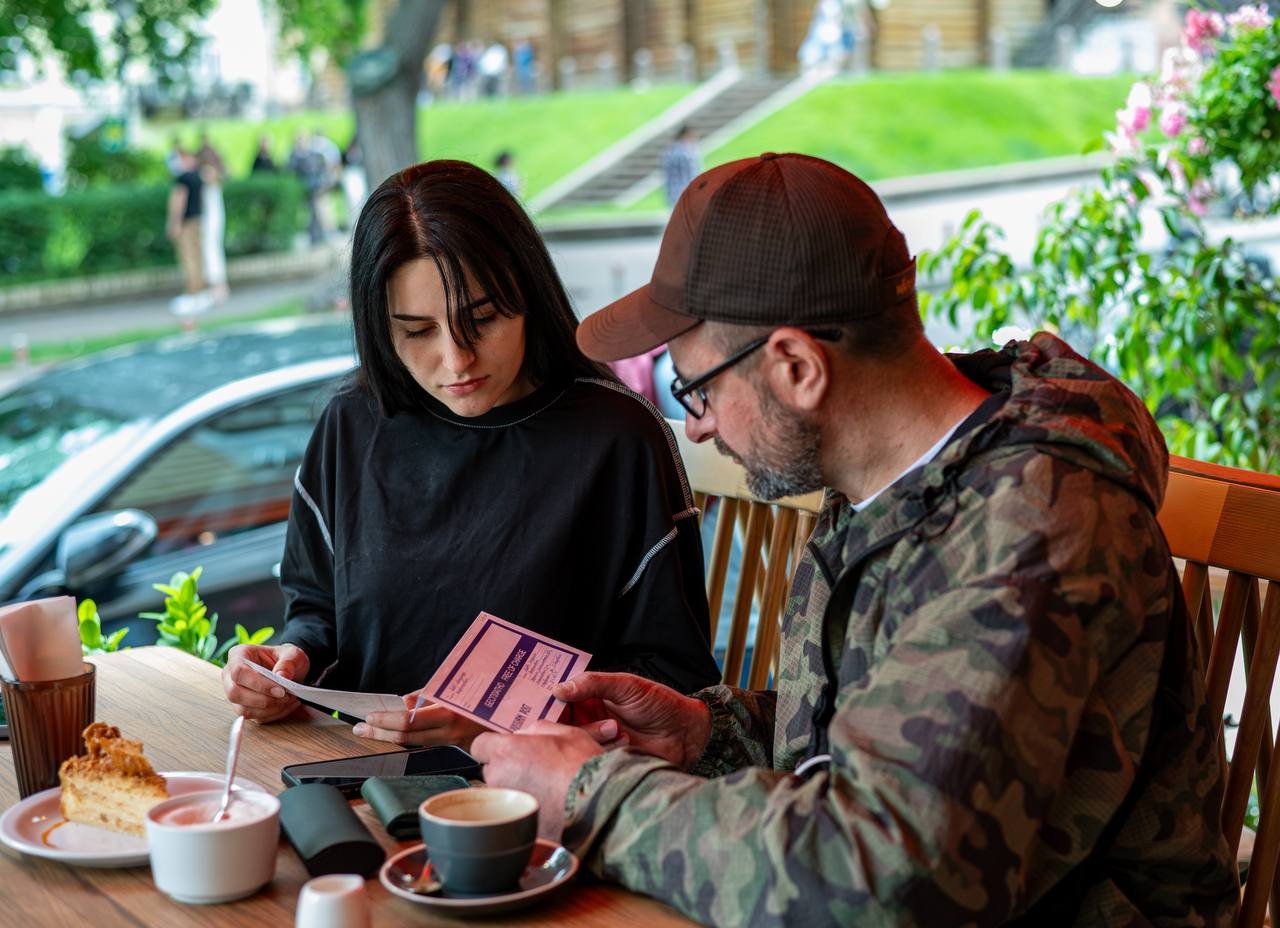
Correctional Colony IK-10, village of Udarny, Republic of Mordovia, Russia
Right upon arrival, the humiliation began with endless beatings starting during the intake process and initial medical examination.
“They were running X-ray exams, and when ‘Dr. Evil,’ would come out,” Oleksandr wrote in his notes. “He would use the stun gun and make us scream, ‘thank you to the Russian medicine.’” Oleksandr kept documenting what he went through, since his memory was gradually failing him and he wanted to.
The overall security conditions in Mordovia’s colony were noticeably higher—correctional officers covered their faces, no names were used, and even serial numbers on mattresses were erased. The daily routine was strict, chaotic, and filled with senseless commands.
“There was a command called ‘zoo’, where each cell had to mimic the sounds of different animals,” Oleksandr wrote. “The command ‘fog’ meant everyone must hide. The prison officer would walk the halls and look through the peephole; if he noticed anyone who was not well hidden, he would open the door and hit them on the head.”
Ukrainian POWs in the Mordovian colony were forced to sing Russian songs, stand for hours on end, and memorize Russian history. When failing to do so, they would be beaten. In one of Oleksandr’s voice notes, he spoke about the beatings with plastic pipes. They were unbearable: “They beat us very hard in the beginning. My legs were giving out. That’s why I have problems with my legs now.”
Freedom is a space for humanity
After Oleksandr’s release, despite the fresh memories of brutal captivity, he was ready to share what he went through, and wanted others to do the same. He encouraged survivors to come forward about sexual crimes, a topic often shrouded in shame. He believed that documenting these experiences, whether publicly or in private through human rights organizations, was the only way to expose the truth about what is happening within the Russian system.
“For me personally, not talking about what is happening in captivity [as a society], sweeping things under the rug, or avoiding what some call ‘heavy’ or ‘delicate’ topics, is simply a crime,” Anastasiia says. “It is silent consent.”
Through their conversations, Oleksandr and Anastasiia reached the conclusion that humanity cannot exist where there is no freedom.
“In Russian society, horizontal connections do not exist,” she says. “It is simply a hierarchy: you are either the tsar or the victim. Perhaps, to somehow justify being a victim, you begin to commit violence; you become a sadist, because that is the only thing that helps you identify with that tsar.”
For Oleksandr, the only path to change was a total deconstruction of that system from within. “Otherwise,” he told her, “this will never end.”
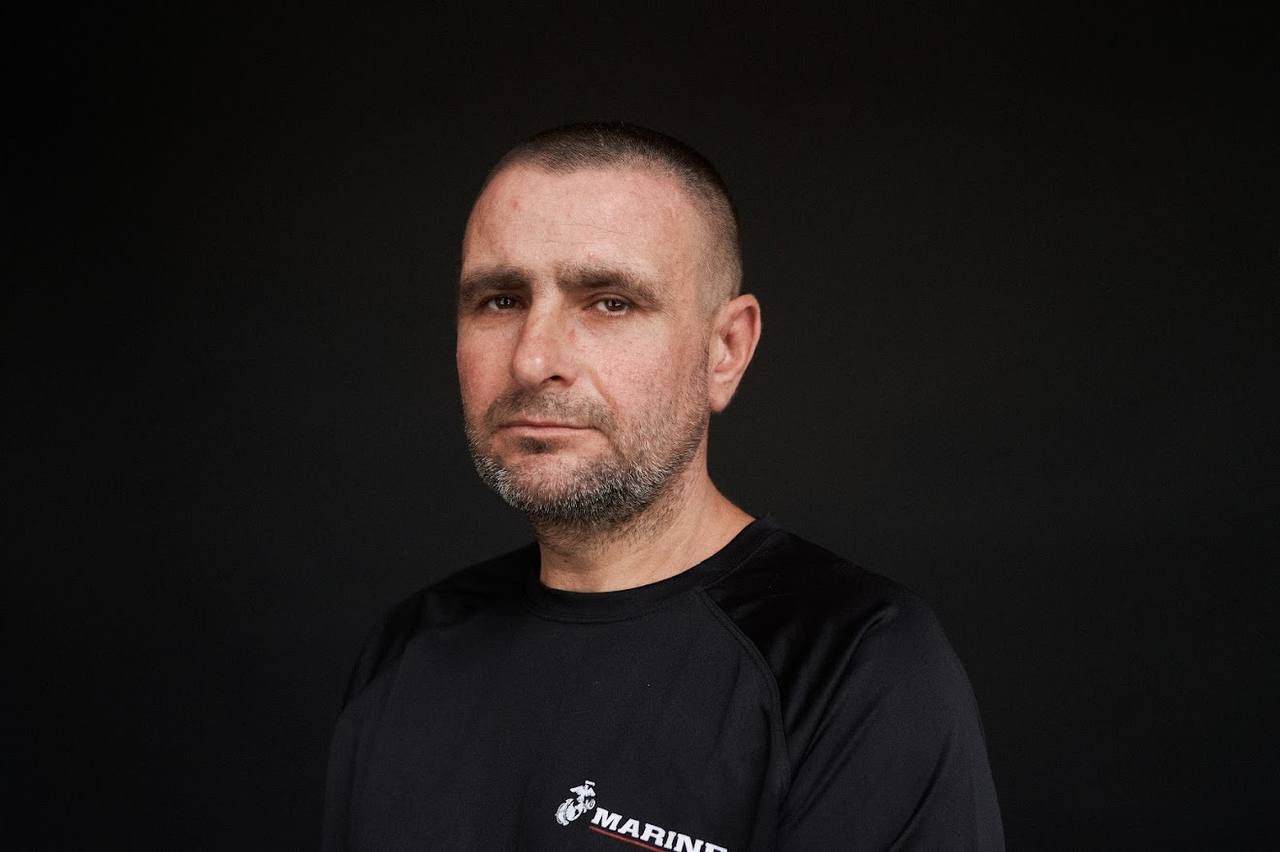
The body and mind
“What struck me so deeply was that in those first moments after his release, he was like a child,” Anastasiia recalled. “You look into their eyes, and you understand why this life is worth living. To see a person amazed by ice cream, or sitting on a bench just to admire the birds singing.”
But alongside this childlike wonder, she saw what the physical toll the torture in Russian prisons did to her father’s health.
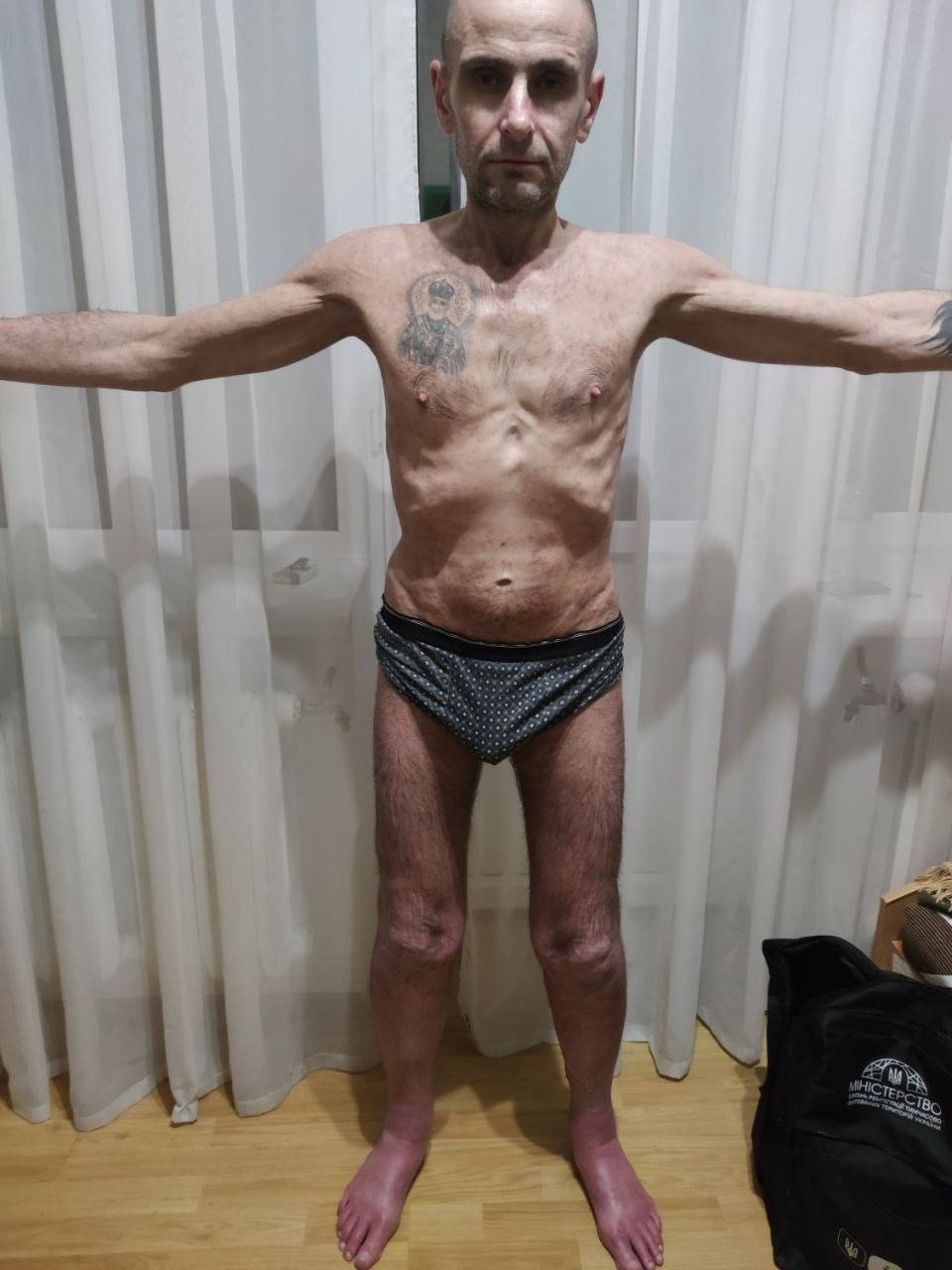
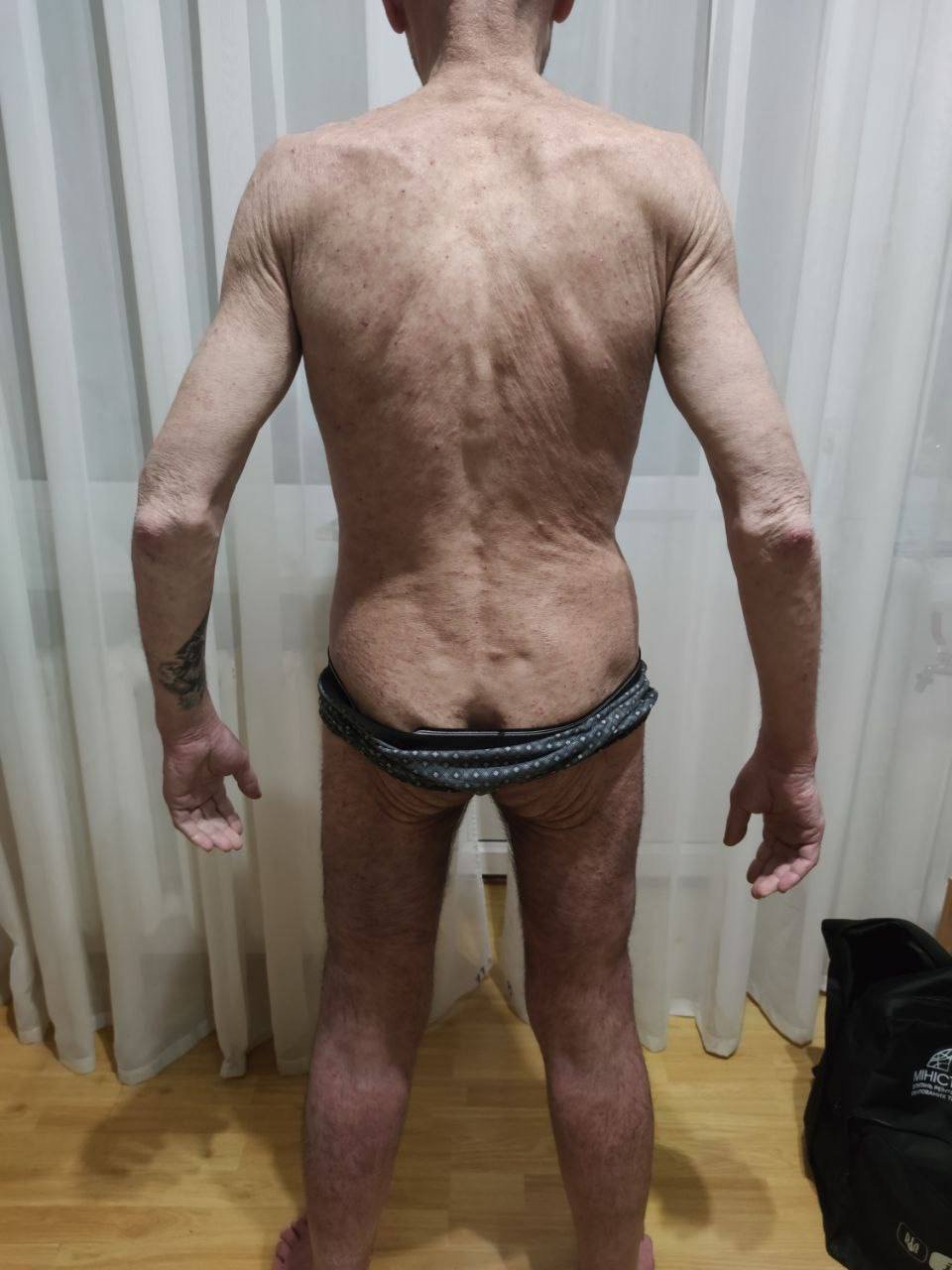
“My father returned severely ill. He had an active form of tuberculosis, an atrophic ulcer, and every single joint in his legs, from the bottom up to his waist, was dislocated,” Anastasiia says. Oleksandr suffered from back problems and broken ribs that had already fused back together while he was in captivity. He returned with scabies that required prolonged treatment. There were marks from stun guns and scars from other ulcers that had eaten into his skin.
Medical examinations later revealed degenerative changes in his frontal and temporal lobes. An MRI showed scarred hematomas inside his brain.
As for his mental state, he began to experience hallucinations: “After a certain period of time, once his body realized he was safe and could finally relax, his mind started manifesting intense paranoia,” she says. “He became very aggressive and couldn’t sit still, and felt a constant need to pace. He couldn’t just sit or be in a state of rest. It was also very difficult for him if someone was walking behind him.”
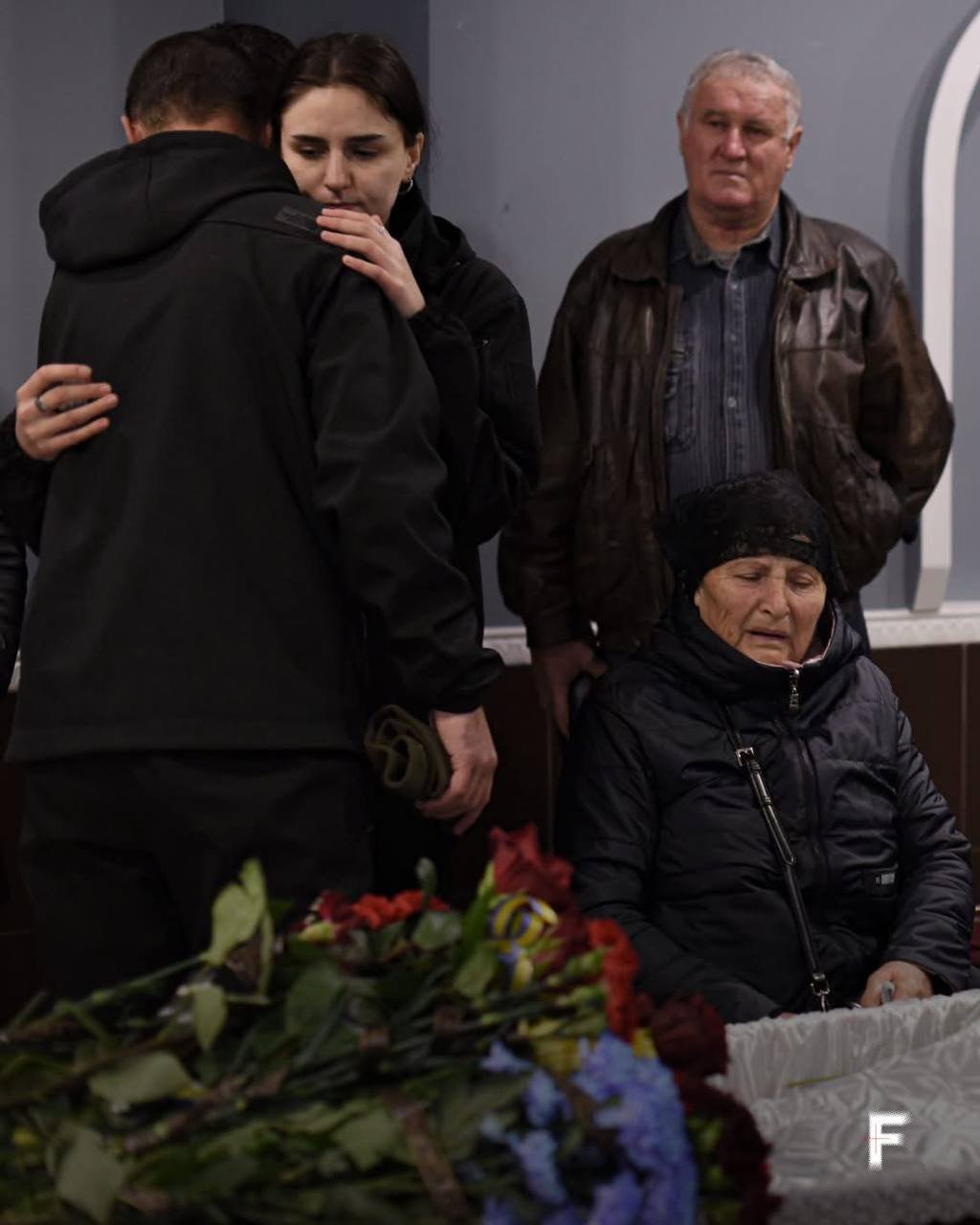
Memory
Despite what we go through, memories remain. Anastasiia recalls her father as a very cheerful person who tried to bring joy and help everyone. She remembers a moment from her childhood, when her family was vacationing in Berdiansk, a city on the Sea of Azov, now occupied by the Russian forces.
“Someone, one of the other children, ate my favorite curd snack,” she says. “I was so upset that I decided I was leaving home forever. My dad tried to catch up with me as I ran along the shore, weaving and getting lost among the crowds of people.”
Oleksandr died in his sleep. “I have thought about this so much, trying to understand at what moment I might have failed to look after him,” Anastasiia says.
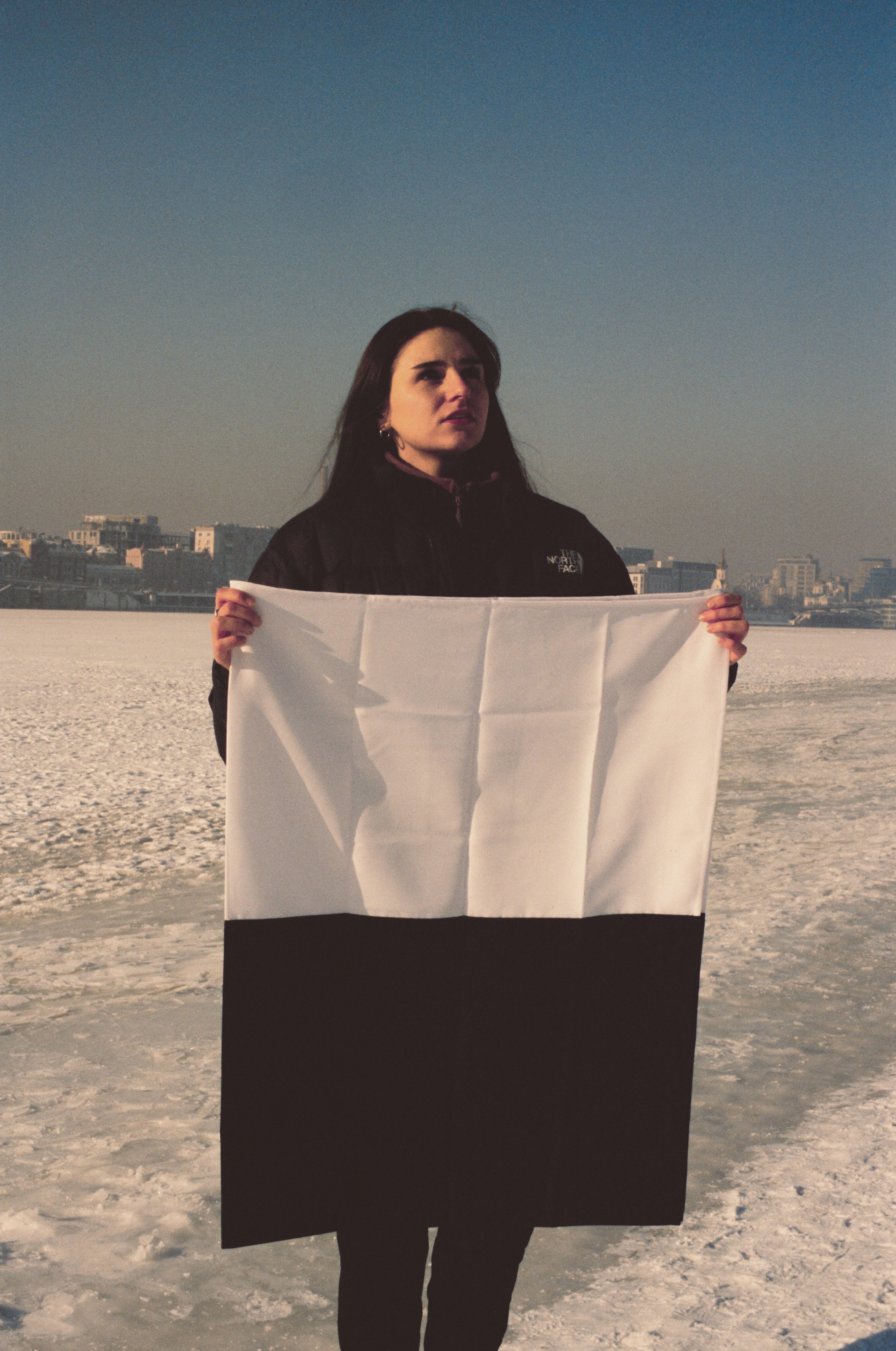
She has come to realize that his captivity did not end with his death; it became a permanent part of her. “It is something that will be with me forever, with my children, and with their children. It is simply a part of my story now.”
Today, Anastasiia is engaged in advocacy for prisoners of war and the missing in action. One of the main projects she is working on is The Flag of Hope , a national symbol of memory and support for those whose freedom was taken away from them by Russia.
“I truly wish for this memory to become a part of our state’s foundation,” she says. “This is what has been happening for centuries, and it is what is happening right now. Until we speak about it and stop it, it will continue. Doing this helps me now, because I see a part of my father in this work.”
To Anastasiia, Ukraine’s victory has taken on a different meaning since his passing. “I used to imagine it with my father by my side,” she says. “Once he passed away, I realized how vital the culture of honoring and memory truly is.”
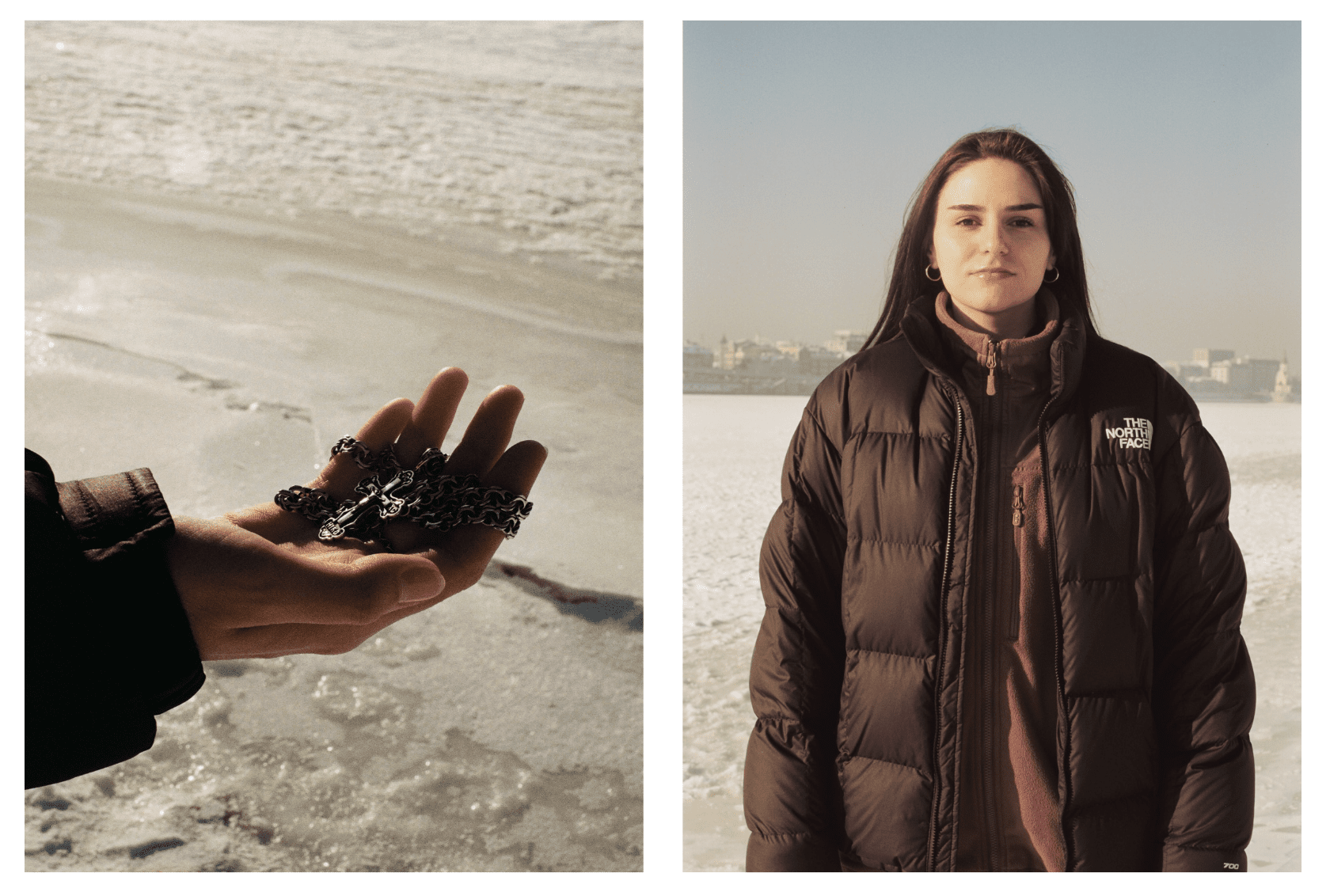
In her opinion, as a democratic country, Ukraine can broadcast to the world that human life is our highest value: “That is what we are fighting for.”
Seeing the flag is a reminder that there are people in captivity right now; someone is being tortured, and someone considered dead is actually alive, but captured.
“It is a constant reminder that for us, the ultimate value is people,” she says. “Until our people return, the war will not be over.”
Discuss this article: