- Category
- Business
A Farm That Won’t Surrender: Life and Work on the Frontline in Kherson
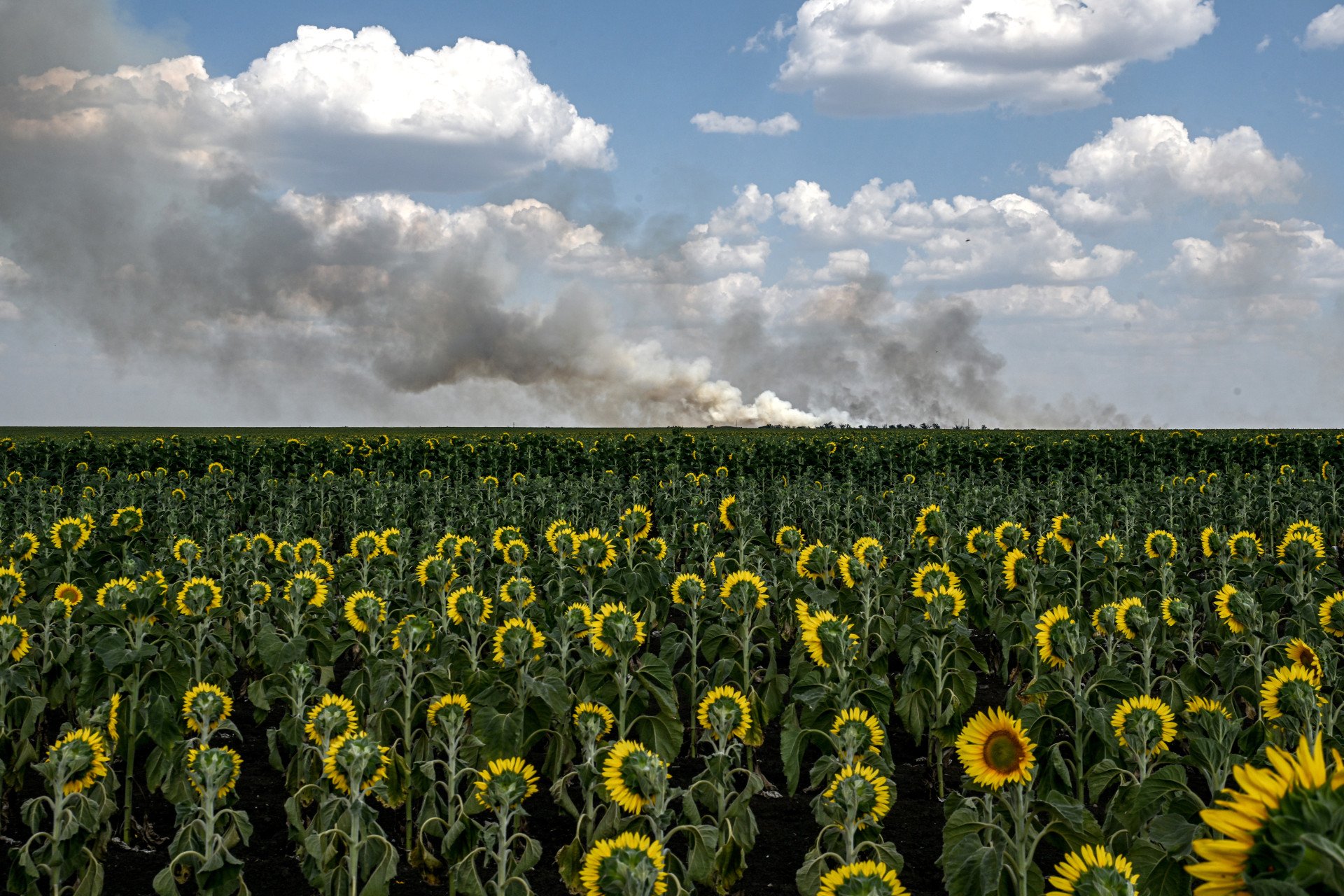
Under the sound of incoming drones and missile strikes, a small farm in Ukraine’s Kherson region continues to operate. They are feeding the country, whilst living on the frontline of Russia’s war.
 Prefer U24 Media on Google
- Authors

-46f6afa2f66d31ff3df8ea1a8f5524ec.jpg "Photo of Jess Daly")
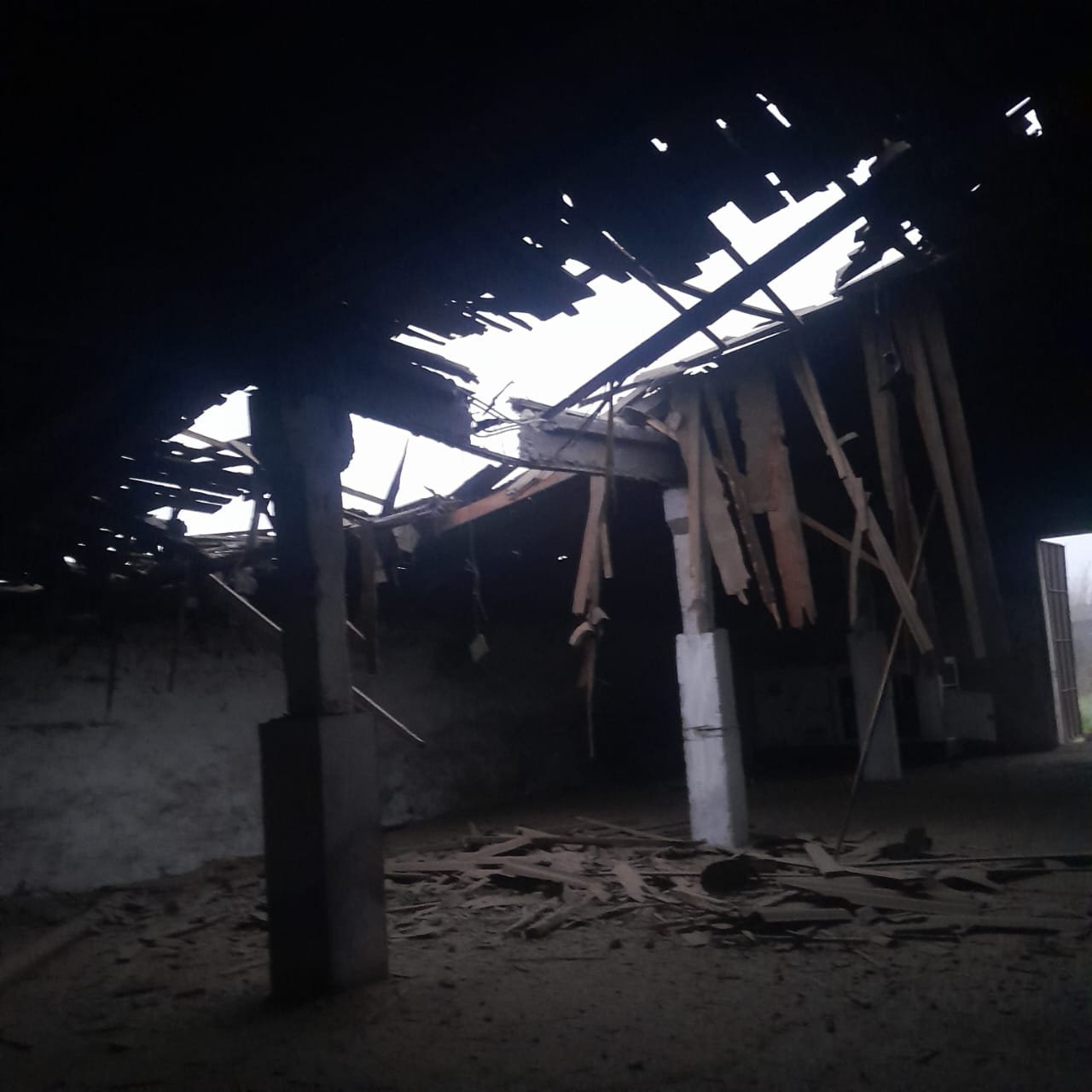
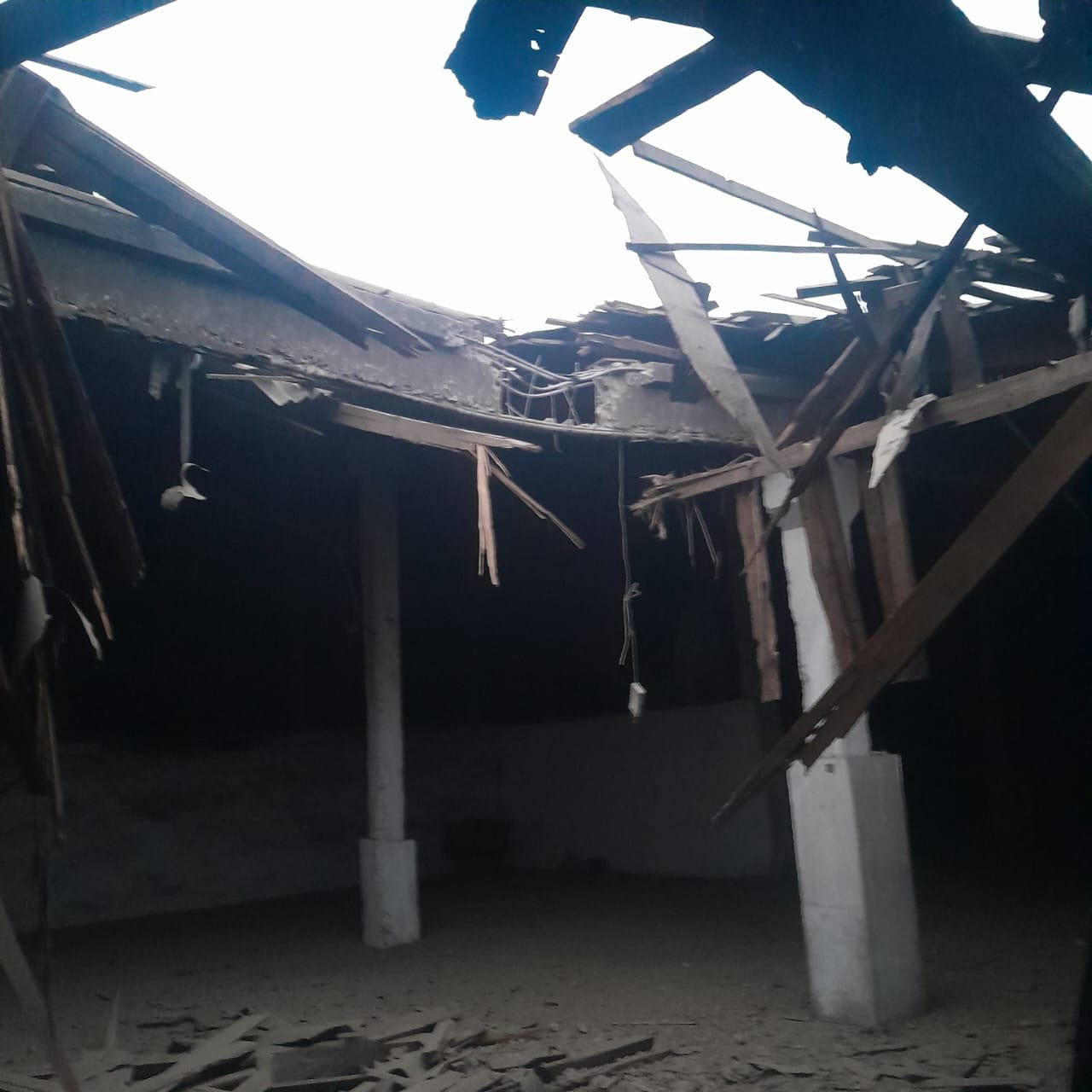
A small pig farm in the Kherson region has been hit three times by Russian drones and missiles since December 8, 2025.
People are very afraid when they hear the strikes. We only have heroes working with us. They face this every day, and any day could be their last.
Sergiy Kasyanov
KSG Agro
“It’s like a game of Battleships,” the farm’s owner, Sergiy, told UNITED24 Media. Some buildings are empty, others house animals. By chance, all three recent strikes hit empty structures. However, Russian attacks have a lasting physical, financial, emotional, and mental impact.
“Maybe next time could be a disaster, but for today, thank God, in our situation, in our sea battle, they are striking empty buildings”, Sergiy said.
Russian forces have sharply escalated attacks on Ukraine’s agricultural sector—destroying crops, machinery, and targeting farm workers with explosive drones. In 2025, the area of farmland burned nearly doubled compared to last year. In Ukrainian-controlled parts of the Kherson region, fires on farmland rose by 87.5%.
Between December 1 and 17, electronic warfare systems suppressed 11 Russian drones, including three Molniya-type UAVs and eight Mavic and FPV drones over Sergiy's farm.
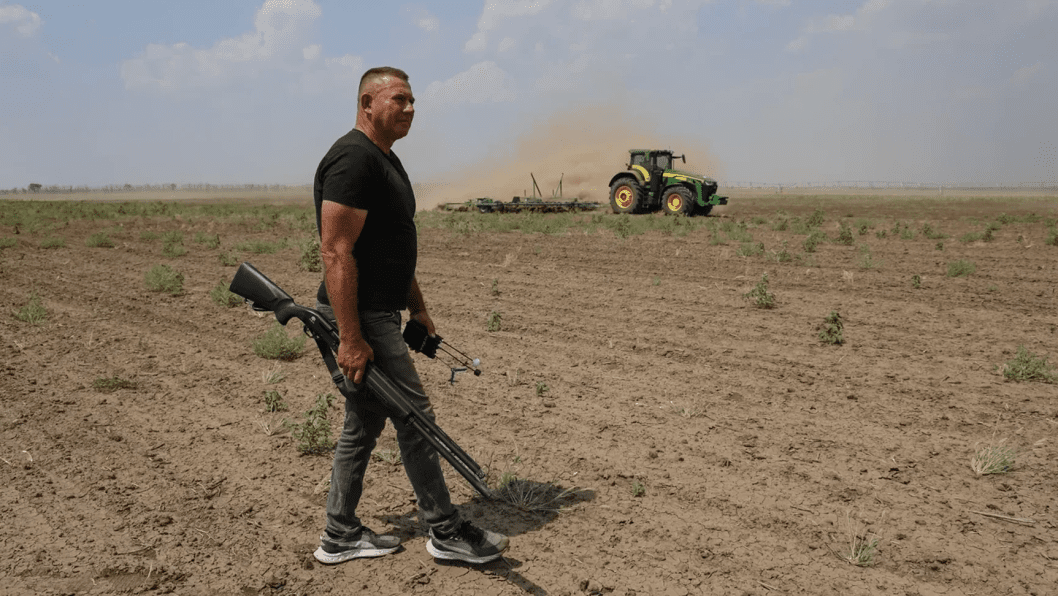
When Russia launched its full-scale invasion in 2022, Sergiy’s company, KSG Agro, was among the 13% of Ukrainian businesses that never stopped operating through the war.
KSG Agro is one of Ukraine’s top five pork producers, with sites working nationwide. It also exports wheat, corn, and barley to Asia and Africa, while its sunflower crops are processed for European markets.
The Kherson farm is one of KSG Agro’s smallest. It opened after the region’s de-occupation to support hundreds of locals. “It’s not just jobs,” Sergiy said. The business supports an entire supply chain of local farmers.
At launch, 90 people worked there at full capacity. Today, due to Russian attacks and safety concerns, only 20 remain.
It is a huge stress, not only for people, but also for animals. When there are explosions near the production site, people are not only working at our farm, but they also live here. They have their homes just one, two, or three kilometres away. They need to work, they need a job, and they need to eat; they need something.
Sergiy Kasyanov
KSG Agro
Movement is dangerous. Crossing the city to buy supplies risks drone attacks. Kherson remains under near-daily missile fire, while Russian FPV drones hunt civilians in what locals call a “human safari.”
Residents endured eight months of occupation, then constant shelling after Russia’s retreat. Now, drones drop anti-personnel mines into civilian areas, making daily life almost impossible.
One and a half years ago, a car with two employees was attacked by a Russian drone, the lady who was working with us was killed, and her husband was left in a very, very serious condition. They have two children.
Sergiy Kasyanov
KSG Agro
The father and the two children still live in a village near the farm, and helping them is a priority for Sergiy. “They’re our family”, he told us.
“It’s impossible to call this normal life. Missiles hit city centres and hospitals in just one day. Six months ago, Russia attacked the area, and many people died. When you live in a stressful situation like this, you adapt. People grow thick skin,” Sergiy said.
Though not originally from Kherson, Sergiy is closely tied to the region. His wife studied agriculture at Kherson University; his father-in-law is from the area. He primarily works at KSG Agro’s larger operation in Dnipropetrovsk.
From 2002 to 2006, Sergiy worked in parliament as the chairman of the commission responsible for adapting Ukrainian law to meet the requirements of the World Trade Organisation.
Thereafter, he returned to business; he wanted something concrete, and politics was “...something else,” he said.
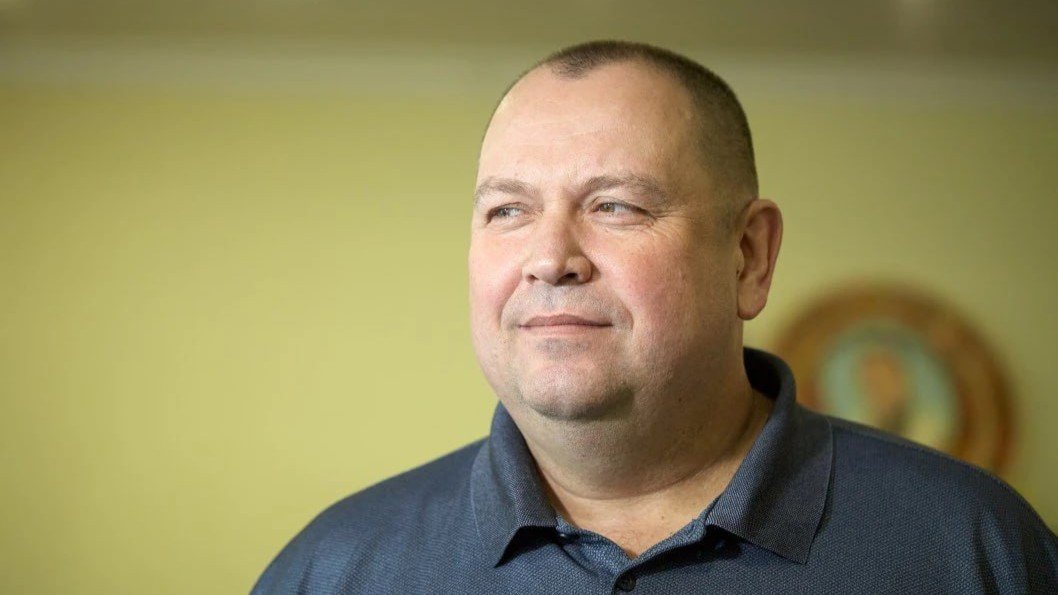
Since then, his company has expanded and adapted network-based operations to survive war. Production has not only continued, but it’s also increased.
Russian strikes on energy infrastructure leave power cuts lasting over 15 hours a day at his farms. KSG Agro is installing solar panels and cogeneration units to operate independently. The farms rely on wells that they have built themselves for water.
Attacks on energy infrastructure across Ukraine severely impact businesses like Sergiy’s. In Ukraine’s southern Odesa region, authorities declared a state-level emergency following sustained Russian attacks that severely damaged energy facilities on December 18th, leaving more than 50,000 residents without power for several days.
A Russian missile strike on an Odesa port infrastructure facility also killed 8 people and injured 27 others, on December 20.
The enemy is once again reporting on alleged hits to military targets. In reality, the targets are the same: civilian vessels, grain storage facilities, and terminals. The infrastructure that helps us ensure the world’s food security, which Russia is once again putting at risk by levelling all norms of international law.
Oleksii Kuleba
Deputy Prime Minister for Restoration of Ukraine and Minister for Communities and Territories Development.
Odesa’s ports are critical. Half of Sergiy’s exports pass through them. “If Odesa port is not working, nobody is buying grain, nobody is buying sunflower because the enterprises that are producing sunflower oil have stopped working, because they cannot export”.
Of course, it worries me. This is a target for them (Russia). Target number one is to stop economics, especially our agriculture, because it's the main production in Ukraine. We had machinery, chemicals, metallurgy, but it's all stopped.
Sergiy Kasyanov
KSG Agro
Ukraine’s 41.3 million hectares of farmland—two-thirds of which is rich black soil—make it one of the world’s most productive agricultural countries. Its grain feeds regions no one else can supply at scale.
In 2023, the World Food Programme sourced 80% of its grain from Ukraine, up from 50% before the war, to feed 152 million people in countries including Yemen, Ethiopia, Afghanistan, Sudan, and more.
Russian aggression has led to unprecedented destruction of the natural environment, reaching losses of 6.01 trillion hryvnia, more than $142 billion—the largest environmental damage recorded in Europe in modern history, the State Environmental Inspectorate of Ukraine reported. Explosions, fires, and chemical leaks alter soil structure and reduce fertility, affecting agricultural production and human health.
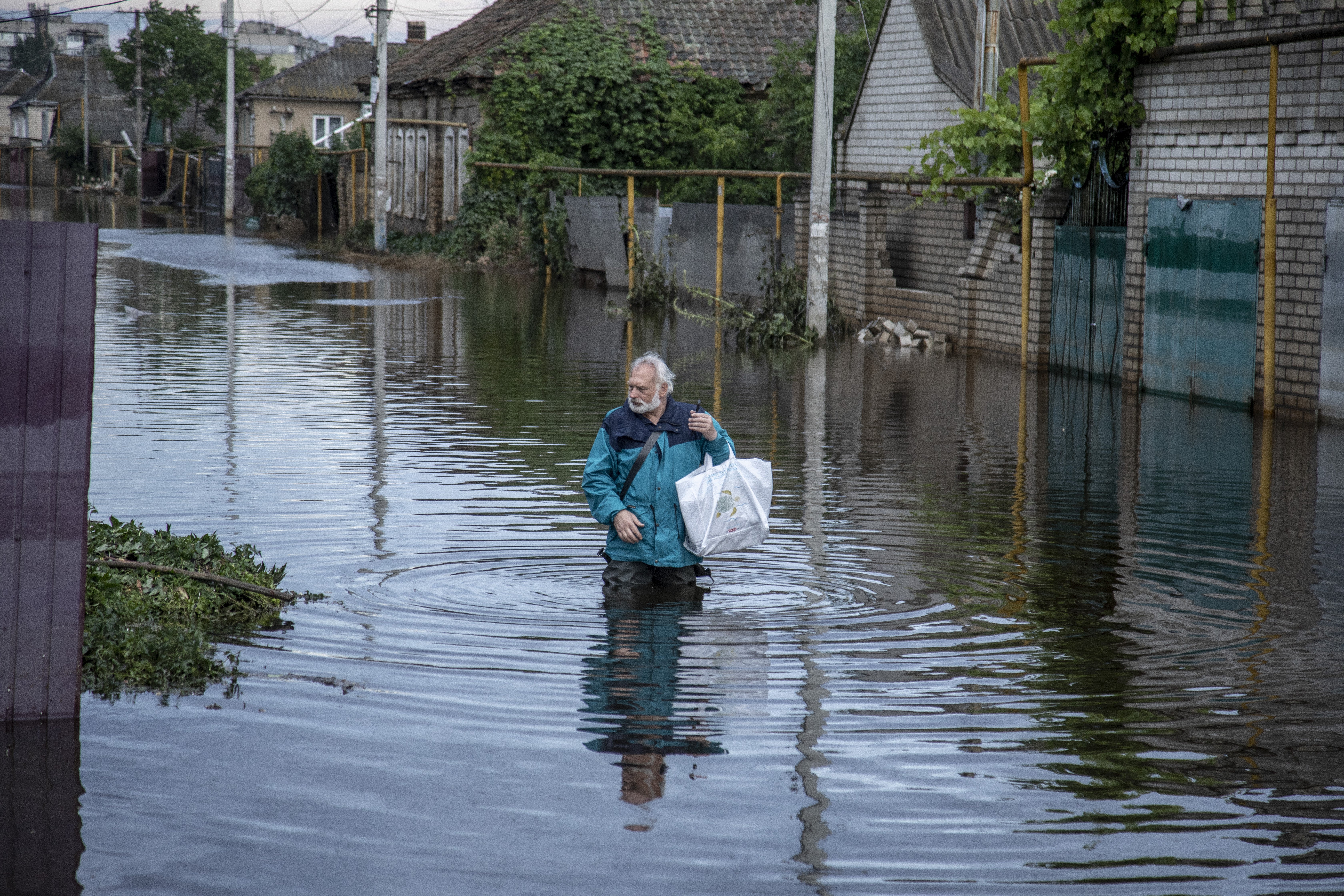
Ukraine’s agricultural exports fell 38% year-on-year, partly due to intensified Russian strikes on Black Sea ports. Grain transfers through Odesa dropped by nearly a third, the Ukrainian Grain Association reported.
Sergiy calls for a new logistical plan set out by Europe for Ukraine. “We have the products, we just need the logistics, we need the ports. If Putin continues, we could stop production. Having a new business model is much better than just giving money to the government; we’re not beggars,” he said. “We can produce, we can do this, but we need help from them.”
For now, he’s relieved larger missiles haven’t hit his farms.
No one ever imagined that something like this could ever happen in the 21st century. People are staying strong because there's no other option, and life would be unbearable. But we believe in the future and that everything will return to something called normal, which is hard to imagine now. If the war stops, in Kherson, we’ll immediately have a different life. We are dreaming and believing in a time when it will stop.
Sergiy Kasyanov
KSG Agro
Discuss this article:
-9bd5e1532102621f8fb1c4ba871a3171.png)

-5f84711170d2769c4cda67ca2bebf5d2.jpg "Carpathian 8 Summit: Ukraine Leads Push for Security & Regional Growth")

-111f0e5095e02c02446ffed57bfb0ab1.jpeg "Photo of Roman Kohanets")
-4258f90da45ed571f27851d158610665.jpeg "Photo of Valeriya Ionan")
-92cc3cc3704a042ef4f32eb51a51081d.png "Activitis Builds Fintech Infrastructure for Ukrainian Business During Wartime")
-29a1a43aba23f9bb779a1ac8b98d2121.jpeg "Photo of Illia Kabachynskyi")