- Category
- Life in Ukraine
How Do You Take Your Morning Coffee? In Ukraine, It’s Brewed Under Russian Fire
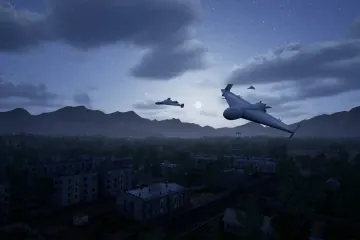
You may already know the long journey coffee takes from distant farms to expert roasters to your morning mug. Now add Russian airstrikes to that process. Across Ukraine, even under fire, people still brew. This is how they keep the ritual alive.
 Prefer U24 Media on Google
- Authors


While Ukraine is a land abundant in berries—from Carpathian lingonberries and southern sea buckthorn to forest blackcurrants—one berry refuses this Eastern European climate: the Rubiaceae fruit, better known as the coffee cherry.
For many Ukrainians, summers spent picking cranberries or strawberries—notes found in coffee tasting—bring a certain nostalgia, though nothing compares to the legend of Kaldi’s dancing goats, high on nature’s first caffeine fix, in Kaffa, Ethiopia—where coffee gets its name.
Before Russia’s war, Ukraine ranked second among Europe’s fastest-growing coffee-shop markets, and even under the full-scale invasion, café numbers still climbed 35% through 2024.
But numbers tell only part of the story. For the rest, we take you deeper into an industry under Russian fire—into cafés and their baristas, and to roasters in Dnipro and Kyiv who continue to shape Ukraine’s coffee culture today.
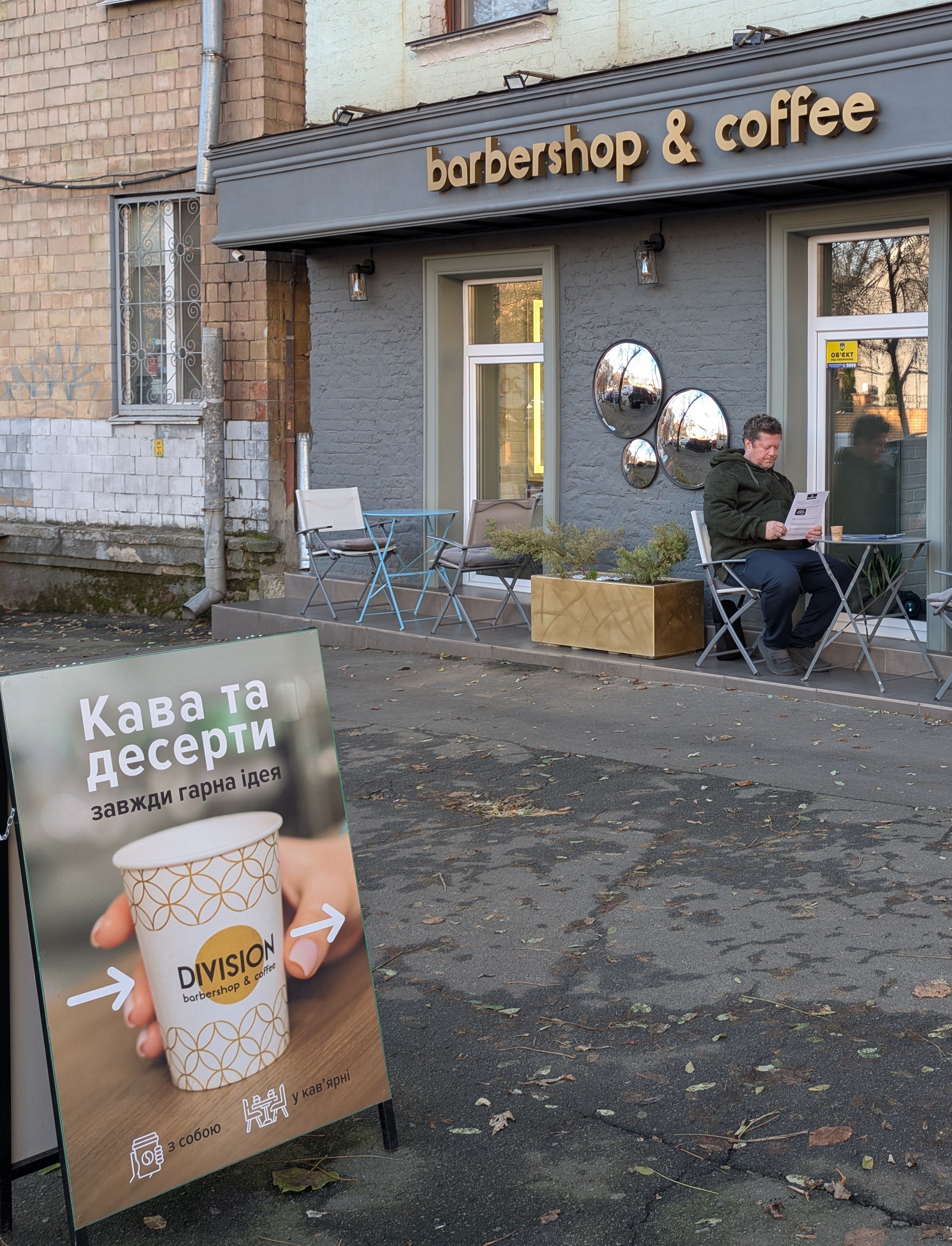
When coffee meets war
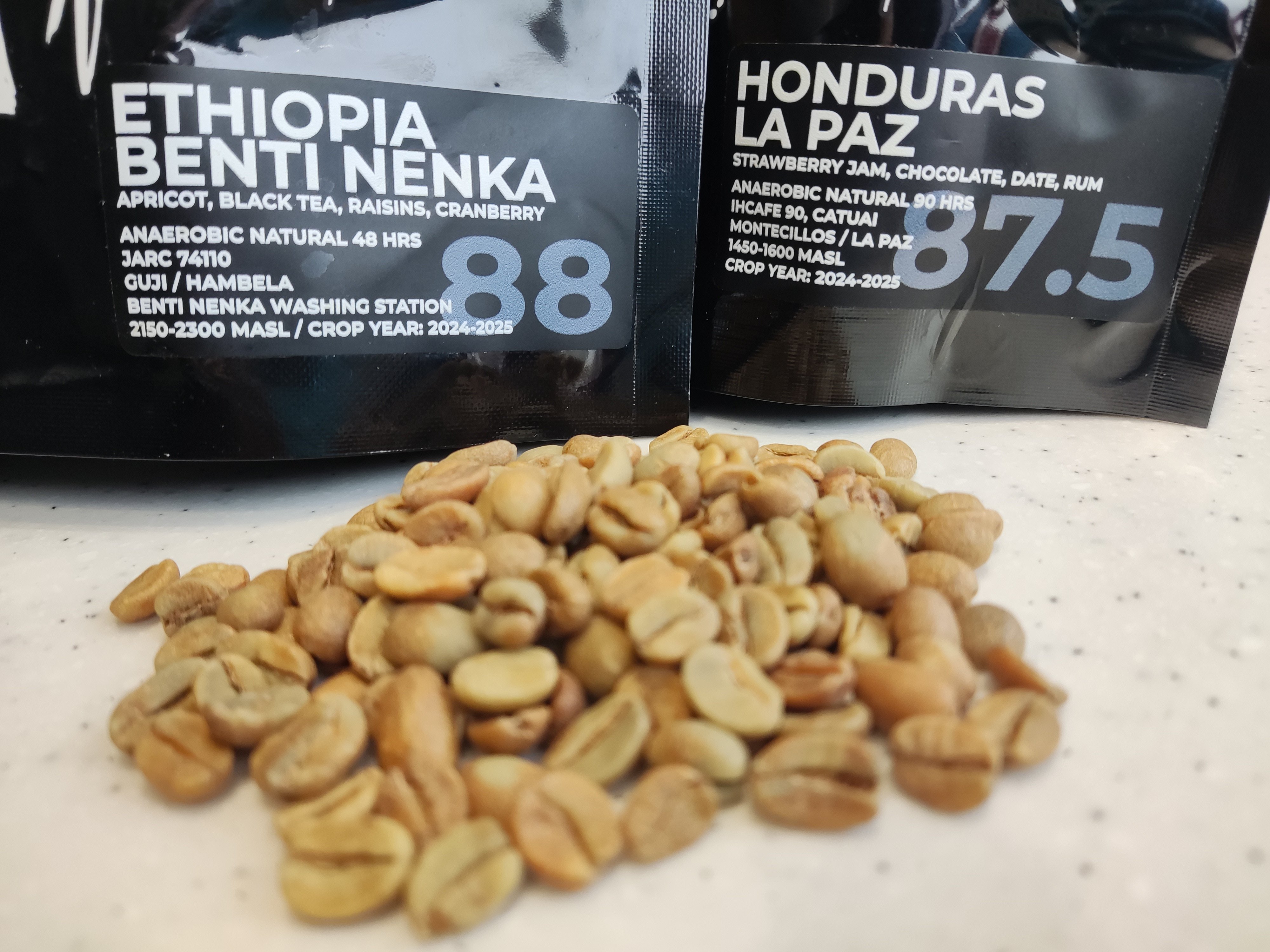
With cafés in all major Ukrainian cities serving washed, natural, anaerobic, and even decaf filter coffee side by side, a hot cup offers many in Ukraine a small comfort and a brief reprieve from a daily reality that can be upended in a Russian attack—as it did for the roasters at Idealist.
Idealist hit by missile strike
On the night of October 25, 2025, Russian ballistic strikes on Kyiv, which killed three people and injured more than 30, caused over $100 million in damage to city businesses—among them Idealist Coffee & Co., whose production facility was heavily damaged. They released photos of the wreckage on their social media and expressed sorrow for the casualties in nearby buildings, and added that “the timeline for restoration remains unknown.” It was the second strike on their premises in less than two months.
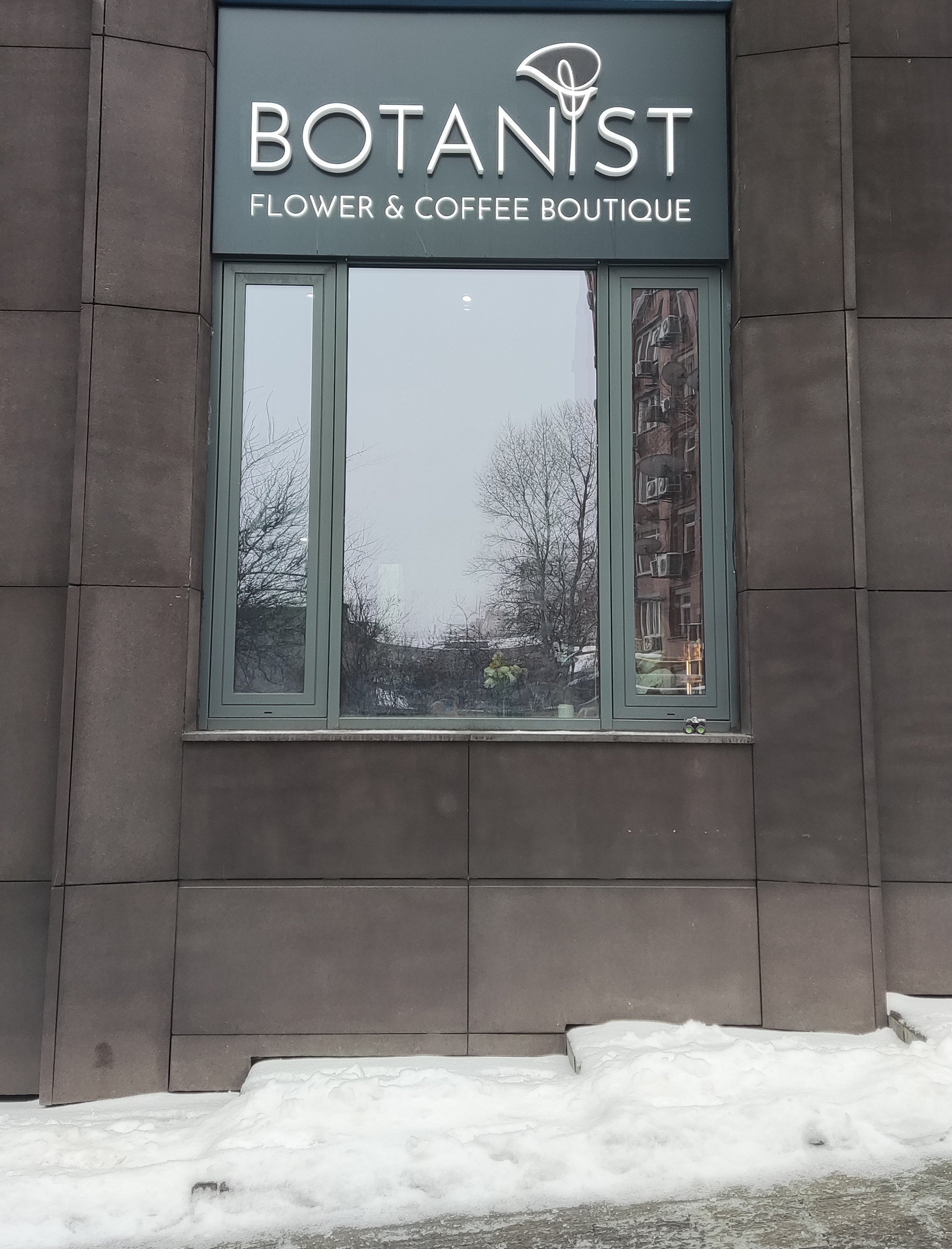
Russian attacks have disrupted more than one coffee business, and after almost 10 years in the city of Dnipro, High Hill Coffee eventually decided to relocate further west to the capital, a city that lies a night-train ride away. On that journey, carriage attendants now skilfully brew drip filters—supplied by Idealist—in place of old instant grounds, a small but telling sign that specialty coffee has reached every corner of the country.
Same river—different story
High Hill Coffee appeared in Dnipro at a time when the city had very few specialty coffee shops. Its founder, Iliia Elisey Kastornykh, opened the first space on Barykadna Street in 2016—“right under a hill,” as he joked—with a simple goal: “The first idea was just to make a good cup of coffee.” He also baked bread, and when a Ukrainian coffee guide misprinted their concept as “High Hill Coffee and Bike” instead of “Bake,” the publishers apologised by sending him a bicycle, which became part of the café’s identity: “We put it up in our space like decoration.”
The turning point came when they installed a small roaster after expanding into the old flower shop next door. “We started roasting coffee and the roasting process, and brewing were in one place,” Elisey said. They learned on the go, buying green beans, testing small batches, and helping customers notice what he calls “the small things”—acidity, sweetness, and body.

High Hill from Dnipro to Kyiv
As demand grew, they moved production into a dedicated site near Dnipro’s river port. Building it required total commitment: “All money, all opportunities we have—we just believe that someday it’s gonna work.” Then Russia’s full-scale invasion started, and a drone strike on a postal depot in the fall of 2022, which Elisey said destroyed “two tons of our coffee… maybe all of our money,” slowed the business for more than a year as they tried to recover.
“We had a lot of problems with logistics, because shipping our roasted coffee from Dnipro to places like Lviv… there are difficulties,” Elisey said. Russian missile and drone attacks repeatedly hit Dnipro and its infrastructure, and some strikes landed close enough to their factory that they began to feel the city was no longer a safe base. This convinced them to start looking elsewhere.
They discovered a former winery on Kyiv’s Kudryavska Street and began the lengthy process of transforming it into their new home. But rebuilding during wartime meant constant setbacks: “Through these four months I worked with 50 people,” Elisey said, “and many were mobilized or dealing with missile strikes on their own homes.”
By the end, only four builders remained—yet together they transformed the space into a place for new-bean tastings and workshops led by Elisey and the small but devoted High Hill Coffee team that relocated from Dnipro, along with the production itself.
“You don’t buy a cup of coffee—you buy a ticket to this experience,” he said. For Elisey, the philosophy is simple: “Loving coffee is loving life.”
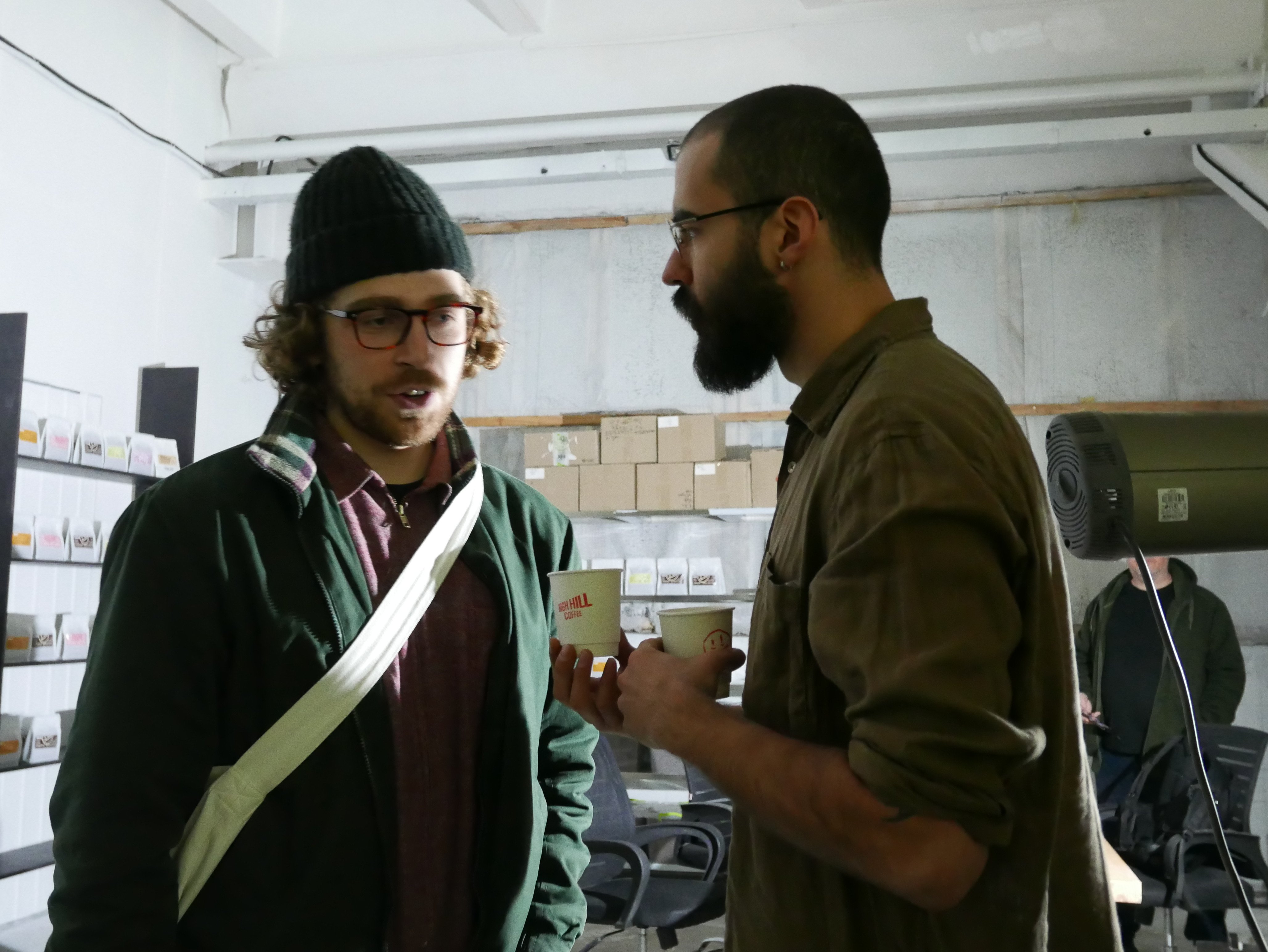
Brewing for the frontline
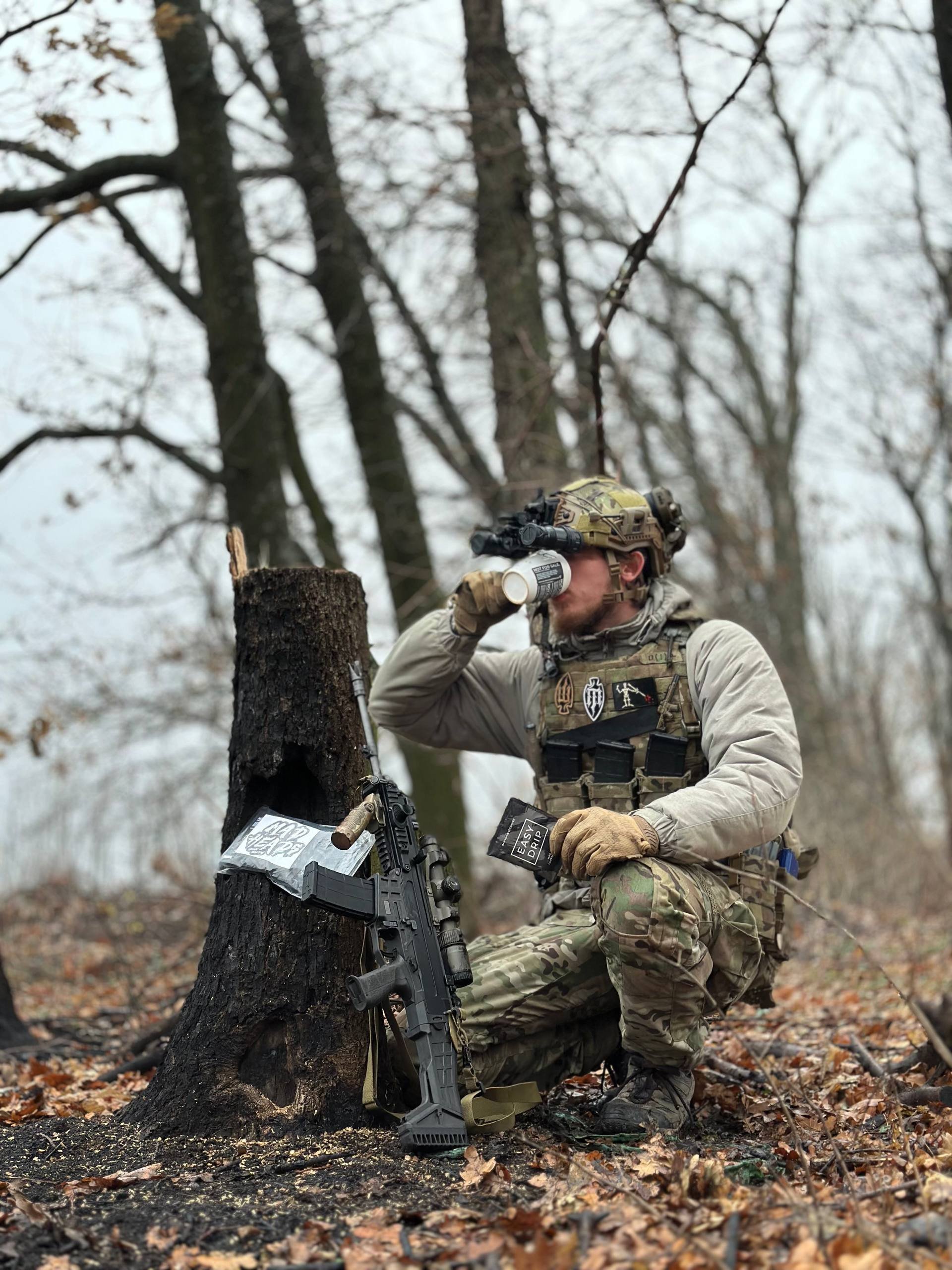
Beyond running the roastery, Elisey also sends coffee to Ukrainian soldiers each month, creating special packaging “just for the military.” He now works in collaboration with the 3rd Assault Brigade: they design and promote the product together, and all proceeds go toward the unit’s needs—from coffee to uniforms, drones, and other frontline equipment.
With production up and running in Kyiv, nationwide deliveries are now far easier—including to our next stop: Lviv, where we will explore a coffee tradition that stretches back to the 17th century.
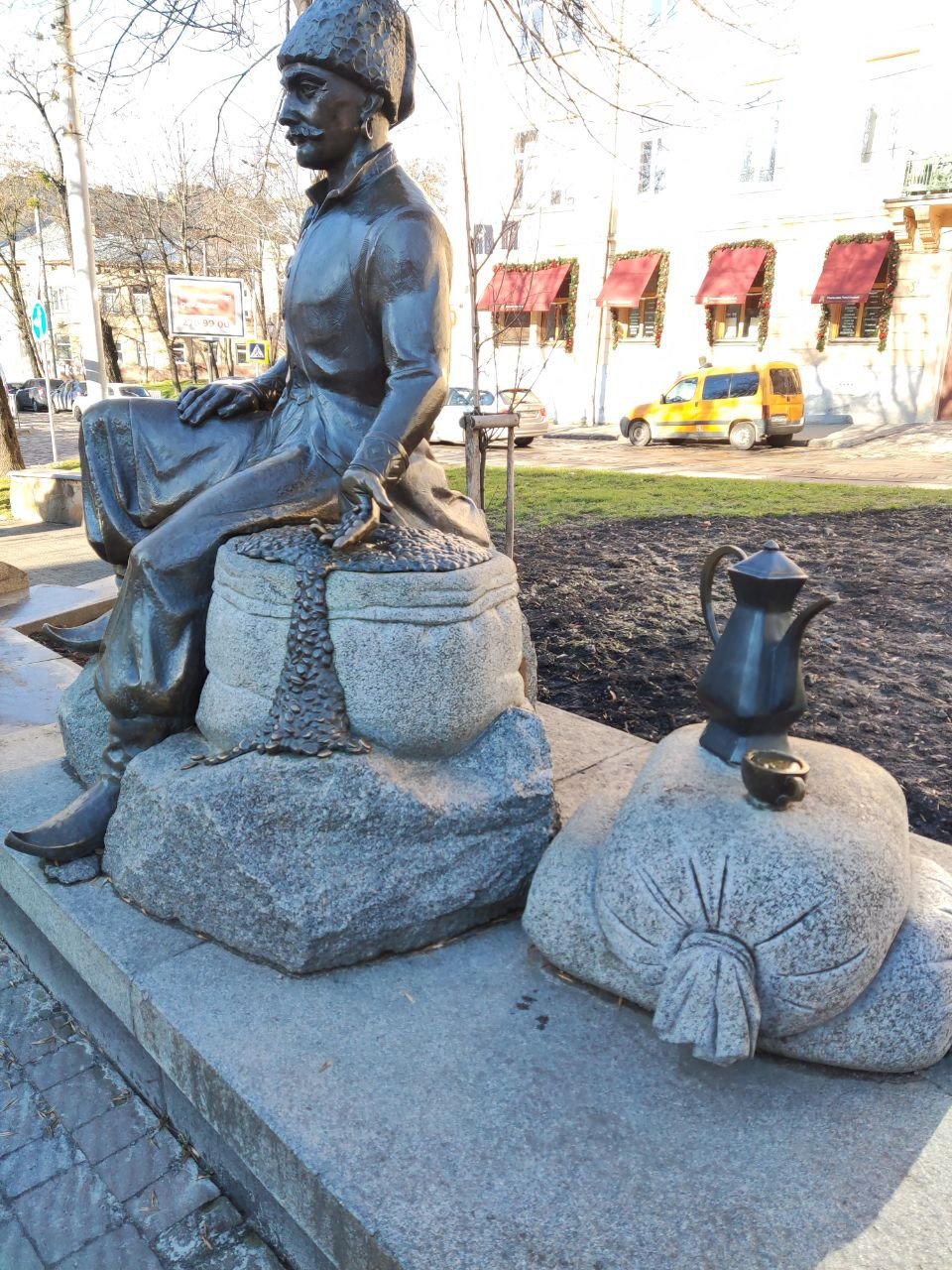
Sieges, mines, and flames: Lviv’s coffee origins
Ukraine’s coffee story begins with Yuriy-Franz Kulchytskyi—the Galician Cossack born in what is now the Lviv region—who crossed Ottoman lines disguised as a Turkish courier to carry messages during the 1683 siege of Vienna. For his heroism, he is said to have been rewarded with 300 sacks of captured Ottoman coffee, which he used to open one of Europe’s earliest coffee houses in Austria.
Not far from his birthplace, Kulchytskyi’s legacy lives on in Lviv’s coffee institutions, including the aptly named Vienna Coffee House, which opened in 1829 and continues to serve to this day. Another is Lvivska Kopalnia Kavy, a theatrical “coffee mine” on Rynok Square where beans are ceremoniously “extracted” from underground vaults and baristas caramelise sugar over the coffee in a flame-throwing ritual.
During the Soviet years, Virmenka—a small coffee house that became a meeting point for artists and dissidents—was one of the few places where “in the late 80s, over a cup of coffee, visitors talked about independence even before it was declared and organised protests against the Soviet regime,” according to the café’s own historical account. And the café still brews its oriental-style coffee, a customer favourite unchanged since then.
In a city that now hosts a biannual coffee festival—which drew 32,000 visitors in 2024—and has close to 300 coffee shops, it’s hardly surprising that dozens specialise in high-quality beans. What might surprise you is how often specialty brews appear near the frontline, in places such as Izyum or Kramatorsk. And farther in—at command posts and inside the trenches—the Ukrainian Armed Forces are turning to one Kyiv roastery in particular: Mad Heads.
Coffee, rubiaceae, madder: What’s in a name?
Mad Heads is a Kyiv-based specialty roastery founded by Artem Vradii and Anatoliy Starykovskiy, who came to coffee from different sides of the industry. Artem spent years working in cafés from Kharkiv to Odesa before deciding to open his own business, which he went on to co-found with Anatoliy—a Kyiv restaurateur who oversees operations.
They began modestly, renting time on another factory’s machine before eventually buying their first Giesen industrial roaster. Today, they roast on two machines and use special equipment for removing stones and defective beans, paying attention to small details like packaging and how it’s sealed, which affect freshness. They both agree that making great coffee isn’t about any single factor—“not the machine, the beans or the technique alone, but the combination of all three.”
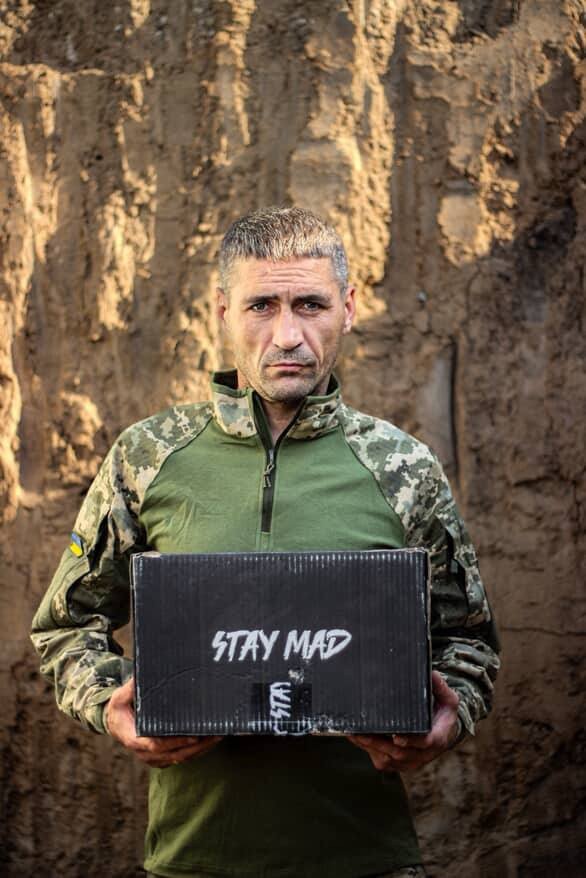
Mad Head in Kyiv fundraising for army
To understand coffee more deeply, Artem has travelled widely—visiting coffee plantations in Africa and Central America. But his childhood travels play an important part in this story, too. “With a team of my friends, we were dancing, travelling a lot, and we called our team Mad Heads,” he says. “I knew that if one day I started my own business, it would be called Mad Heads.”
When the full-scale invasion began, the roastery ground to a halt for a couple of weeks. They assumed the business wouldn’t survive—“nobody will need coffee,” Artem recalls believing at the time. But soon they heard from soldiers at the front who were sick of the energy drinks they were living on, asking them to send coffee instead.
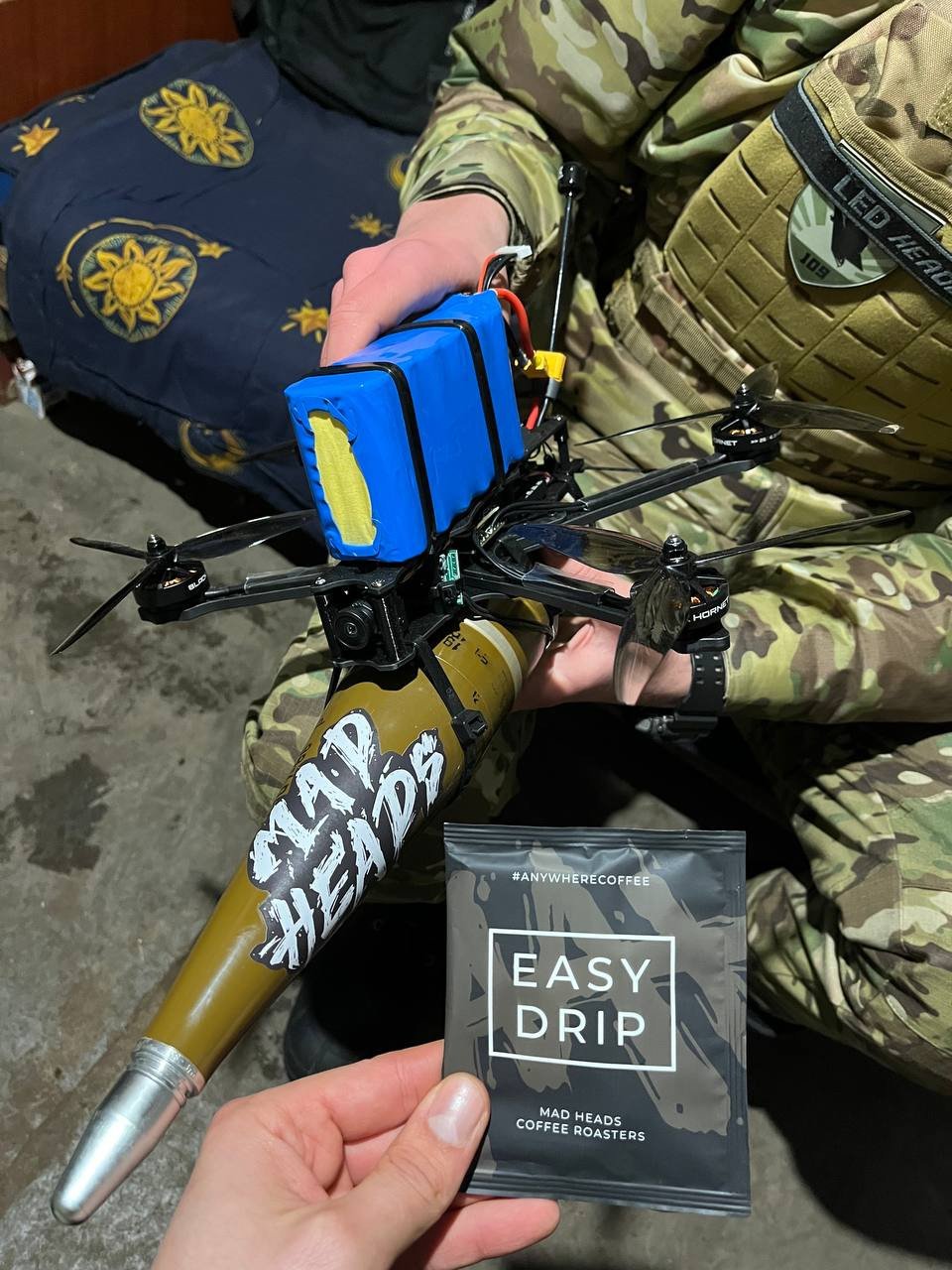
Requests now come in at huge volumes, and they estimate they can realistically cover only about half of what people ask for. They run a “donate” option on their website, but it accounts for less than 5% of what they send to the military—the rest they cover themselves. Drip-filter bags quickly became the most requested format because they can be brewed anywhere, and today Mad Heads sends around 50,000 of them to the frontline every month—more than half a million a year.
Their support for the military goes beyond coffee. Over time, they’ve helped buy equipment ranging from brewing gear to drones, 3D printers, tactical items, and other supplies—“everything except rockets,” they joke. Around ten members of their staff or close colleagues are currently serving, so they try to keep track of what those units need most.
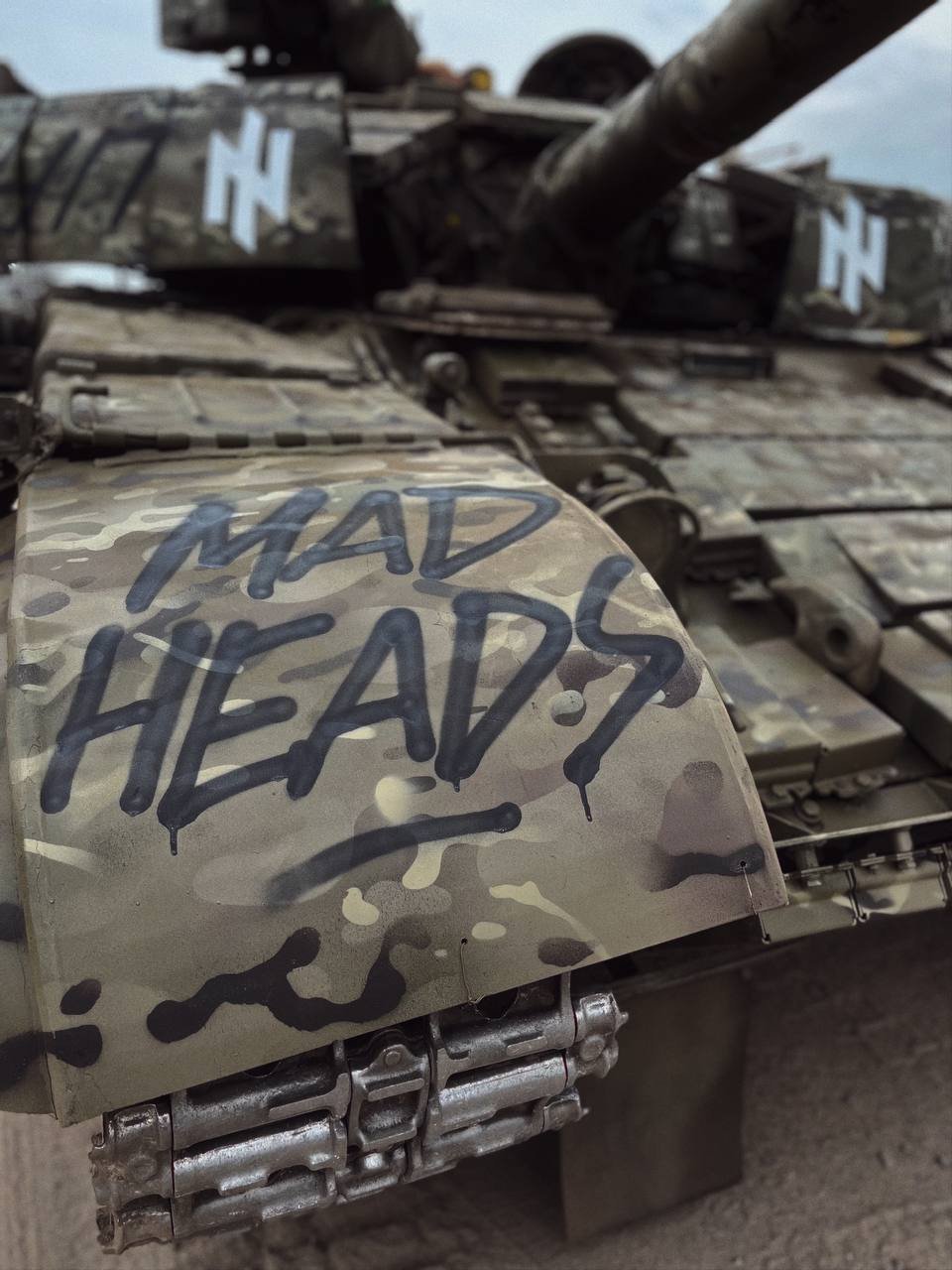
Why coffee endures
For Artem, Ukraine’s passion for coffee runs deeper than trends. He believes Ukrainians have developed a national habit of drinking good-quality coffee, and even soldiers preparing for missions take brewing gear when they can—he’s seen photos of friends in the field with moka pots clipped to their vests on a carabiner, and two bags of coffee packed inside their kits. “I was shocked, but you notice the desire for good quality increases every year,” he says.
Finally, Artem shares a message urging people not to fall for Russian propaganda, “and not to be tired from this war or the news in Ukraine.” “And if they do?” I ask. His co-founder, Anatoliy, grins: “Drink some coffee and recharge.”
After descending the spiral staircase from where visitors can enjoy a brew and watch the roasting process, I step into the courtyard outside. A towering red mural dedicated to Ukrainian prisoners of war covers the wall. It’s one of many similar displays across Kyiv, where venues make a point of keeping attention on those still held in Russian captivity — in particular, members of Azov.
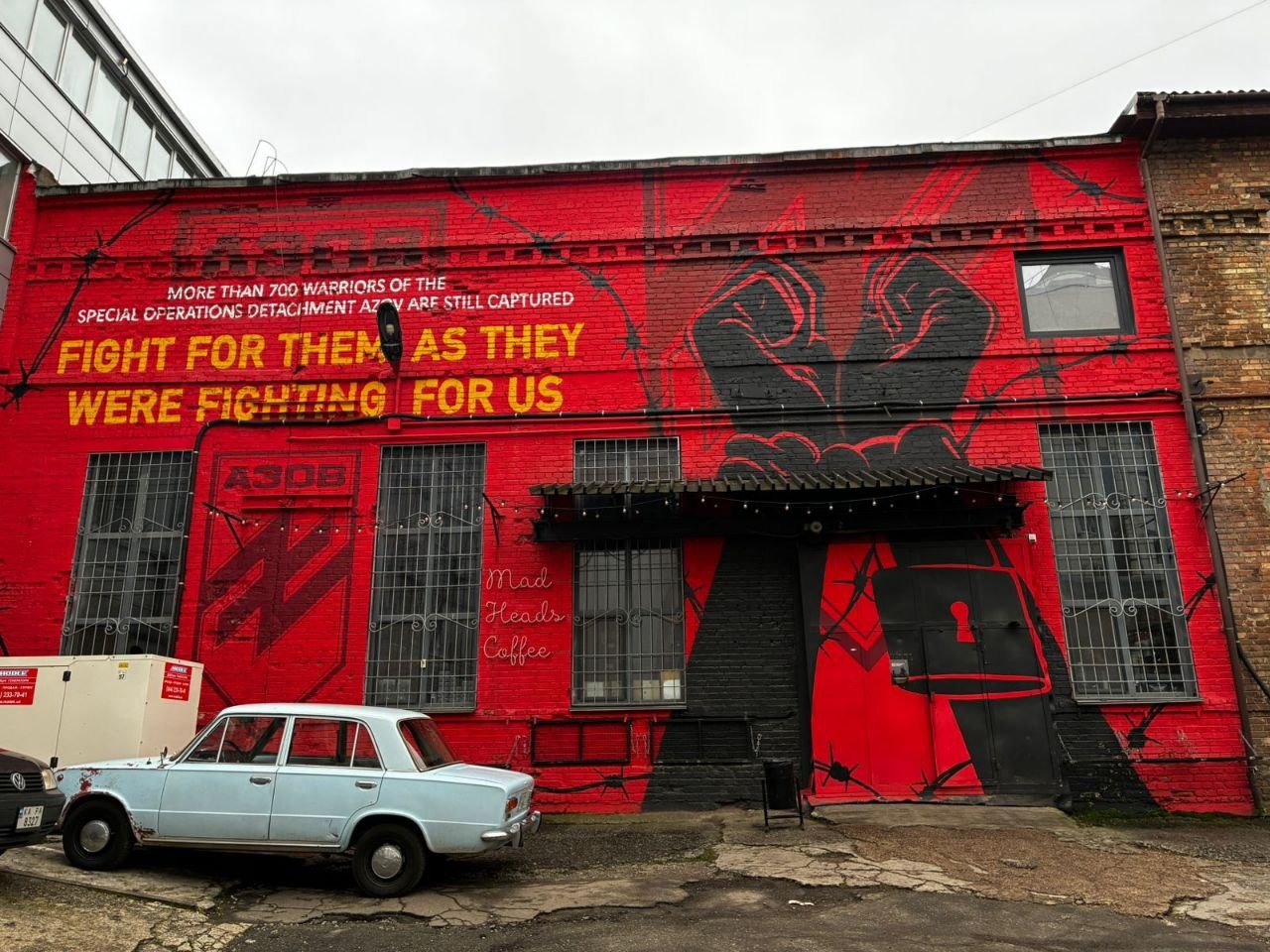
Coffee, memory, and captivity
For baristas like Nadiia, cafés aren’t just businesses—“we make coffee, but we also talk with people; it’s social.” She is part of the co-op at Humans, a Kyiv coffee house where “Free Azov” is painted boldly in big white letters across the windows—a message she says is less about branding and more about memory: a daily reminder that while customers enjoy a quiet cup, thousands of Ukrainians remain in Russian captivity.
The idea, she says, isn’t coordinated. “But we all do it because it’s in our minds automatically.” Customers notice the message too. “People see our writing, they ask, they think,” she says. “Today I drink coffee, but some people can’t do that right now.” In her view, it’s not a personal cause but a shared national tragedy—one every Ukrainian feels connected to, whether they know someone captured or not.

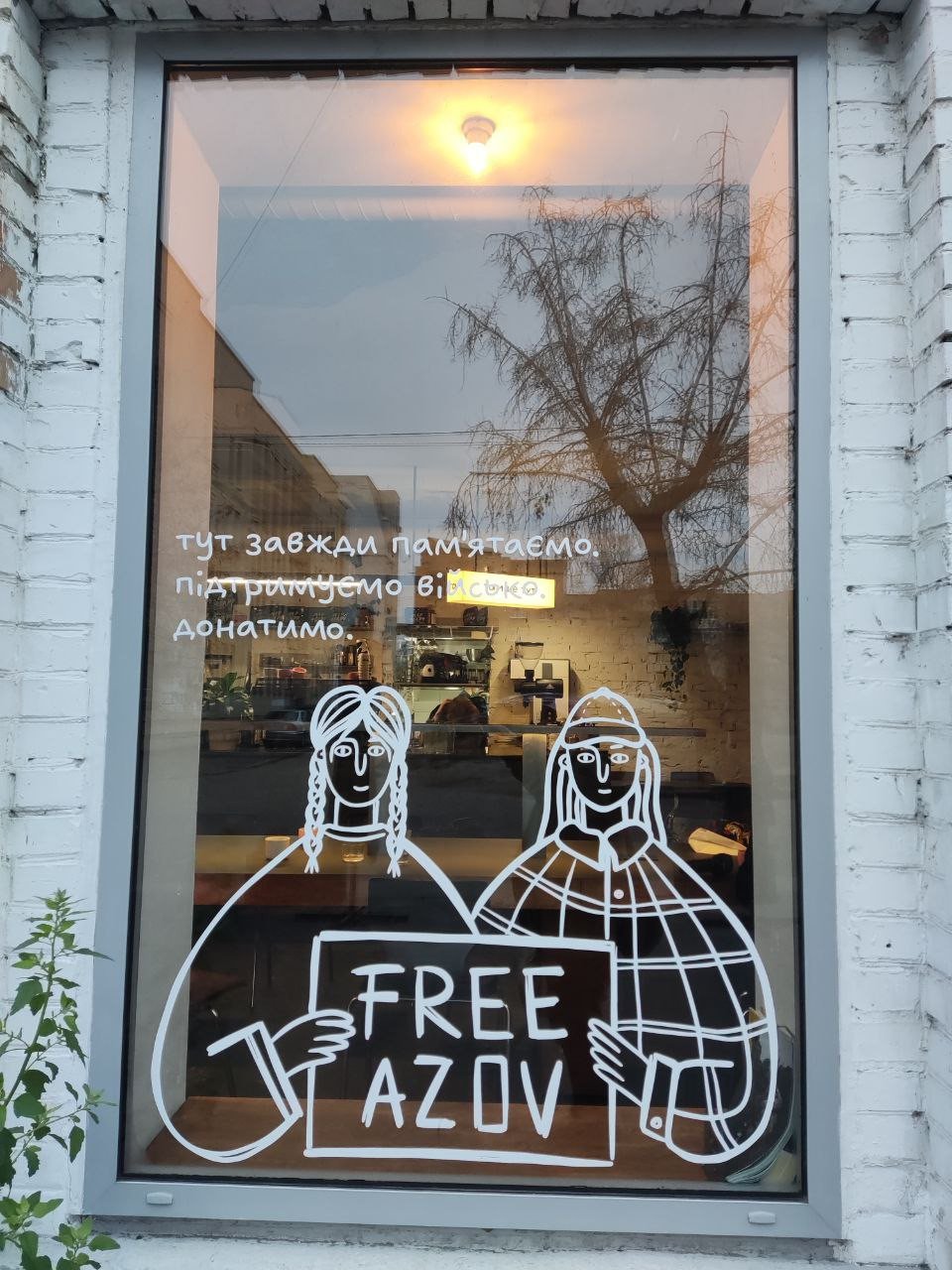
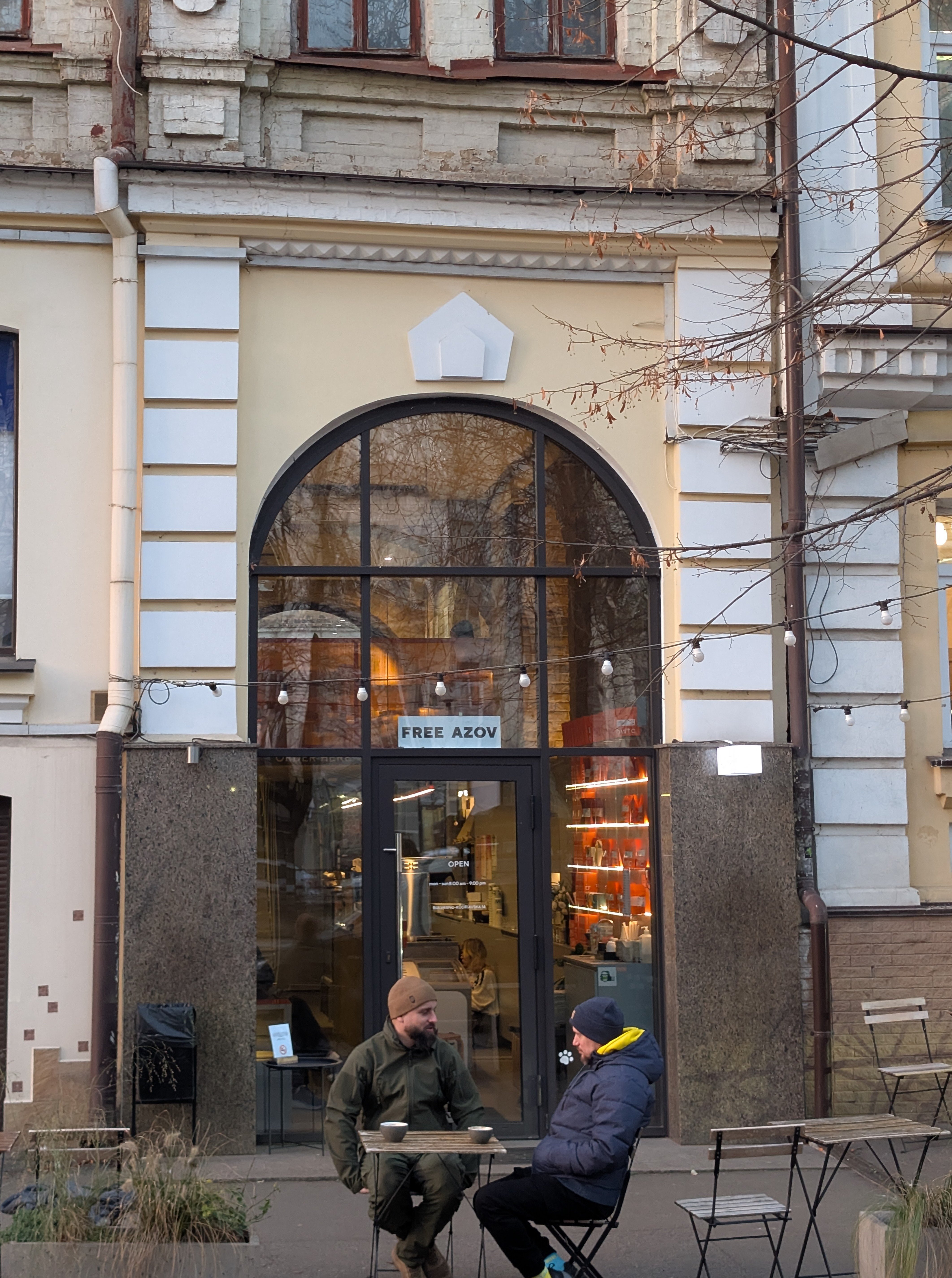
Nadiia describes how their veteran friends, some of whom lost limbs defending their country, initiate their own coffee-based fundraisers. Humans invite them to work behind the counter for a day, including a former barista with the callsign “Flet”—a nod to flat white — who made pour-overs for donations, with all proceeds going directly to the needs of his unit. “He doesn’t want to just take money,” she says of him. “So, he works. And we help. It’s a double sacrifice.”
“One day a soldier came in and bought a T-shirt,” she recalls—one where 100% of the proceeds go to a particular regiment. They started talking, and she learned his unit was struggling financially. Each month, a portion of the café’s profits goes to different military fundraisers, and on that occasion, they directed part of it to his unit. “We don’t only help our friends—we try to help all people who need help now,” she says.
Beyond the fundraisers, much of the support goes unannounced. When service members come in, she says, they are not allowed to pay. “They try, but we just say no. It’s our way of showing gratitude.” It happens, she adds, every day.
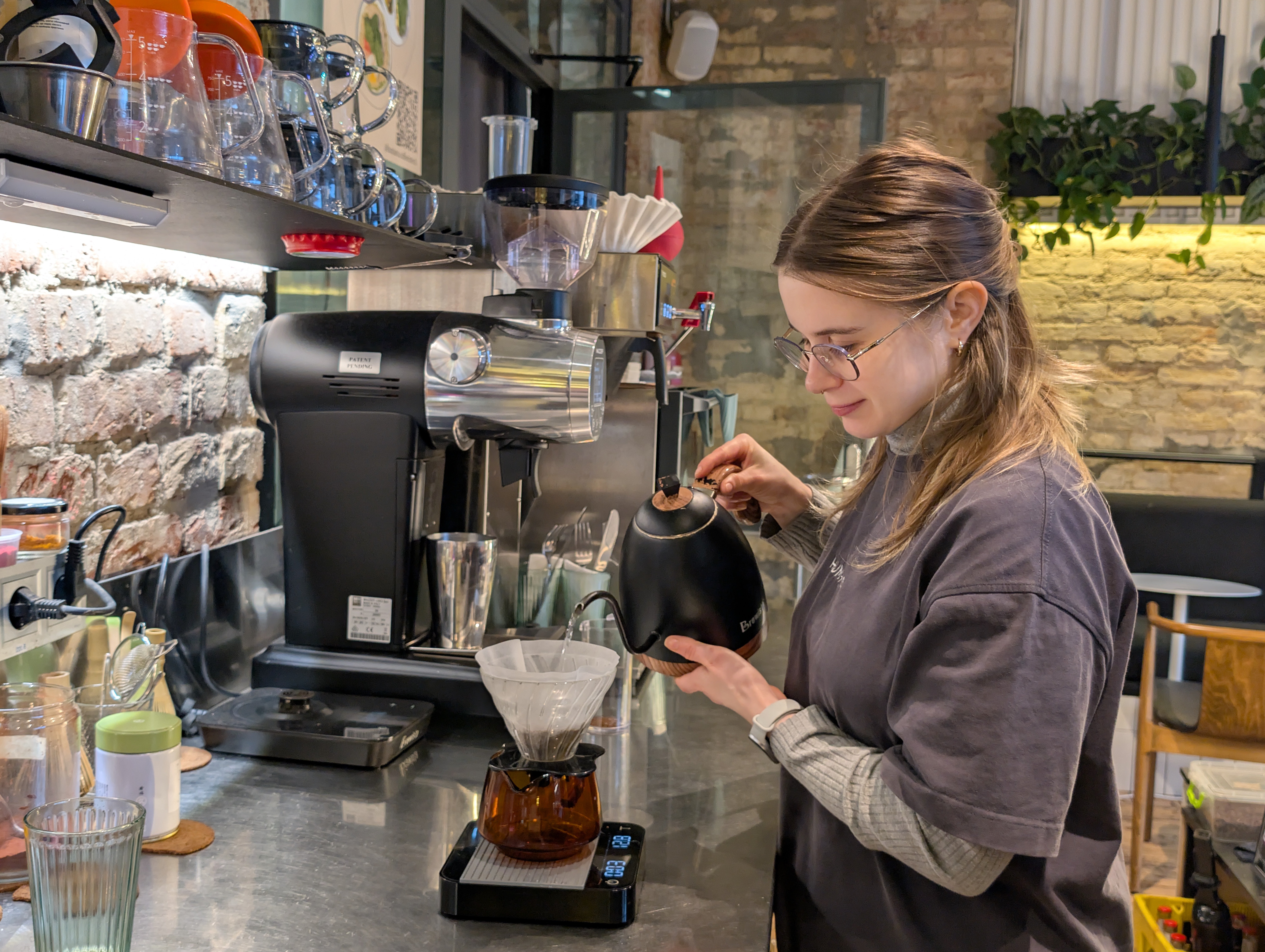
“But of course it’s personal when it’s someone close to you,” she adds. Her boyfriend, a soldier, recently had to abandon his equipment in a river to escape Russian forces—“so we helped replace what he’d lost.”
From frontline settlements, through the hills of Dnipro, all the way to the storied cafés of Lviv, “Coffee shops in Ukraine, it’s a huge community. We help each other. Really help,” says Nadiia. And in a country fighting for its future, we must never forget this one thing: “We have the opportunity to drink coffee—because some people can’t.”
Discuss this article:
-9bd5e1532102621f8fb1c4ba871a3171.png)

-111f0e5095e02c02446ffed57bfb0ab1.jpeg "Photo of Roman Kohanets")
-07c046f037cabcd54fb44b5253b3733d.jpg "“Bathing” (2021), an 80 × 60 cm artwork by Ukrainian artist Mariia Drozdova. (Source: Art From Ukraine/Instagram)")


-c439b7bd9030ecf9d5a4287dc361ba31.jpg "Photo of Katherina Popilnichenko")