- Category
- Life in Ukraine
How Ukraine’s Summit of First Ladies and Gentlemen Became a Platform for Building Partnerships
 Prefer U24 Media on Google
- Authors


Ukraine’s survival in its fight against the Russian invasion has depended on weapons and security guarantees. But in hospital wards, classrooms, and child protection systems, a coalition has been at work.
Three-year-old Sasha Draholyuk in the northwestern Ukrainian city of Lutsk could not breathe on her own, as severe bilateral pneumonia had destroyed her lung function. Ventilation failed, and her oxygen levels kept falling. The only remaining option was extracorporeal membrane oxygenation (ECMO)—a machine that temporarily replaces the function of the lungs and heart. But only a few hospitals in Ukraine can run it.
When specialists from Kyiv arrived and connected her to ECMO, they also brought training built through an international medical partnership network launched under the Summit of First Ladies and Gentlemen. The child was saved through the joint efforts of doctors from the Volyn Regional Children’s Medical Center and Kyiv’s Okhmatdyt Children’s Hospital—a name that entered international headlines after a Russian missile strike on the hospital in July 2024. Despite the damage, the hospital continues to treat critically ill children from across Ukraine.
After a month in intensive care, Sasha went home breathing independently. Cases like this show how institutional cooperation built over several years can translate into operational capacity inside Ukraine’s healthcare system.
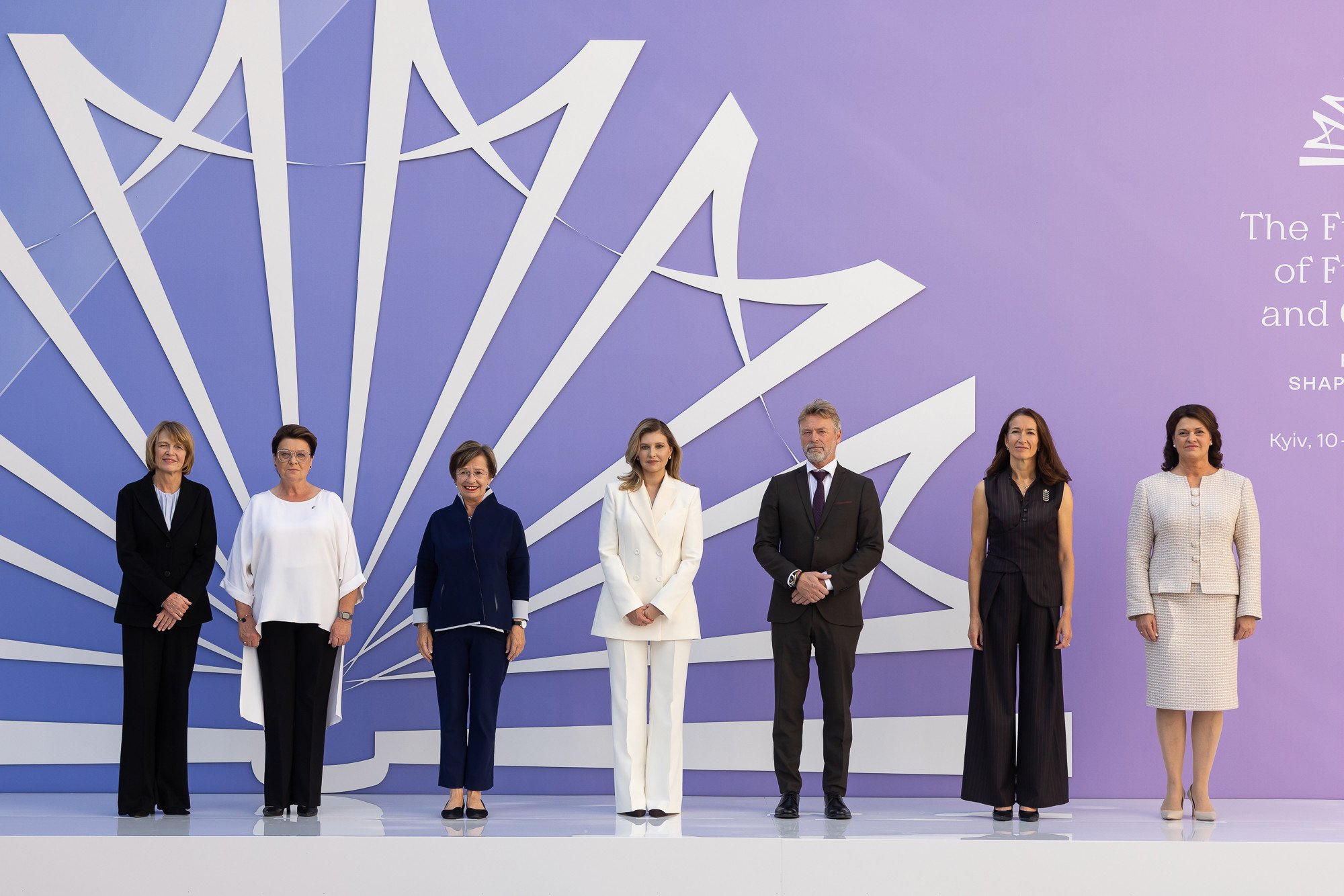
In September 2025, the Summit marked five years since its launch. What began in 2021 as a pandemic-era initiative has become a functioning diplomatic mechanism operating alongside Ukraine’s wartime negotiations over weapons and security guarantees.
From COVID to Russia’s full-scale invasion
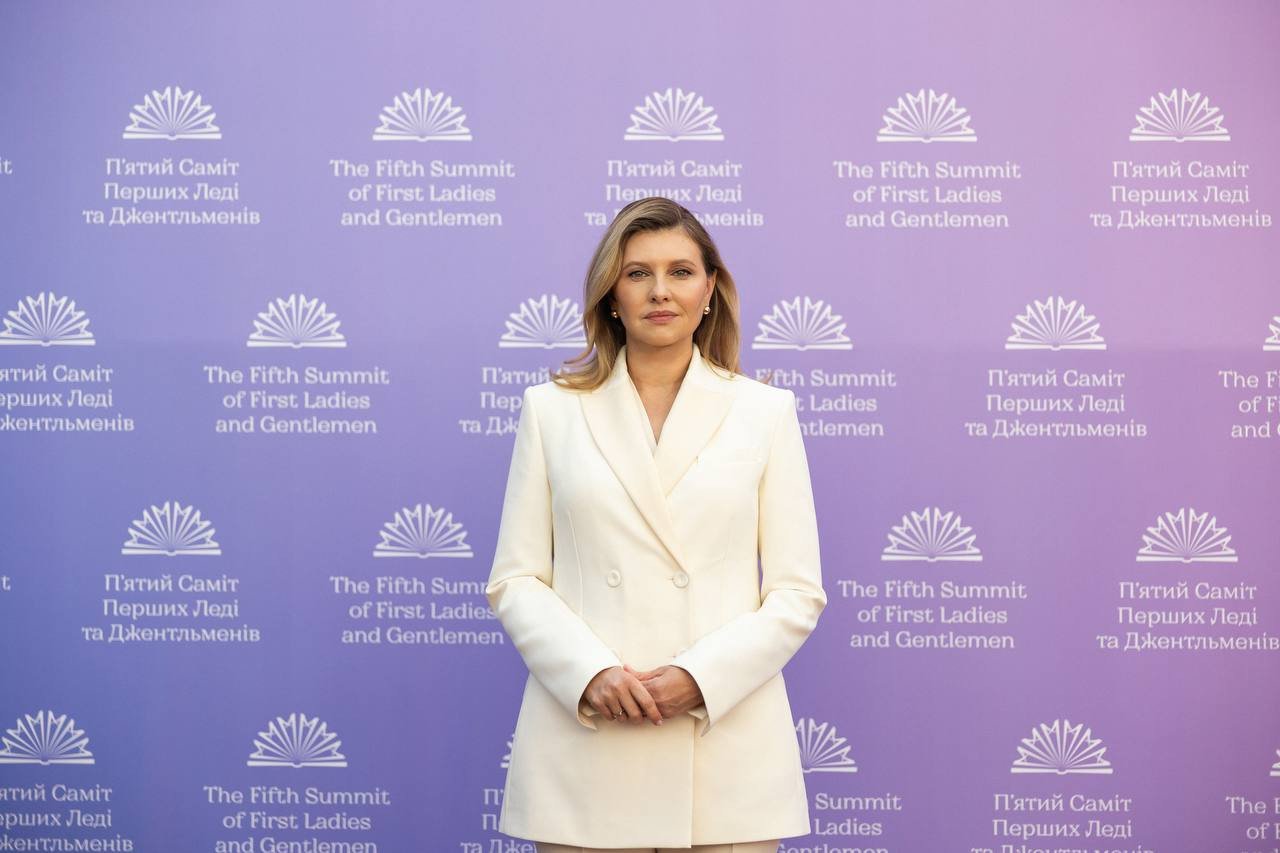
The Summit of First Ladies and Gentlemen was launched in 2021 at the initiative of Ukraine’s First Lady, Olena Zelenska. The first meeting, titled “Soft Power in the New Reality,” brought together 12 first ladies and gentlemen.
It was introduced during the COVID-19 pandemic, when international travel was restricted and much of global diplomacy had shifted online. Public health, social resilience, and education disruption dominated international agendas. Within that context, the Summit created a structured platform for first ladies and gentlemen—who traditionally focus on social and humanitarian issues—to coordinate internationally.
The joint declaration established the framework for continued collaboration. At the time, the format was largely untested in practice, as the role of a First Lady or Gentleman is not formally defined worldwide. Typically, partners of heads of state participate in ceremonial events and, at their discretion, may choose to focus on humanitarian initiatives. Until then, any form of collaboration between spouses of heads of state had primarily served as a convening space rather than an operational mechanism.
2022
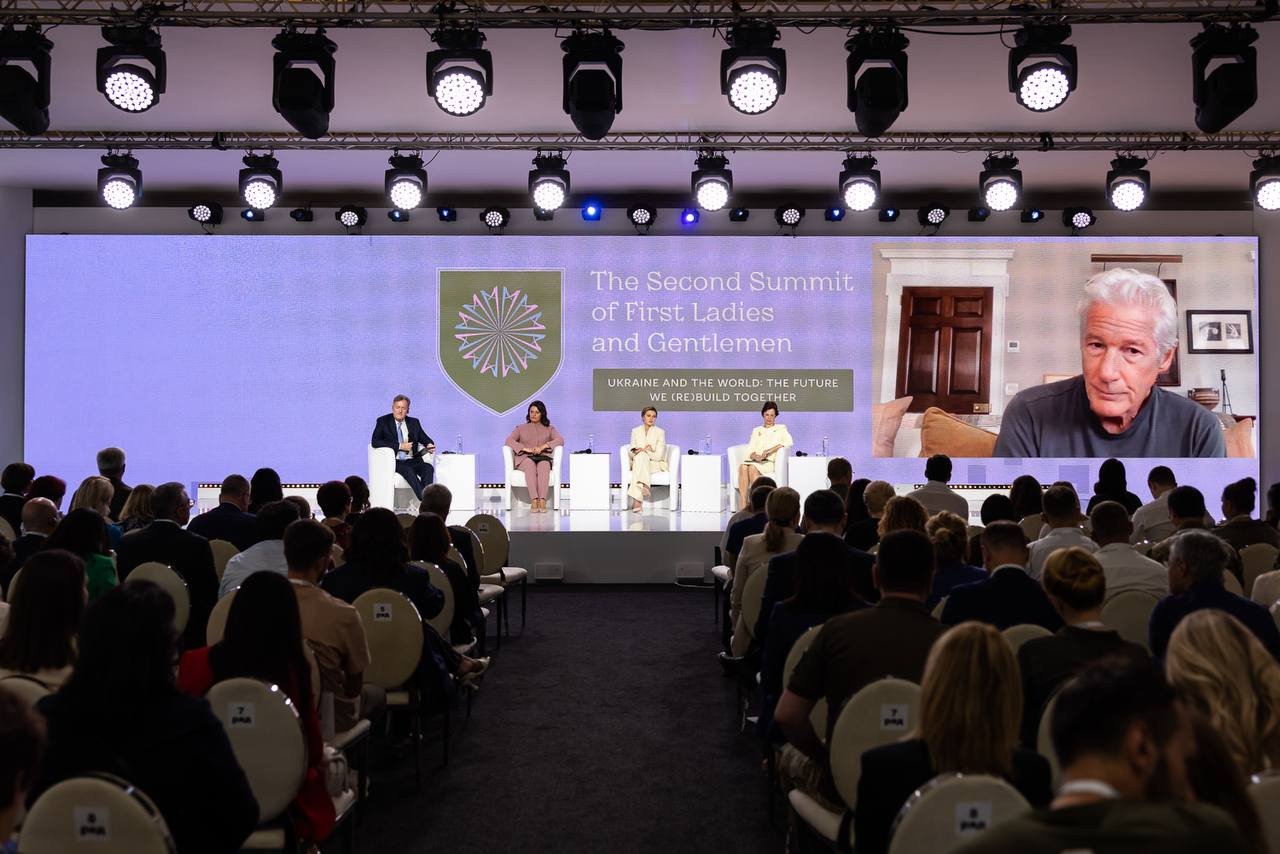
Russia’s full-scale invasion in February 2022 changed the Summit’s role. The second Summit, “Ukraine and the World: The Future We Will (Re)Build Together,” aimed to draw the world's attention to the Russian aggression in Ukraine.
"In the most difficult months after the Russian attack, together we evacuated children with cancer, brought humanitarian aid and incubators for newborns to Ukraine,” Olena Zelenska said. “Together we conceived and implemented programs of psychological assistance and prosthetics for the war victims.”
Official figures state $6.2 million was raised, including funding for 92 ambulances for Ukraine’s healthcare system. The focus moved from dialogue to resource delivery.
In wartime conditions, the Summit began operating as a coordination platform between Ukraine and partner countries in the humanitarian sphere.
The summit took place in the format of a telebridge between five countries. The main studio was located in Kyiv, on the territory of the National Reserve "Sofia Kyivska", four others—in Warsaw, Brussels, Washington and London. The event was broadcasted in more than 20 countries in the world. The event was attended by 23 First Ladies and through video format joined football player, UNICEF goodwill ambassador David Beckham, tennis player, UNITED24 ambassador Elina Svitolina, actors Richard Gere, Mila Kunis, Ashton Kutcher, Liev Schreiber and many others.
2023
The third Summit, “Mental Health: Fragility and Resilience of the Future,” expanded the scope to long-term healthcare needs. Since Russia launched its full-scale invasion of Ukraine, organizations such as the World Health Organization and UNICEF have documented sharp increases in anxiety, depression, PTSD, and trauma-related disorders among adults and children.
"We found out why many people do not want to talk openly about their mental health,” Zelenska said. “They don't want to upset their family, they are afraid of being excluded from the team. They are afraid of a diagnosis. They remember the negative years of the Soviet medical system of punitive psychiatry. And all of this needs to be overcome, this stigma needs to be overcome. And not only in our country, but in the world.”
The outcome of the third Summit was the creation of the International Medical Partnership project. It envisions direct collaboration between Ukrainian medical institutions and foreign clinics. The initiative focuses on the exchange of experience, staff training, conducting joint surgeries, and improving the quality of medical services, particularly in the fields of rehabilitation, oncology, and surgery.
To date, more than 100 medical partnerships are already in operation, and the number continues to grow.
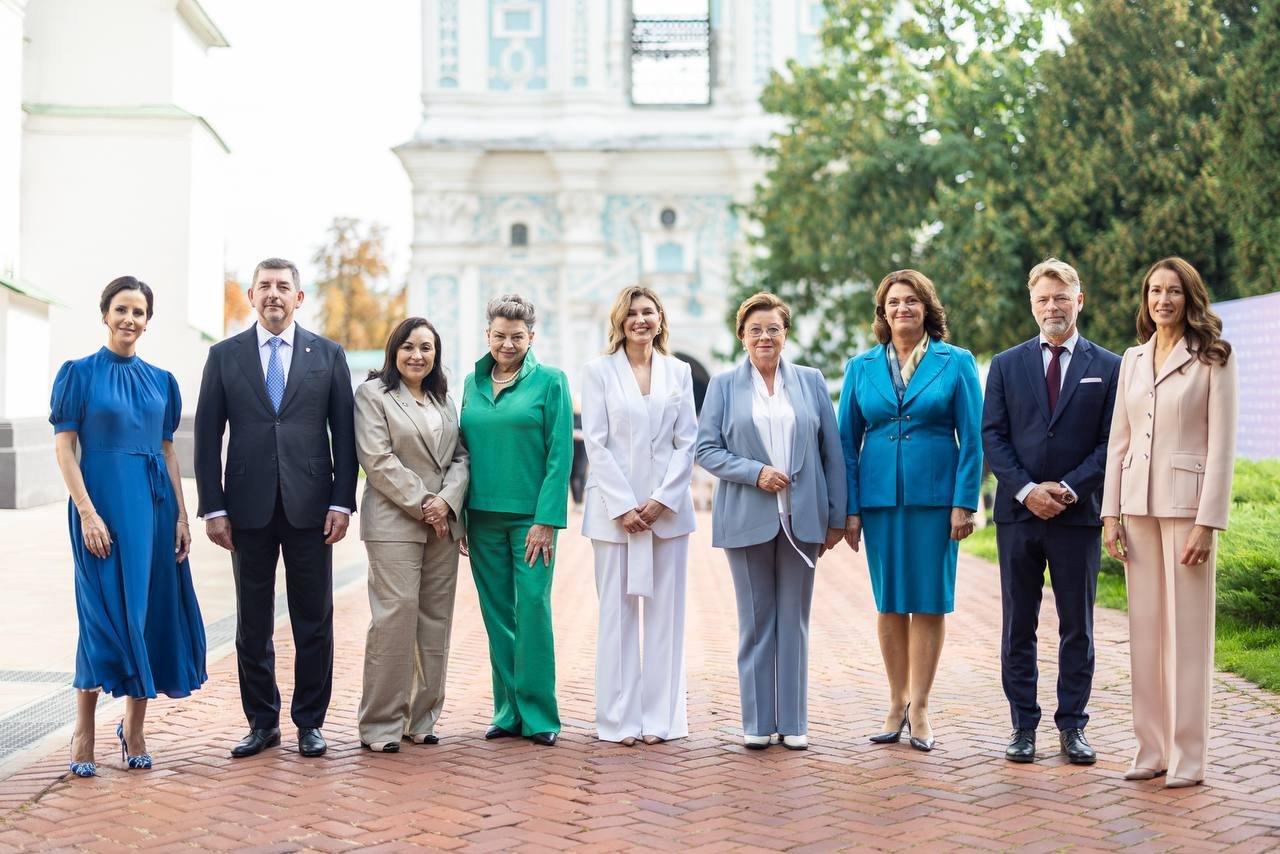
2024–2025
Subsequent Summits focused on child protection (2024) and education (2025), as Russia’s attacks against Ukraine damaged over 1,800 schools and completely destroyed over 200. Since February 24, 2022, Russia killed or injured more than 3,200 children with no respite, UNICEF reports.
The 2024 Summit “Protecting Childhood: Ensuring a Safe Future” resulted in commitments to strengthen international coordination around child safety and war-related risks. The Fourth Summit addressed the issue of child protection in several dimensions: “Child Safety During the War”, “Child Safety in the Family”, “Child Safety at School”, “Child Safety in Cyberspace” and “Safe Environment for Children”.
“Children’s safety can only be provided by all conscious, responsible adults around the world,” said Zelenska. “We, adults, owe them safety. They came into our world, and if something threatens them, it is our collective duty to stop that threat.”
Following the Summit, the First Lady of Ukraine, together with her colleagues from other countries, announced the launch of a global communication campaign in support of education, “Every Generation Leaves Its Mark. Education Shapes Its Legacy.”
To date, the campaign has reached 4 continents and generated a total reach of over 26 million people worldwide, amplifying the global call to protect and prioritize education.
In addition, a special lesson “Snapshots from Ukraine: Untold Stories of Teenagers” was developed as part of the initiative. Over the past 4 months alone, more than 20 lessons have been conducted in Slovenia, Poland, Estonia, Lithuania, Brazil, and Greece, engaging students in meaningful dialogue about resilience, identity, and the role of education during wartime.
Over five years, participation expanded from 12 first ladies and gentlemen in 2021 to more than 50 engaged globally through the platform. Side events were held at sessions of the UN General Assembly. Partnerships were formalized with academic and international institutions. Five global communications campaigns were launched, reaching a combined audience of over 45 million people across four continents.
Four international studies were developed and presented in the areas of mental health, child protection, and education, alongside an adapted edition of the Global Soft Power Index produced in cooperation with the consulting firm Brand Finance.
Why it matters during war
The Summit does not operate in the security domain. It does not negotiate military aid or sanctions. Its focus is humanitarian and institutional.
However, during a prolonged war, humanitarian systems are part of national resilience. Hospital capacity, child protection frameworks, and educational continuity affect social stability and long-term recovery.
Apart from the coordination platform, the Summit provides continuity beyond election cycles in partner countries. Its thematic focus is on areas with cross-party international support and structured cooperation between Ukrainian institutions and foreign counterparts.
These elements contribute to sustained international engagement with Ukraine beyond military assistance.
The child in Lutsk survived because trained specialists arrived with the right technology. That training existed because of partnerships built years earlier.
While Ukraine’s military holds the line, its institutional networks help keep the coalition together.
Discuss this article:


-24deccd511006ba79cfc4d798c6c2ef5.jpeg "Photo of Louis Beaudemont")
-554f0711f15a880af68b2550a739eee4.jpg "Photo of Lucile Brizard")
-4c422f6574674b417eac2384290103ac.jpg "Russia Left This Ukrainian Village 90% Mined. Here’s What Life There Looks Like Now")