- Category
- Opinion
How Can Kids Keep Learning While Russian Missiles Fall? Ukraine’s Answer Is Mriia

Russian missiles may have destroyed many schools, but they cannot erase the future. Ukraine’s answer is not just to survive disruption, but to reinvent education itself. Mriia, our state digital educational ecosystem, is becoming the backbone of a modern system—from kindergartens to universities.
 Prefer U24 Media on Google
- Authors


War in Ukraine, schools under siege
When Russia launched its full-scale invasion, missiles didn’t just hit Ukrainian cities—they struck classrooms. More than 1,700 schools have been damaged, reported Ukraine’s Ministry of Education and Science. For millions of children, learning moved from desks to bomb shelters. The school bell was replaced by air raid sirens.
Behind the headlines about blackouts and battles, another crisis unfolded: the collapse of access to education. UNESCO warns that prolonged school closures cause learning losses greater than the time missed itself: for every month of disrupted learning, students may lose the equivalent of two months of progress. Overall, this means that losing just over half a school year can erase more than a full year of learning. For Ukraine, already in its fourth year of full-scale invasion by Russia, the consequences are existential. Education is not only a humanitarian issue—it has become a national security threat. Without it, we risk losing not only a generation but our future.
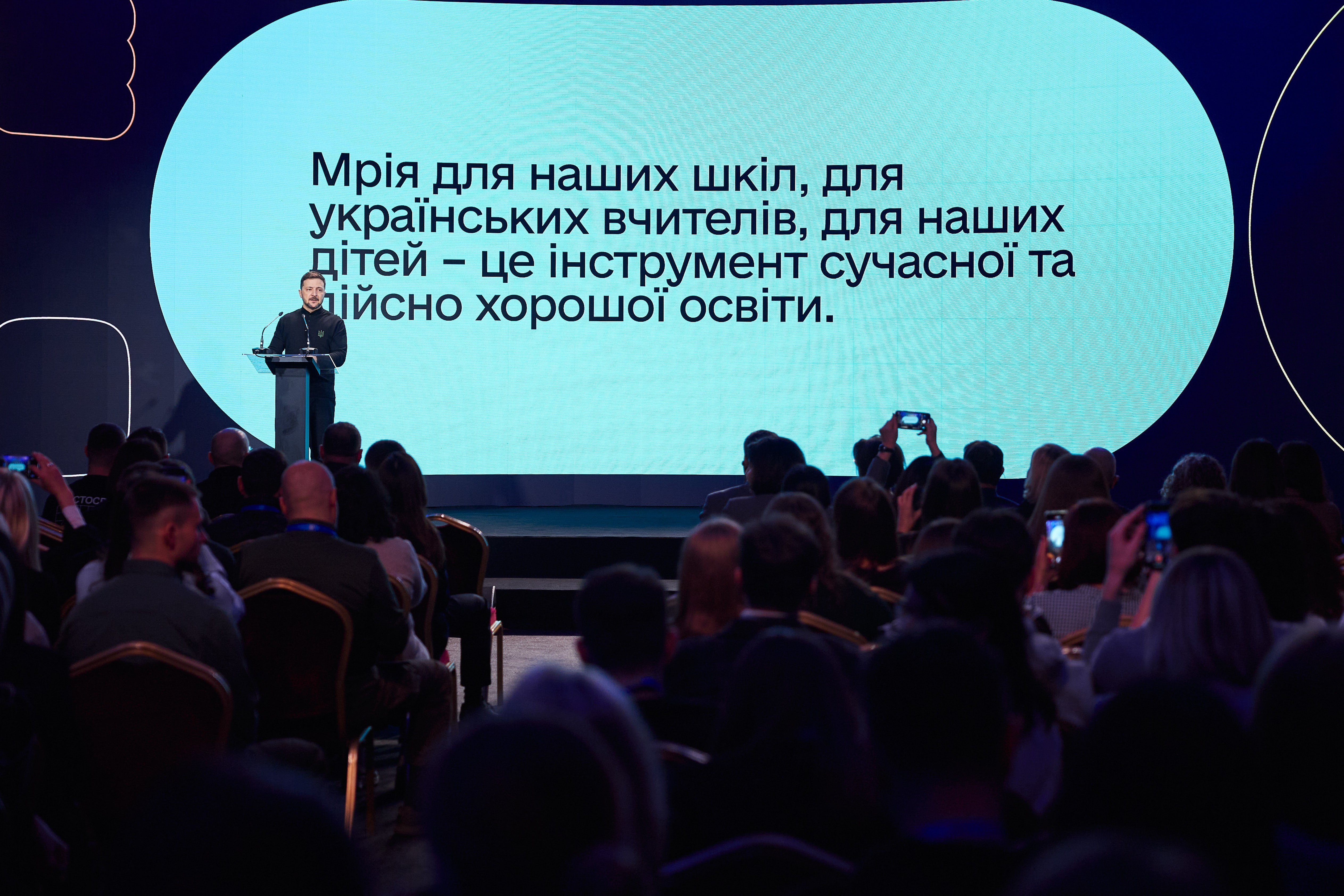
We made a choice: to keep developing education despite the full-scale war. That’s how we built Mriia, Ukraine’s state-owned digital education platform—our “dream” of keeping learning alive—which supports over 2,000 schools and has the potential to reach more than one million students, parents, and teachers.
Every child’s right to learn is non-negotiable. This became our guiding principle.
Breaking with the Soviet past, building future-ready education
Ukraine entered the war with a fragile education system still burdened by its soviet legacy. For decades, classrooms have emphasised memorisation over curiosity, conformity over critical thinking. The COVID-19 pandemic exposed how unprepared this model was for modern challenges, forcing schools online without the necessary tools or resources.
And then came February 24, 2022. Students suddenly had to learn in bunkers or on the move. By 2023, PISA results showed how wide the gap had grown: Ukrainian 15-year-olds lagged behind their European peers by 1.5 years in math and science, and by 2.5 years in reading.
We knew this was not just a humanitarian problem. It was a wake-up call: to rebuild Ukraine, we must rebuild education. That is why Mriia was launched — not as a patch for wartime learning, but as a strategic leap forward.
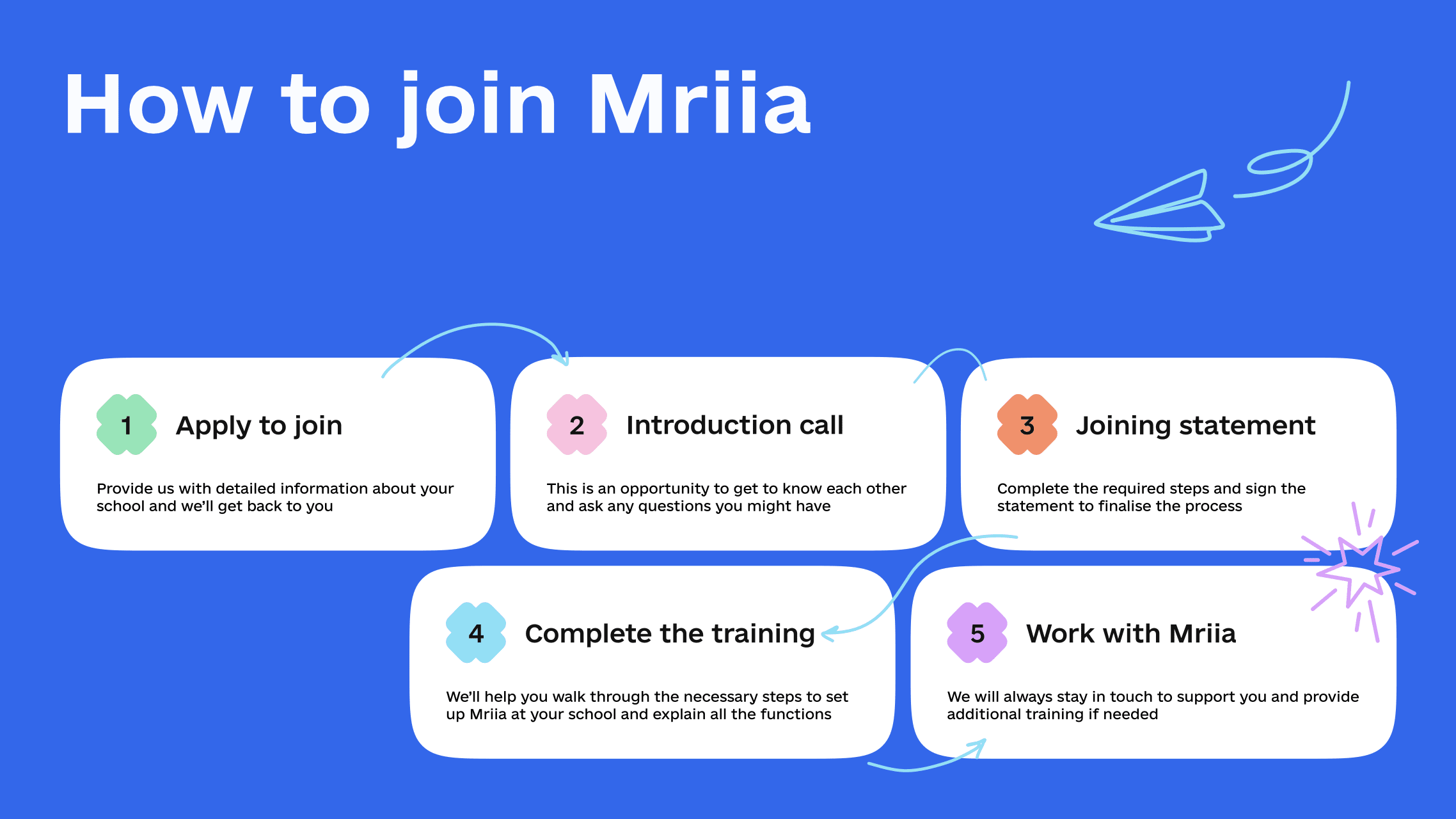
Mriia in action: digital tools, real impact
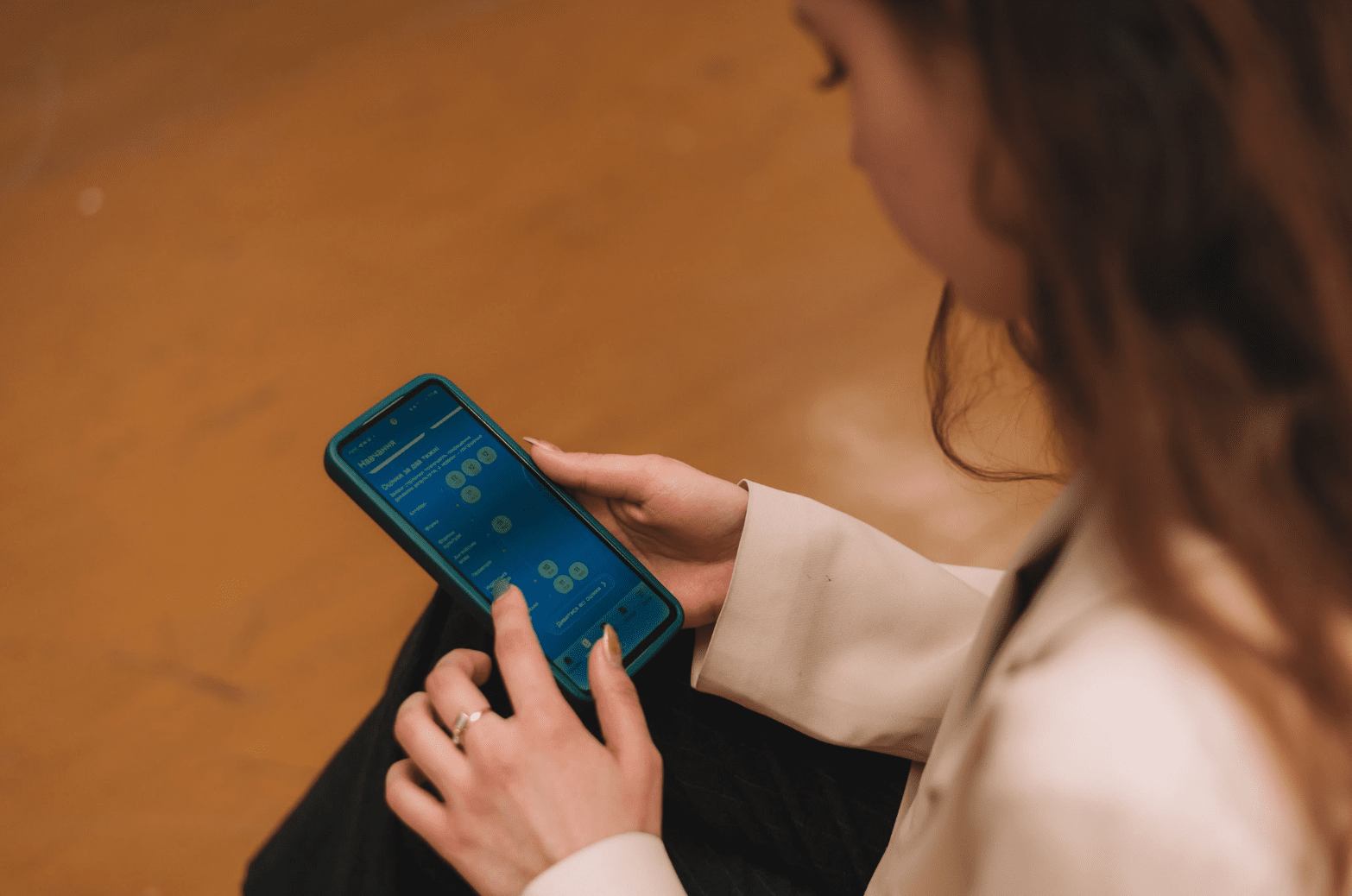
Mriia provides the basics children need: schedules, homework, marks, and safe communication. Parents see their child’s progress in real time. Teachers save hours thanks to automated registers and AI-generated tests. Headteachers build school schedules in hours instead of weeks.
But technology is not abstract—it changes lives.
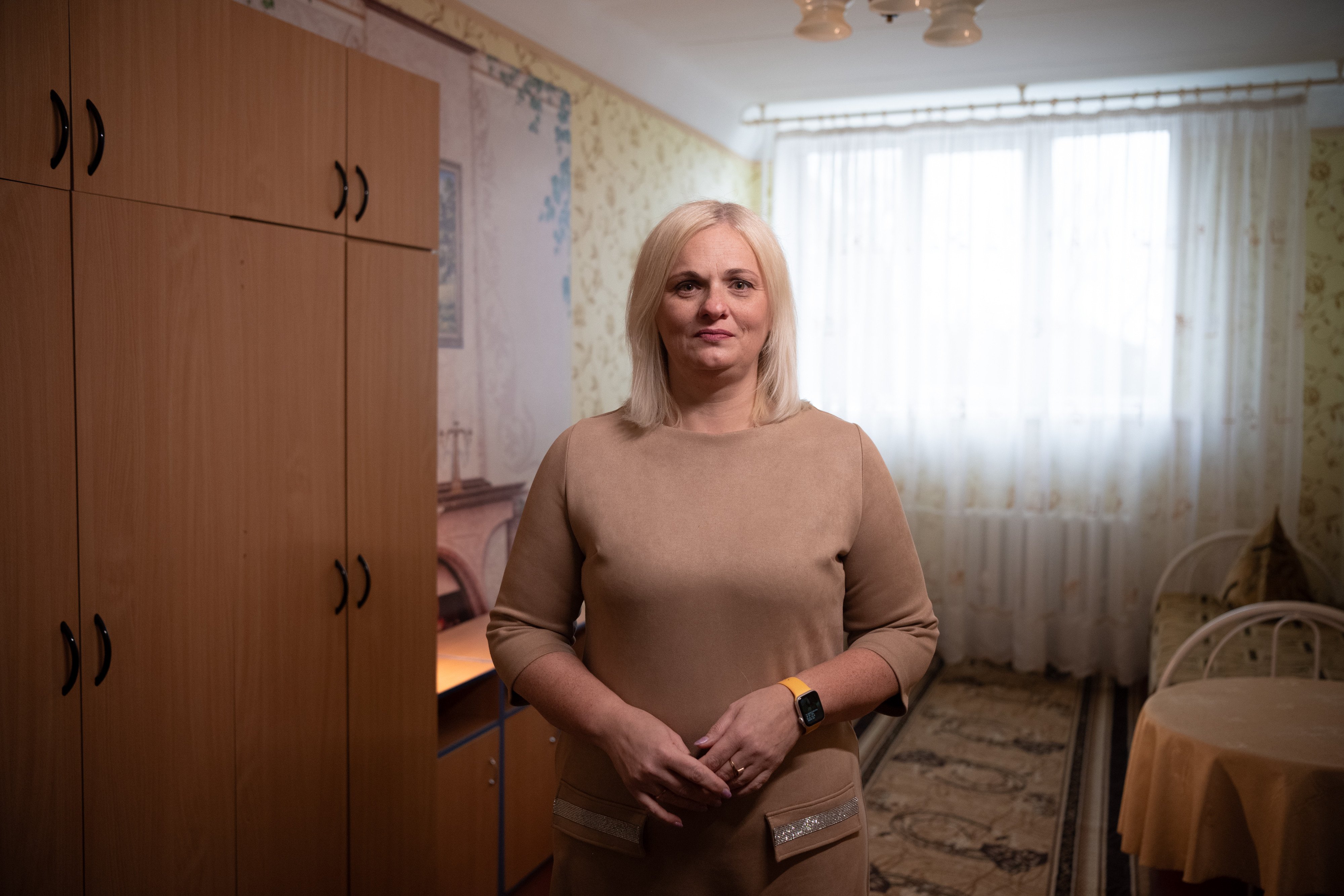
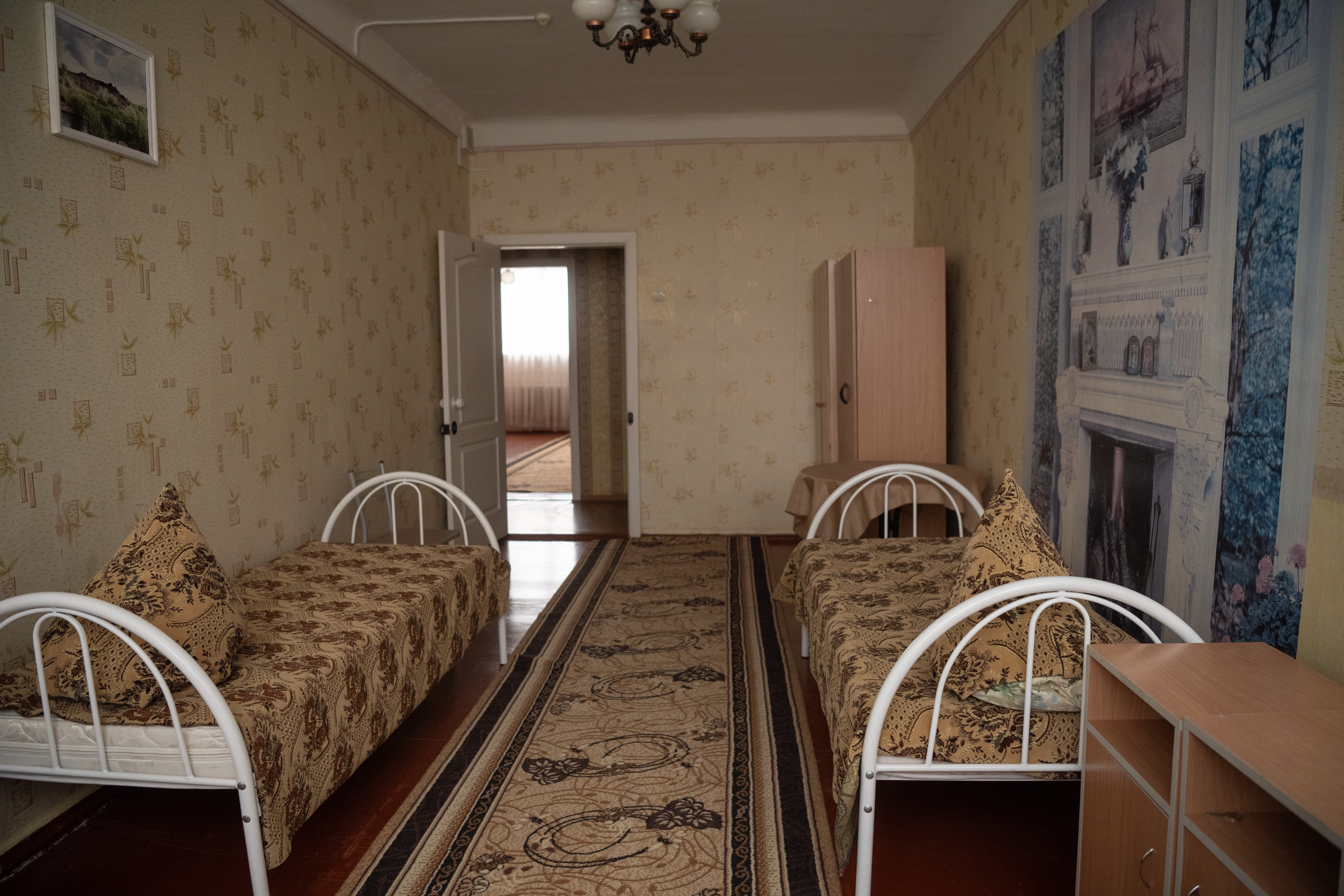
In Nikopol, a frontline Ukrainian city, children of the local boarding lyceum suddenly found themselves displaced when the war began. Headteacher and mother Olena Seliutina still remembers evacuating dozens of students in the dark of a February morning, finding routes home for each child scattered across different regions. Within two days, her lyceum resumed classes online. Later, joining Mriia’s beta phase gave her team the tools to keep every child connected—whether under shellings, abroad, or on the move.
“Mriia is not just about marks, it’s about connection,” she says.
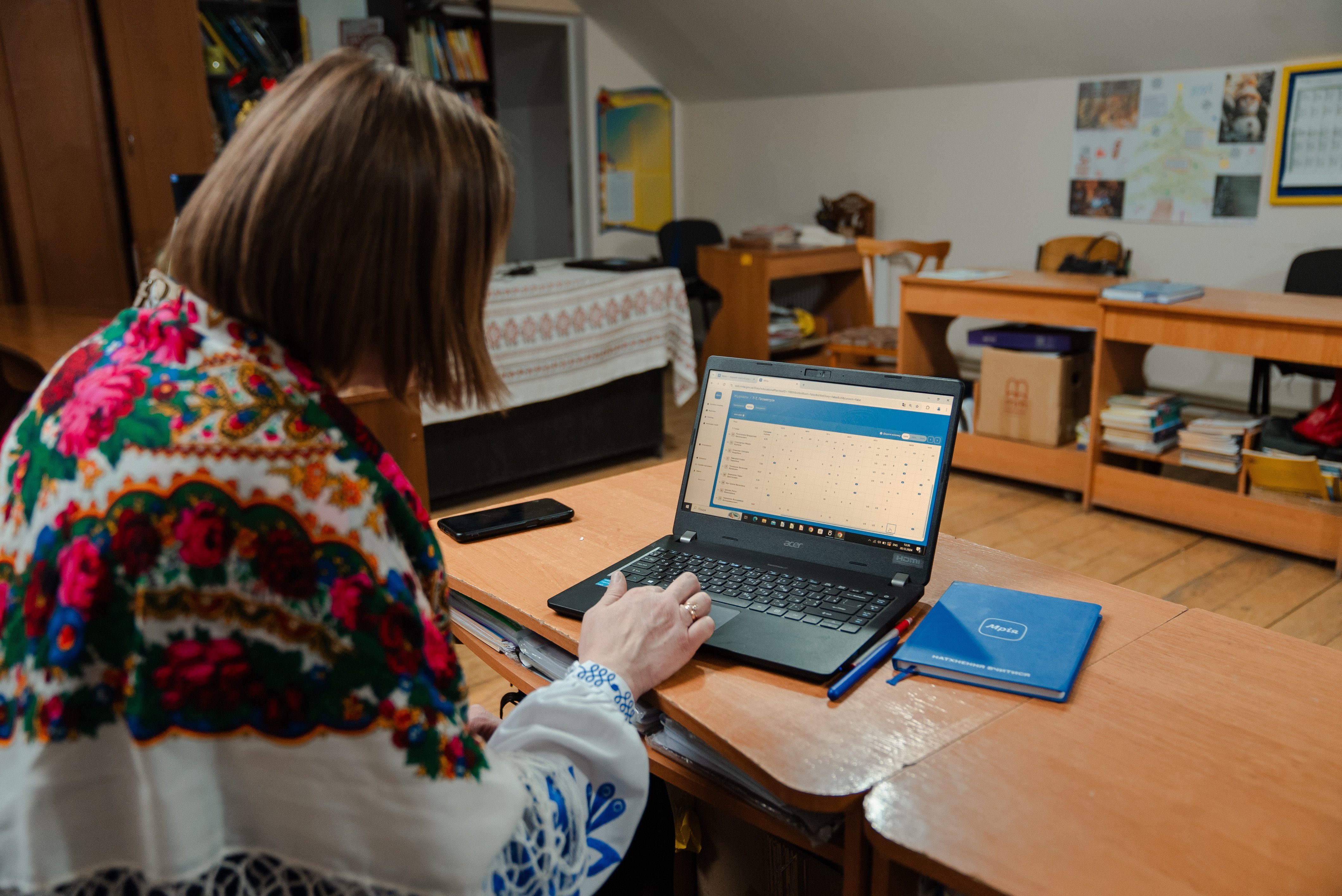
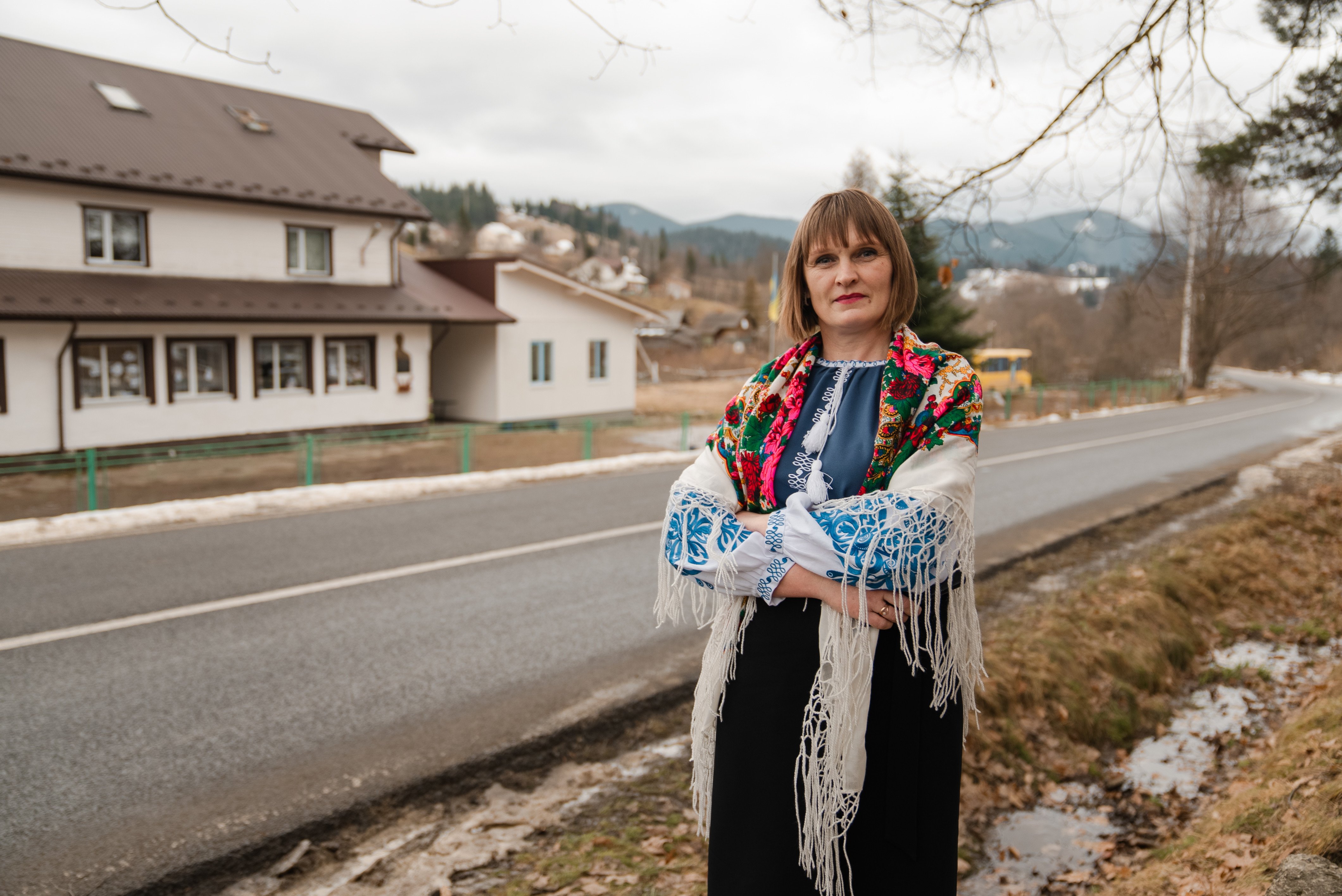
In Kryvopillya, a mountain village in Zakarpattia with just one thousand residents, teachers who once spent evenings handwriting lesson plans now generate reports in seconds—and finally return home before dark. A displaced student from temporarily occupied Enerhodar uses Mriia to track her results in a new school, keeping her dream of Kyiv University alive.
These stories remind us: education is Ukraine’s long-term resilience.
Next leap: AI, gamification, and a single digital path
We are building beyond survival. Artificial intelligence now helps teachers create tests tailored to their classes’ needs in minutes. Soon, personalised recommendations will guide every student toward their own learning trajectory.
Our long-term vision is bolder: we aim to use AI for building individual learning trajectories that adapt to every student’s pace, needs, and potential.
We are also piloting gamification. Children can earn mriiky points for solving quizzes or improving their marks—and exchange them for cinema tickets or VR quests from local businesses. In times of fear and disruption, this brings back joy and motivation.
By 2026, Mriia will create a continuous digital link between preschools and schools, and will include more than 7,000 extracurricular activities nationwide. Work on a concept for universities will also begin, laying the groundwork for integrating higher education into the ecosystem in the years ahead. For the first time, Ukraine is creating a continuous digital journey through all levels of education.
Building trust: security and human support
Any national digital platform must be trusted. Mriia protects privacy with encrypted chats powered by Signal, ISO/IEC 27001 certification, and integration with Ukraine’s education registry.
But trust is not only technical. It is human. We train, guide, and support teachers of every school that joins Mriia from the first phone call to full onboarding. In a time when 76% of educators report constant exhaustion and more than 60% struggle with anxiety, this support matters as much as safety and technology.
Every school that joins Mriia does so voluntarily, knowing the system is free and built to serve them, not burden them.
Education as resilience—for Ukraine and the World
For us, defending schools is inseparable from defending the nation. Classrooms are where children find stability, families find hope, and a country invests in its future.
Research confirms the stakes. By 2023, Ukrainian students were years behind their European peers. By 2024, surveys showed that 80% of teachers felt more anxious, and up to 45% of them saw students losing concentration. That is why we designed Mriia not only as a digital tool, but also as a source of stability and support for teachers and families—helping reduce stress, ease the burden of bureaucracy, and give back as much time and energy as possible for what matters most: children’s learning.
We believe that every child’s right to learn is non-negotiable.
By building Mriia during Russia’s full-scale war against Ukraine, we are showing that resilience is measured in students who keep dreaming and in teachers who find the strength to keep teaching.
This lesson matters beyond our borders. Education must be treated like electricity or healthcare—as essential infrastructure. Ukraine’s experience can serve as a blueprint for others.
We are proving that it is possible. But to scale and sustain this transformation, we also need international partners. Together, we can protect education as a lifeline for children in Ukraine and beyond.
Discuss this article:


-f3430f0449615e9897dff835086ac204.jpg "Ukraine Broke With a Soviet-Era Military System and Rebuilt It Around the Soldier")
-e126c16a85d580738cf2d57e760b80a3.jpeg "Photo of Vladyslav Greziev")