- Category
- Life in Ukraine
“I’m Safe”: Starlink Keeps Ukraine’s Civilians Connected as Russia Targets the Energy Grid
 Prefer U24 Media on Google
- Authors

-29a1a43aba23f9bb779a1ac8b98d2121.jpeg "Photo of Illia Kabachynskyi")
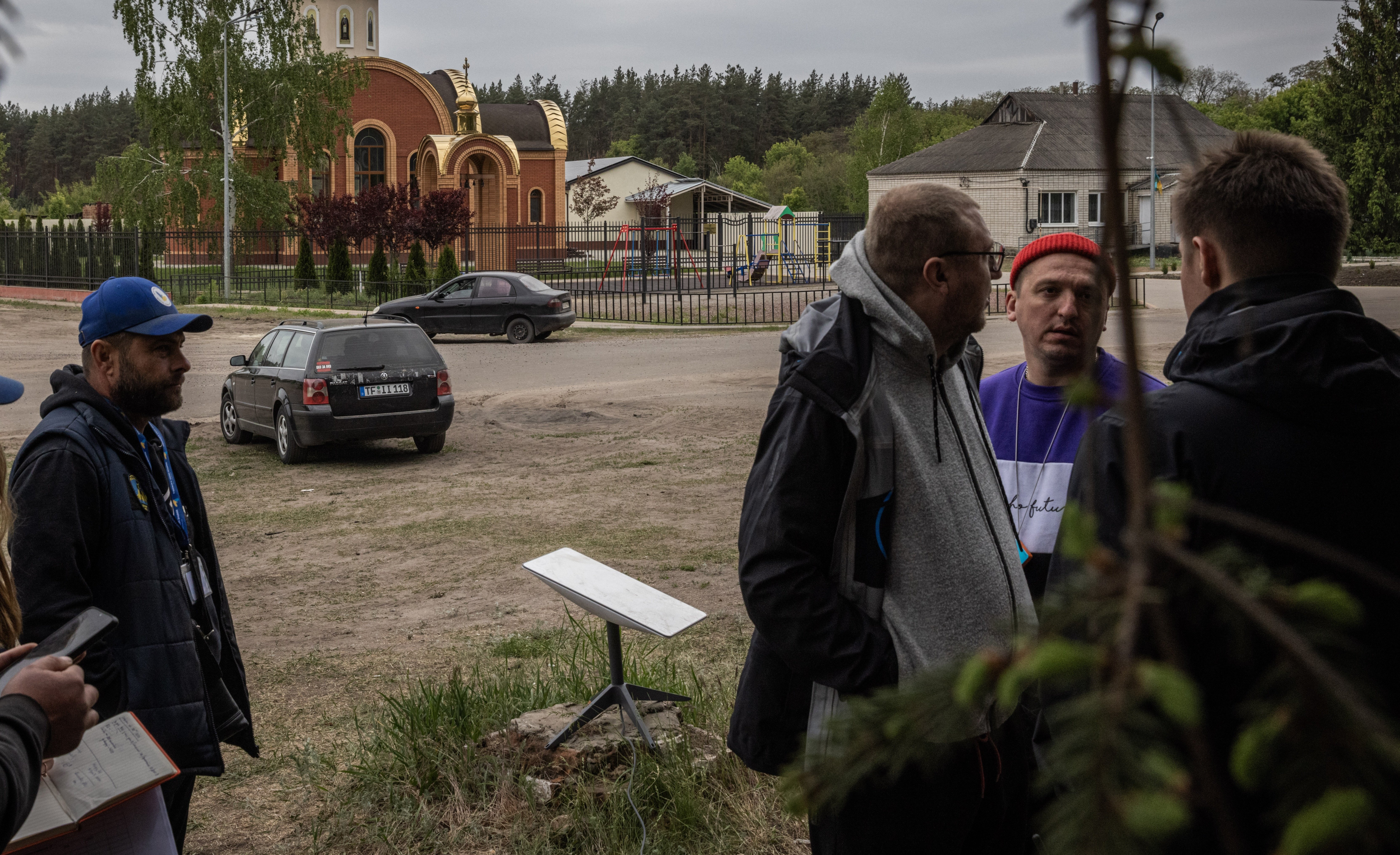
Relentless Russian strikes on Ukraine’s energy are crippling a service that should never fail—communication. Prolonged blackouts knock out power, leaving networks unstable or offline. In these moments, SpaceX’s Starlink steps in as a vital lifeline.
Ukraine launched a new service in late December 2025 called Direct to Cell—a SpaceX innovation enabling satellite-based messaging and calls via Starlink. At the time of rollout in Ukraine, the system supported messaging capabilities.
The key feature of Direct to Cell is its ability to function in areas where traditional mobile service is unavailable. Ukraine was among the first countries in the world to activate this technology—a reflection of the harsh realities Ukrainians currently face.
Due to Russia’s targeted strikes on energy infrastructure, many Ukrainian regions—especially remote or front-line zones—suffer from persistent or extended communication outages. This leaves civilians, such as farmers in the field or emergency responders like medics, firefighters, and utility crews, unable to send even a brief message to loved ones. In such moments, Starlink offers a simple yet vital connection: the ability to text back “I’m safe.”

A civilian communication reserve
Direct to Cell is just one example of how Starlink systems have become Ukraine’s civilian backup network.
From the earliest days of Russia’s full-scale invasion in February 2022, Starlink terminals began flowing into Ukraine following a donation from Elon Musk. The first deliveries went to train stations—crowded evacuation points where additional bandwidth and backup connectivity were critical in case mobile networks collapsed. At that time, the scope and scale of the war were still unknown.
Soon after, terminals were distributed to hospitals, rescue teams, police departments, schools, and the postal service. One vivid example came during Ukraine’s liberation of towns in the Kharkiv region and, later, Kherson, in September 2022. As civilians reentered these cities, Starlink terminals were deployed immediately, allowing residents to send messages to their families and reconnect with the outside world.
But one doesn’t need to look to the front lines. Across every Ukrainian city, Starlink terminals are installed in “Points of Invincibility”—public shelters equipped to provide heat, power, and communication during outages. These locations ensure civilians have access not only to contact with family but also to internet service, government announcements, and news.

Starlink also plays a vital role in business continuity. Terminals are commonly installed in office buildings and business centers, enabling Ukrainian companies to maintain domestic operations and serve international clients. Ukraine’s tech sector alone exports nearly $7 billion in services annually.
Starlink units are also found in private homes—both standalone and in some apartment complexes. For many, it’s the only reliable way to stay connected, even during blackouts or energy supply issues.
Starlink in Ukraine
Since Russia’s full-scale invasion began, Ukraine has become one of the world’s top recipients of Starlink terminals. Tens of thousands have arrived with support from SpaceX, the US, European governments, and Ukrainian civilians themselves. Germany and Poland alone have delivered nearly 50,000 terminals for use at civilian facilities nationwide. The exact total remains uncertain, but the scale is massive.
For Ukraine, Starlink is now as indispensable as generators—both critical components of survival for civilian infrastructure and businesses amid ongoing energy disruptions.
Discuss this article:
-6c7b568bf1f65853b7afd9dc1c3ca1fe.jpeg)


-24deccd511006ba79cfc4d798c6c2ef5.jpeg "Photo of Louis Beaudemont")

-554f0711f15a880af68b2550a739eee4.jpg "Photo of Lucile Brizard")
-4c422f6574674b417eac2384290103ac.jpg "Russia Left This Ukrainian Village 90% Mined. Here’s What Life There Looks Like Now")