- Category
- War in Ukraine
Ukraine Strikes the “Brain” of Russian Missiles, Destroying Key Microchip Plant
 Prefer U24 Media on Google
- Authors

-29a1a43aba23f9bb779a1ac8b98d2121.jpeg "Photo of Illia Kabachynskyi")
Russia’s military sector depends heavily on smuggled foreign microchips, but it also relies on a handful of domestic factories. Kremniy El, one of them, has been destroyed in a Ukrainian Storm Shadow strike.
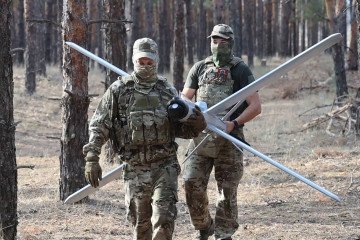
In early March 2026, Russia struck Kharkiv with a missile of a new type called Izdeliye 30. Its warhead weighs 800 kilograms, and its range is 1,500 kilometers. It can be launched from Su-34 aircraft, of which Russia has more than 120, meaning there is no shortage of carriers, and the weapon could, in theory, be used on a large scale. For now, however, it is more accurate to say that it could have been used on a large scale.
We bring you stories from the ground. Your support keeps our team in the field.
Ukraine’s Armed Forces launched a missile strike on March 10, 2026, on the Kremniy El microelectronics plant in Bryansk. Seven Storm Shadow cruise missiles hit the company’s main production facility. The central building was destroyed, and the extent of the damage indicates that production has been completely wiped out.
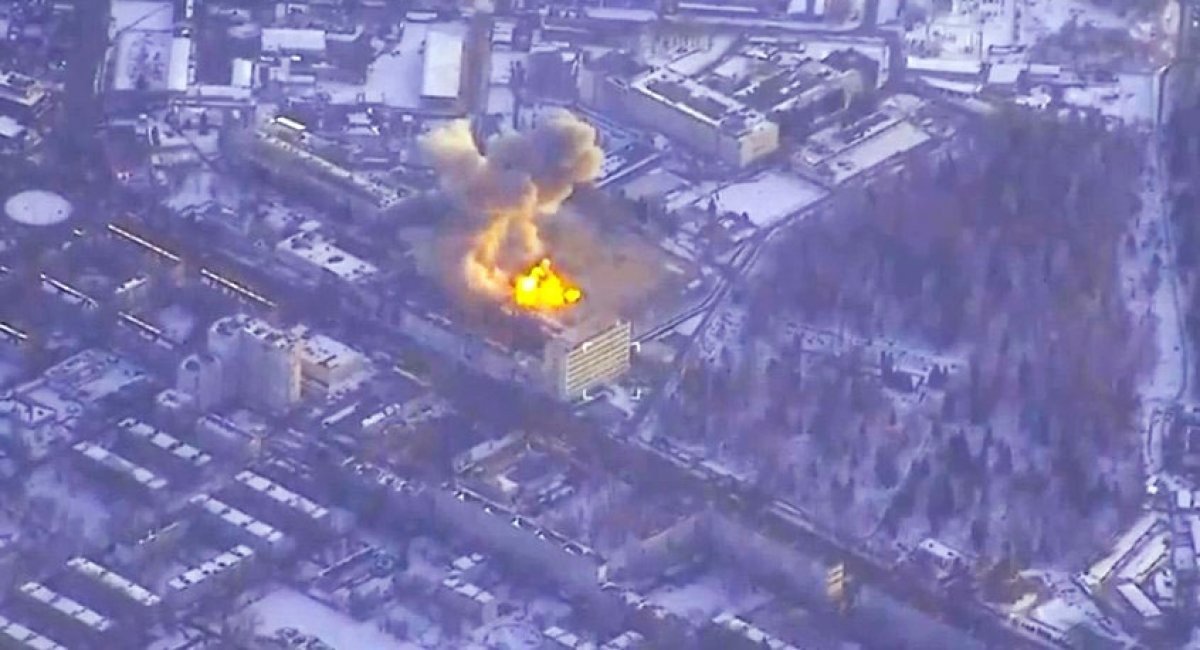
Izdeliye 30 and the Kremniy El plant are closely linked, and production of these missiles may now be put on hold.
The Defence Intelligence of Ukraine has published an interactive 3D model, the main assemblies, and components of the enemy’s new cruise missile “izdeliye-30,” as well as data on 20 enterprises involved in its production cooperation chain.
— Defence Intelligence of Ukraine (@DI_Ukraine) March 2, 2026
🔗: https://t.co/shMagPCZHE pic.twitter.com/6XgEsxVatf
What is Kremniy El?
The plant was founded back in 1958 in Bryansk. After international sanctions were imposed in 2022, it became one of the key enterprises in Russia’s microelectronics sector. Kremniy El is the country’s second-largest microelectronics manufacturer; the largest is a plant in Zelenograd, in the Moscow region.
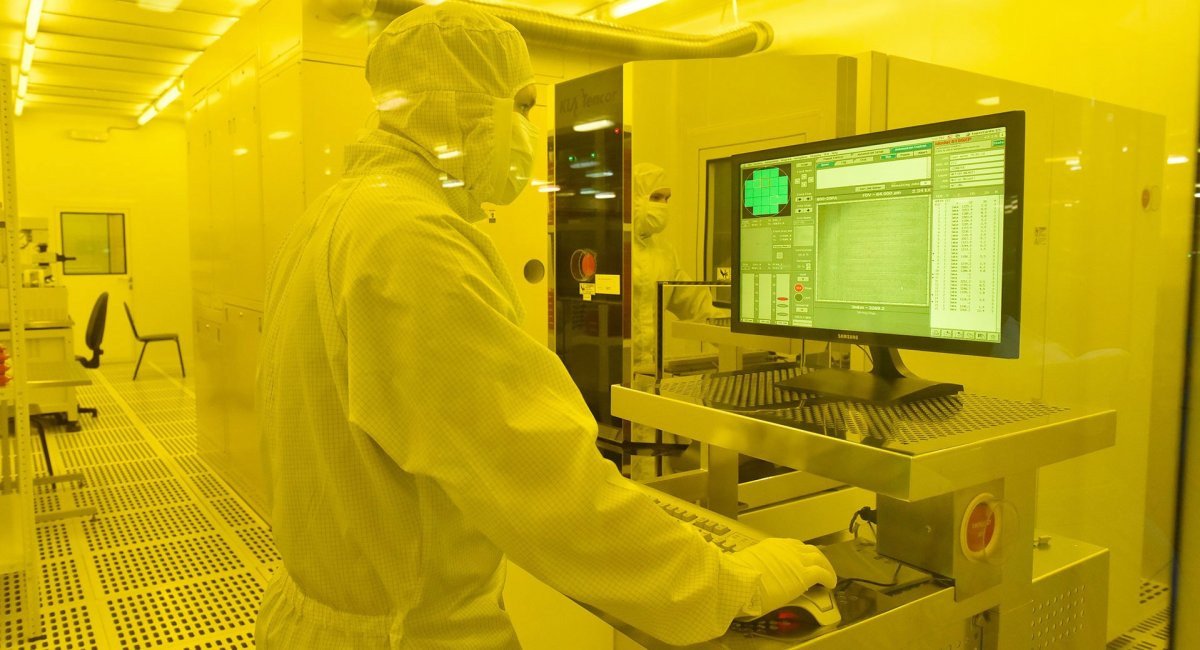
Kremniy El produced components for the Pantsir, Iskander, Topol-M, and Bulava missile systems, the S-300 and S-400 air defense systems, the already mentioned Izdeliye 30, and electronic warfare and radar systems.
After the start of the full-scale invasion, Taiwan’s TSMC said it would stop supplying microelectronics to Russia. American and European companies made similar statements. Some components still make their way into Russia anyway, but the Kremlin also relied on domestic production capacity. It is worth noting that local manufacturers produce chips using a 90-nanometer process, while the chips in your iPhone are already built on a 3- to 5-nanometer process. Still, even by comparison, chips that are outdated are sufficient for missiles and other weapons.
The plant is done
One of the defining features of facilities like this is cleanliness. These are unique clean rooms, completely free of dust. It is not hard to imagine what those spaces look like now after taking several cruise missile hits.
There is also the added problem of equipment. The plant used technology from the United States and Japan to make these chips, and some of that equipment is decades old. After the start of Russian aggression in 2014 and the start of the full-scale war in 2022, Moscow lost access to those technologies. What matters is not just the machine itself, but also the people who know how to operate it. There is no one in the world willing to provide that help: not Taiwan, not the United States, not Japan, not Europe, and not South Korea.
So the plant has not only been physically destroyed, but the problem is also how to rebuild it. That could take years.
Why US Tomahawks are needed
The March 10 strike was not the first or only attack on Kremniy El. The facility had systematically been targeted over the past several years, but earlier drone strikes only disrupted operations temporarily.
In August and September 2023, as well as in October 2024, the plant was attacked several times by Ukrainian drones, and those strikes completely disrupted its operations at the time.
In January 2025, after another round of strikes, Kremniy El temporarily suspended operations.
The Storm Shadow strike on March 10 was qualitatively different from all the previous attacks. Where drones caused limited, pinpoint damage, the cruise missiles destroyed the production capability itself, namely the main assembly shop.
For years, Ukraine had asked for permission to use Western missiles against targets inside Russia, where factories, military arsenals, military facilities, and infrastructure are located. Missiles deliver a much more powerful blow and cause far greater damage. The example of the Kremniy El plant makes that clear. Most importantly, the operation itself was prepared to a very high standard, and the missiles struck the target precisely. Russian journalists are still expressing surprise at how it was even possible that a Ukrainian drone hovered over the plant and effectively guided the missiles onto the building.
If Ukraine had received more missiles of this kind, as well as Taurus and Tomahawk missiles, the impact on Russia’s offensive capabilities would have been even more dramatic. Again, the destruction of just this one plant proves the point: the loss of the facility will halt production of new Iskanders and Izdeliye 30 missiles, while also reducing the quality of missiles and other military equipment that depend on modern electronics.
Discuss this article:
-4a56a6b482ec132402c16ef6fcabf9a2.png)