- Category
- Business
After Blowing Through Its Deficit Target, Russia Further Cannibalizes the Economy to Fund the War
Russia’s budget is coming apart at the seams. The war is extraordinarily expensive for Russia, and unlike Ukraine, it has no partners to help carry the burden. Its only real lifeline is the price of oil, which is why it is so important to preserve sanctions against Russia and prevent the Kremlin from turning oil revenues into ballistic missiles.
 Prefer U24 Media on Google
- Authors

-29a1a43aba23f9bb779a1ac8b98d2121.jpeg "Photo of Illia Kabachynskyi")
Russia has a money problem. And although officials are trying to keep up a brave face, insisting that Russia is a self-sufficient and economically independent country, reality tells a different story: the budget is falling short of expected revenues, while the National Wealth Fund is losing its liquid assets. As a result, Russia’s budget is heading toward a spending sequester—cuts to expenditures that had previously been planned.
Right now, Russia’s Finance Ministry has asked other ministries to identify areas where spending can be reduced by at least 10%. Naturally, the only things that can be cut are those unrelated to the war and to the expenditures that help keep Russia’s approval ratings high—namely, social spending. All so-called “unprotected” categories will be reduced. That means major investment projects and infrastructure construction, which in turn means there is effectively no prospect of economic growth in Russia.
We bring you stories from the ground. Your support keeps our team in the field.
No money
The reason Moscow is so eager to cut spending is the enormous cost of the war and its inability to offset those costs with oil revenues.
In January–February, the budget deficit reached 3.4 trillion rubles, or $44 billion — nearly the entire annual target of 3.8 trillion rubles, or $48 billion, in just two months.
Oil and gas revenues collapsed by 47% year over year, to 826 billion rubles, or $10.6 billion; the shortfall exceeded 300 billion rubles, or $3.85 billion.
The budget is based on an Urals oil price of $59 per barrel. The average price in January was $41, and in February it was $44.6.
Spending rose by 5.8%, even though the full-year plan had projected overall growth of only 2.9%.
The government is trying to finance the deficit using the National Wealth Fund, but at the current pace, its liquid portion could be exhausted within a year. More than $4 billion has already been withdrawn from it in the first two months alone.
In 2025, Moscow was already losing ground amid falling oil prices, which, alongside the strong ruble, came at a very high cost to the Russian economy. Tax collection was also expected to increase, but that did not happen against the backdrop of a slowing economy: in order to collect high taxes, people and businesses need to be earning more, yet the slowdown in entire sectors of the economy worked against that.
Although the Kremlin is shielding military and security spending, the overall economic decline and budgetary financing problems cannot help but affect the war effort. We have already written that dozens of regions are on the verge of default, entire sectors of the economy are stagnating, and the drop in rail freight volumes points directly to stagnation among businesses across the country. This is reflected in public sentiment and in the broader situation inside Russia. Economic pressure is one of the ways to force Moscow to the negotiating table. History shows that this is a possible scenario.
Keep sanctions in place
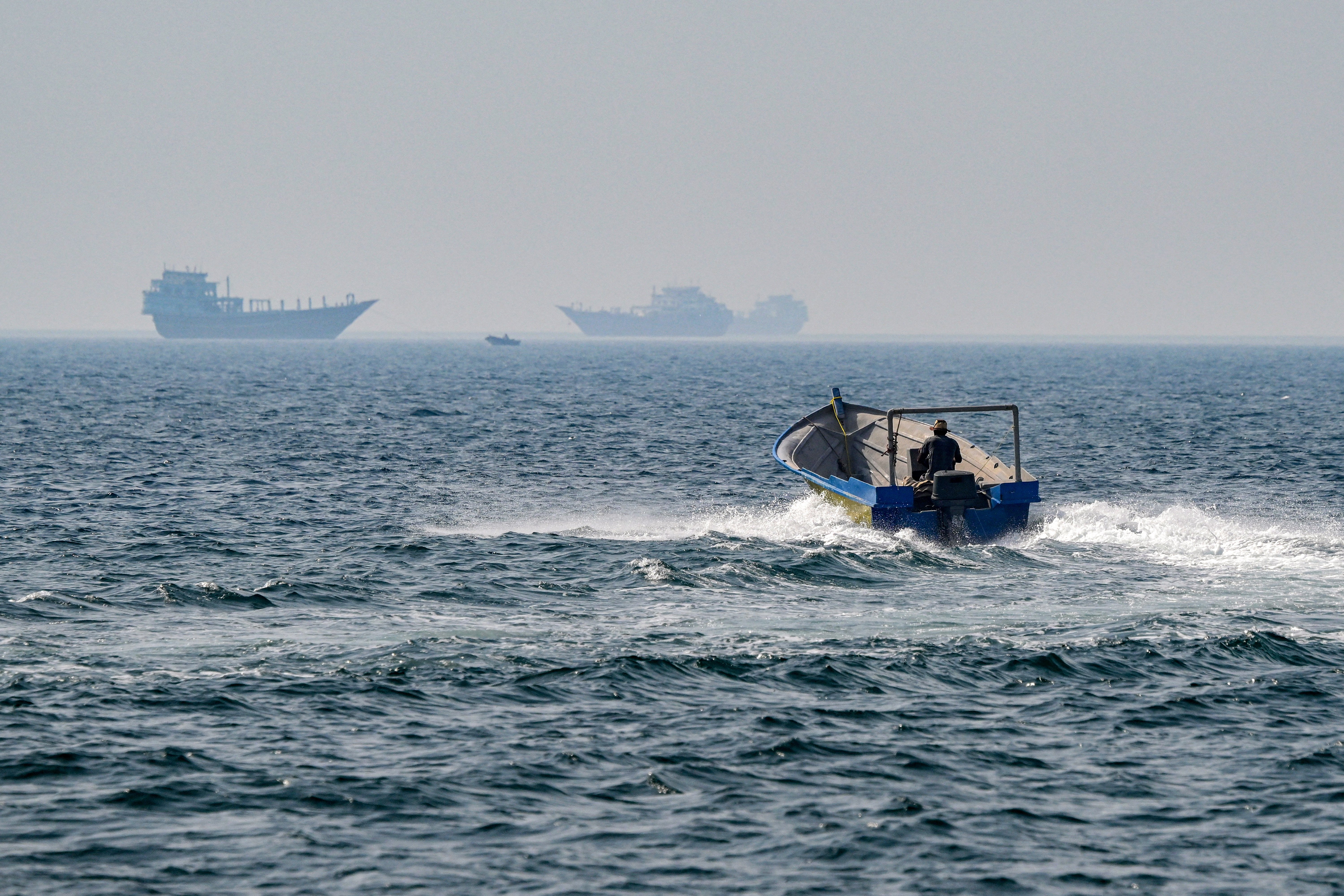
A war in the Middle East could become a lifeboat for the Russian economy: its oil supplies do not depend on the Strait of Hormuz. Russia has already been allowed to sell 130 million barrels of oil currently at sea, which, by various estimates, could earn the country up to $10 billion. While in January and February, Urals oil was selling below $50 a barrel after discounts, in the first weeks of the war against Iran, prices jumped to $70 a barrel. At those new price levels, Moscow could earn up to an additional $150 million per day. If the Urals remain above $75 throughout the year, the country would receive an additional 3 trillion rubles ($38 billion).
That would be enough to support the economy, maintain social spending, and direct additional resources to the war in Ukraine, since the cost of war for Russia rises every year. For example, $150 million in revenue earned in a single day would be enough to purchase 50 ballistic missiles.
But the issue is not just missiles: when an approaching economic collapse is bearing down on you, sooner or later, you end up at the negotiating table and become more willing to compromise. A windfall from high oil prices gives the Kremlin an incentive to drag out those talks. And although Russia’s economic problems are not going away—3 trillion rubles will not be enough to solve them—negotiations among Ukraine, the United States, and Russia have already been postponed several times.
That is why it is so important to preserve all sanctions previously imposed on Russia and to continue working to expand sanctions packages, including those related to Russian oil exports. If that pipeline is shut down for good, the Kremlin will have no money left to wage war.
Discuss this article:


-5f84711170d2769c4cda67ca2bebf5d2.jpg "Carpathian 8 Summit: Ukraine Leads Push for Security & Regional Growth")


-111f0e5095e02c02446ffed57bfb0ab1.jpeg "Photo of Roman Kohanets")
-4258f90da45ed571f27851d158610665.jpeg "Photo of Valeriya Ionan")
-92cc3cc3704a042ef4f32eb51a51081d.png "Activitis Builds Fintech Infrastructure for Ukrainian Business During Wartime")