- Category
- Opinion
The First Investors in Ukraine Will Own the Upside—Lessons from a Simulmedia Founder
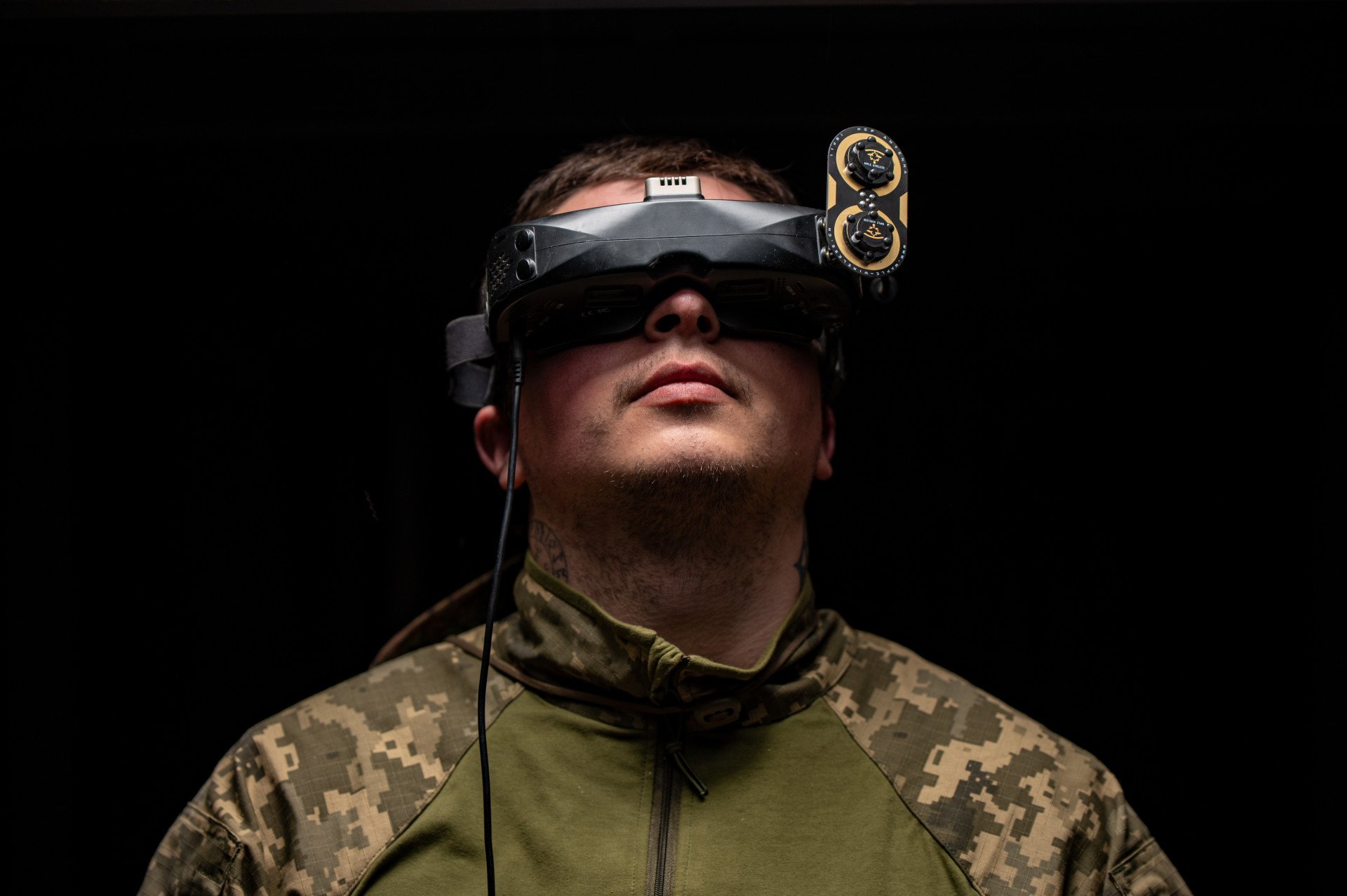
Most investors I meet say they are interested in Ukraine. Very few of them have actually been here.
 Prefer U24 Media on Google
- Authors

-4258f90da45ed571f27851d158610665.jpeg "Photo of Valeriya Ionan")
There is a phrase that keeps coming up in conversations with Western investors: "Ukraine-curious." It sounds like a compliment. In practice, it means someone who follows the news, asks thoughtful questions at the right conferences, and then goes home and waits for conditions that feel safer, for a political moment that feels more certain, for someone else to go first and prove the thesis before they commit anything real. After years of working at the intersection of Ukraine's digital transformation and its defense innovation, I have stopped finding this posture cautious and started finding it costly, mostly for the people who hold it.
We bring you stories from the ground. Your support keeps our team in the field.
Dave Morgan, founder of Simulmedia , made his first trip to Kyiv in May 2023, and by his fourteenth visit, he had opened core operational offices in Ukraine, backed Ukrainian defense tech startups directly, and begun building a fund of over $100 million focused on the sector. I spoke with him for my podcast FORWARD.
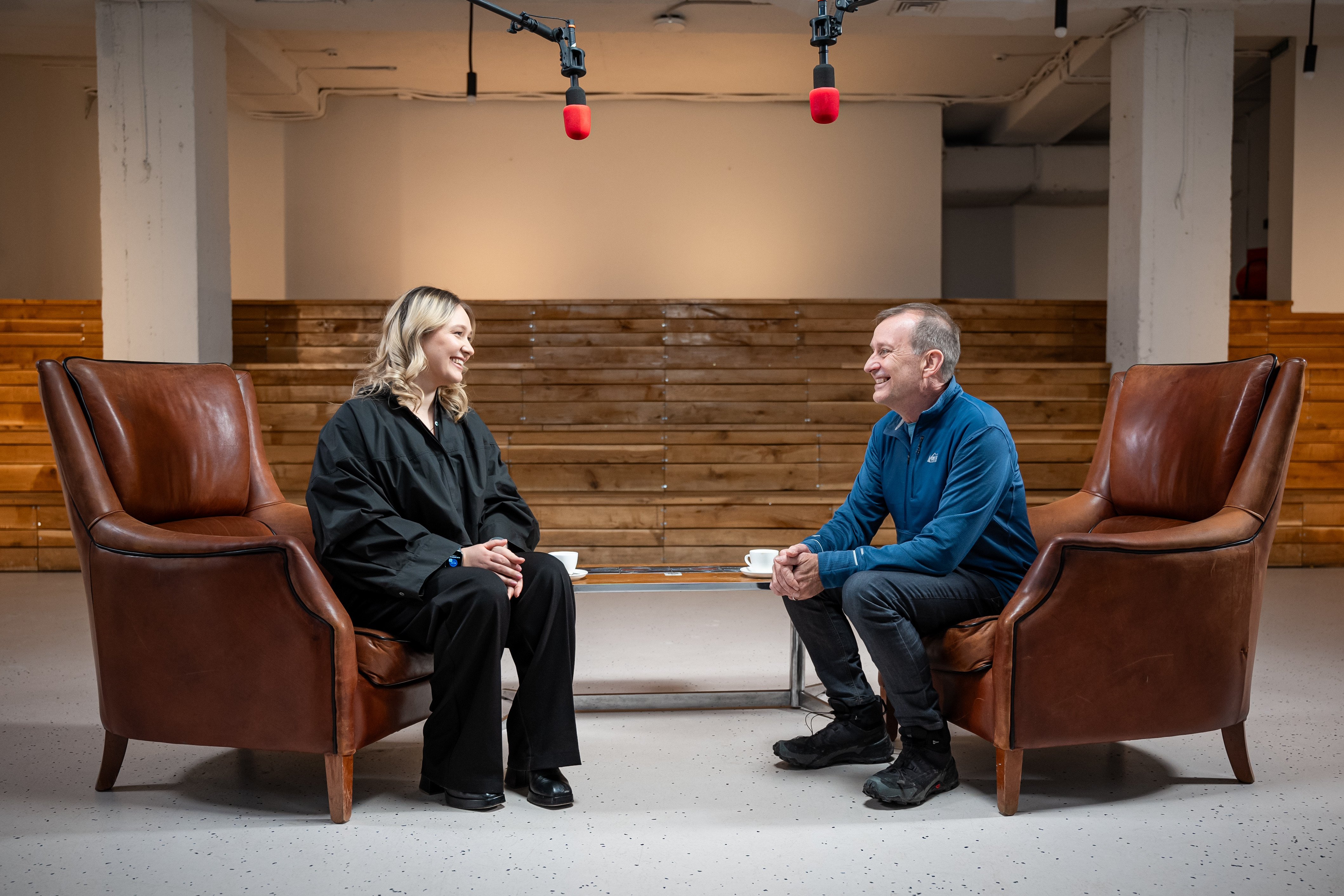
"A lot of American investors are Ukraine-curious," he says. "They stay curious. They don't become committed."
Morgan argues that most institutional investors evaluate Ukraine the way they evaluate any frontier market—risk scores, talent-cost comparisons, assumptions about exit timelines—and those inputs, assembled at a distance, tend to converge on the same answer: too uncertain, too exposed, too hard to model. The problem is the inputs, built far from the realities they are trying to describe by people who have never watched how quickly a city rebuilds its routines after a missile strike, or seen how much an engineer's motivation changes when the product they are building is tested in a field where failure has a face.
What you read in the headlines and what you see on TV news cannot prepare you for the energy that's here.
Dave Morgan
Founder of Simulmedia
On war risk, the question every Ukrainian founder eventually has to answer for Western audiences, Morgan has been in Kyiv during Russian missile strikes and traveled to Kharkiv multiple times, and while he is not dismissive of the danger, he argues that, measured against everyday risks in major American cities, it is not what the risk committees are pricing.
"The closest I've come to death in the last two and a half years was an e-bike delivery person in New York going the wrong direction when I stepped off the street at a corner," he says. Ukraine's technology sector has grown throughout the invasion, front lines have been geographically stable for long periods, and the predictability that businesses operating in the country's interior rely on is real, even if it goes unacknowledged in most Western risk assessments. When Morgan looks at the broader picture, he argues that the sustainability of what Ukraine is doing is not in question and that Russia is the strategically vulnerable side.
"They will realize it later,” he says. “But it will be too late to capture the upside."
Ukraine also feels, to Morgan, more familiar than outsiders expect. He says it reminds him of America more than anywhere else he has visited—the focus on merit, freedom, opportunity—and adds: "Everyone's read all the great poets, and then people know how to fix the generator." That combination of intellectual depth and practical resilience shows up directly in the investment case.
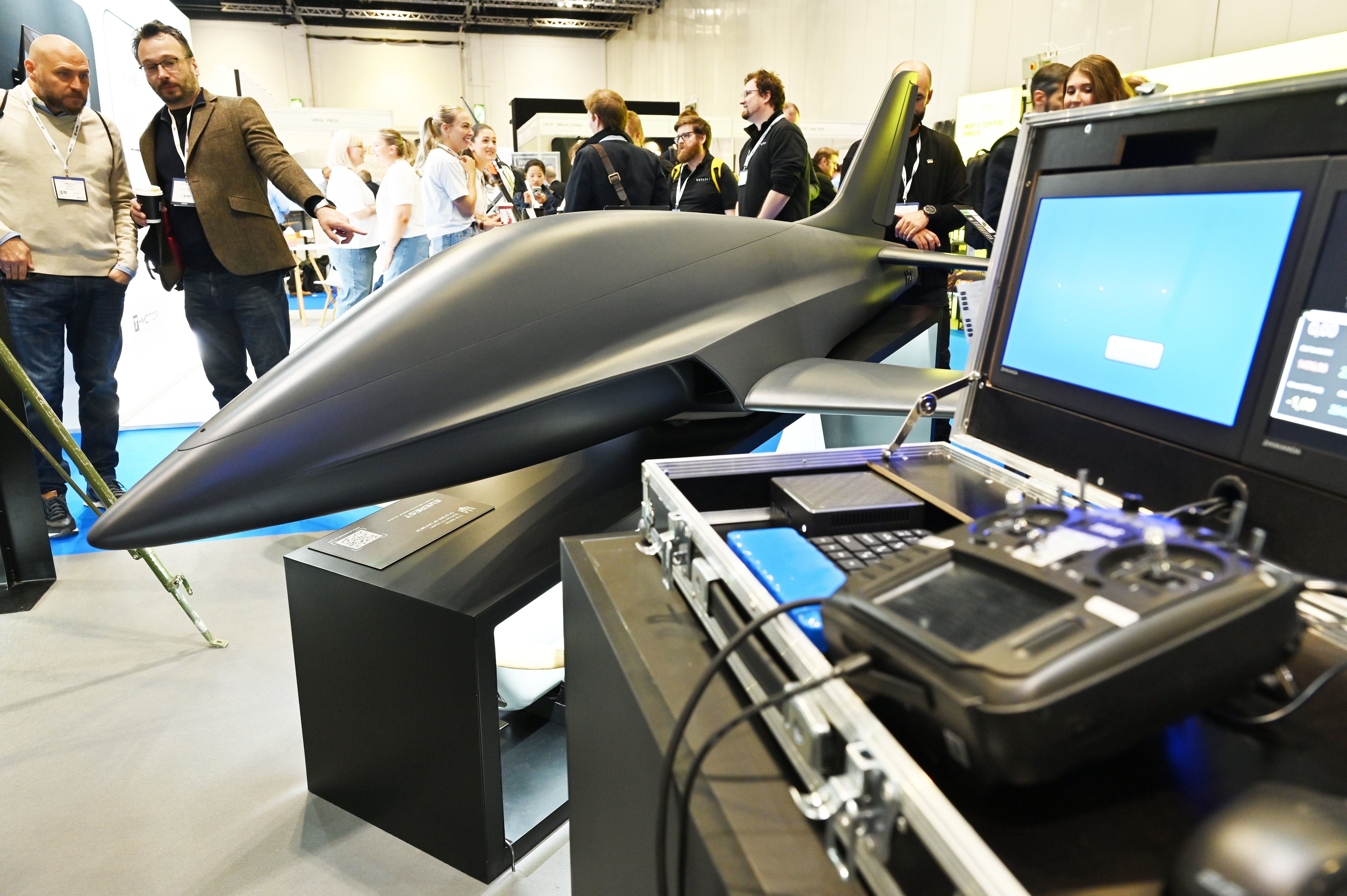
Ukrainian defense startups consistently deliver two to three times more value per dollar invested than comparable Western companies because of alignment, with engineers working beyond narrow job descriptions, supply chains held together by personal trust networks forged under pressure, and innovation cycles that might take years in the United States compressing into weeks when iteration happens on an active battlefield.
Morgan is also direct about something that rarely surfaces in investment conversations: a meaningful share of Western defense technology marketed as battle-tested has not performed reliably in Ukraine. Some systems were deployed, evaluated by Ukrainian units who could not afford to stake their lives on them, and quietly removed from service while Ukrainian-made alternatives displaced them. Himera's encrypted tactical radios, built during blackouts at a fraction of the cost of global brands, move into NATO procurement pipelines on the strength of actual field results.
Beyond defense, Morgan sees compounding opportunities across the economy. Energy is being rebuilt from the ground up—Soviet-era centralized infrastructure, repeatedly targeted and repeatedly restored, is giving way to distributed systems and microgrids that may become global templates for resilience under stress. Agriculture sits at a similar inflection point: Ukraine operates one of the world's largest agricultural basins at roughly 60% of its potential capacity, with 80% of Middle Eastern countries depending on it for food, and the recovery will drive significant innovation in precision farming and supply-chain logistics.

And then there is AI, where Ukraine carries multigenerational academic traditions in computational linguistics and mathematics rooted in institutions like Kyiv Polytechnic Institute, producing engineers who combine deep theoretical training with the practical resilience of people who have learned to build under constraint. Morgan has already hired eight KPI students for Simulmedia and sponsors their machine learning hackathons.
The opportunity is real, the talent is deep, and the window is open. What happens next depends entirely on who decides to show up.
This piece draws on a conversation recorded for FORWARD with Valeriya Ionan, a podcast on how international partnerships with Ukraine are actually built in practice. Dave Morgan is the founder of Simulmedia and one of the most sustained Western investors operating in Ukraine today.
Discuss this article:
-4a56a6b482ec132402c16ef6fcabf9a2.png)


-206008aed5f329e86c52788e3e423f23.jpg "Photo of Oleksandr Moiseienko")

-f3430f0449615e9897dff835086ac204.jpg "Ukraine Broke With a Soviet-Era Military System and Rebuilt It Around the Soldier")
-e126c16a85d580738cf2d57e760b80a3.jpeg "Photo of Vladyslav Greziev")