- Category
- Opinion
“Our Reality Is Us”: Why Ukraine Cannot Afford to Freeze or Flee in the Face of War
Russia’s war against Ukraine is fought not only with missiles and drones, but with attempts to strip people of their freedom, agency, and humanity, reducing them to objects of coercion, fear, or manipulation.
 Prefer U24 Media on Google
- Authors

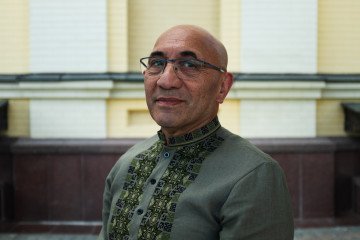
-7d65d79ffbe21bede9d9d133a2392364.jpg "Photo of Maksym Butkevych")
Talking about our reality right now, in general terms, seems quite simple. We live in a shared reality—a reality of war, fragility, and being threatened, a reality where fundamental values and beliefs are called into question and constantly undermined.
We bring you stories from the ground. Your support keeps our team in the field.
Talking about our shared reality is difficult. Because it consists of the intertwining of our individual or group realities: life in Ukraine and in other countries, in the visibly safer areas or under occupation, in countries striving to preserve fundamental rights and freedoms, and in a country fighting for its very survival, in civilian life or in the military, in a world of conspiracy theories and a world of verified facts.
All these realities of ours, intertwining, create our shared reality, like multicolored threads—a common fabric into which we are all woven. However, it is very important for me to remember a seemingly obvious but fundamental fact. None of our realities is isolated from the others. There is no individual, personal reality that is closed in on itself.
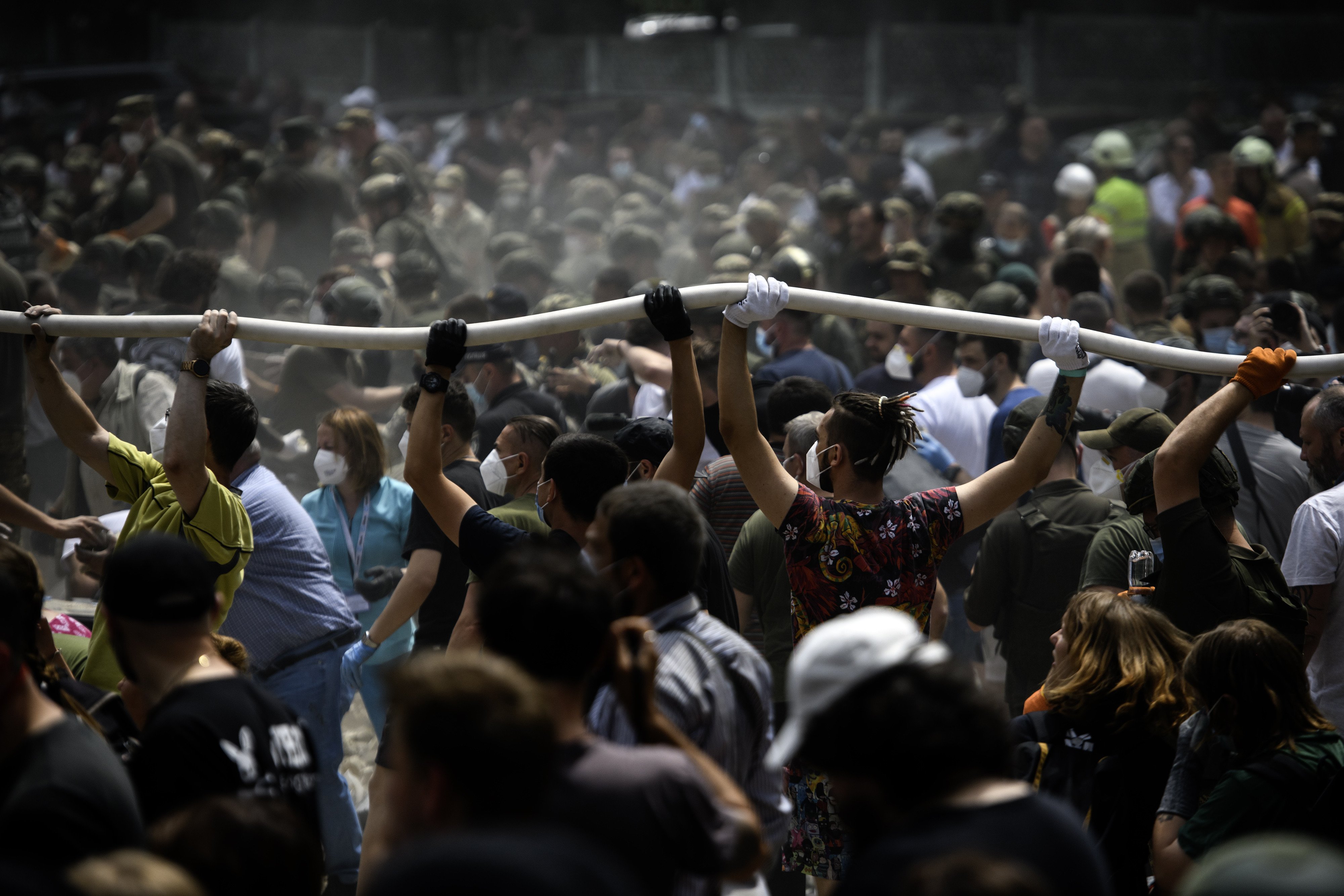
Moreover, all our realities are created not only and not so much by us, but also by other people. Our physical circumstances are what they are because of the actions and efforts of those who created them—whether they intended to help us, harm us, exploit us, or simply failed to consider the consequences of their actions.
The lives of people in Ukraine depend on the country’s Defense Forces across all fronts, the actions of air defense troops, the efforts of an incredibly vast network of volunteers and charitable organizations, on transportation and utility services, the support of family members, and interactions with colleagues and neighbors; on the goodwill of those trying to sustain our ability to live in various countries; on enemies seeking to inflict as much physical harm on us as possible; and on so many others.
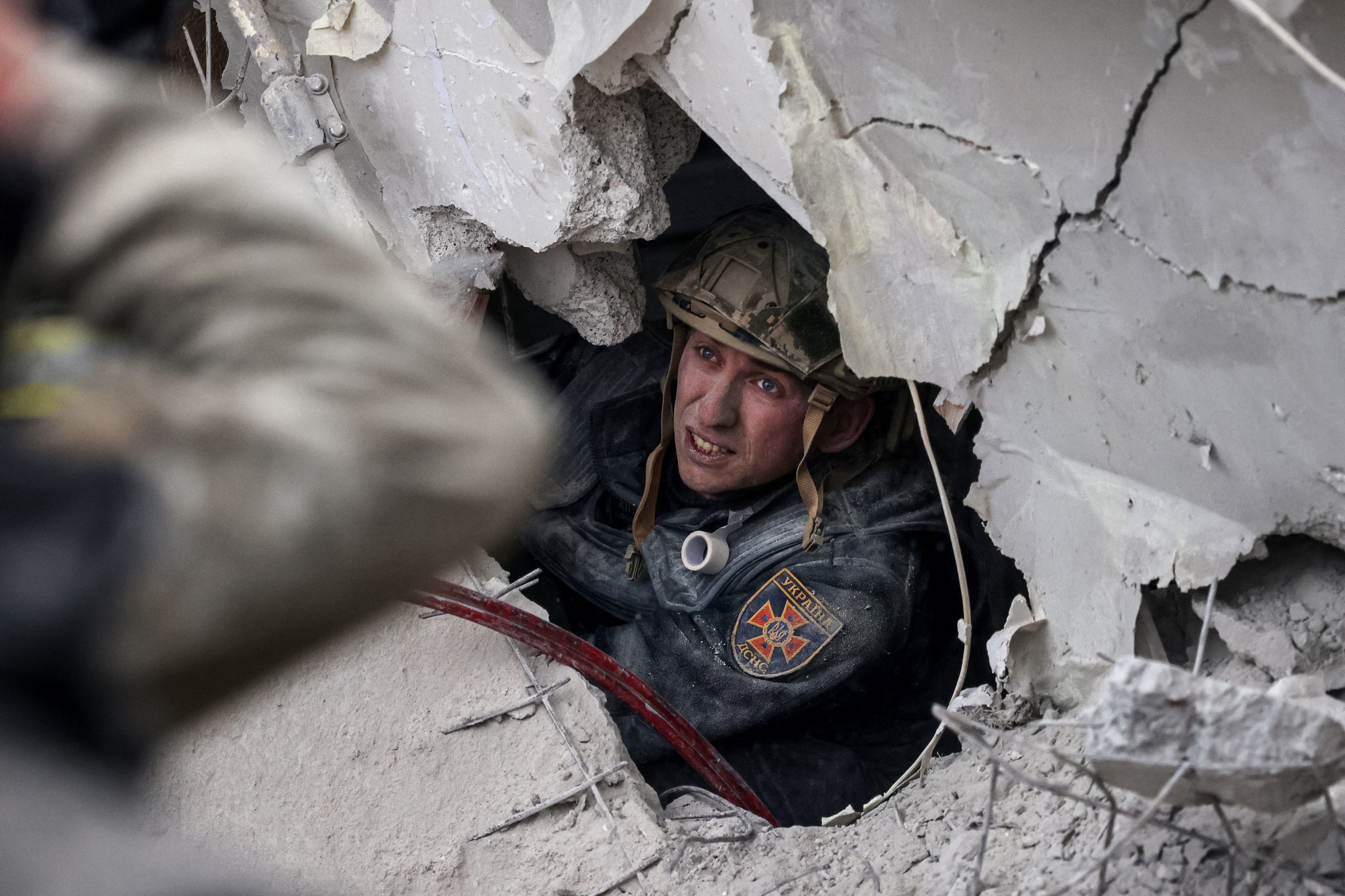
Our mental picture of the world, our informational reality, is created thanks to those who have conveyed to us messages about events and processes that go beyond the limits of our immediate experience and shape our shared context: from teachers and acquaintances, opinion leaders and social media contributors, to rumor-mongers and propagandists, and, of course, journalists and other media professionals.
Apart from forces of nature, and—for believers—supernatural phenomena, there is nothing in the world but people and the relationships between them. And it is they who create reality. We shape each other’s reality—through our actions or inaction, consciously or not—every day, every hour, and every minute. So our shared reality is not just an interweaving of our smaller everyday worlds, but a tapestry of our interactions, gestures of support or devaluation, mutual instrumentalization or mutual enrichment.
The shared shaping of each other’s reality, when we are aware of it, inevitably leads us to another important realization: the understanding of responsibility. We are responsible for the reality in which people around us and in other communities live, because we participate in its creation. We are responsible for each other’s realities and for our shared reality. We are responsible for what we have done—or failed to do—to make it exactly this way and not another. Our reality is tied to our actions toward ourselves and others—and our actions lead to our responsibility for them.
However, we see that many people choose to disregard this responsibility. After all, our actions originate not only from our current, mundane interests: they reflect our values, what we would like to see embodied in our reality, and what it should be built upon. We are now witnessing the existence and advancement of a version of the world where most people are reduced to objects of coercion or manipulation, and where the creation of their reality is decisively influenced by small groups of leaders, manipulators, or the wealthy. This version of the world is built on the denial, for most people, of human freedom, agency, solidarity, and, ultimately, humanity. I witnessed this very reality firsthand while in Russian captivity—both directly, through my interactions with my captors, and when I was forced to consume Russian propaganda media content. It is precisely this reality—of occupation and control—that Russia is now trying to impose on Ukraine, eliminating any other options; and this attempt has created the tragic reality of war for us.
However, the very interconnectedness of our realities, our fates, and our choices reveals just how flawed this worldview is. People reduced to the status of objects that can be manipulated and are incapable of making their own choices cannot interact freely, cannot fully and consciously create a shared reality, and do not feel responsible for it. Ukraine is now trying to defend a different worldview, where the fundamental value is the human being, their freedom, and respect for them. Where we are responsible for our worlds, for our shared world, and for one another. And it is precisely this worldview that we are trying to embody in our reality, which we are defending in this war.
In truth, we can neither flee nor freeze when our reality is under attack. Because our reality is us. Because by fleeing or freezing—if we ever were to do so—we would continue to create a reality, but a completely different one: a reality of defeat, where we would have renounced our freedom and our fundamental values. Yet we would not be free of responsibility for it. We carry our reality with us, for ourselves and for others; we create it and bring it to life through interaction and conflict, through resilience and vulnerability, through disagreements and mutual support. But this creation of reality can only be worthy if we mutually value our humanity, our worth to one another, and our responsibility to one another. This responsibility is inherently linked, whether we like it or not, to all political decisions, civic engagement, mutual information-sharing, and the shaping of our worldview, and everyday interactions—we are responsible for all of this. Only awareness of this fact, and the actions it entails, are worthy of people who strive to live freely, in mutual respect, and without fear. This is the only reality worthy of us, worthy of humanity, and in the struggle for this reality, we cannot lose.
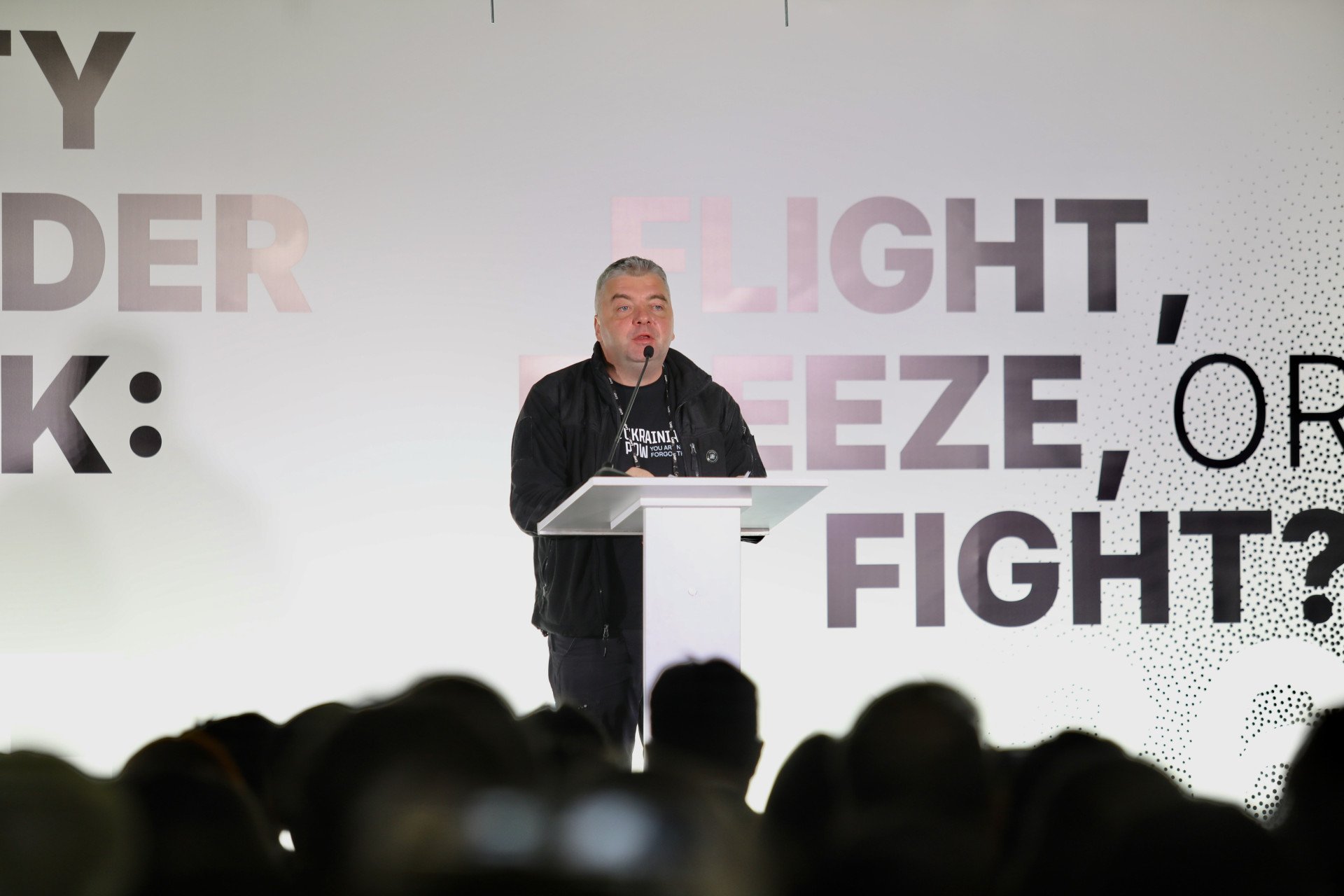
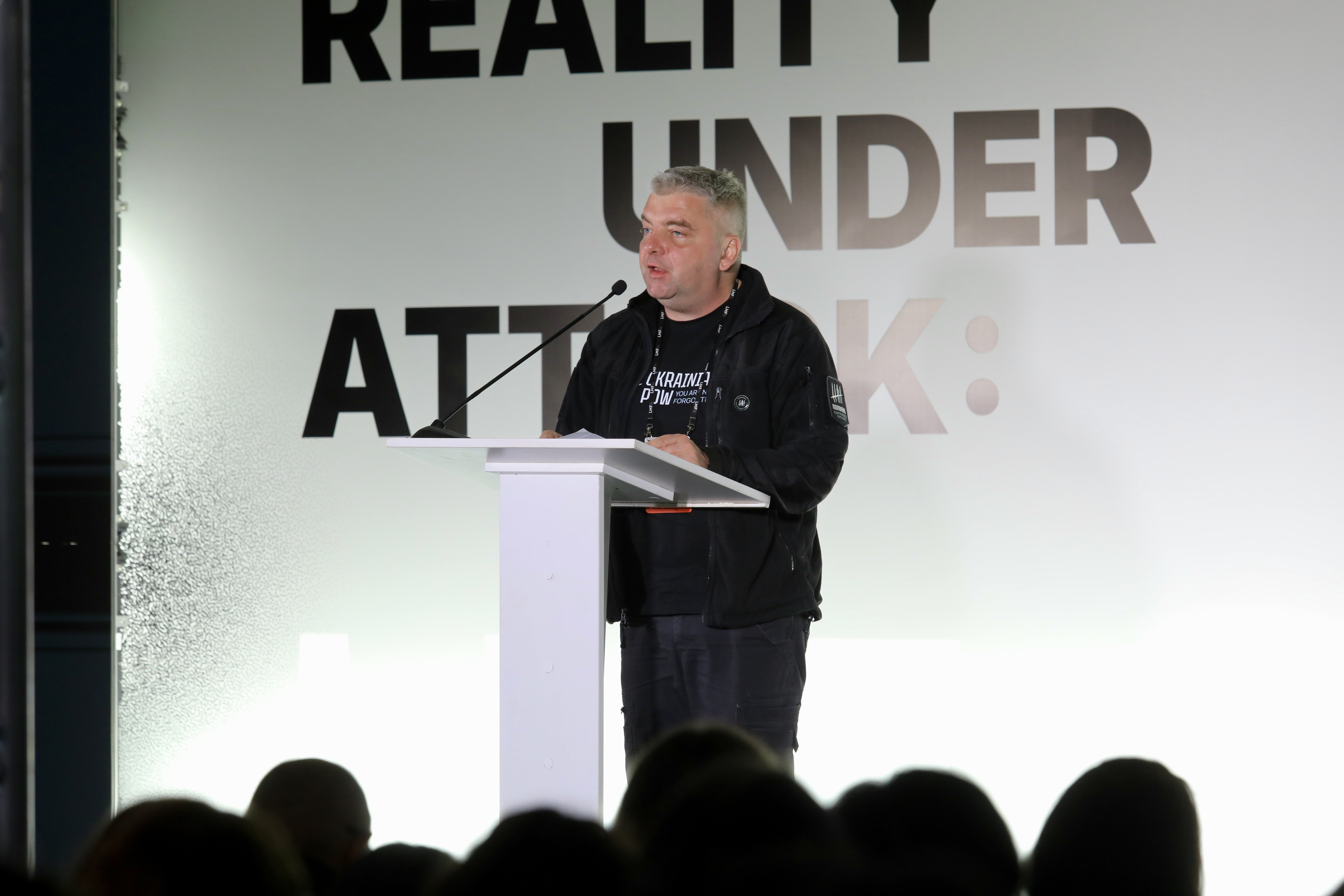
This speech was delivered at the Lviv Media Forum as part of this year’s theme: “Reality Is Under Attack: whether to Freeze, to Flee, or to Fight.”
Discuss this article:


-206008aed5f329e86c52788e3e423f23.jpg "Photo of Oleksandr Moiseienko")

-f3430f0449615e9897dff835086ac204.jpg "Ukraine Broke With a Soviet-Era Military System and Rebuilt It Around the Soldier")
-e126c16a85d580738cf2d57e760b80a3.jpeg "Photo of Vladyslav Greziev")