- Category
- Opinion
Ukraine’s Children Need More Than Rescue From Russia’s War. We Are Building a Guarantee for Their Future
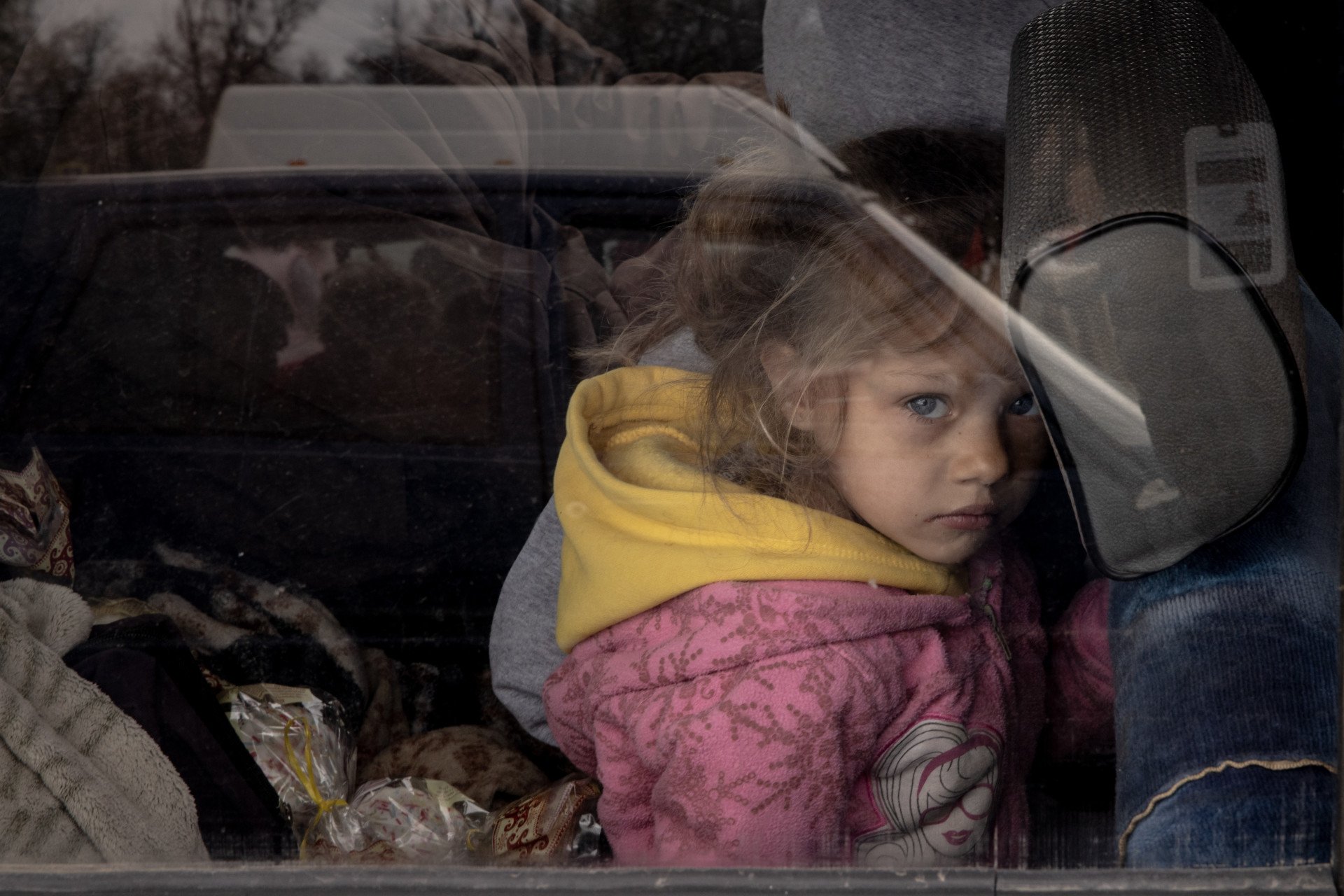
“Everyone has already been taken, but we stayed behind. We want a family too.”
 Prefer U24 Media on Google
- Authors


A girl from a residential institution that had been evacuated during Russia’s full-scale invasion said these words to me several months ago, and I still think about them often.
Most of the children from the institution were eventually placed into families across different regions of Ukraine. But several children with disabilities remained in institutional care longer than the others. For me, this sentence explains very clearly what war does to children. The more vulnerable a child already is, the greater the risk of being left behind during a crisis, displacement, or institutionalization.
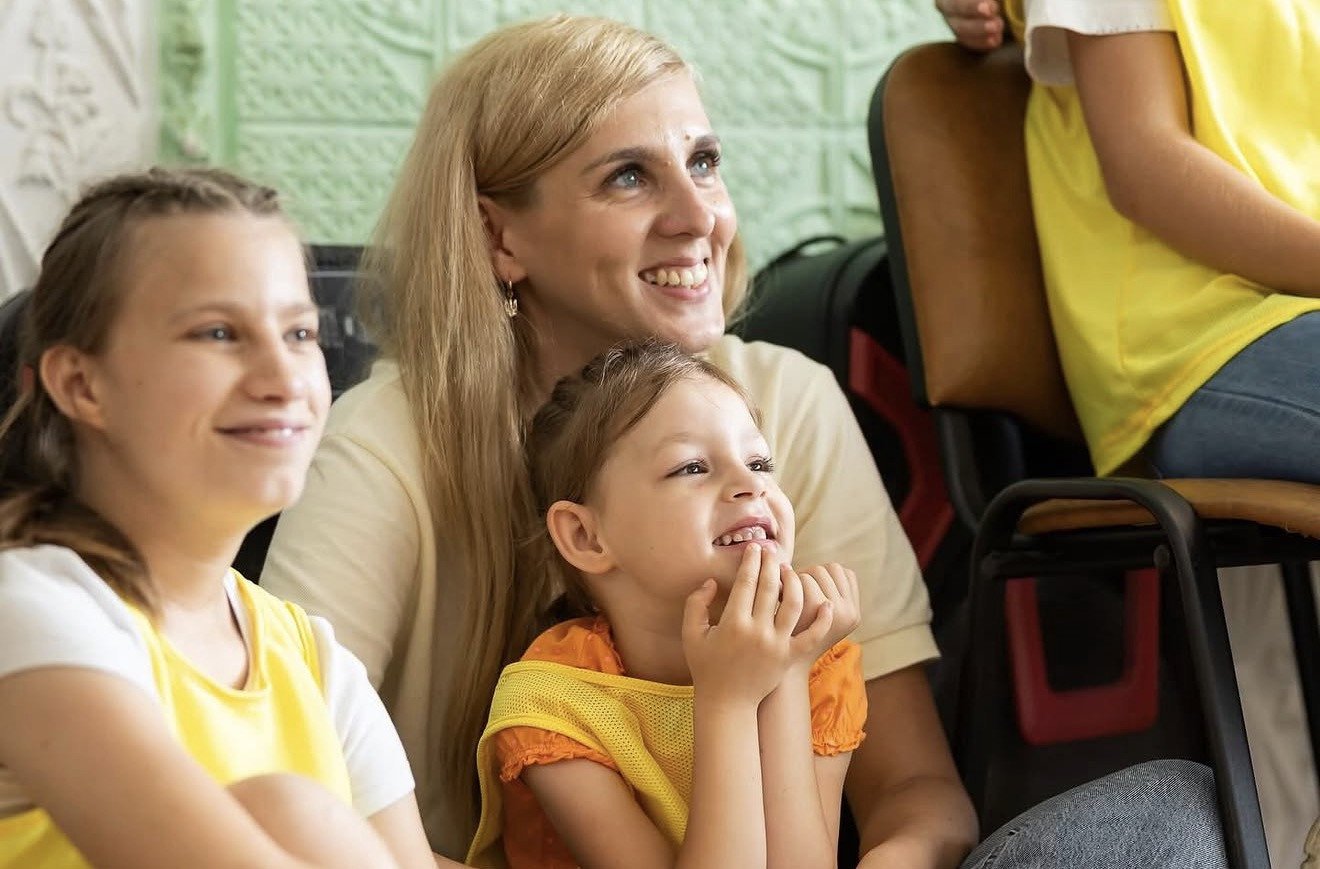
Over the past years, the world has heard many stories about Ukrainian children living under occupation, deported by Russia, separated from their families, or forced to flee their homes because of the war. Ukraine continues working to bring children back within the framework of the Presidential initiative Bring Kids Back UA.
But return alone is not enough.
For many children, war does not end after evacuation or after crossing the border back into Ukraine. Very often, this is only the moment when another long and difficult stage begins. Children return after months or years without stable access to education, healthcare, rehabilitation, or even ordinary communication with other children. Families return emotionally exhausted and financially devastated after prolonged displacement, occupation, or constant shelling.
War does not end after the return
I often think about one family from the occupied part of the Kherson region. A 76-year-old grandmother evacuated her two granddaughters through the territory of Russia after months of living under occupation. When they finally arrived in Ukrainian government-controlled territory, the family had almost nothing left. After everything they had gone through, all of them became ill. Their savings were spent on medicines and treatment. At the same time, they needed to restore documents, arrange schooling for the children, find housing, and rebuild everyday life from the beginning. This is what recovery after war often looks like in reality. Not one dramatic moment, but many everyday problems that families are forced to solve all at once.
Another story I remember is Mykyta’s. When I first met him, the institution where he lived had already been relocated from the Donetsk region because of Russia’s war. There were not enough specialists, and many children had spent years without proper developmental support. I remember how the boys would spend long periods simply walking in circles around the same room. Only later, when additional specialists, educators, and support services became involved, did the children gradually begin developing the skills necessary for more independent living. Today, Mykyta lives in a supported living house together with his friends. It is difficult to fully describe how much his life has changed since then.
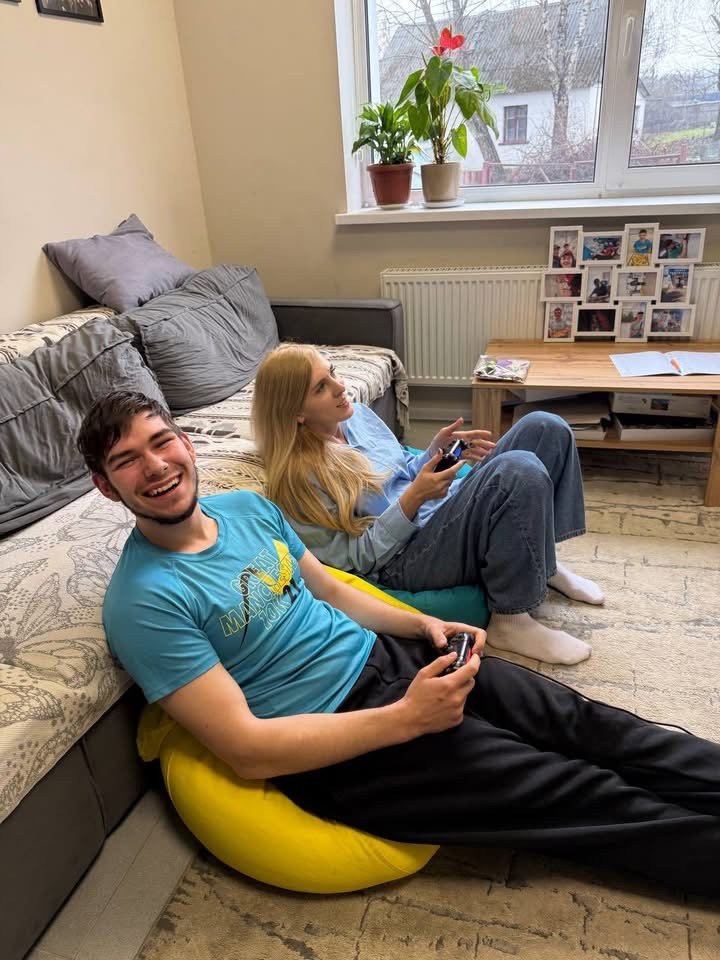
These stories are different, but they speak about the same thing: children need much more than immediate rescue during war. They need long-term support that allows them to continue growing, learning, building relationships, and feeling part of a community again.
How the European Child Guarantee works
This is why Ukraine has begun implementing the European Child Guarantee — a European initiative aimed at ensuring that every child has access to the basic things necessary for development and well-being, regardless of poverty, disability, displacement, family circumstances, or crisis. In April 2026, the Government of Ukraine approved the Action Plan for implementing the National Plan under the European Child Guarantee until 2030. For Ukraine, this means building support around the real needs children face every day during war.
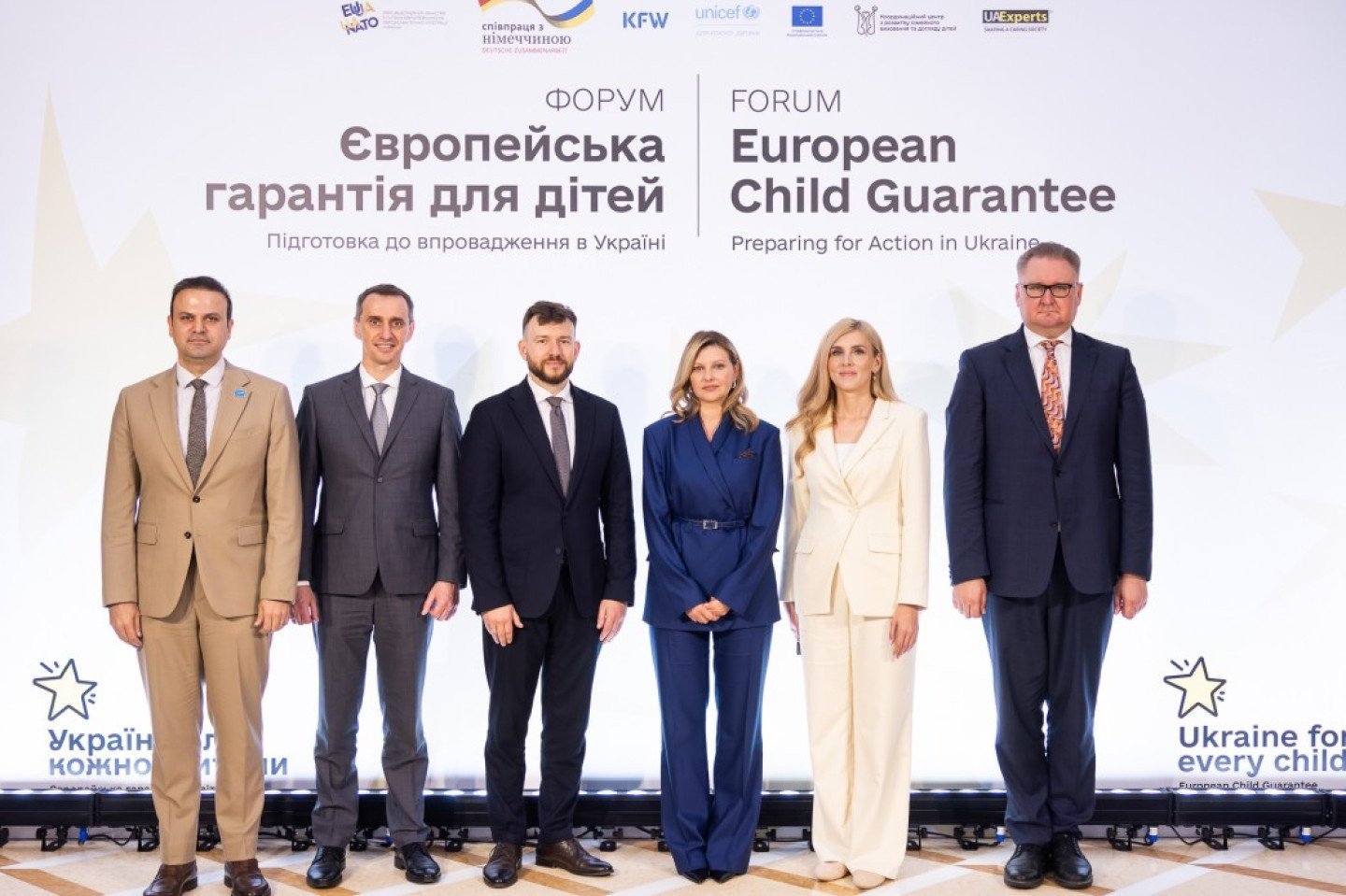
It means helping children return to education after years of disruption. Expanding rehabilitation and healthcare services within communities. Supporting families raising children with disabilities so they are not left alone with exhaustion and isolation. Developing early intervention services for young children whose development has been affected by war and stress. Creating supported living opportunities for young people leaving institutional care. Strengthening inclusive education so children can continue learning together within their communities rather than being separated from society. It also means shifting from responding only to emergencies toward creating support that remains alongside children and families long after the immediate crisis passes.
The National Plan places particular attention on children facing the highest risks during war: children deprived of parental care, children with disabilities and special educational needs, children affected by occupation and displacement, children living in difficult life circumstances, and children in contact with the law.
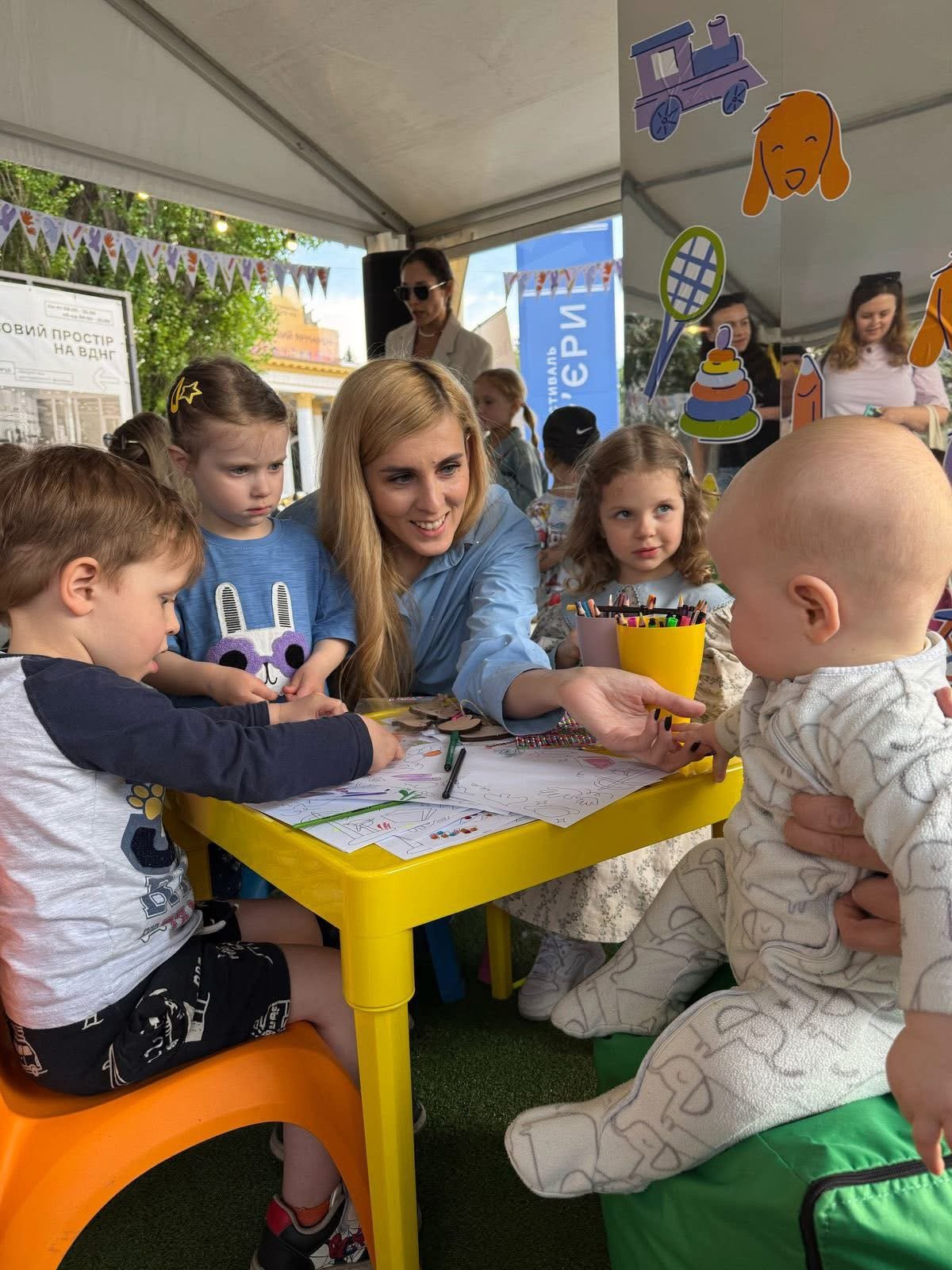
In reality, these vulnerabilities often overlap.
Recovery happens inside communities
During visits to communities across Ukraine, I see every day how much it depends on whether support exists nearby and at the right moment. Especially in frontline regions, communities continue developing rehabilitation services, inclusive education, resilience centers, supported living services, day care services, and child-friendly spaces despite enormous pressure on local systems. Recently, during a visit to a rehabilitation center in the Chernihiv region, I was especially moved by a respite care service for parents raising children with severe disabilities and palliative needs.
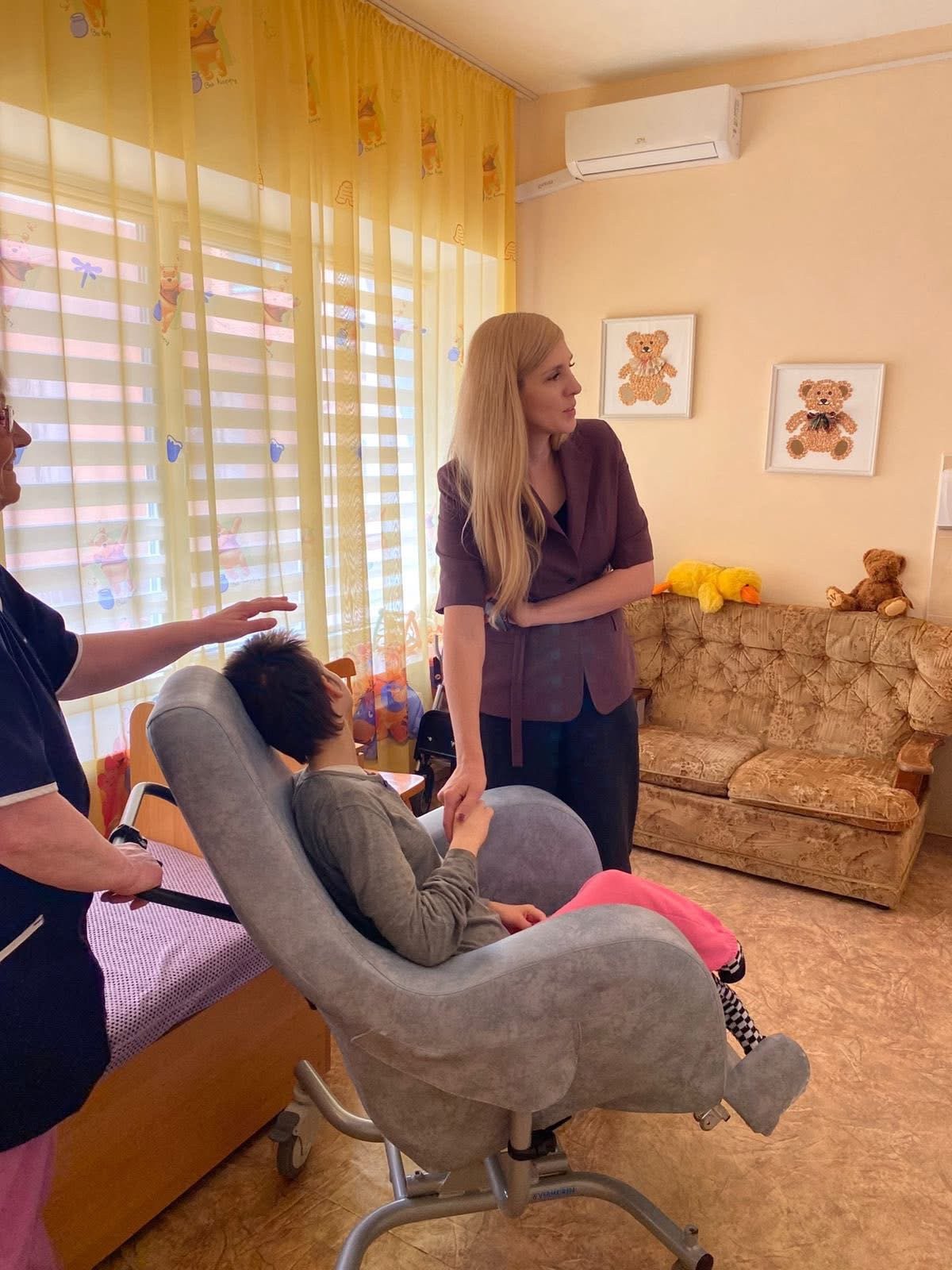
We often speak about supporting children, but behind every child, there is usually a parent living under constant physical and emotional exhaustion. Sometimes support begins with something very simple: giving parents the opportunity to sleep through the night without fear for their child’s safety. I also recently visited a supported living house for young people with disabilities who previously lived in institutional care. One young man proudly showed me how he had learned to cook independently. Another spoke about making his own decisions for the first time in his life.
These moments may seem small. But for children and young people who spent years isolated from ordinary community life, they change everything. This is why conversations about children during war cannot focus only on evacuation or return. Real recovery begins much later: when children can go back to school, access healthcare and rehabilitation, rebuild trust in adults, make friends, feel safe in their communities, and slowly begin imagining a future again.
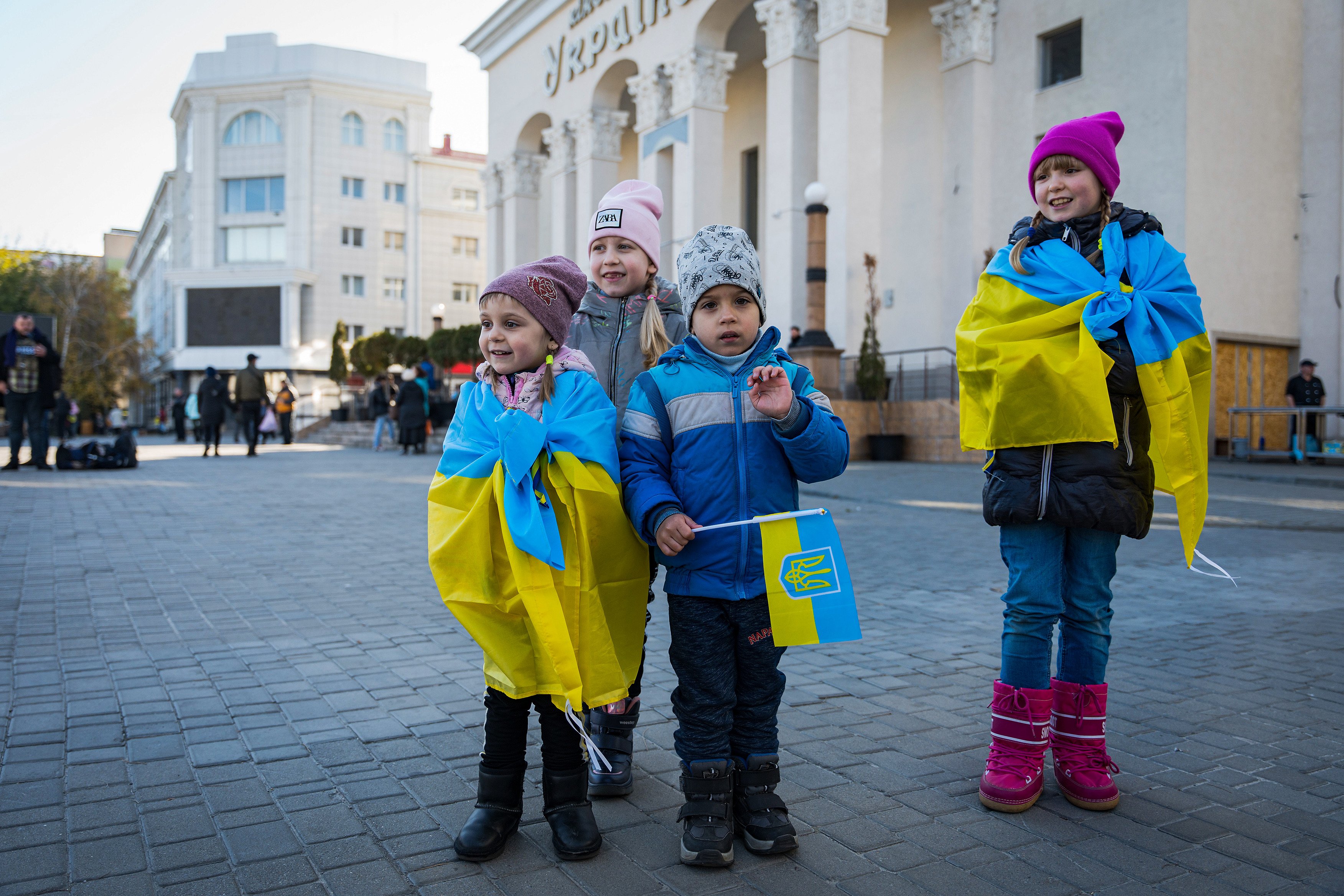
War changes childhood in ways that cannot be fully undone. But it should not decide a child’s entire future.
Discuss this article:
-4a56a6b482ec132402c16ef6fcabf9a2.png)


-f3430f0449615e9897dff835086ac204.jpg "Ukraine Broke With a Soviet-Era Military System and Rebuilt It Around the Soldier")
-e126c16a85d580738cf2d57e760b80a3.jpeg "Photo of Vladyslav Greziev")