- Category
- Opinion
A Future Without Hunger or Exclusion? How Europe Steps In With a Promise to Protect Ukraine’s Kids
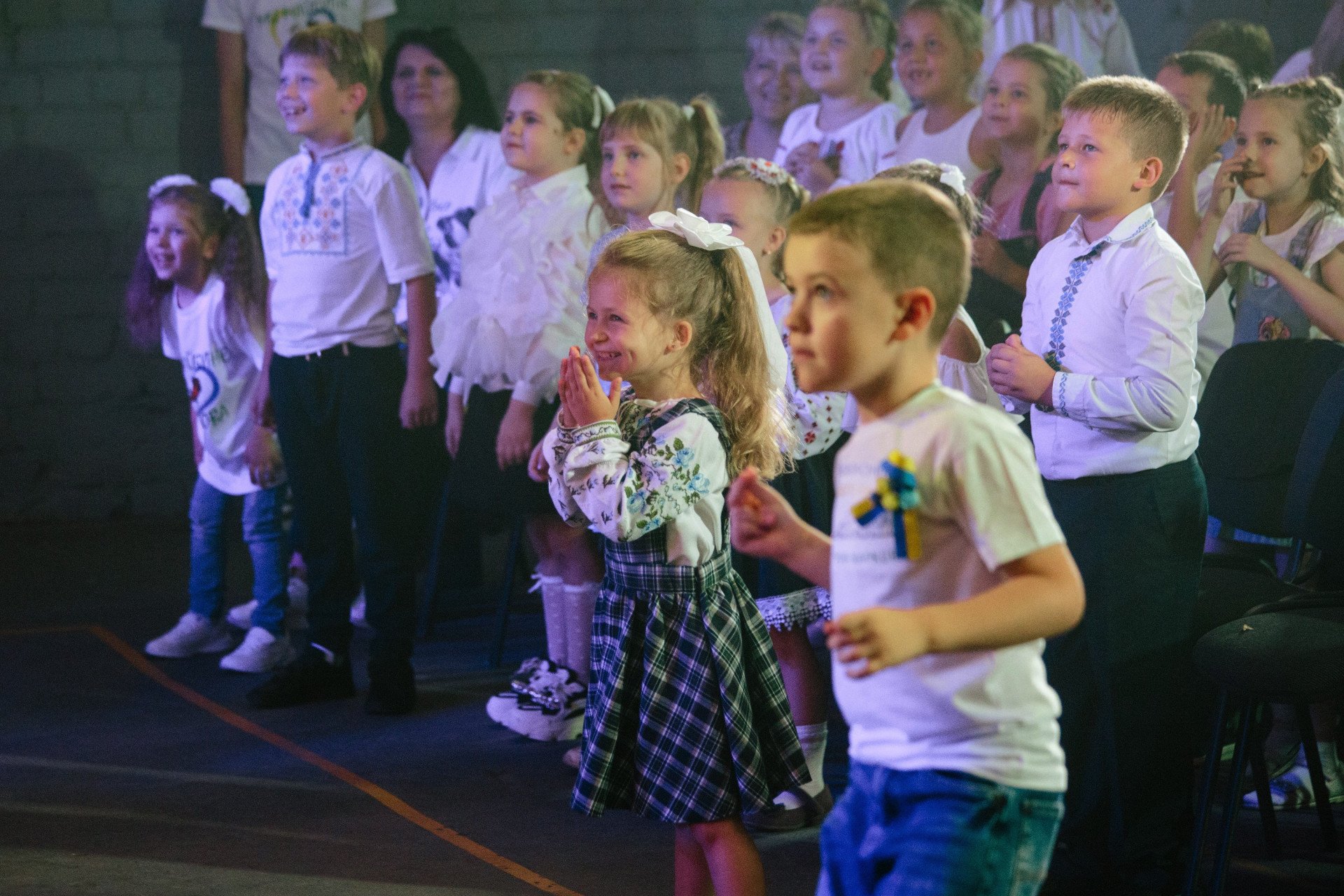
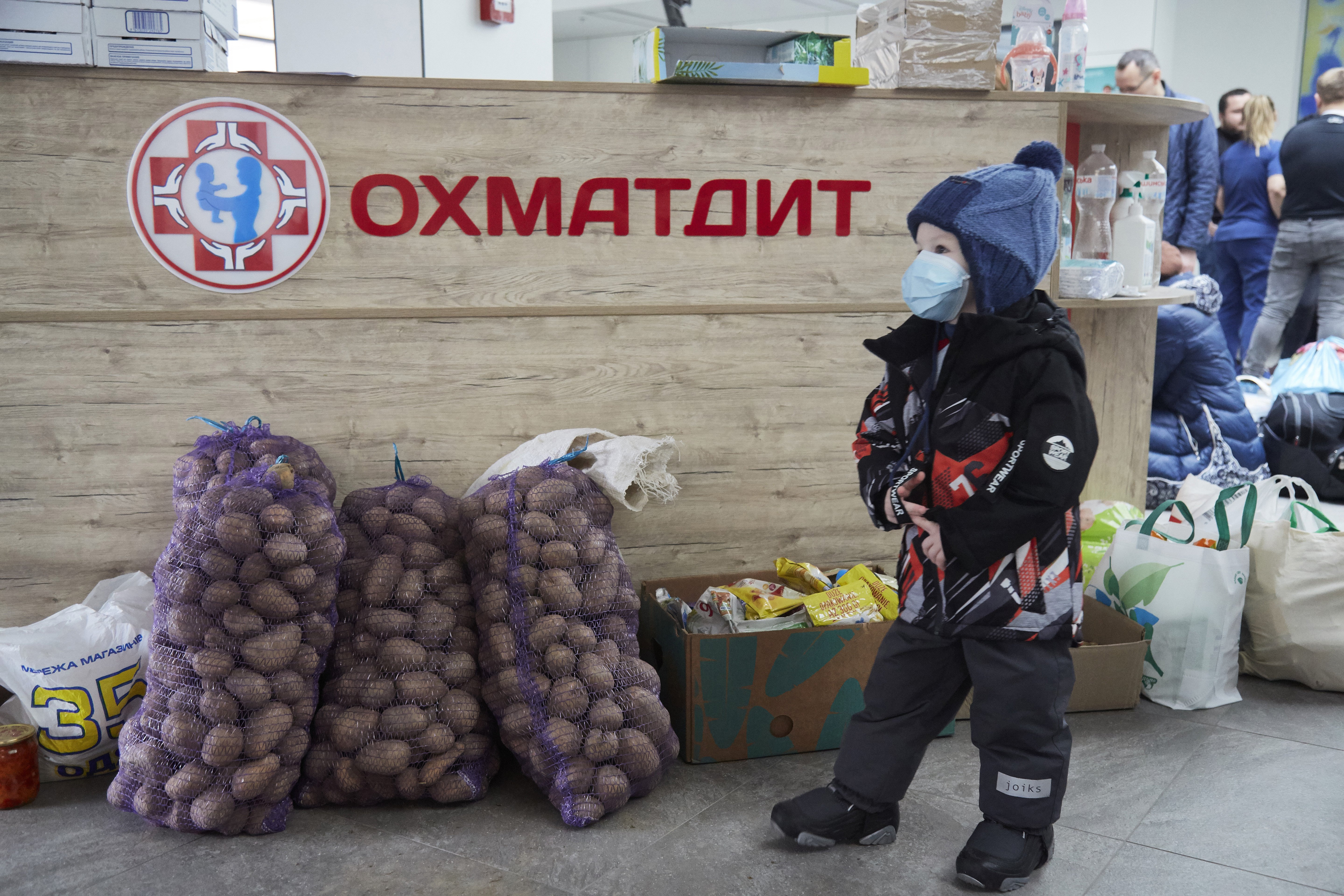
No child should have to grow up hungry, excluded, or without a safe place to call home. Russia’s war in Ukraine has pushed millions of children into poverty and hardship. The European Child Guarantee is offering help and hope.
 Prefer U24 Media on Google
- Authors


If fully implemented, the Guarantee could ensure Ukraine’s most vulnerable children get what every child deserves: food, healthcare, and education.
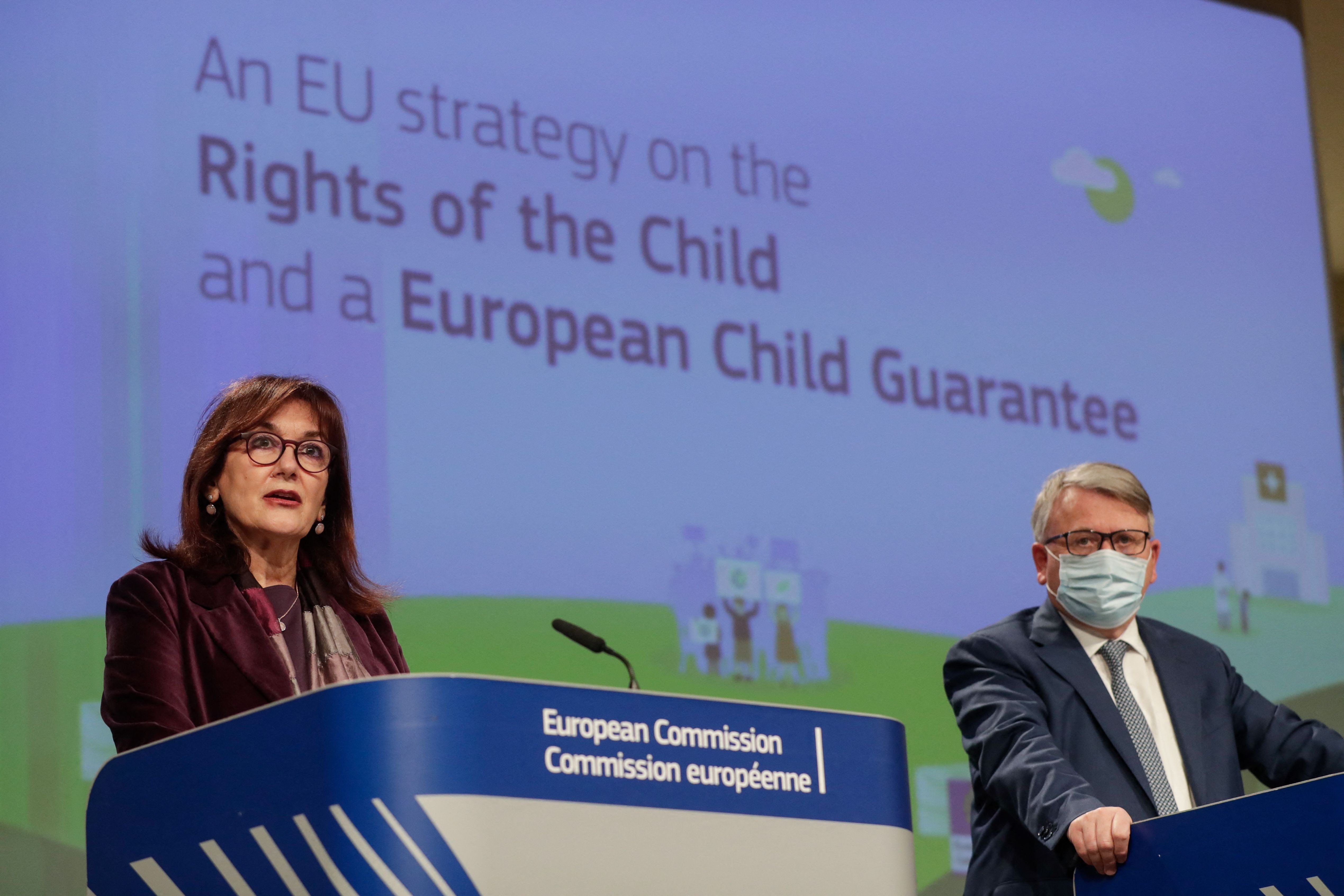
What is the European Child Guarantee
A European Commission initiative, the European Child Guarantee is a comprehensive European Union instrument aimed at ensuring equal access for the most vulnerable groups of children to the resources and opportunities necessary for their harmonious development and overcoming child poverty. These include early childhood education, healthcare, healthy nutrition, adequate housing, inclusive education, and school activities.
It combines the political commitments of EU Member States, evidence on how socio-economic factors affect child development, and practical models of integrated services tested across the EU. For Ukraine, which is beginning its path of implementing the Guarantee, this approach opens opportunities to align reforms with European standards and to increase the effectiveness of child protection policies.
Context and formation
The initiative’s strategic goal is to break the intergenerational cycle of poverty and social exclusion by removing barriers to the essential components of child well-being.
The rising levels of child poverty in the European Union shaped the preconditions for creating the Guarantee. As of 2022, nearly 20 million children (about one in four in the EU) were at risk of poverty or social exclusion. Research shows that a lack of access to quality education, healthcare, and social services in childhood has long-term negative consequences — from poorer health outcomes to reduced employment prospects in adulthood.
The EU Council Recommendation adopted in 2021, closely linked to the European Pillar of Social Rights, provided the impetus for implementing the Guarantee across all Member States. Before that, between 2020 and 2022, under the third phase of the preparatory actions (“Phase III: Testing the Child Guarantee”), the European Commission, in partnership with UNICEF’s Regional Office for Europe and Central Asia, launched pilot projects in seven countries — Bulgaria, Croatia, Germany, Greece, Italy, Lithuania, and Spain. The task of this phase was to test innovative approaches to reducing child poverty and to develop an operational model for implementing the European Child Guarantee at the national level.
The pilot countries allowed for the testing of new models of inter-agency coordination, integration of social, health, and educational services, early intervention and monitoring systems, and laid the foundation for governments’ planning of related initiatives.
Implementation in EU countries
EU countries that participated in the Guarantee pilots had different starting points and challenges, but all shared a need for systemic cross-sector cooperation. The example of Croatia, which tested the Guarantee in Međimurje County, illustrates the importance of working “in the community, with the community, and for the community.” The focus was on bringing services closer to Roma settlements by establishing resource centers combining healthcare, social protection, early childhood education, and early intervention.
One of the pilots' main challenges was building sustainable inter-agency coordination, as cooperation relied in many cases on informal ties and individual initiative. Other issues included scaling up successful models in regions with high levels of child poverty, shortages of specialists in early childhood development, and unequal access to quality early childhood education.
The European Child Guarantee introduces a new monitoring mechanism developed by the European Commission. It includes a set of comparable statistical indicators tracking the size of the target group, access to each of the five key components of child well-being, and their quality. This data enables countries not only to measure progress but also to identify systemic gaps.
The Ukrainian approach and perspectives
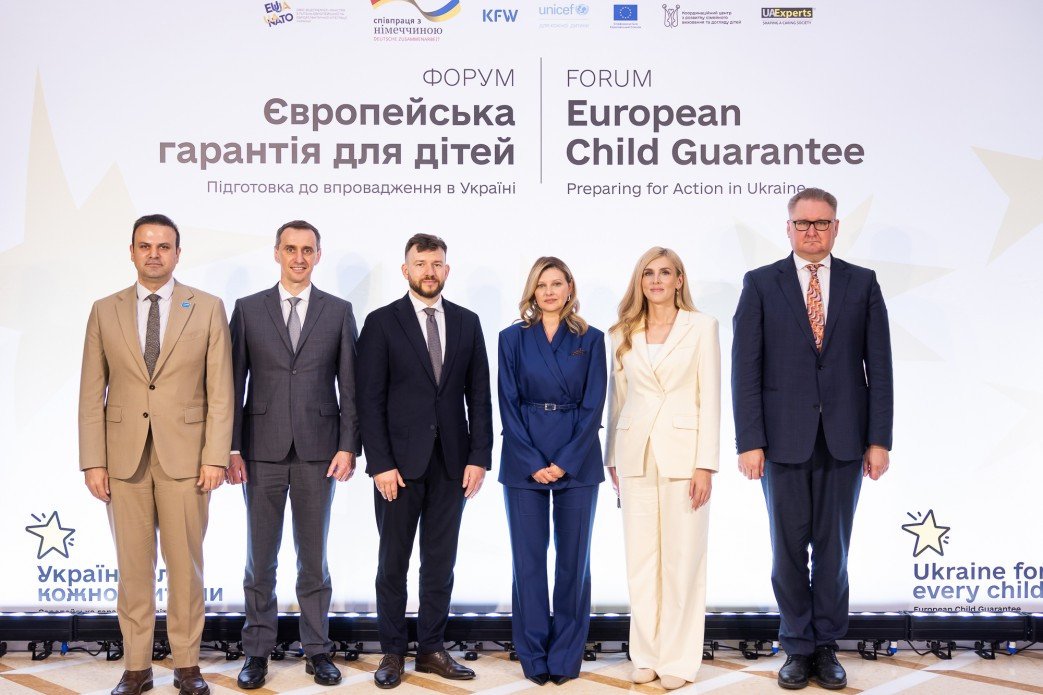
Ukraine, as an EU candidate country, is preparing to implement the European Child Guarantee by developing its own National Plan for its realization. Ukraine’s approach lies in integrating European experience into its system of support for children and families with children while ensuring systemic alignment with existing strategies that are already transforming children’s lives in Ukraine.
To this end, a comprehensive analysis will be conducted of all state policies, strategies, and reforms that affect children’s lives. This work is needed to see the full picture: to identify protection gaps, determine which groups of children remain most vulnerable and underserved, and assess the adequacy of existing support. The analysis will cover the main components of child well-being defined by the European Child Guarantee, including:
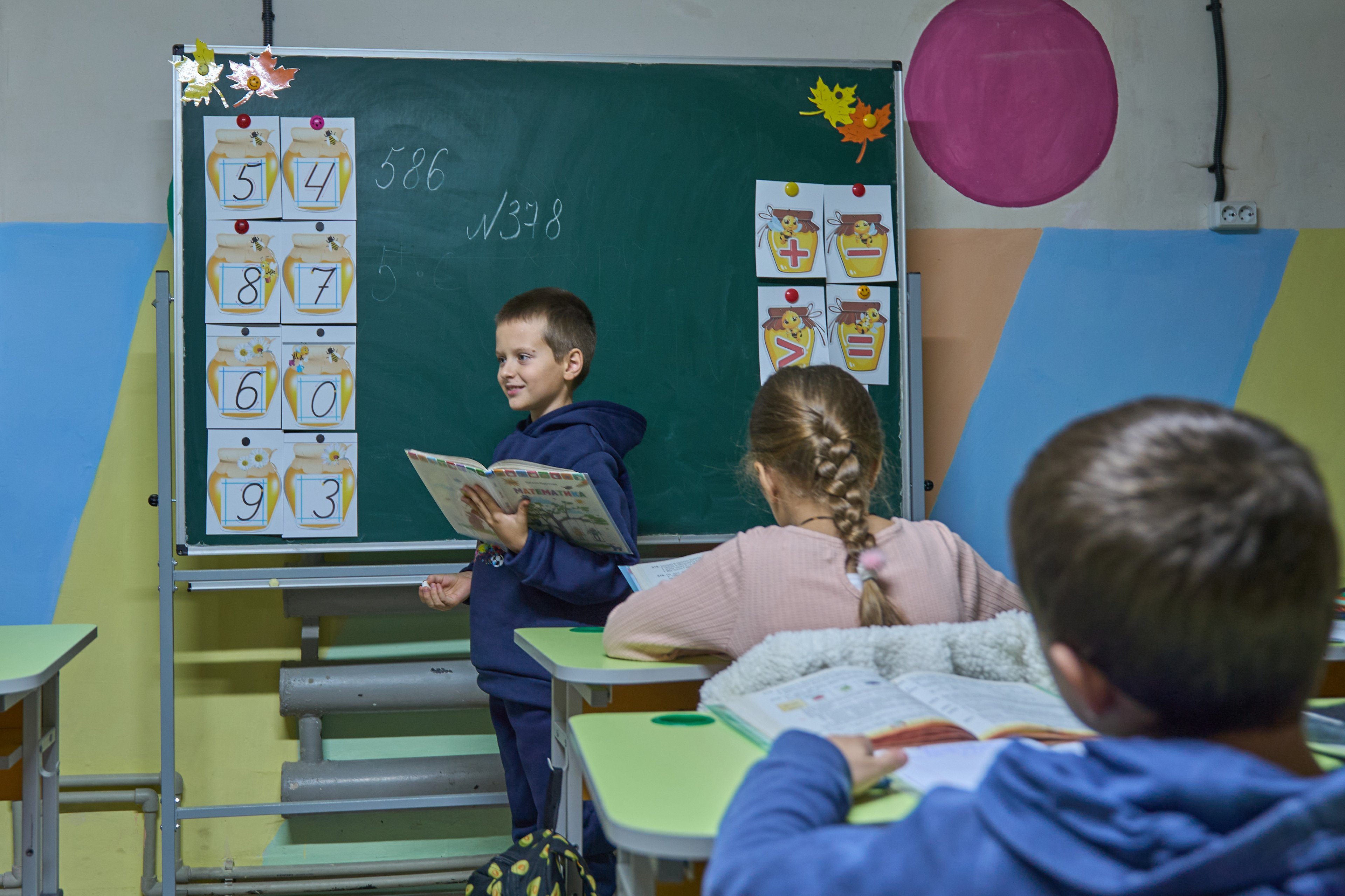
Free early childhood education and care, inclusive education, and school-based activities
The Guarantee focuses on removing financial and non-financial barriers, preventing early school leaving, supporting children with learning difficulties, and creating inclusive educational environments. Key priorities include adapting infrastructure to the needs of children with disabilities or special educational needs, ensuring access to learning materials, digital tools, and extracurricular activities, and organizing safe transportation to schools.
Free healthcare
Priorities include early detection and treatment of diseases and developmental disorders, including mental health, regular medical, dental, and vision screenings, timely treatment, rehabilitation, and access to vaccination. Significant attention is given to rehabilitation and habilitation services for children with disabilities, as well as prevention and health promotion programs for children and their families.
Healthy nutrition
The Guarantee provides for the daily provision of at least one healthy meal at school and access to quality nutrition outside school, including material or financial support during emergencies. Standards cover nutrition in preschools and schools, taking into account children’s dietary needs, restricting foods high in fat, salt, and sugar, and systematically informing families about balanced diets.
Adequate housing
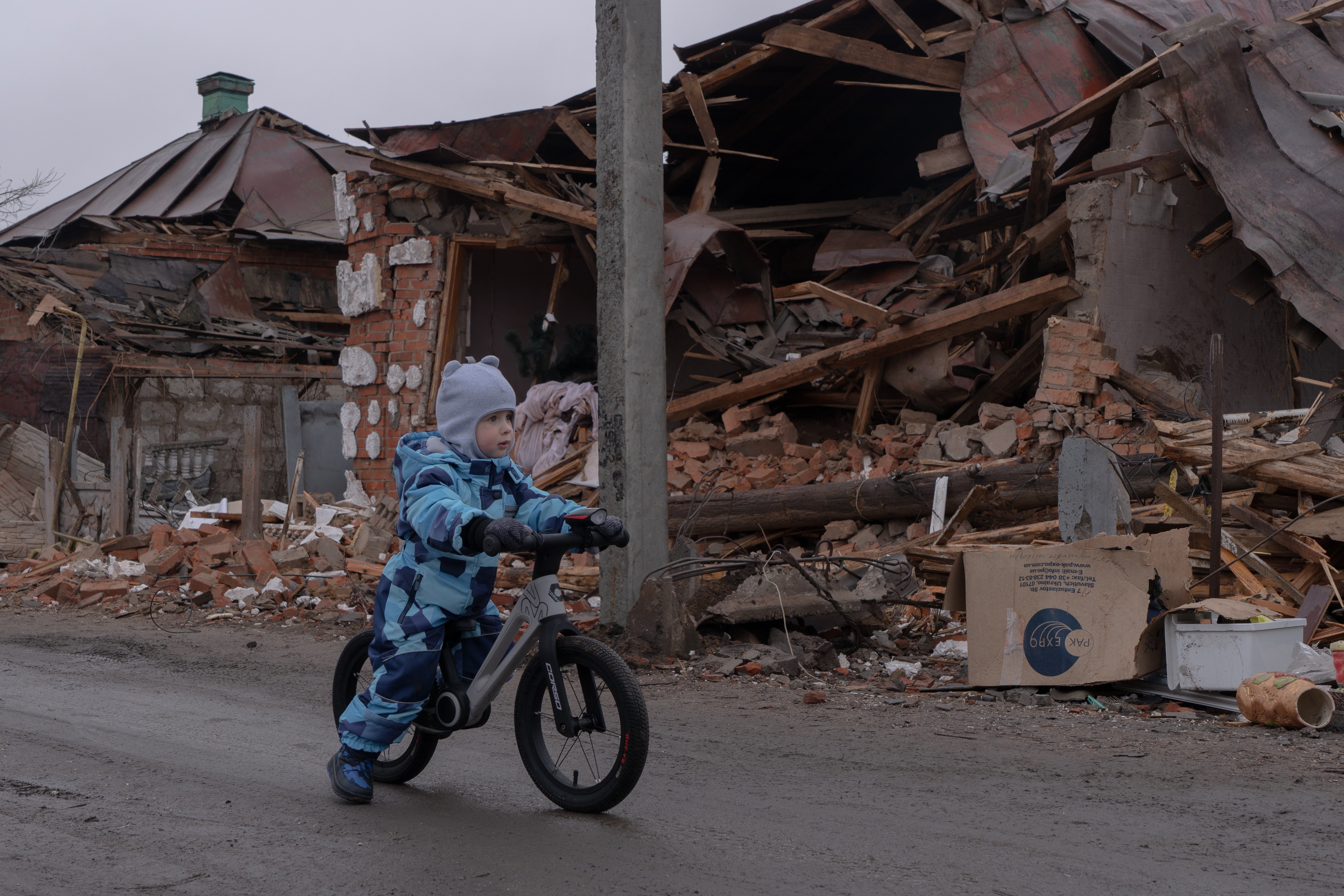
The Guarantee highlights the need for a systemic review of housing policies at all levels, focusing on the needs of families with children, addressing risks of energy poverty, and ensuring accessibility for children with disabilities. Priority is given to families in difficult circumstances through social housing, housing assistance, and comprehensive support. Particular emphasis is placed on the smooth transition from institutional to community-based care and supporting social integration.
Ukraine’s roadmap for implementation
Once the analysis is complete, broad consultations will be conducted involving all stakeholders: ministries, local authorities, experts, civil society organizations, communities, and children themselves. It is critically important that no key issue is overlooked and that every voice is heard.
Based on the analysis, Ukraine will identify the groups of children at the highest risk of poverty and social exclusion, set priorities within existing government strategies, and determine new measures and solutions to close the identified gaps and ensure real change for every child.
In this way, the National Plan for implementing the European Child Guarantee will bring together the efforts of the entire country to secure children’s rights within a coherent architecture of reforms based on European principles.
Ukraine’s experience may serve as an example for other candidate countries, as it combines a systemic approach to social policy reform with the adaptation of international standards to the national context. This, in turn, creates the foundations for improving children’s quality of life and preventing poverty for future generations.
Discuss this article:


-206008aed5f329e86c52788e3e423f23.jpg "Photo of Oleksandr Moiseienko")

-f3430f0449615e9897dff835086ac204.jpg "Ukraine Broke With a Soviet-Era Military System and Rebuilt It Around the Soldier")
-e126c16a85d580738cf2d57e760b80a3.jpeg "Photo of Vladyslav Greziev")