- Category
- Life in Ukraine
Independence Through the Eyes of Ukrainian Children
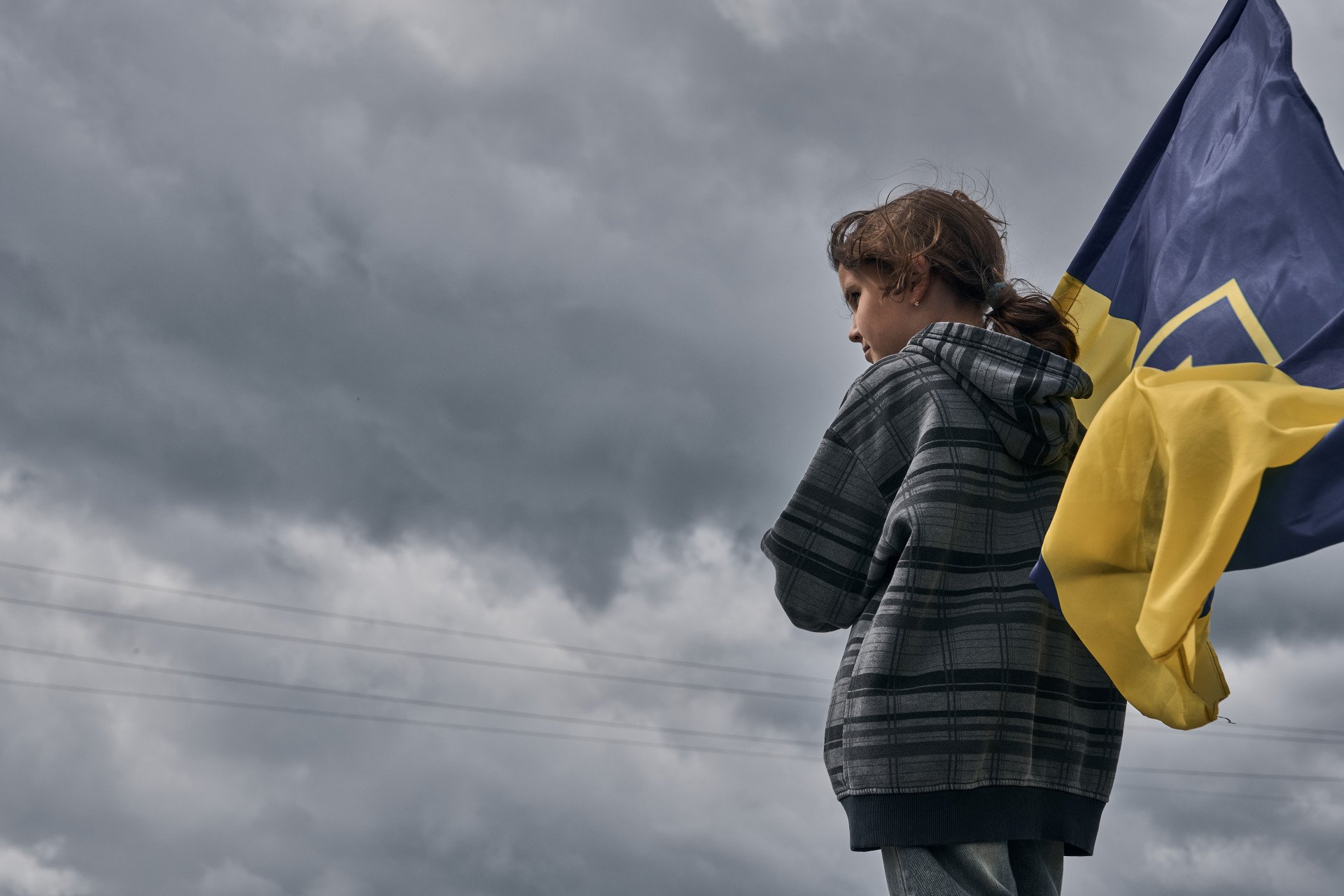
In Denmark—hundreds of kilometers away from Ukraine—little Luka celebrates his 5th birthday. “Make a wish!” his mother says, holding a candle-lit cake. “I wish we were in Ukraine!” Luka answers. Like millions of other Ukrainian children, the boy was forced to flee his home due to Russia’s full-scale war, and now—dreams of returning.
 Prefer U24 Media on Google
- Authors

-73e9c0fd8873a094288a7552f3ac2ab4.jpg "Photo of Olena Blizniakova")
For Ukraine’s Independence Day, UNITED24 Media spoke about the meaning of “independence” with Ukraine’s most vulnerable citizens—its children.
When no one controls you
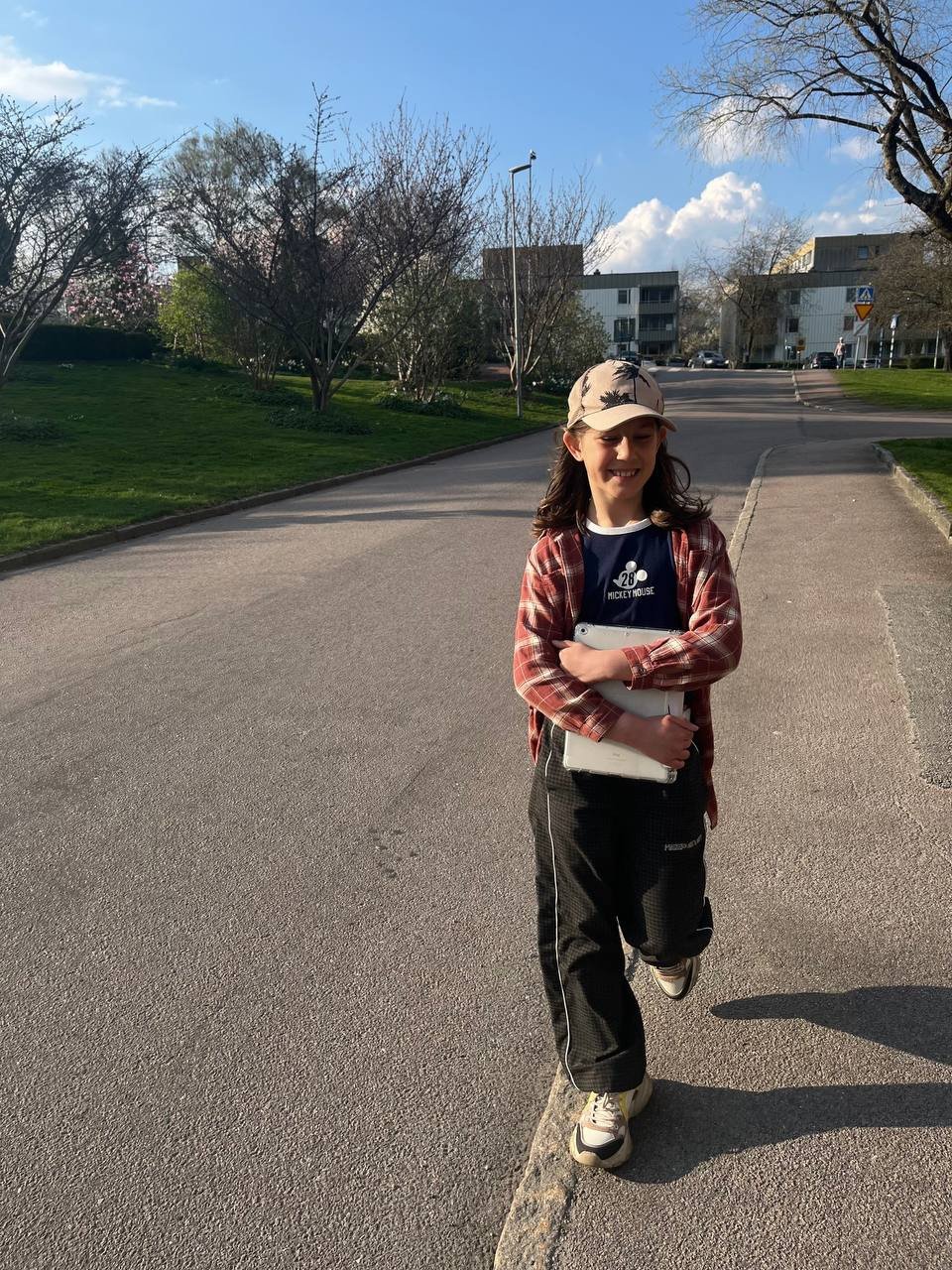
“Independence is our free Ukraine, our free people, and our free hearts,” says 9-year-old Maiia, without hesitation. Meanwhile, another 9-year-old—Amina—declares: “Independence is when no one controls you, no one tells you what to do”. The two girls have something in common—along with their moms, they were forced to move from their native cities—Kyiv and Kharkiv—after Russian bombs started falling on Ukraine.
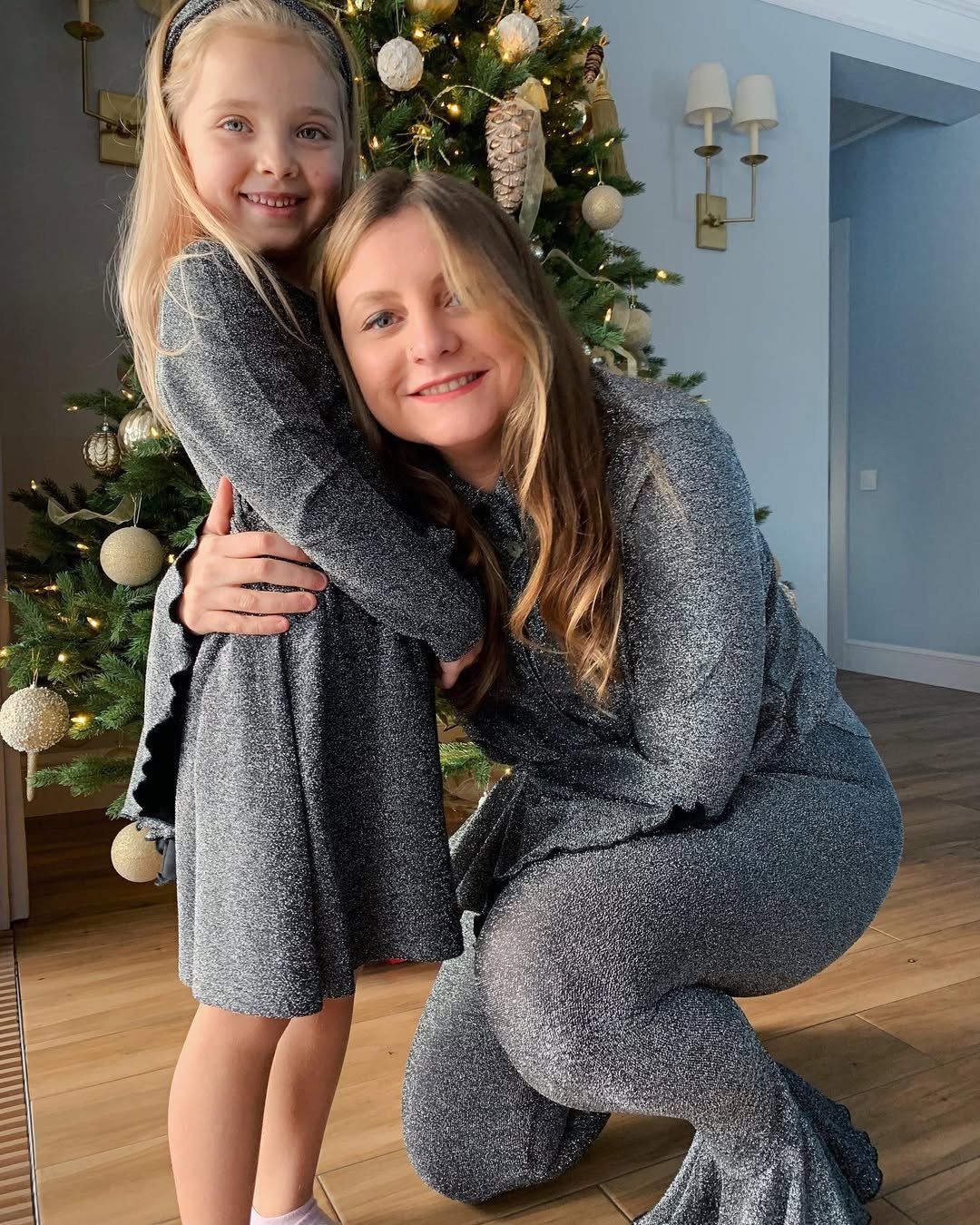
Maiia is currently in the UK—they moved to her godmother, who lives in London. Amina lives near Gothenburg in Sweden—a city she'd never even heard of before Russia's full-scale invasion.
Since February 24, 2022, over 6,3 million Ukrainian citizens have been registered in European countries as individuals in need of temporary protection, reported the Ukrainian Parliament Commissioner for Human Rights, Dmytro Lubinets. An additional 560,000 Ukrainian citizens reside beyond Europe. And nearly 30% of these refugees are children, reported the Centre for Economic Strategy, a Ukrainian non-governmental research body.
“Ukraine’s independence means that no other country can rule over it,” Amina continues.
“Ukraine is the country we will love for our whole lives.
Amina, 9
She has returned to visit family in Kharkiv on three occasions since Russia started its full-scale war. The most recent was a few weeks ago. When the time came to leave, she hugged her aunt, crying and repeating: “I want to stay here.”
Without being afraid
While some families with children moved abroad, many decided to remain in Ukraine, relocating to safer regions to rebuild their lives. As of mid-March 2025, about 4,6 million IDPs have been registered in Ukraine. Nearly 900,000 of them are children under the age of 18.
At 11 years old, Stanislava left Mariupol for Kyiv on an train with her mother and younger brother.
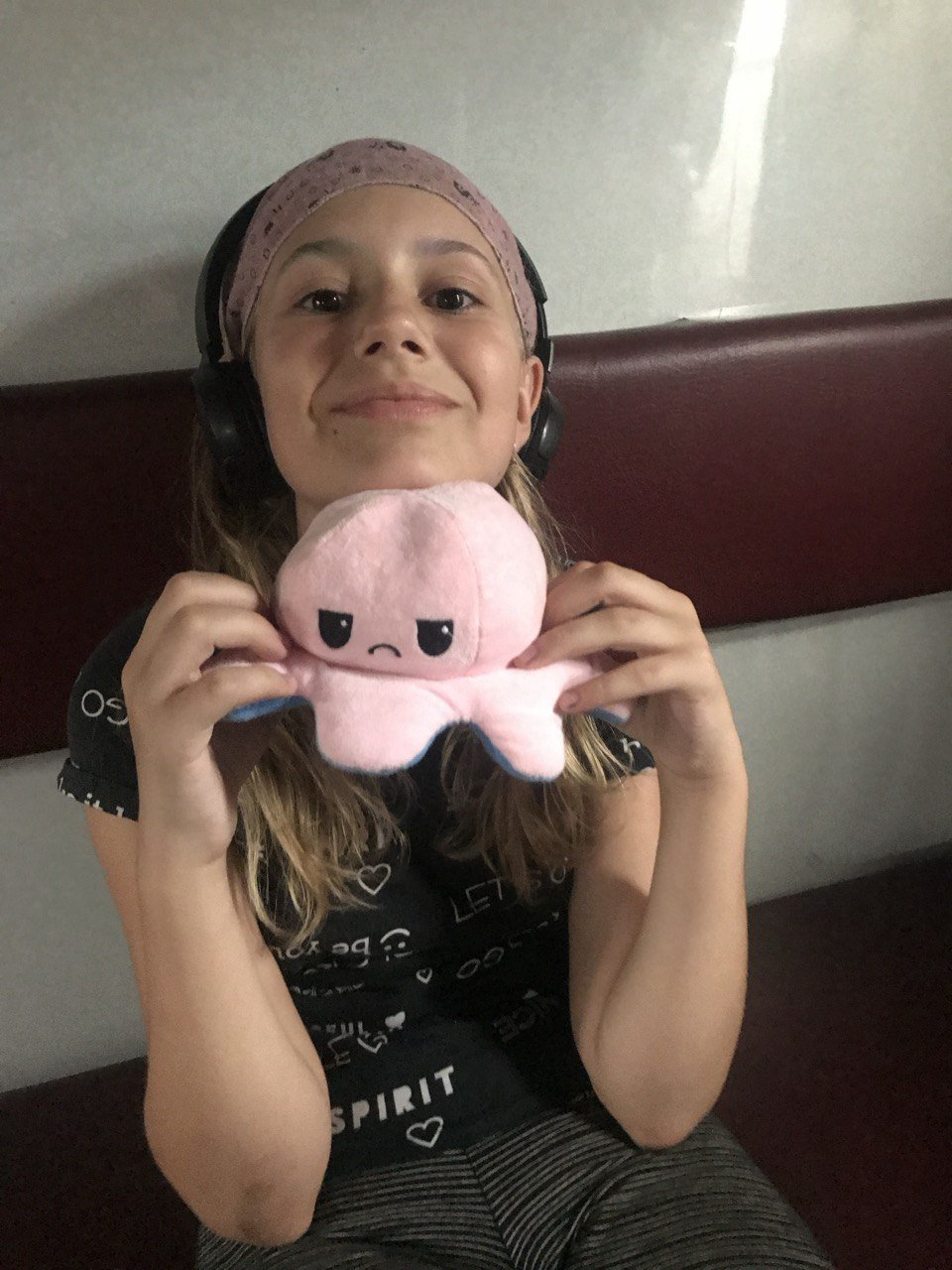
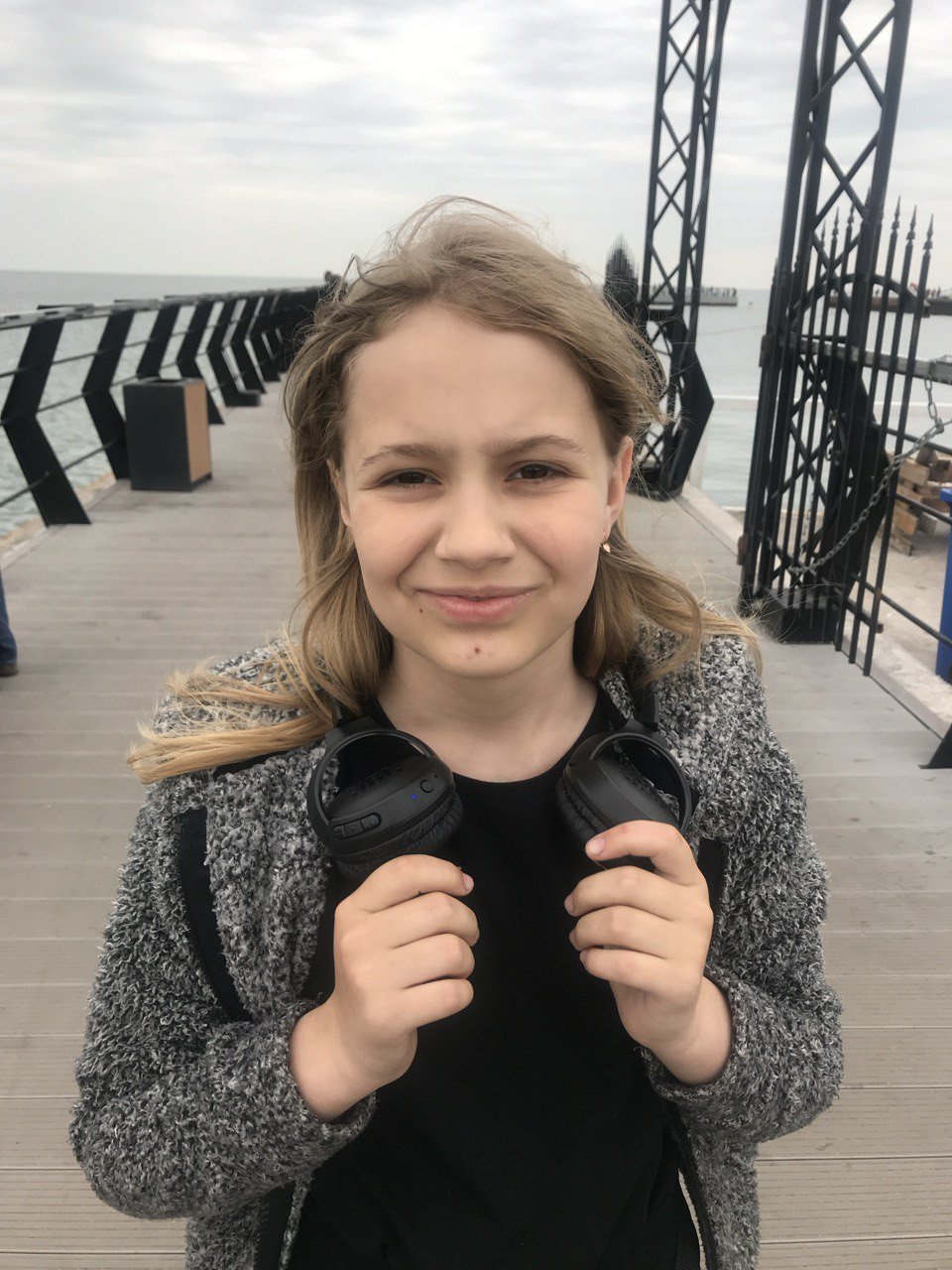
“I was really scared to leave,” she said. “I thought it was going to be a normal school day. I was getting ready, putting on my uniform. Mom tried to distract me, and it worked. Then she told us to pack our bags.”
Now, more than three years on, the young girl explains with clarity what “independence” means to her. “This is when a person can do absolutely whatever they want—as long as it is legal, of course—without being afraid, without being discriminated against, without being pushed in another direction.”
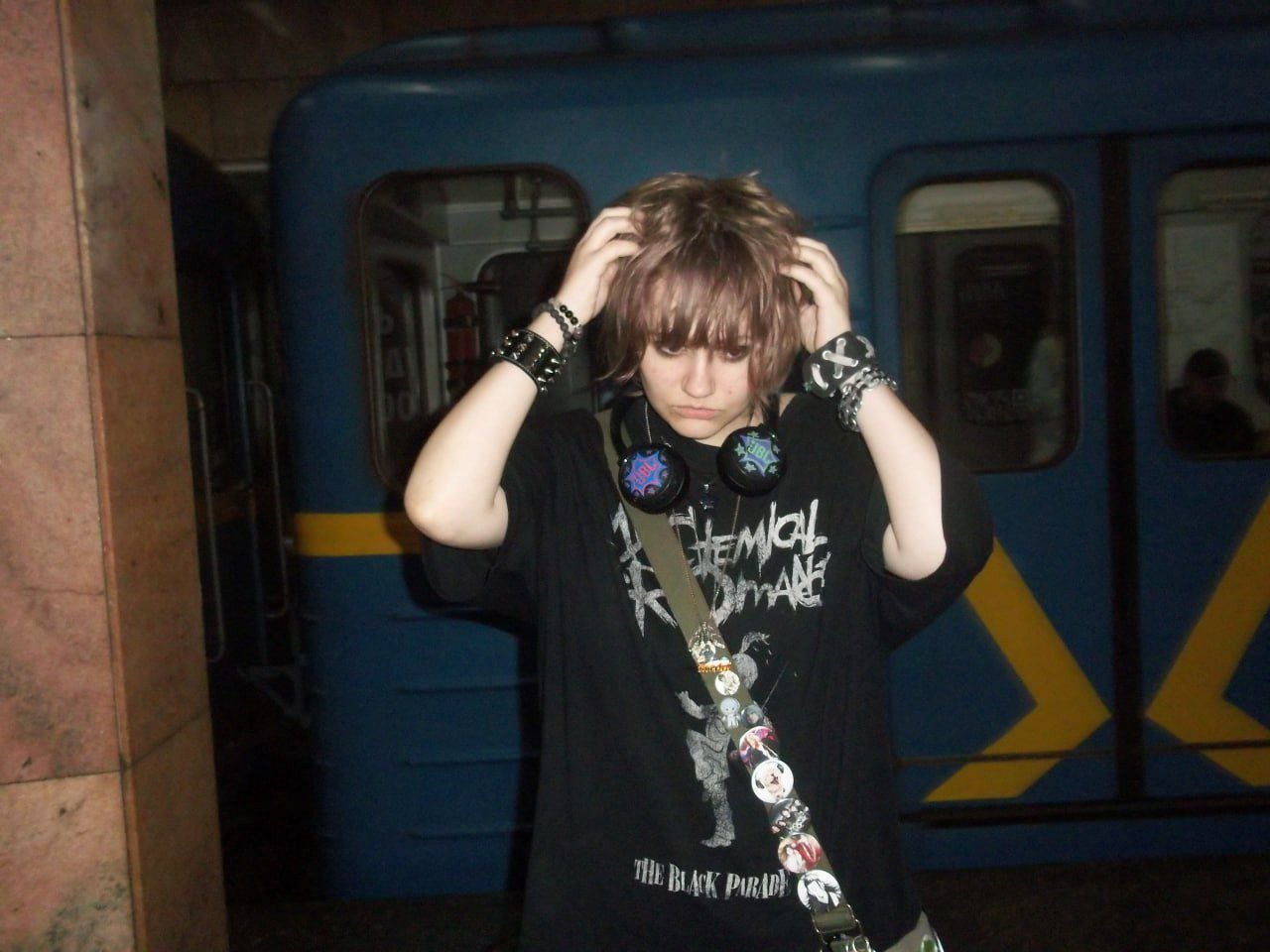
Stanislava recalls—before the full-scale Russian invasion began, she felt like “the happiest kid alive.” She attended acting courses—something she is really passionate about. “Everything seemed to go great. Our city was growing, it was really beautiful, really big. I had a lot of stuff to do there. And then the war hit.”
The family left their cats with the grandmother and drove to the train station. “We didn’t take our cats with us because we thought it would only be for a month or two, and we would be back soon enough.”
“I love Kyiv,” Stanislava sums up. “Life here is not perfect. I don’t have my own room, even though I really want one. But it's as great as it could be. I’m really happy that we stayed in Ukraine.”
Stanislava’s younger brother, Yehor, 13, has his own take on what independence means. “When at any moment you can travel around the whole country by car or you can take a plane.” For now, travelling to his hometown, Mariupol, is impossible.
What gives people the strength
There are also children, whose understanding of “independence” comes from growing up without it.
“Independence, to me, is something incredibly powerful yet at the same time very fragile,” says 17-year-old Olha. Born and raised in the Donetsk region, the girl was forced to live under Russian occupation until she finally had the opportunity to move.
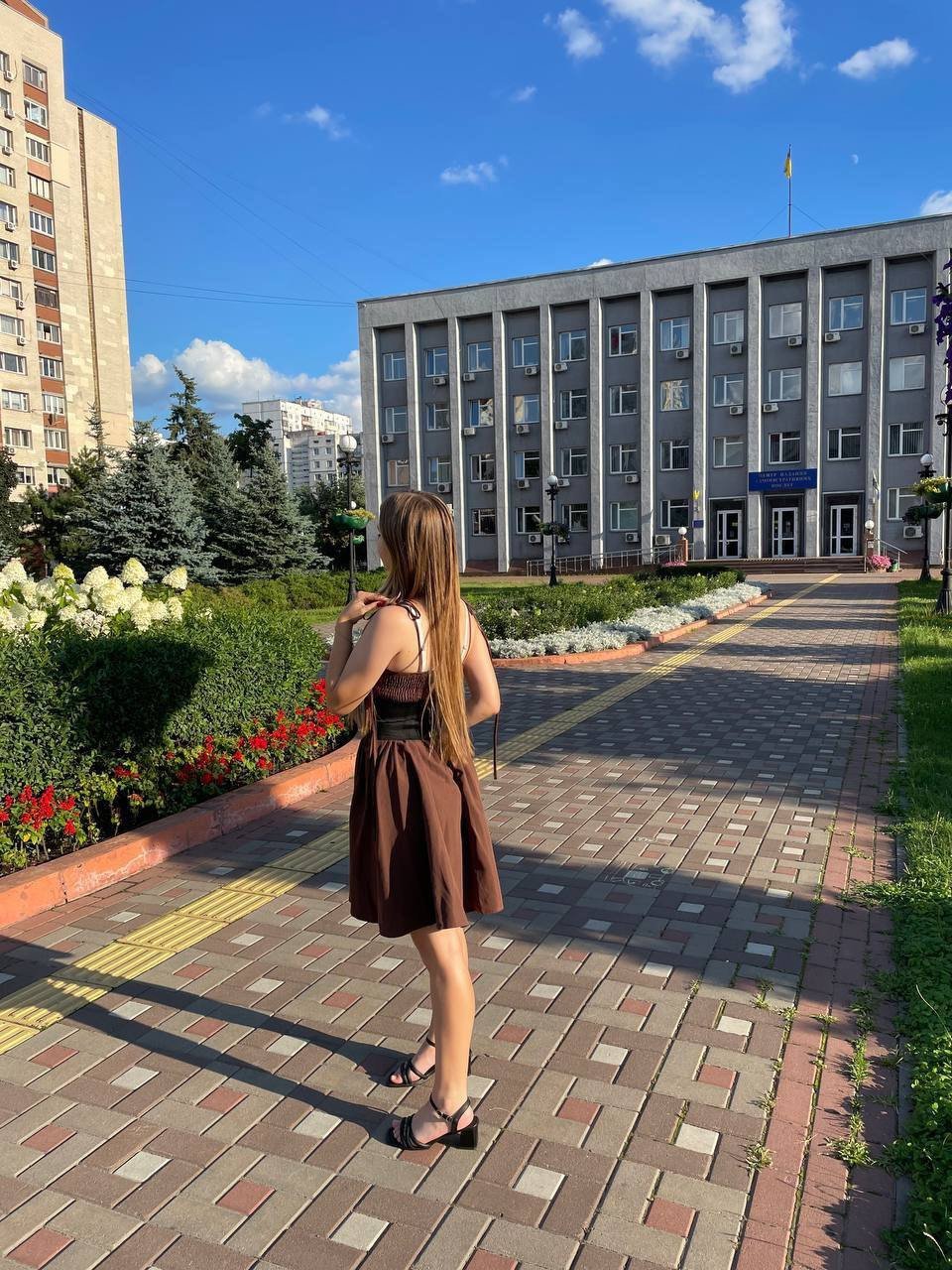
“For many years, I didn’t even know what independence truly meant,” she said. “Under occupation, real freedom does not exist. Only now do I understand what it means to me.”
Independence is the ability to speak my native language without fear of judgment. It is the right to freely express my thoughts and to feel that I belong to my people—people who are truly being protected.
Olha, 17
As of the beginning of the Russian full-scale invasion, data by human rights organizations show that nearly 1,6 million children remained in temporarily occupied territories. This figure was shared by Bring Kids Back UA (BKB UA) director, Dariia Zarivna. Since then, nearly 20,000 Ukrainian children have been unlawfully deported or forcibly transferred to Russia or Russian-occupied territories—and these are only the identified cases, says BKB UA.
Russia is listing abducted Ukrainian children online by photo, age, and traits—like products in a catalog.
— UNITED24 Media (@United24media) August 7, 2025
🧵 1/6 ⬇️ pic.twitter.com/u5vut8ewAS
At the same time, Moscow openly reported moving at least 744,000 Ukrainian children to its territory, mostly along with their parents. As of now, only 1560 children were returned from deportation, forced transfers, or temporarily occupied territories to Ukraine. Olha is one of them.
“I believe that we, Ukrainians, are independent,” she said. “Despite the war, we will always speak the truth, preserve our traditions, celebrate our national holidays, and await the day when our country’s borders return to what they are meant to be.”
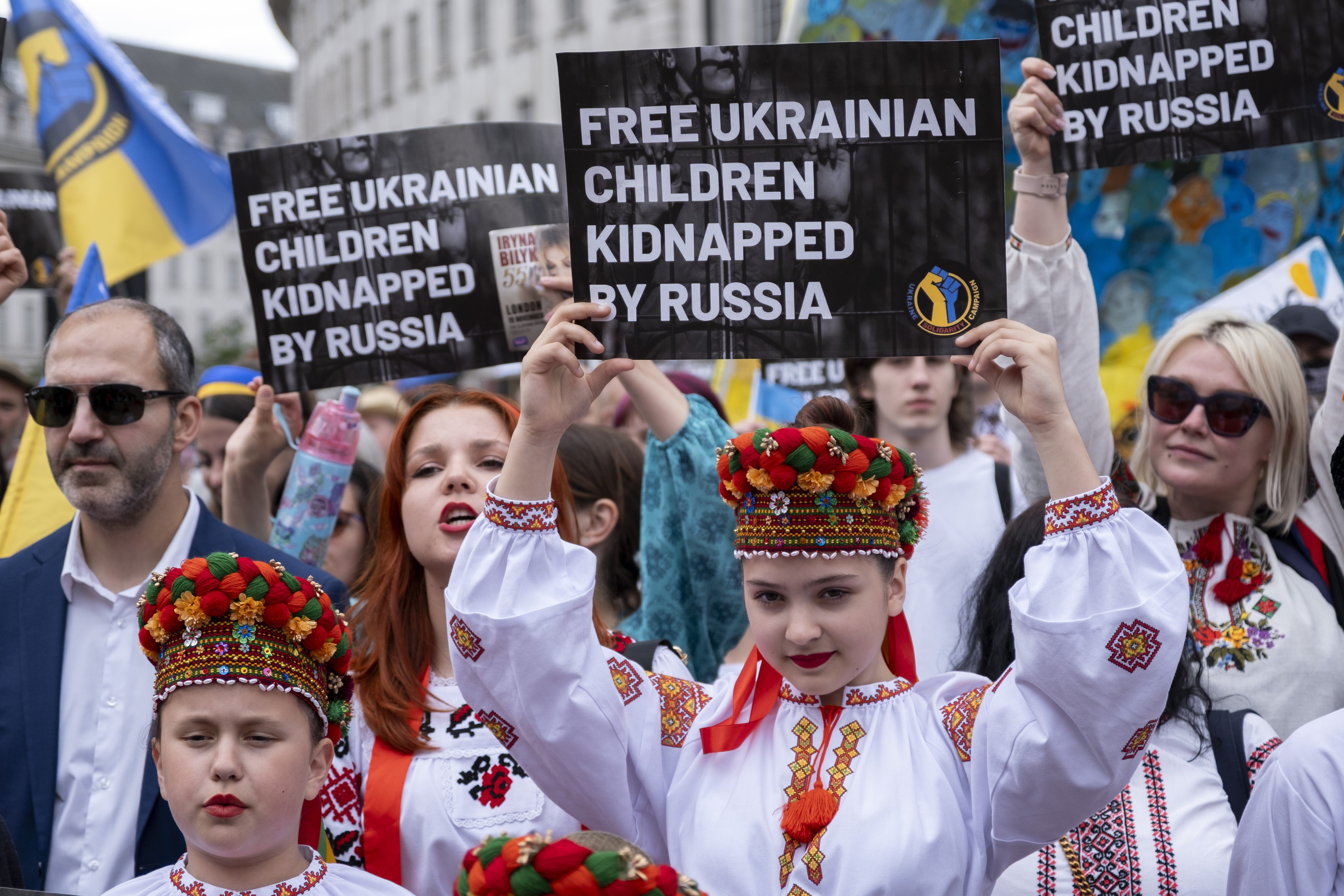
Among those who were brought back home is also a 17-year-old, Liza. She lived in Oleshky—a town in the Kherson region. Now it’s temporarily occupied by Russian troops. “For me, ‘independence’ is what gives people the strength to rise from their knees in slavery. It is something everyone should value”. Another Oleshky resident—14-year-old Dasha—stresses: “This is the basis of a person—that you can be yourself under any circumstances.”
These girls were brought back home thanks to President Zelenskyy’s initiative Bring Kids Back UA. Today, they are receiving psychological support and undergoing reintegration through the charitable foundation Voices of Children.
To make your own choice
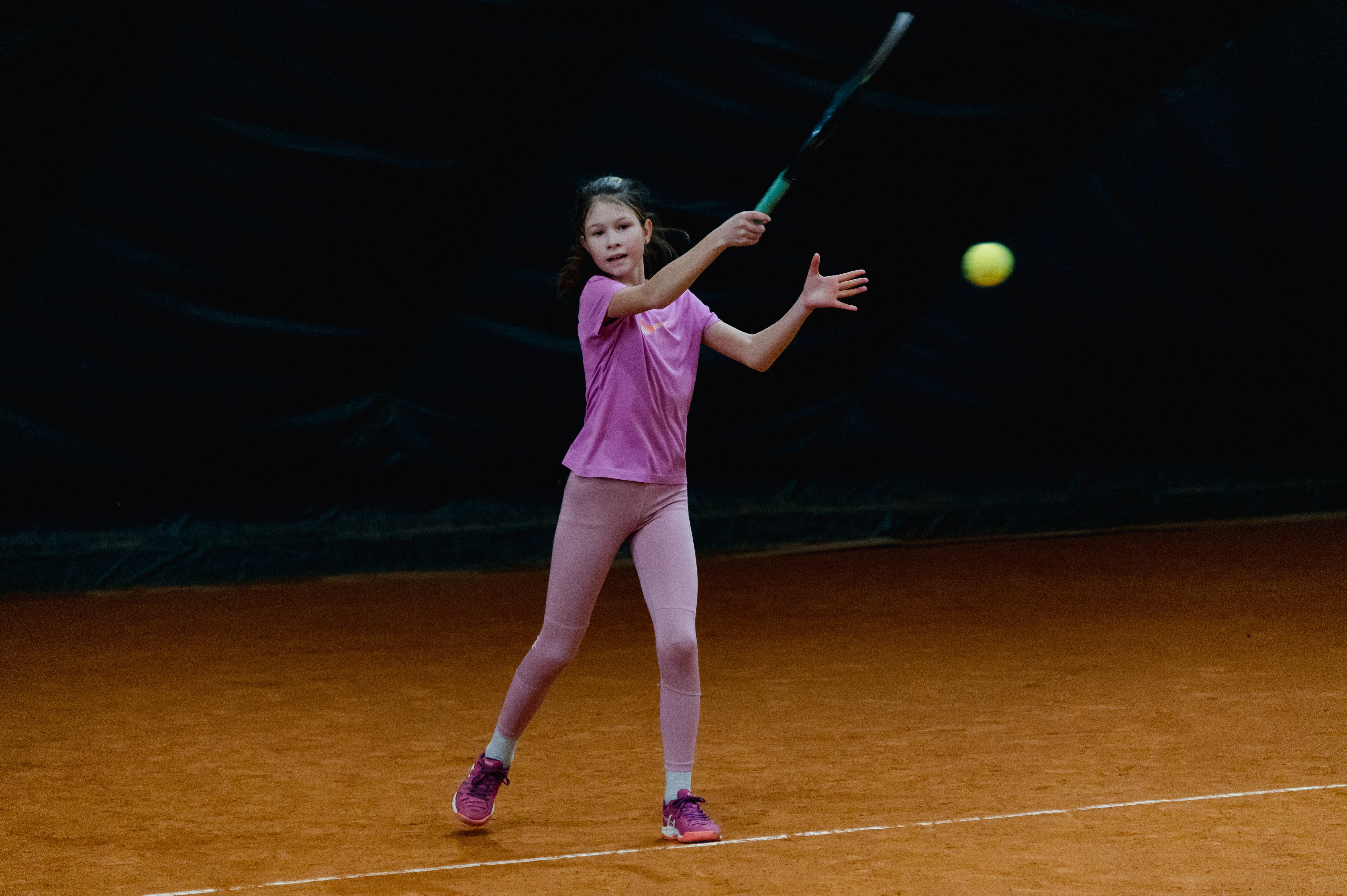
“This is the right to make your own choices, to speak your own mind, and for every person to live the way they want,” says 12-year-old Solomiia, taking a brief pause during tennis practice. For the young athlete, “independence” is also the ability to spend a lot of time on the tennis court. Like many other Ukrainian kids, Solomiia is used to living with air raid alerts and sleeping in shelters due to Russian attacks. However, this doesn’t deter her from getting up in the morning, picking up her racket, and going to another training session.
“Independence is freedom,” 8-year-old Nazar says, holding onto the swing with one hand and an ice cream in the other. “It's when you can do what you love,” adds 8-year-old Vika. They are both playing in a Kyiv playground—in a few weeks they will be back in school and won’t have as much free time.
“This is the will and freedom to make decisions on your own,” 11-year-old Uliana answers with a serious tone. Her 8-year-old brother Mark adds, “Independence is when you don’t depend on someone else.” “Who might you depend on?” Mark is asked. “On your mom,” the boy replies.
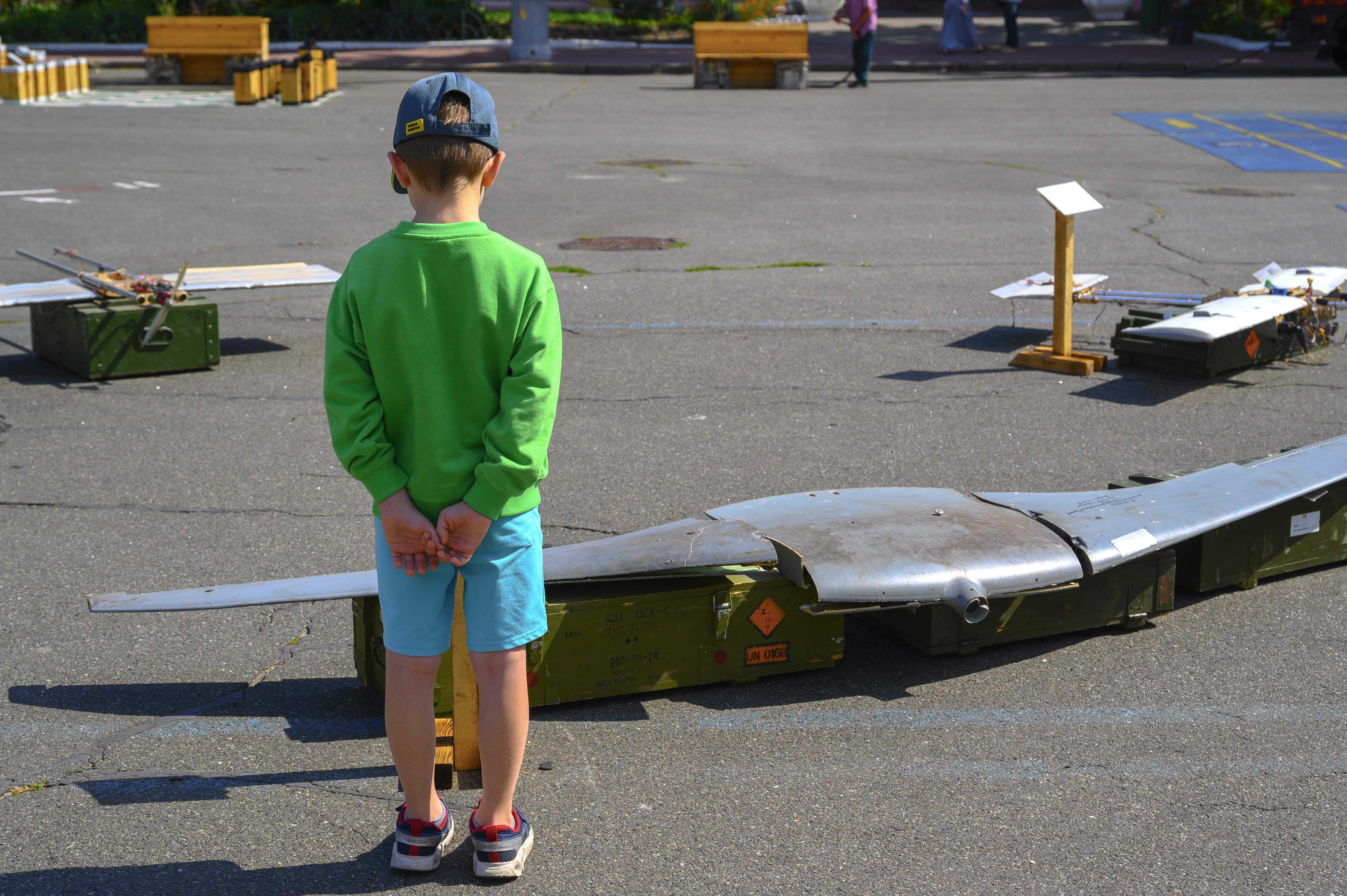
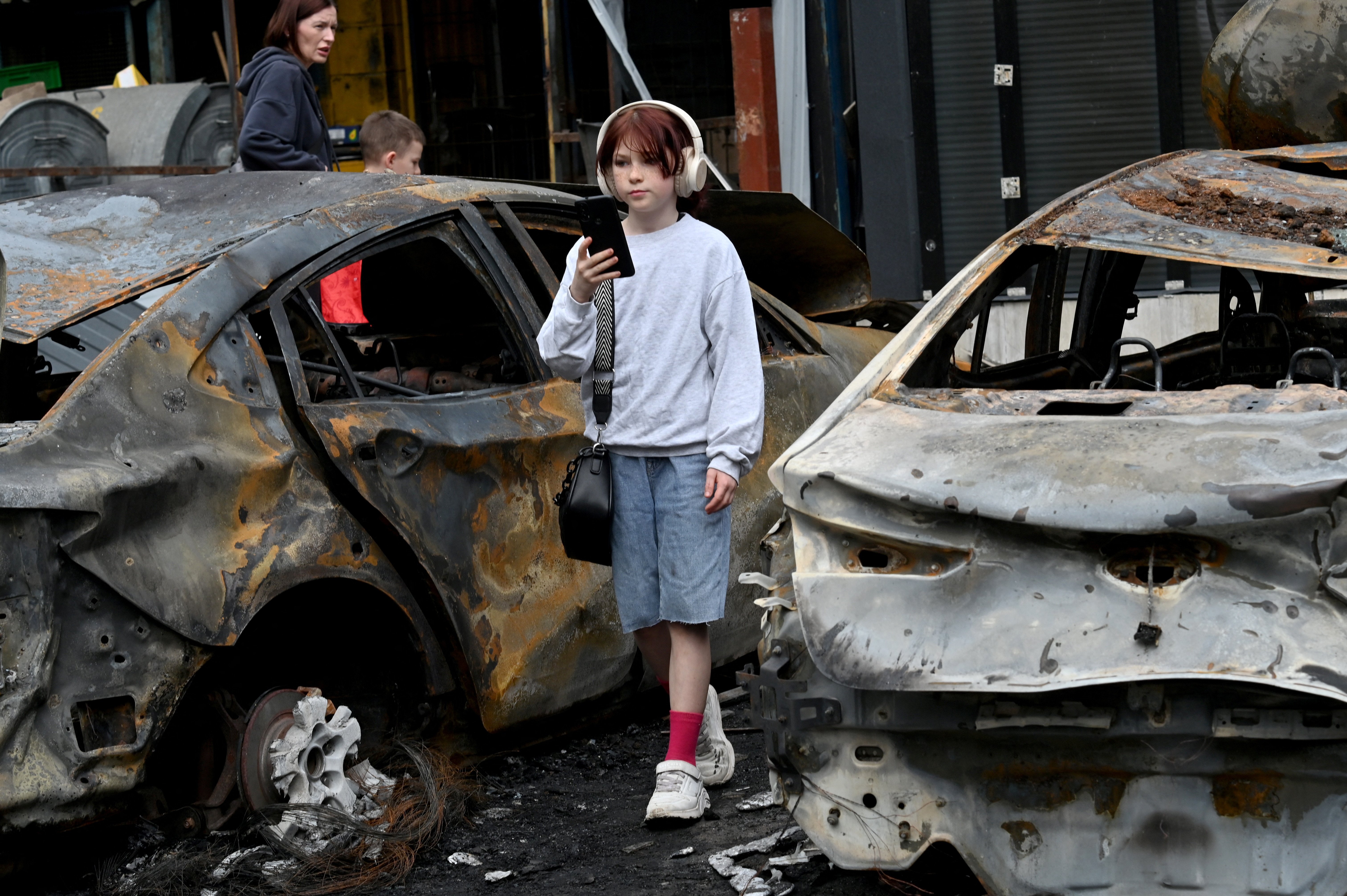
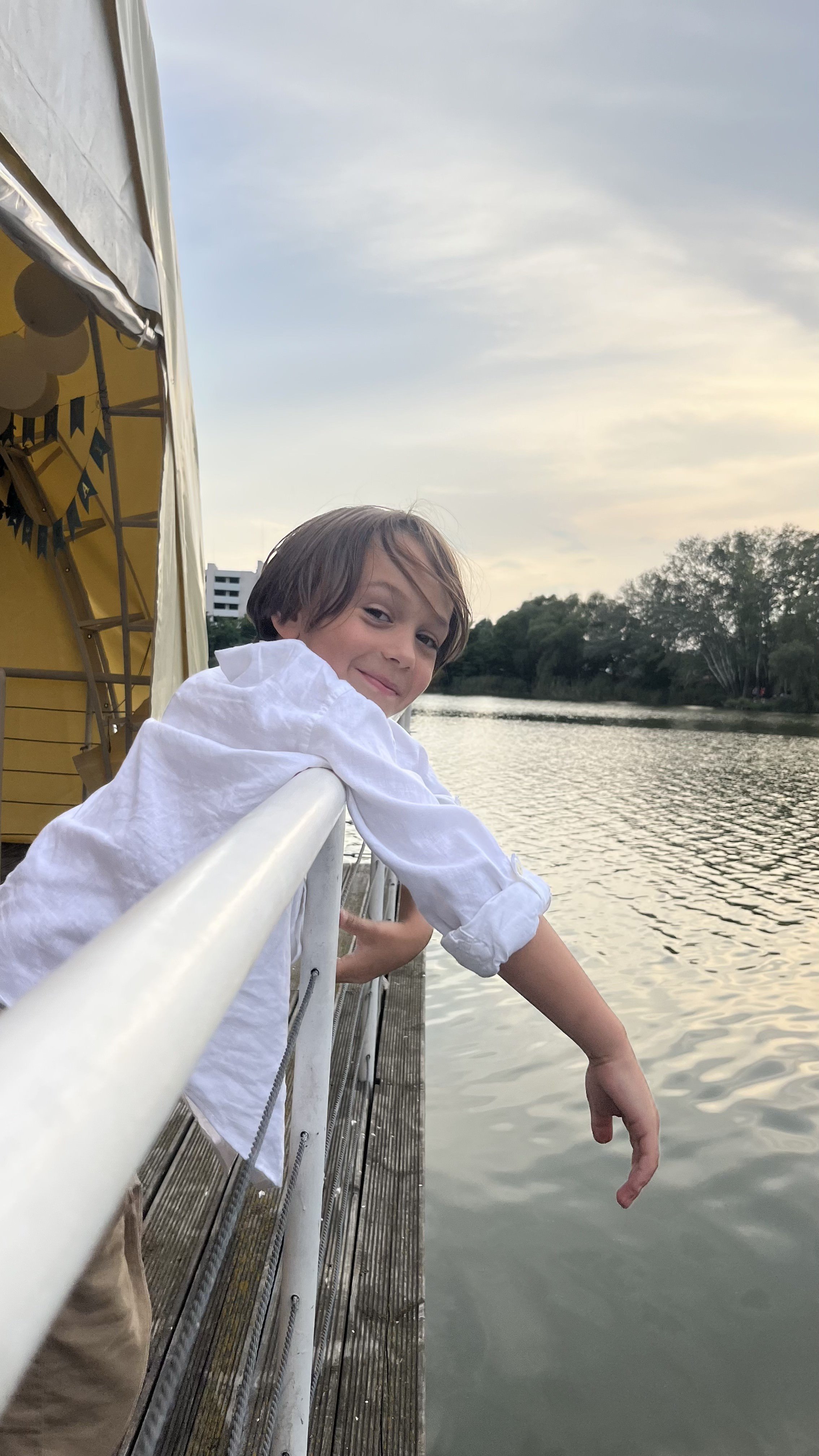
At the same time, the final point in all these responses is made by a 6-year-old Mykhailo. After the beginning of the full-scale invasion, the boy and his mother spent some time in Spain, but have since returned to Ukraine. “What does independence mean to you?” his mom asked.
Life without Russia!
Mykhailo, 6
Advocating for Ukrainian children
Back in March 2023, the International Criminal Court issued arrest warrants for the Russian leader Vladimir Putin and Russia’s Commissioner for Children's Rights Maria Lvova-Belova for the unlawful deportation and forced transfer of Ukrainian children. However, two years later, Moscow continues its systemic abuses inflicted on Ukrainian children.
Russia is using “holiday camps” to forcibly Russify Ukrainian children, erase their identity, and keep many from returning home.
— UNITED24 Media (@United24media) August 11, 2025
Based on research by @meganjgittoes. pic.twitter.com/0XRWNVl95i
Children’s rights have been undermined in every aspect of life, said the UN Human Rights Chief, Volker Turk, speaking in Geneva in March 2025. In four Ukrainian regions illegally occupied by Russian troops, children have been “particularly affected by violations of international human rights law," their report says. "Some children were deported from or forcibly transferred within occupied territory, particularly in the months following the full-scale invasion.” According to OHCHR, they don’t have access to the Russian Federation or the Russian-occupied territory of Ukraine, making the scale of these deportations difficult to assess.
In temporarily occupied territories, Russia compels children to obtain Russian citizenship, express allegiance to the Russian Federation, and attend schools teaching the Russian state curriculum. At schools, Moscow indoctrinates children with Russian narratives defending the invasion and erasing Ukrainian identity.
Moscow teaches children the justification of its full-scale invasion and fails to respect Ukrainian cultural identity. It also instituted patriotic and military education aimed at preparing children for military or civil service in the Russian state institutions.
Among those who advocated for forcefully abducted Ukrainian children is the US First Lady, Melania Trump. She has directly appealed to Putin on the issue of Ukrainian children taken from the Russian-occupied territories. In the letter that the US President Donald Trump hand-delivered to the head of the Kremlin before the beginning of their summit in Alaska, the First Lady stressed that "it is time" to protect children and future generations around the globe.
Not just numbers
Despite Moscow’s claims it hits only military objects, it deliberately strikes residential buildings, hospitals, and playgrounds. A total of 648 Ukrainian children have been killed in Russia’s devastating attacks on Ukraine. Another 2131 were injured. This figure—as of August 21, 2025—was released by Ukraine’s General Prosecutor’s Office.
However, this number is not final, as Ukraine has no access to information on the number of children killed or wounded in the temporarily occupied territories.
July was the deadliest month since the start of the full-scale invasion: 286 people were killed and another 1,388 wounded. According to the United Nations, at least 55 children have been killed in Ukraine this year. Here are the stories of some of those children, recently… pic.twitter.com/e1kU3EpiZ9
— UNITED24 (@U24_gov_ua) August 19, 2025
“These are not just numbers or statistics,” Zelenskyy said on June 4—the International Day of Innocent Children Victims of Aggression and the Day of Remembrance for Children Killed as a Result of the Armed Aggression of the Russian Federation against Ukraine. “These are stories, tears, pain, the eyes of parents who no longer know how to go on living. … We need justice—for all of us, but above all for the parents, families, and loved ones. Everything must be done to ensure that this evil is punished, that the killers of children are brought to justice, and that this war ends with a just peace.”
Discuss this article:

-111f0e5095e02c02446ffed57bfb0ab1.jpeg "Photo of Roman Kohanets")
-07c046f037cabcd54fb44b5253b3733d.jpg "“Bathing” (2021), an 80 × 60 cm artwork by Ukrainian artist Mariia Drozdova. (Source: Art From Ukraine/Instagram)")

-c439b7bd9030ecf9d5a4287dc361ba31.jpg "Photo of Katherina Popilnichenko")