- Category
- Life in Ukraine
Why Would Ukraine Want Independence? The Forgotten History of Russian Aggression
 Prefer U24 Media on Google
- Authors


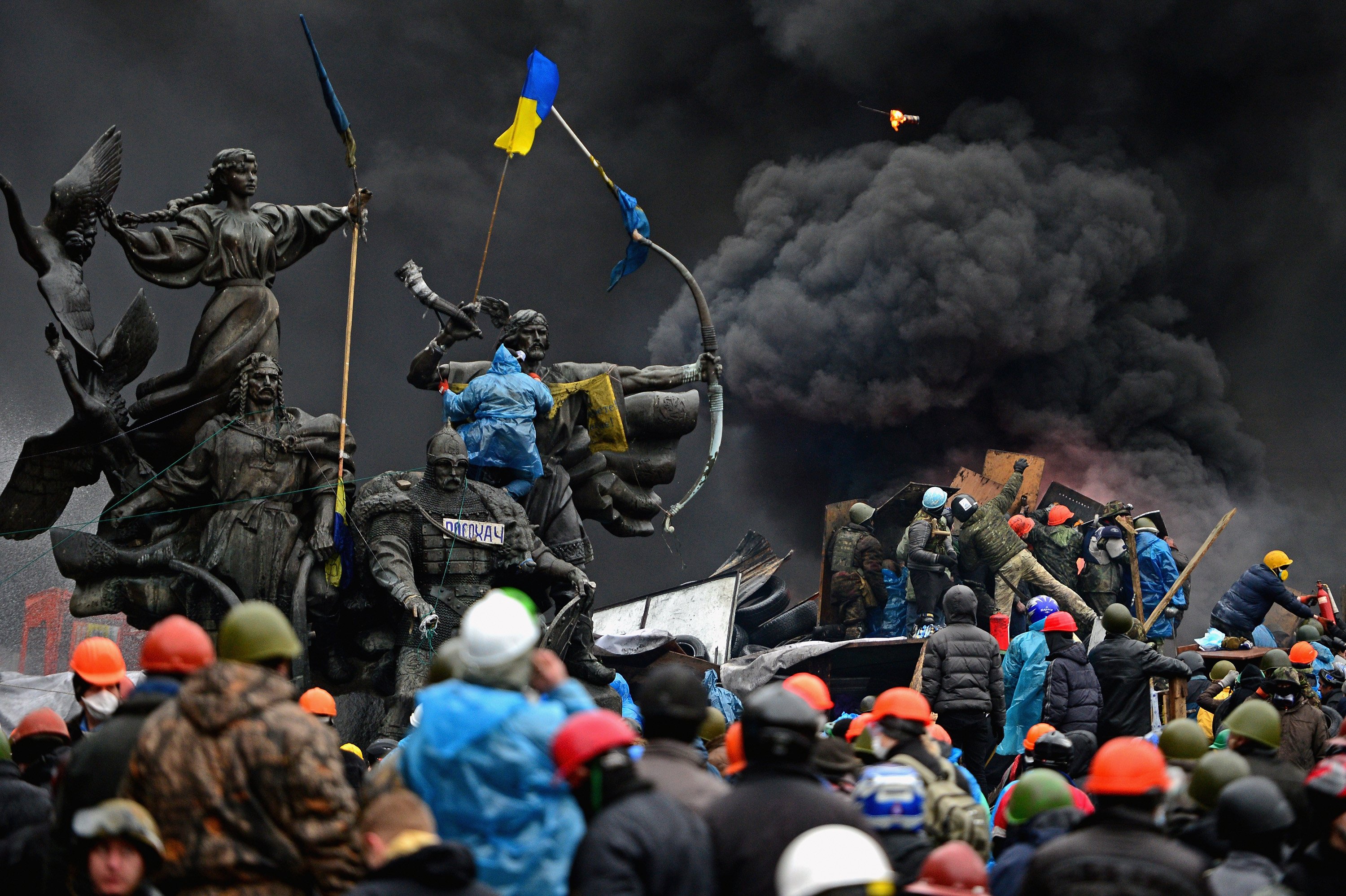
“What bad has Russia ever done to Ukraine?” a senior Russian official once asked. The line has since become a meme, yet history answers with centuries of conquest, repression, and betrayal.
One can recall numerous crimes the Russian Empire and the Soviet regime committed against Ukrainians: the destruction of the Cossacks, more than a hundred bans on the Ukrainian language and culture, terror during the suppression of the Ukrainian People’s Republic in the early 20th century, the Holodomor-genocide, an entire generation of creators annihilated in what is known as the Executed Renaissance, Stalinist repressions, the cover-up of the Chornobyl disaster, and much more.
But here, the focus is on the period after the collapse of the USSR. While Russia’s 2014 invasion of Crimea, the Donetsk, and Luhansk regions, and its full-scale war in 2022 are the most evident examples of assaults on Ukraine’s long-fought independence and very existence, it is also important to acknowledge the often forgotten acts of Russian aggression that took place between 1991 and 2014.
With post-Soviet Ukraine being a free state, Russia only appeared to maintain friendly relations for years. This is by no means a complete list of manipulations, pressure, and outright hostility.
Division of the Soviet legacy
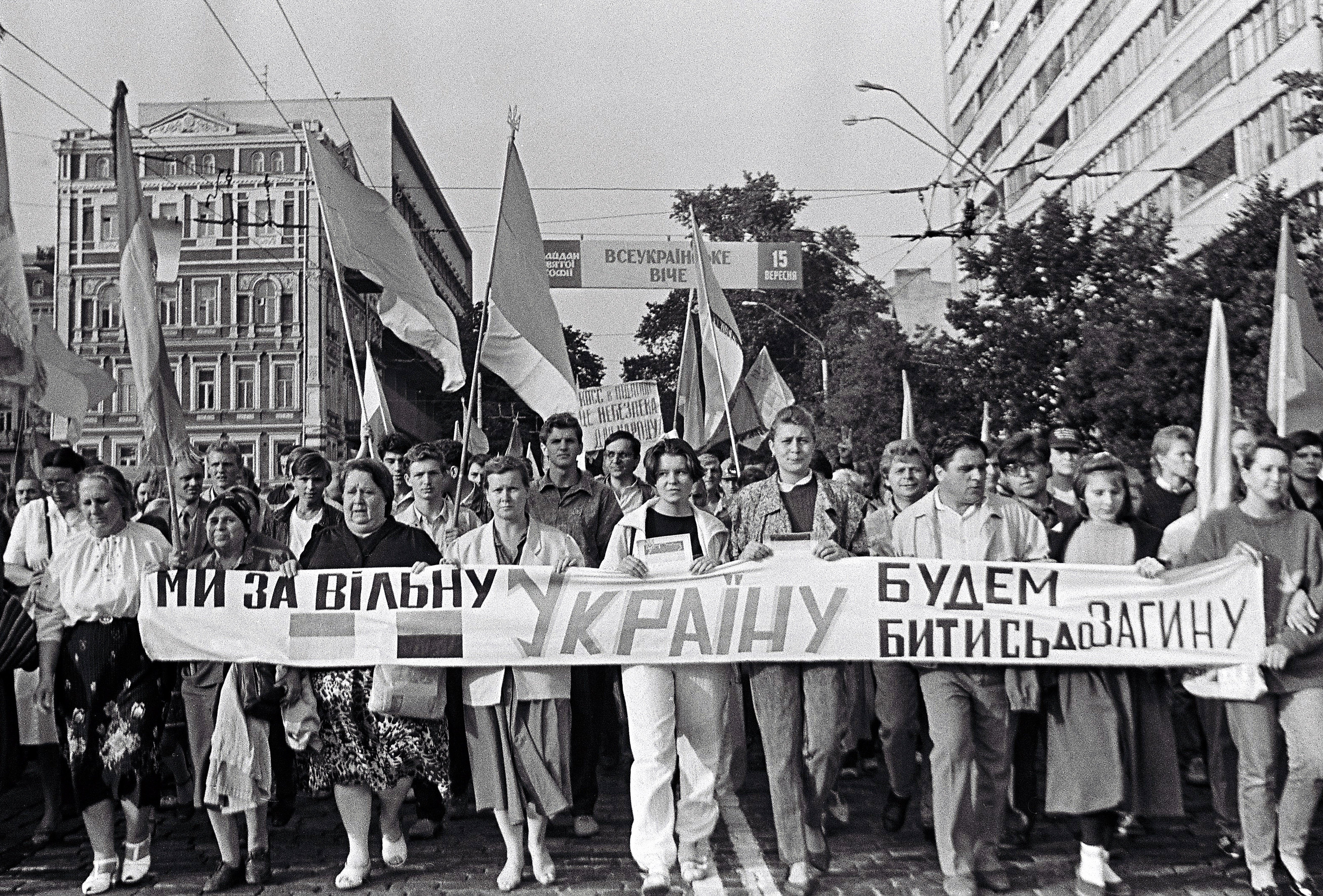
In August 1991 Ukraine declared independence from the collapsing Soviet Union. Just a few months later, more than 90% of Ukrainians confirmed this choice in a national referendum.
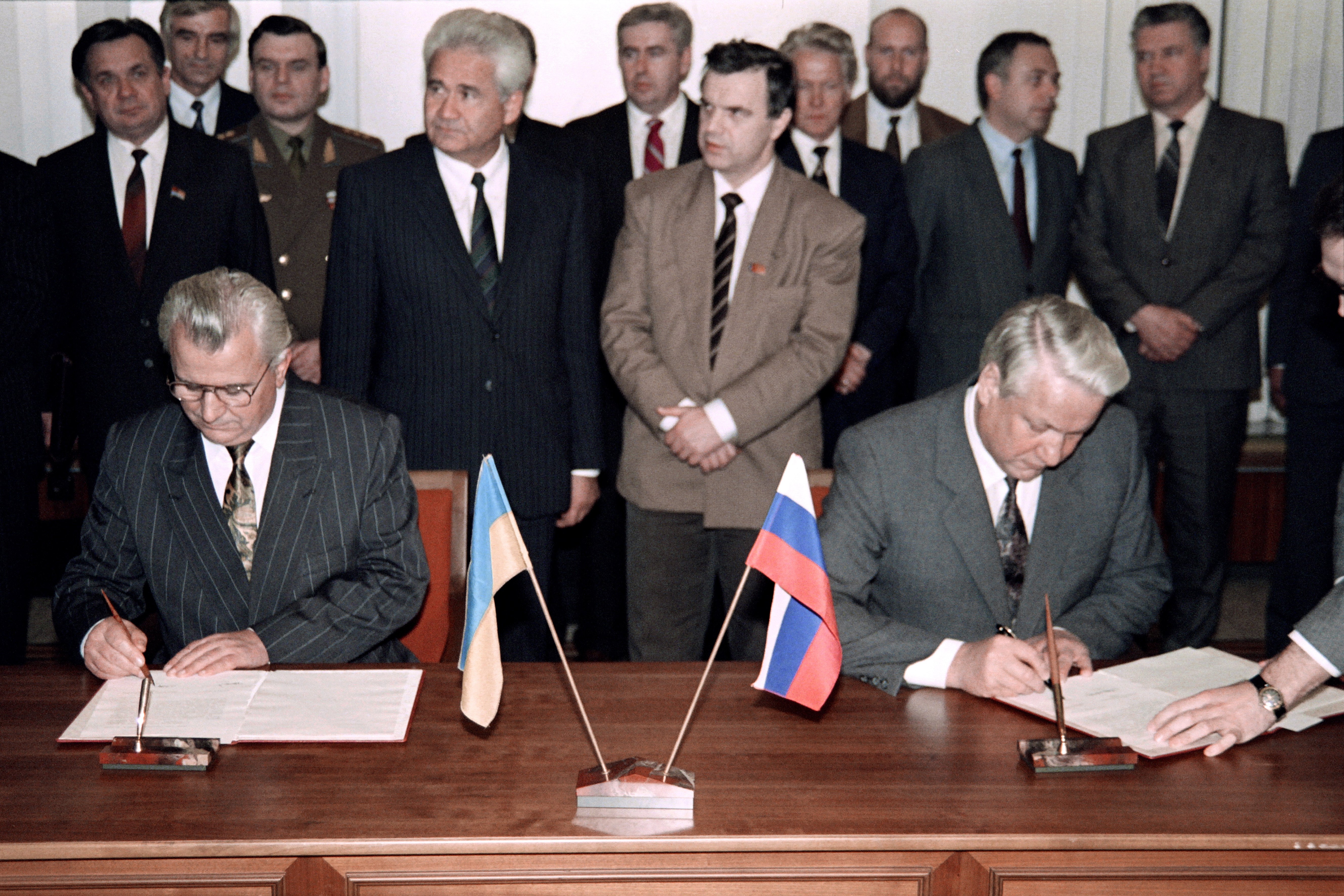
After the Soviet Union collapsed, the question arose of how to divide its property and external debts among the newly independent states. The Treaty on Succession to the External Debt and Assets of the former Soviet Union was signed in Moscow in 1991. The agreement allocated shares to each state—Russia held the largest (61%) and Ukraine the second largest (16%). This meant Kyiv was to pay 16% of the USSR’s debts but also receive 16% of its assets.
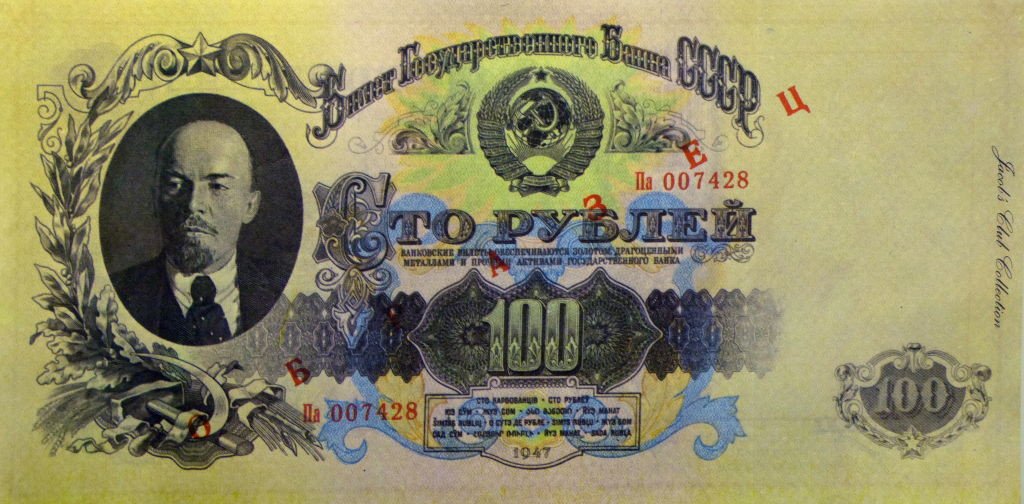
However, Russia later began signing so-called “zero option” agreements with other countries—those states renounced claims to Soviet property in exchange for Moscow assuming responsibility for all Soviet debts. Ukraine’s parliament refused to ratify such an arrangement. Beforehand, Ukraine had consistently demanded a full list and valuation of the USSR’s foreign property, but Russia stubbornly refused to provide it.
Ukraine’s diplomat and international relations expert, Yaroslav Voitko, calculated that the USSR’s diamond fund and gold reserves alone were worth about $100 billion in 1991. Beyond that, Soviet assets included foreign currency reserves, investments, bank shares, real estate, movable property abroad, and debts owed to the USSR. Even by conservative estimates, these assets were worth at least $300–400 billion. By contrast, Soviet external debt was only between $81 and $96 billion.
Moscow never conceded and kept all Soviet assets for itself. This marked yet another chapter in the timeline of Ukraine’s history, where Russia sought to exploit its neighbor rather than treat it as an equal.
Borders
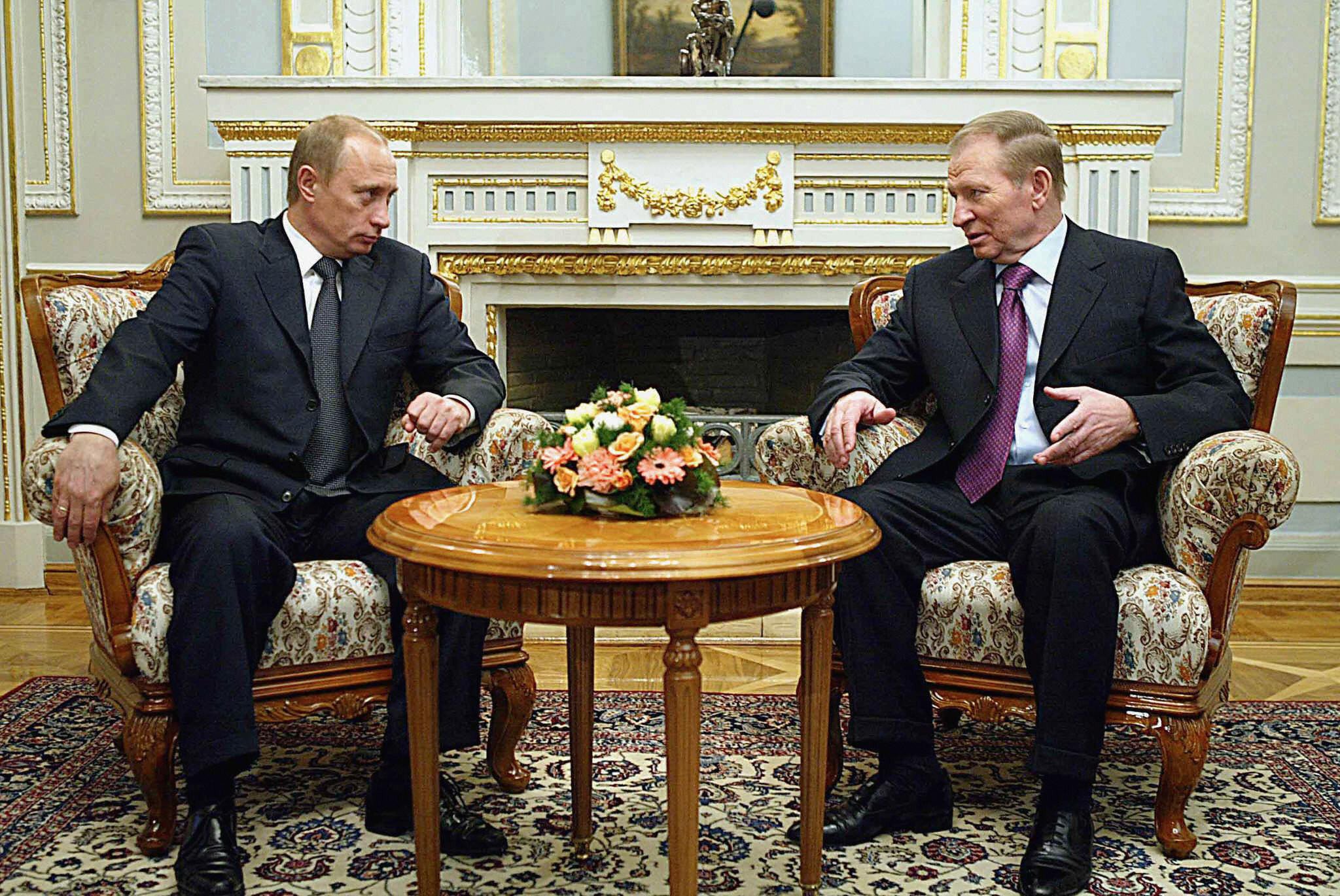
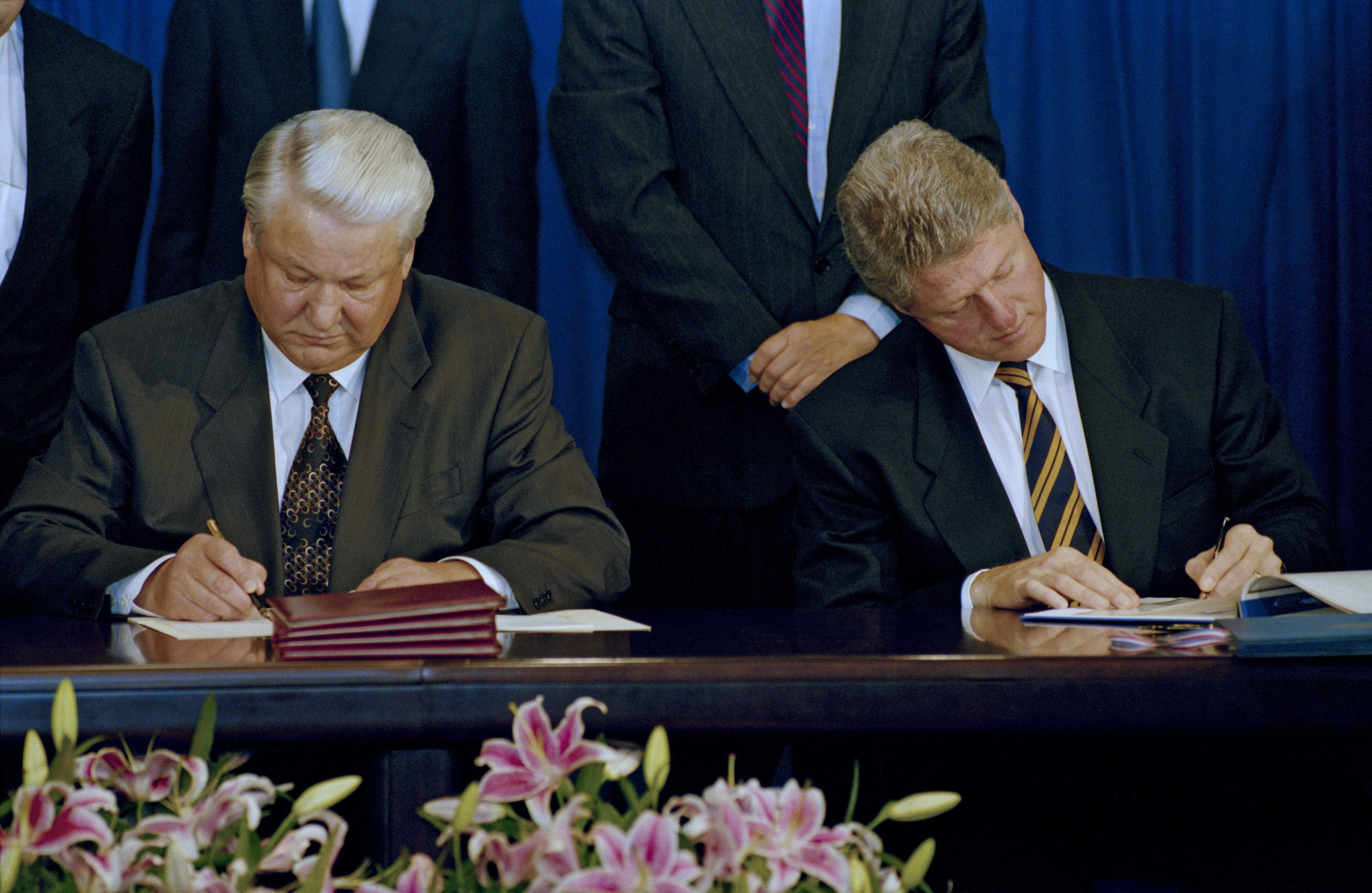
Ukraine spent more than a decade negotiating its borders with Russia. Only in 2003 did then-President Leonid Kuchma and Russia’s “eternal ruler” Vladimir Putin sign a state border agreement. Another key document was the now-infamous Budapest Memorandum, in which Ukraine voluntarily surrendered its massive nuclear arsenal of 1,500 warheads—the world’s third largest at the time—in exchange for security guarantees from the United States, the United Kingdom, and Russia. How Moscow has honored those guarantees can be seen daily in the photos of destroyed Ukrainian cities.
In addition, in 1997, the two countries signed the Treaty on Friendship, Cooperation, and Partnership. Article 2 stated: “The High Contracting Parties … shall respect each other’s territorial integrity and confirm the inviolability of the existing borders between them.”
But here it is worth recalling a quote attributed to Otto von Bismarck: “Agreements with Russia aren’t worth the paper they’re written on.” Despite repeatedly recognizing Ukraine’s territorial integrity and promising to respect its borders, in 2014, Russia attempted to annex Crimea and invaded the Donetsk and Luhansk regions.
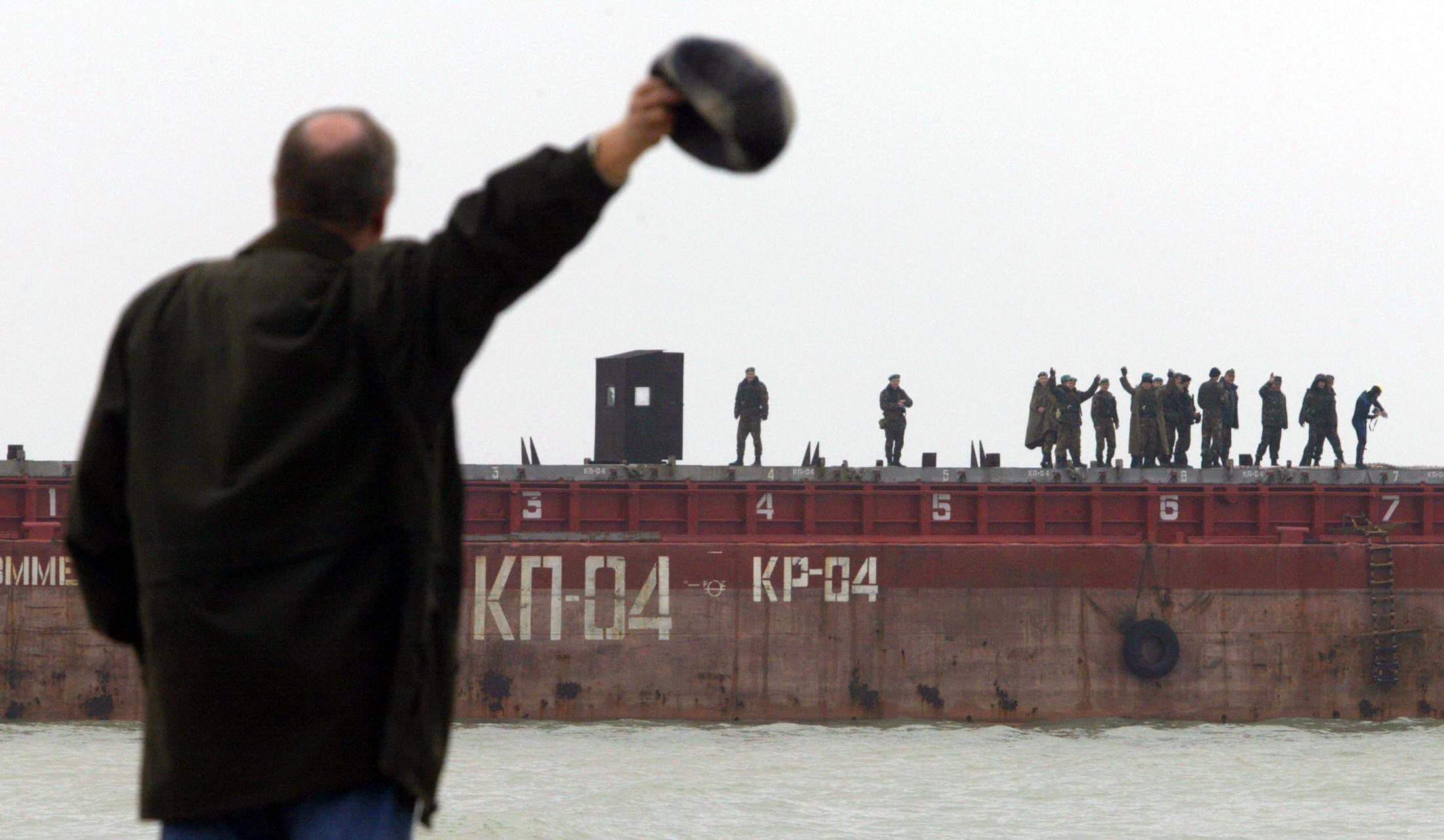
Attempts to grab Ukrainian territory had surfaced even earlier. In 2003, the same year the border agreement was signed, Russia began building a dam toward Ukraine’s Tuzla Island. Construction stopped only after extensive negotiations, when just 100 meters remained between Russian builders and Ukrainian border guards.
Attack on civilians
On July 17, 2013, a Ukrainian fishing boat collided with a Russian coast guard vessel. Four of the five Ukrainians on board were killed. In video footage recorded by a Russian border guard after the ramming, one voice can be heard saying: “Hit them a couple more times and that’s it—they’re already filling with water!”
The sole surviving fisherman confirmed it was a deliberate attack: “They chased us like we were animals: cutting us off, flooding our boat with water, and even shooting at us! Then, when we tried to leave, they somehow maneuvered directly in front of us—head-on. Our helmsman tried to avoid the collision, but they put their side into us. The crash happened. And now they claim we rammed them.” The wounded Ukrainian was taken into Russian custody.
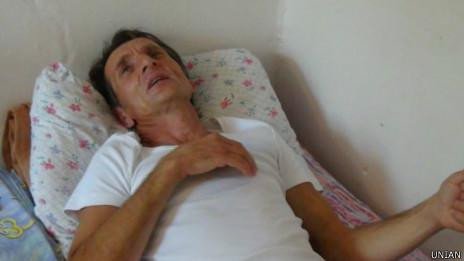
Moscow accused the fishermen of poaching, but the only “evidence” was a few nets that Russian border guards produced two days after the incident. Who actually owned them was never established. It took Ukraine six months to secure the survivor’s release.
Trade wars
Even before 2014, Russia was waging wars against Ukraine—trade wars. For instance, on New Year’s Day 2005, Moscow cut off gas supplies. Prolonged negotiations ended with the price of fuel nearly doubling. The next “gas war” broke out in the winter of 2008–09, and a third followed in 2013–14.
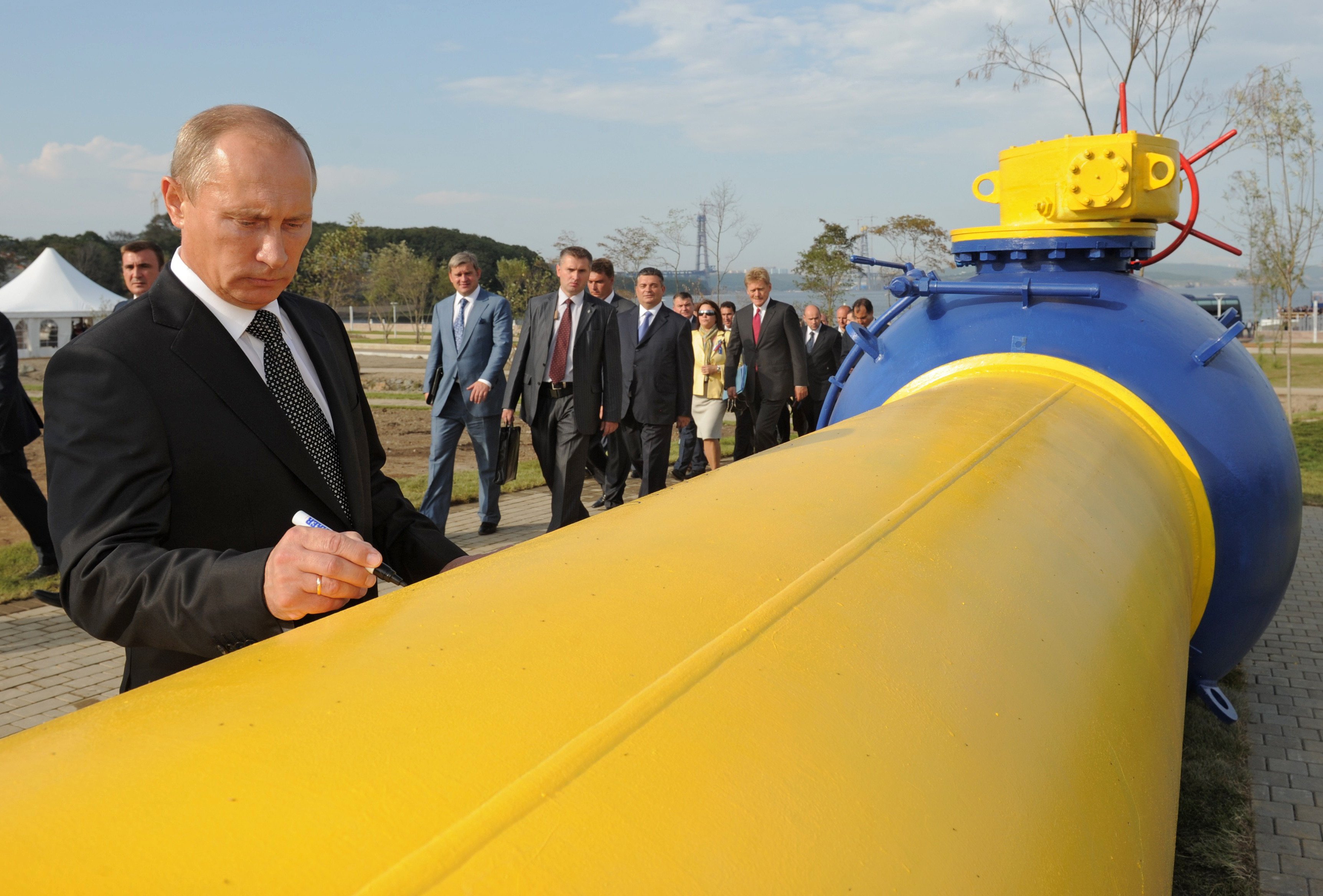
Other conflicts included restrictions on dairy exports, the “Cheese War” of 2012, and the “Chocolate War” of 2013. In August 2013, Russian customs declared all Ukrainian imports “high risk” and effectively blocked them.
What these episodes have in common is timing: Russia unleashed trade wars whenever Ukraine asserted independence—after the Kremlin-loathed Viktor Yushchenko’s election victory, Kyiv’s support for Georgia during its 2008 war with Russia, or Ukraine’s moves toward the EU and the Revolution of Dignity. For Moscow, economics has always been not just about business, but a means to influence the politics of an independent state.
Interference
In 1993, just two years after independence, Russia’s parliament suddenly declared the Ukrainian city of Sevastopol to be Russian. Ukraine and the UN Security Council protested, and eventually Moscow quietly abandoned the decision.
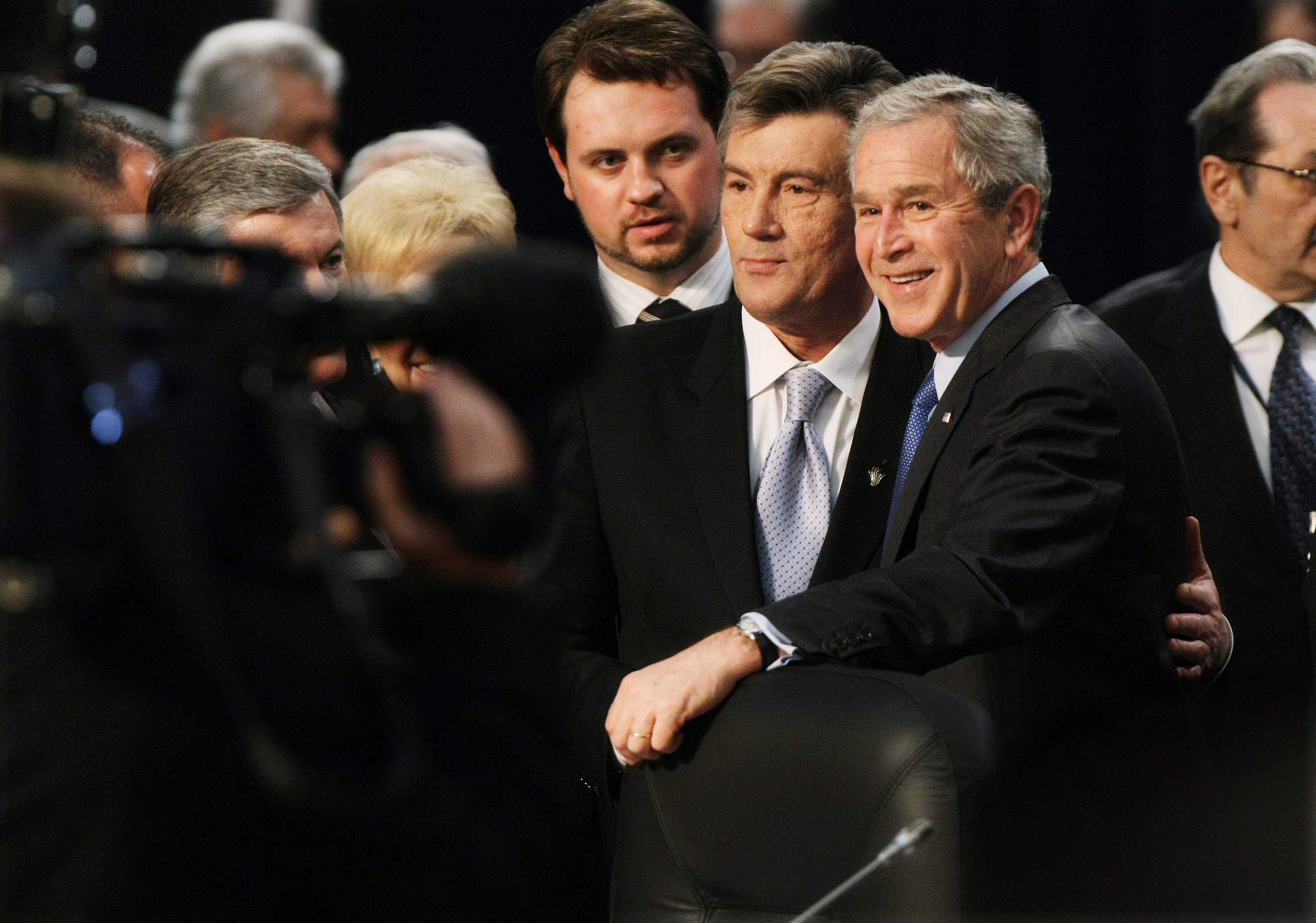
But this was hardly the only example of Russia disregarding agreements and Ukraine’s status as a sovereign state. In 2008, during a closed-door meeting, Putin reportedly told then-US President George W. Bush: “You have to understand, Ukraine is not even a country.”
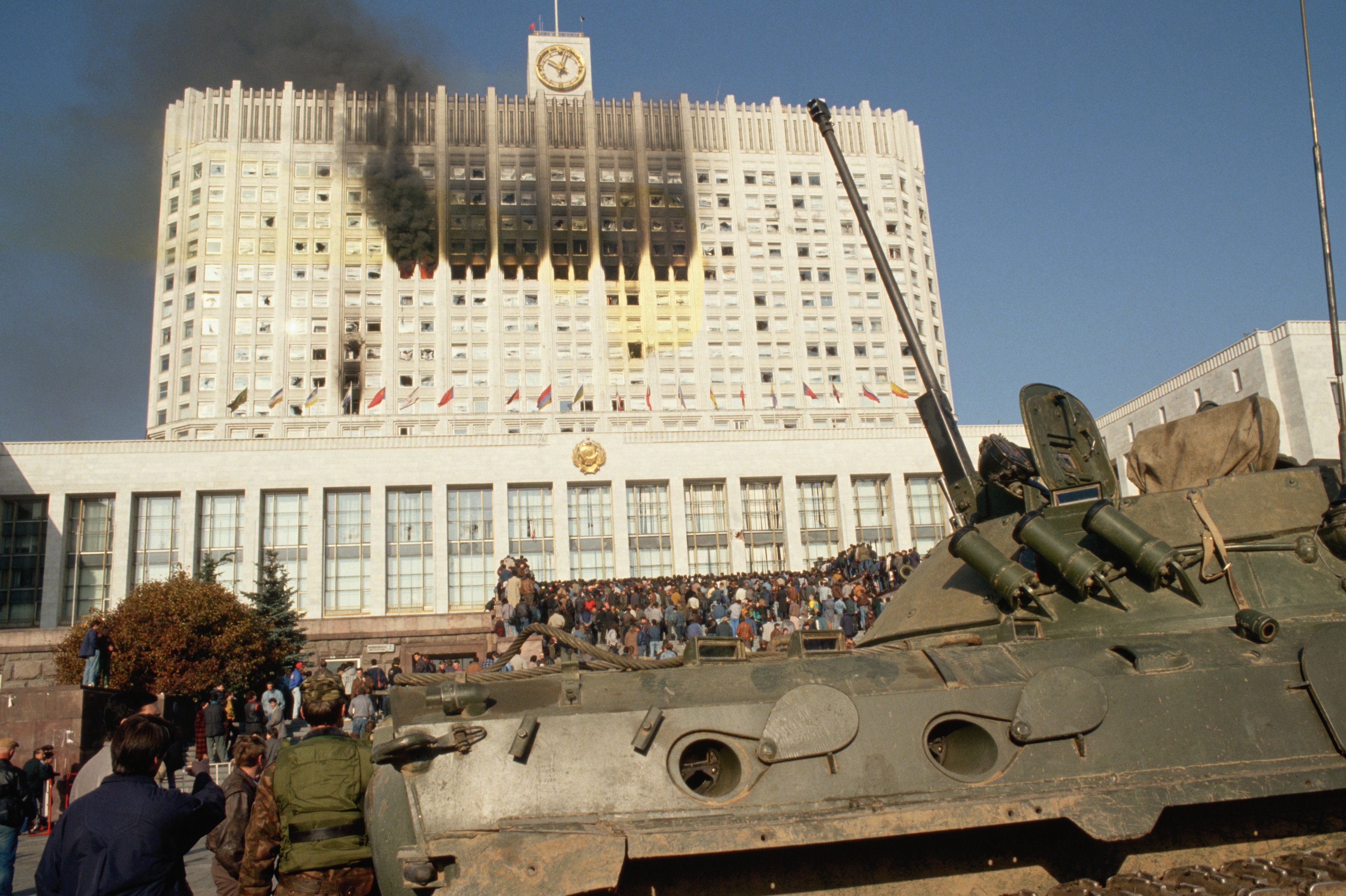
Russia never truly accepted Ukraine as a separate country. For years, Russian leadership lacked the strength to prepare a full-scale assault—its hands were tied by the 1993 tank fire on its own parliament, rampant crime, two Chechen wars, terrorist attacks, hyperinflation, the 1998 default, and interventions in conflicts in Moldova, Tajikistan, and Georgia.
But from the mid-2000s onward, Russia began actively destabilizing Ukraine. A key moment came in November 2004, during the “All-Ukrainian Congress of People’s Deputies and Local Councils” in Sievierodonetsk. With the backing of Russian officials—including Moscow’s then-mayor Yuri Luzhkov—participants declared defiance of the Ukrainian government and threatened to create a “South-Eastern Ukrainian Autonomous Republic.”
After 2004, Moscow built an extensive network of anti-Ukrainian organizations in Ukraine—political, religious, and paramilitary.:
“The main task … was to prove the artificial nature of the Ukrainian nation and the futility of the Ukrainian state,” said Ukrainian scholar and statesman Volodymyr Horbulin. “Among Ukrainians, myths were spread about eternal unity with the Russian people, about the so-called ‘triune, artificially divided Russian nation,’ the advantages of joining either a new Russian Empire or a Soviet Union 2.0 ‘under the genius leadership of V. Putin.’ At the same time, Ukrainian elites were portrayed as corrupt, incompetent, and incapable of governing an independent state.”
Russia even rehearsed aggression against Ukraine during military drills. In September 2013, the joint Zapad-2013 exercises with Belarus simulated Moscow and Minsk deploying their armed forces into another country. All this long preparation ultimately made the Russian invasion of Ukraine a reality.
Culture
Russia spread its narratives not only through politics and media but also through culture and entertainment: cinema, pop music, and literature. Moscow reacted aggressively to any attempts to promote the Ukrainian language and culture inside Ukraine. The information spaces of the two countries were deliberately intertwined. The strategy was clear: unite them culturally, then seize them physically.
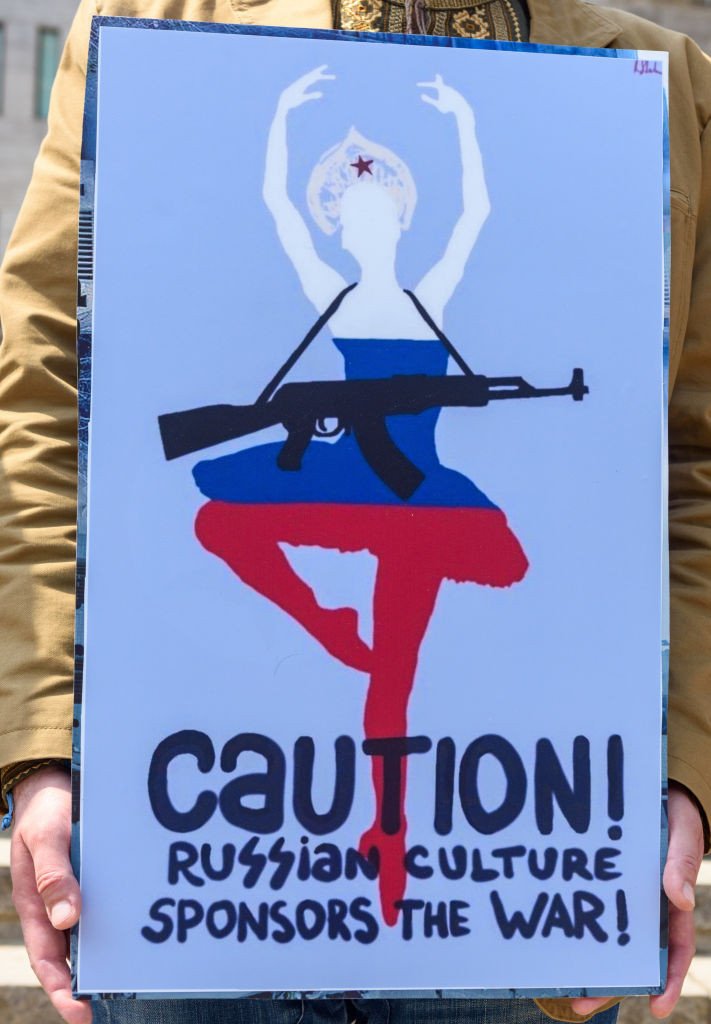
In mass Russian culture, Ukrainians were long portrayed in stereotypical ways. One popular archetype depicted them as simple-minded, cheerful people who liked to drink and sing—seen in countless films, books, and TV shows. For example, in the Russian adaptation of the hit American sitcom The Nanny, the protagonist is reimagined as a vulgar, not-too-bright woman from Mariupol, speaking with a comical accent.
If not as clowns, Ukrainians were portrayed as cowards or criminals. In Russia’s popular gangster film Brother 2 (2000), Ukrainians are always caricatured as mobsters.
All these productions were released before 2014. After the war began, the propaganda did not stop. For the Russian mass market, Ukrainians remained either bumbling fools with funny accents or traitors, while Ukrainian culture was ridiculed as backward and laughable.
The myth of “brotherly nations”
Shaped by centuries of imperial thinking, Russians often see Ukraine as nothing more than an extension of Russia—something of their own, bound by countless ties. In Russia, emphasis was always placed on what supposedly united the “brotherly peoples,” while ignoring the fact that this unity was built on conquest, terror, and repression. At the same time, Ukraine’s many differences in history, culture, and identity were dismissed as artificial, insignificant, or “radically nationalist.”
Since gaining independence in 1991, Russia has been involved in war after war—from fueling conflicts in Transnistria, South Ossetia, and Abkhazia, to waging two brutal wars in Chechnya, invading Georgia in 2008, and later propping up the Assad regime in Syria. This record of aggression is exactly what Ukraine does not want to be part of. From the very beginning, Ukraine chose a different path: building a democratic, sovereign state in Europe that strives for peace. It sought neutrality, signed and respected agreements like the 1994 Budapest Memorandum, and consistently pursued peaceful coexistence.
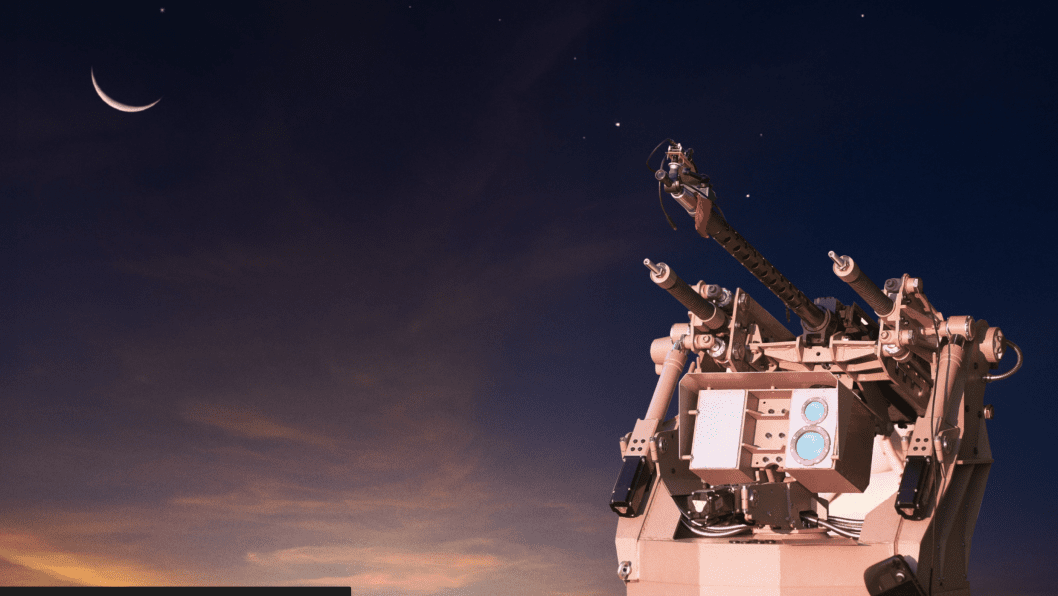
Russia’s endless wars underline why Ukraine insists on its independence and security guarantees today, especially given the statement made by Daniil Bezsonov, the so-called former “minister of information” of the occupied part of the Donetsk region: “Ukrainians are our mobilization resource in a future war with NATO.” This is supported by Russia’s long-standing practice of forcibly conscripting residents of occupied territories, its open militarization of children, and its relentless propaganda portraying NATO as an inevitable enemy.
Unlike Moscow, Ukraine has no desire to live by destroying the homes of its neighbors.
For centuries, Russia sought to erase Ukraine’s “Ukrainianness” and its people’s values. In recent decades, it prepared the economic, cultural, and military groundwork for a new assault on Ukraine’s independence.
An assault that ultimately became the largest war on the planet since World War II.
Discuss this article:

-111f0e5095e02c02446ffed57bfb0ab1.jpeg "Photo of Roman Kohanets")
-07c046f037cabcd54fb44b5253b3733d.jpg "“Bathing” (2021), an 80 × 60 cm artwork by Ukrainian artist Mariia Drozdova. (Source: Art From Ukraine/Instagram)")

-c439b7bd9030ecf9d5a4287dc361ba31.jpg "Photo of Katherina Popilnichenko")