- Category
- Opinion
What “Battle-Tested” Really Means: Ukraine Is Not a Lab. It Is the Exam
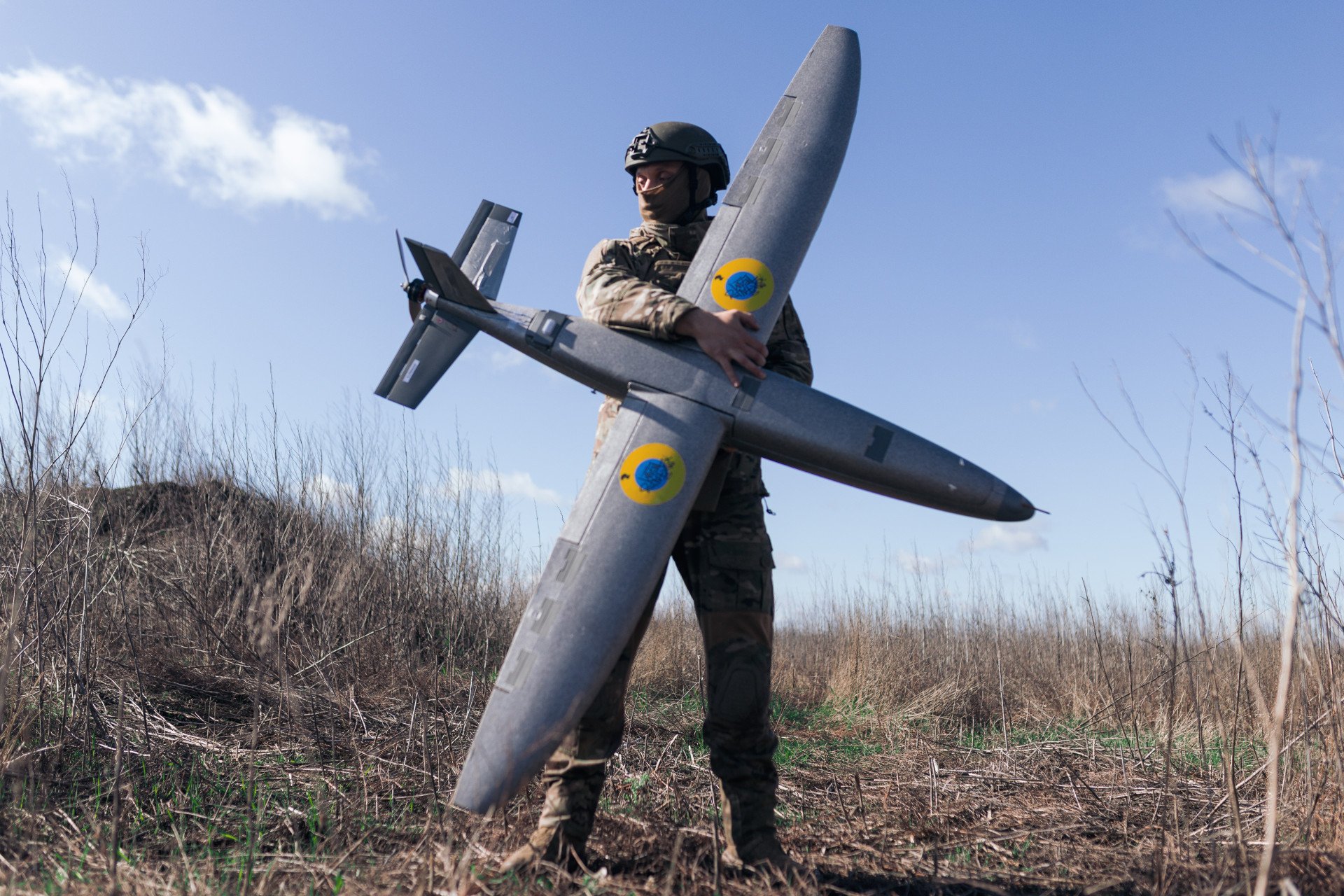
I fought in this war before I started building for it. Today I run a Ukrainian company that makes long-range strike UAV systems, and I sit on the other side of the table too: I read the same pitch decks that investors and procurement officers read. Every one of them now has the same two words on the first slide.
 Prefer U24 Media on Google
- Authors


Every pitch deck I see now has the same two words on the first slide. Battle-tested. Combat-proven. Validated in Ukraine.Some of these claims are real. Some are not. And the people who can tell the difference are starting to talk.
Ask Ukrainian soldiers what they think when a vendor says "tested in Ukraine." Many will tell you it is a slogan. They watched expensive foreign systems arrive with confident marketing and fail against jamming that cheap domestic platforms had learned to survive a year earlier. The units remember which products stayed and which ones went home quietly.
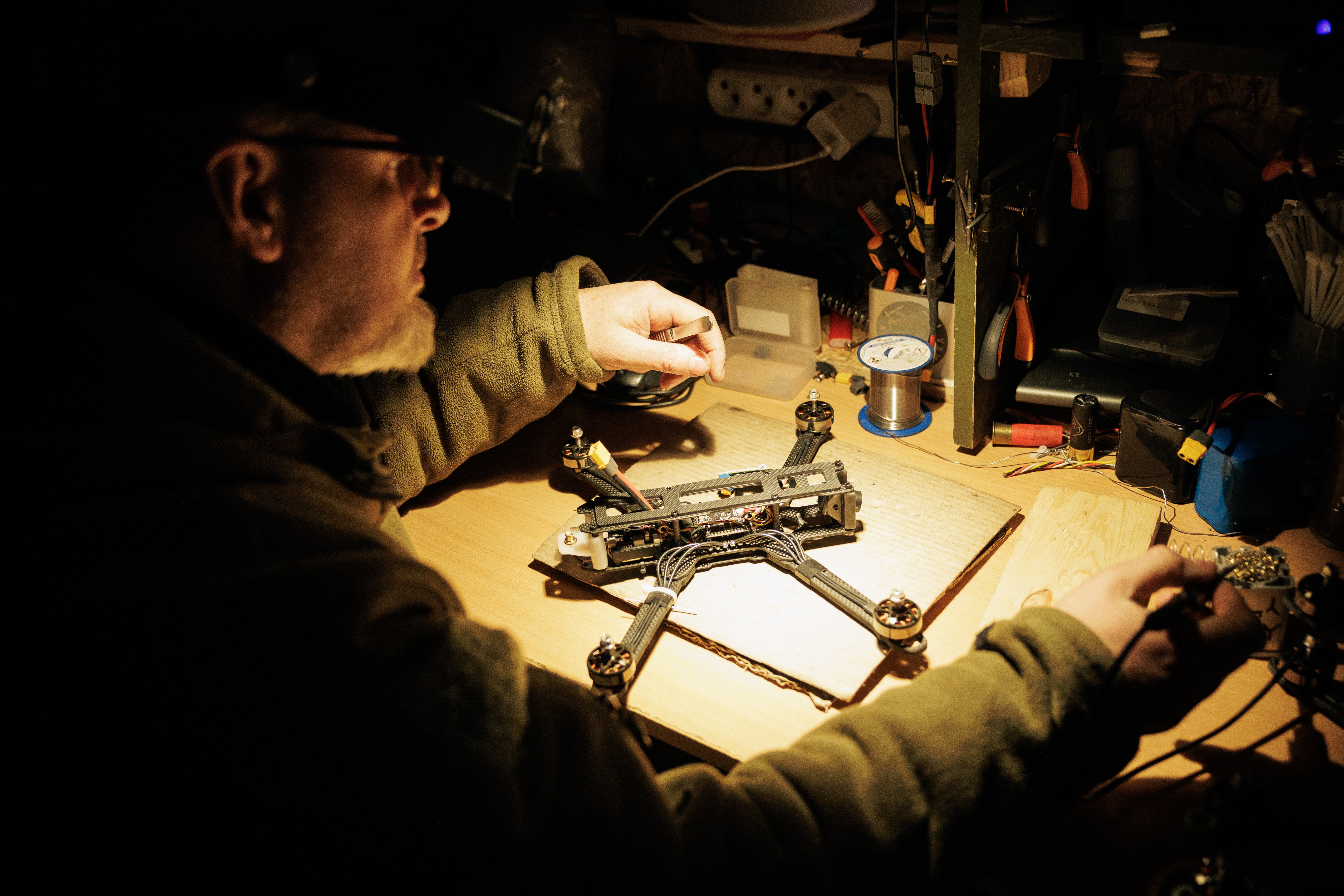
Ukraine is not a lab
There is a frame I keep reading in Western coverage. Ukraine as a laboratory. Ukraine as a testing ground for the world's defense industry.
I reject that frame, and not for sentimental reasons. It is technically wrong.
A laboratory has controlled conditions. A laboratory has an experimenter who stands outside the experiment. Neither exists here. Nobody controls the conditions. Russia sets half of them and changes them every month. The spectrum changes. The countermeasures change. The tactics change.
Ukraine is not where you run experiments. Ukraine is where the experiment runs you. It is not the lab. It is the exam. And the exam does not grade on a curve.
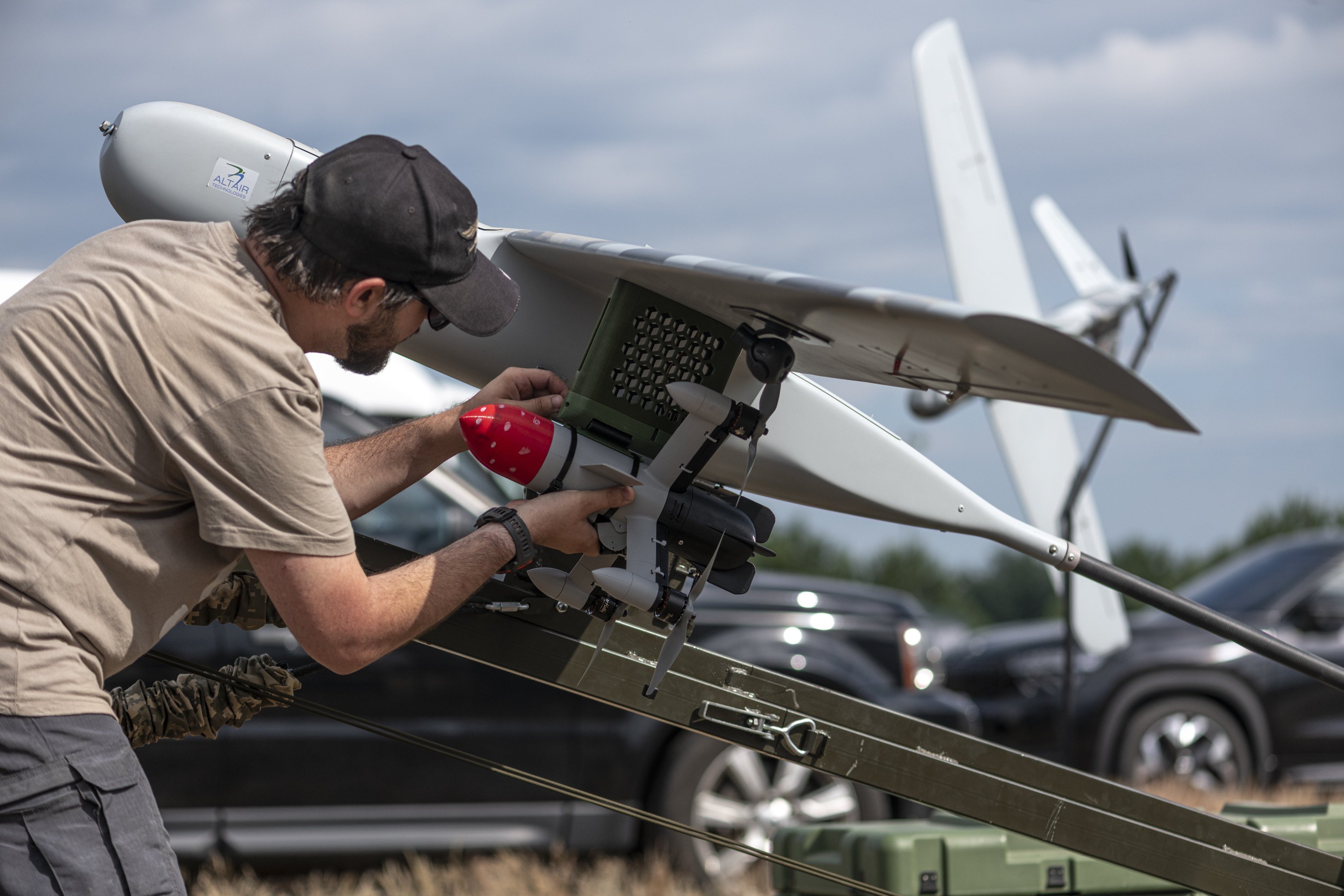
Five questions that separate a claim from a fact
Here is my working definition. If a manufacturer says battle-tested, they should be able to answer five questions. Not publicly. Operational security is real, and a company that publishes its combat details is telling you something bad about itself. But to a serious buyer, under NDA, with evidence.
1. Used by whom, how long, under what conditions? Sustained use by combat units over months. Under real electronic warfare pressure and navigation denial, not on a permissive range. A number of missions, not a number of press releases. If the answer is one deployment two years ago, that is a pilot, not a proof.
2. What failed? This is the question vendors hate and the one I trust most. A manufacturer who cannot show you a failure log has not been to war. Combat produces losses. Losses produce data. I believe loss statistics before I believe success statistics, because only one of them is expensive to fake.
3. What changed because of combat? Battle-tested means the battlefield rewrote your product. Show the revisions. Show which operator feedback killed which design decision. If version one looks like version ten, nothing was tested. Something was merely present.
4. Is there a paper trail? Codification. State procurement. A NATO Stock Number. Ukraine codifies products to NATO standards in months, sometimes weeks, because the war does not wait for bureaucracy. So the excuse is gone. If the state that is actually fighting has not put your product on its books, a buyer should ask why.
5. Does it still work today? The hardest question. Combat validation expires. What survived the jamming environment of 2024 dies in the environment of 2026. The adversary adapts, countermeasures spread, and any static claim starts decaying the day it is made. Battle-tested is a date, not a status.
The real product is the loop
That fifth question breaks the entire marketing frame, and I want to be honest about what it breaks for us too.
No product is permanently battle-tested. Not ours. Not anyone's. The front line does not issue lifetime certificates.
Which means the real asset was never the tested product. It is the tested process. The loop from a frontline failure report to an engineering decision to a fielded fix. A manufacturer whose iteration cycle is shorter than the adversary's adaptation cycle stays battle-tested. Everyone else was battle-tested. Past tense.

When I evaluate a defense company now, including my own, I ask for one number. How many days from a failure at the front to a fix in the field. That number is the product. Everything else is packaging.
What I ask of buyers and builders
If you are buying: treat "battle-tested" as the beginning of due diligence, not the end of the conversation. Ask the five questions. A serious manufacturer will welcome them. The others will change the subject to their brochure.
If you are building: be able to answer them before you print the words.
And if you cannot, leave the words off the slide. Soldiers paid the actual price for that phrase. They can tell the difference. Increasingly, so can everyone else.
Discuss this article:


-f3430f0449615e9897dff835086ac204.jpg "Ukraine Broke With a Soviet-Era Military System and Rebuilt It Around the Soldier")
-e126c16a85d580738cf2d57e760b80a3.jpeg "Photo of Vladyslav Greziev")