- Category
- Opinion
Varnak Wrote Rap Albums and Shot Down Russian Drones. He Died in the Line of Duty at Only 23 Years
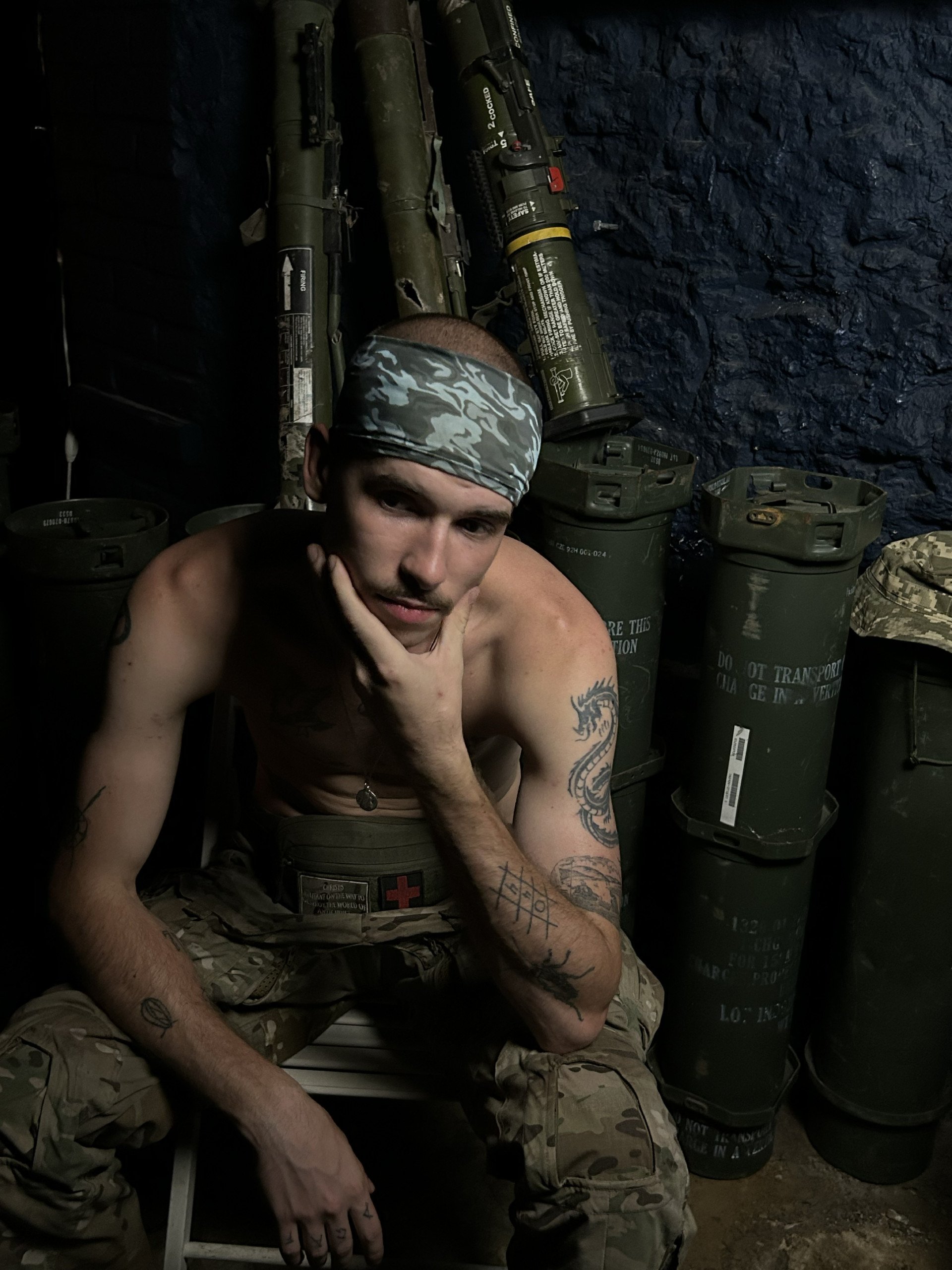
Yaroslav “Varnak” Ivanov refused the idea that an artist could sit out a war for survival. At nineteen, he stepped into the fight out of an undivided love for Ukraine, its people, its culture, and the ones he loved. Combat and creation were the same motion: he wrote prose, armed his music with satire and heritage, and left behind a living sound that outlasts his death at twenty-three.
 Prefer U24 Media on Google
- Authors


It began on a cold, fog-bound Kyiv evening with a random message on Instagram to practice our English—just two teenagers striking up a conversation across a city wrapped in gray mist. When we finally met in person, he emerged through the haze as a tall figure swathed in an oversized hoodie, low-slung baggy jeans, and earrings—looking so uncannily like a Ukrainian incarnation of Eminem that I immediately teased him for it. He laughed, the distance between strangers dissolved instantly, and we sat down to talk. We spent that entire first night walking through the damp streets while he pointed out old buildings, pulling their obscure histories and architectural lineages from memory, weaving them seamlessly into conversations about music, literature, and graffiti.

Seven years later, on the exact anniversary of that night, the same heavy mist descends over Kyiv, hanging low and motionless over the rooftops. I walk down toward Podil , cutting through the cobblestones around the Golden Gate , on my way to a hall that will present the posthumous album he drafted just days before his death. The city feels strangely hollowed out, Yaroslav is no longer beside me. Yet as I move through the fog, the years collapse in on themselves: out in the dim yellow glow of the streetlamps, I can still see the ghosts of our teenage selves walking these exact avenues, passing cheap tobacco back and forth, laughing into the evening, endlessly wandering through a city whose sky felt careless.
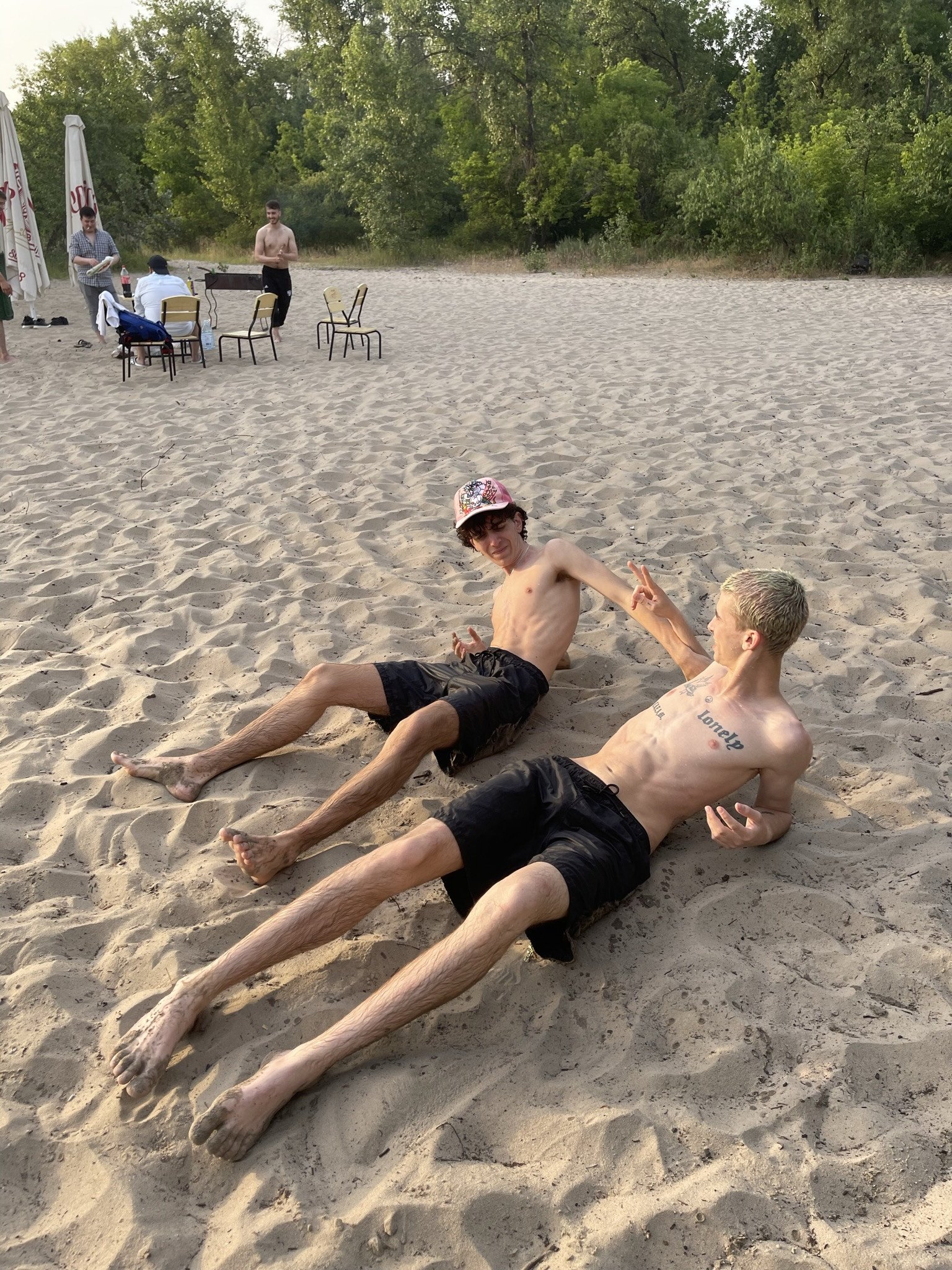
I don't remember things in order anymore. Most of it comes back in fragments, out of sequence except some dates that never blur, like February 2022.
On the night of February 23, as Russian forces massed along the border, we sat up discussing what was coming. We spoke in that quiet, serious way people talk when they know things are about to change forever. Yaroslav listened. When the conversation ended, there was nothing left to decide; the choice for him had been made before a syllable left my mouth.
The next day, as the full-scale invasion broke across Ukraine, the recruitment office presented a heavy threshold guarded by a single, unyielding instruction: wait. It was given out to boys, grandfathers, men with bad knees, and anyone clutching a phone charger and absolute conviction. The queues stretched past endurance.
Yaroslav was nineteen. For him, a command to wait was never a final answer—it was merely an opening bid. By the following morning, he had returned, inscribed his name across multiple lists, traded numbers borrowed from acquaintances who knew acquaintances, and when the door kept repeating wait, he went out to volunteer. A body commanded to wait will always find mechanical purpose for its hands. His mother recalls the office turning him away across weeks of friction. Then came the call, and he was drafted into the 93rd Mechanized Brigade, Kholodnyi Yar.
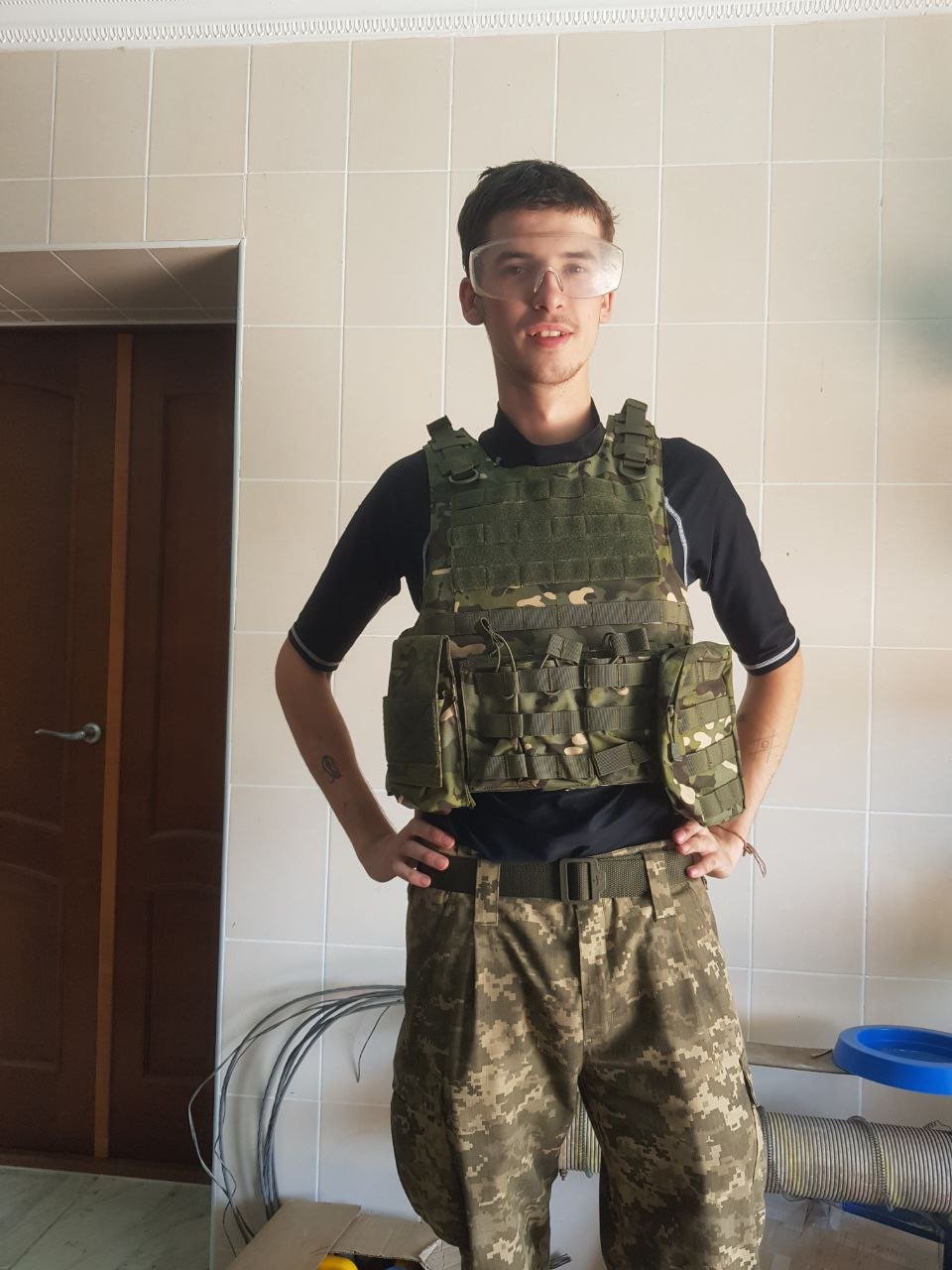
It was a duty, yes a blinding, absolute duty to his people, born of a pure, unadulterated love, a deep and encompassing commitment to all around him, and a burning, unrelenting hatred of injustice with every fiber of his being. He didn't walk into this blind. He understood what Russia was doing because he had studied it, read the history, and knew this wasn't the first time. He understood the sheer danger, the crushing responsibility, and what all of it actually meant. He knew the absolute risk to his own life, and he faced it anyway because he was fiercely, unshakeably loyal. His body couldn't stand and freeze, and his mind simply wouldn't let itself stop. For him, there were no alternative routes, no comfortable detours.
He started with the 93rd, but a mind like his was never going to stay anchored in one groove. He always looked to learn, to push further, to master what was next, hungry to know more about the machinery of modern war. He could yap about any technology for hours—dissecting gear, circuits, and waveforms with the obsessive clarity of a professor who refused to let his students stay ignorant. On his last vacation, when I was frantically packing for Donbas with no proper bag, he saw my chuika and spent hours walking me through how it worked, making sure I wouldn't get caught out. That was who he was: he gave and gave and gave to those he loved, emptying his own pockets and unstrapping his own gear to put it in someone else's hands.
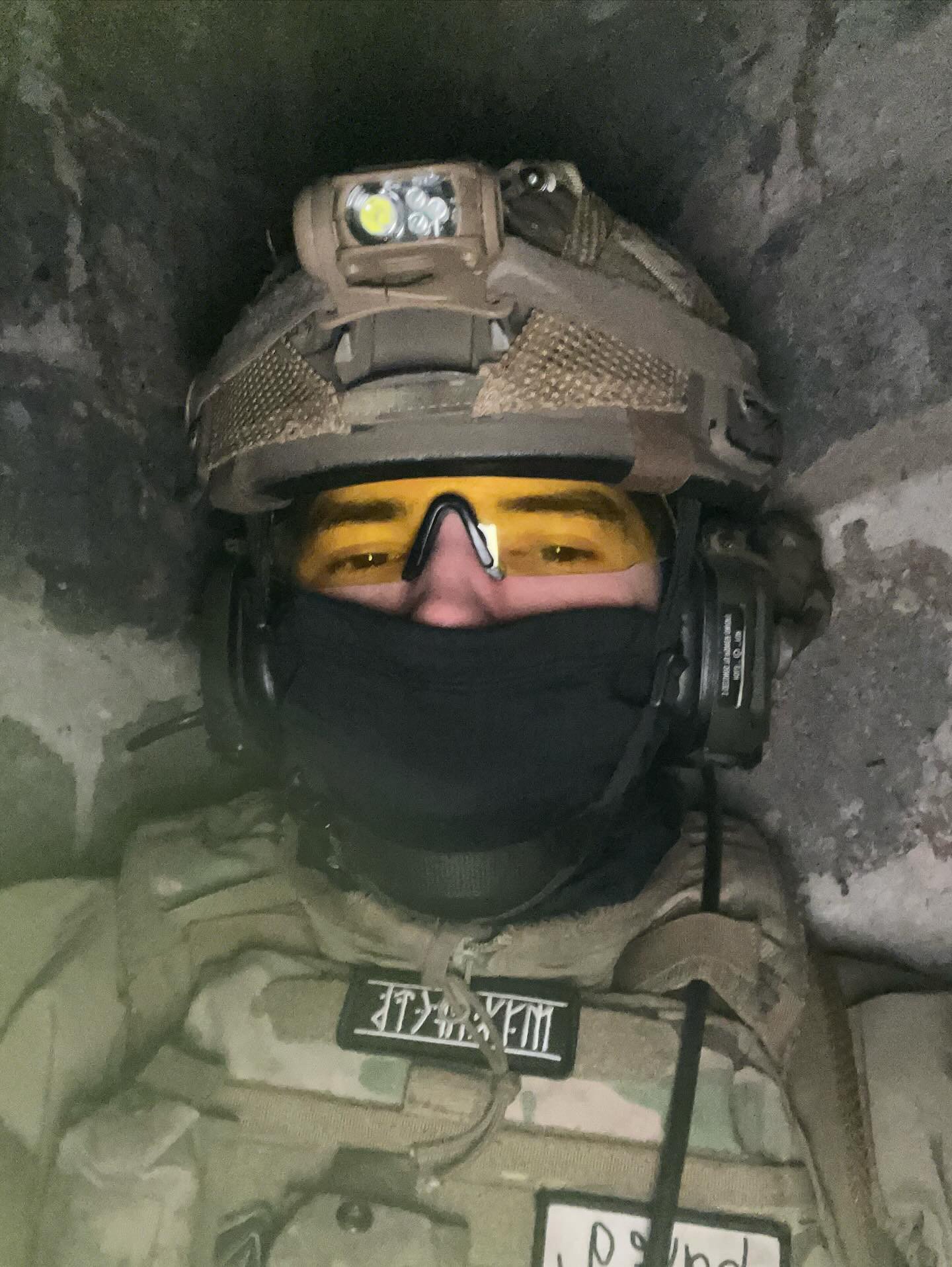
Moving through the lines, learning and learning and teaching and learning, absorbing the mechanics of survival until he was the one passing the knowledge down before anyone even thought to ask.
By twenty-one, those years carved deep scars. Friends died one by one—first as a sharp, shattering shock, and then as a continuous, brutal weather—until the list of names he carried grew longer and heavier than any list he had once fought to get onto.
Through every shift, every unit change, and every loss, there was the anchor he held onto in the middle of artillery fire, broken sleep, and chaos: his fiancée. Their bond was built on total trust and shared reality. He lived for her, planned his life around her, and brought that same fierce, unyielding devotion to loving her that he brought to everything else he touched.
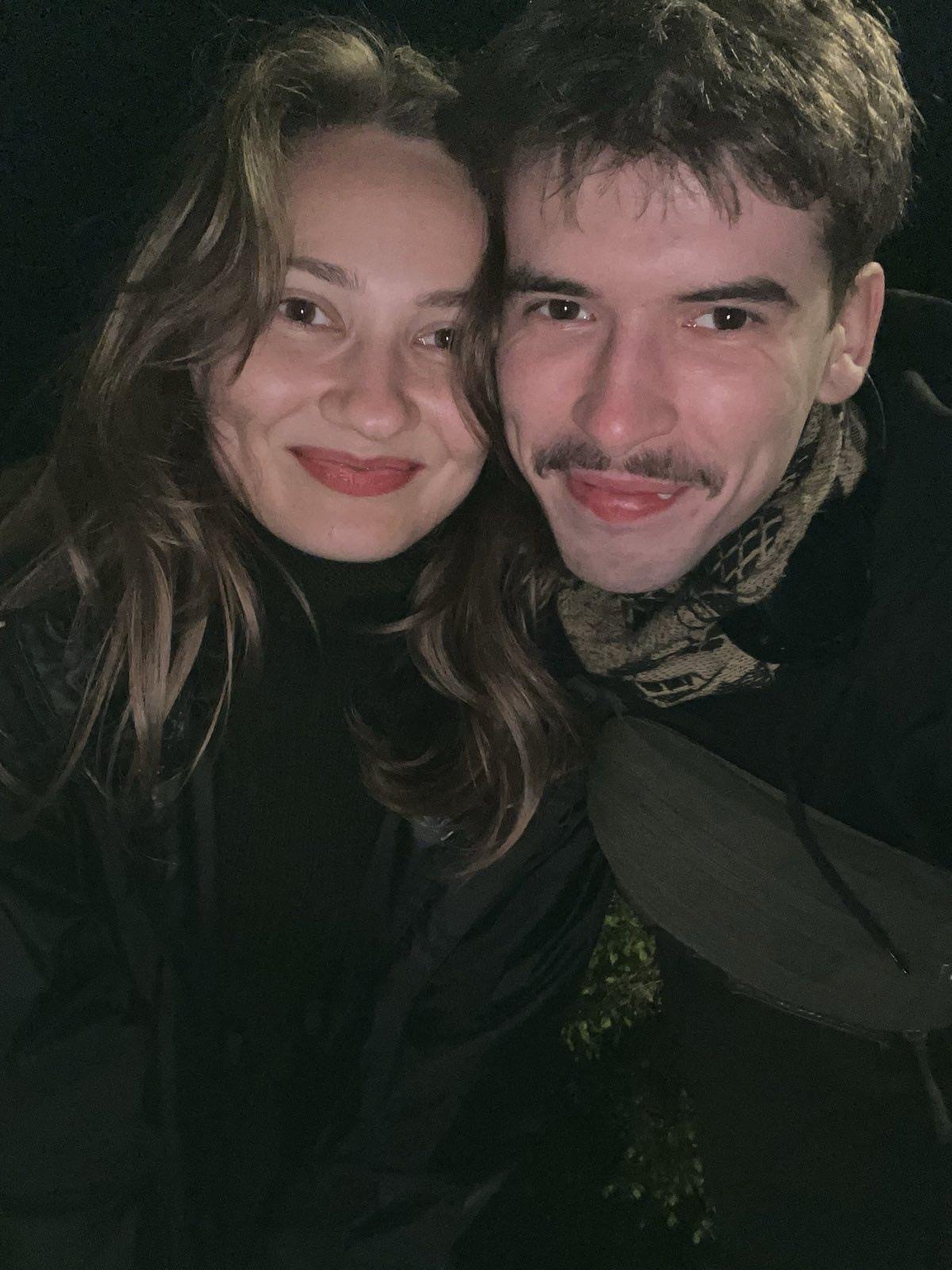
Somewhere within that reality, using Radikalny simply as the handle for his account on X, he began broadcasting his jokes to a room far larger than any frontline dugout. He aimed sharp political satire, he was utterly brutal with the raw realities he was living, refusing every layer of sanitized distance. The military community tuned in, alongside volunteers and strangers working parallel shifts of the exact same war, many of whom crossed the digital divide to become people he sat across tables from.
At 22 he transferred to the electronic warfare unit of the Third Assault Brigade, the work shifted to the invisible architecture of the sky: find the drone by what it leaks—a frequency, a pulse, a stray electronic signal bleeding out of the upper air—and render that signal entirely useless. When he did his job right, nothing happened. A family woke up in the dark and put the kettle on and didn't receive a call about their son.
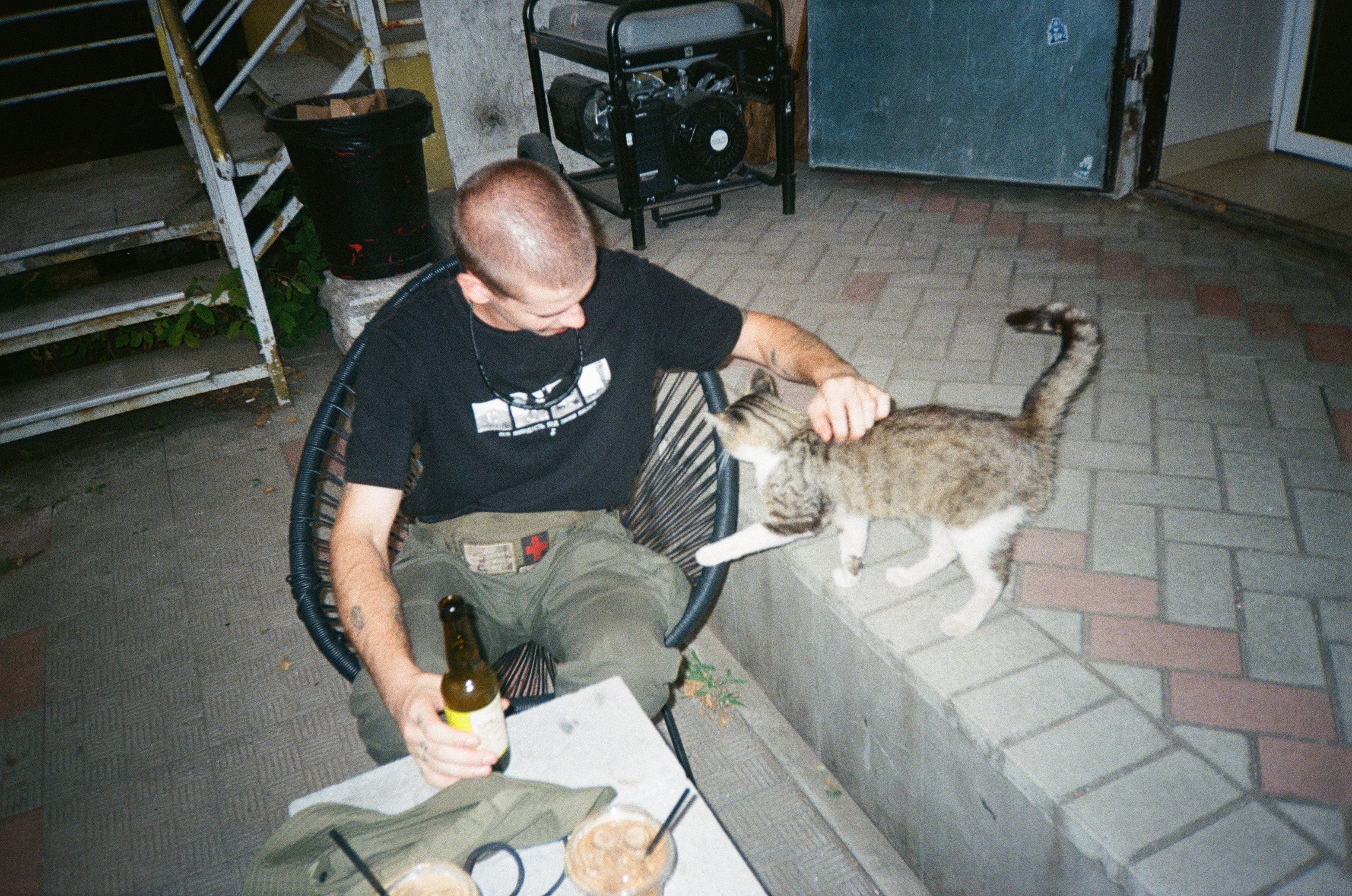
He mastered how a drone sees and hunts, what a radio gives away about the human holding it, how explosives are laced together and what they tear apart. He learned it all with absolute, total absorption, and then he would sit there and yap about it, explaining electronic warfare the exact same way he’d explain a book he had just finished reading.
Yaroslav kept writing. An autobiography, a novel. And he kept making music - recorded between tasks.
His musical diet was a collision of worlds that made total sense: on one end, the analog soul of the twentieth century, Kvitka Cisyk’s floating vocals, kobzars , lirnyks , and archived riflemen's marches that anchored him in historical continuity; on the other, the dark, murky subterranean weight of suicide boys and the raw grit of the Memphis underground. He knew everything about those two kids from the garage—their addictions, their nihilism, their DIY ethos—and he translated that Southern rap DNA into his own sonic language. He didn't chase cheap trend-driven phonk; he leaned hard into that murky, heavy Memphis bounce, pairing low-slung, neck-snapping beats with lyrics so sharp and accessible they immediately turned into graffiti, social media captions.
In his creative process, there was zero pretension. He didn't wait for a clean studio or ideal acoustics. He would sit down with a laptop in whatever corner he could claim, lay down a track over beats, and polish the flow until it hit with the blunt impact of an incoming shell. His sonic evolution from early tracks to his later records, such as Perevzuvsya777, was stark: the raw, abrasive energy matured into precise cadence, heavier low-end pressure, and a mastery of delivery.
The numbers "777" were never a gimmick. They carried a quiet, personal weight he kept close. It was in a park, sitting right across from me, where those three digits got carved into his skin—one needle prick at a time, one slow, deliberate dot after another. I held the needle, and he sat through every puncture with a little smirk.
And then there was Have a Good War. Years ago, a kid drew a simple picture of a pistol with those four words for an American soldier. The internet carried that drawing around the world until it reached Yaroslav as a custom Christmas patch. He made it his own, put the phrase into his music, and carried it with him to the front.
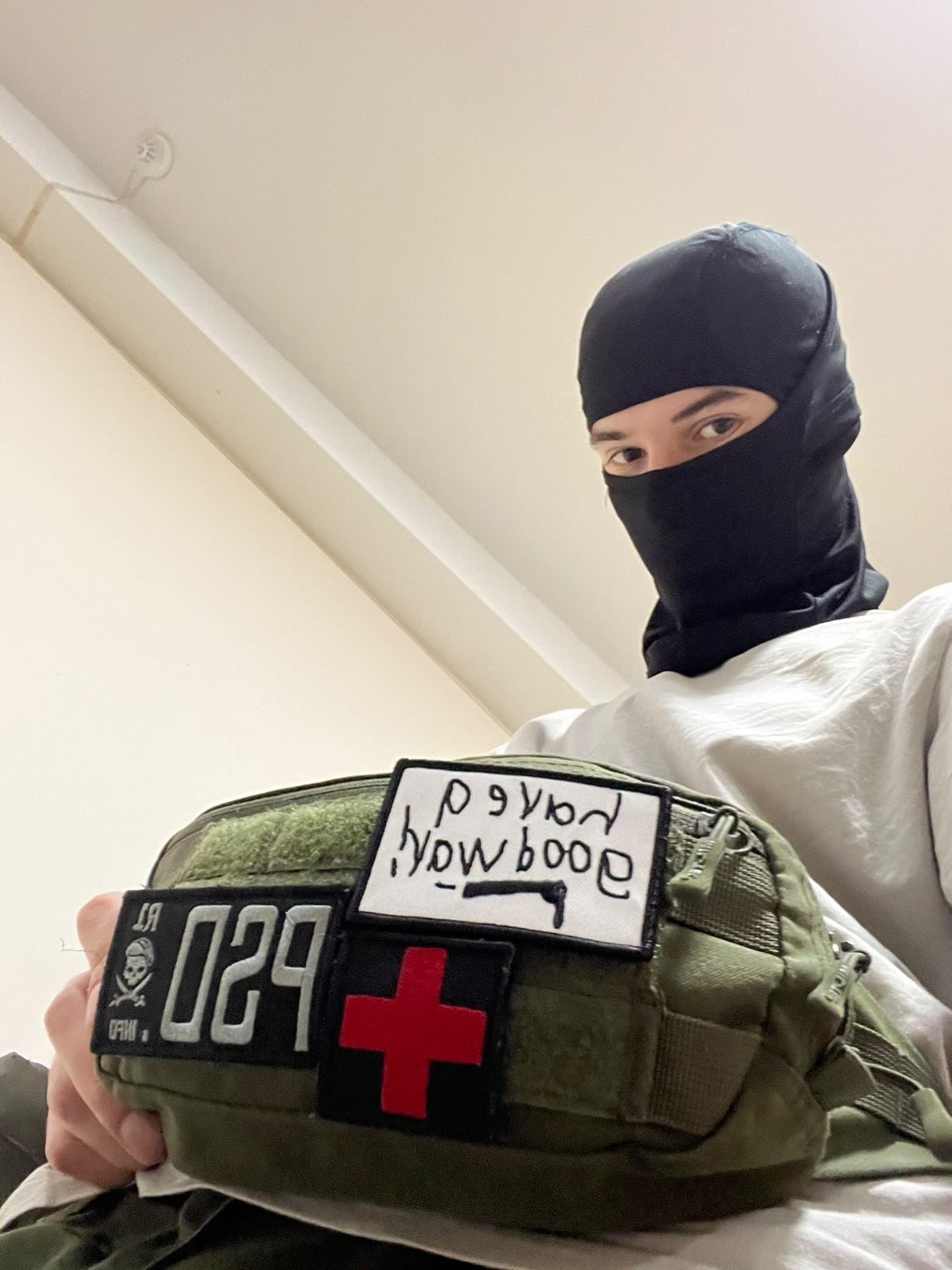
I remember back in October 2025, right after his twenty-third birthday, during that vacation when we were just walking around Kyiv with the cold air hitting us, Yaroslav pulled out his phone to play me the earliest rough cuts right there on the street, just bouncing ideas around. Then, by the time what would be his final vacation in May rolled around, he’d drop new stuff on me, culminating in his last album.I was just fucking shocked by how fast he was evolving and how much raw talent he actually had— blown away by the level-up, watching him take that weird, brilliant mix of old-school Ukrainian roots and dark Memphis underground and turn it into something genuinely lethal and political.
The day before he died, he sent me the finished tracks. He told me not to show anyone – an easy rule to follow when you’re talking to someone who already spent 7 years guarding your secrets. I listened to it once, twice, three times, and what I felt wasn’t that thin, hollow rush of being "impressed." Impressed is for when you’re bracing for mediocrity and get a pleasant surprise. I wasn't surprised. I already knew what he was capable of. I was just glad. A massive, uncomplicated gladness that sat heavy in my chest. We had already talked about shooting the video together. He was supposed to send me the reference board the next morning.
The references never came.
Now, when people ask me what absolute silence feels like, I don't think about empty rooms or country roads. I think about that specific blank space on my phone screen where his message was supposed to land. Instead, his fiancée called—the woman he’d asked to marry just a few weeks prior, with whom he’d already started sketching out the outline of a decades-long life. She told me he was gone. Killed on a combat mission.
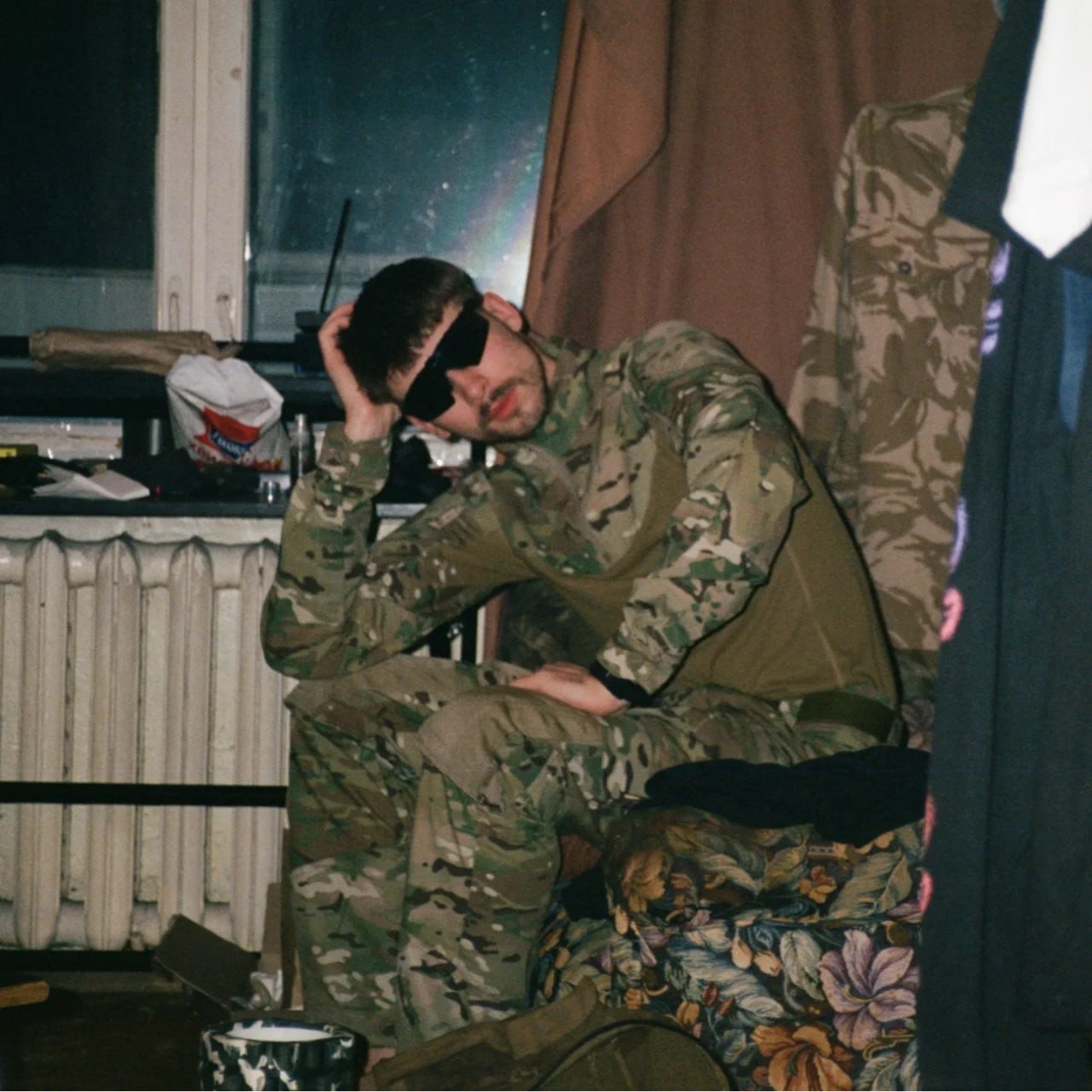
After that, time stopped moving in a straight line. It dropped and shattered into jagged pieces. Somebody dug up an old tweet of his where he swore that if any of us sat around crying or whining over him when he bought it, he’d personally haunt us with an FPV drone, chasing us through our dreams until we couldn't run anymore. It was classic Yaroslav half threat, half gallows humor. I wept anyway, curled up and making ugly, animal sounds I didn't know my body could produce. And then, right in the middle of it, I’d catch myself laughing through the snot and the tears, picturing the exact grimace he’d make if he saw me. That was the only thing that kept the room from collapsing: the absolute, rock-solid certainty that he’d be furious at the spectacle I was making.
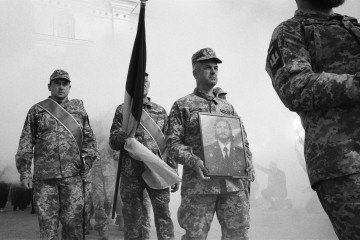
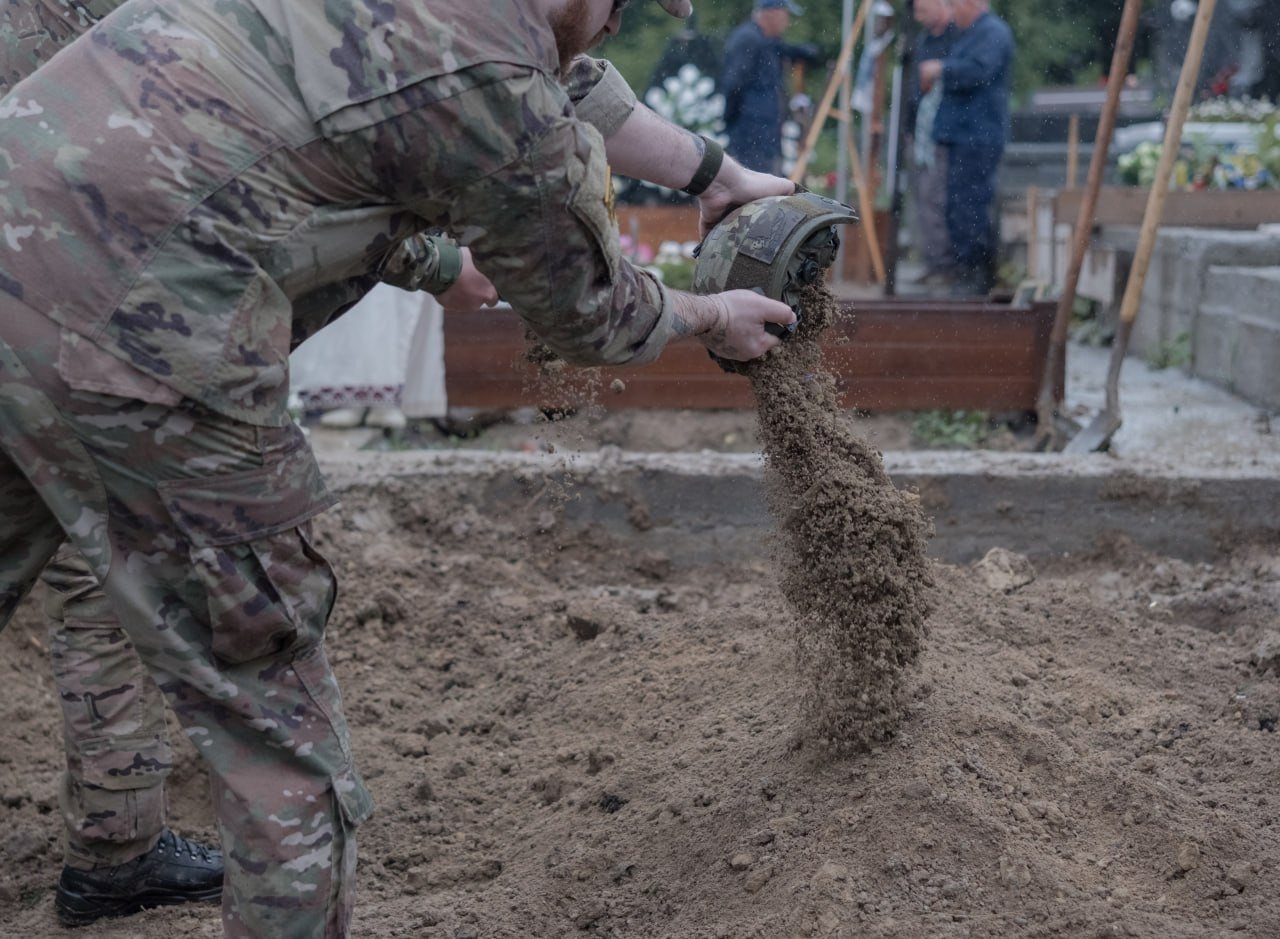
The funeral sits in my head with a nauseating, hyper-real clarity that I hate, because everything else around it is swallowed in a thick, grey fog. It poured rain. When they brought the casket out of St. Michael’s , the golden angels above the doors were streaked with water, their faces crying into the downpour. My brain, seizing on whatever useless detail grief could grab onto, remembered how Yaroslav used to lecture anyone within earshot about St Michael the guardian with the sword. The patron saint standing guard weeping while his own kid was carried out into the wet street.
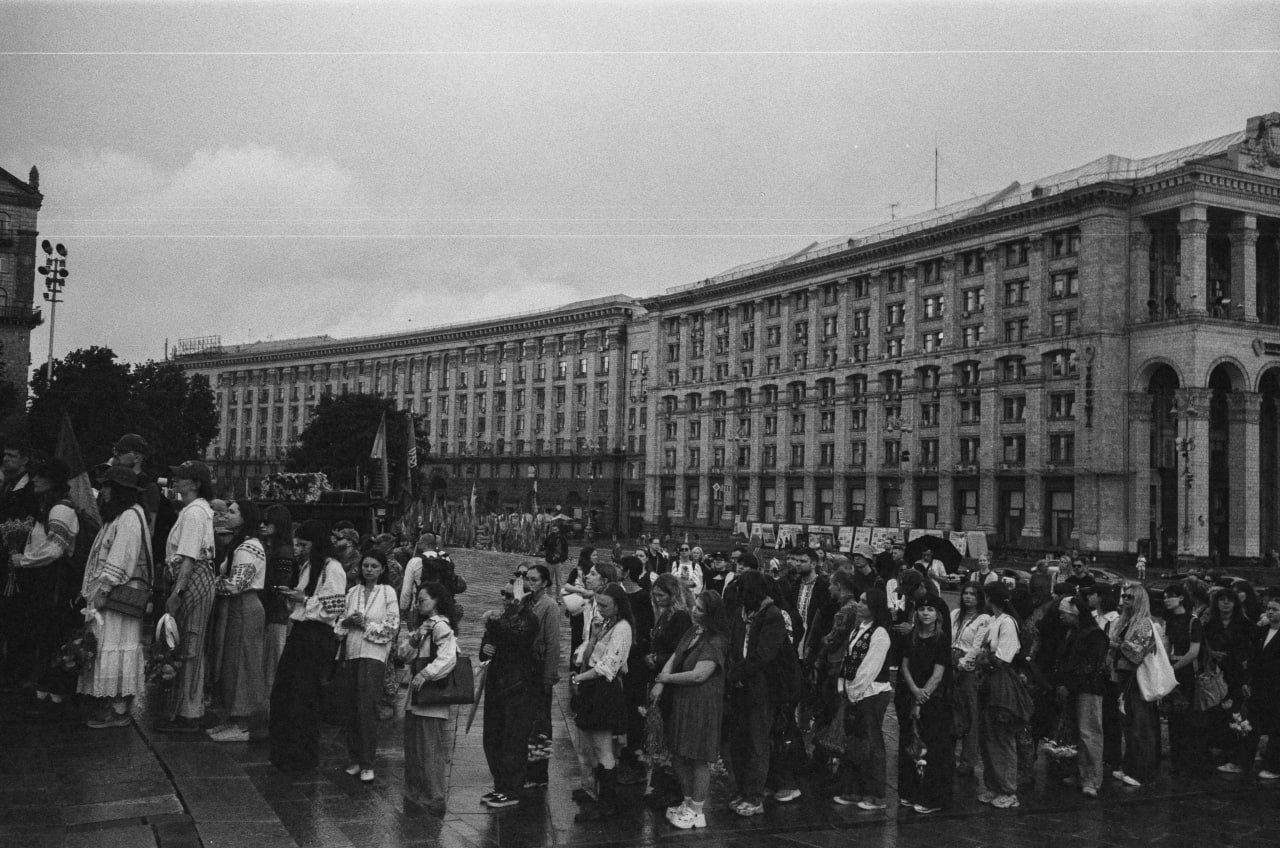
The streets were packed. When the hearse crawled past, people dropped to their knees on the slick pavement, row after row, performing that practiced ritual this city has memorized by heart. Later, down on Maidan , the speeches rolled out through the damp air until one of his brothers-in-arms stepped up and read the letter Yaroslav had written specifically for this hour.
And it was funny.
That’s the part I can never quite beat into words. It wasn’t a solemn, rehearsed memorial speech; it was him. The punchline was aimed squarely at himself, sliding a sharp, absurd joke right where the heaviest grief was supposed to sit. A crowd standing there drowning in tears suddenly barked out laughter, only to realize half a syllable later that laughing and sobbing sounded exactly the same.
At the very bottom of that letter, signing off from a reality he knew might swallow him, he wrote it down plain: zvychainyi soldat. An ordinary soldier. Doing zvychaini zadachi ordinary tasks.
It’s still there. Look up his music on any platform, scroll down to the bio line, and that’s what you’ll read.
The final album, De novi treky—“Where are the new tracks?”—is out as of October 30, 2026.
It exists through the coordination of iron wills: his family, his fiancée, and the Third Assault Brigade’s music label, who refused to let his work in a draft folder or fade into the white noise of a server. They dragged it across the finish line, piece by piece, securing every waveform he laboured over, so that what he left behind was exactly the way he intended: visceral, funny, destructive, painful and absolutely honest.
He’s gone, but the audio is still warm.
Yaroslav.
I go back to that first evening in the gray mist, the fog wrapping around the old stones of Kyiv when you walked out of that haze, looking so much like Eminem that I had to give you shit for it right out of the gate.
I miss you with a violence that fouls the air. It is a dead weight behind the ribs, a persistent, jagged ache that refuses to smooth out into anything manageable. Yet underneath the rage of it, beneath the sheer nausea of knowing the room is empty where you should be, there is an absolute, bone-deep gratitude. To have walked beside you from that first foggy night onward, to have shared those long stretches in this city, and to have held the needle when those three numbers went into your skin I would take every ounce of this wreckage over again just to have known you.
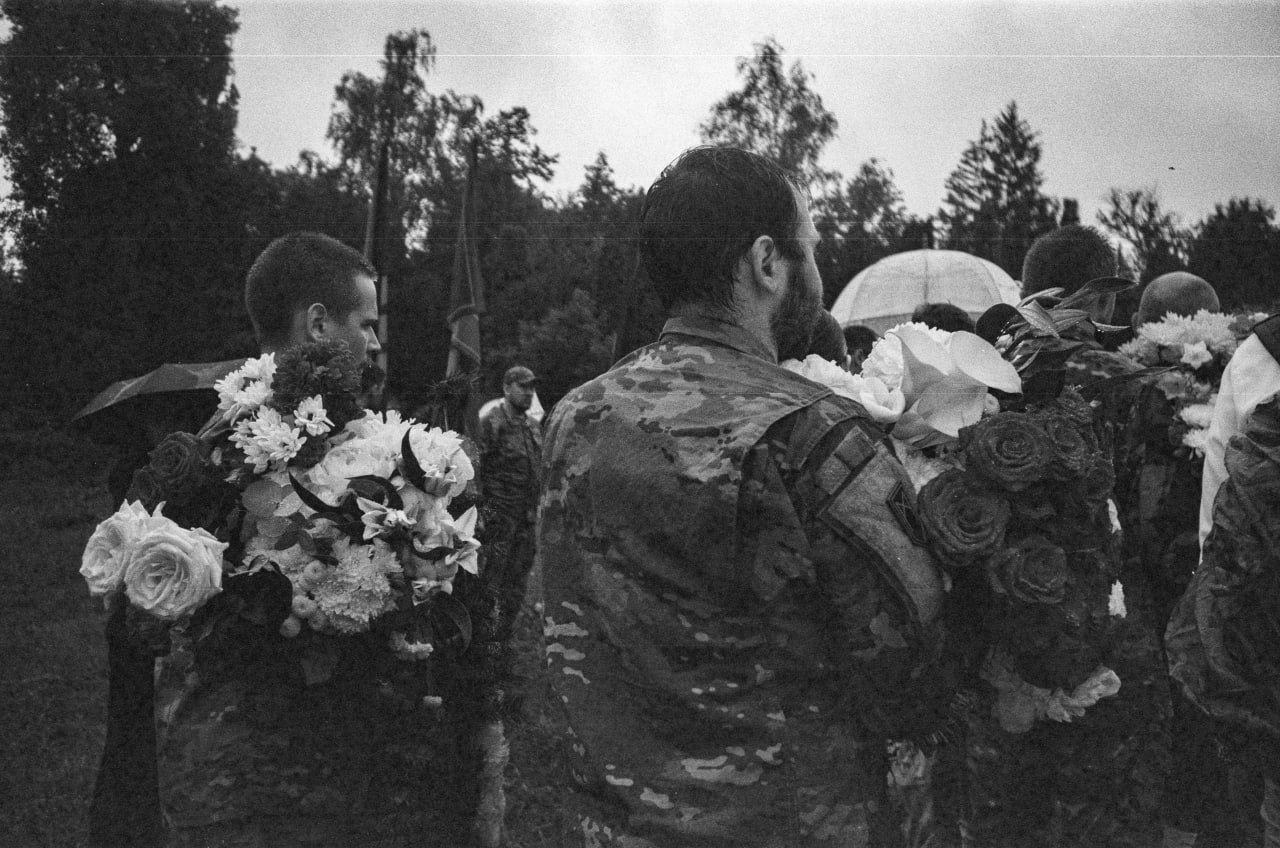
Rest, brother. The album is out today, pulled across the finish line by the ones who love you. Your line is holding.
Discuss this article: