- Category
- Opinion
What’s Inside a Russian Drone? Geran-2 Display in Warsaw Shows Western Chips Shipped Through China
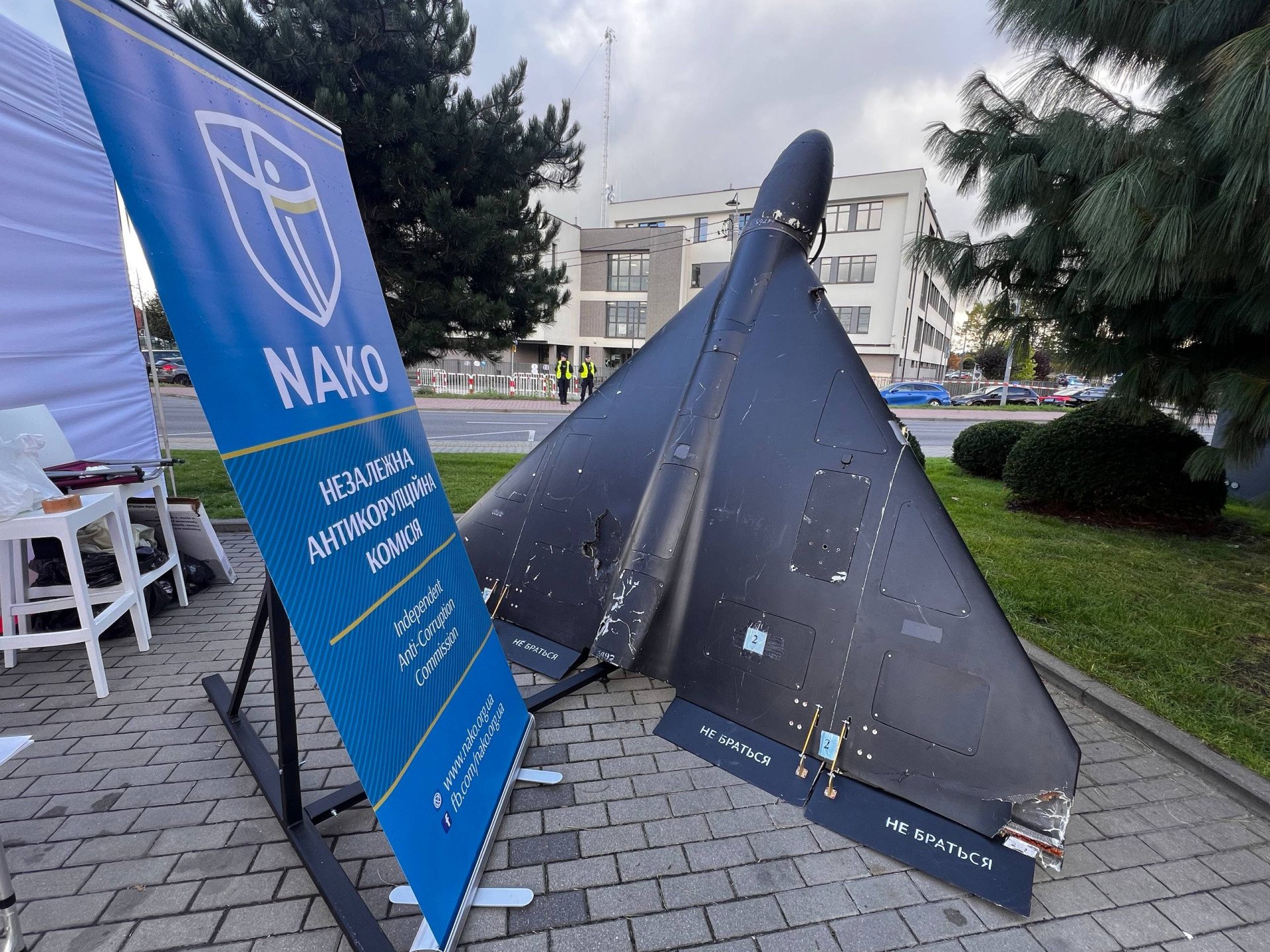
A Russian Geran-2 attack drone and samples of Western-made microelectronics recovered from downed Russian drones were among the exhibits presented by NAKO (Ukraine’s Independent Anti-Corruption Commission) at this year’s Warsaw Security Forum, with support from Ukraine’s Ministry of Foreign Affairs. It was an unusual display for an event of this kind.
 Prefer U24 Media on Google
- Authors


For forum participants, it was an opportunity to see up close the weapons Russia uses to attack Ukraine. For us, it was a chance to highlight a persistent problem: despite sanctions and export restrictions, Western-made components continue to find their way into Russia’s war machine.
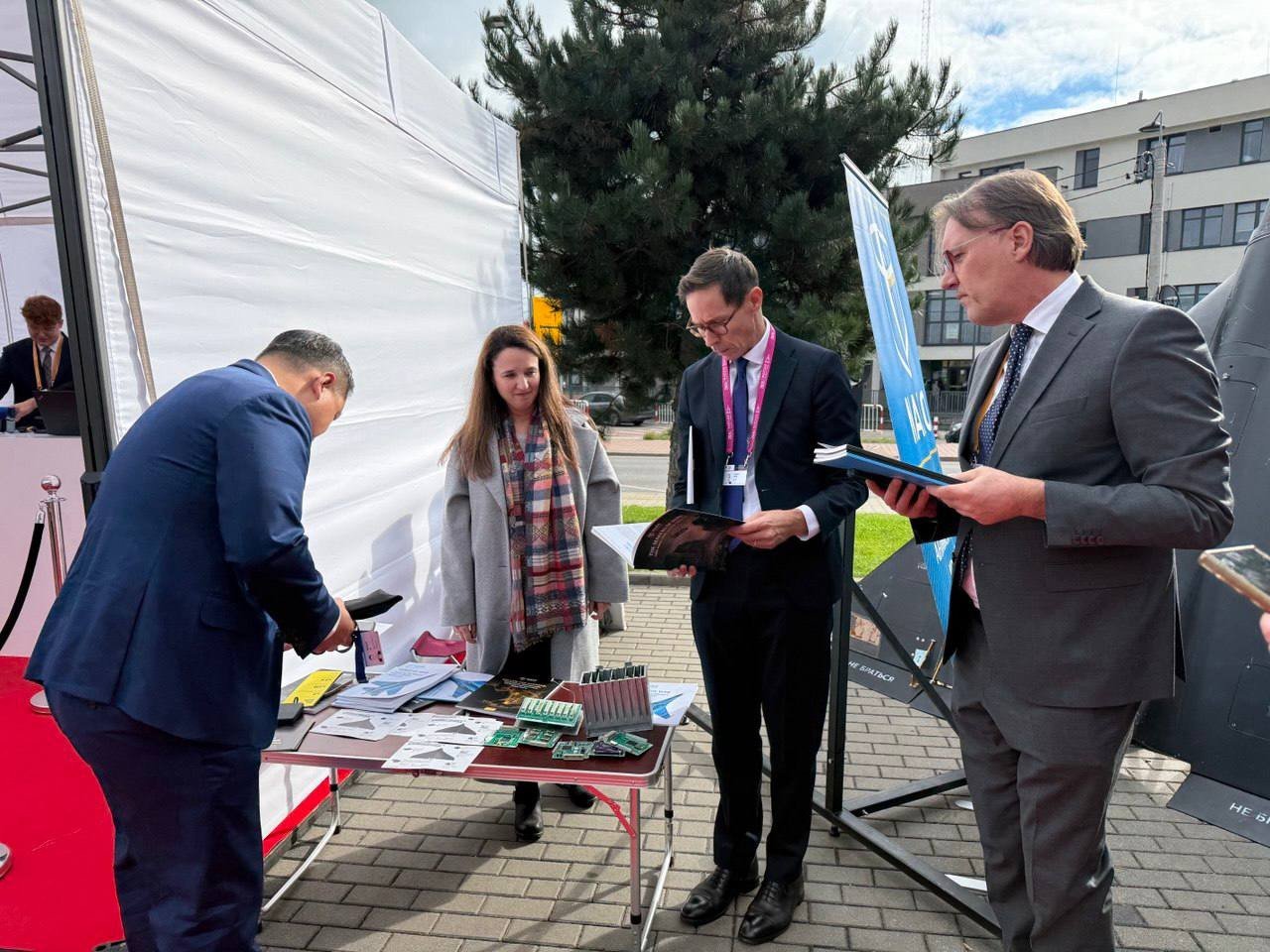
Visitors stopped to examine the drone, expressed surprise at its size, and asked about its specifications and components. One of the most frequently asked questions was: “Which Western countries are supplying technology to the Russians?”
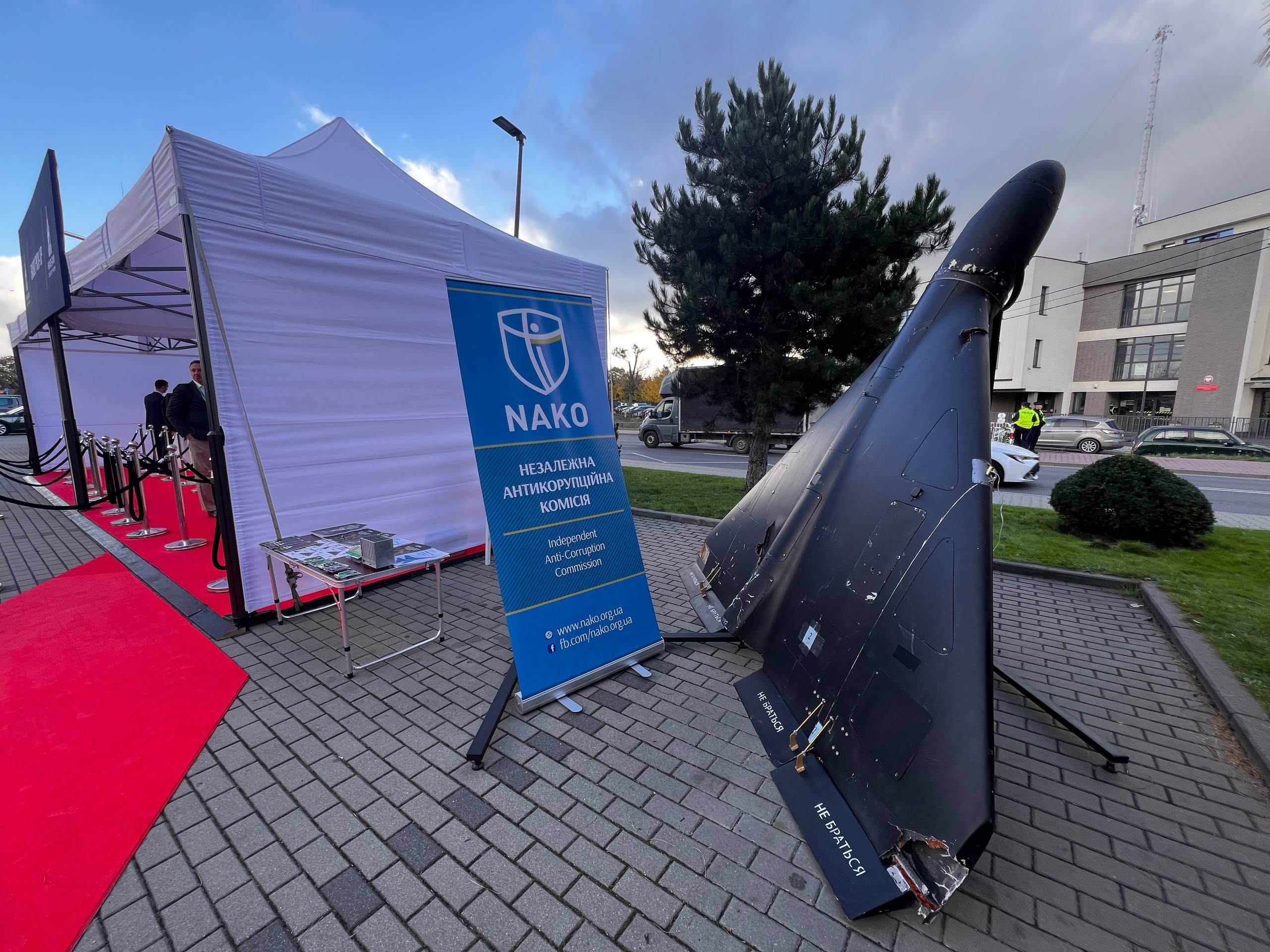
Representatives from Germany, in particular, wanted to learn more about which German-made components have been found in Russian weapons.
These questions reflect an important realization: there is an enormous gap between governments’ decisions to impose sanctions and their ability to effectively control the movement of goods.
Microchips, receivers, transistors, diodes, and other electronic components manufactured by companies in the United States, Europe, and Asia are part of the technological supply chain Russia relies on to produce weapons.
The problem is not that the world is unaware of the schemes used to circumvent sanctions. The problem is that this knowledge has yet to translate into a sufficiently effective system to counter them.
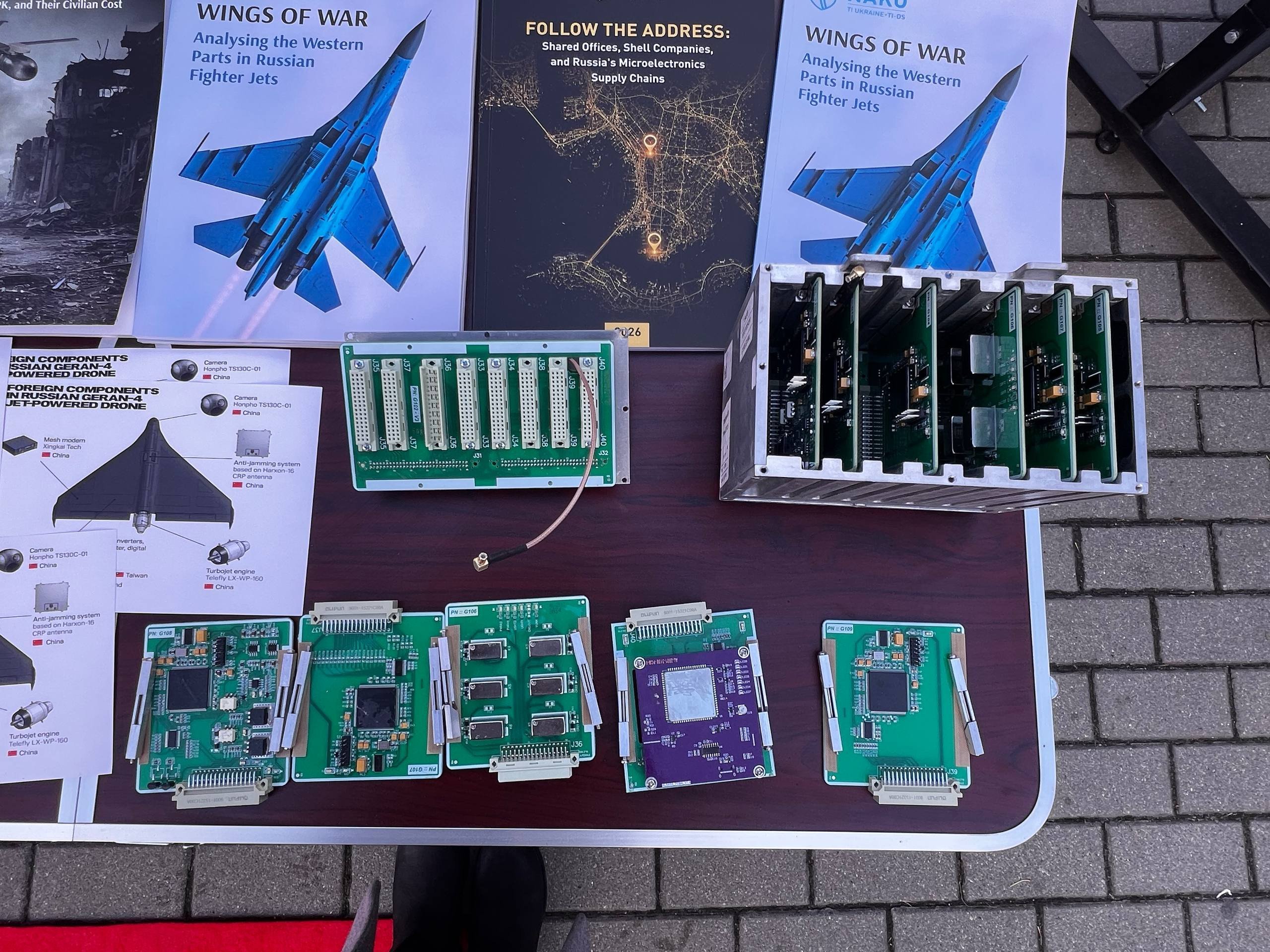
Components that should never end up in Russian weapons
Investigations by numerous media outlets, think tanks, and investigative organizations, including the Organized Crime and Corruption Reporting Project (OCCRP), have revealed just how extensively foreign-made components are used in Russian drones.
Journalists identified more than 100 components manufactured by approximately 20 European companies. These included microchips, receivers, transistors, diodes, antennas, and other parts.
An analysis of trade data revealed another striking figure: between January 2024 and March 2025, 672 shipments of sanctioned components manufactured by these European companies were recorded as entering Russia. Trade records identified 178 companies involved in these transactions, most of them based in China and Hong Kong.

This means that despite official bans on direct exports to Russia, dual-use goods continue to reach the country through intermediaries, passing through multiple jurisdictions and resale chains along the way.
Sanctions must work in practice, not just on paper
This was precisely what we discussed at the Warsaw Security Forum during the panel discussion “A War on Two Fronts: How Western Technology Fuels Adversaries,” which NAKO co-organized and which I had the honor of moderating.
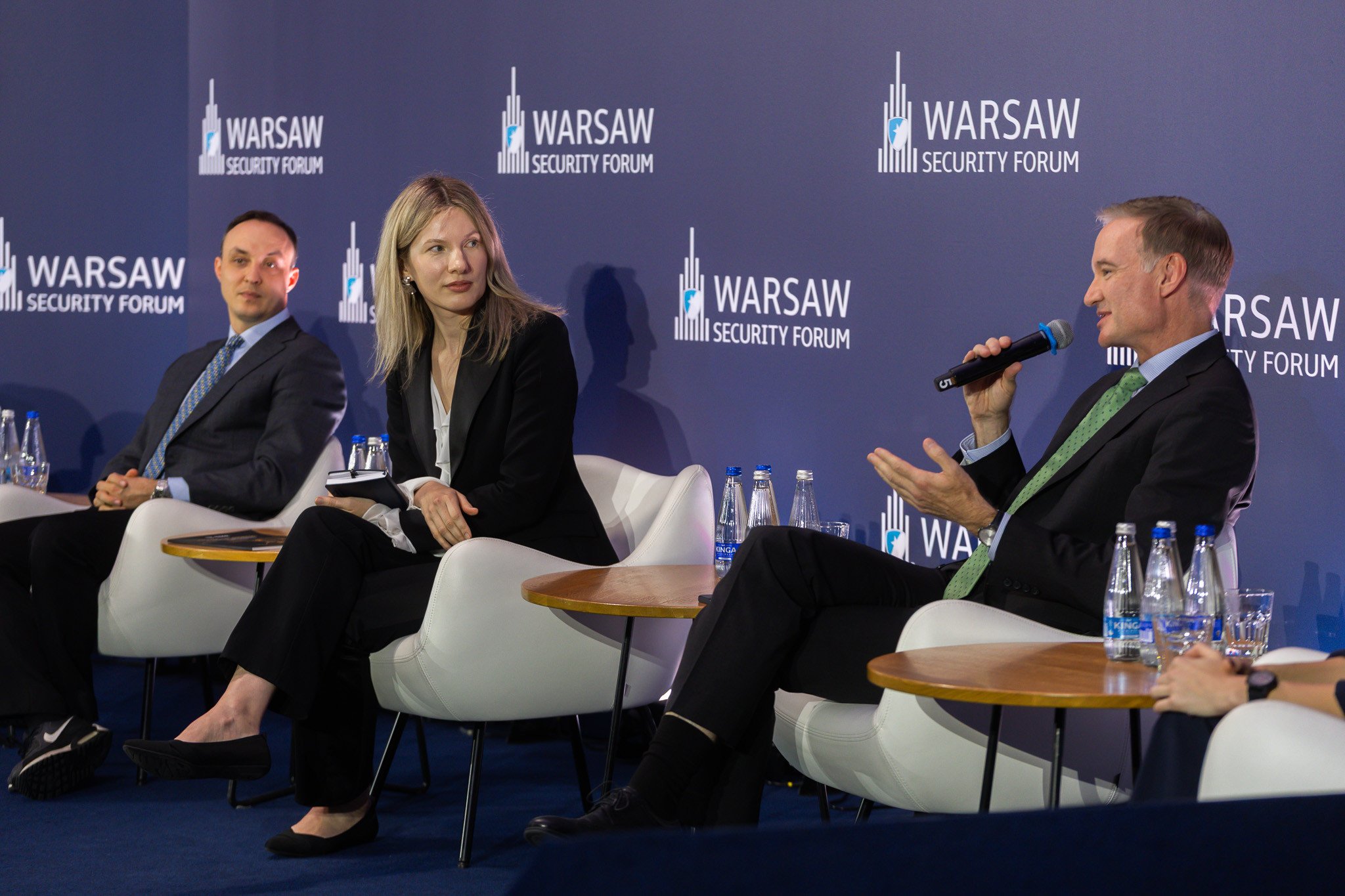
David O’Sullivan, the EU Special Envoy for Sanctions, acknowledged the complexity of the challenge.
“Unfortunately, we will never be able to completely cut off these supplies,” he said, referring to the various channels through which components continue to reach Russia.
This does not mean that such efforts are futile. But it does mean that sanctions policy must continually adapt to the methods Russia uses to circumvent restrictions.
Former UK Defense Secretary Ben Wallace suggested placing greater emphasis on financial flows. Tracking every individual component is difficult: many parts have civilian or dual-use applications, and their supply chains can be long and opaque. Yet someone has to pay for every shipment.
“Follow the money. Perhaps focus more on that than on the components themselves. Because tracking components is incredibly difficult,” Wallace said.
This approach should be complemented by another method: analyzing the registered addresses of intermediary companies.

At NAKO, we investigate how businesses that appear entirely ordinary can conceal participants in complex gray-market supply chains. Our research, Follow the Address, found that some companies in China involved in these networks report business activities that, at first glance, have nothing to do with microelectronics. These include hat retailers, beauty salons, and manufacturers of adult products.
Another warning sign I highlighted during the discussion was the mass registration of companies at a single address in Hong Kong. Such networks may use artificial intelligence to create fake websites and documents.
That is why we urge compliance professionals and sanctions experts to examine not only a company’s name and product listings, but also its registered address, registration history, affiliated businesses, and counterparties.
A shared address is not, in itself, evidence of wrongdoing. But it is a signal worth investigating alongside other information. When dozens or even hundreds of companies operating under different names are registered at the same address, that information can help uncover suspicious connections and raise the right questions.
What needs to change in sanctions policy?
Identifying these schemes—and, more importantly, stopping illicit shipments—requires closer cooperation among governments, customs authorities, financial institutions, and businesses. Above all, those who knowingly facilitate sanctions evasion must face real consequences, not merely penalties that exist on paper.
No single tool can shut down every supply route. But combining trade and financial flow analysis, corporate network investigations, and international coordination can make these channels significantly more expensive and risky for those who use them.
At the Warsaw Security Forum, the Russian drone served as a powerful illustration of how Russia’s war against Ukraine depends not only on its own manufacturing capabilities but also on access to technologies that continue to reach it through international supply chains.

Our task is to ensure that these supply chains no longer fuel Russia’s war machine. After all, every component that fails to reach a Russian drone represents more than just effective enforcement. It is a chance to save someone’s life.
Discuss this article: