- Category
- Interview
Europe Must Get Tougher on Russian Oil Buyers: Interview with Bill Browder, Architect of Magnitsky Sanctions
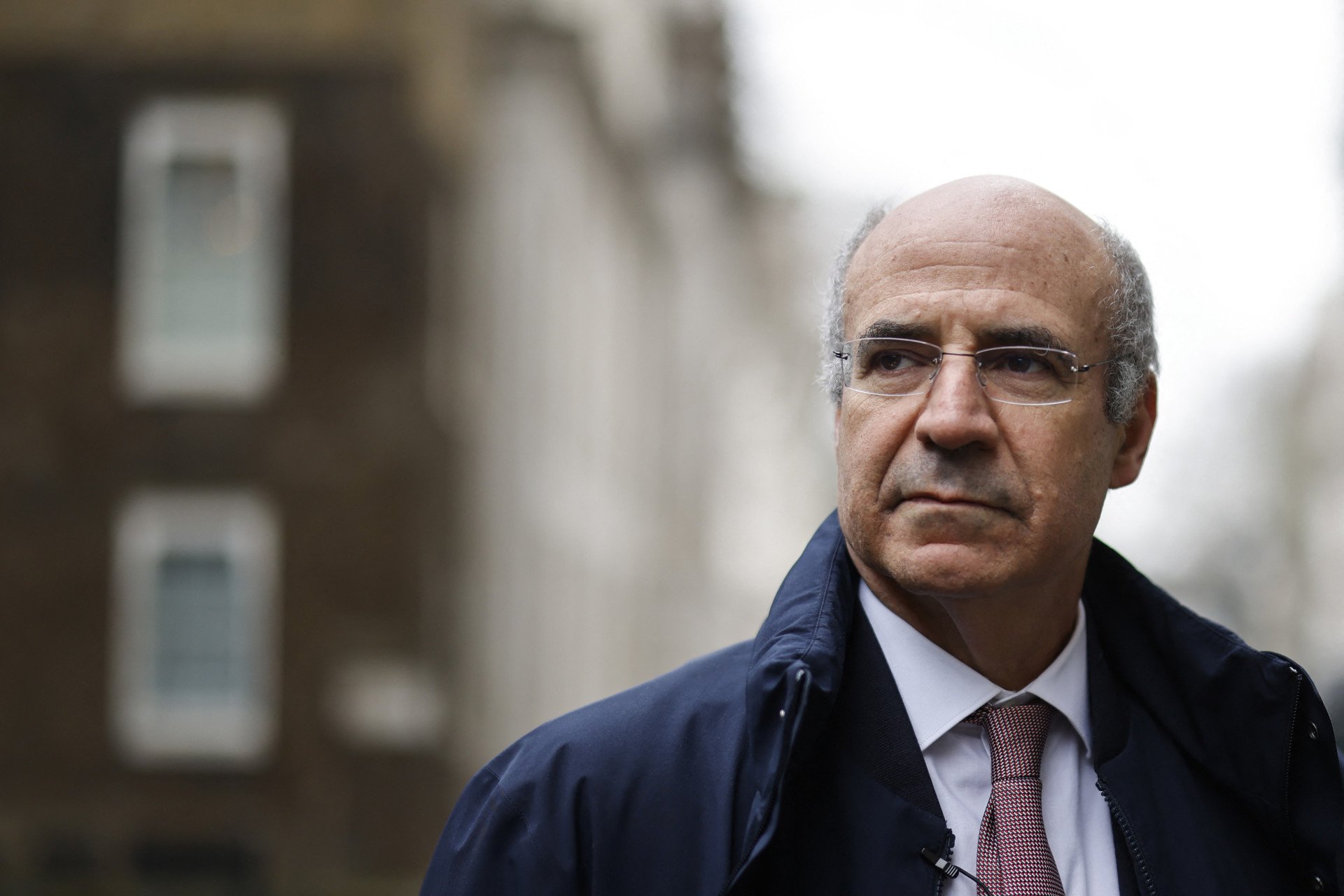
In a blitz interview with UNITED24 Media on the sidelines of the 2026 Warsaw Security Forum, Bill Browder discusses the weaknesses of European sanctions, Russia’s use of cryptocurrency to bypass restrictions, Western technology in Russian weapons, and the debate over confiscating frozen Russian assets.
 Prefer U24 Media on Google
- Authors

-206008aed5f329e86c52788e3e423f23.jpg "Photo of Oleksandr Moiseienko")
Russia is increasingly seen as a direct threat to European security. In your view, are the current sanctions imposed by the European Union and other Western countries strong enough to address that threat?
There are a number of holes in the European sanctions policy.
The biggest one, as far as Russia is concerned, is crude oil. Russia survives on revenues from oil sales. To take away that lifeline, the European Union needs to be much tougher on the buyers of Russian crude.
That means China, India, and Türkiye would have to face sanctions to stop buying Russian oil. I don't think Europe currently has the appetite to address that issue.
The second problem is that the European Union does not have a sanctions regime targeting corruption under its Magnitsky framework .
The United States, Canada, Australia, and the United Kingdom impose sanctions for both human rights abuses and corruption. The EU's Magnitsky sanctions regime covers human rights abuses but not corruption.
We're trying to get corruption added to the EU Magnitsky Act.
The reason it wasn't included was Hungary's opposition. Viktor Orbán blocked it. [According to Browder, the Hungarian government has since indicated that it would no longer stand in the way.]
I believe corruption should now be added to the EU Magnitsky Act.
Different countries enforce sanctions differently. The EU, the United States, and the United Kingdom have their own legal systems, and Russia exploits the gaps between them. Is it possible to create a common Western system of sanctions enforcement to prevent circumvention?
One of the most obvious ways Russia has circumvented sanctions is through the creation and use of cryptocurrencies.
The cryptocurrency A7A5 has been used to bypass $100 billion worth of sanctions.
The Russians have been very smart about using cryptocurrency. We've been less smart about how to block it.
-0db32868f7db654aafb550c14d280598.png)
There is a major technological gap that needs to be closed to address this issue.
You mentioned China, India, and Türkiye as major buyers of Russian oil. But the EU and the UK are deeply integrated into the global economy. Is it realistic to sanction companies in countries such as China or Türkiye for purchasing Russian crude? And could doing so create risks for the global economy?
It's a question of who is more confident.
Imagine a world in which the United States and the European Union were cooperating closely.
If the US, EU, UK, Canada, and Japan told two major Chinese oil companies, "If you continue buying Russian oil, we're not going to do any business with you," I think that would be a very credible threat.
Russia and Iran have been under sanctions for years, yet they continue producing missiles, drones, and other weapons. Their defense industries still rely heavily on Western technologies. Can the existing sanctions system actually prevent these technologies from reaching Russia?
We're now on what I believe is the 23rd EU sanctions package. Each time, it's like a game of whack-a-mole: you hit one target, and another one pops up.
You have to constantly adjust the sanctions and identify where the holes are.
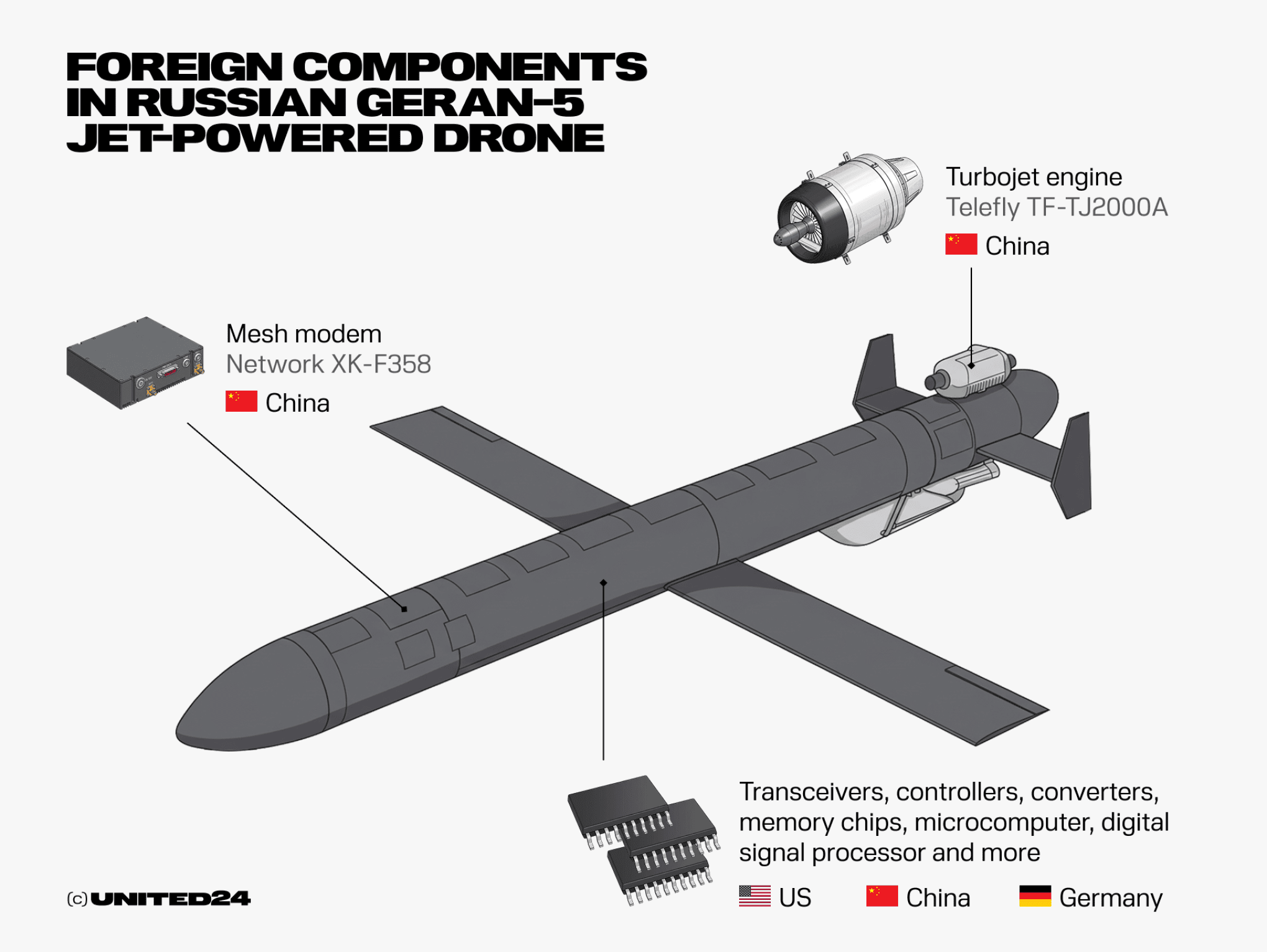
It's not as though the Russians are finding life easy. They have to go to great lengths to find parts for their aircraft, bombs, and drones.
There are countries helping Russia. North Korea does so openly, Iran openly, and China more discreetly.
The more we can identify these networks and figure out where the pressure points are, the better.
We can't simply say that sanctions are difficult to enforce, that they don't work perfectly, and therefore we should give up.
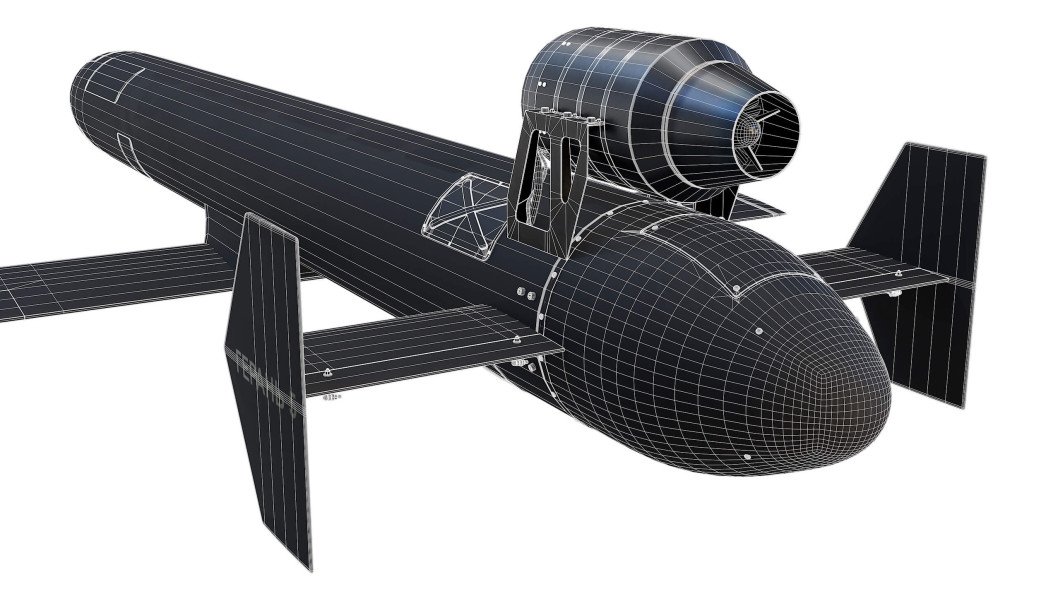
European manufacturers could arguably do more to prevent their technologies from reaching Russia. Should they bear greater responsibility for ensuring that their products are not used in Russian weapons?
European governments should become much more aggressive in prosecuting and punishing European companies that bypass sanctions, particularly when those violations are connected to arms procurement.
Sanctions have also become a political issue. Some European populist politicians use the economic consequences of sanctions to criticize their governments. How should Western leaders explain to ordinary people why sanctions against Russia are necessary?
I think there's a misperception.
I don't believe that many people are particularly sympathetic to Russia.
Three days ago, Ukrainians bombed a number of Yandex server facilities in Russia. Suddenly, there was a massive decline in positive online discussion about AfD, Tucker Carlson, and others.
A lot of what appears to be popular political opinion actually comes from Russia — from bot farms and Russian social media influence operations.
Russian bot farms and influence operations have existed for years. They were discussed even during the Brexit campaign. Now that European governments increasingly recognize the scale of the threat, do you think they are prepared to act more decisively?
I don't think European governments are ever going to bomb Russian server farms.
But we should give Volodymyr Zelenskyy a big pat on the back for solving not only Ukraine's problem but also ours.
He should destroy a few more of these facilities, because we live in open societies, and Russia takes advantage of that openness through social media.
-c66ff860c4c56f65ba5aa7912133d4bd.png)
Let’s turn to a difficult question for Ukraine: frozen Russian assets. Some European politicians argue that confiscating these assets could threaten the stability of Europe's financial system. You've spent many years working in financial markets. As a former investor, how credible do you find these arguments? Are the risks real?
They're not real. It's a perceived threat.
Again, it comes from a Russian influence operation. There's no risk to European financial markets if we confiscate the money.
But European leaders, including Belgium's prime minister, have raised concerns about the consequences.
The prime minister of Belgium was personally threatened by Putin.
Finally, you've spent many years fighting for justice for Sergei Magnitsky . Do you think the people responsible for his death, as well as those responsible for Russia's war against Ukraine today, understand what they've done? Do they feel any personal responsibility?
The murder of my lawyer, Sergei Magnitsky, changed my life 17 years ago.
He was killed because he worked for me.
He would still be alive today if he hadn't been my lawyer.
I continue to feel outrage over the impunity and heartbreak over his death.
And I'll continue to fight for him and for other victims.
Discuss this article:

-f3430f0449615e9897dff835086ac204.jpg "Ukraine Broke With a Soviet-Era Military System and Rebuilt It Around the Soldier")
-e126c16a85d580738cf2d57e760b80a3.jpeg "Photo of Vladyslav Greziev")


-930ed56b9d4c7f0232c62eddea7edc08.jpg "Ukraine’s Mindset Has Changed Faster Than Most of Europe—What 35 Years of Data Show")
-d6c21a19c8fd931d512b5818298453c4.jpeg "Maryna Starodubska")