- Category
- World
How Orbán’s Obsession With Ukraine Is Taking Over Election Campaign
 Prefer U24 Media on Google
- Authors


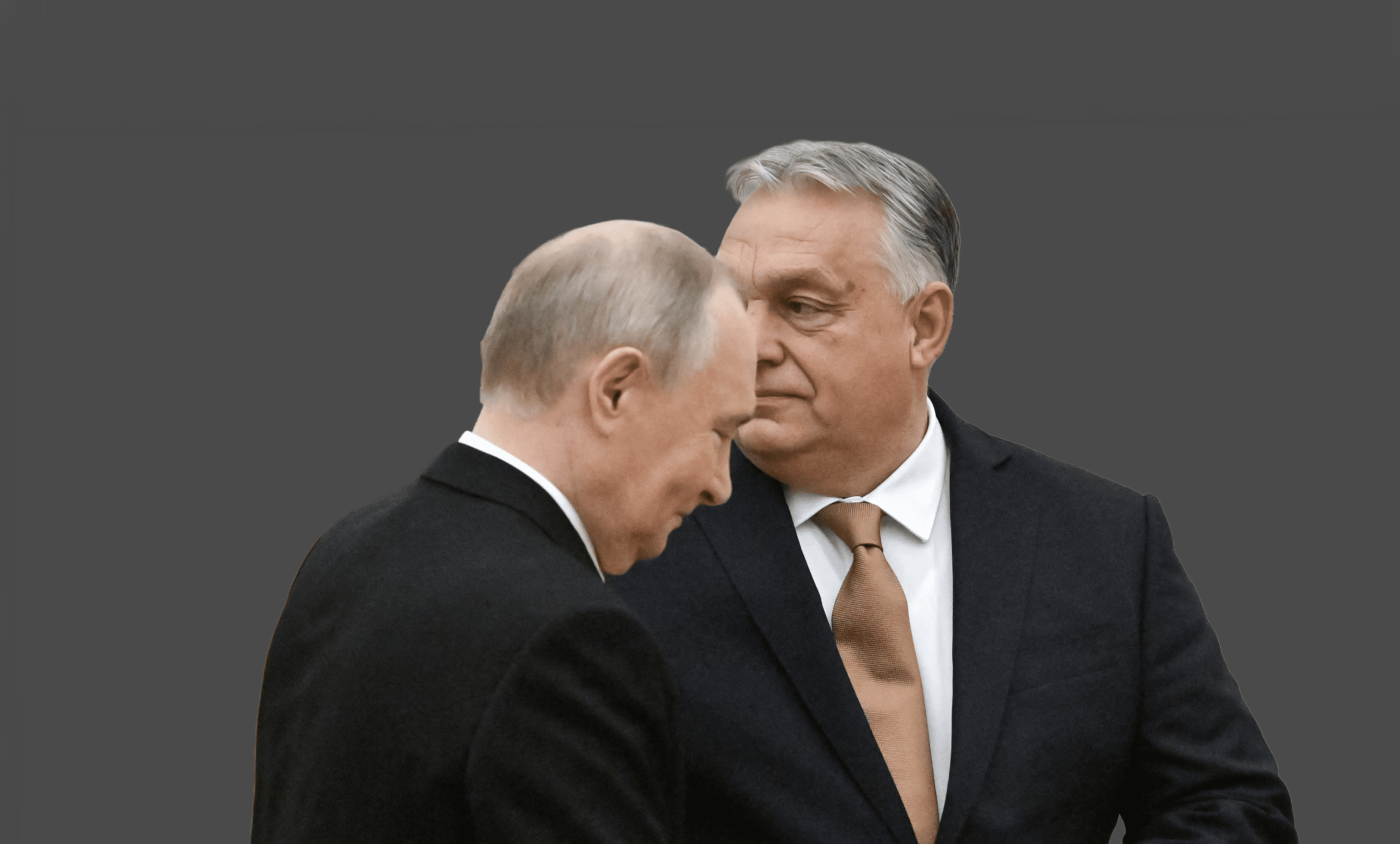
As Hungary heads toward a pivotal election, Ukraine dominates Prime Minister Viktor Orbán’s campaign. Rather than focusing on mounting domestic challenges, Orbán has repeatedly blamed Kyiv, even saying he would act as “Vladimir Putin’s mouse” to assist Russia.
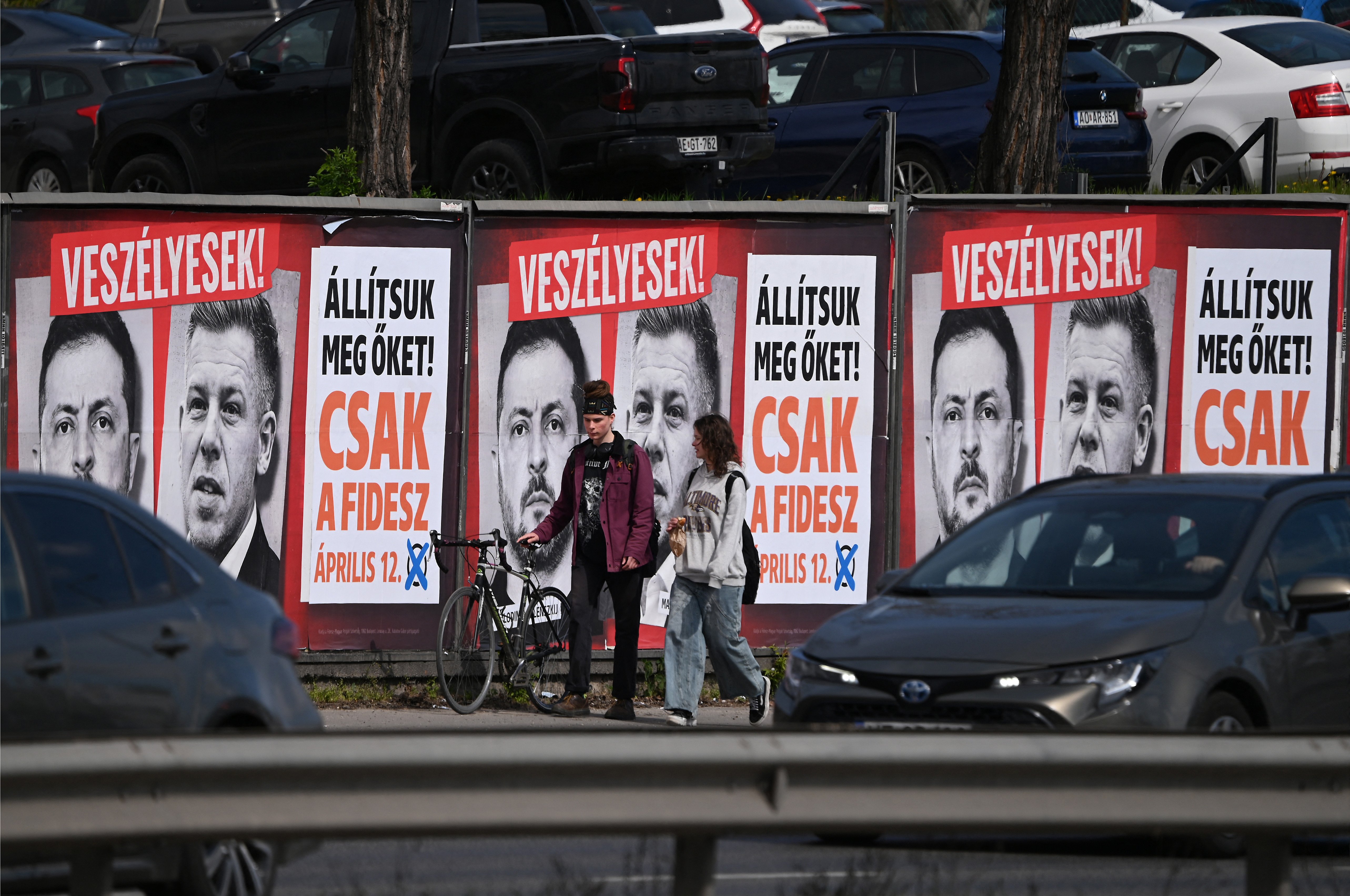
At first glance, the billboards adorning every Budapest street could make you think that Hungarian voters may have to choose between current Prime Minister Viktor Orbán and Ukrainian President Volodymyr Zelenskyy.
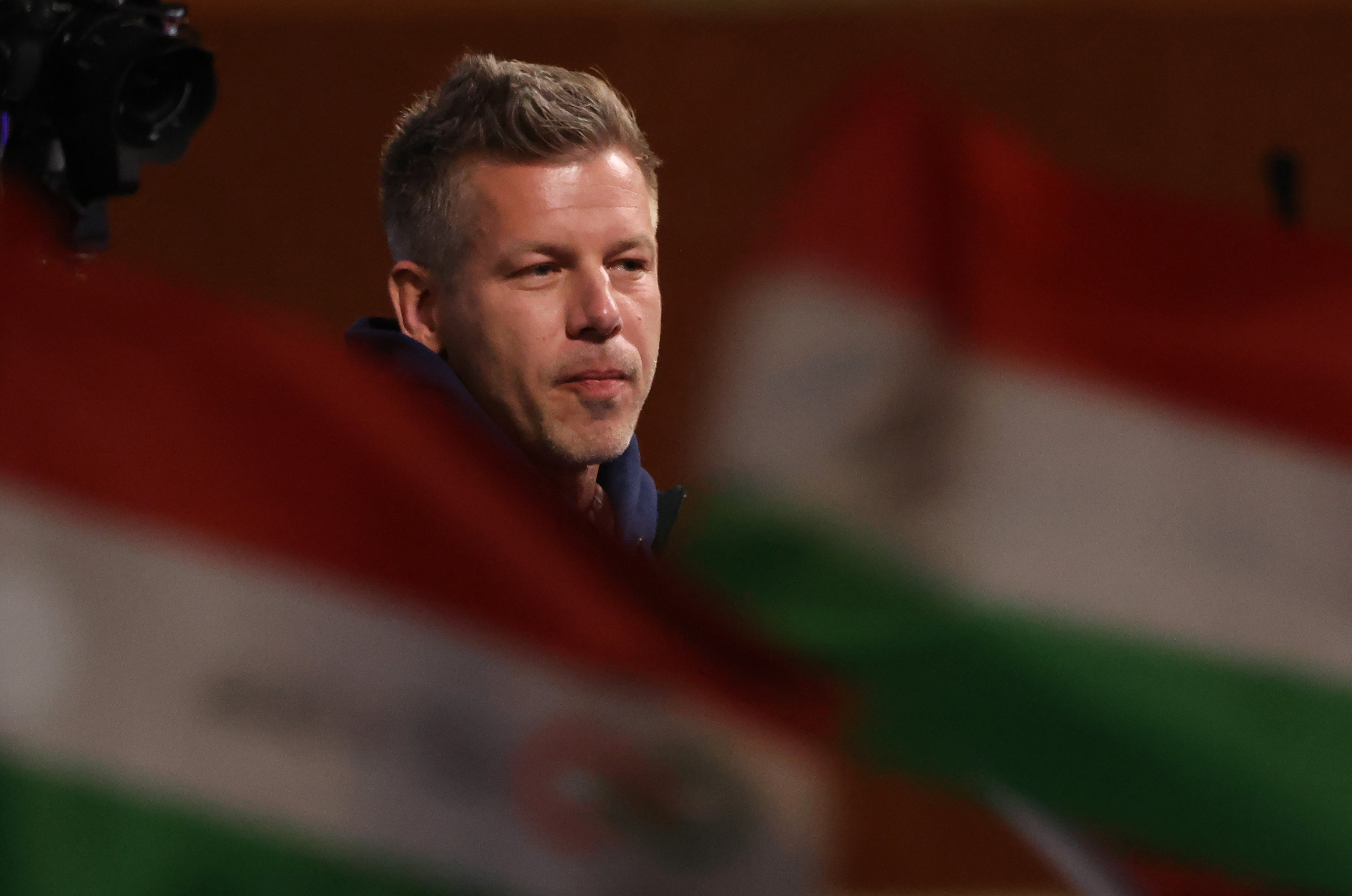
Meanwhile, Orbán’s contender, Péter Magyar, could win a two-thirds majority, according to the Hungarian polling company Medián, by running a campaign on bread-and-butter issues, such as failing healthcare and education systems and a stagnating economy, according to Balkan Insight.
These issues have deepened during Orbán’s 16 years in power, since the partial freezing of EU funds over rule-of-law and corruption concerns has taken a visible toll on the Hungarian economy.
“The Hungarian economy is indeed in bad shape, with no growth for three years coupled with a high deficit,” Eva Palocz, director of the independent economic research institute Kopint-Tarki, told Balkan Insight.
Yet, instead of focusing on the economic and domestic problems largely caused by his government’s fund mishandling, Orbán keeps hammering the same over and over again: everything is Ukraine’s fault.
The country is bracing for high-stakes elections that could cost Orbán his seat if he concedes. Magyar’s center-right Tisza party could give him the key to power, allowing it to amend the constitution and key laws needed to unlock EU funds.
Fidesz, Orbán’s party, systematically connects every scandal to Ukrainian disinformation. Orbán recently declared that there are currently 400 Ukrainian agents in Hungary who are here to influence the elections, a claim unsupported by facts.
Scandals and revelations about Orbán’s government keep surfacing, revealing the extent of Moscow’s influence over it and transforming the country into “something approximating a fifth column in Brussels,” according to a series of recent investigations by a consortium of journalists published on VSquare.org.
A “lion’s mouse” of blackmail
However, leaked calls between Foreign Minister Péter Szijjártó and his Russian counterpart, Sergey Lavrov, revealed close coordination between the two, with Szijjártó reportedly offering to send EU documents to Moscow via the Hungarian Embassy. The revelations involve discussion of Hungary’s role in blocking financial aid to Ukraine and impeding its accession negotiations with the EU.
“Sometimes good-willed direct blackmailing is the best option,” Lavrov told Szijjártó, journalist Michael Weiss reported.
“Their relationship was more akin to a spy handler and agent in the field than to two peer foreign ministers,” an intelligence officer quoted by VSquare said.
The first part of the investigation revealed that Szijjártó had acted at Lavrov's request to push for the removal of Russian billionaire Alisher Usmanov’s sister from the EU sanctions lists.
Hungary and Russia have also signed a previously undisclosed 12-point plan to deepen their cooperation, laying out an extensive agenda to reverse the decline in bilateral trade caused by EU sanctions and calling for the expansion of Russian oil, gas, and nuclear fuel projects.
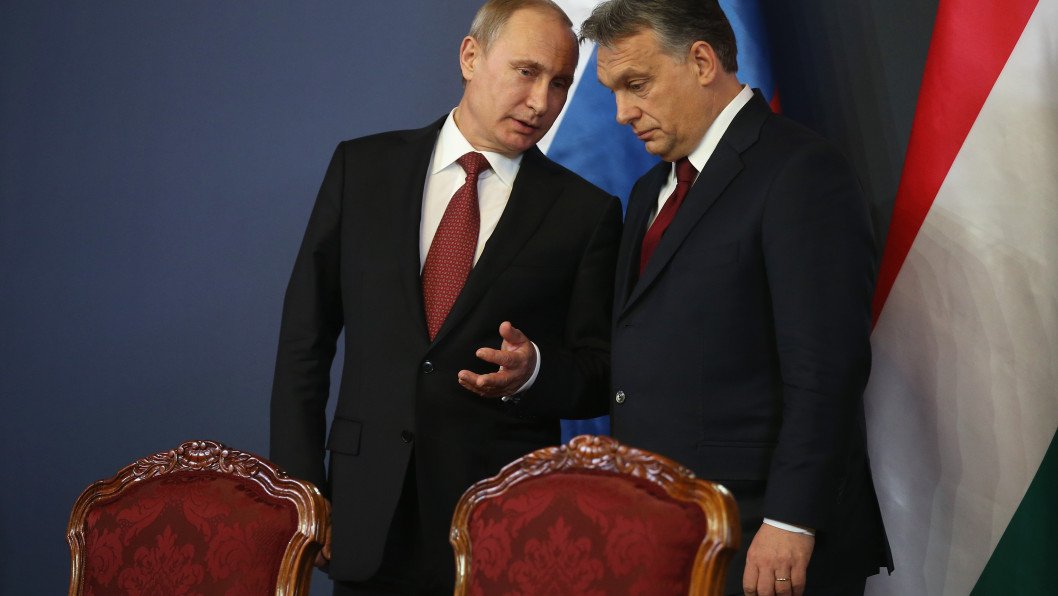
The strong suspicion caused by the alignment between Moscow and Orbán’s rhetoric is now laid bare.
During another explosive leaked call in October 2025, Orbán reportedly told Vladimir Putin he was ready to assist him “in any way,” offering to help organize talks related to Russia’s war against Ukraine, according to Bloomberg on April 7.
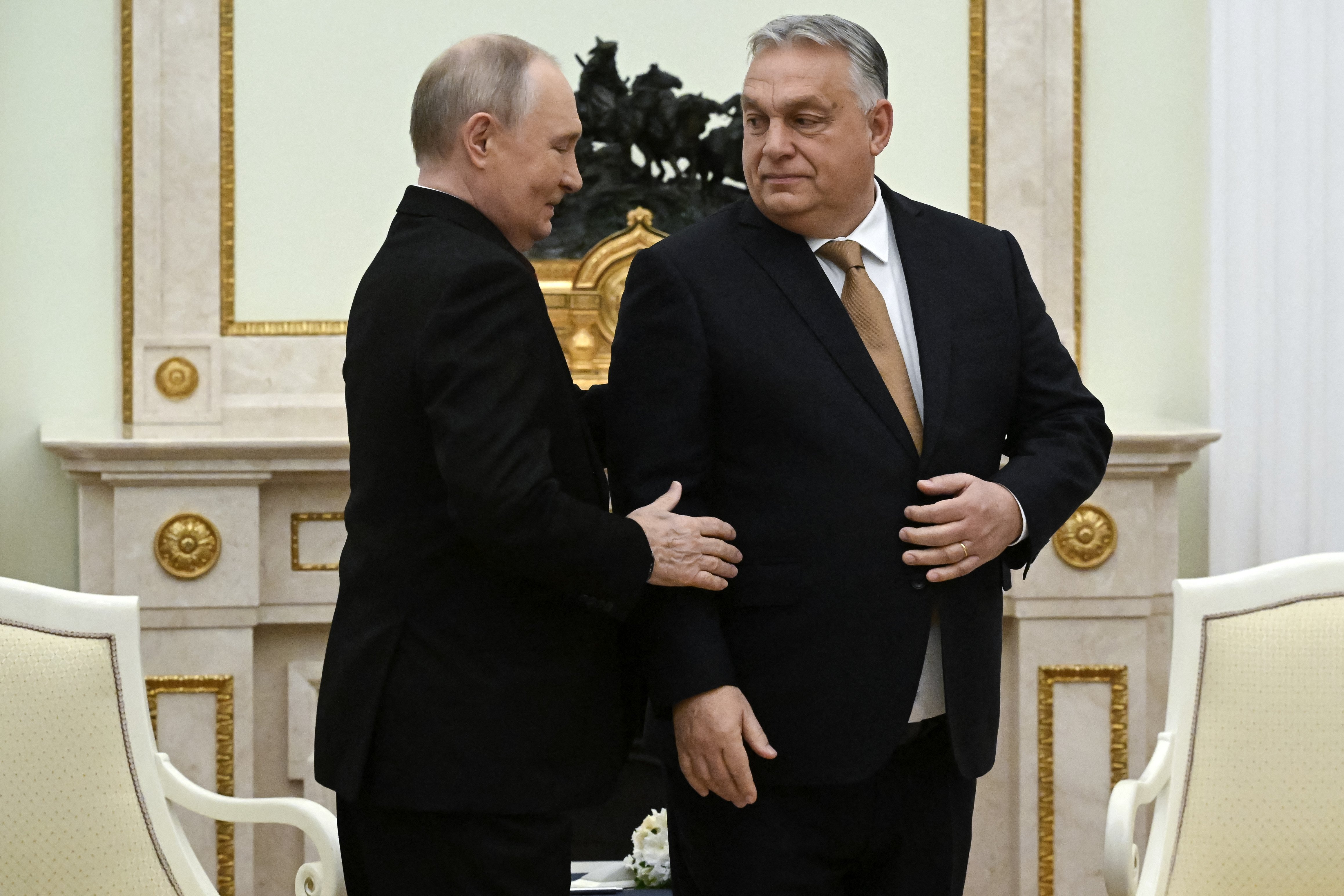
“Yesterday our friendship rose to such a high level that I can help in any way,” Orbán said, according to a Hungarian government transcript of the October call reviewed by Bloomberg. “In any matter where I can be of assistance, I am at your service.”
On April 9, he said he saw nothing “compromising” in the details of the conversation with the Kremlin leader, adding that it was a “normal formula” in communication.
Orbán even compared himself to a mouse aiding a lion, a remark that drew laughter from Putin, but shows the extent of Hungary’s prime minister's ties to the Kremlin, putting him at odds with the European Union. European leaders have long warned Hungary over its repeated vetoes of the aid package for Ukraine.
Vetoing the way
Most recently, Orbán refused to lift his veto over a €90 billion loan package for Ukraine during a European Council meeting on March 19, sparking fiery comments from German Chancellor Friedrich Merz, who said Orbán's actions amounted to "a gross act of disloyalty", while European Council head António Costa described them as "blackmail.”
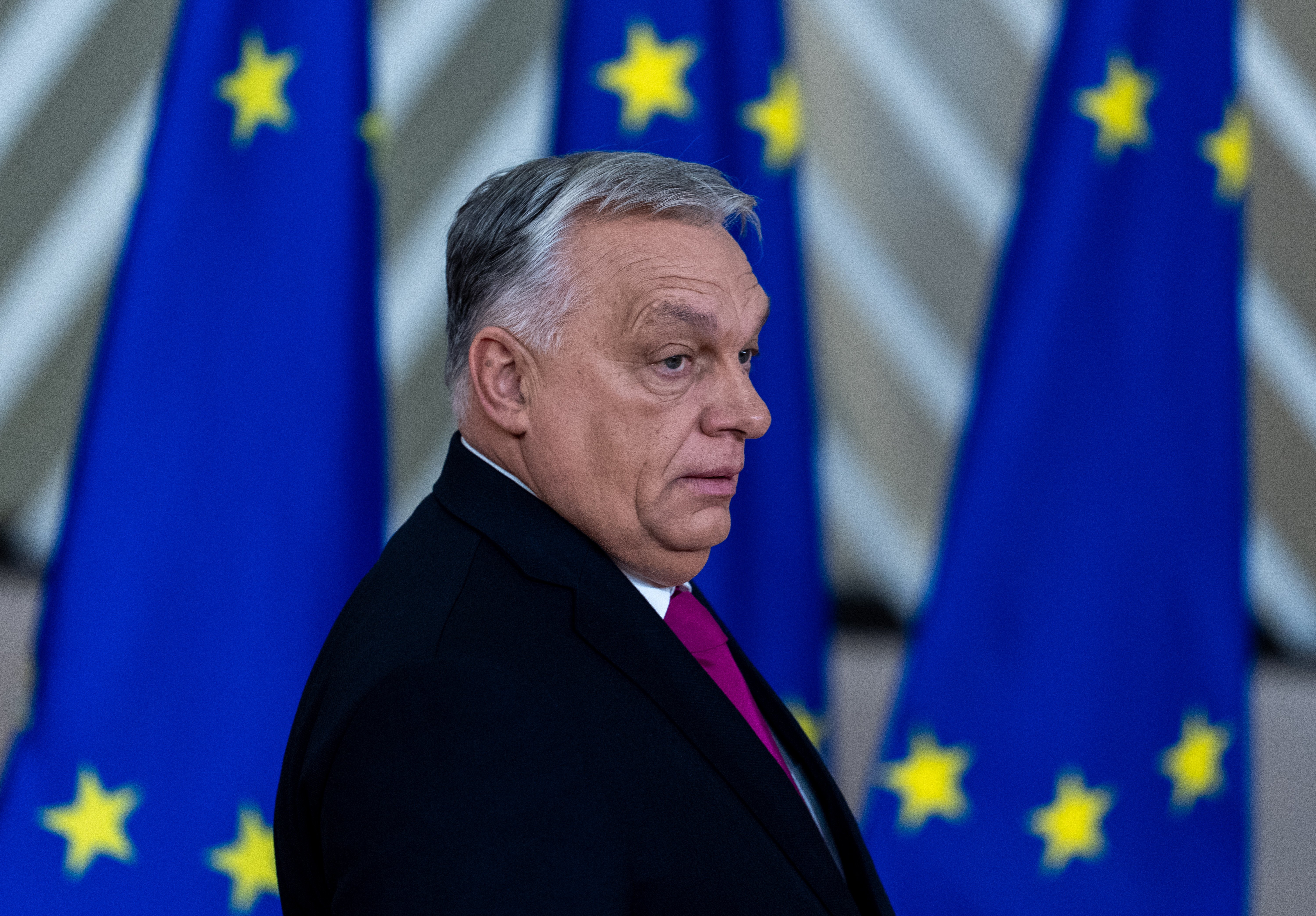
Orbán has repeatedly blocked aid to Ukraine under various pretexts, to the point that in December 2023, former German Chancellor Olaf Scholz suggested that Orbán take a brief coffee break so the other 26 EU members could reach an agreement on opening accession negotiations with Ukraine. The unanimous decision was made by the leaders of the 26 EU countries, without the Hungarian PM.
“This [veto-ed.] cannot be overridden every time by going out the door. This is for special moments,” Scholz later said.
After the vote, Orbán boasted that Budapest could still block Ukraine's accession to the European Union, a stance he had consistently taken against Ukraine and that aligned with Moscow’s interests.
“We can block it at least 75 more times,” Orbán said.
In June 2024, Orbán’s government finally lifted its veto on Ukraine's accession to the European Union over “respect for the rights of national minorities,” a long-running dispute that had strained relations between the two countries since 2017.
In October 2019, hours before a Russian state visit to Budapest, Hungary vetoed a joint NATO statement about Ukraine because it did not mention the alleged “deprivation of rights” of the Hungarian minority in Ukraine’s Zakarpattia region, home to 100,000 ethnic Hungarians.
Hungary has long obstructed Ukraine’s ambitions to strengthen its military and economic ties with the EU and NATO, one of the many false pretexts Russia has used to wage its genocidal war against Ukraine.
Budapest insisted that changes to Ukrainian education and language laws curtailed minority rights.
For years, what appears at first glance to be a local issue between Hungary and Ukraine has favored Russia’s policy over Ukraine, increasingly putting Hungary at odds with the EU.
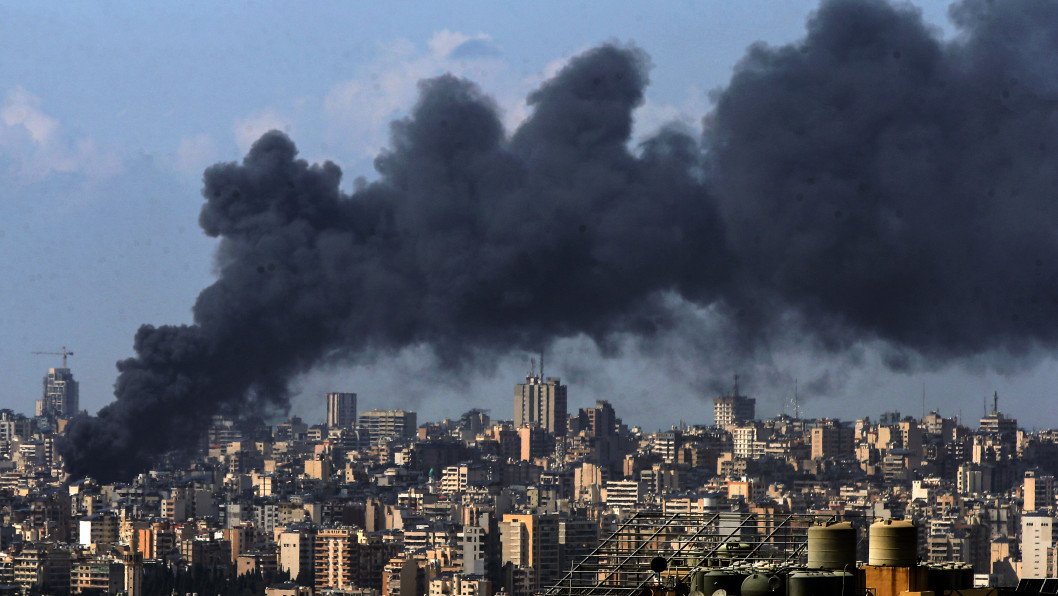
Meanwhile, on the international stage, Orban’s government reportedly offered its assistance to Iran, Russia’s ally, after the deadly Israeli pager attack that killed Hezbollah members in 2024, according to documents obtained by the Washington Post.
Szijjártó reassured Iranian officials that Hungary's national intelligence agencies had already established contact with Iranian security bodies to exchange documents and investigation results related to the incident.
“Our secret service has already contacted your services and we will share all the information we have gathered during the investigation,” Hungarian Foreign Minister told his Iranian counterpart.
Discord pipelines
Despite sanctions, Hungary’s government repeatedly attempted to bring Russian gas—the Kremlin’s war machine’s lifeline—back into the EU market.
Once again, Ukraine was recently accused of trying to sabotage Hungary’s access to gas, this time with finger-pointing after a “false flag” operation on the TurkStream pipeline, part of the route carrying Russian gas to Hungary.
Serbian President Aleksandar Vučić reported on April 5 that authorities had found “an explosive of devastating power” near the gas route in northern Serbia, close to the Hungarian border.
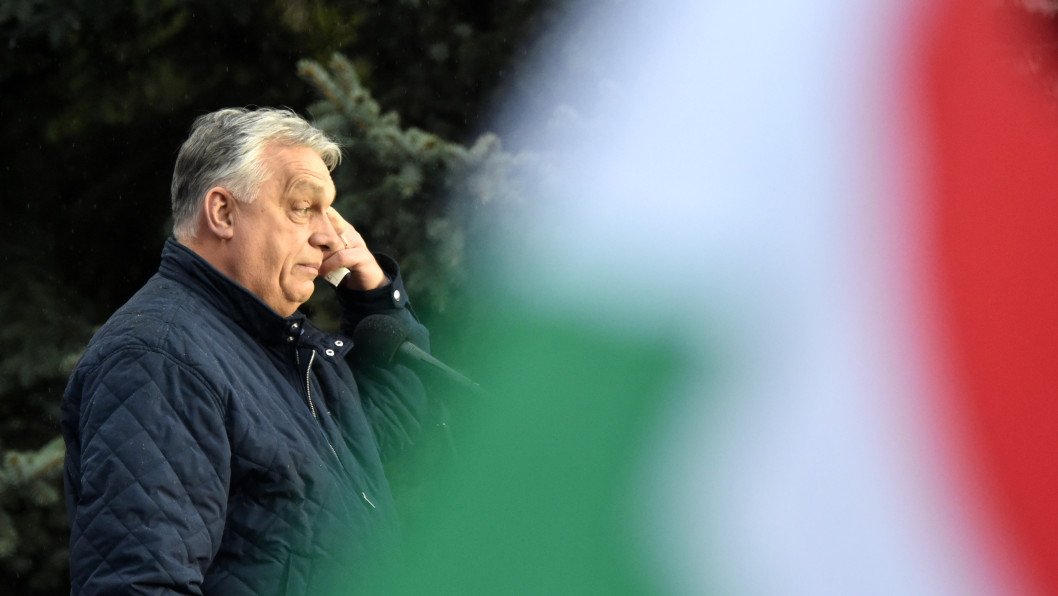
Orbán was quick to portray it as a possible case of sabotage, hinting that Ukraine was behind it since it had long worked to cut Europe off from Russian energy.
However, on April 6, Đuro Jovanić, head of Serbia’s Military Security Agency, said it found no evidence of a "Ukrainian connection" in the alleged attempt, debunking the prime minister’s claim.
“The disinformation claims that the Serbian Armed Forces and their service members would work for some third party by finding Ukrainian explosives and blaming Ukraine for it. That is not true,” he said.
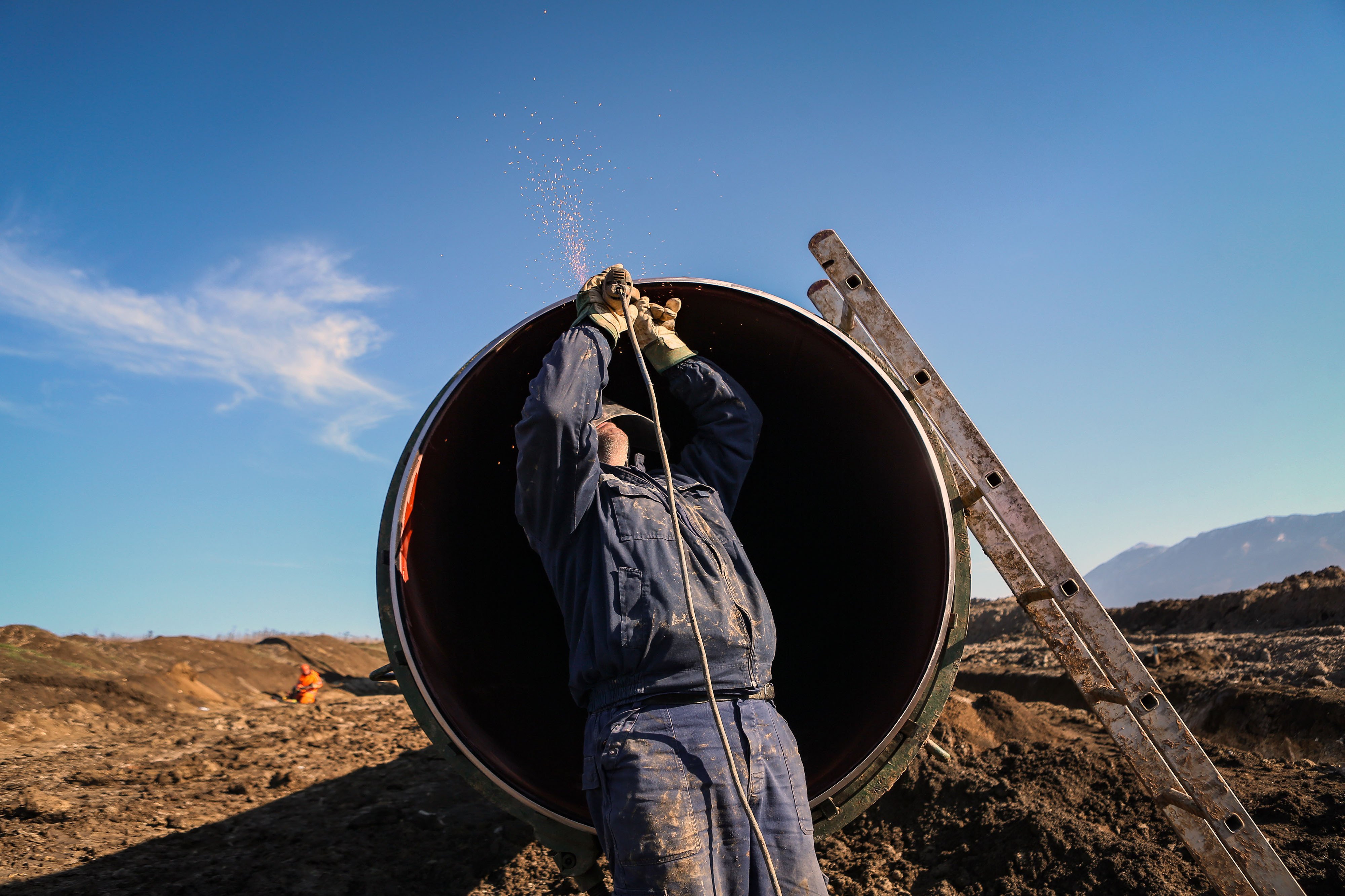
Ukraine also denied any connection. Foreign Ministry spokesperson Heorhii Tykhyi categorically rejected responsibility and described the alleged plot as “most probably, a Russian false-flag operation.”
Orbán’s domestic opponents advanced similar doubts, with opposition leader Péter Magyar suggesting the affair could amount to a staged provocation involving Serbian and Russian actors.
Yet US Vice President J.D. Vance backed Orbán’s rhetoric during a visit to Budapest on April 8, aimed at supporting the incumbent Prime Minister.
However, Zelenskyy said in March that Ukraine could restore it in about a month and a half, provided Russia launches no further attacks. He also said Ukraine could offer alternative routes.
"The allegations that Ukraine is deliberately blocking oil transit through Druzhba are baseless," Zelenskyy said.
-66a2900a622e096cca7808c9e73e093f.jpg)
Crackdown on Ukrainian assets
Under Orbán, Hungarian authorities recently went even further in targeting Ukrainians.
Seven Ukrainian nationals working for the state-owned Oschadbank were detained on March 5 by Hungarian authorities while escorting two armored vehicles transporting large sums of cash and gold from Austria to Ukraine.
The convoy reportedly carried approximately $40 million, €35 million, and 9 kilograms of gold. The convoy transited Hungary in a regular transfer of state funds, but Hungarian officials have claimed it was money for the “Ukrainian war mafia,” without giving details.
The detainees were held for more 28 hours, during which they were reportedly kept handcuffed and blindfolded for extended periods. Ukrainian officials also stated that the detainees were denied communication in Ukrainian and were interrogated in Russian.
Hungarian security personnel allegedly administered a forced injection to one of the bank employees during questioning, raising concerns about the methods used during the operation.
One of the detainees, who has diabetes, was injected against his will, after which his condition deteriorated and required hospitalization. Sources in Ukraine’s Security Service (SBU) believe the substance administered was a “relaxant” intended to make the individual more talkative during interrogations, The Guardian reported.
Despite the release of the employees, this episode once again illustrates Hungary’s clear strategy of antagonizing Ukraine and attempting to depict it as a state run by criminals, a rhetoric echoing Moscow’s primetime propagandists and its intelligence service.
Last August, Russia’s foreign intelligence service, the SVR, said it had received “information” that Ukraine was working with the European Union to topple Orbán, accusing Kyiv of “doing the dirty work.”
Whether Orbán will keep his seat remains uncertain, especially with such strong Russian meddling operating in broad daylight, but this pattern of baseless accusations and what promises to be some turbulent elections shows one thing for certain: Moscow won’t give up its long-cultivated assets in the EU without a fight.
Discuss this article:



-c439b7bd9030ecf9d5a4287dc361ba31.jpg "Photo of Katherina Popilnichenko")

-111f0e5095e02c02446ffed57bfb0ab1.jpeg "Photo of Roman Kohanets")