- Category
- Latest news
Leaked Docs Reveal How Hungary Became Russia’s Maintenance Hub Inside NATO
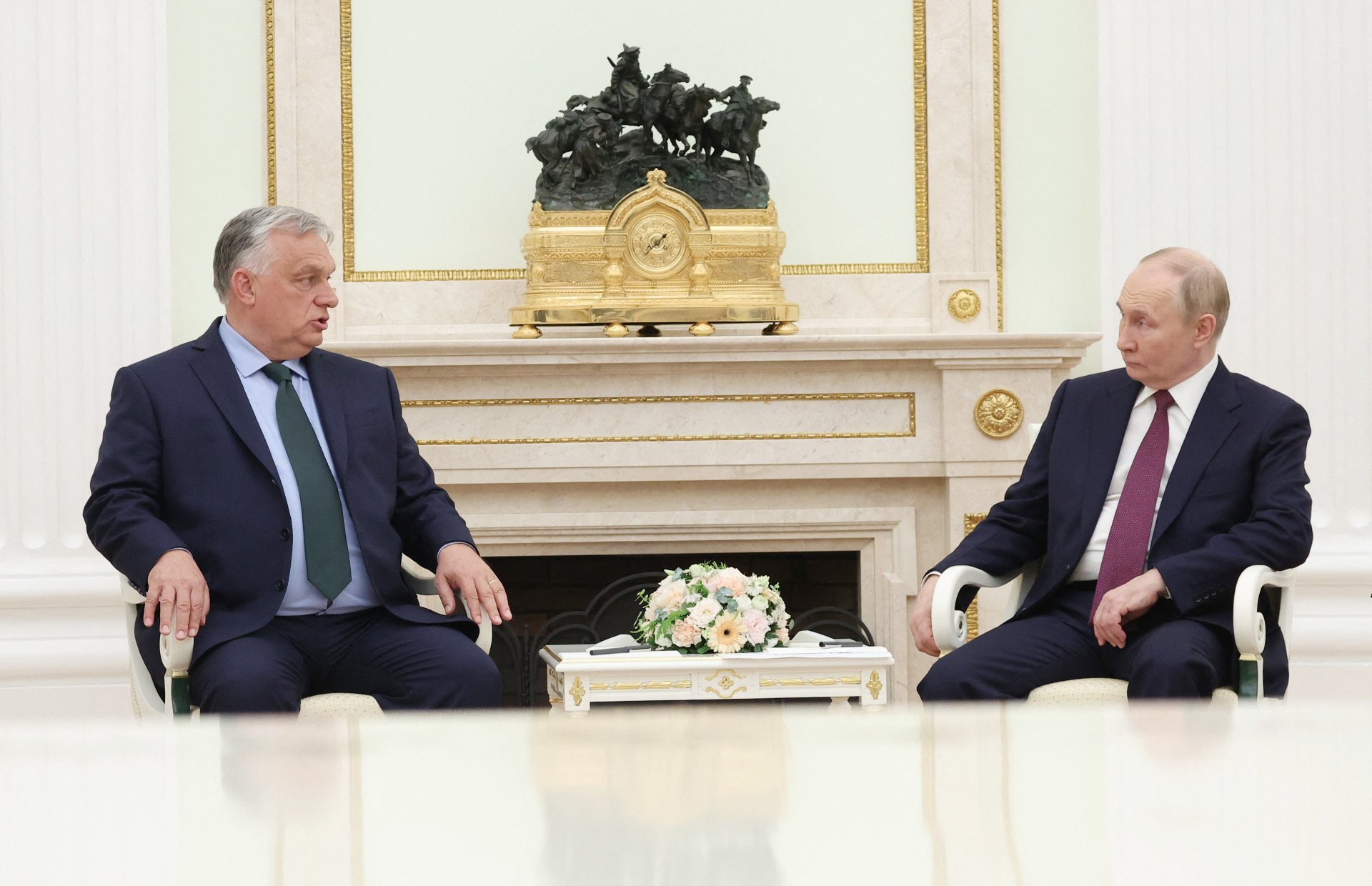
Leaked documents reveal how Hungary quietly worked with sanctioned Russian companies—signing contracts, importing parts, and upgrading helicopters in defiance of EU rules.
 Prefer U24 Media on Google
- Authors


Hungary has emerged as a critical conduit for Russia’s defense industry to circumvent European Union sanctions, according to a new investigation by InformNapalm and Militant Intelligence, based on documents obtained through the OpsHackRussia’sDay cyber operation.
Internal correspondence and official documents from Russian defense entities reveal that Russian companies have maintained technical cooperation with Hungary’s Ministry of Defense since at least 2013—despite EU sanctions introduced in 2014 following Russia’s annexation of Crimea.
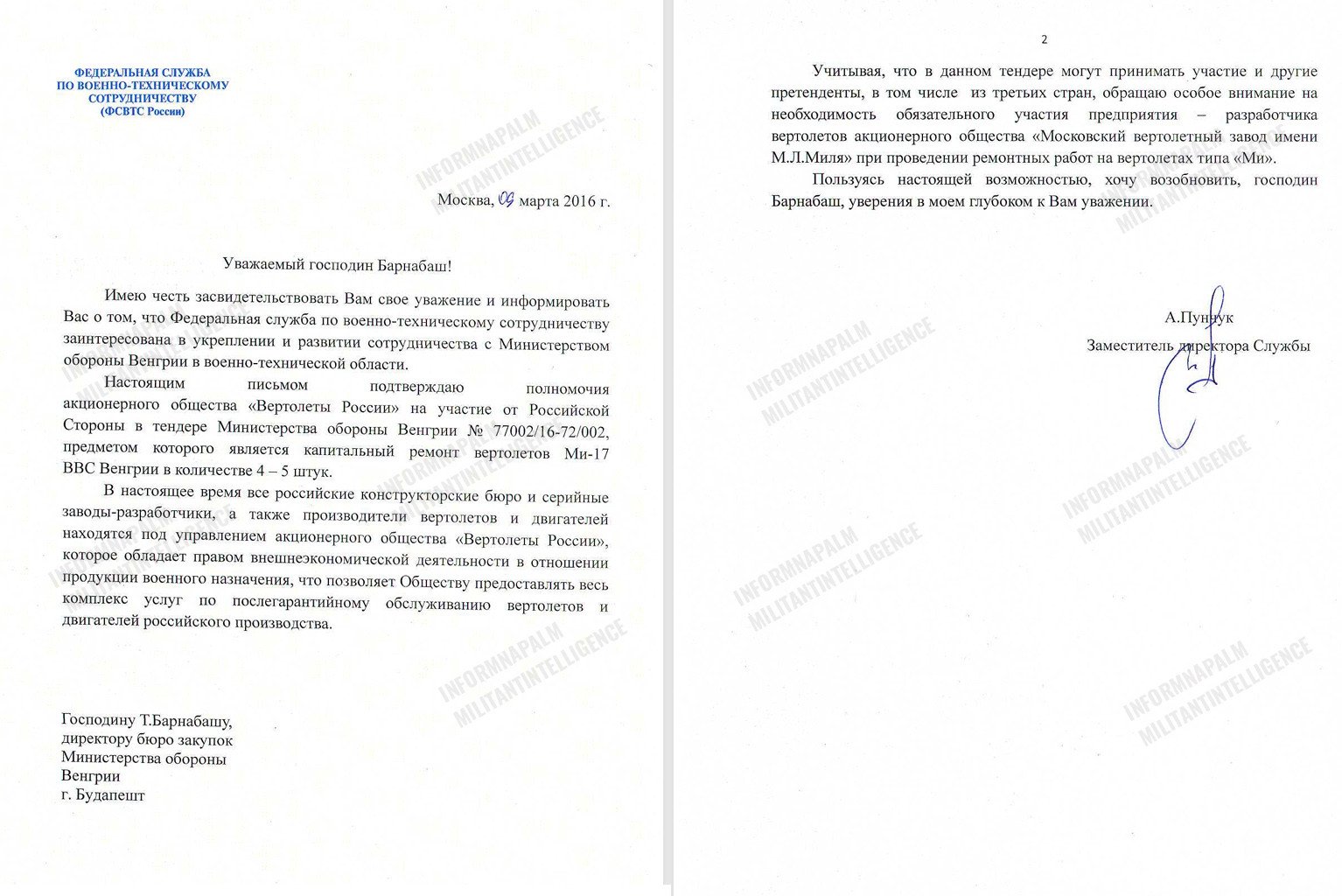
One document confirms that Russia’s Federal Service for Military-Technical Cooperation (FSVTS) authorized Russian Helicopters JSC to participate in a Hungarian Ministry of Defense tender for overhauling four to five Mi-17 helicopters.
The process required the direct involvement of the Mil Moscow Helicopter Plant, indicating the continued participation of sanctioned Russian defense firms in NATO member state military programs.
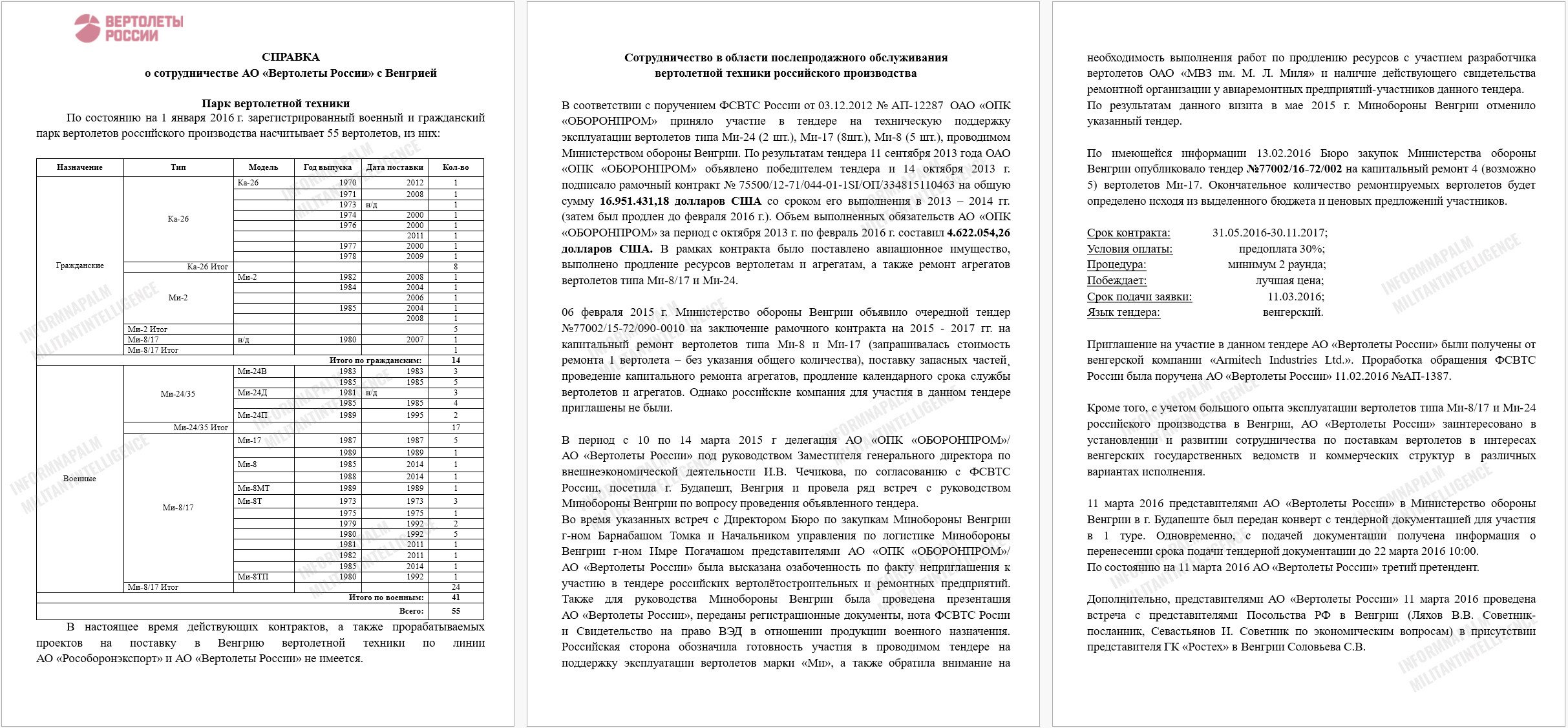
Additional records show that Russia’s Oboronprom received a contract worth more than $16.9 million in 2013 for maintenance services for Hungarian Mi-17/Mi-8 helicopters. By early 2016, over $4.6 million in work had been completed.
Despite being excluded from a 2015 tender, Russian Helicopters ultimately gained access to subsequent procurement rounds through Hungarian intermediaries, including Armitech Ltd.
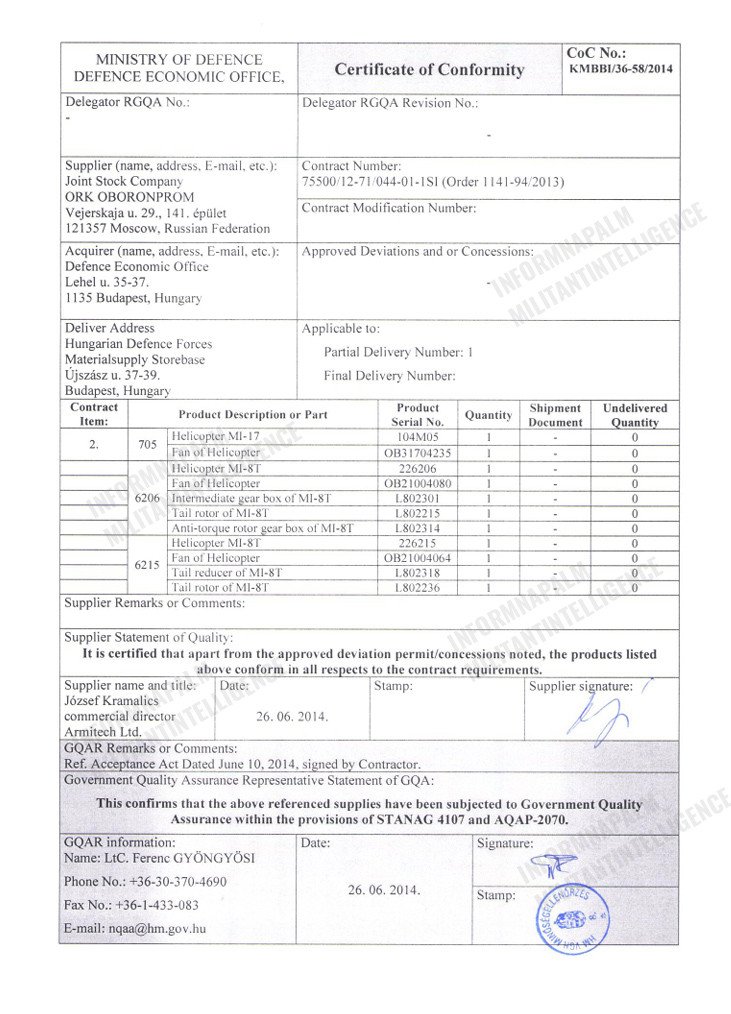
Further evidence includes a certificate confirming that Oboronprom supplied components for Hungarian Air Force helicopters via the Hungarian defense ministry. These transactions were conducted in violation of EU Regulation No. 833/2014, which prohibits such dealings.
The investigation also highlights international involvement. A 2018 letter from Israel Aerospace Industries (IAI) expressed interest in modernizing Hungary’s Mi-35 helicopters and collaborating with Russia on the Ka-226 project in India.
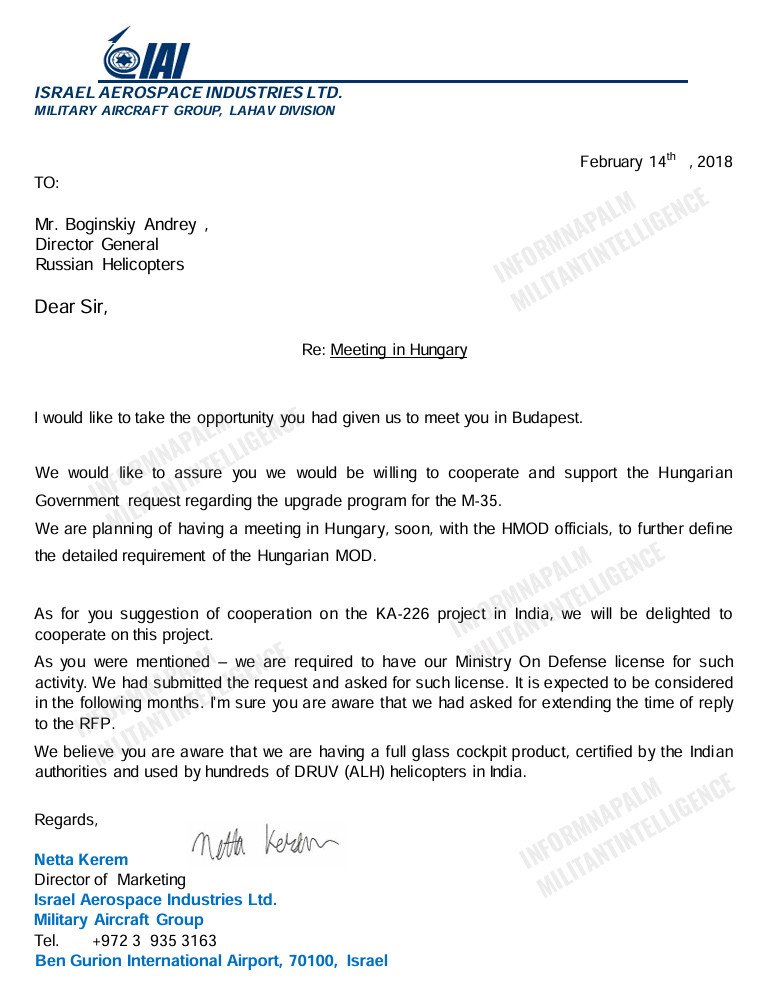
This correspondence indicates that cooperation between IAI and Russian defense companies continued despite Russia’s increasing global isolation.
InformNapalm analysts point to Hungary’s large Soviet-era helicopter fleet—55 units including Mi-8/17, Mi-24, and Ka-26—as a reason for continued ties with Russian defense contractors.
The documents suggest that Hungary has become a gateway for Russia’s military-industrial complex into the European and NATO defense markets.
According to the analysts, such cooperation poses several strategic risks:
The transfer of sensitive military technology to Russia;
Continued Russian influence within NATO member defense systems;
Systematic erosion of EU sanctions enforcement;
The creation of informal sanction-evasion corridors involving third-party states.
The authors of the report have called on the European Commission to launch a formal investigation into Hungary’s role in facilitating sanction evasion.
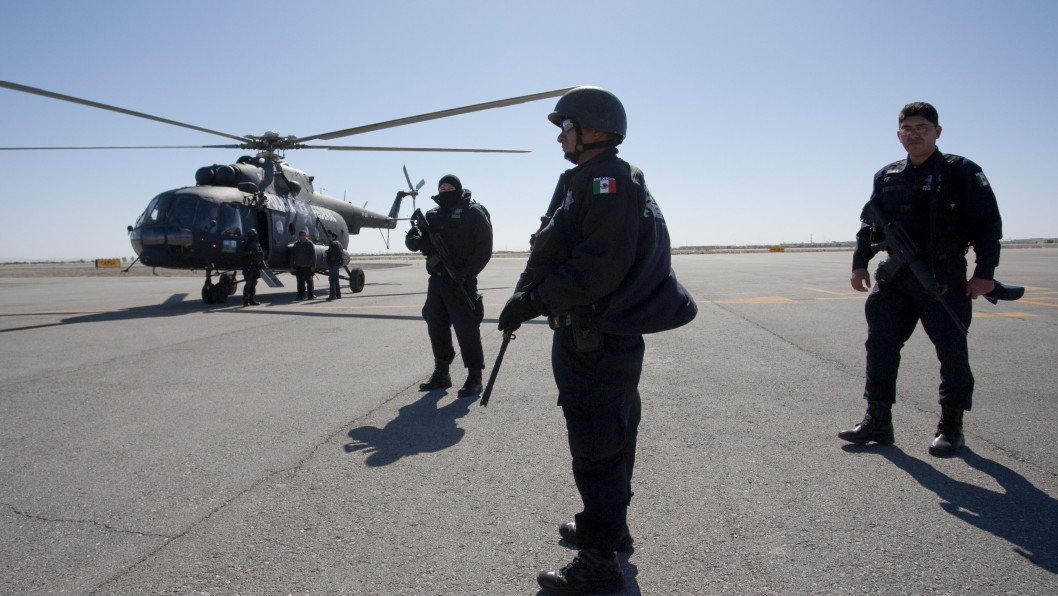
They also urged NATO governments to seek clarification from Hungary regarding its defense cooperation with Russia and called on journalists to scrutinize Budapest’s role in enabling Kremlin influence within Europe.
Earlier, Russian Foreign Minister Sergey Lavrov urged Hungary to join Russia in a joint campaign against Ukraine over the alleged mistreatment of ethnic minorities, claiming both countries face a “common problem” and should “unite efforts” to protect their compatriots.
Discuss this article:


-80134f2dc17b4a887d01513a1c7bc929.png "Illustration of Russian military infrastructure targeted by Ukrainian strikes in temporarily occupied eastern Ukraine. (Source: General Staff of the Armed Forces of Ukraine)")