- Category
- Latest news
EU Leaders Clash With Orbán Over €90B Ukraine Loan, Call His Block “Unacceptable”
 Prefer U24 Media on Google
- Authors


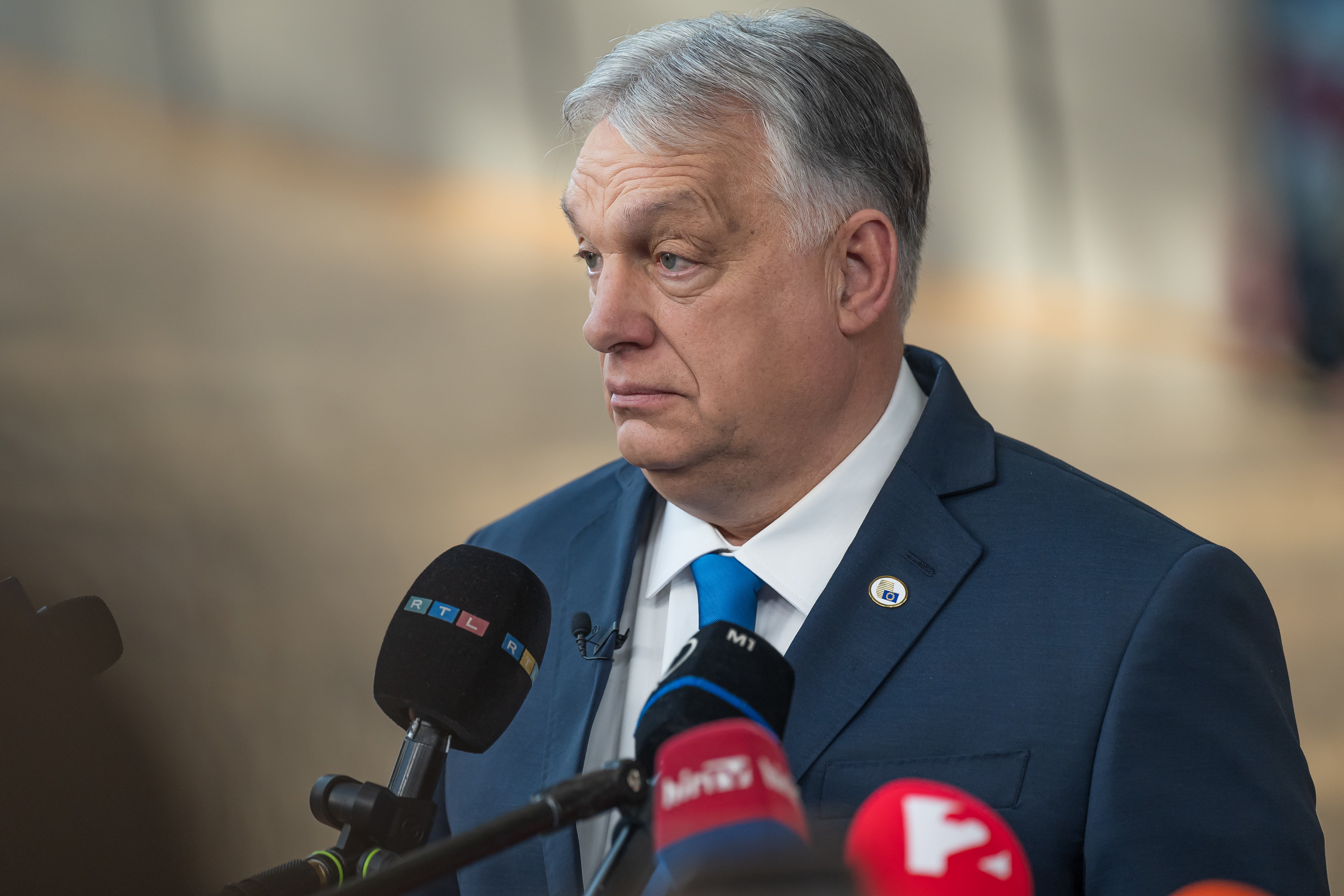
European Union leaders failed to persuade Hungarian Prime Minister Viktor Orbán to lift his veto on a €90 billion loan package for Ukraine during a European Council meeting on March 19, prolonging a standoff seen as critical for Kyiv’s financial stability.
We bring you stories from the ground. Your support keeps our team in the field.
According to Politico on March 19, discussions among EU leaders lasted around 90 minutes but did not produce a breakthrough, with Hungary maintaining its opposition to the loan despite broad support from other member states.
During the closed-door meeting, European Council President António Costa described Orbán’s actions as “unacceptable,” warning that they cross a fundamental line within the European Union’s decision-making framework. Costa stressed that no EU leader had previously violated what he referred to as a “red line” in this context.
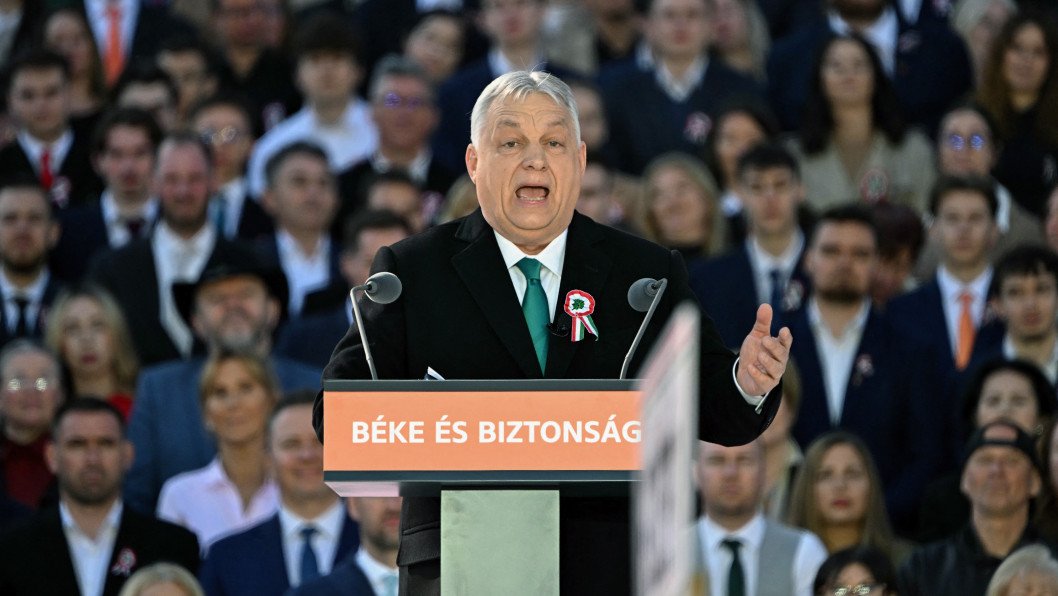
According to Politico, Costa argued that national decisions within the EU “cannot depend on what a third country does,” referencing Hungary’s justification linked to disruptions in oil supplies following Russian strikes. He also noted that Hungary has access to alternative energy routes.
Orbán rejected criticism from fellow leaders, insisting his position is justified and not politically motivated. According to Politico, he told counterparts that linking the loan blockade to Hungary’s upcoming elections is “totally unfounded,” while framing the issue as an “existential” concern for his country.
Slovakia aligned with Hungary during the talks. According to Politico, Slovak Prime Minister Robert Fico supported Budapest’s position and confirmed that Bratislava would also block the decision, citing concerns related to the Druzhba oil pipeline and energy security.
The deadlock means that only 25 out of 27 EU member states backed the Council’s conclusions supporting Ukraine, while Hungary and Slovakia withheld support. According to Politico, the loan remains contingent on unanimous approval, giving both countries effective veto power.
-278ccb44f31eada82b3fb30301b152e6.jpg)
Hungary’s position is tied to disputes over the Druzhba pipeline, a Soviet-era oil route that has been disrupted following a reported Russian strike earlier this year. Budapest and Bratislava have criticized the European Commission for what they describe as insufficient action to restore oil transit, according to Politico.
The €90 billion package is widely viewed by EU officials as essential to sustaining Ukraine’s economy amid ongoing war, making the continued blockade a key point of tension within the bloc.
Earlier, concerns emerged over Hungary’s post-election stability, as Politico reported on March 18 that Prime Minister Viktor Orbán could attempt to obstruct a transfer of power if defeated. Analysts and former officials warned that he may use legal challenges, institutional leverage, and public pressure to complicate the formation of a new government, potentially prolonging political uncertainty even after the vote.
Discuss this article:
-4a56a6b482ec132402c16ef6fcabf9a2.png)


-111f0e5095e02c02446ffed57bfb0ab1.jpeg "Photo of Roman Kohanets")

-72b63a4e0c8c475ad81fe3eed3f63729.jpeg "Photo of Cyril Barabaltchouk")

-c439b7bd9030ecf9d5a4287dc361ba31.jpg "Photo of Katherina Popilnichenko")