- Category
- Latest news
Kremlin Ran Covert Campaign to Boost Orbán Ahead of Hungary Election
 Prefer U24 Media on Google
- Authors

-111f0e5095e02c02446ffed57bfb0ab1.jpeg "Photo of Roman Kohanets")
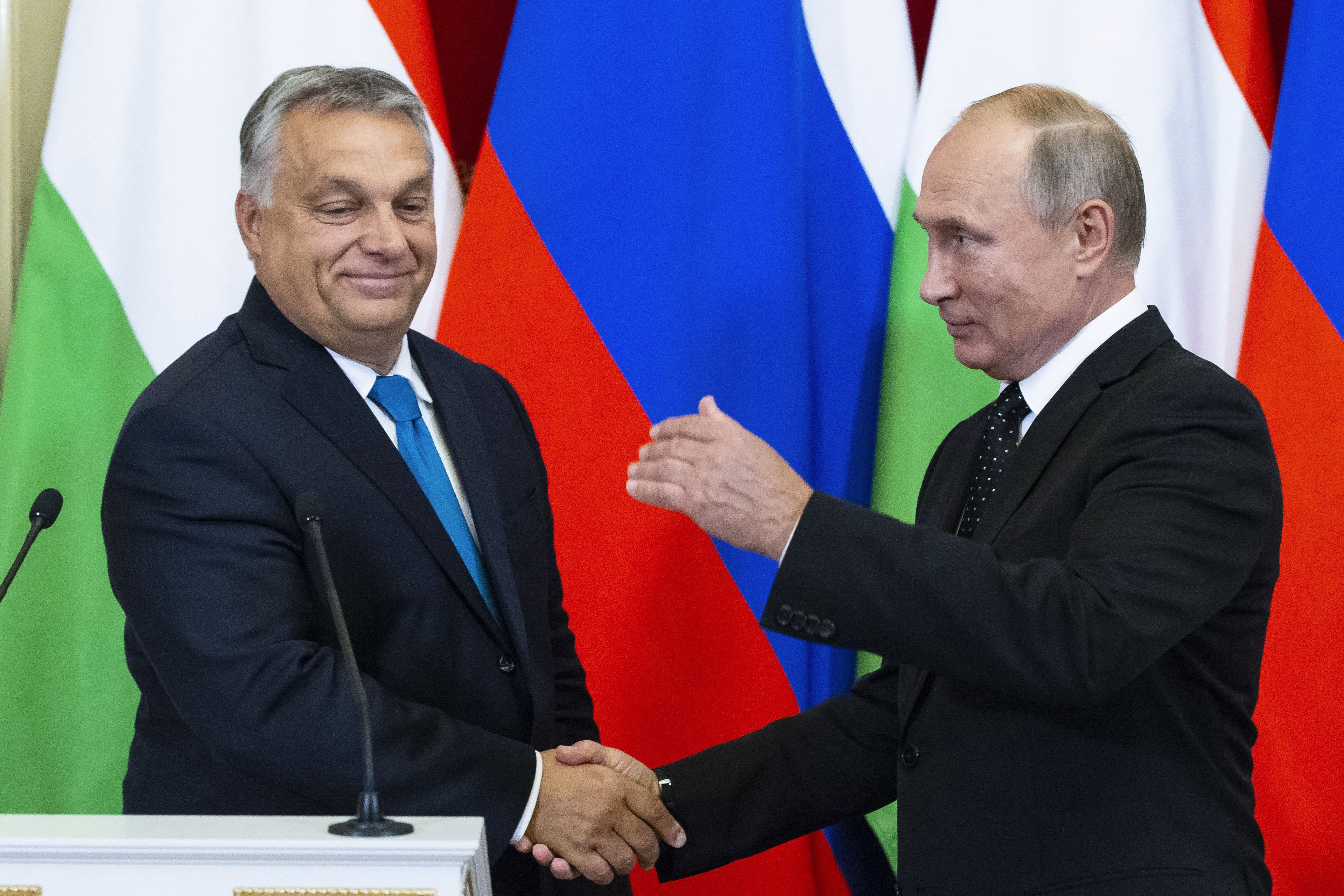
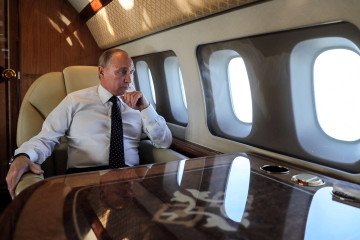
The Kremlin has launched a covert disinformation campaign to help Hungarian Prime Minister Viktor Orbán win reelection, according to the Financial Times on March 11.
The report described a Kremlin-backed plan by the Social Design Agency, a Russian consultancy under foreign sanctions. The campaign was designed to support Orbán’s Fidesz party before Hungary’s April 12 election.
We bring you stories from the ground. Your support keeps our team in the field.
The proposal framed Orbán as a leader who could keep Hungary sovereign and deal with world leaders as an equal. It contrasted him with his main challenger, Péter Magyar, describing him as a “Brussels puppet with no outside support.”
The strategy also outlined “information attacks” against Magyar and his Tisza Party, which the report remarked is leading in opinion polls.
The suggestion urged avoiding direct links between Orbán and Russian leader Vladimir Putin, warning that open Russian backing could be counterproductive. Instead, it aimed to present Orbán as a key partner of US President Donald Trump.
-278ccb44f31eada82b3fb30301b152e6.jpg)
Financial Times noted that Russian-designed memes, videos, infographics, and stories were tailored for Hungarian audiences and spread through local influencers.
On one of the billboards, Ukrainian President Volodymyr Zelenskyy is shown on an AI-generated picture, wearing a sly, almost mocking smile above the slogan, “We will not let Zelenskyy be the last to laugh.” The posters were put up across Hungary by the ruling Fidesz party.
🥴Віктор Орбан використовує ШІ-образ «злого» Зеленського у своїй передвиборчій кампанії
— Kyiv24 (@kyiv_tv) March 10, 2026
На фото президент України усміхається підступною і водночас хитрою посмішкою, під ним слоган: «Не дозволимо Зеленському бути останнім, хто сміється». Такі плакати були розвішані по всій… pic.twitter.com/XRtt7wIwLR
Russia’s ambassador in Budapest denied any interference and stated Moscow only wanted normal bilateral ties.
The Hungarian government rejected the allegation, calling it a “leftwing fake accusation,” while Kremlin spokesperson Dmitry Peskov described the conclusions as based on “a fake.”
The push comes amid similar reports, when German security officials described the risk of Russian interference in Germany’s 2026 elections as “extremely serious,” warning that Moscow is intensifying hybrid operations across Europe that blend cyberattacks with coordinated influence activity.
They said these efforts include disinformation campaigns, hacking attempts, and other covert measures intended to polarize voters, erode confidence in democratic institutions, and amplify fringe narratives ahead of key national votes.
Authorities urged political parties, media, and the public to scrutinize suspicious online content, strengthen digital defenses, and improve coordination for rapid attribution and response when indicators of interference appear.
Discuss this article:
-4a56a6b482ec132402c16ef6fcabf9a2.png)