- Category
- World
A Prisoner for an Oligarch? Foreigners Become Russia’s Bargaining Chips to Dodge Sanctions
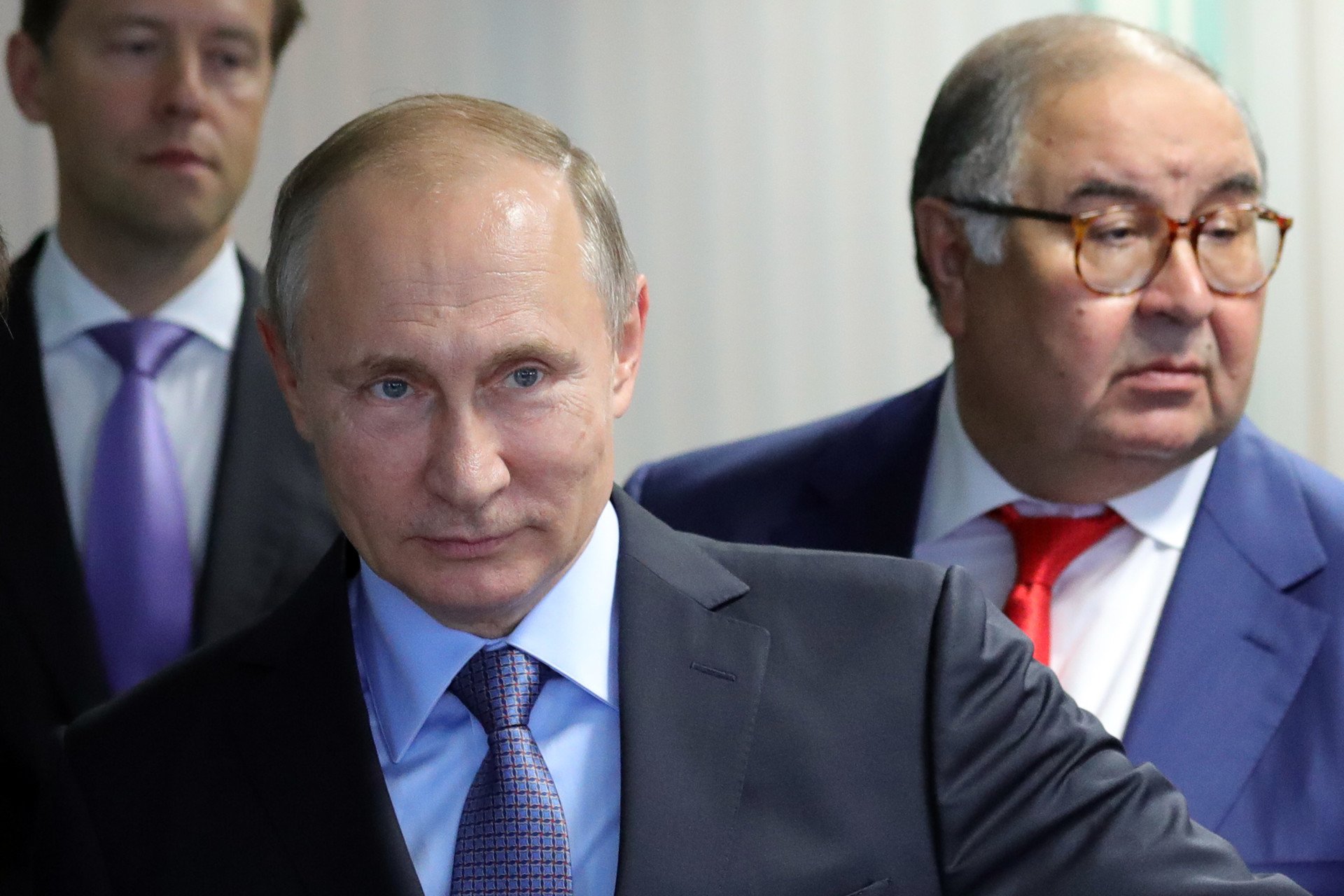
The lifting of sanctions on Alisher Usmanov and Mikhail Fridman is more than just the story of two Russian billionaires. It sets a precedent showing how individual sanctions can become part of broader political bargaining.
 Prefer U24 Media on Google
- Authors


Еhe European Union extended sanctions against Russian individuals and entities on September 22, imposed over Russia’s aggression against Ukraine. But Russia’s two prominent billionaires were no longer on the list: Alisher Usmanov and Mikhail Fridman had been removed from the restrictions.
What French prisoners had to do with the EU sanctions on the Russian oligarchs
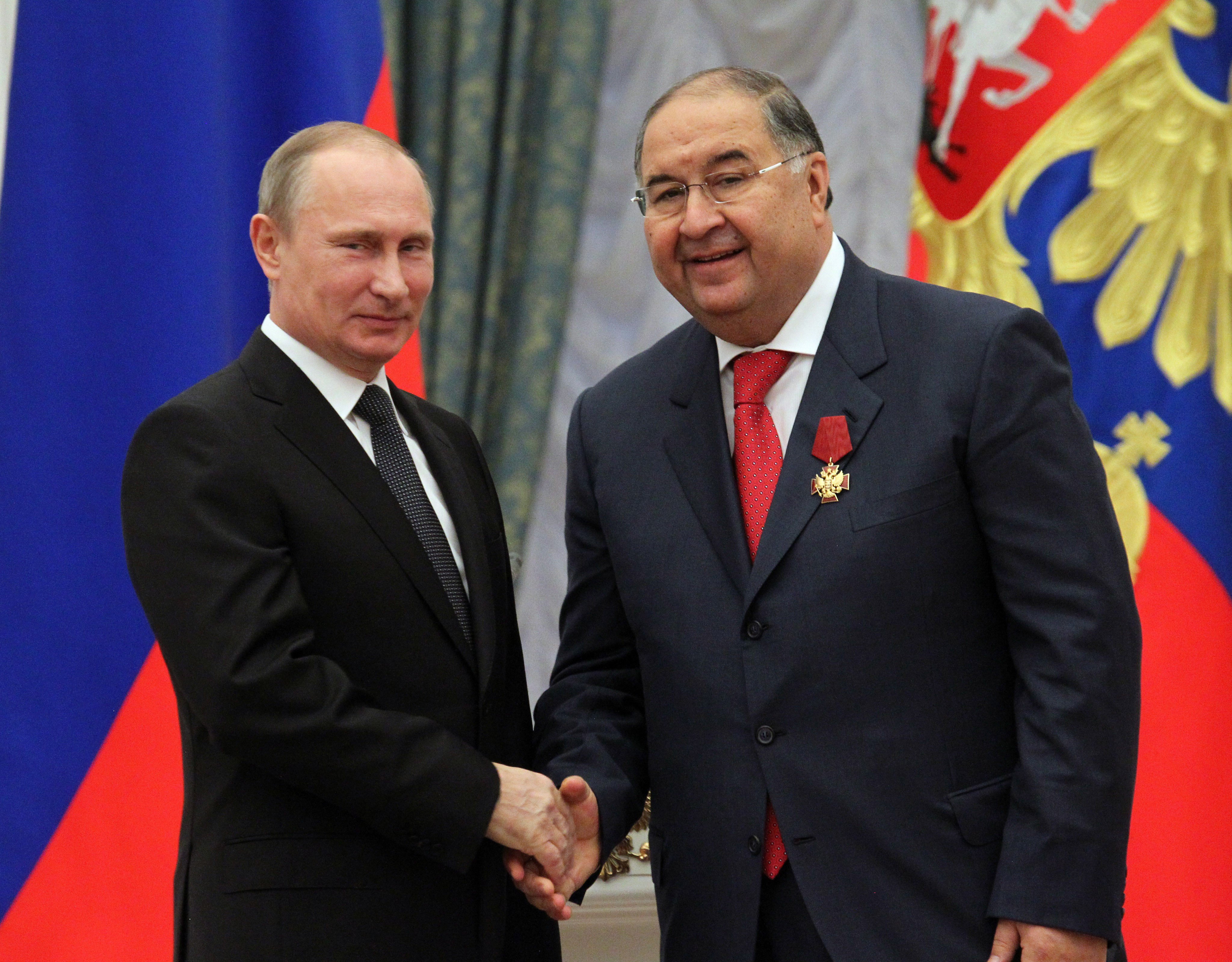
Mikhail Fridman co-founded Alfa Group, one of Russia’s largest privately owned financial and industrial conglomerates, and was a major shareholder in Alfa Bank, one of the country’s largest private banks, as well as the international investment firm LetterOne. Alisher Usmanov built his fortune through USM Holdings, a Russian conglomerate with major interests in metals and mining, telecommunications, and technology.
Both had been on the EU sanctions list since 2022, where they were described as leading business figures connected to key sectors of the Russian economy. The EU’s justifications also cited their ties to the Kremlin.
The very next day, Azerbaijani President Ilham Aliyev pardoned French citizen Martin Ryan. He had been detained in Azerbaijan in 2023 and, in March 2026, sentenced to 10 years in prison on charges of spying for France. Paris denied the allegations.
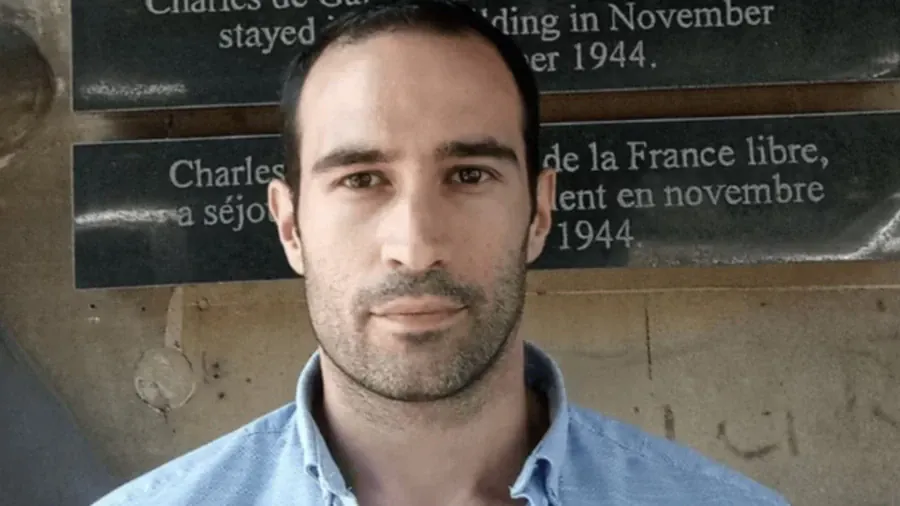
Ryan was not the only French citizen imprisoned in Azerbaijan. A second French national, businessman Anass Derraz, had been sentenced to 12 years on corruption charges.
Three European diplomats told Reuters that Paris had privately indicated that Baku was using Usmanov’s sanctions case as leverage over the two detained French citizens. Euronews went further, reporting that an agreement had been reached under which France would secure Usmanov’s removal from the EU sanctions list in exchange for Azerbaijan's release of both French nationals. France did not publicly confirm such an arrangement. Azerbaijan rejected allegations that it had pressured Paris, although it had openly advocated for lifting sanctions on Usmanov.
So far, however, only part of that reported arrangement has materialized. Ryan was pardoned one day after Usmanov was delisted. Derraz remained in prison.
It is this sequence of events that makes the story much bigger than a news item about a single Russian billionaire. It points to a potential model.
Russian oligarchs are fighting EU sanctions
A citizen of one country ends up in another country’s prison. Their government tries to secure their release. At the same time, the country holding them pushes for a decision that benefits it, one that involves a third party. As a result, two issues that formally have nothing to do with each other—the fate of a prisoner and sanctions against a Russian oligarch—become part of the same political bargain.
The key matter is not simply that this happened once. It is what happens next.
Russian billionaires are already studying the cases of Usmanov and Fridman as possible routes out of sanctions. At least two of them plan to closely examine Fridman’s legal strategy. Sanctions law specialist Sergey Glandin described Fridman’s case as a potentially useful practical model for other Russian billionaires.
Fridman, however, took a very different route.
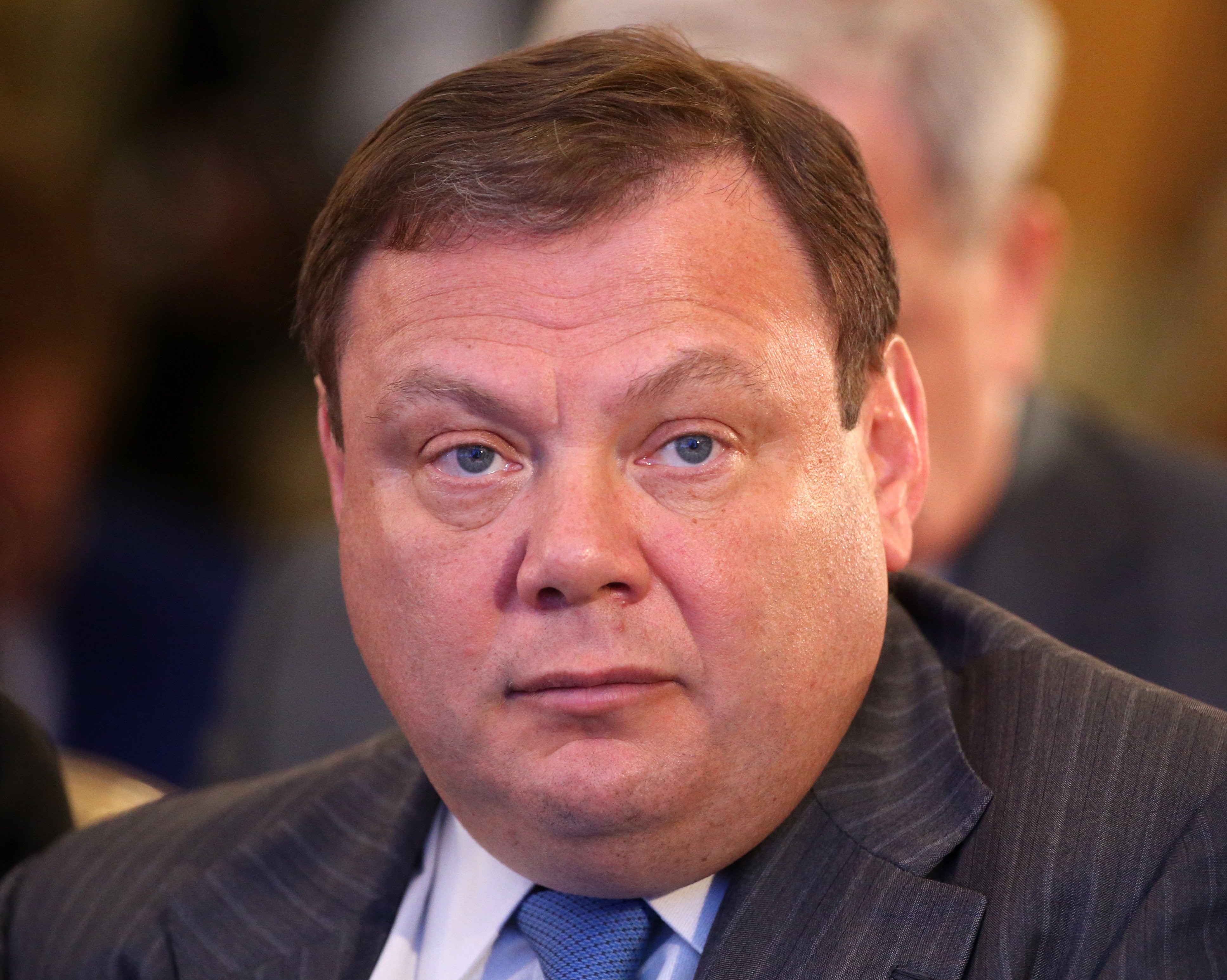
He was not part of the Azerbaijan-France story. The billionaire filed an arbitration claim against Luxembourg for approximately $16 billion, arguing that the freezing of his assets violated an investment protection treaty. Following France’s efforts in Usmanov’s case, Luxembourg said its legal position in the dispute with Fridman had weakened and also asked for Fridman to be removed from the sanctions list.
Ultimately, both names became part of a broader compromise within the EU. Sanctions against the roughly 3,000 other individuals and entities were extended for three years, while Usmanov and Fridman were removed from the list.
Negotiations increasingly reflect not only the bloc’s common sanctions policy but also the individual national interests of its member states.
Foreign prisoners as political leverage in Russia
Russia has long used detained foreign nationals as leverage in negotiations to secure the return of people it wants back. In December 2022, for example, Moscow released American basketball player Brittney Griner, who had been sentenced to nine years in prison after cannabis oil cartridges were found in her luggage. In exchange, the United States handed over Viktor Bout, a convicted arms dealer who was serving a 25-year sentence.
In 2010, 60 Minutes reported on how DEA agents captured Viktor Bout, who's been called the "Merchant of Death." https://t.co/qPbk3fnN4Ppic.twitter.com/qaLUujbXws https://t.co/CjAavY1Wig
— 60 Minutes (@60Minutes) December 8, 2022
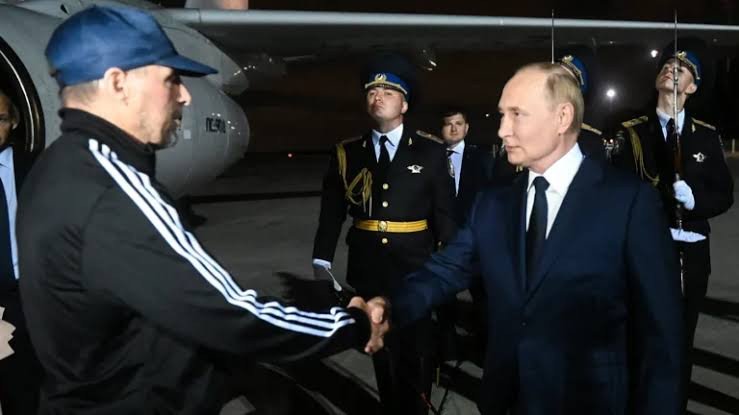
A much larger prisoner exchange took place in August 2024. Russia released Wall Street Journal reporter Evan Gershkovich, former US Marine Paul Whelan, Radio Free Europe/Radio Liberty journalist Alsu Kurmasheva, Russian opposition politician Vladimir Kara-Murza, and other prisoners. In return, Moscow received eight people, including Vadim Krasikov, who had been sentenced to life in prison in Germany for a murder in Berlin.
It is important to note the circumstances of these cases. Several of the foreign nationals Russia later exchanged had been formally designated “wrongfully detained” by the US government. Russia had provided no evidence of wrongdoing by Gershkovich, while Whelan’s espionage conviction followed a closed trial that the US criticized as unfair. Griner admitted carrying cannabis oil, but was wrongfully detained, with the US describing her nine-year sentence as unjust.
This is precisely why traveling to Russia today carries risks for foreign nationals that go far beyond ordinary security concerns. As the United States explicitly warns its citizens about the risk of wrongful detention and the arbitrary enforcement of Russian laws, the United Kingdom says that Russia has a history of detaining foreign nationals and using them as leverage in its dealings with other countries. France also officially advises against all travel to Russia, specifically warning of the risk of arbitrary arrest and detention for citizens of countries Moscow considers “unfriendly.” In other words, simply being in Russia can put a foreign national at risk of being drawn into a political bargaining game.
Usmanov’s case is not identical to these examples, but the underlying logic is similar: a person whose freedom matters to another country can become leverage in negotiations over an unrelated political decision. The Usmanov and Fridman cases add another dimension to that logic—sanctions. If the detention of foreign nationals can contribute to securing sanctions relief, it risks creating a dangerous incentive for governments to view foreigners not simply as detainees, but as potential bargaining assets.
-4d94609e181600057db513cf38760c1e.jpg)
The broader significance of the Usmanov and Fridman cases goes beyond the fact that two Russian billionaires are no longer under EU sanctions. If detaining foreign nationals can help secure unrelated political concessions, such as sanctions relief, the precedent risks creating a dangerous incentive: governments may see foreigners not simply as detainees, but as potential bargaining assets.
Some may follow Fridman’s path—through courts, arbitration, and multibillion-dollar claims. Others may seek to replicate Usmanov’s political capital by building ties with countries that can influence EU decisions.
Discuss this article:



-421e8a9c474cc6ae67d60a56d7572c56.jpg "Russian ruble coins and one hundred dollars are seen on a table. (Source: Getty Images)")
-72b63a4e0c8c475ad81fe3eed3f63729.jpeg "Photo of Cyril Barabaltchouk")
-c439b7bd9030ecf9d5a4287dc361ba31.jpg "Photo of Katherina Popilnichenko")
-111f0e5095e02c02446ffed57bfb0ab1.jpeg "Photo of Roman Kohanets")