- Category
- World
France and Slovakia Want His Sanctions Lifted. Meet the Russian Billionaire Who Helped the Kremlin Tighten Its Grip on the Internet
 Prefer U24 Media on Google
- Authors

-206008aed5f329e86c52788e3e423f23.jpg "Photo of Oleksandr Moiseienko")
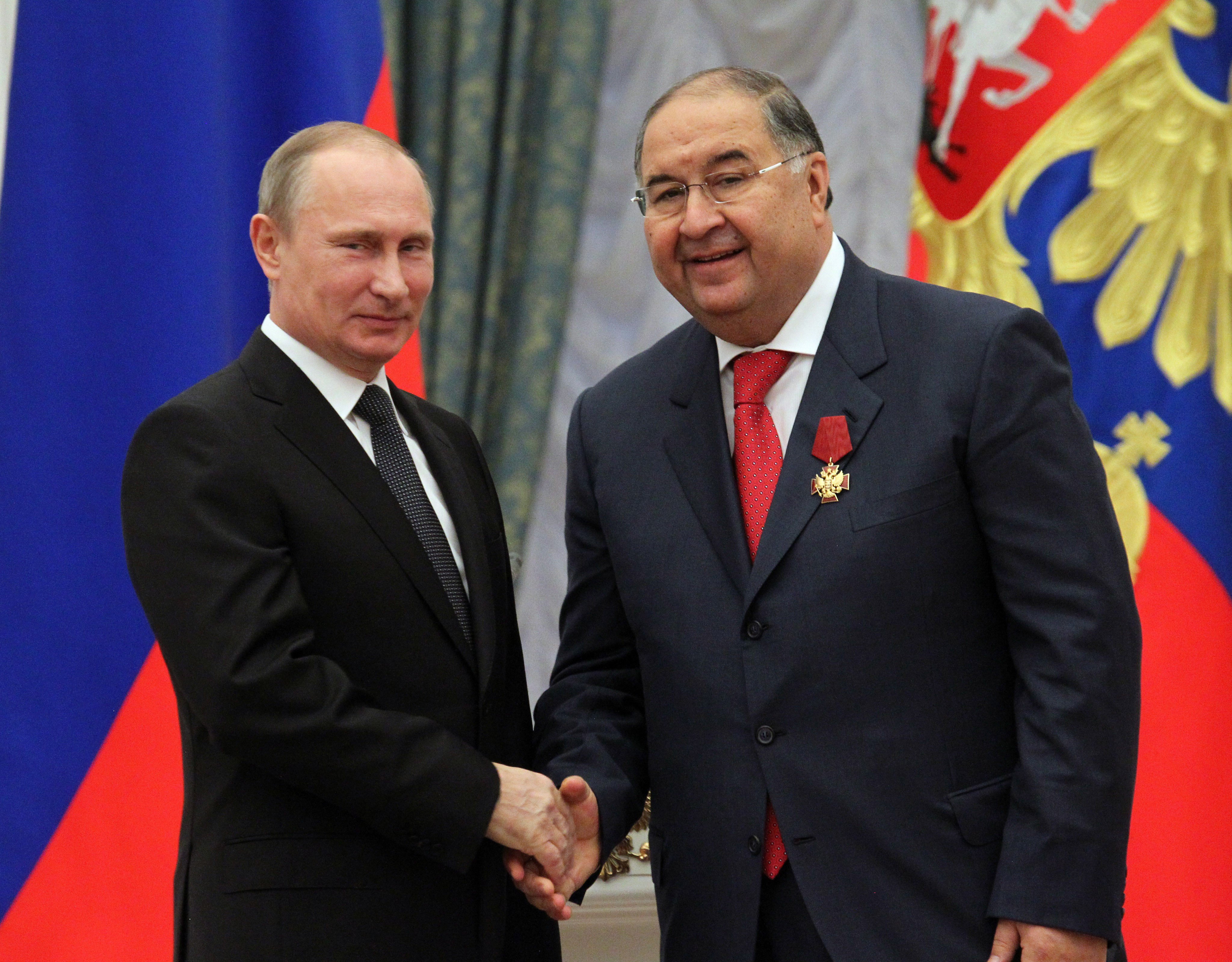
France has joined Slovakia in demanding that Russian billionaire Alisher Usmanov be removed from the European Union’s sanctions list. No final decision has been made, but because of the two countries’ positions, the EU has so far been unable to agree on extending the individual sanctions, which expire on September 15.
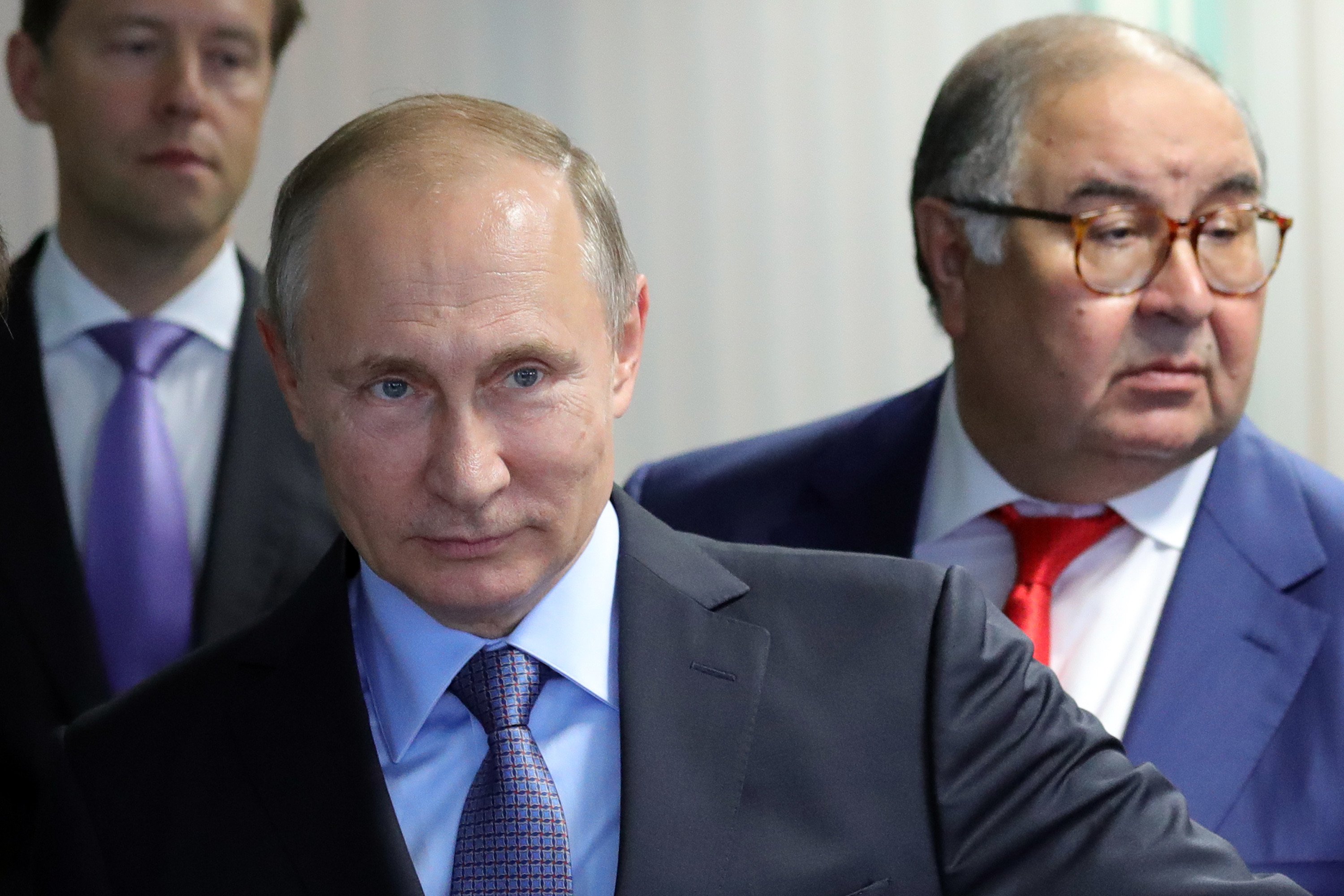
Usmanov is not merely a businessman with indirect ties to Russia’s elite. For years, his media and technology assets were at the center of a process through which the Kremlin gained control over the last major platforms for independent journalism and political communication in Russia.
Why France wants the sanctions lifted
On September 11, Euronews, citing four EU diplomats, reported that France had backed Slovakia’s demand to remove Usmanov from the sanctions list. Slovakia is also seeking to have sanctions lifted against another Russian billionaire, Mikhail Fridman.
Extending the sanctions requires the consent of all 27 EU member states, meaning that even a single country can block the decision. France’s intervention caused “huge frustration” among other European governments, according to the diplomats.
Paris explained its position by citing an unspecified “national security issue” and a request from “international partners.” The French side did not disclose which partners or circumstances it was referring to, or how Usmanov was connected to them.
Meanwhile, the campaign to remove Usmanov from the EU sanctions list is gaining political support. Italy and Croatia have backed France and Slovakia’s position on lifting the restrictions against him, reportedly as a compromise necessary to secure an extension of the EU’s entire individual sanctions regime, according to the Financial Times.
Who is Alisher Usmanov?
Alisher Usmanov is a 73-year-old Russian-Uzbek billionaire who made his fortune in metals, mining, telecommunications, and investments in technology companies. His business empire has included Metalloinvest, mobile operator MegaFon, the Kommersant publishing house, and a stake in a technology company, Mail.ru Group (now rebranded as VK)—all Russian companies. He was also an early investor in Facebook, Alibaba, and other international technology companies. Various business media outlets estimate his net worth at approximately $14 billion to $18 billion.
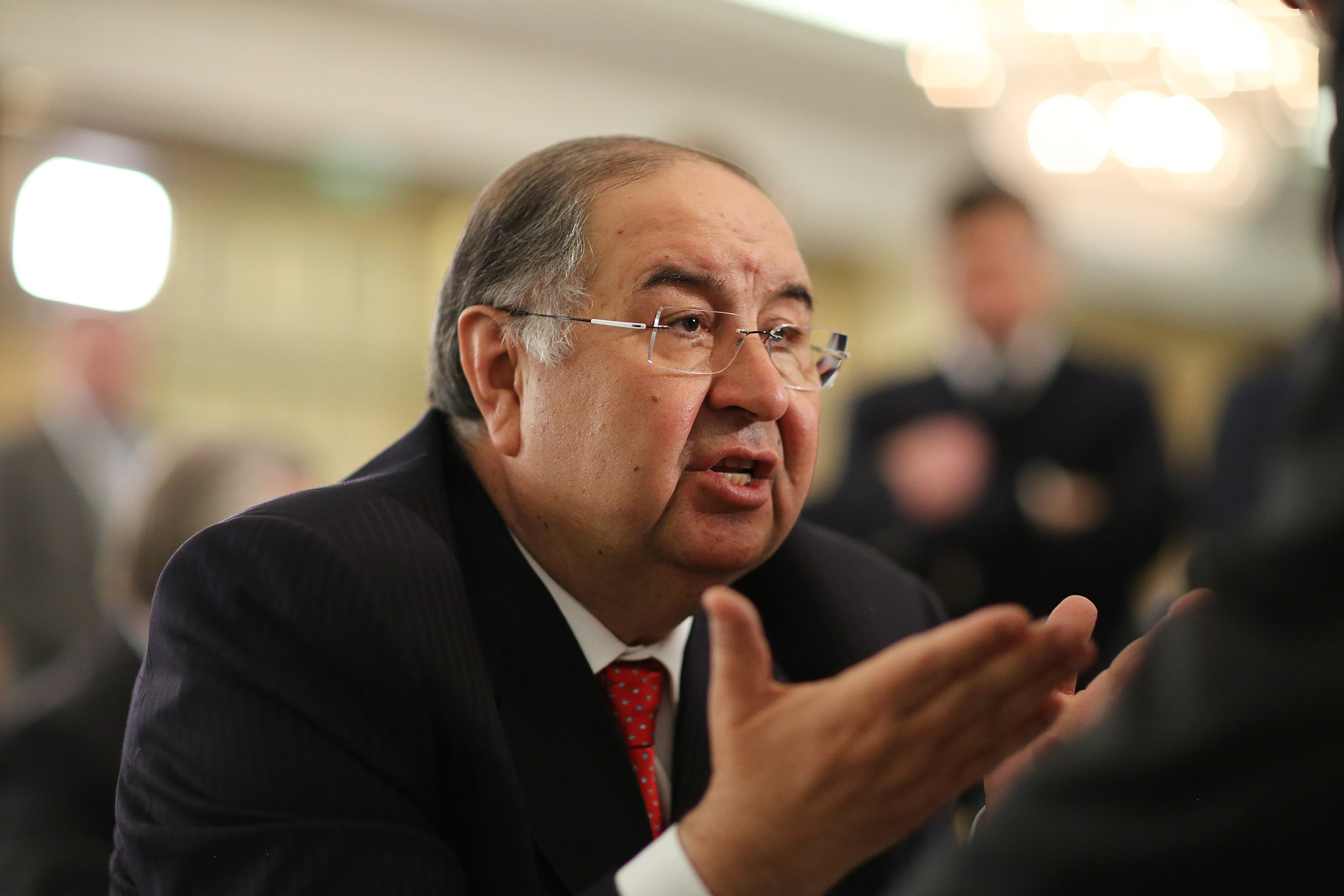
The EU imposed sanctions on him on February 28, 2022. In its official justification, the bloc described him as a pro-Kremlin oligarch with “particularly close ties” to Putin and said he had acted on behalf of the Russian president in business matters of political and strategic significance.
Usmanov sought to overturn the restrictions, but in February 2024, the General Court of the European Union dismissed his appeal. In the West, Usmanov’s investments, philanthropy, sports projects, and years of reputation-building may have led him to be seen primarily as an international investor.
In Russia, however, his name is associated with a different set of events: journalists being fired over reporting that was inconvenient for the Kremlin; the takeover of VKontakte (VK), Russia’s largest social network and the country’s equivalent of Facebook; and the platform’s subsequent transfer to entities linked to Vladimir Putin’s inner circle.
How Usmanov’s companies gained control of key Russian media assets
In 2006, Usmanov acquired the Kommersant publishing house, one of Russia’s most respected media groups. In 2011, its editor-in-chief was fired amid a high-profile scandal over a political publication. Over time, the once-influential newspaper gradually became a media outlet fully controlled by the Kremlin.
Usmanov also acquired other influential media assets, but his most important digital asset became VKontakte. It was widely used by Russian opposition movements and participants in anti-Putin protests.
In January 2014, VK founder Pavel Durov sold his 12% stake in the company to Ivan Tavrin, who headed Usmanov-controlled MegaFon. After the transaction, Usmanov and his shareholders controlled approximately 52% of the social network.
In April 2014, Durov was dismissed as CEO. He left Russia and said the country had become incompatible with internet business. Before his departure, Durov had refused to comply with demands from Russian authorities to shut down Alexei Navalny’s anti-corruption community and hand over data on the administrators of Ukrainian groups linked to the Revolution of Dignity.
After his ouster, Durov said VK had come under the complete control of people connected to the Kremlin. Usmanov’s companies declined to comment on his remarks.
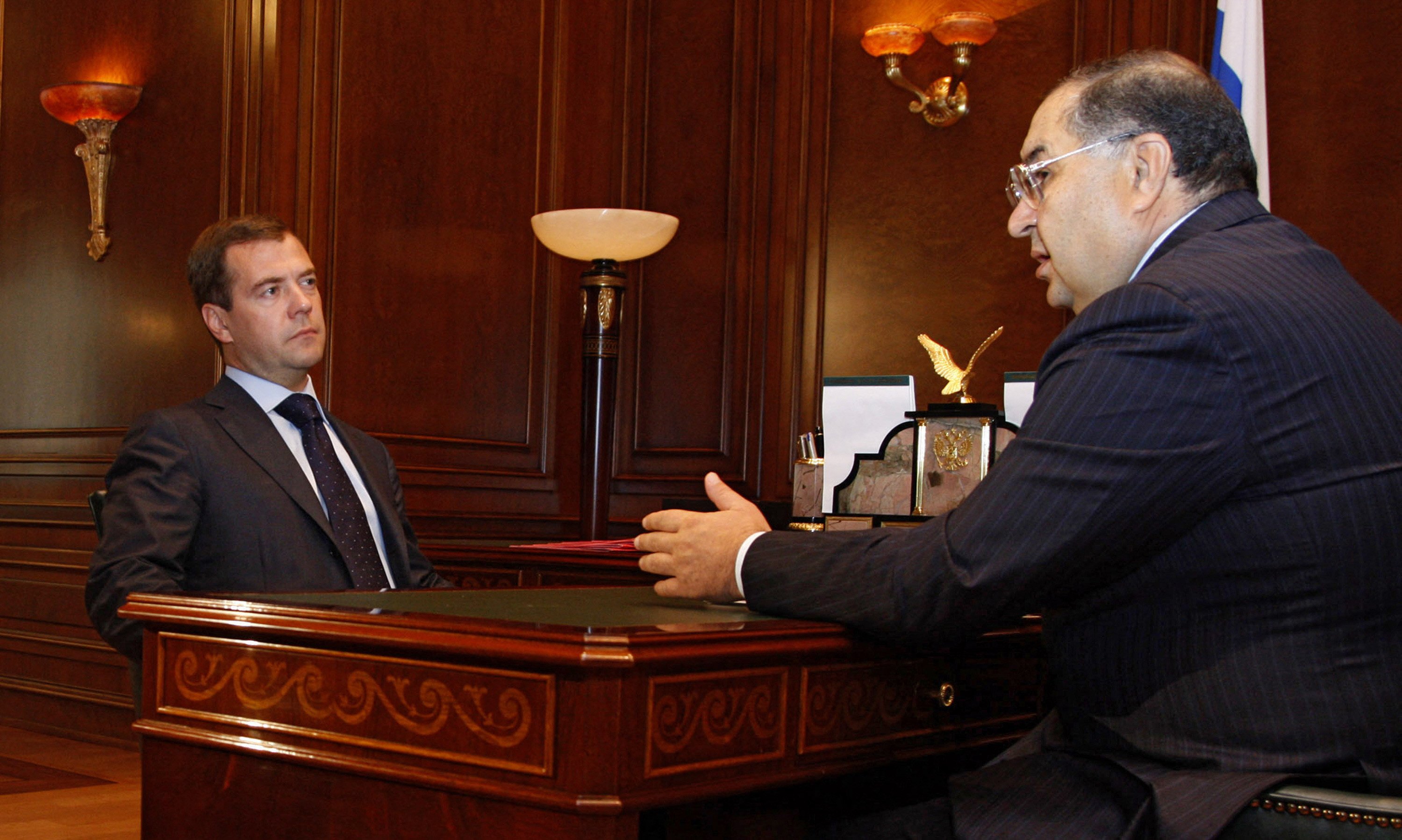
In September 2014, Usmanov-controlled Mail.ru Group acquired the remaining 48% of VK for $1.47 billion, giving it 100% ownership of the company.
In December 2021, Usmanov’s USM holding company sold a 57.3% voting stake in VK to Sogaz Insurance.
One of Sogaz’s key owners was banker Yuri Kovalchuk, whom Putin has publicly called his friend and who is regarded as one of the architects of the Kremlin-controlled media system.
Russia’s largest social network, therefore, followed a clear trajectory: from an independent founder, through the consolidation of shares by Usmanov’s companies and Durov’s removal, to a company linked to Putin’s inner circle.
A signal to Russia’s elite
Usmanov denies that he acted on the Kremlin’s instructions and, in recent years, has won several legal cases against European media outlets. Nevertheless, the acquisition of Kommersant, the firing of an editor following a report on election fraud, the consolidation of control over VK, and the social network’s subsequent transfer to Sogaz are documented events.
Russia has shown no willingness to end the war, continues to attack Ukraine, and rejects demands for a just peace. Despite this, two EU member states are proposing to lift sanctions on a businessman whose assets played a significant role in dismantling Russia's independent information space.
That would send a signal to Russia’s entire elite: spending years helping the Kremlin neutralize independent media, consolidate control over the internet, and transfer strategic platforms to Putin’s inner circle is no obstacle to returning to business as usual with the West.
And it would require neither an end to the war nor a public condemnation of the aggression by Usmanov himself. An opaque political arrangement, the substance of which France has yet to explain, appears to have been enough.
Discuss this article:

-c439b7bd9030ecf9d5a4287dc361ba31.jpg "Photo of Katherina Popilnichenko")