- Category
- War in Ukraine
The Russian Businessman Who Profits from Both Oreshnik Missiles and an Italian Winery
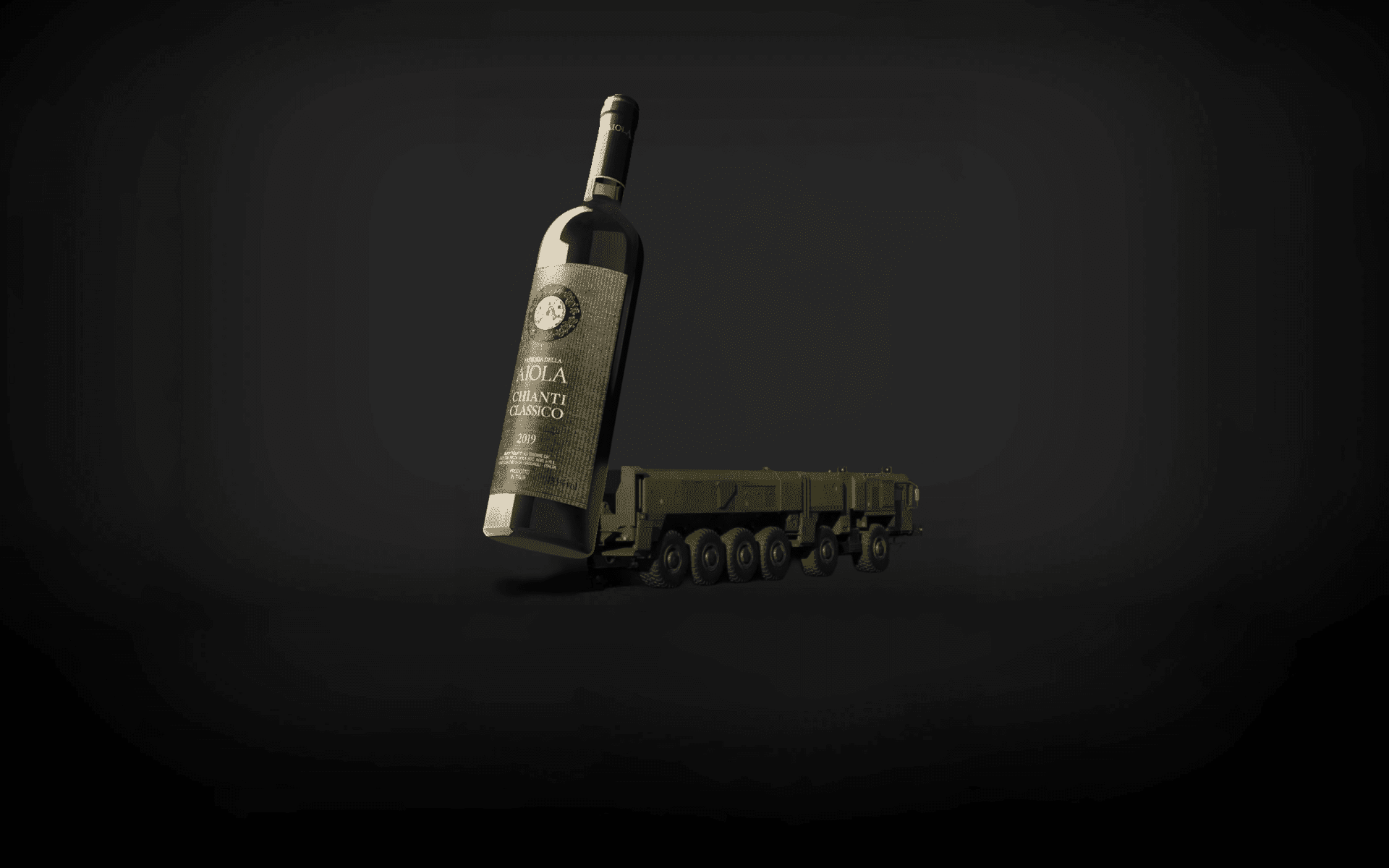
The Oreshnik is a nuclear-capable Russian ballistic missile. Ilya Eliseev is a businessman tied to its supply chain who also holds a stake in a Tuscan winery.
 Prefer U24 Media on Google
- Authors

-46f6afa2f66d31ff3df8ea1a8f5524ec.jpg "Photo of Jess Daly")
There are 926 wine companies in Tuscany. Sixty-four of them are controlled by foreign companies. Eight, including Fattoria della Aiola, are directly linked to Russian oligarchs close to Putin, only three of whom are sanctioned.
Over the past 10 years, at least three Russian oligarchs have quietly funnelled more than €1 million in EU agricultural subsidies—primarily from the Common Agricultural Policy (CAP), an EU program that supports small farmers—through their luxury vineyards.
We bring you stories from the ground. Your support keeps our team in the field.
Fattoria della Aiola—a 100-hectare winery in the village of Vagliagli, in Italy’s Tuscany region—was acquired by unnamed Russians in 2012, who have “invested significantly,” according to a winery website. It previously stated Russian ownership in 2012, but has since removed this information, according to other reports.
The winery is normally registered in Ilya Eliseev's name, with him owning 9%. But, in 2017, Alexander Navalny claimed that the farm is actually owned by widely sanctioned Dmitry Medvedev . Fattoria della Aiola has since then consistently maintained that the property belonged to Eliseev, not Medvedev, and that the two were not related.
But who is Eliseev?
The frontman, the human vault
Ilya Eliseev is a former classmate and longtime associate of Dmitry Medvedev. He has served in senior roles at Gazprombank —earning a yearly income of around $5.6 million—is a board member at Gazprom-Media, and head of the Dar charitable foundation, which shares ties with Medvedev’s family.
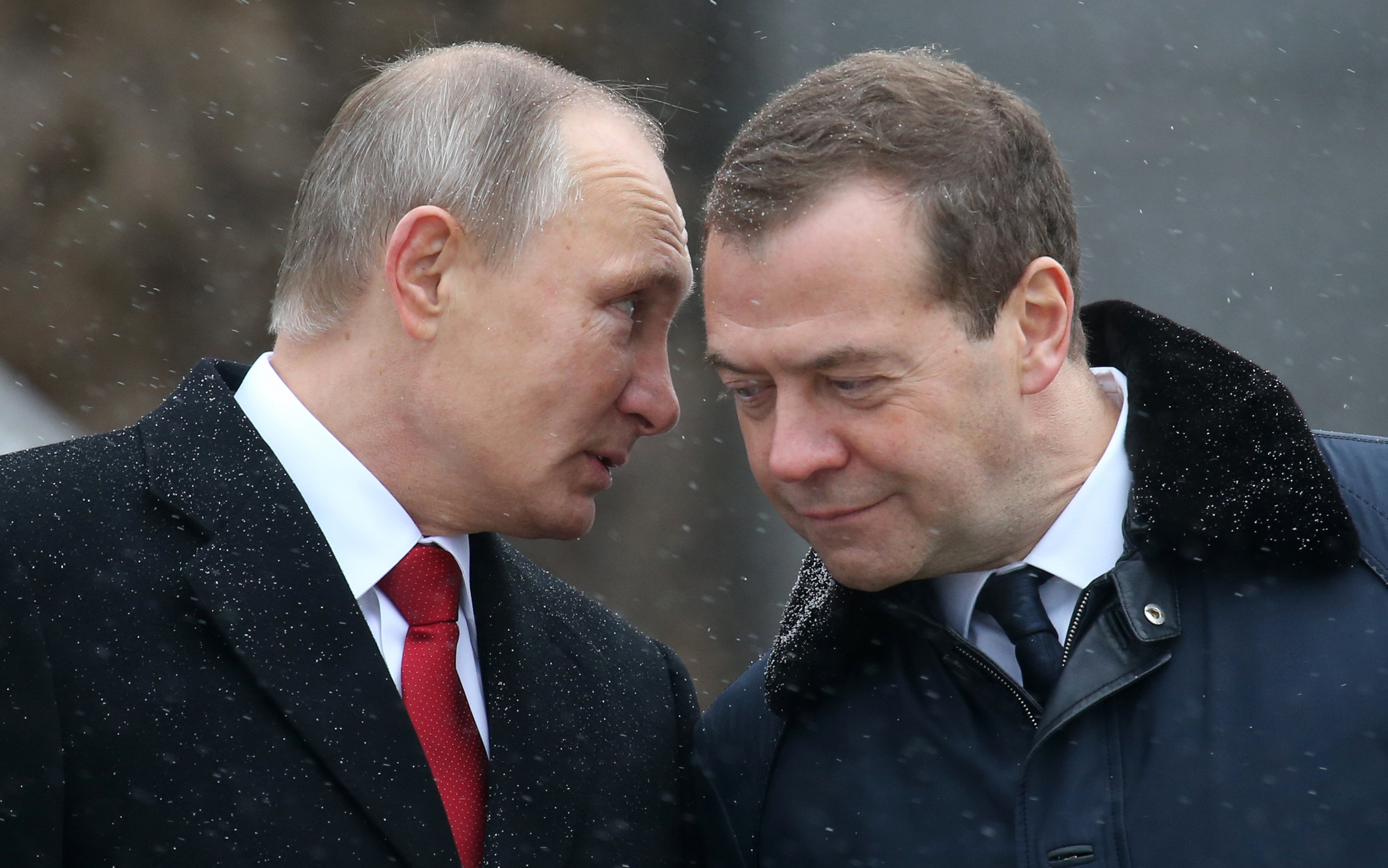
Sanctioned by the UK but not the EU, he manages a sprawling network of companies, a structure that allows friends of the Kremlin to retain control of assets despite sweeping Western sanctions. Eliseev is tied to companies fulfilling contracts for sanctioned entities involved in missile production used in the war against Ukraine, while owning a share in Fattoria della Aiola.
The remaining shares are owned by Cyprus-based Dockell Limited. Eliseev also owns additional vineyards through another offshore Cypriot company, Furcina Limited.
Dockell Limited and Furcina Limited are managed by the same company—WDT Directors Limited (known as Waidelotte). Waidelotte, according to Russian reports, has served as a major offshore link for the sanctioned Kremlin elite to purchase property. Through this company, Eliseev and Gennady Timchenko—Russia’s sixth-richest oligarch, once the country's largest oil trader, and who we previously reported for holding at least $70.5 million in assets across Europe—purchase real estate. Dockell Limited is nominally owned by Alexey Shvetsov and managed by lawyers from the firm Ivanyan & Partners. Shvetsov also serves as director of “FinConsultingK,” (FKK LLC), a company linked to assets associated with Medvedev, including his residence in Psekhako and the Mansurovo agro-complex. Medvedev’s son, Ilya, is officially employed at Mansurovo and also works for a subsidiary of Rostec, Russia’s state arms conglomerate.
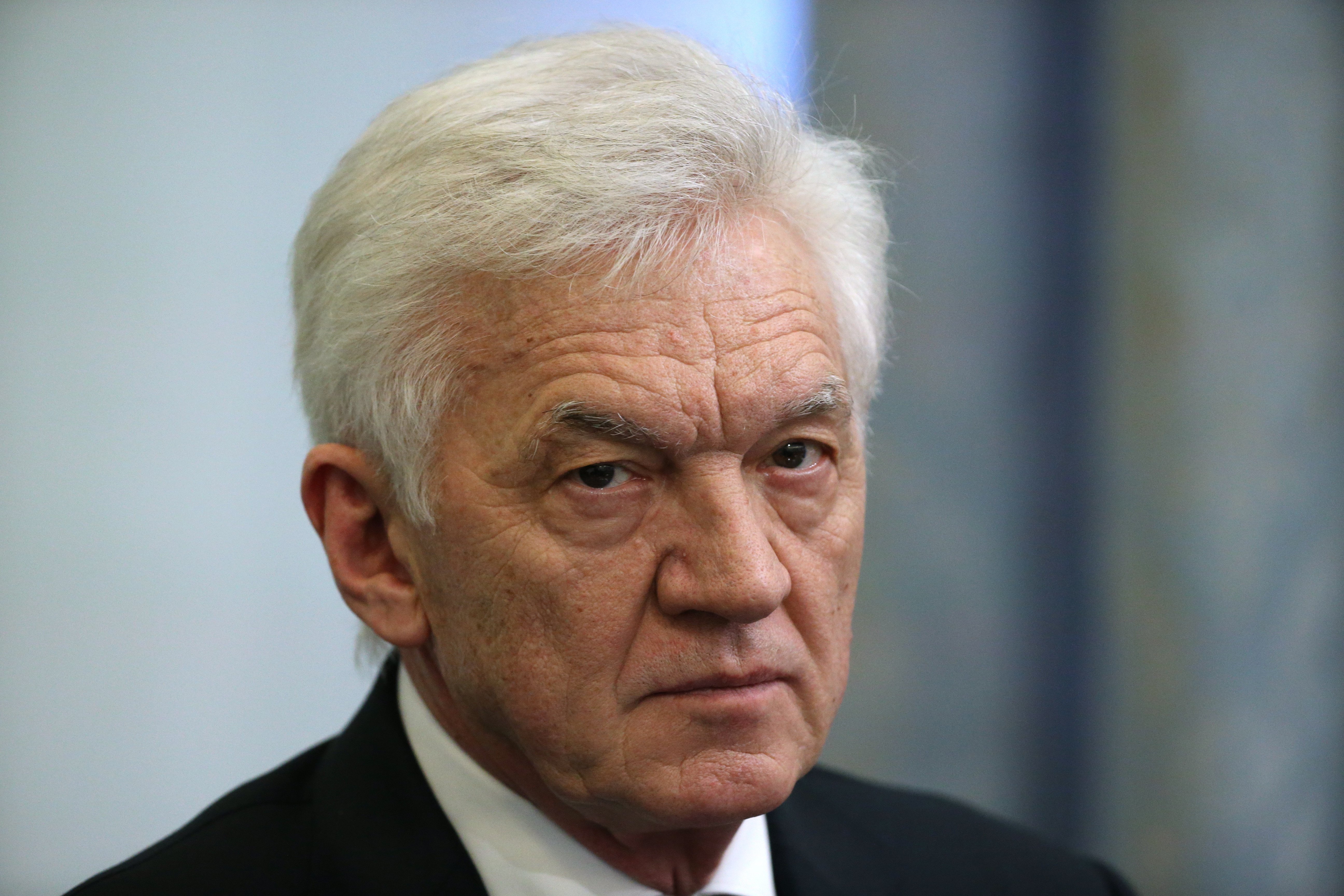
This is not an isolated case. Individuals tied to Russia’s war economy continue to hold assets across Europe. To learn more, read our report on where Russian war profiteers are stashing their wealth:
Ties to the Oreshnik missile supply chain
In 2023, Eliseev became a co-owner of Beaver Tech, a Russian machine-tool company, holding a 30% stake. Since 2024, the company has worked with the Scientific and Practical Centre for the Protection of the Environment (NPCAP), which develops control systems for ballistic missiles. Beaver Tech’s year-on-year revenue rose from $824,000 to $3.8 million, according to documents reviewed by The Insider investigators.
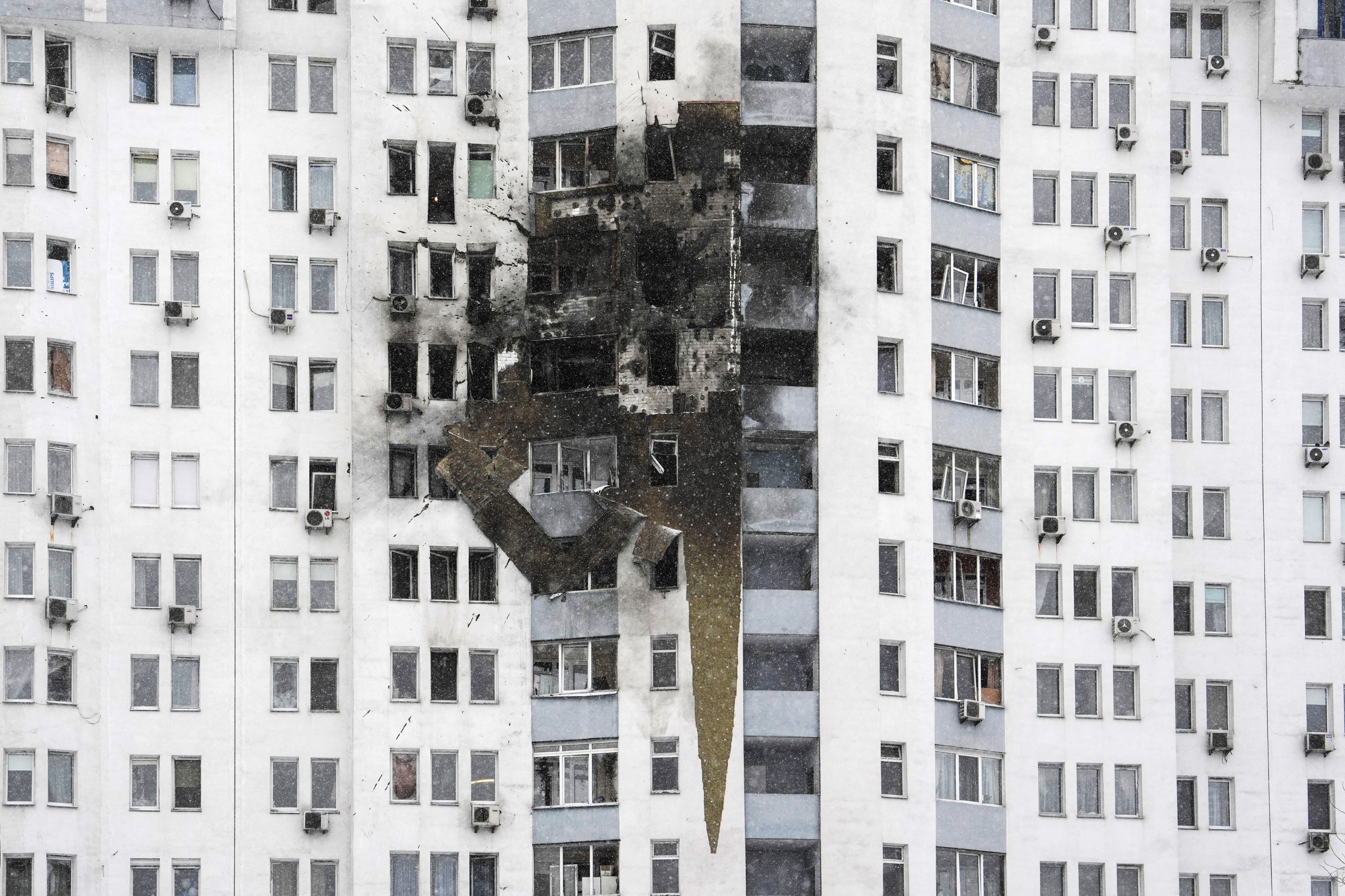
Fragment analysis of an Oreshnik missile that struck Ukraine in November 2024 indicates that NPCAP is also supplying equipment to the Oreshnik. Reviewing photos of the missile's serial number, Ukrainian outlet Defence Express revealed a direct correlation with the enterprise. Investigators say the NPCAP could be producing anything from the entire missile to the warhead deployment unit. NPCAP is already known to have developed a control system for the Topol-M intercontinental ballistic missile and has since been widely sanctioned.
In addition to working with NPCAP, Eliseev’s Beaver Tech imports Western-made equipment, including machine tools and components. In August 2024, the company shipped parts for a milling machine produced by Germany’s SmarAct GmbH, as well as a grinding machine from Taiwan’s Sunny Machinery and a press brake manufactured by Japan’s Amada Co, according to customs data reviewed by reporters.
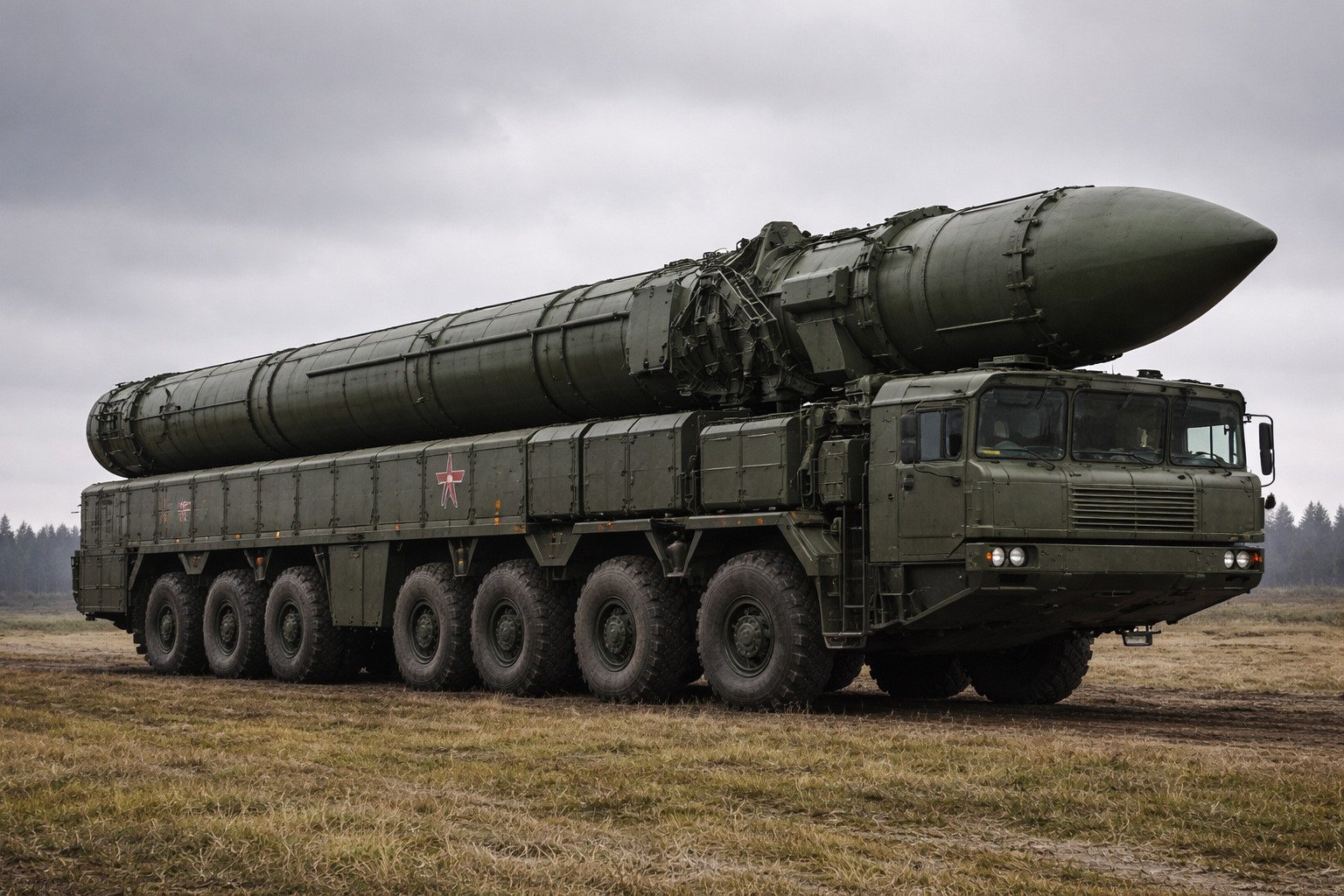
The November 2024 attack was the first time this missile struck Ukraine, and it recently struck again, in Lviv, in January 2026. It’s classified as an intermediate-range ballistic missile with hypersonic speed, and its flight profile includes a depressed trajectory with unpredictable re-entry manoeuvres, complicating interception by NATO air defense systems such as Patriot PAC-3, SAMP/T, or NASAMS.
How sanctioned money is funnelled into Europe
The Dar Foundation received interest-free loans from Gazprombank in 2014, which investigators say tied him and Medvedev financially.
Donations to the Foundation also come from a range of Russian oligarchs, including Leonid Mikhelson, a Russian-Israeli billionaire and founder of Russia's second-largest gas producer, Novatek; Leonid Simanovsky, a deputy in the State Duma from the ruling United Russia party; and Timchenko himself.
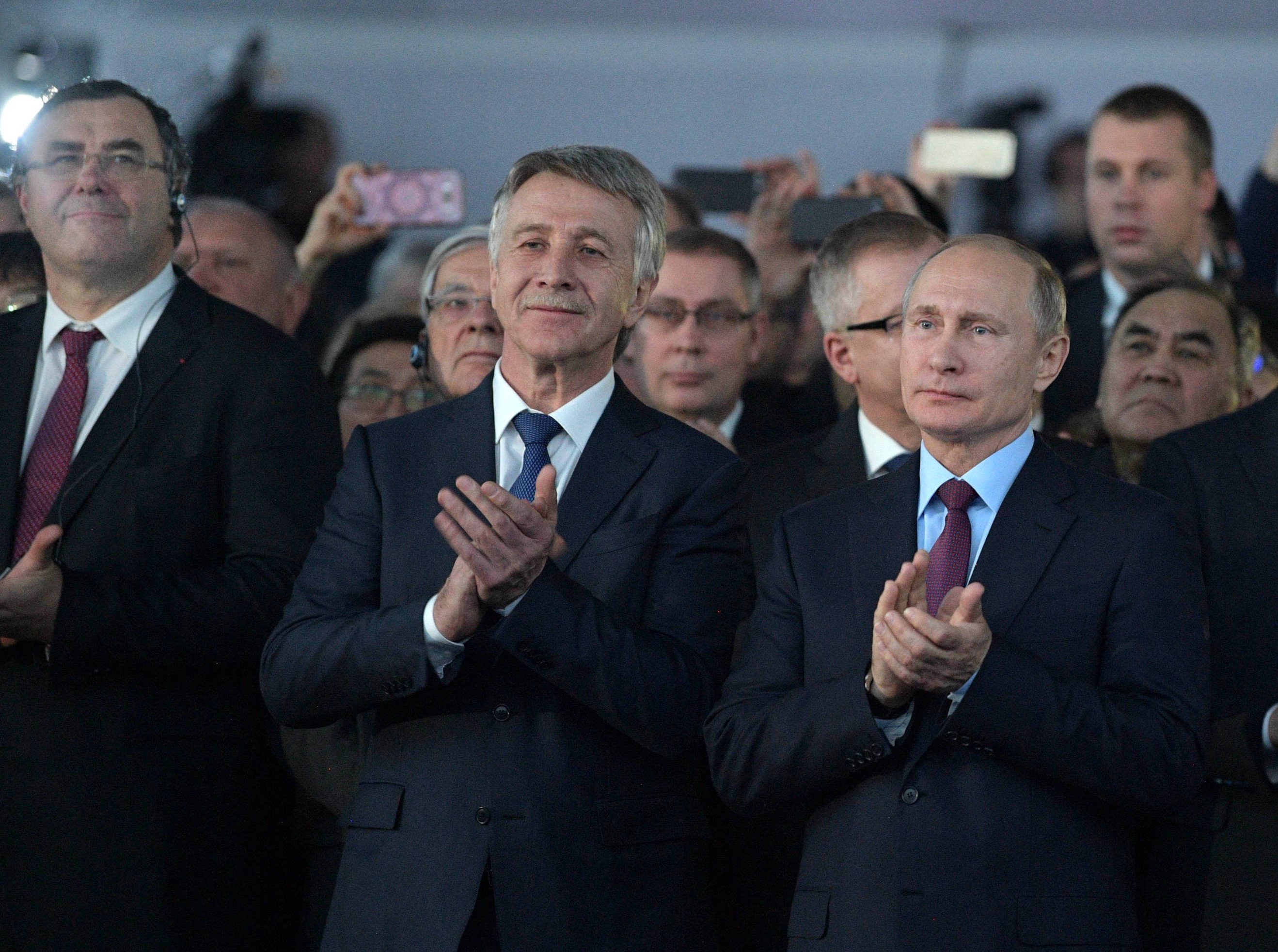
Donations and zero-interest loans are channelled into the Dar foundation, which then uses FinConsultingK (FKK) to provide collateral for companies and offshore entities linked to Eliseev, according to investigations by Russian reporters.
Legal and family ties to the Kremlin
Natalia Malyamina, the managing partner of the law firm Ivanyan & Partners, is, according to civil registry documents seen by reporters, the mother of Eliseev’s daughter and his “secret” wife.
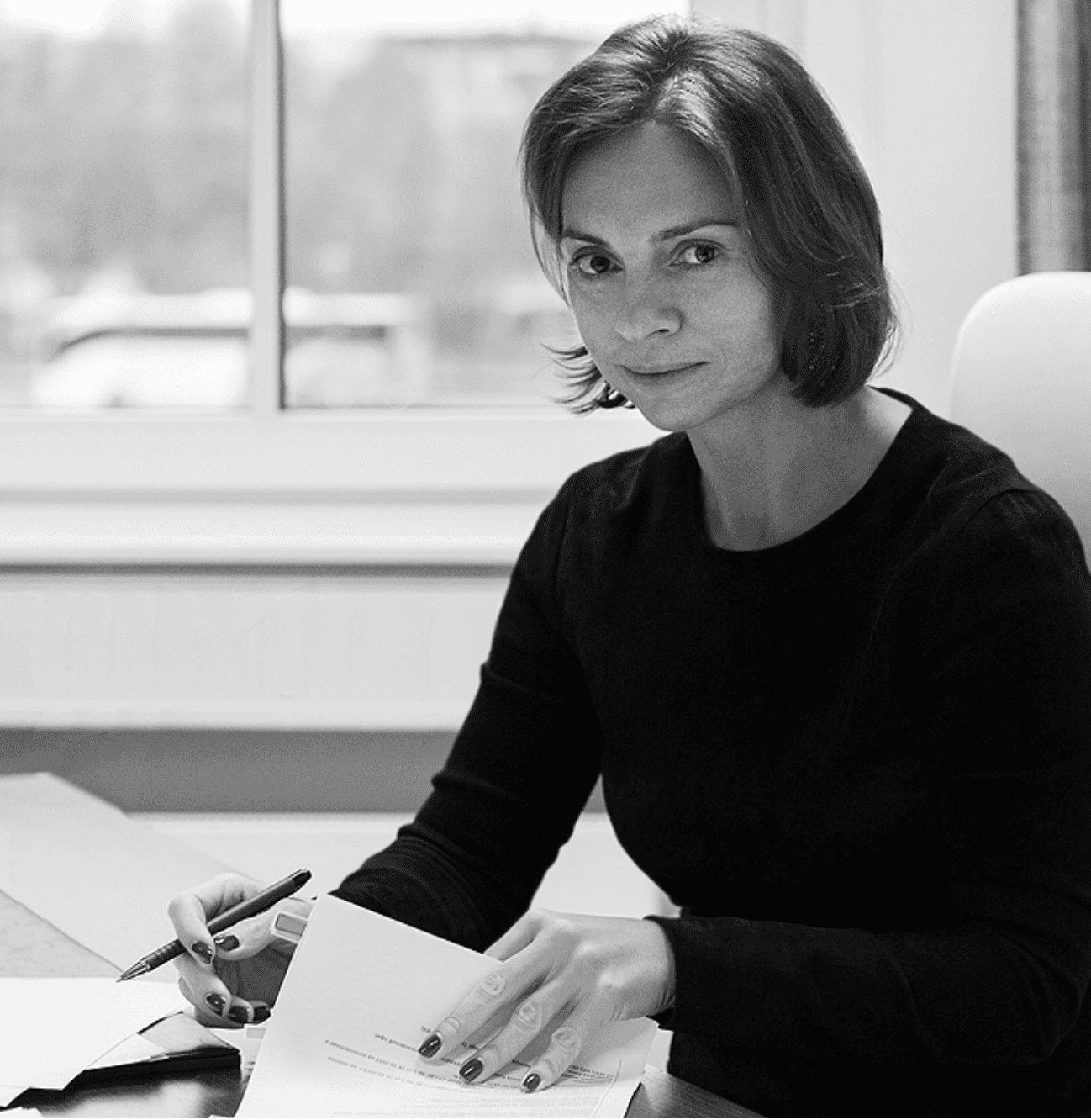
The law firm specialises in government relations, and has represented the Kremlin’s interests in several cases, including Ukraine's case against Russia at the ECHR over the illegal attempted annexation of Crimea and the violation of the Convention on Human Rights on the peninsula. The firm also represented Russia’s Ministry of Justice, brought by Georgia at the ECHR, regarding Russia’s invasion of Georgia.
In one case, Ivanyan & Partners even succeeded in overturning EU sanctions against Maya Tokareva, daughter of Nikolai Tokarev, CEO of Transneft, Russia’s state oil pipeline monopoly—underscoring the firm's efforts to advance Kremlin interests. However, in February 2026, Tokareva was re-listed by the EU Council and is again subject to sanctions. Ivanyan & Partners received $6.3 million in Russian government contracts in 2016, for "providing legal services to the Russian Federation", according to reports. Medvedev was Russia’s Prime Minister at the time. Gazprombank is also a client of the firm.
All of these connections form part of a broader pattern of Kremlin-aligned influence. From Tuscan vineyards to missile supply chains, Ilya Eliseev and his network show how Kremlin-linked elites shield billions in European assets while profiting from state contracts and weapons programs that fuel Russia’s war. Sanctions may target some, but much of this wealth—and the power it protects—remains untouched.
Discuss this article:
-4a56a6b482ec132402c16ef6fcabf9a2.png)

-303087aace0a9bb65cd07b3ea1c9c602.png "A Transparent Battlefield? How OSINT Is Transforming the War in Ukraine")
-24deccd511006ba79cfc4d798c6c2ef5.jpeg "Photo of Louis Beaudemont")


-72b63a4e0c8c475ad81fe3eed3f63729.jpeg "Photo of Cyril Barabaltchouk")