- Category
- Latest news
How Sanctioned Russian Oligarchs Collected Over €1M in EU Farm Subsidies Through Tuscan Vineyards
 Prefer U24 Media on Google
- Authors



At least three Russian oligarchs under European Union sanctions have quietly profited from more than €1 million in EU agricultural subsidies by channeling funds through luxury vineyards in Tuscany, according to a new investigation by IrpiMedia.
Despite Europe’s sweeping sanctions regime and strict rules against funneling public money to blacklisted individuals, the oligarchs—using offshore companies, Swiss trusts, and opaque foreign holdings—have managed to stay below the radar of Italian regulators for years.
The clearest case is Konstantin Nikolaev, a Russian businessman sanctioned by the EU in May 2025 for supplying military equipment used in Russia’s invasion of Ukraine and financing private mercenary groups.
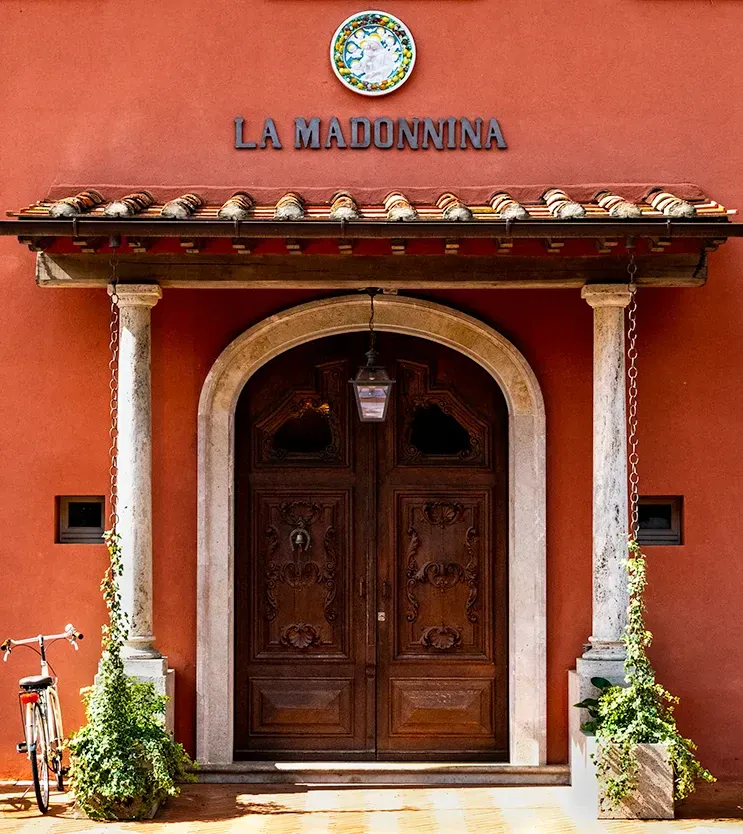
IrpiMedia reports that, through a Cypriot shell company controlled by a Swiss trust, Konstantin Nikolaev owns La Madonnina, a sprawling 70-hectare estate in Bolgheri known for its premium wines, olive groves, and luxury villa.
Despite being on the EU blacklist, the estate received €100,000 in Common Agricultural Policy subsidies between 2017 and 2025 and was awarded an additional €30,000 from Italy’s post-COVID recovery fund for solar panels—funds that have yet to be disbursed.
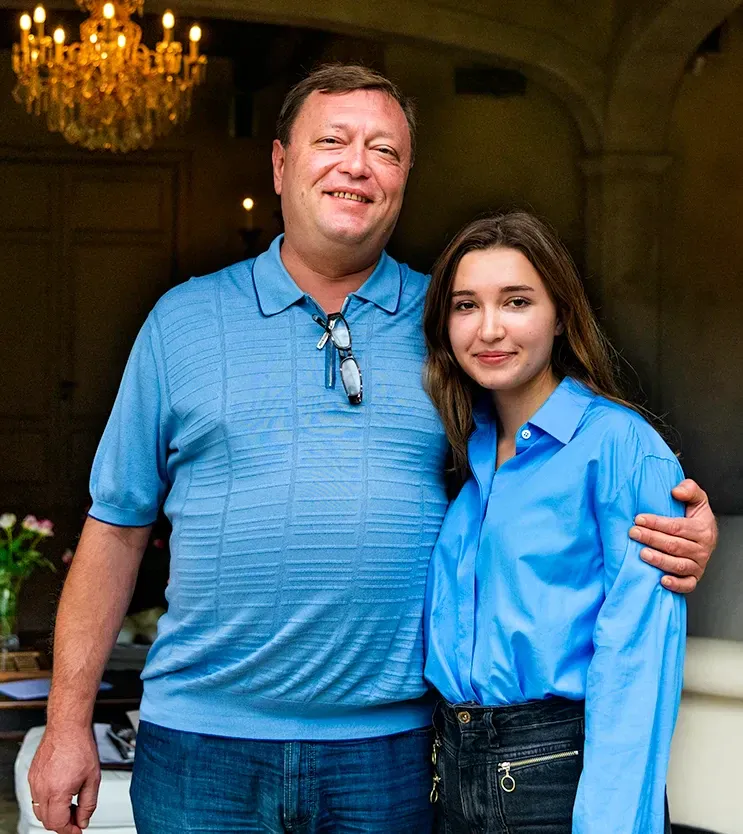
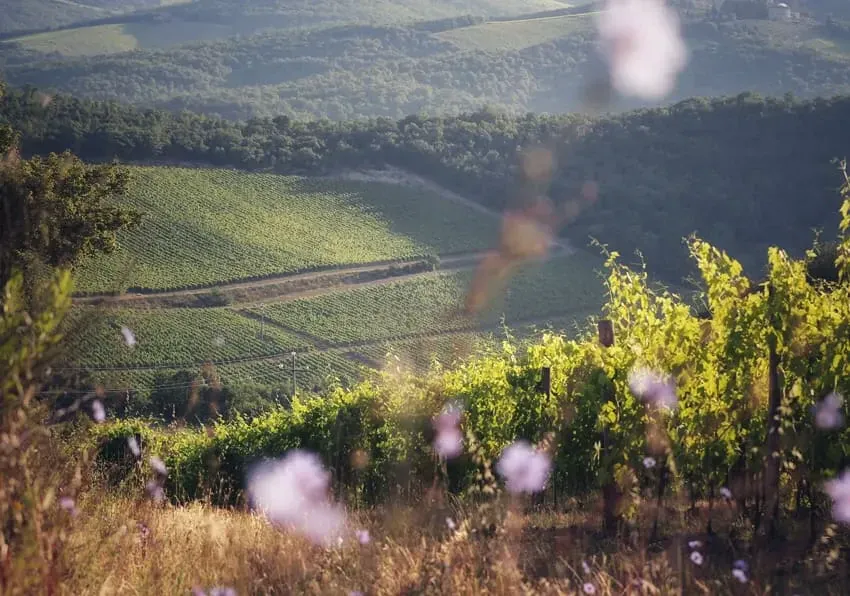
In southern Tuscany, Torre Civette, a 300-hectare coastal estate near Grosseto, was purchased in 2018 by Roman Trotsenko, a Russian billionaire close to Kremlin-aligned energy circles and sanctioned by the EU in 2024. The estate has received more than €180,000 in public funds, including green energy grants from the EU-backed PNRR program. His son Gleb Trotsenko, also under sanctions, now holds a minority share.
And in the Chianti hills, Fattoria della Aiola—a vineyard linked to Ilya Eliseev, a sanctioned banker and former KGB officer tied to former President Dmitry Medvedev—received €110,000 in EU farm subsidies. Public records show the estate continued exporting wine to Russia even after the full-scale invasion of Ukraine. Its ownership trails back to Dockell Limited, a Cypriot firm now in liquidation.
EU rules strictly prohibit sanctioned individuals from receiving any form of public money. But enforcement depends heavily on national governments—and in Italy, that oversight appears deeply flawed.
“La Madonnina,” for example, is held by Cetrezza Trading (Cyprus), which until recently had ties to a British Virgin Islands shell company linked to Nikolaev. Public documents now declare it has “no connection with Russia.”
In Aiola’s case, the Cypriot holding company was placed into liquidation without any official scrutiny into Eliseev’s role. The estate continues to operate, with no visible changes in ownership or activity.
The investigation shows that key Italian institutions—including the national agricultural agency Agea, the Financial Intelligence Unit, and the Corte dei Conti, Italy’s public spending watchdog—have limited access to actual ownership data and often rely on self-declared information.
Neither the European Anti-Fraud Office nor the European Public Prosecutor’s Office would confirm whether any investigations have been opened into these cases.
According to IrpiMedia, The Insider, and Transcrime, 64 Tuscan wine estates—around 7%—are controlled through foreign entities, many registered in tax havens like Cyprus, Singapore, and the British Virgin Islands.
This lack of transparency makes it nearly impossible to determine whether sanctioned individuals are ultimately benefiting from EU support programs.
-972b40303f2e57597e22987d16a593dd.jpg)
“European funding is built on trust, but trust without verification is not a safeguard,” said Marco Vianello of the European Business Registry Association. “When sanctioned elites can still collect subsidies through intermediaries, the entire system is at risk.”
The investigation raises broader questions about the EU’s ability to enforce its own sanctions, especially when dealing with complex ownership structures and luxury industries like wine, art, and real estate.
While Europe has frozen more than €200 billion in Russian assets since the start of the war, loopholes in enforcement mean sanctioned elites can still enjoy privileges, properties—and even profits—within EU borders.
The sun-drenched vineyards of Tuscany, far from the war frontlines, have become unlikely test cases for the effectiveness of European sanctions. As long as beneficial ownership remains opaque, oligarchs with Kremlin ties will continue to enjoy both the terroir of Italy and the benefits of European public money.
Previously, it was reported that as Russia’s economy continues to shift under the weight of international sanctions, the Higher School of Economics has introduced a new master’s program focused on international corporate compliance—with a particular emphasis on navigating the impact of foreign sanctions.
Discuss this article:


-72b63a4e0c8c475ad81fe3eed3f63729.jpeg "Photo of Cyril Barabaltchouk")