- Category
- Latest news
Inside Russia’s Sanctions Economy: Universities Now Training “Compliance Experts”
 Prefer U24 Media on Google
- Authors




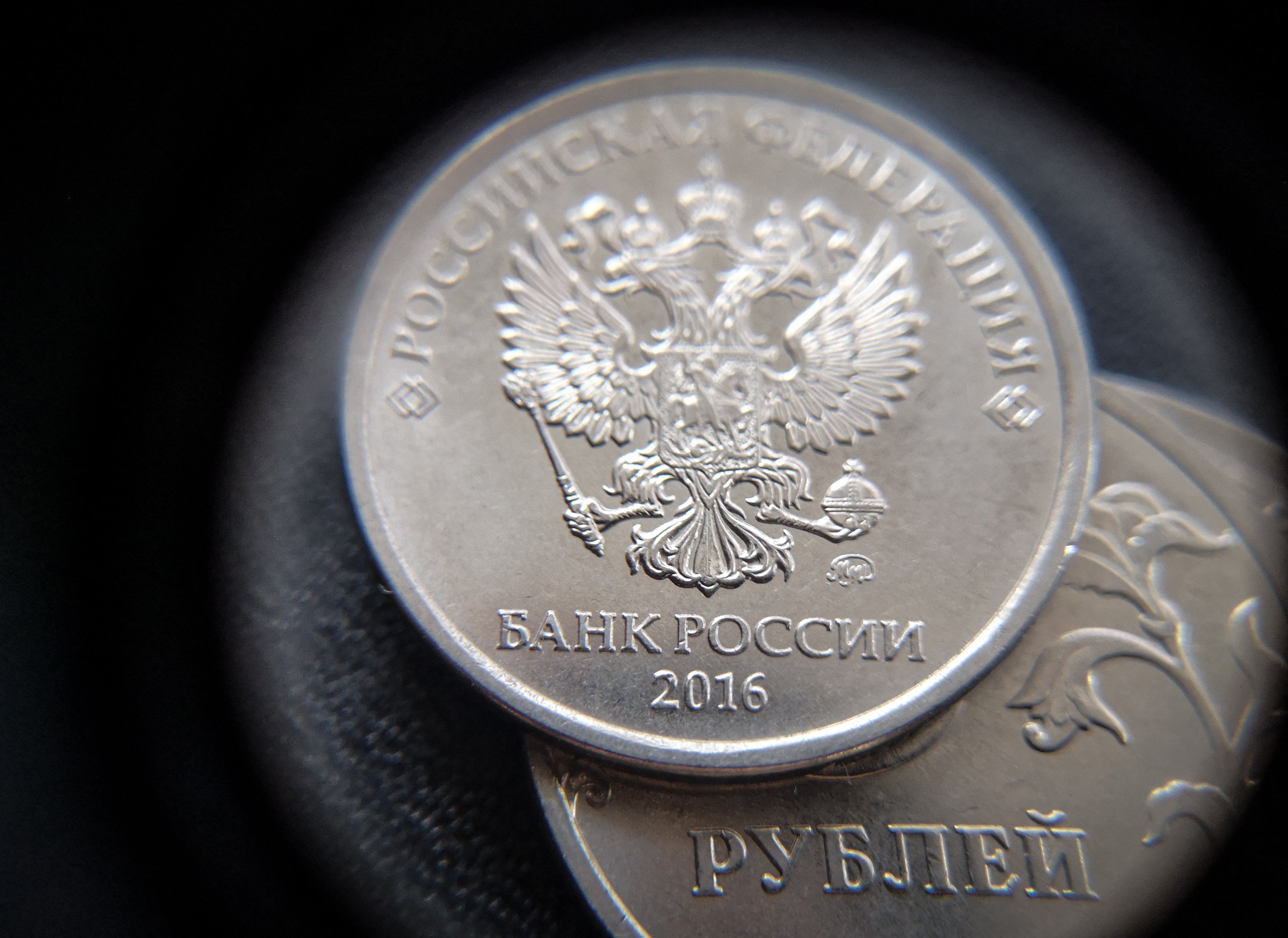
As Russia’s economy continues to shift under the weight of international sanctions, the Higher School of Economics (HSE) has introduced a new master’s program focused on international corporate compliance—with a particular emphasis on navigating the impact of foreign sanctions.
The program drew attention after an investigation by independent outlet T-Invariant, which highlighted how Russian universities are increasingly adapting to the demands of a parallel economy shaped by long-term geopolitical isolation.
Marketed as the first master’s-level program of its kind in Russia, HSE’s two-year course trains students to identify and manage sanctions-related risks that companies may face from international regulators. The tuition fee is approximately $5,500 per year, with enrollment capped at 22 students—20 Russian citizens and 2 international students.
T-Invariant notes that this program is just one of several now offered by HSE and other institutions, all geared toward producing professionals equipped to handle the complexities of sanctions compliance, or in practice, to work around them.
Since 2022, as hundreds of Western companies left the Russian market and sanctions expanded to cover key technologies, components, and financial transactions, Russia has been forced to develop alternative trade and supply systems—many operating in legal gray zones. As that parallel infrastructure matures, the demand for specialists in “sanctions navigation” has grown.
While HSE frames its program as a strategic response to evolving legal challenges in international business, critics argue it reflects deeper systemic shifts. “These aren’t programs about how to comply with global standards,” one former professor told T-Invariant. “They’re about how to operate under or around restrictions.”
The program is led by Ivan Timofeev, a well-known figure in state-aligned academic and foreign policy circles. Although not a faculty member at HSE, Timofeev also directs the Russian International Affairs Council and is affiliated with the Valdai Club . His involvement, alongside other guest lecturers, contributes to what T-Invariant described as a kind of “compliance tour”—a growing network of short courses and training sessions offered by different universities and online academies across the country.

For those not ready to commit to a two-year degree, HSE also offers a short-term compliance certificate—taught over Zoom for around $940. Another specialized course on compliance in the context of crypto assets and digital currencies is priced at approximately $1,050. Elsewhere, private institutions offer similar courses at varying price points: Moscow Digital School offers two-month online programs ranging from $650 to $1,150, while a basic 16-hour crash course at a technical college may cost as little as $100.
T-Invariant’s reporting also uncovered that Russia’s leading universities—including Moscow State University—have launched dedicated compliance research centers. MGU’s “Compliance Science Center,” for example, is part of a wider state directive to retool higher education toward new “strategic” goals. Other initiatives include conferences, summer schools, and open lectures on sanctions and legal circumvention strategies.
Economists are divided on the long-term significance of these developments. Igor Lipsits, a former HSE professor, sees it as part of a broader trend: “Just like in the 1990s, when everyone rushed to teach crisis management, now we’re seeing education adjust to a war economy,” he told T-Invariant. “The Kremlin has accepted that sanctions aren’t going anywhere. The system is adapting to survive—maybe even thrive—under permanent restrictions.”
-99024728e2c2a7039772edf089470482.jpg)
Other experts, like Harvard Davis Center affiliate Andrei Yakovlev, are more skeptical. “Universities are reacting to short-term demand,” he said. “That doesn’t mean this is a stable, long-term direction. In the 1990s, everyone was teaching brokers—until the market collapsed. This could follow a similar path.”
Still, demand for these specialists appears real—for now. Large Russian banks, export-focused firms, and logistics companies are reportedly hiring professionals who understand how to structure transactions, move goods, and navigate customs and financial regulations without triggering red flags abroad.
According to T-Invariant, the rise of sanctions compliance education reflects more than just labor market trends—it signals Russia’s deeper shift toward building a self-sustaining, isolation-ready economy. And with political rhetoric increasingly emphasizing “strategic autonomy” and reduced reliance on the West, education policy appears to be following suit.
Earlier, it was reported that Dmitry Medvedev, Deputy Chairman of Russia’s Security Council and former Russian President, dismissed Donald Trump’s pledge to impose 100% import tariffs on Russia and its trade partners if no Ukraine ceasefire deal is reached within 50 days as a “theatrical ultimatum” unlikely to sway Moscow.
Discuss this article:


-c439b7bd9030ecf9d5a4287dc361ba31.jpg "Photo of Katherina Popilnichenko")