- Category
- World
Where Russian War Profiteers Own Villas, Hotels, and Banks in Europe, Mapped
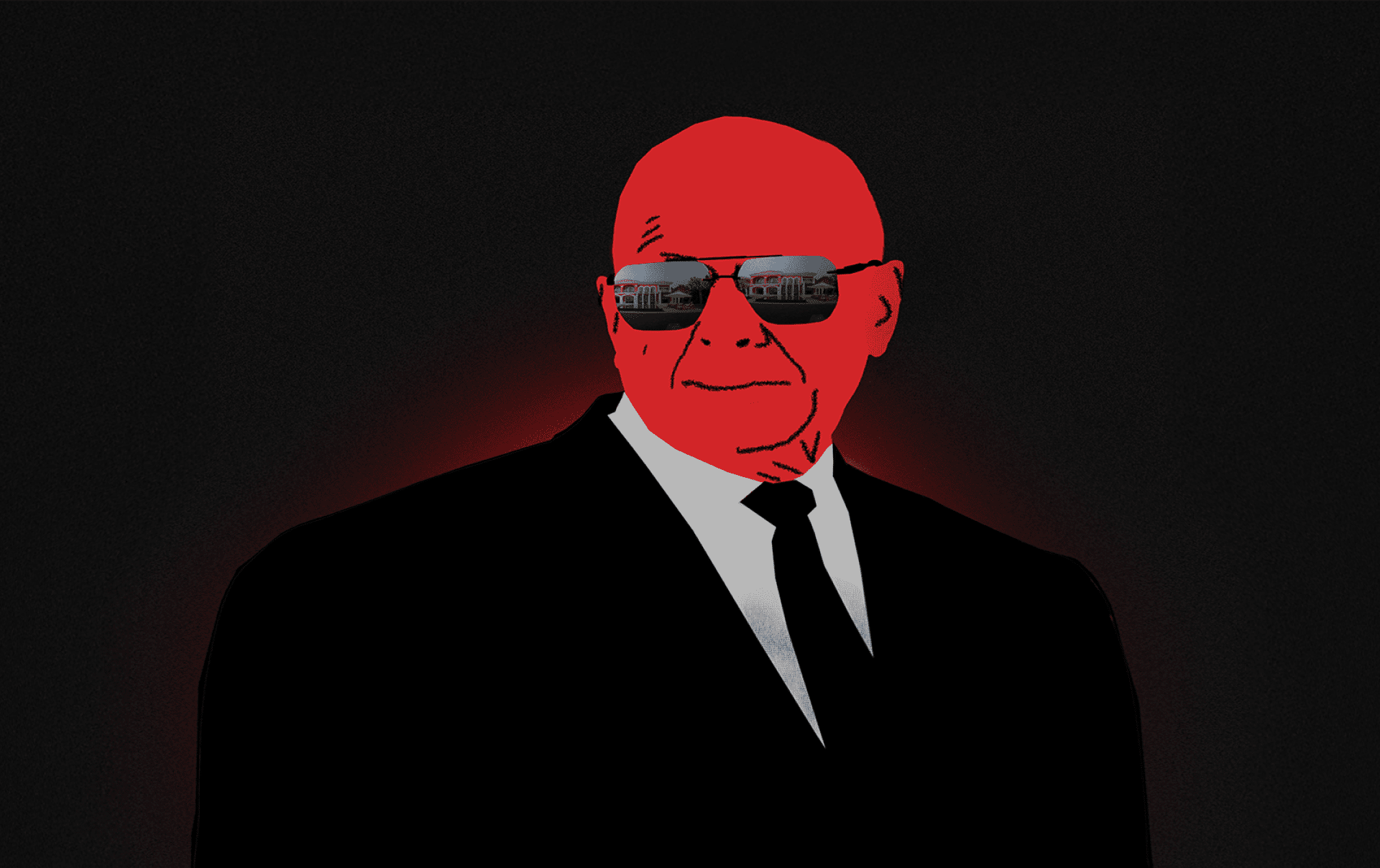
Russians involved in weapons production hold billions in assets across Europe and the US. Putin’s oligarchs move freely, their frozen assets untouched, while their cash and arms flow straight to Ukraine’s frontlines.
 Prefer U24 Media on Google
- Authors

-46f6afa2f66d31ff3df8ea1a8f5524ec.jpg "Photo of Jess Daly")
Protesters rallied outside the UK Conservative Party headquarters in London on January 7, 2026, calling for tougher action to redirect frozen Russian assets to support Ukraine.
Some of those assets belong to sanctioned Russian oligarch Roman Abramovich, who has more than £5.3 billion ($7.16 billion) frozen by the UK over his close ties to Vladimir Putin. Abramovich is now seeking legal representation to have those assets unfrozen.
Around £2.5 billion ($3.20 billion) of Abramovich’s frozen wealth comes from the sale of Chelsea Football Club. While the UK government wants to use the money to help rebuild Ukraine, Abramovich has argued the funds should go to “all victims of the war,” including those in Russia, Politico reported.
The UK has frozen roughly £25 billion ($31 billion) in Russian assets, compared with about €210 billion ($247 billion) in the EU and $5 billion in the US. EU ambassadors recently approved a measure allowing Russian assets to be frozen indefinitely—an important step toward potentially using them for reparations to Ukraine.
Sanctions targeting the Russian state, its companies, and oligarchs linked to Putin are now facing growing legal pushback. Wealthy Russians are challenging asset freezes through investor-state dispute settlement (ISDS) mechanisms, putting pressure on EU sanctions policy and, by extension, Ukraine’s national security. Friends of the Earth Europe has identified 24 publicly known ISDS cases contesting Russia-related sanctions, worth a combined $62 billion.
One ISDS case involves Mikhail Fridman, whom we discuss later. Meanwhile, many oligarchs shielded their wealth in the early days of Russia’s full-scale invasion by transferring assets into irrevocable trusts, placing them beyond legal seizure.
Many remain linked to Russia’s military-industrial complex and still hold property and corporate assets across the UK, Europe, the US, and the UAE.
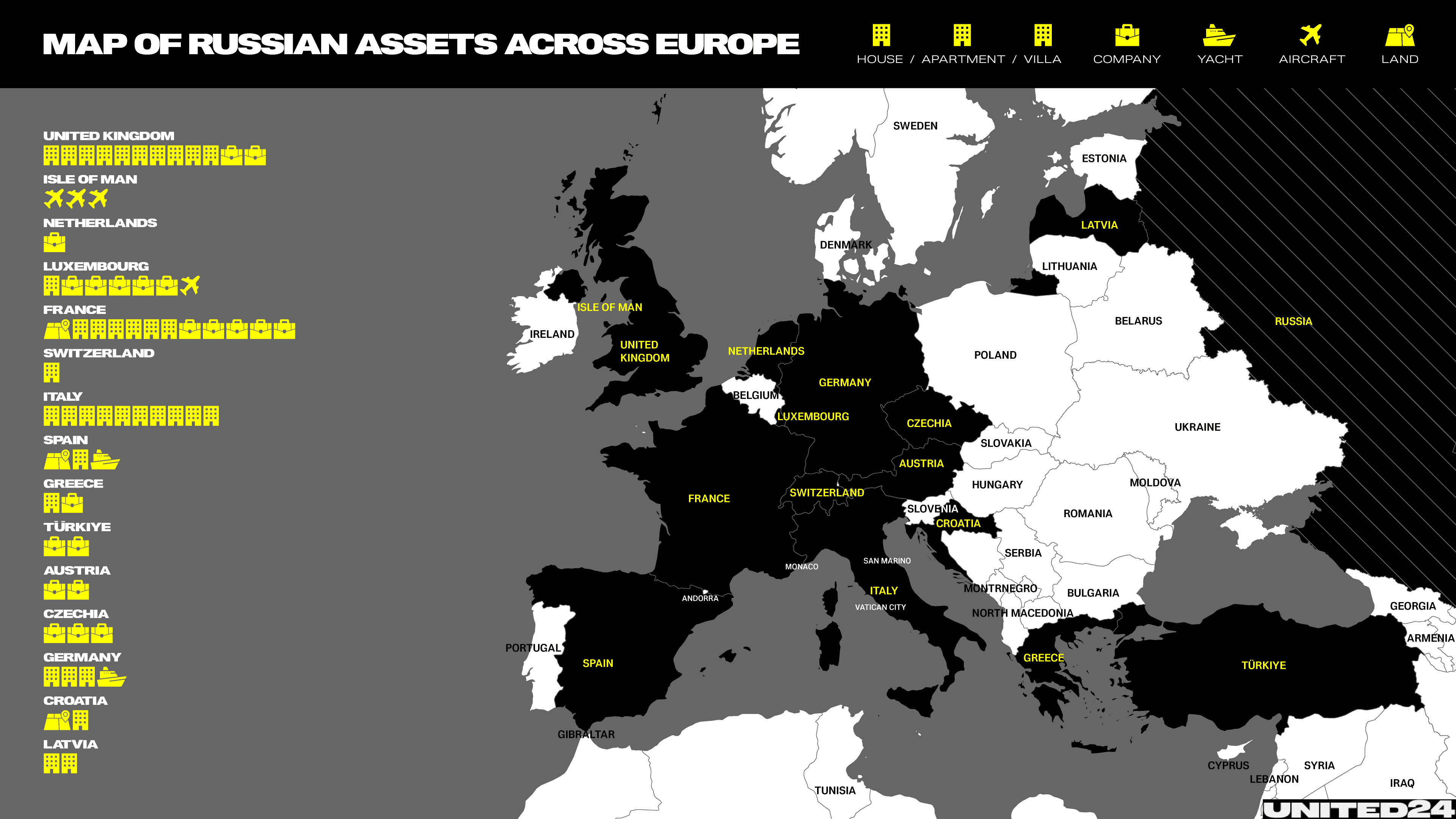
An investigation by Trap Aggressor exposed how some of these families—your neighbors—are tied to the production of drones, missiles, and fighter jets used to wage war on Ukraine, while owning billions in villas, yachts, aircraft, and companies around the world.
Russia’s defense and space ambitions
Ruslan Ashurbeyli is the son of renowned Russian-Azerbaijani defense figure Igor Ashurbeyli. Ruslan directs a network of military, security, and technology companies, including owning a stake in Isle of Man-based WVRE Limited and had a former role heading Russia’s Socium-A enterprise.
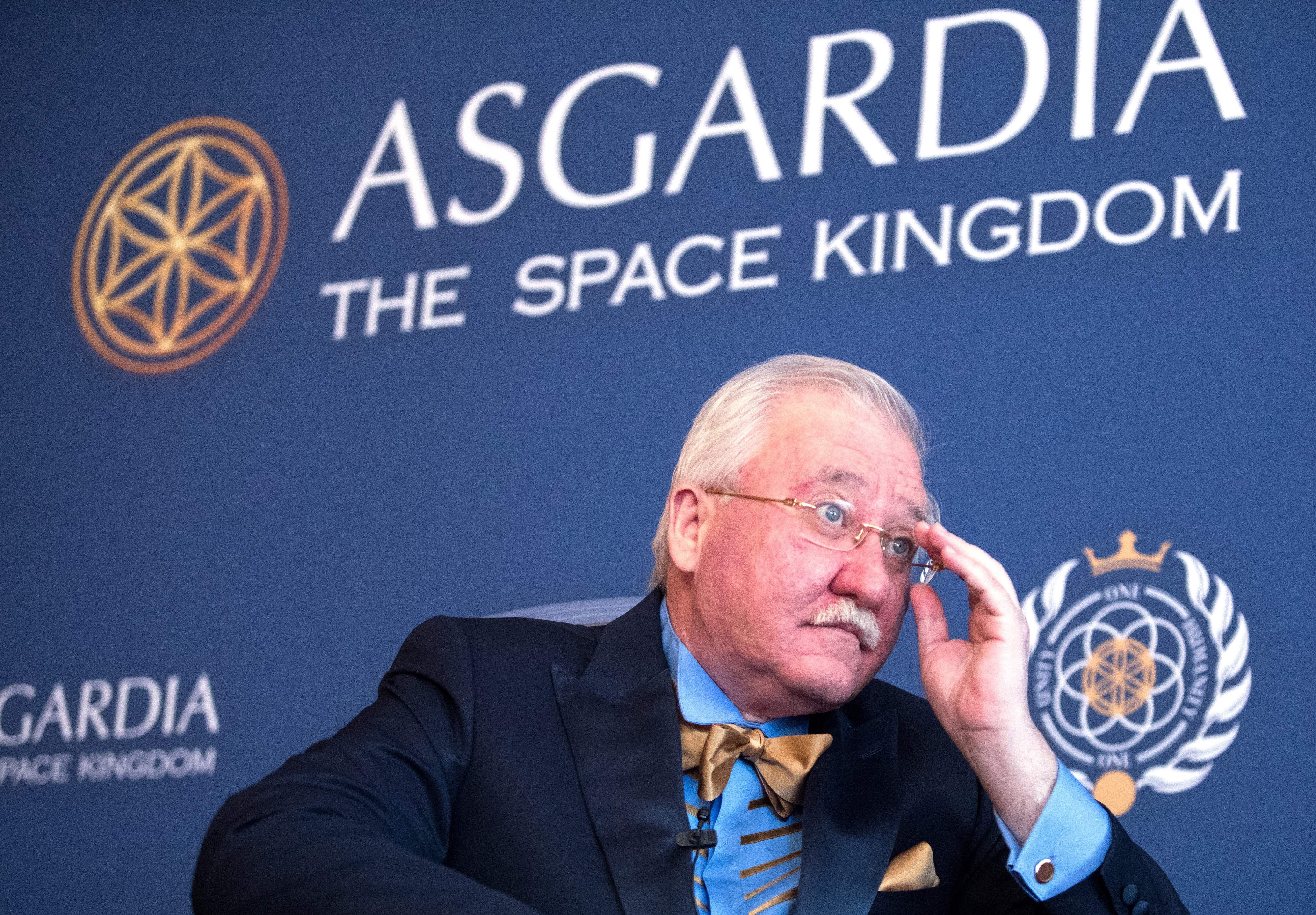
Igor Ashurbeyli, a former general and scientific director of the sanctioned major Russian defense firm, NPO Almaz, oversaw the development of the S-300, S-400, and Unified Anti-Aircraft Missile Systems. Igor remains influential through Socium-A, which owns subsidiaries, including LLC AKAB, a developer of helicopter-type UAVs.
Socium-A is heavily tied to Russia’s Orthodox Monastery of St. Elisabeth, which we previously reported for supporting Kremlin information operations and reportedly assisting the transfer of Ukrainian children to Russia and Belarus.
Socium-A operates across Russia and internationally in cities including Paris, Monaco, Israel, and Mauritius. Its companies span IT, scientific production, medical equipment, banking, real estate, and security services, with the Ashurbeyli family retaining management roles despite reorganizations since 2014.
Igor founded the self-proclaimed “Space Kingdom” of Asgardia, a “virtual nation” orbiting Earth via its Asgardia‑1 satellite. The nation, who call themselves “Asgardians,” plans a lunar settlement by 2043—and Igor has crowned himself king.
He also chairs the political party “Party of Russia's Rebirth,” whose members have visited Russian-occupied Donetsk under the guise of humanitarian missions.
Russia’s drone empire
Tatyana Yevtushenkova, daughter of Russian billionaire Vladimir Yevtushenkov, is the CEO and owner of Redline Capital (UK) and Redline Capital Partners (UK) Limited, both registered to the same London address, according to Trap Aggressor. Her father, founder and co-owner of AFK Sistema, ranks among Russia’s wealthiest, with a 2021 fortune of $3.4 billion.

AFK Sistema invests in Russian defense and UAV development, including AO Kronstadt, a major drone manufacturer producing Sirius, Molniya, Grom, Termit, Helios UAVs, and the S8000 Banderol cruise missile. The group also controls RTI Systems, a top-100 global defense firm specializing in control, communication, and radio systems for Russian weapons. Both Kronstadt and RTI have been sanctioned internationally.
Among the many companies built on Sistema assets are VZPP-Mikron, MEZ Uralelektro, RTI, and Erso Holding. They supply chips, transistors, and other electronics to nearly a hundred defense firms, powering everything from M-633S “Bumblebee” military phones to MLRS, air defenses, combat aircraft, armored vehicles, and even nuclear weapons, Trap Aggressor found.
The Yevtushenkov family’s holdings span energy, defense, communications, and digital technologies—sectors of strategic importance to the Russian government. They have been widely sanctioned, but in 2025, Tatyana was removed from the UK’s list on the grounds of “lack of evidence.” Her London-based company was previously controlled by her father.
The family maintains substantial international assets, including three villas on the French Riviera and two houses in London. Vladimir’s common-law wife, Yelena Brusilova, former president of Sistema’s Medsi group, owns four villas in Italy and remains linked to the family’s network of strategic business interests.
In November 2022, Brusilova became the beneficiary of the Savoy West End Hotel in Karlovy Vary, Czechia, which was registered to Yevtushenkov’s AFC-System. In July 2023, it and its $4.6 million in assets were arrested—yet it remains open for business, according to Trap Aggressor.
Vladimir Yevtushenkov also acquired East-West United Bank in Luxembourg following Putin’s 2007 visit and was appointed Luxembourg’s honorary consul in Russia in 2009—a position he still holds. He was awarded the Order of the Oak Crown in 2019 for advancing bilateral ties.
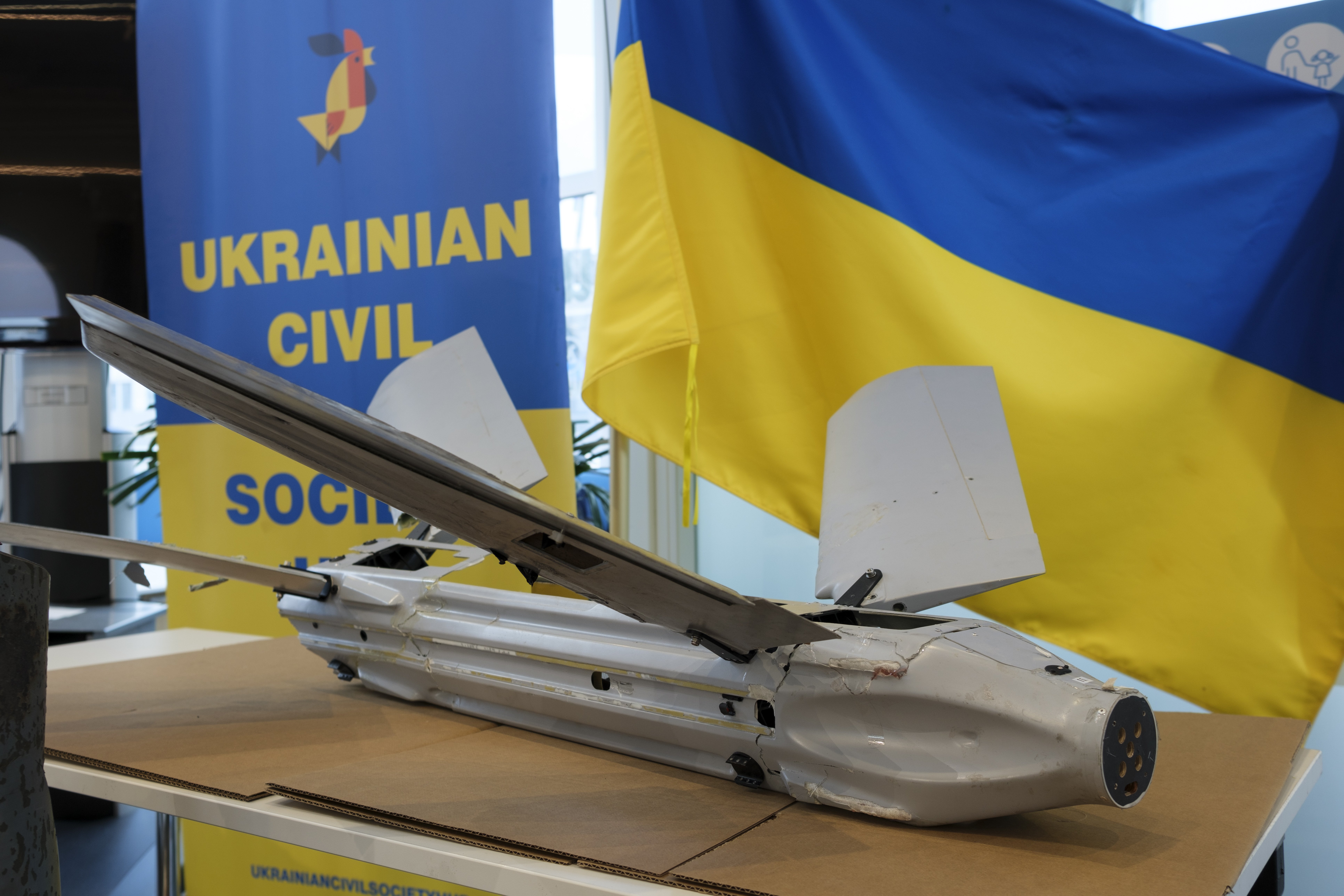
A London apartment is owned by Svetlana Zakharova and Lavrentiy Zakharov, the wife and son of Alexander Zakharov, owner of Zala Lancet drone manufacturer, Zala Aero. While Alexander, known as "the new Kalashnikov,” was producing drones to strike Ukraine, Lavrentiy, his son, was recruited for a six-month internship in the United Nations Institute for Disarmament Research to “prevent and limit the impact of the uncontrolled proliferation and use of conventional weapons and munitions," Le Monde reported.
Only a few months after his internship, the whole family was sanctioned by the UK for owning or controlling companies operating in a sector of strategic significance to Russia’s defense sector. UK government documents suggest that another son, Nikita, is the owner of Russian UAV manufacturer Aeroscan, part of the Zala Aero group.
Fighter jets, missiles, and Kremlin-linked wealth
Anastasia Demchenko is the granddaughter of Russian engineer Oleg Demchenko, former designer, director, and board member at the Yakovlev Research and Design Bureau, which produces over 200 aircraft types and modifications, including the Yak-130 combat trainer and Su-30 fighter jets, Trap Aggressor reported.
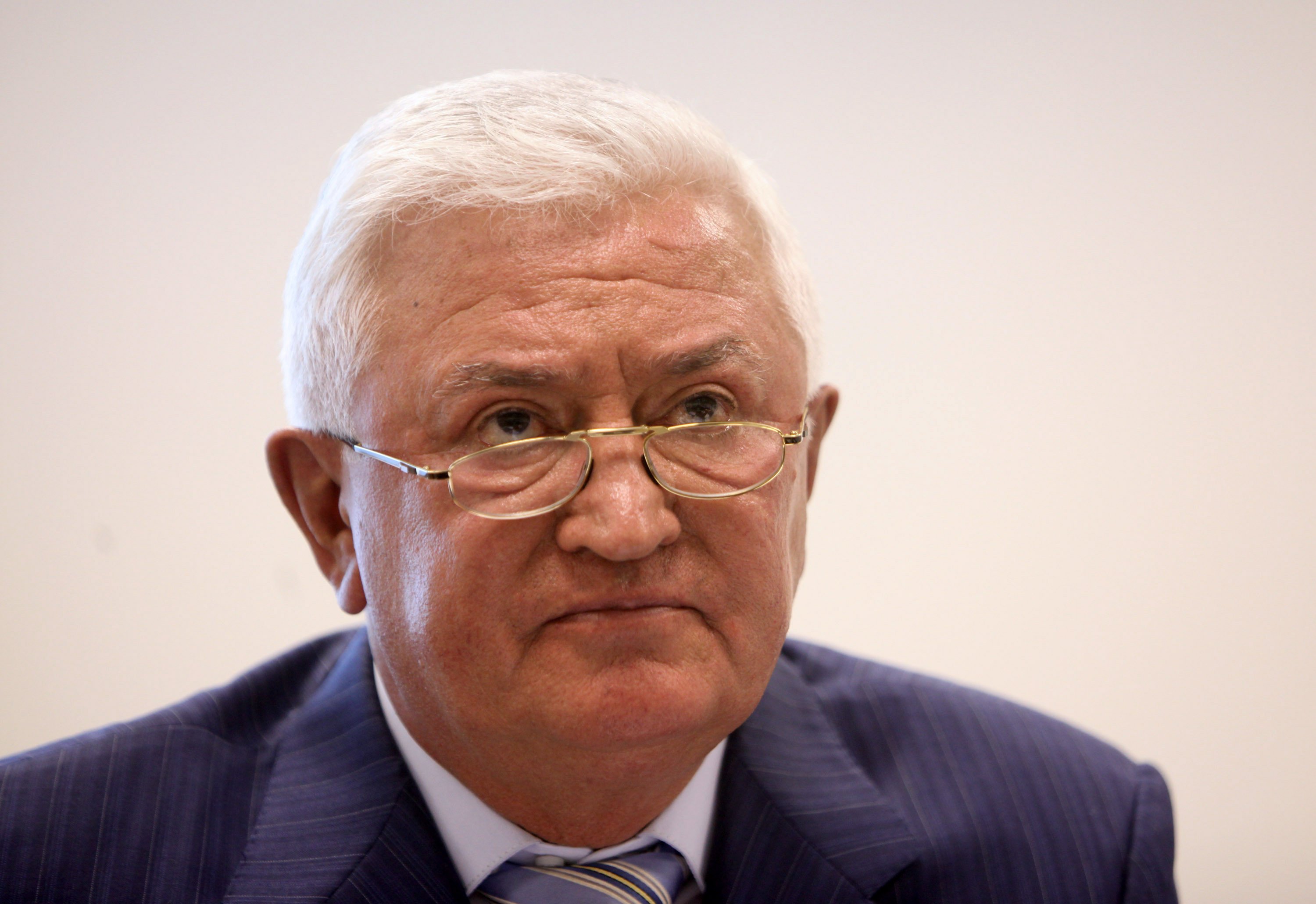
Oleg is not currently sanctioned by the EU, while his son and grandchildren continue buying properties across Europe, including France and the UK. Anastasia works at London jeweller, Buccaletti and her cousin, also named Oleg, lives nearby with Olga Jansen van Vuuren, daughter of Belarusian defense businessman Vladimir Peftiev.
Peftiev, former head of Beltehexport—a major Belarusian defense exporter of MiG jets, helicopters, drones, tanks, and air-defense systems—remains linked to the Lukashenko regime. Beltehexport was sanctioned by the UK in 2025, with asset freezes, trade restrictions, and travel bans. Despite being sold in 2012 to Russian businessman Dmitry Gurinovich, Beltehexport continues to participate in military exhibitions alongside Russian firms during its invasion of Ukraine.
The Peftiev family has leveraged its defense-linked wealth to acquire extensive UK property, including 12 West End flats worth £18 million, more than $24.5 million and nine additional properties purchased for £13.6 million, an investigation by The Times and Transparency International in 2020 revealed.
Putin’s favourite oligarchs are closer than you think
Mikhail Fridman
Mikhail Fridman, a Ukrainian-born Israeli–Russian businessman, is the co-founder of Alfa Bank, Russia’s largest private bank. Fridman currently ranks #174 on Forbes’ world billionaire list. The Security Service of Ukraine (SBU) listed him as wanted in 2023; he was Russia’s ninth-richest person at that time.
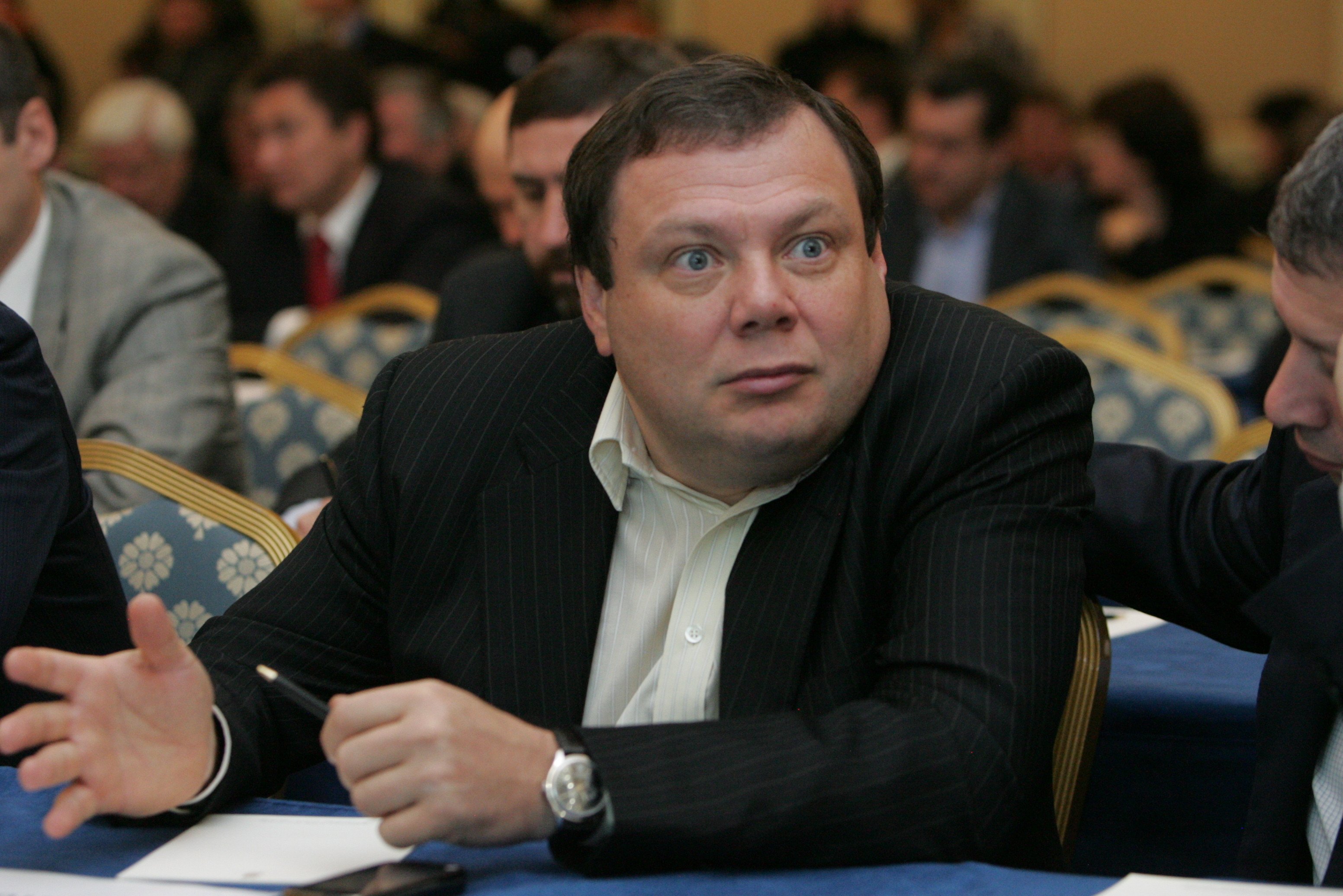
Fridman’s net worth plummeted after Russia’s full-scale invasion due to sanctions and asset freezes, but has nearly recovered to pre-war levels.
The EU found in 2022 that a subsidiary of Fridman’s Alfa Group insured vehicles and weapons used by the Russian military, including National Guard units operating in occupied Ukrainian territories, and provided vehicles to Putin. His companies were also linked to merchandise bearing the “Z” symbol, used to promote Russia’s war of aggression.
Sanctions against him, such as the prevention of selling or transferring any assets, were annulled in 2024 by the European Court of Justice, which acknowledged links to Putin but said the evidence did not show he benefited personally. Later, he was again placed under EU sanctions.
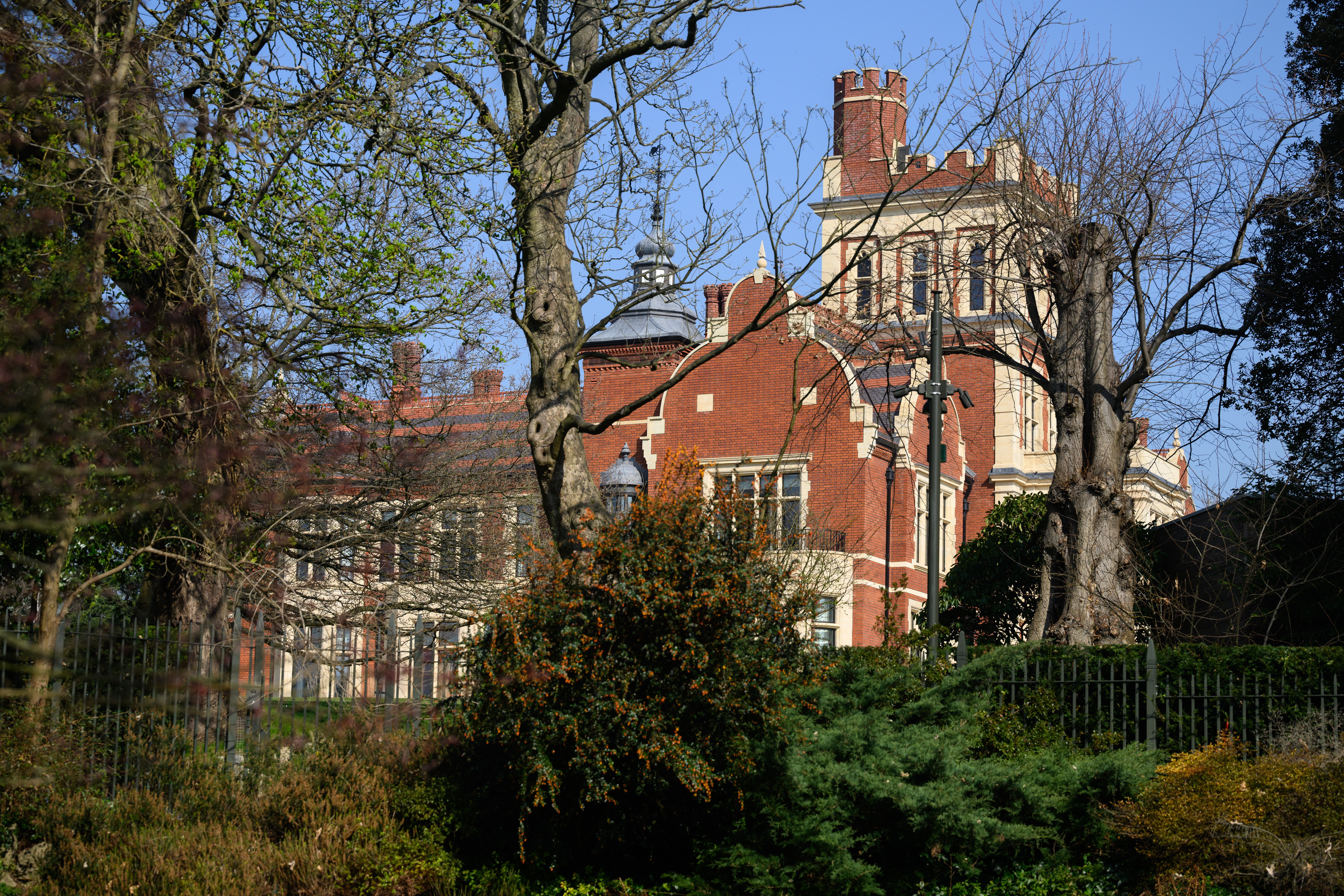
While under sanctions, Fridman became a part-owner of the UK’s largest oil producer through LetterOne, holding nearly 15% of Harbour Energy. His London properties, including the $100 million Athlone House estate, remain frozen, and he is suing the UK government in an ISDS case, the UK Parliament in November 2025 reported.
Alisher Usmanov
Uzbekistan-born Alisher Usmanov, dubbed “the hard man of Russia,” is a long-time Kremlin insider and is described by the EU as one of “Putin’s favourite oligarchs.” He has alleged close financial ties to Putin and Dmitry Medvedev, Prime Minister and Deputy Chairman of the Security Council of Russia, who reportedly benefited from personal use of Usmanov’s luxurious residences.
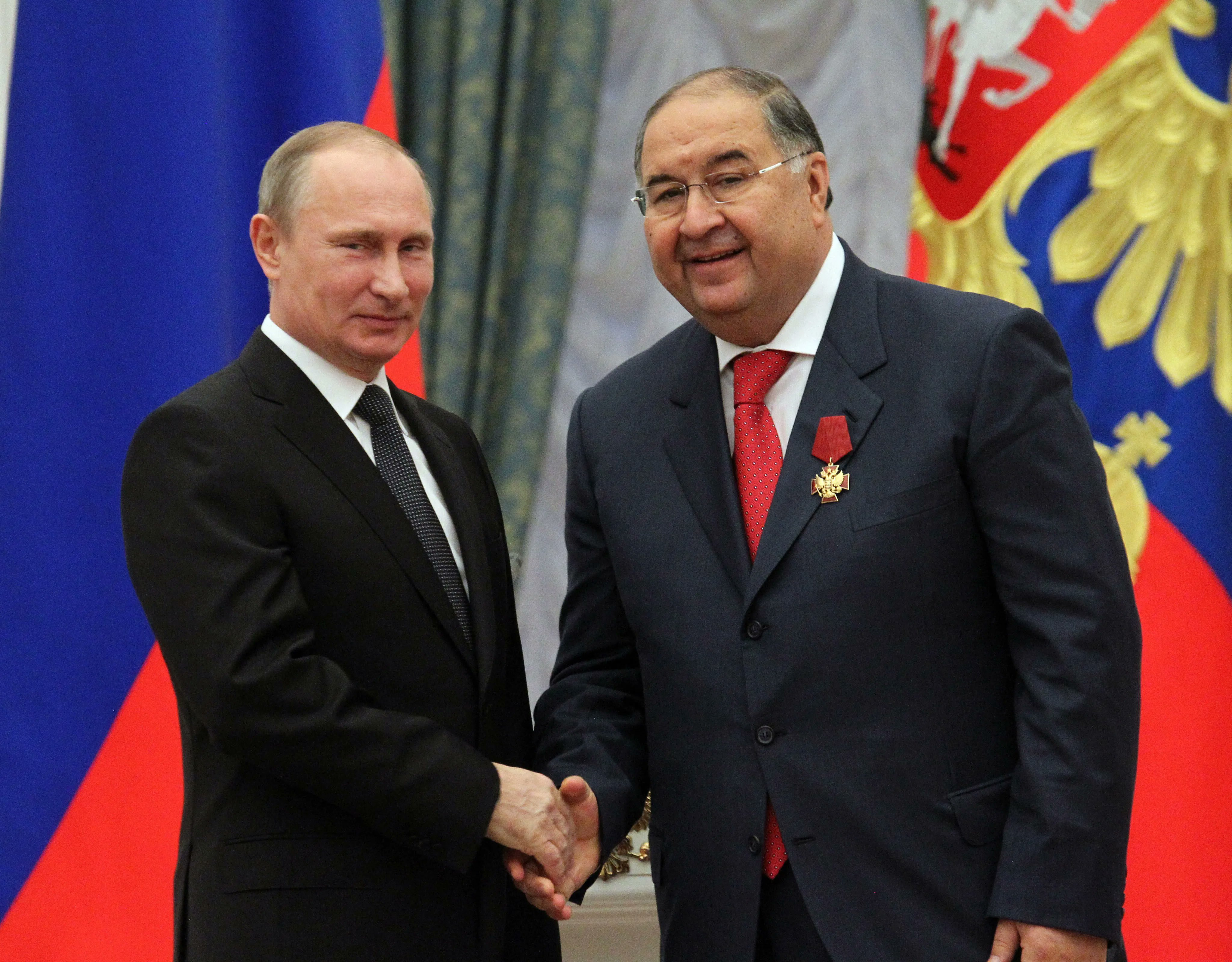
“I am proud that I know Putin, and the fact that everybody does not like him is not Putin's problem. I don't think the world loved Truman after Nagasaki.
Alisher Usmanov
Usmanov’s known assets are valued at a minimum $3.47 billion. He owns villas, planes, yachts, and helicopters across Europe: six in Italy, five in London, four in Germany, three in the Isle of Man, two in Latvia, two in Croatia, and one each in Luxembourg, Spain, and Switzerland, the OCCRP Russian Asset Tracker reported.
Like fellow oligarch Mikhail Fridman, Usmanov’s net worth plunged in 2022 following Russia’s invasion of Ukraine, but has since rebounded to near pre-war levels.
He led Gazprom Investholding from 2000 to 2014, owns Metalloinvest, Russia’s mining and metallurgical giant, and founded USM Holdings, a global conglomerate spanning metals, mining, telecommunications, and tech. He also acquired a stake in Russian mobile operator, MegaFon, sponsored Everton’s training ground, and formerly held a stake in Arsenal FC.
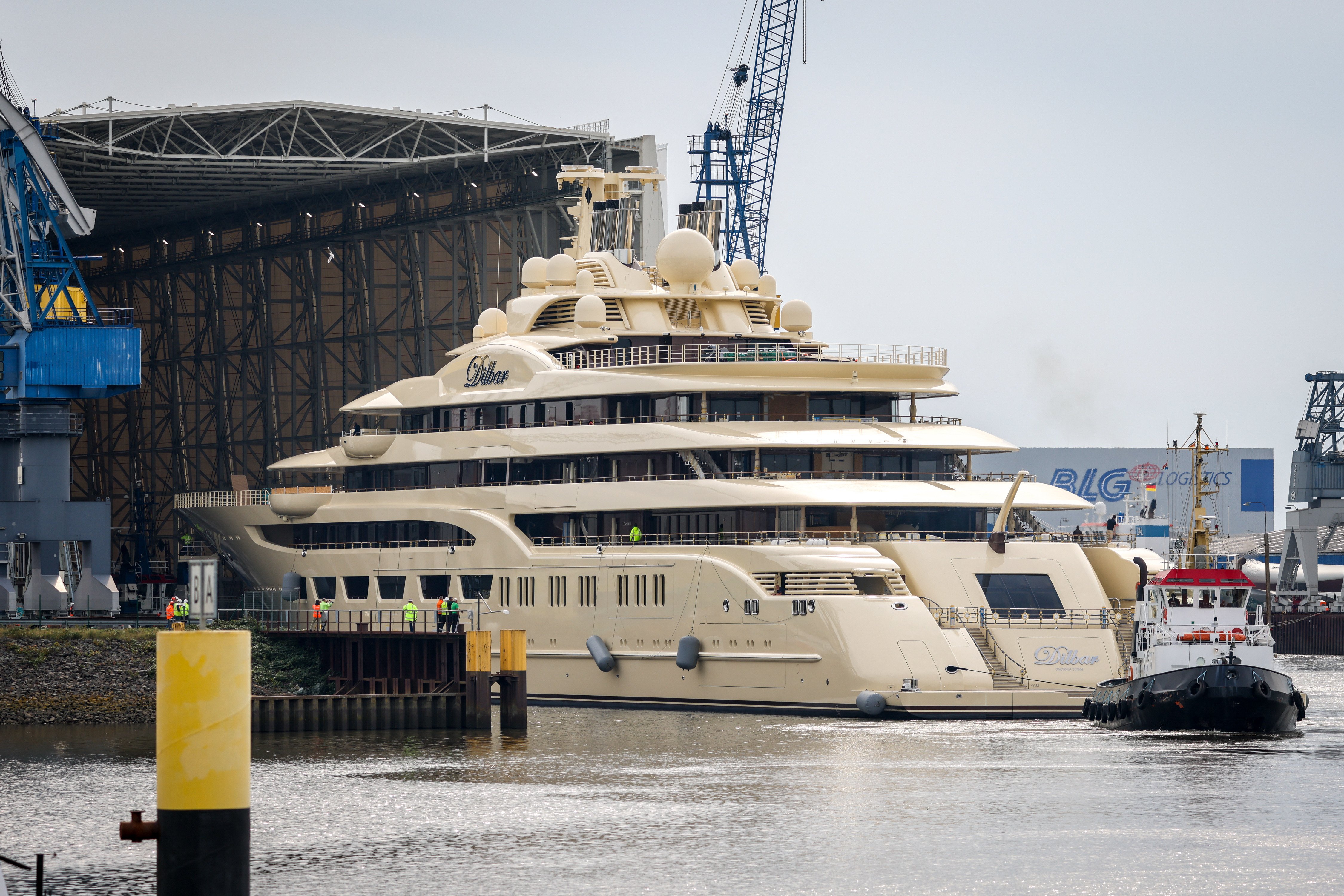
Both Usmanov and Metalloinvest have been sanctioned. Weeks before sanctions hit, his lawyers claimed his German super-yacht and London properties had been transferred into irrevocable trusts, making them technically out of reach.
In order for an entity to be designated under sanctions it needs to be owned or controlled by a sanctioned person. The more opaque and complex the structures of ownership the more difficult that is to establish.
Sanctions Expert
German authorities were able to raid Usmanov’s “Dilber” super-yacht in October 2025. However, authorities were unable to seize the vessel because it’s not officially owned by the Usmanov family and is held in an irrevocable trust.
Gennady Timchenko
Gennady Timchenko is Russia’s sixth-richest oligarch. The OCCRP Russian Asset Tracker estimates that Timchenko holds at least $70.5 million in assets across Finland, France, Switzerland, and the British Virgin Islands. Before his 2014 sanctions, he was the country’s largest oil trader and managed Putin’s oil deals—a role experts say he may still influence.
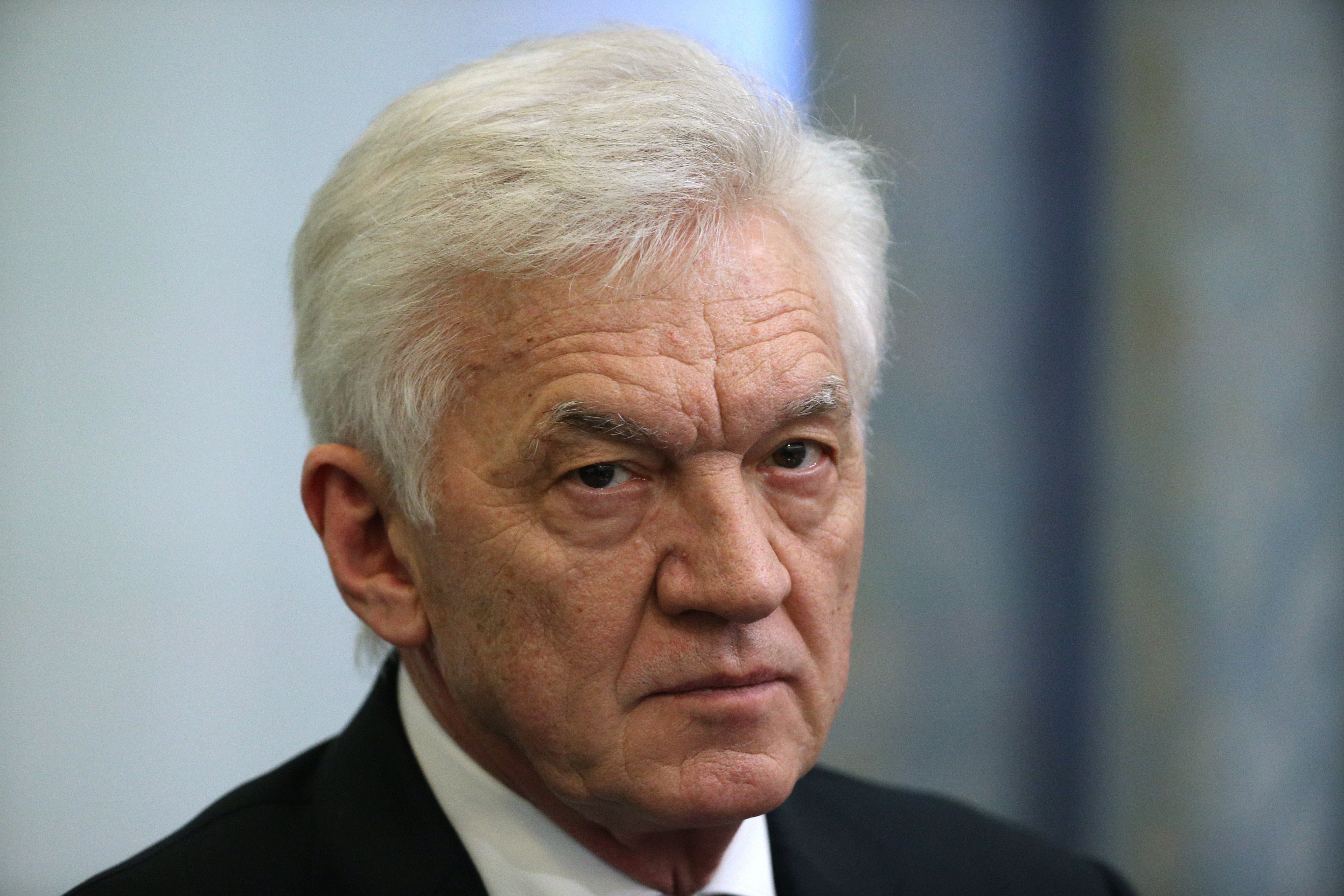
He co-founded Gunvor, one of the world’s largest crude oil traders, which until recently handled much of Russia’s oil exports, and held a stake in the sanctioned Bank Rossiya, which made significant investments in Crimea since Russia’s occupation, and funded propaganda media outlets across the peninsula.
You have to pay for everything in your life. Even for your friendship with the president.
Timchenko was further sanctioned for, among other reasons, attending a meeting with Putin in February 2022, days before Russia’s full-scale invasion of Ukraine, to discuss the potential impact of war. In 2024, former executives of Timchenko’s companies provided services to over 300 tankers, including at least 170 linked to the so-called “shadow fleet,” according to iStories.
Accountability keeps slipping
From luxurious villas in Italy, to super-yachts in Germany, Putin’s oligarchs are more than just distant billionaires—they are active enablers of a war still waged in Ukraine.
Their wealth funds the Kremlin, their companies supply weapons, and their legal battles stall efforts to turn frozen assets into reparations for the victims of Russia’s aggression.
Across the globe, these families live freely, move money through opaque offshore structures, and operate alongside state-sanctioned military enterprises. The war may be fought in Ukraine, but its weapons are funded—and built—by billionaires living next door.
Discuss this article:

-c439b7bd9030ecf9d5a4287dc361ba31.jpg "Photo of Katherina Popilnichenko")
-72b63a4e0c8c475ad81fe3eed3f63729.jpeg "Photo of Cyril Barabaltchouk")