- Category
- Anti-Fake
Pro-Putin Nuns Sell War at Christmas Markets
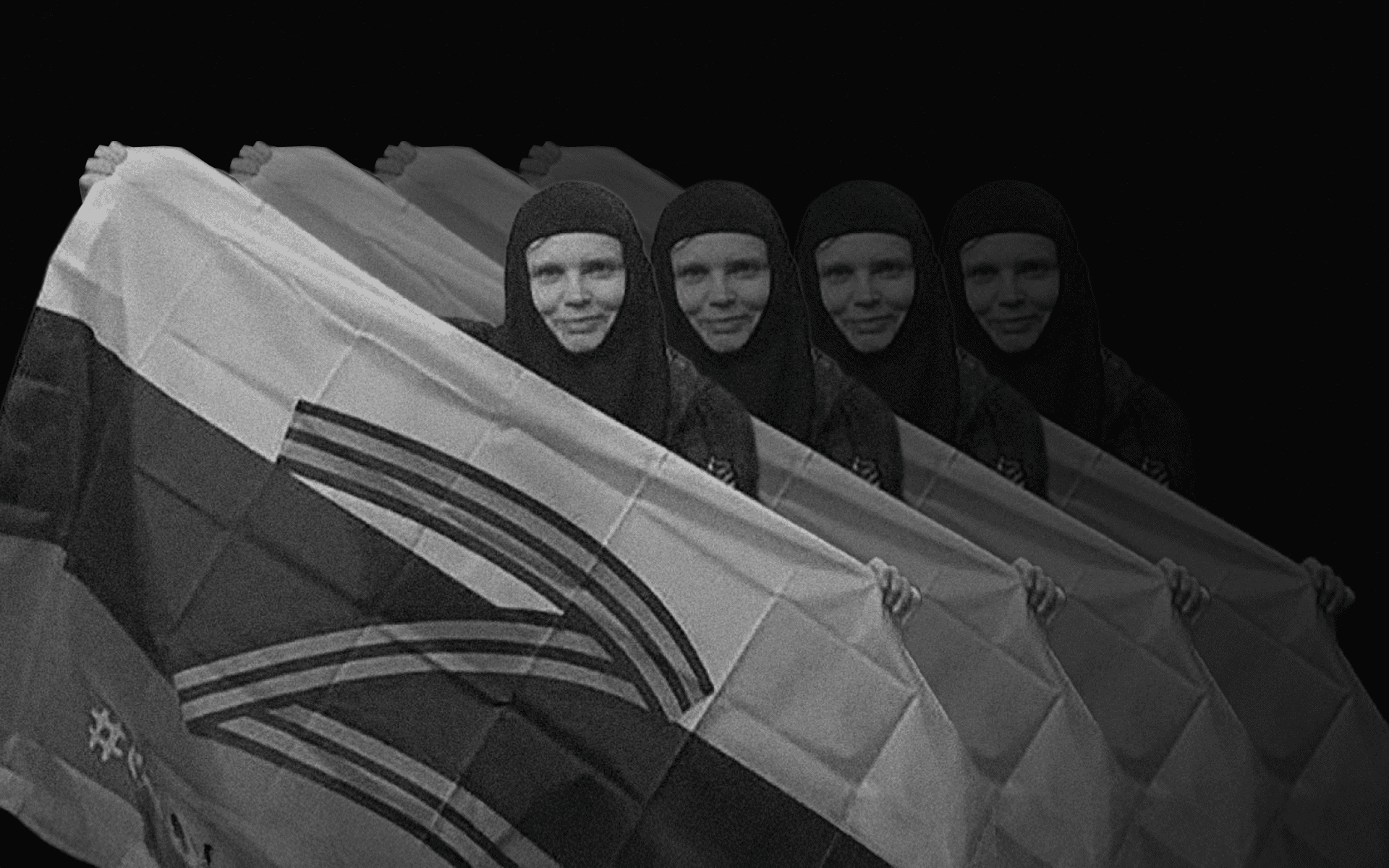
What kind of nun funds a war of aggression? Pro-Putin nuns from Belarus with Christmas market stalls across Europe are raising funds to directly support Russia’s war in Ukraine. Masked as charitable work, the convent spreads Kremlin propaganda and runs militarised training programs for children.
 Prefer U24 Media on Google
- Authors

-46f6afa2f66d31ff3df8ea1a8f5524ec.jpg "Photo of Jess Daly")
The Church of Sweden has called on its parishes to refuse cooperation with nuns from Minsk, Belarus, following their recent visit to the parish in the Swedish town of Täby.
The Convent builds this positive image of social work and missions, when in reality, they whitewash war and are linked to the Putin and Lukashenko regimes. By buying their goods, you might unintentionally fund Russia’s war.
Olena Velychko
Nordic Ukraine Forum Board Member
When a Christmas market stall comes with funding the Kremlin
For several years, the Saint Elisabeth Convent—also known as the Saint Elizabeth Monastery (SEM)—an institution under the Russian Orthodox Church (ROC), has toured Christmas markets across Europe, selling religious-themed gifts presented as traditional and charitable. Behind the facade, the convent has been raising money to support Russia’s military and its war in Ukraine.
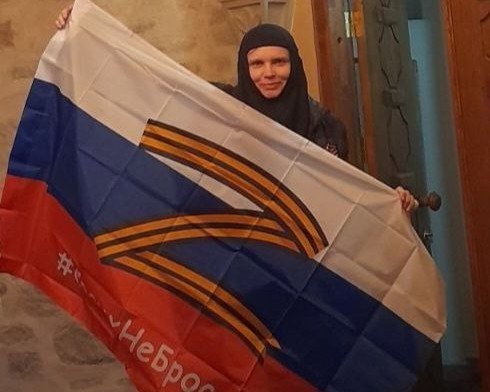
The nuns claim they attended Advent and Christmas fairs in Sweden to sell handmade products, with the proceeds intended to support the poor and care for the elderly. Yet their explicit ideological alignment with Moscow’s war effort—and their documented activities in Russian-occupied Ukrainian territories—tell a different story.
We are not obliged to show hospitality to people who support Russia's aggressive war against Ukraine.
Johan Forssell
Concerns surrounding the convent have emerged across Europe. In Norway, administrators of a Christmas market in Bergen halted the monastery’s participation after identifying its ties to Russia’s military. The convent itself acknowledged the suspension in a post on its official Telegram channel on December 9, 2025.
In Poland, protests took place in front of a Christmas market stall operated by the convent in 2024. Following the demonstrations, the stall was dismantled, and the contract with the nuns was terminated, preventing further sales of their products at the fair.
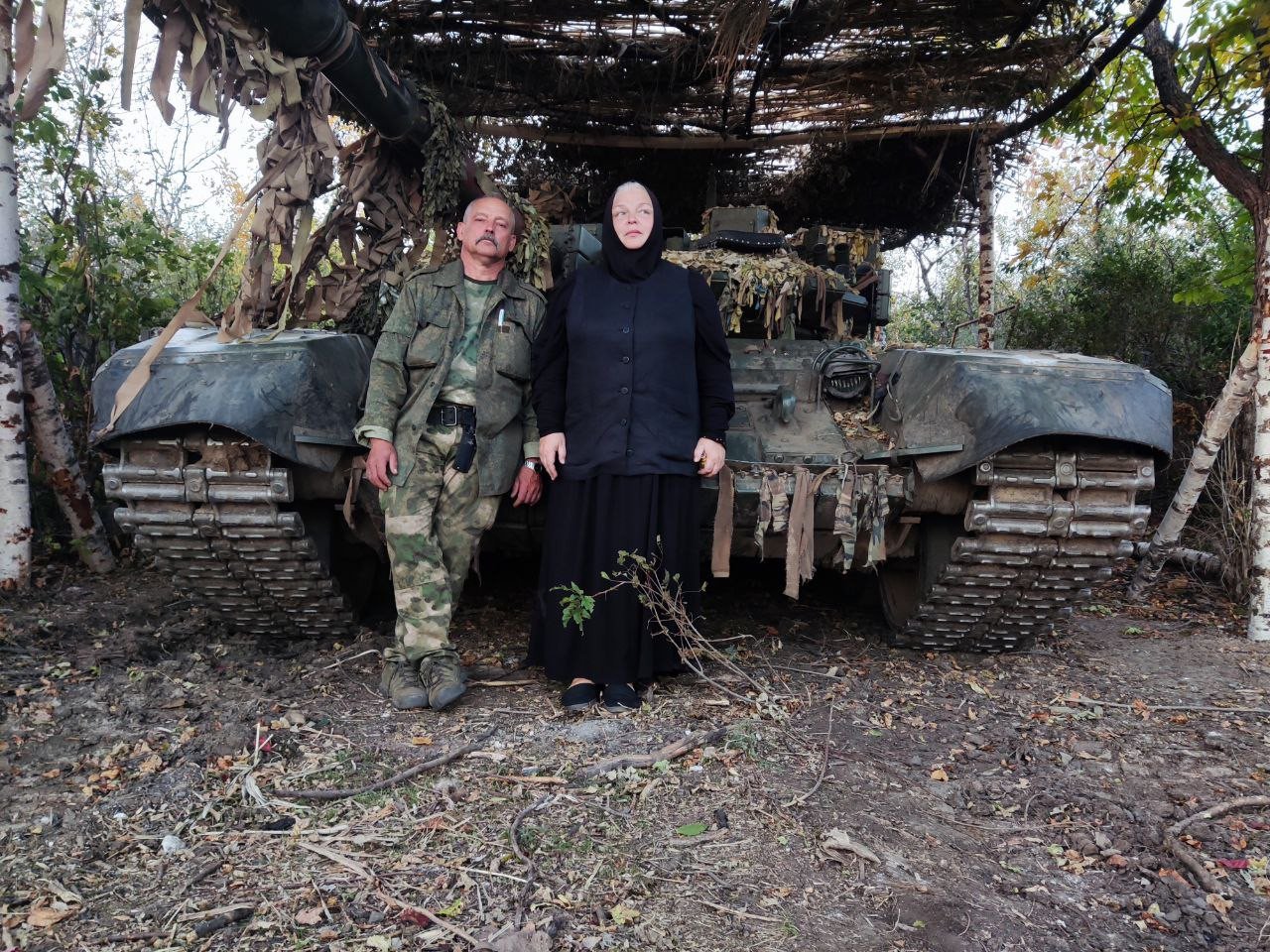
The sisters who bless Russian troops
The nuns are closely linked to the regime of Belarusian leader Alexander Lukashenko and have repeatedly been accused of conducting influence and propaganda campaigns across Europe under the rhetoric of peace, spirituality, and harmony.
Their language regarding Ukrainians is openly hostile. During Easter celebrations, the convent publicly congratulated Russian frontline troops fighting in Ukraine, and said:
Dear our soldiers…we wish each of you a speedy return home. May all these frictions and disputes end, may all the vile creatures disappear from our planet.
Nun Nymphodora openly stated that they promote Russian narratives during their trips to Europe and socialize with Europeans who support Putin, during a regular meeting of the monastery's sisters, which was published on the Convent's YouTube channel. Their designated driver to Western Europe was Dmitry Ivanovich Korbalovich, a former Belarusian KGB officer, investigations found.
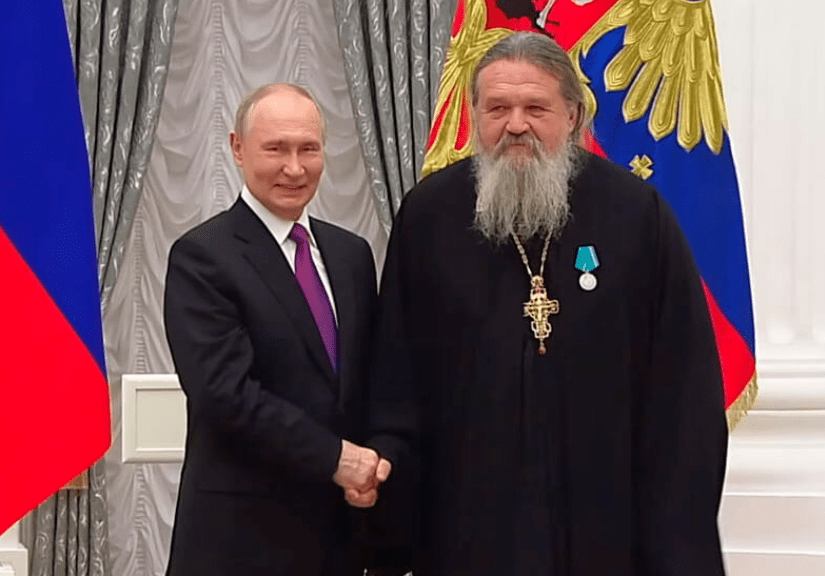
The monastery’s leadership has direct ties to the Kremlin. SEM’s leading priest, Andrey Lemeshonok, was awarded the Russian state “Pushkin Medal” by Russian leader Vladimir Putin himself during a ceremony in the Kremlin on October 15, 2025. The award recognized Lemeshonok for his “significant contribution to the preservation and development of the Russian language and culture abroad.”
Civil society groups have raised repeated alarms. The Nordic Ukraine Forum, in collaboration with the People’s Embassy of Belarus in Sweden, actively worked to highlight security concerns surrounding the nuns’ latest pilgrimage to Sweden and their broader activities across the region.
The “humanitarian missions” that supply Russia’s army
The Saint Elisabeth Convent has been active in Russian-occupied areas of Ukraine since 2015, one year after the Kremlin’s initial invasion in 2014. The monastery has consistently framed these visits as “humanitarian missions,” despite mounting evidence of political and logistical support for Russia’s military.
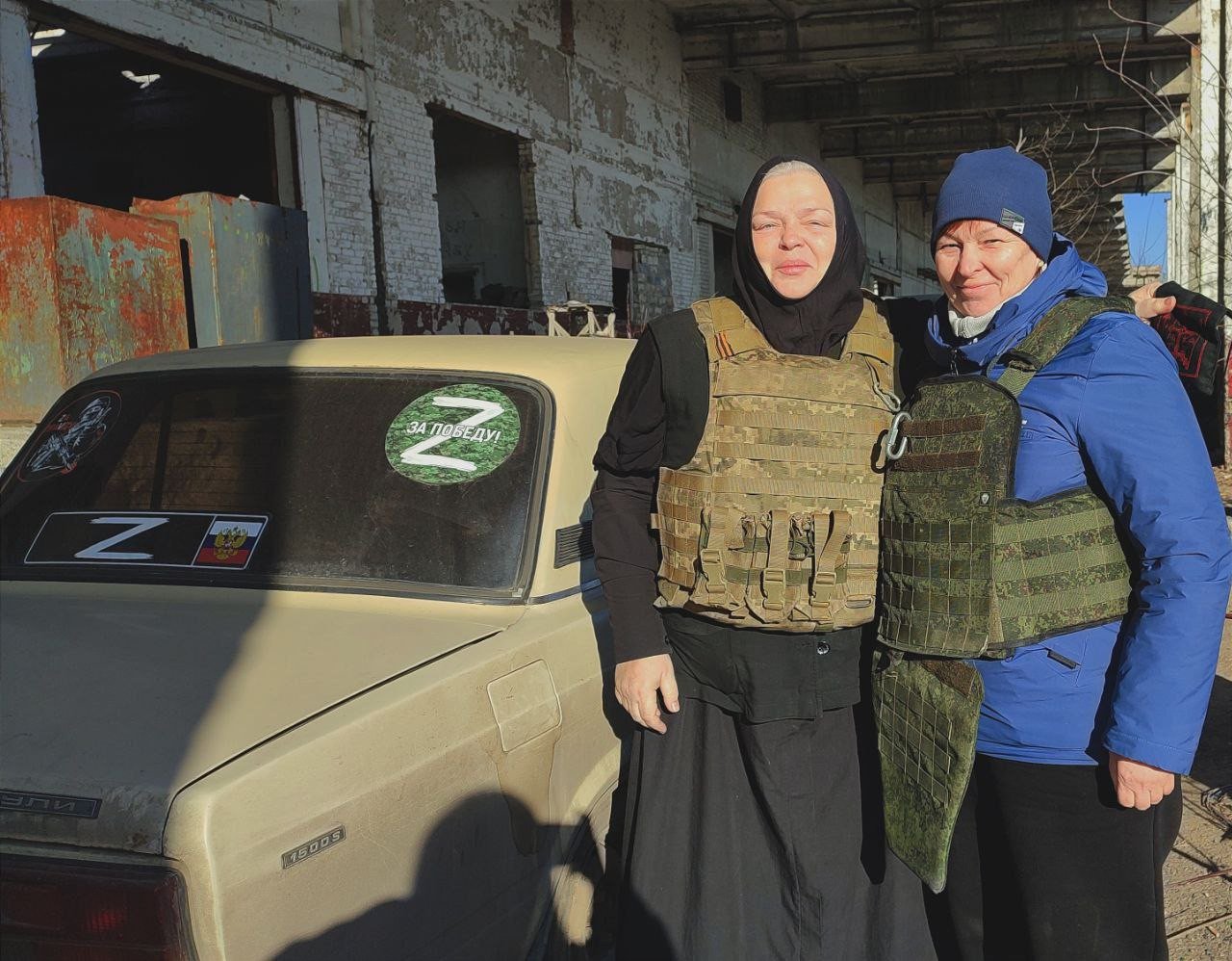
Following Russia’s full-scale invasion of Ukraine in 2022, Lemeshonok began regularly broadcasting messages justifying Moscow’s aggression on the convent’s YouTube channel, which has amassed more than 620,000 subscribers.
That same year, the convent launched a volunteer group called “Help to the Brothers,” openly aligned with the Russian military. A Belsat TV journalist, posing as a volunteer, contacted a nun affiliated with the group, who confirmed that they purchase electronic warfare equipment, anti-drone systems, radios, and medical supplies such as hemostatic agents and tourniquets for Russian forces.
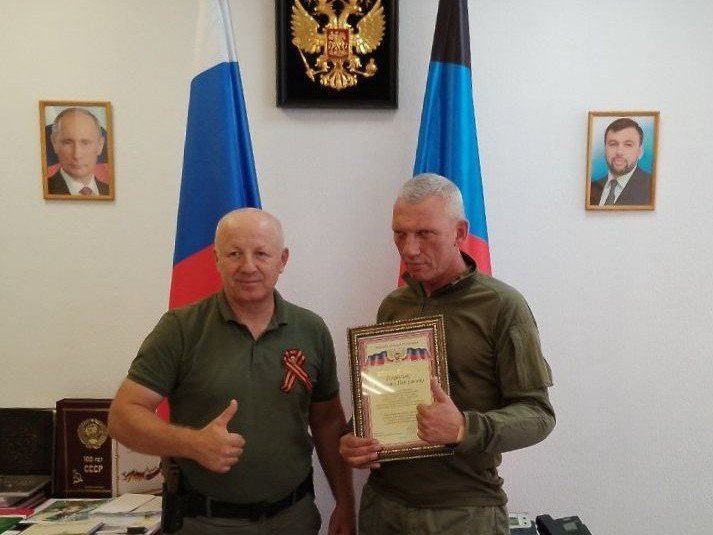
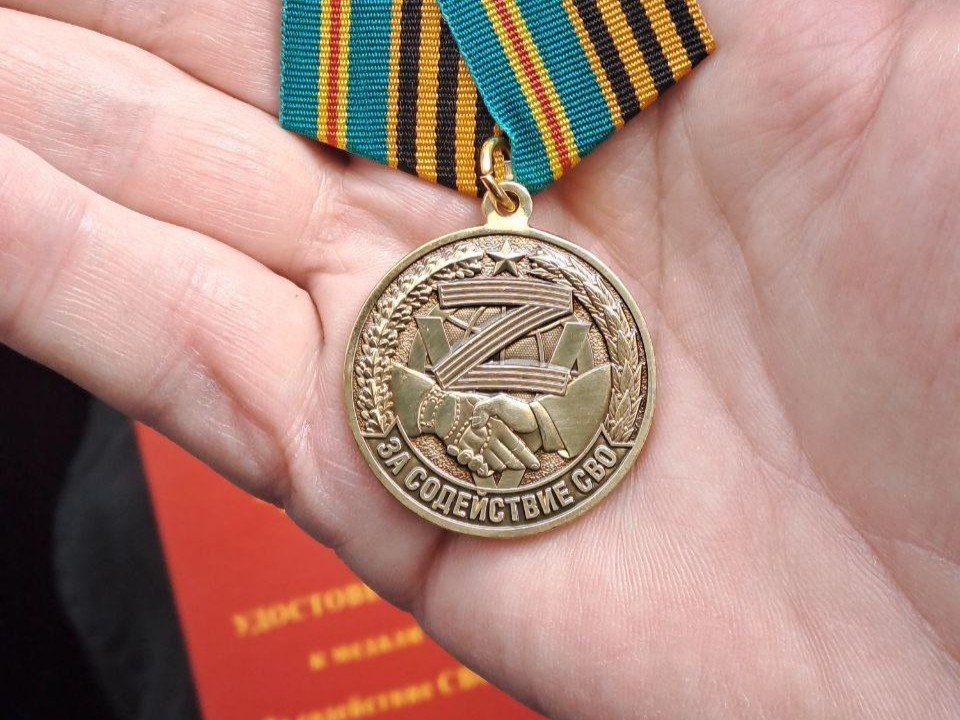
The convent’s involvement predates the full-scale invasion by far. In 2015, it established the “Help to Donbas Group,” coordinated by Nikolay Gavrilov, who has received a “letter of gratitude” from Denis Pushilin—the head of the self-proclaimed Donetsk People’s Republic —as well as a military medal for his activities in Russian-occupied territories.
The convent’s child militarization pipeline
Gavrilov, with the nun’s support, provides so-called humanitarian assistance to Ukrainians under the Russian occupation, and transports Ukrainian children from the temporarily occupied territories to Russia and Belarus, according to “STOPSEM”, a Belarusian NGO publishing the nun's pro-Putin activities. The church currently has an active fundraiser on its website called “Children of Donbass”
The SEM is currently raising funds for Gavrilov to return to Russian-occupied Ukrainian territories. He visited the cities of Chasiv Yar, Toretsk, Avdiivka, Ocheretyne, and Pokrovsk in November 2025—locations referred to on the convent’s website by their former Russian names.
The Convent is also currently organizing an 11-day pilgrimage to Ukraine’s occupied Crimean Peninsula in 2026.
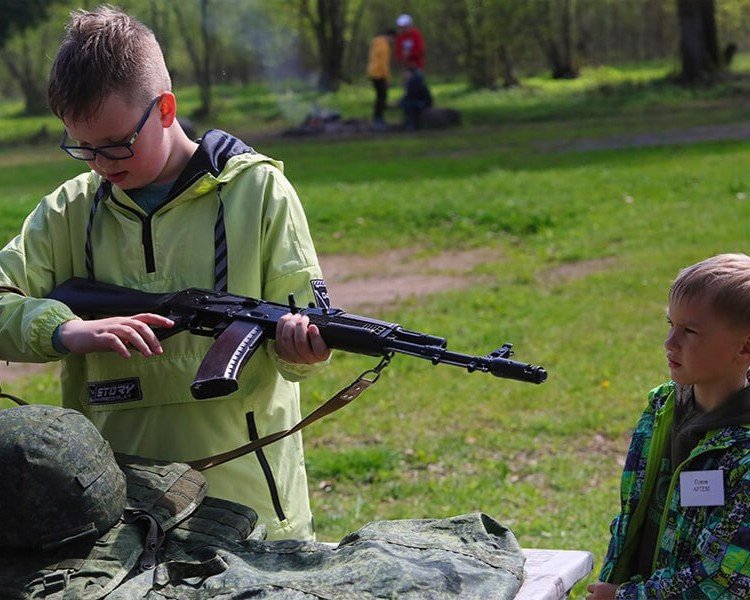
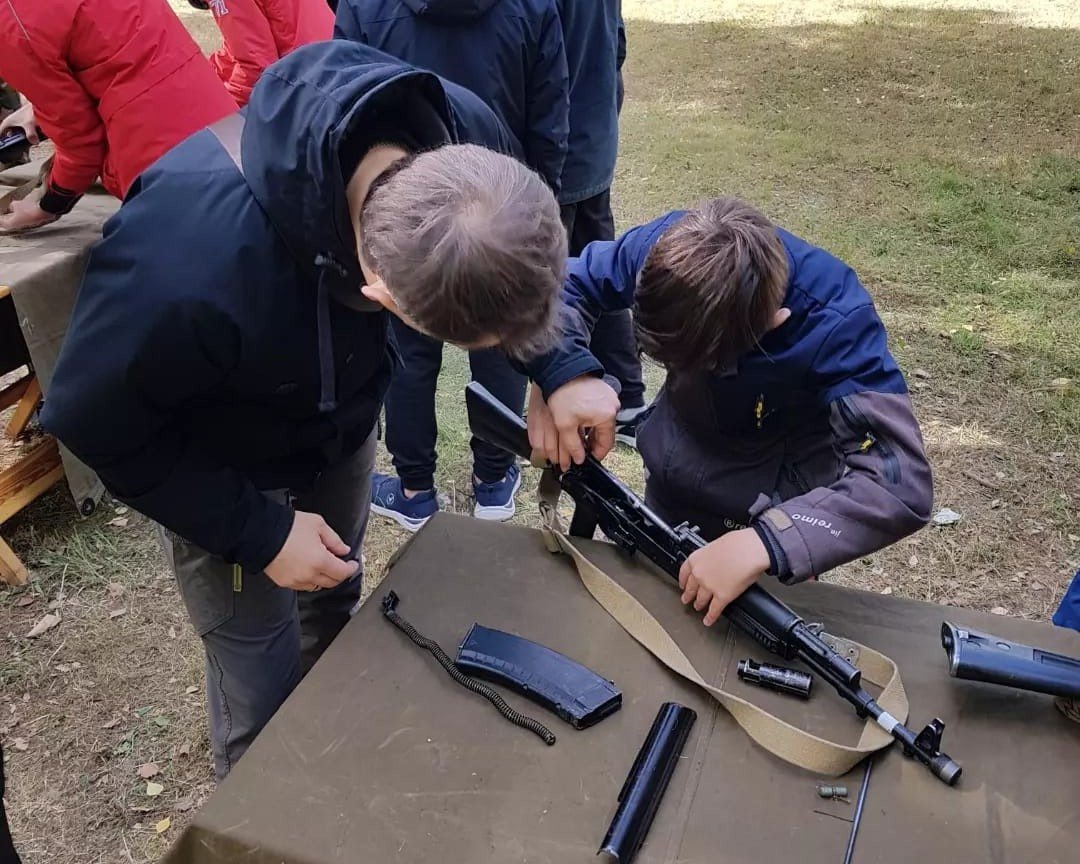
The monastery also runs a youth movement known as the “Eaglets.” Each summer, children participate in military-themed training programs at the Minsk monastery, where they are taught to assemble automatic weapons, load magazines, fold parachutes, take shooting positions, rapidly don military equipment, and write letters to Russian soldiers. One of several examples of how the Convent indoctrinates children into militaristic values.
The Russian Orthodox Church as a soft power tool
SEM’s activities in Sweden were first exposed by Olena Velychko and Alyona Kashyna of Nordic Ukraine Forum . Velychko noticed the Swedish Church promoting an upcoming visit by the Convent on social media.
The Swedish Church—Sweden’s largest Christian denomination with 5.4 million members—has been a strong supporter of Ukrainian refugees since Russia’s full-scale invasion. Collaborating with a pro-Putin organisation was out of the ordinary, but a simple example of how the ROC is able to manipulate its so-called religious values for the Kremlin’s interests. Velychko told UNITED24 Media that the public must remain vigilant when engaging volunteers from Belarus or Russia.
Do not be naive. Be careful, so you’re not pulled into their dirty propaganda. They are not about religion—their mission is propaganda and brainwashing.
Olena Velychko
Nordic Forum Ukraine board member
The Convent’s actions are part of a broad, global Kremlin influence campaign. Presented as “humanitarian aid,” the Russian Orthodox Church has become a soft-power weapon—spreading pro-Kremlin narratives under the guise of faith and charity.
In Africa, the ROC helps Moscow exploit natural resources, expand its political reach, push Russian propaganda, and build support for its growing military presence.
In Russian-occupied areas of Ukraine, more than 1,600 parishes and 23 monasteries have been seized. The ROC has pressured congregations to cooperate with Moscow, and priests have been killed for refusing.
Across Europe, the Convent helps funnel support for Russia’s war, while the ROC is used for espionage—building churches near strategic sites, government offices, and military bases to aid Kremlin intelligence efforts.
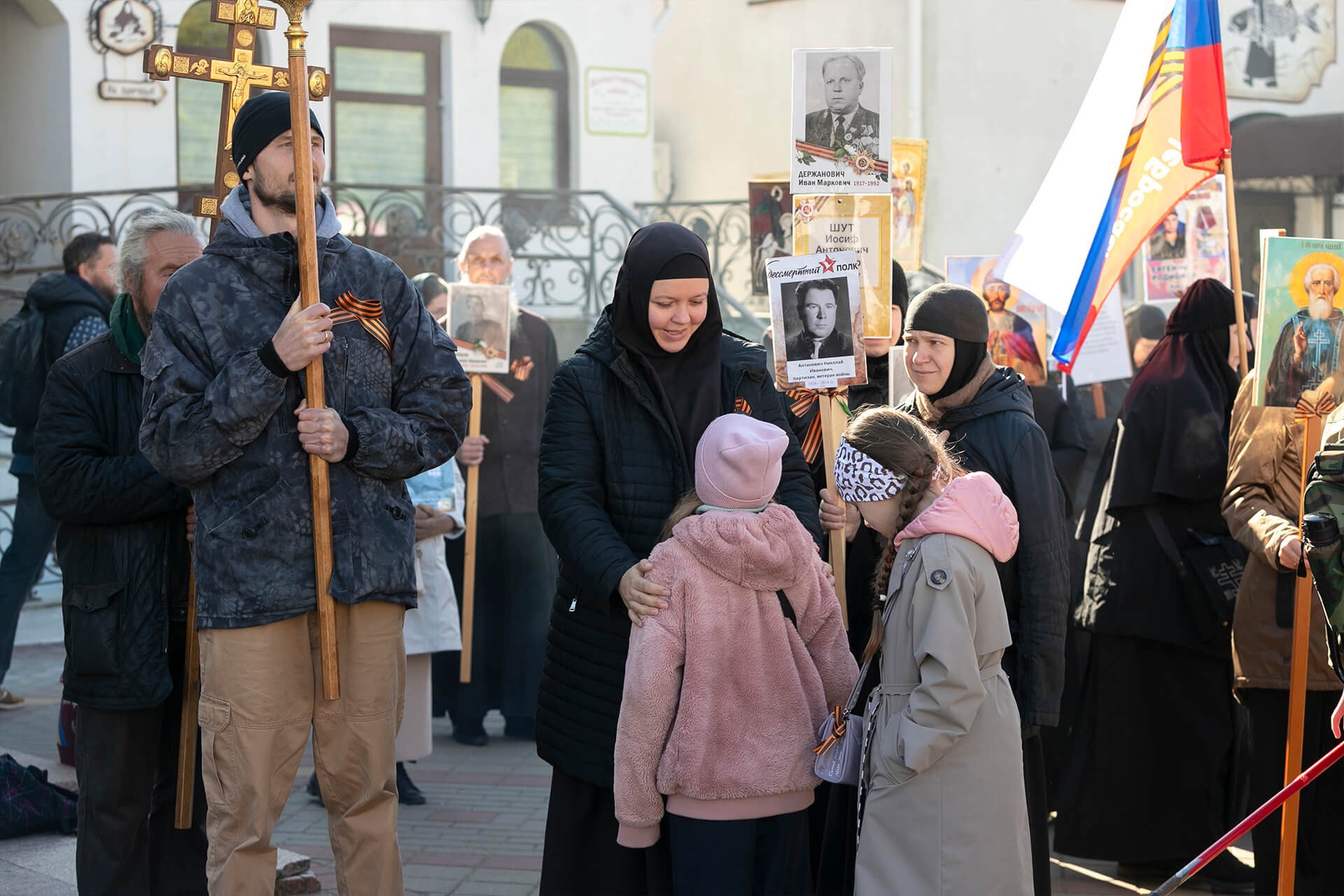
Sweden’s intelligence service, Säpo, has assessed that the ROC is used by the Russian state “as a platform for gathering intelligence and other security-threatening activities,” and that church representatives actively encourage Russia’s war against Ukraine.
The ROC has constructed a church in the Swedish city of Västerås, located alarmingly close to several sites of sensitive infrastructure. These include Västerås Airport used as a NATO hub, a facility that produces nuclear fuel assemblies, critical energy supply infrastructure, and a metallurgical plant—all within a few kilometers. Most notably, the church is also situated in close proximity to Sweden’s Army Headquarters.
Although Sweden’s agency responsible for grants to faith-based institutions has moved to cut funding to the ROC, the church’s international pilgrimages have continued, alongside its open support for Russia’s military.
Discuss this article:
-331a1b401e9a9c0419b8a2db83317979.png)


-206008aed5f329e86c52788e3e423f23.jpg "Photo of Oleksandr Moiseienko")

-72b63a4e0c8c475ad81fe3eed3f63729.jpeg "Photo of Cyril Barabaltchouk")